






21 Sep 2026


International Business School Suzhou (IBSS) at Xi’an Jiaotong-Liverpool University recently organised research visits to Inovance in Suzhou and Soochow Futures as part of its Industry Research activities. The visits focused on how futures and derivatives are used to manage risk in industry, giving students perspectives from both corporate risk management and specialist financial services.
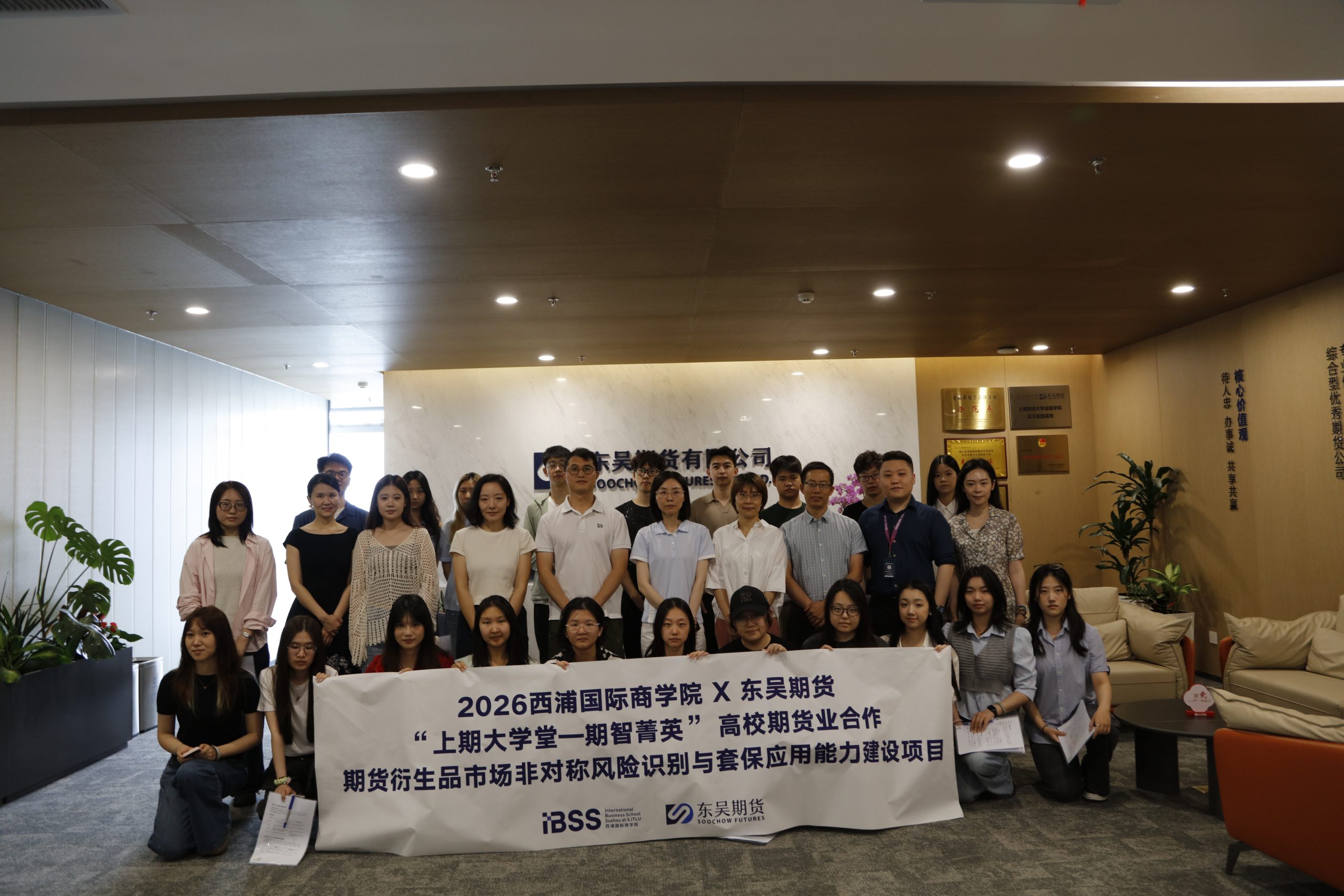
The visits formed a key practical component of the Shanghai Futures Exchange’s 2026 “SHFE Academy—Futures Elites” university–futures industry collaboration programme. The project is led by Dr Wenquan Li, Deputy Head of the Department of Finance; Professor Stephen Gong, Head of the Department of Finance; and Dr Jia Zhai and Dr Edwin Ruan, Senior Associate Professors of Finance. Twenty final-year Economics and Finance students taking part in the project joined the visits, gaining first-hand insight into industry practice through discussions with company representatives.
The visits reflect IBSS’s ongoing commitment to industry research and to strengthening links academia and business. Dr Wenquan Li, Dr Jia Zhai and Dr Edwin Ruan joined the visits, together with Yun Zhou, Manager of Business Intelligence and Industry Research at IBSS.
From raw materials to risk management at Inovance
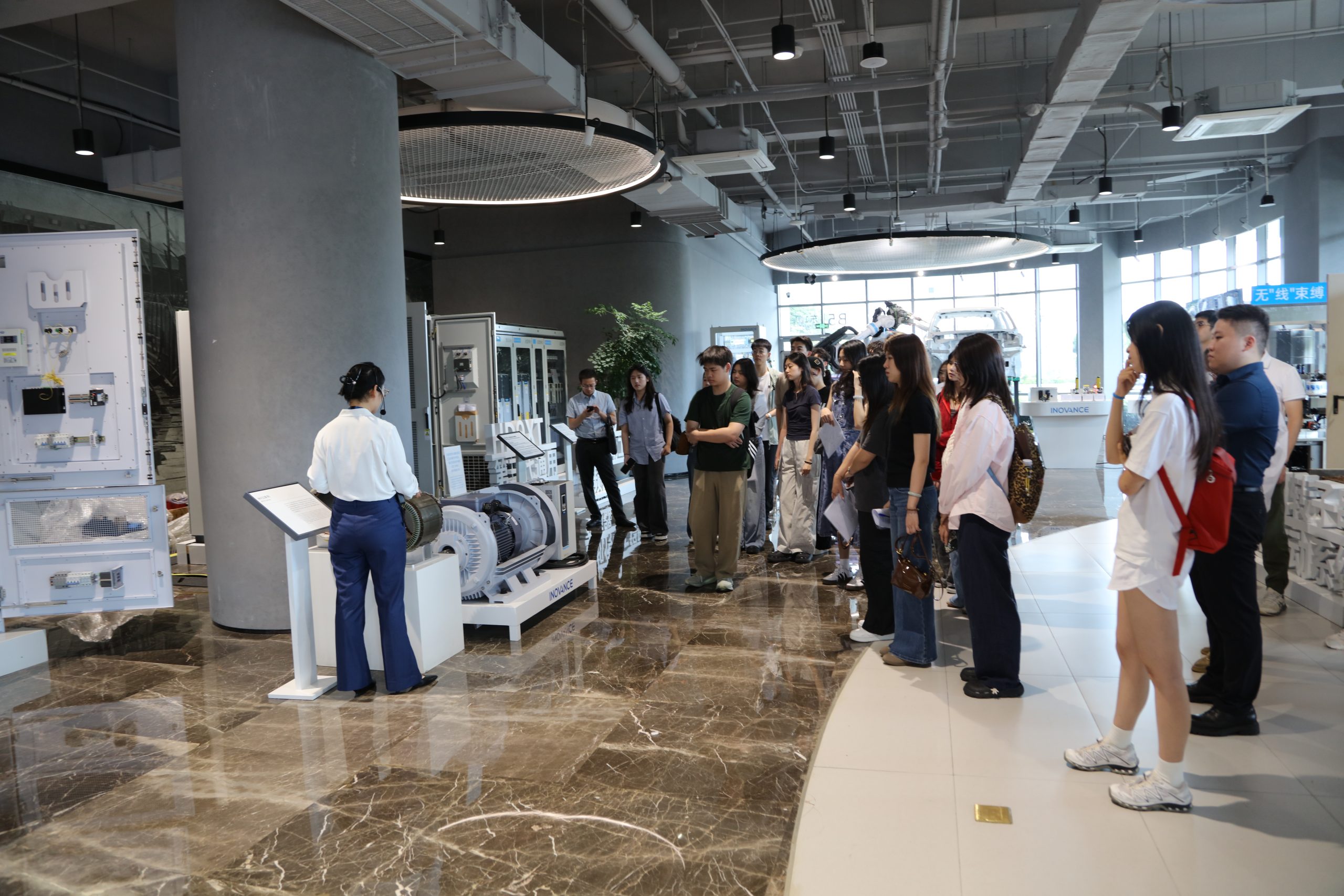
The first stop was Suzhou Inovance Technology Co., Ltd. Yulin Chang, East China Marketing Manager at Inovance, introduced the company's product portfolio, customer base and industrial automation applications. Students learned that industrial automation is not simply about delivering standalone hardware. It depends on the integration of controllers, variable-frequency drives, servo systems, motors, software platforms and industry-specific solutions.
The visit also gave students a first-hand look at the cost risks industrial automation companies face when the prices of raw materials such as copper and aluminium fluctuate. To manage this volatility, Inovance has established an office dedicated to bulk commodities management office within its procurement centre to monitor market movements. The company uses futures hedging and price discovery in futures markets to inform the timing of physical purchases. Annual fixed-price agreements are combined with exchange-traded hedges to manage price exposure more effectively. Inovance is also exploring option-embedded trade arrangements involving the company, its suppliers and futures firms, with the aim of reducing costs and improving efficiency under certain market conditions. Together, these measures strengthen the company's resilience amid volatility in commodity markets.
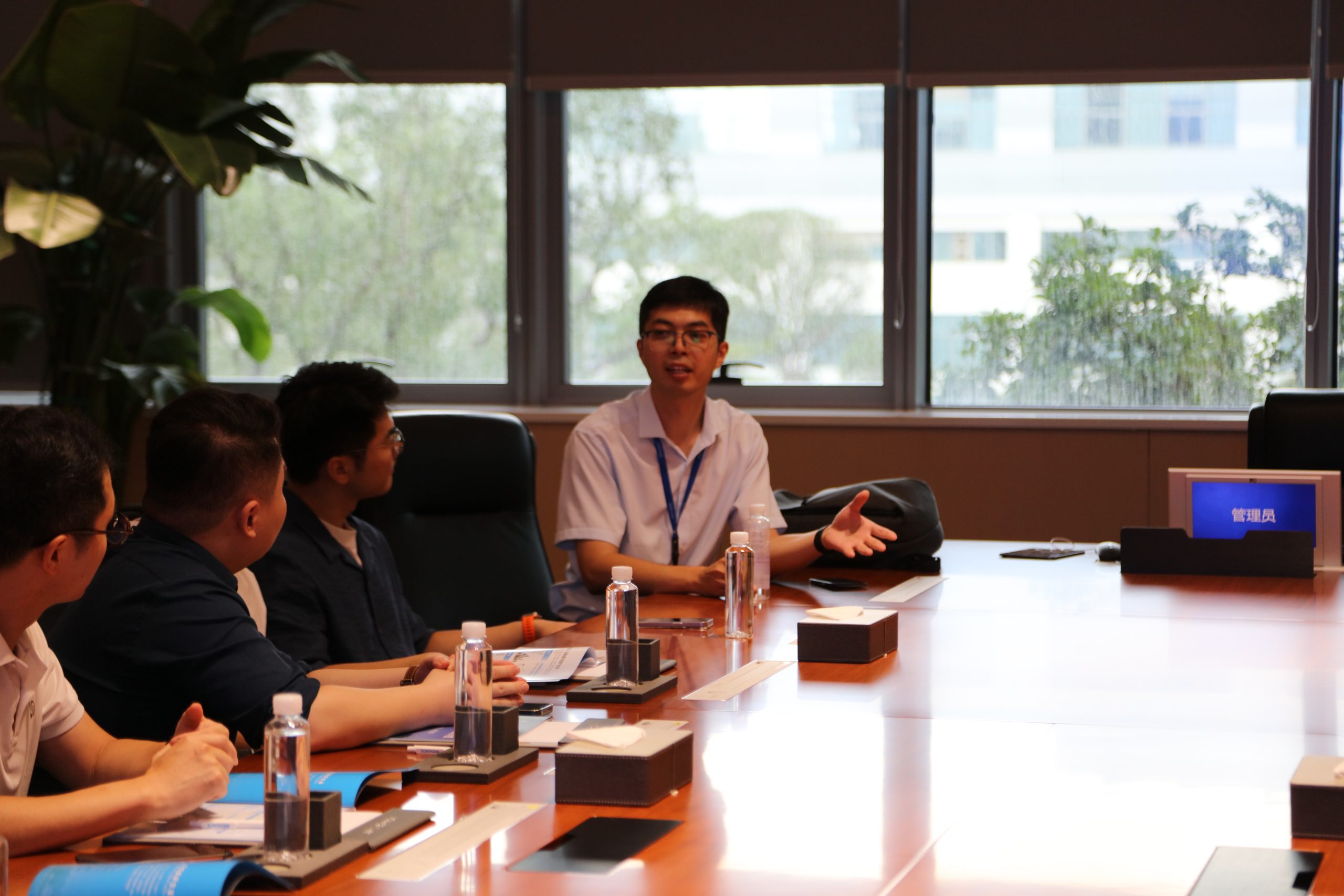
Yulin Chang
During the discussion, students asked about customer segments, the integration of hardware and software, overseas operations and marketing. Drawing on his own transition from electrical engineering into marketing, Chang explained that marketing in an industrial setting requires more than strong communication skills: it also depends on a deep understanding of both the products and customers' needs. The group also discussed how exchange-rate movements can affect the profitability of overseas projects.
Derivatives at Soochow Futures
The delegation then visited Soochow Futures Co., Ltd., where they were welcomed by Jing Zhao, General Manager of the Wealth Management Headquarters; Yanxing Zhou, General Manager of the Retail Client Department; Yanjing Lu, Specialist in the Retail Client Department; and Ziqi Liu, Specialist in the OTC Sales Department at Shanghai Soochow Jiuying Investment Management Co., Ltd.
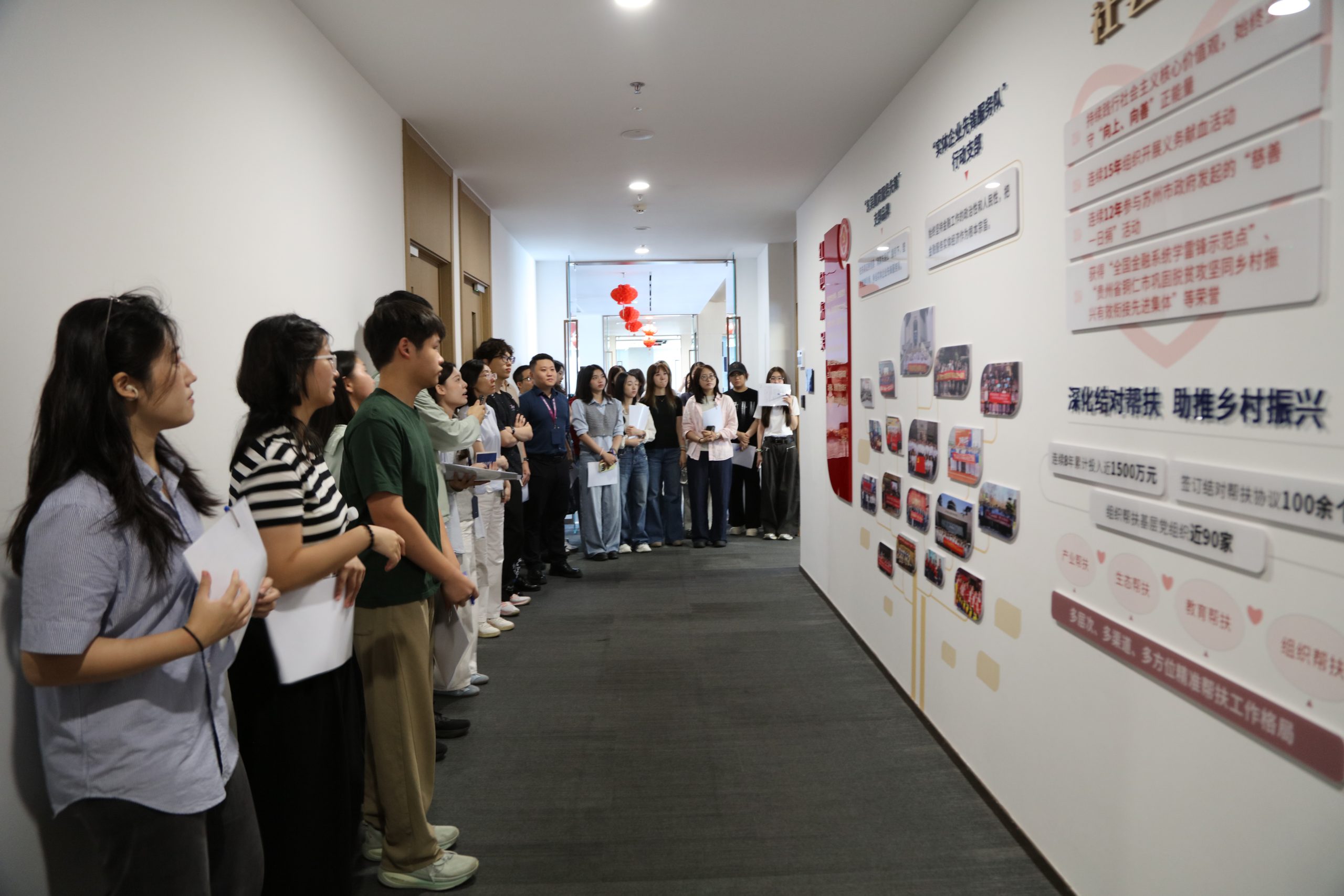
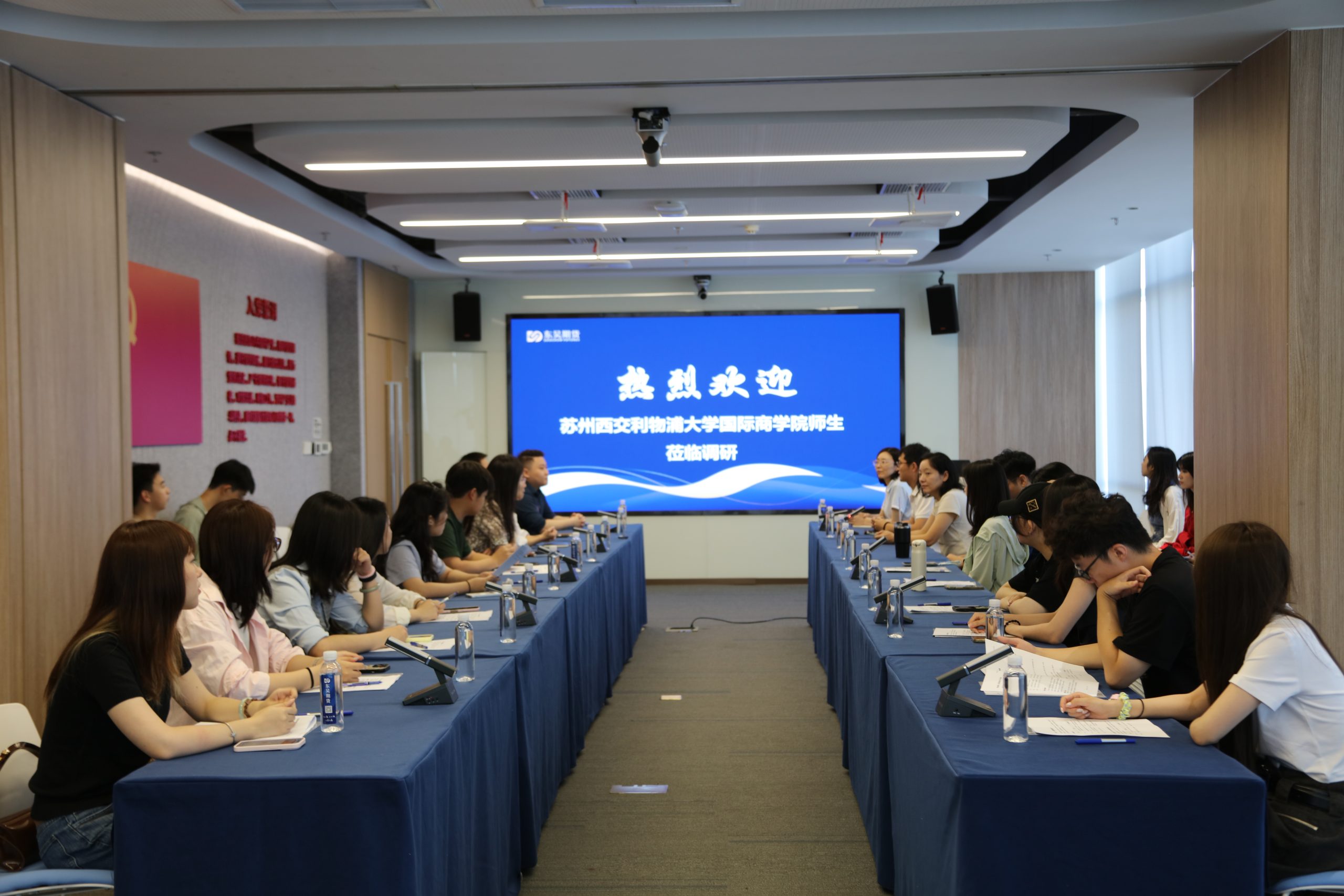
During the tour, students learned about Soochow Futures' development, business portfolio, organisational structure and corporate culture. They gained a clearer picture of futures brokerage, trading advisory, asset management, trade clearing and risk control. Referring to fluctuations in commodity prices, company representatives explained that futures markets are highly sensitive to macroeconomic policies and international events. Because leverage can amplify price movements, robust professional risk management is essential.
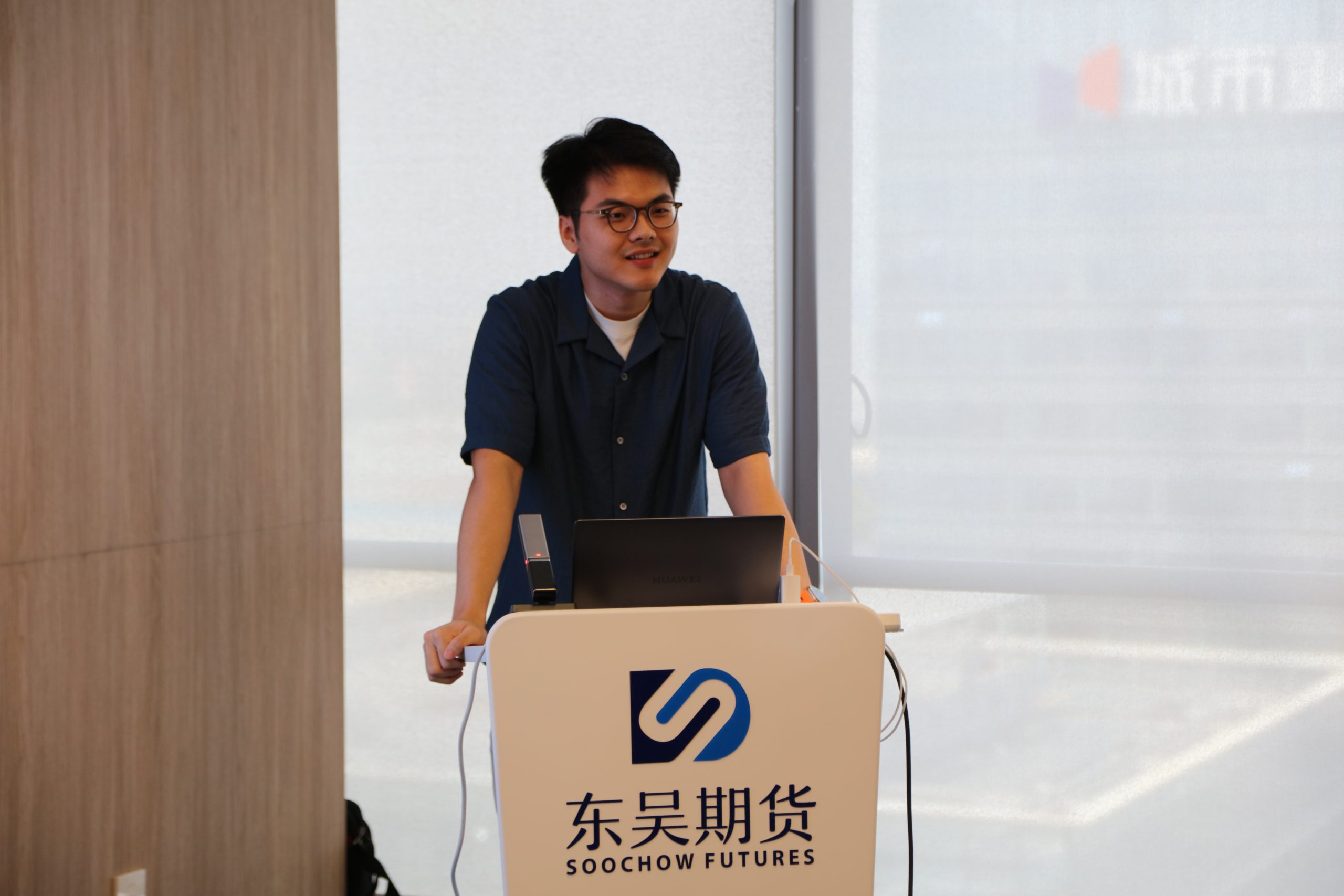
Ziqi Liu
In a dedicated session, Ziqi Liu used business cases to explain over-the-counter derivatives, option-embedded trade, integrated futures-and-physical strategies and hedging. Responding to a question about how OTC products are priced, company representatives explained that pricing takes into account factors such as exchange-traded volatility, pricing models, existing positions, hedging costs and liquidity. Transactions may be cash-settled or physically settled through an accompanying trade arrangement.
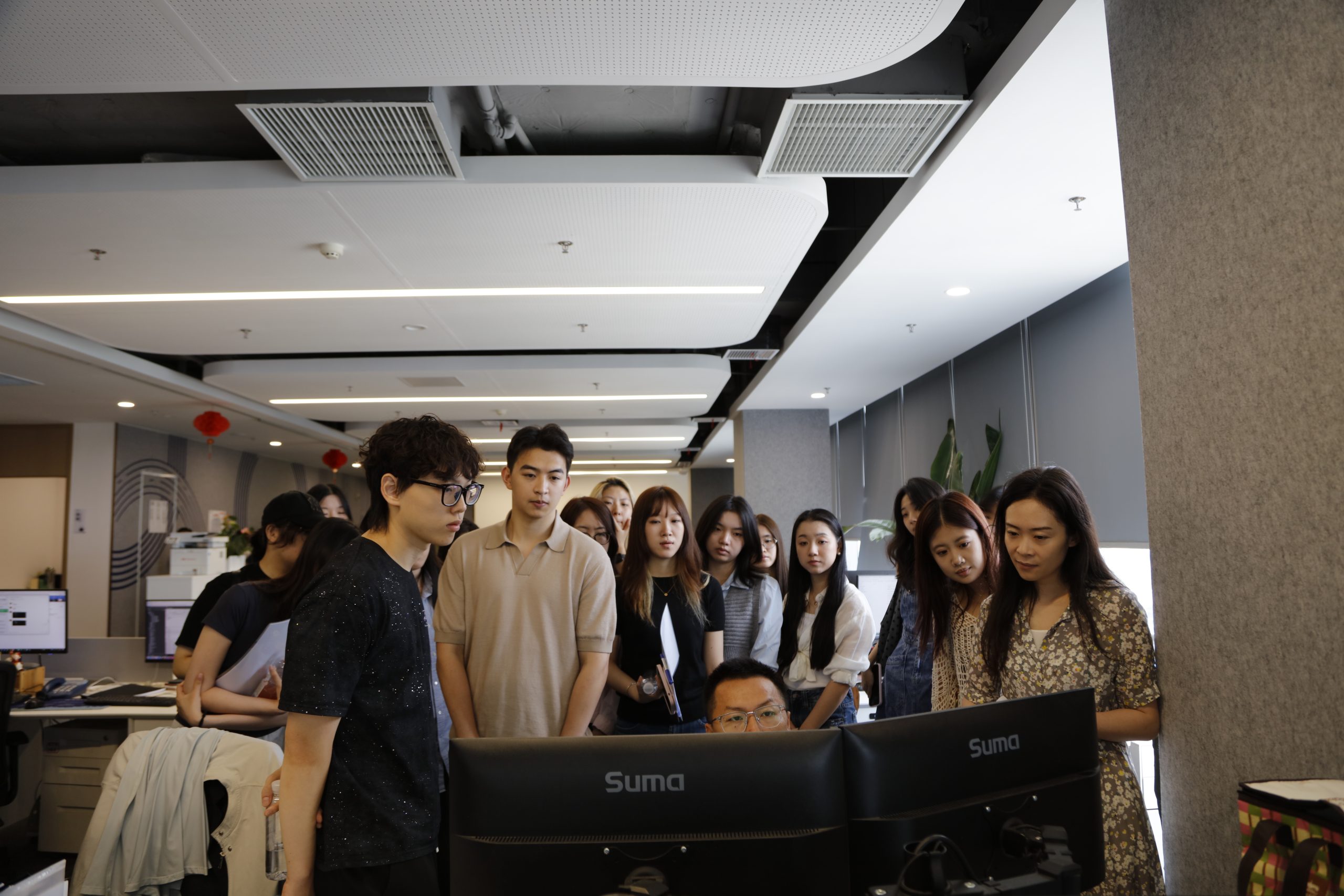
The discussion then turned to margin, stress testing, risk exposure and position hedging. Company representatives emphasised that OTC derivatives primarily serve eligible institutional clients and should be designed around genuine procurement, inventory or sales needs. When used for hedging, these instruments can help stabilise costs and business expectations; when used speculatively without an underlying physical exposure they can magnify losses. Futures firms therefore use measures including margin requirements, stress testing and dynamic hedging to keep risk under control.
The visits brought together two complementary perspectives: a manufacturing company managing risk in its day-to-day operations and a futures firms supporting industrial clients. Students saw how businesses identify risks arising from raw materials, inventory, sales and foreign exchange, while also learning how futures firms support clients through product design, trade execution, risk management and compliance.
Concepts such as options, margin and hedging moved from the textbook to real business decisions. IBSS will continue to deepen university-industry collaboration and give students opportunities to strengthen their understanding of risk management through practical industry engagement.
About the SHFE programme
In 2026, the Shanghai Futures Exchange (SHFE) launched the “SHFE Academy—Futures Elites” university–futures industry collaboration programme to strengthen links between universities and the futures industry, bring industry expertise into education and support the development of future professionals. The programme also supports efforts to incorporate investor education into the national education system.
Under this programme, International Business School Suzhou (IBSS) and Soochow Futures are jointly implementing the “Capacity Building for Asymmetric Risk Identification and Hedging Applications in Futures and Derivatives Markets” project.
Through joint curriculum development, company research visits, investor education and the practical application of project outcomes, the project brings industry practice into finance education. It helps students strengthen their ability to identify risks, apply hedging strategies and solve real-world problems.
21 Sep 2026