





Academy of Artificial Intelligence and Advanced Technology


Vision
The Academy aims to be a leading centre for AI-enabled education, research, and innovation. It seeks to contribute to the development of future talent, knowledge, and technological solutions that address real-world challenges.
Mission
The Academy will integrate high-quality, industry-connected education with state-of-the-art research to prepare students and academic staff to thrive in a rapidly evolving digital landscape. It will foster a collaborative and inclusive culture that supports innovation, interdisciplinary thinking, and engagement with industry, government, and communities.
By embedding AI literacy and technological fluency across the curriculum, the Academy will help shape the University’s response to the global skills agenda. It will also enhance the University’s visibility, competitiveness, and influence within the higher education ecosystem.

Education and Practice
The Academy offers a comprehensive academic pathway spanning 9 undergraduate, 10 master’s and 3 PhD programmes. Its portfolio is organised around three core pillars: AI Core (Applied AI, Algorithms, and Data Science), Infrastructure (Computer Systems and Software Engineering), and Frontier Engineering (Communications, Electrical Engineering, and Mechatronics).
Through cross-campus mobility, the Academy equips students with advanced technical fluency and AI literacy. It also prepares them to manage complex technological change through project-driven learning and immersive, industry-connected experiences.
Research and Innovation
Led by an international team of academic staff, the Academy conducts advanced research that addresses fundamental scientific questions and real-world challenges in AI and advanced technology. Its research strengths are organised across five major divisions:
- Foundational AI: advancing machine learning, deep learning, and large-scale foundation models;
- Human-centred and creative intelligence: exploring next-generation human-computer interaction, spatial computing, and immersive technologies (extended reality);
- AI for science and health: developing AI for scientific discovery and precision health care;
- Applied intelligence: advancing intelligent automation, advanced robotics, and intelligent connected systems; and
- Materials, energy, and semiconductors: developing emerging semiconductors, smart materials, and sustainable energy technologies.
Through cross-disciplinary collaboration, the Academy translates basic research into practical solutions, contributing expertise to global technological progress.
Industry Engagement and Societal Impact
The Academy works closely with industry leaders, research organisations, and public-sector partners. Its collaborations span a range of strategic areas, including digital technologies, intelligent manufacturing and industrial automation, health care, and biomedicine.
Through collaborative research, knowledge exchange, technology transfer, talent development, and entrepreneurship initiatives, the Academy strengthens the connection between academic discovery and real-world application, ensuring research has a meaningful impact.
The Academy is committed to the responsible development and use of AI. It aims to ensure that advances in AI and emerging technologies contribute to industrial transformation, societal progress and a more sustainable future. This will be achieved through innovation, collaboration, and engagement.


About
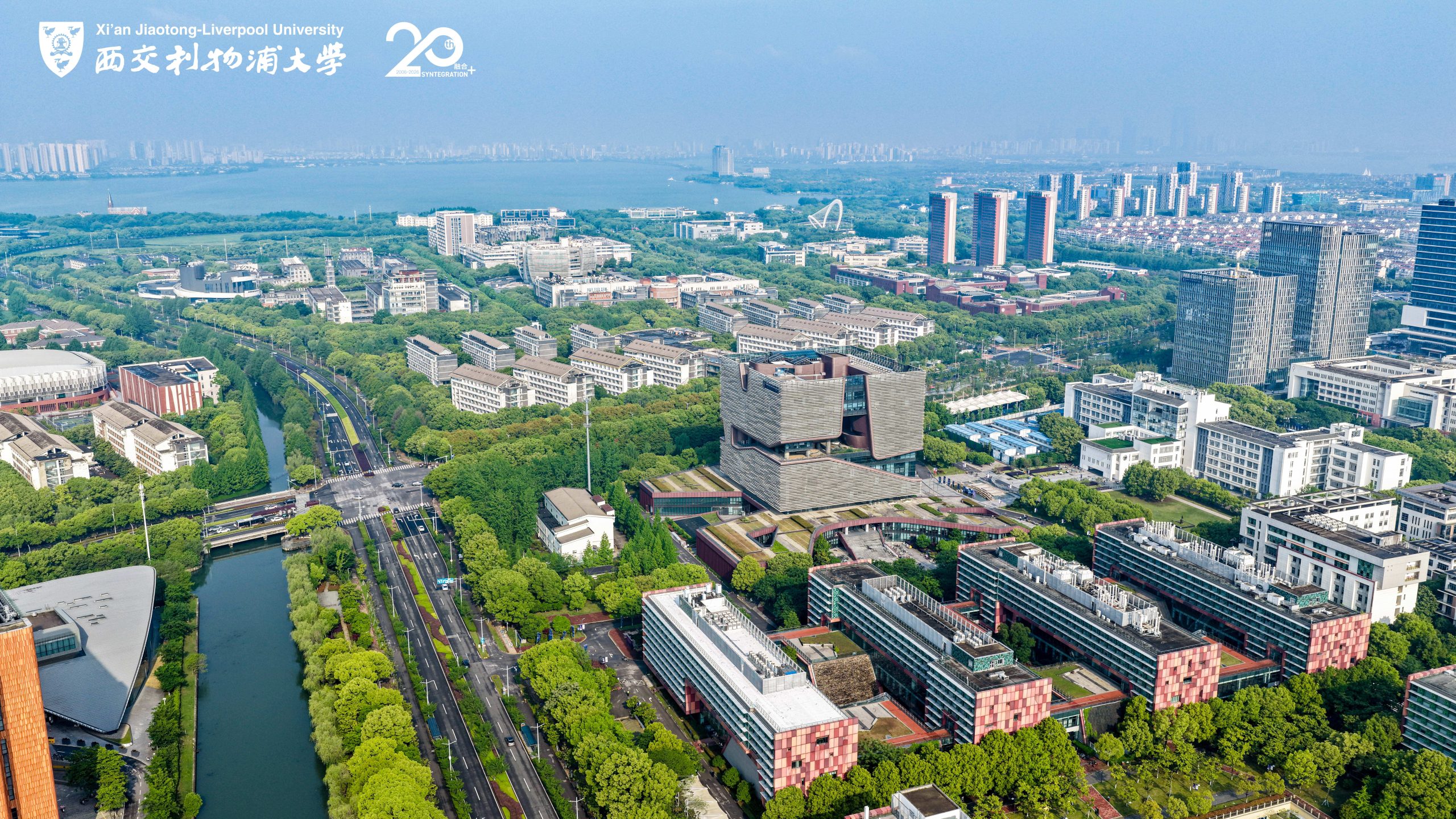
The Academy of Artificial Intelligence and Advanced Technology (AIAT) at XJTLU is a future-focused, academically excellent, and innovative academic unit. AIAT integrates elite resources across artificial intelligence, computer science, energy, and electronic and communications engineering to forge an ecosystem where education, research, and industry seamlessly converge.
As a key strategic initiative supporting XJTLU’s future in science and technology, the Academy is founded on the principles of being forward-focused, providing interdisciplinary innovation, enhancing external relevance, and generating societal impact. Through world-class research, cross-disciplinary collaboration, and global partnerships, it seeks to advance knowledge, address complex real-world challenges, and develop the next generation of innovators, researchers, and technology leaders equipped to shape the future in an era of rapid digital transformation.