




05 Mar 2026


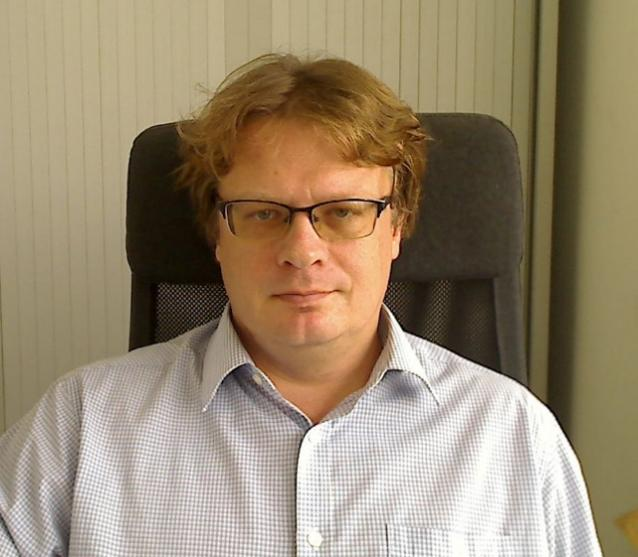
Dr Eugene Ponomarev received his B.S. degree in Natural Sciences, M.S. degree in Molecular Biology at the Faculty of Chemical and Physical Biology, Moscow Institute of Physics and Technology, and then a Ph.D. degree in Immunology from the Russian Academy of Sciences. Later, he moved to the USA and accomplished his postdoctoral training in neurology and immunology at the Blood Centre of Wisconsin (Medical College of Wisconsin) and Harvard Medical School (Harvard University and Brigham and Women's Hospital). In the USA, Dr Ponomarev was later appointed as an Assistant Professor in Neurology at Brigham and Women’s Hospital, Harvard Medical School. In 2013, Eugene Ponomarev moved to Hong Kong SAR of China, where he held the position of Assistant Professor at the School of Biomedical Sciences, Faculty of Medicine, the Chinese University of Hong Kong.
Currently, Dr Eugene Ponomarev holds an Associate Professor position at the Department of Biosciences and Bioinformatics, XJTLU, and honorary Adjunct Professor positions at Nazarbayev University, Kazakhstan, and City University of Hong Kong. Ponomarev’s laboratory has international recognition in the field of neuroinflammation and neurodegeneration. He published more than 50 peer-reviewed scientific articles in top international academic journals, such as Nature Medicine, Journal of Immunology, Journal of Neuroscience, etc. Dr Ponomarev has 30 years of research and 15 years of teaching experience in academia, working across the globe.
Teaching / Research field
Dr Ponomarev currently teaches BIO113 Molecular Biology Techniques and BIO210 Biotechnology courses. He will be involved in the future in teaching anatomy and physiology for a new program in Biomedical Sciences. He has extensive experience not only in teaching but also in research related to these disciplines, and he will be sharing his experience during his lectures, giving students an idea about knowledge application. As part of his teaching philosophy, Dr Ponomarev believes that students need a solid basis of fundamental knowledge that enables them to understand the cause-and-effect connections of observed phenomena in biology, biomedicine, and interdisciplinary research.
His research program aims to delineate the immunological mechanisms that regulate neuroinflammation and promote repair in the central nervous system (CNS). He conceptualizes CNS inflammation as a regulated cascade in which distinct cellular players are recruited and activated in a time-dependent manner. Inflammatory processes are initiated by a triggering event—occasionally identifiable, as in traumatic brain injury (TBI), but often unknown in many neuroinflammatory and neurodegenerative conditions such as multiple sclerosis and Alzheimer’s disease. Following the trigger, neuronal tissue sustains initial damage, which is then met by sequential immune responses: platelets react to neurovascular injury within seconds, tissue-resident macrophages (including microglia) within minutes, peripheral macrophages within hours, and adaptive immune cells (T and B cells) within days.
A central focus of Dr Ponomarev’s laboratory is to identify novel mediators and define the mechanisms that initiate and propagate neuroinflammation, with the ultimate goal of developing therapeutic strategies for a broad range of neurological disorders. This work is grounded in the laboratory’s original discoveries showing that major brain glycolipids—positioned near the blood–brain barrier within lipid rafts of astrocytes and postsynaptic neurons (neuronal lipid rafts, NLR)—can specifically activate platelets and B1a B cells. In addition, his team has identified other bioactive lipids associated with high-density lipoproteins (HDLs) that can bias microglia and macrophages toward a regenerative, M2-like innate immune phenotype, thereby supporting tissue repair.
Reason to join XJTLU
I believe XJTLU has strong potential to further strengthen its international standing in both teaching and research, and I wish the University continued success on this journey. From my side, I will do my best to contribute to this shared aspiration.
05 Mar 2026