




15 Jul 2026


As a key practical component of the "Doing Business in Changing China" International Summer School, jointly organised by the International Business School Suzhou (IBSS) and the Department of China Studies at Xi’an Jiaotong-Liverpool University (XJTLU), participants visited Suzhou Etron Technologies Co., Ltd. on 1 and 7 July for an in-depth corporate engagement.
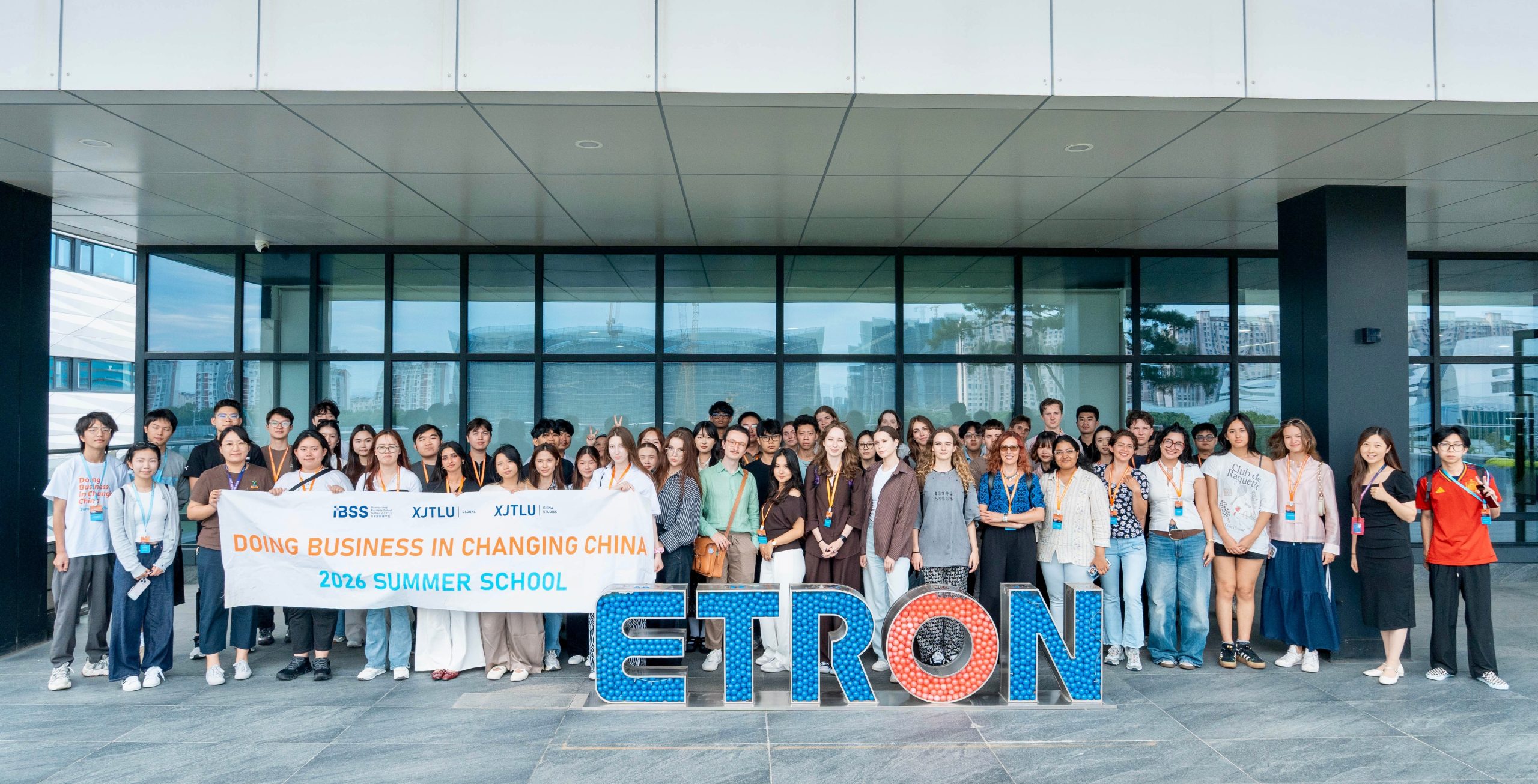
With the support from Etron’s Recruitment Supervisor, Di Wang, the company delivered a well-structured programme of presentations, discussion and a guided tour of its production facilities. The presentations were delivered by Hui He, Sales Director, and Guanqing Liu, Vice President of Etron Technologies, while the workshop tours were led by sales engineers Weiran Tong, Yiwei He, and Yuhao Li. The visit gave international students first-hand insight into China’s electronic manufacturing services (EMS) sector and how firms are responding to shifts in global supply chains.
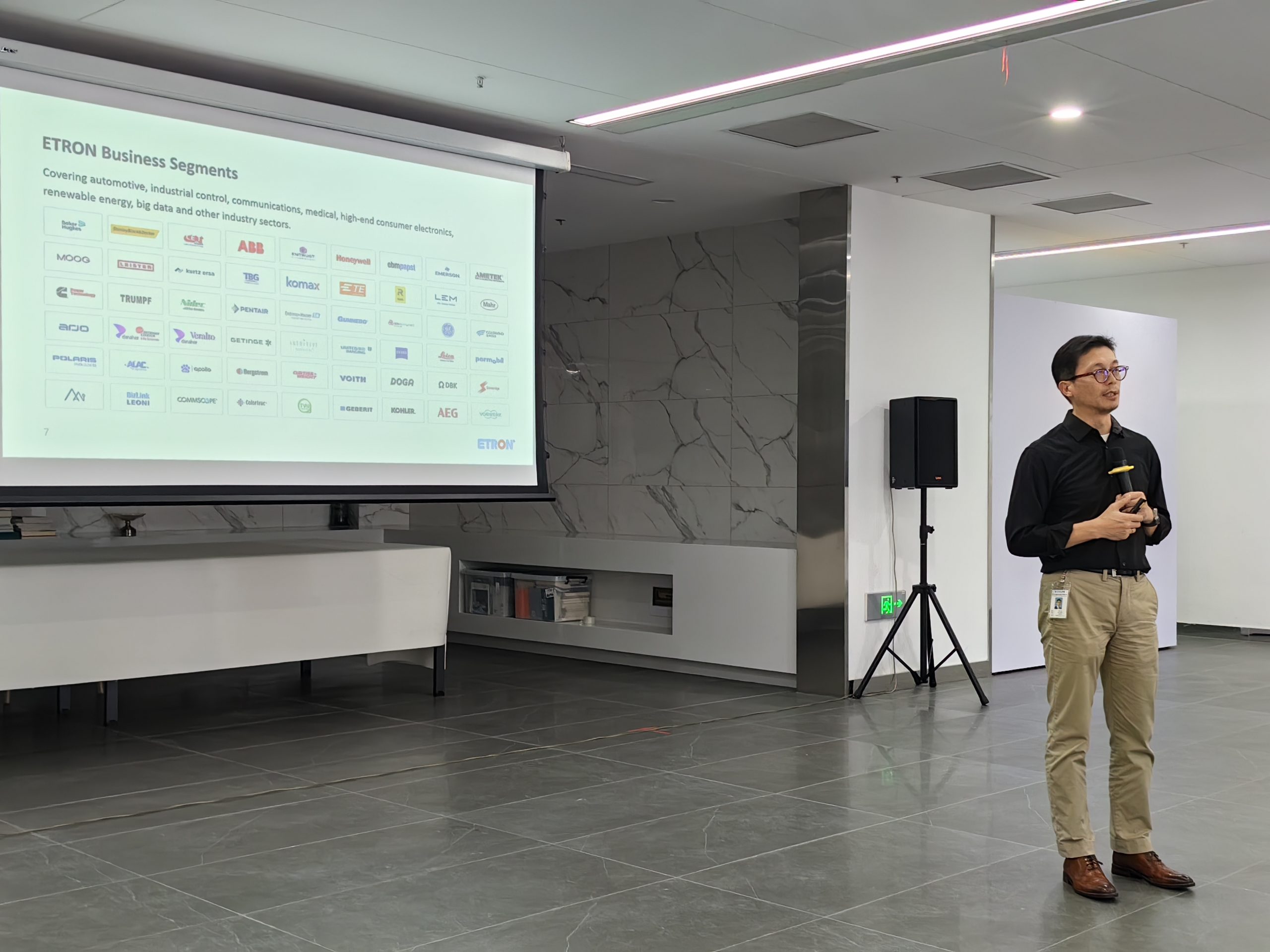
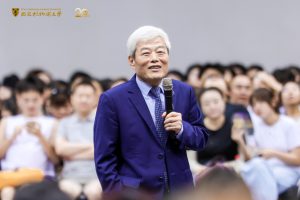
Guanqing Liu
During the 7 July visit, the event began with a presentation by Guanqing Liu, who introduced the company’s development history, global business footprint and key characteristics of the EMS sector. As a provider of electronic manufacturing solutions to clients worldwide, Etron operates production bases in China, Mexico, Finland, and other countries, offering end-to-end services from new product introduction to supply chain management, manufacturing and after-sales support across sectors including medical electronics, industrial control and new energy.
Against the backdrop of changing international trade dynamics, Liu explained how Etron uses its global manufacturing network and localised operations to deliver flexible and efficient supply chain solutions. He noted that as market demands evolve, more clients now expect cross-regional production capabilities, and that globalised expansion a key lever for strengthening supply chain resilience. For students, this offered a clear and practical example of how Chinese manufacturers are upgrading their global capabilities to meet new international realities.
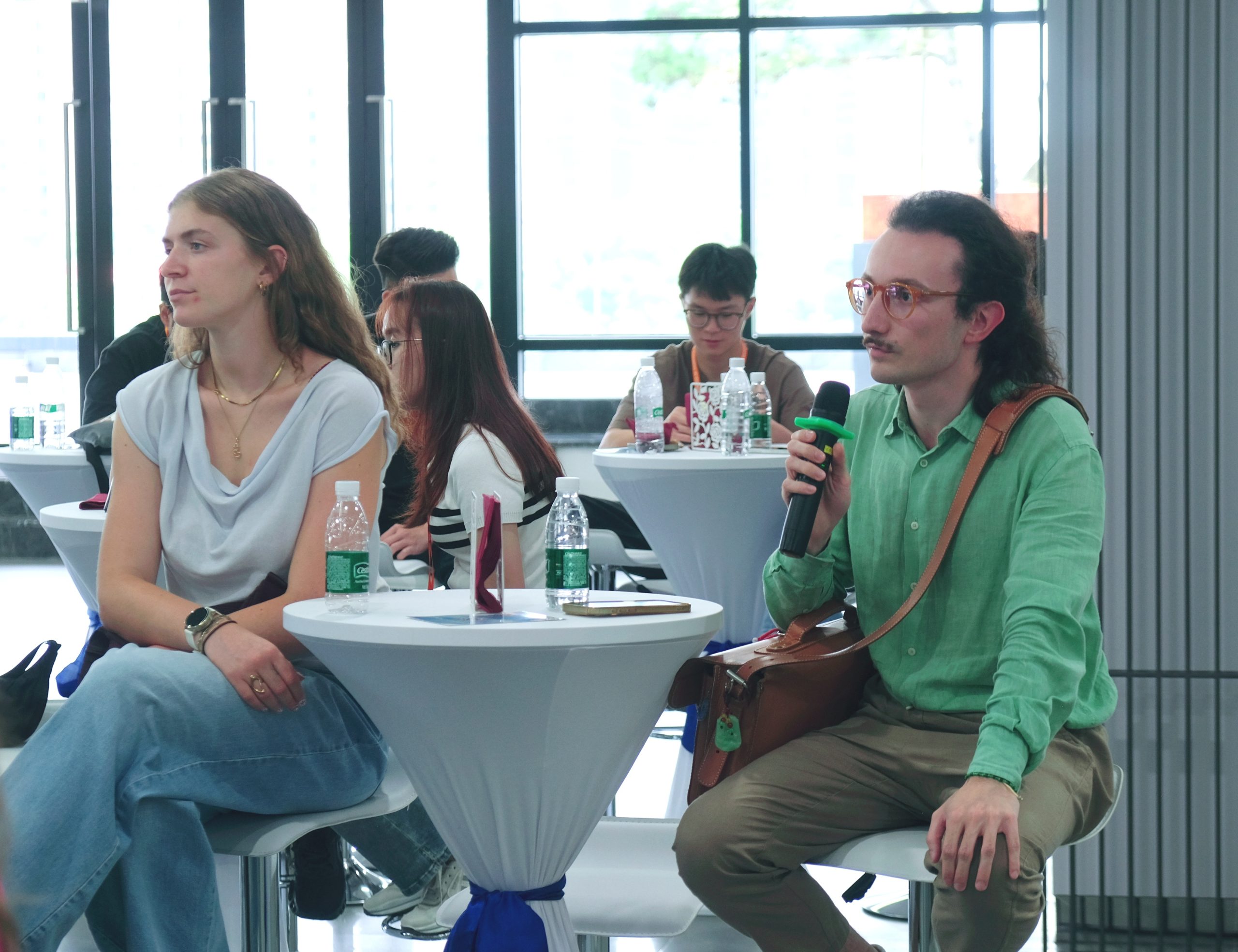
A lively Q&A and discussion session followed, with students raising questions on global supply chain management, tariff policy changes, digital operations, and career development. Young professionals from Etron’s overseas business, supply chain, IT, and quality management teams joined the discussion, sharing their experiences and offering candid insights into industry trends and career paths.
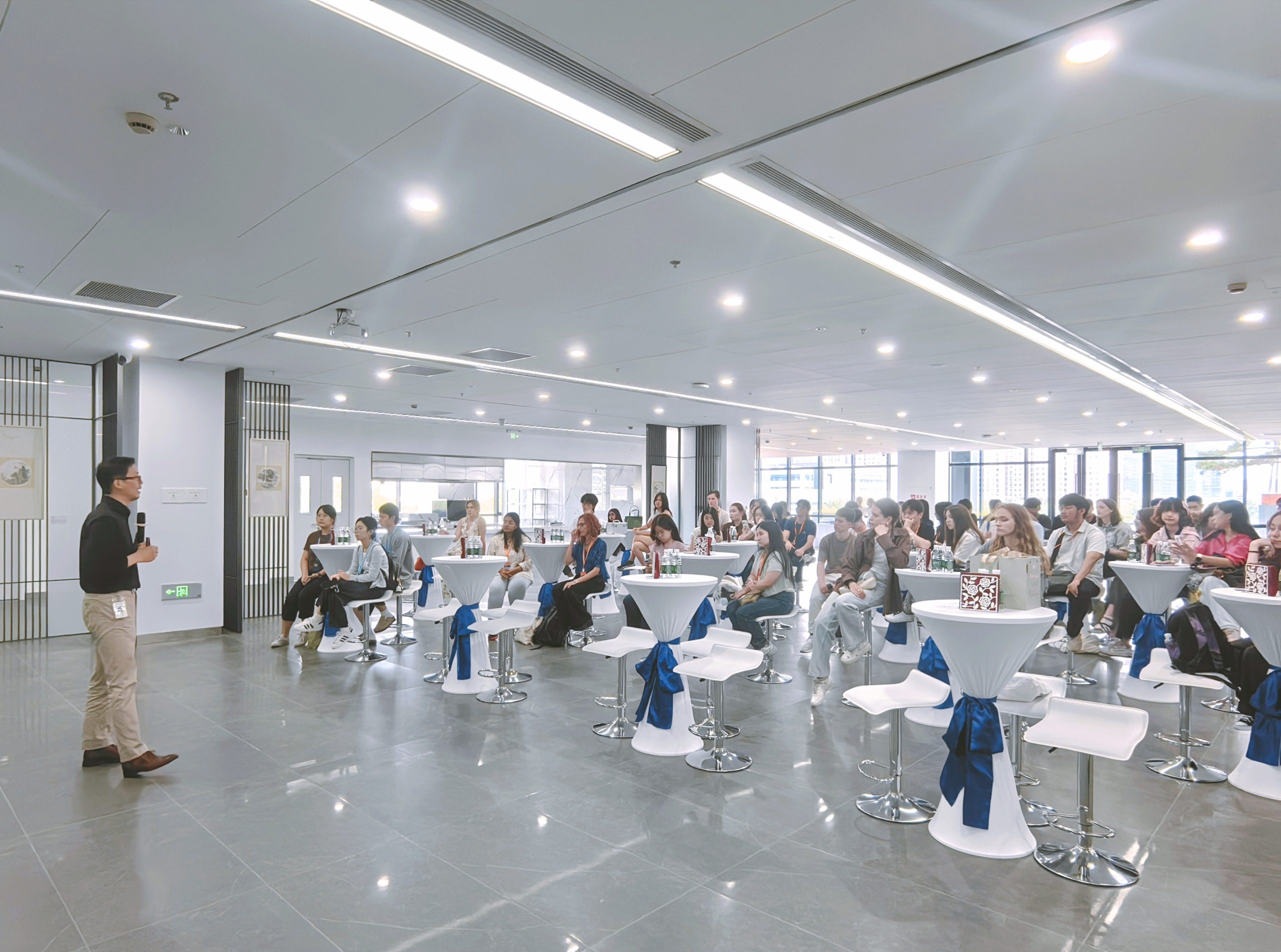
Responding to student questions on supply chain management, Liu explained that in the face of recent global supply chain volatility, Etron has strengthened its critical component supply capabilities, while dedicated teams monitor international policy changes in real time to refine systems and improve responsiveness. The open discussion helped students better understand both the company’s operations and the agility required to compete in global manufacturing.
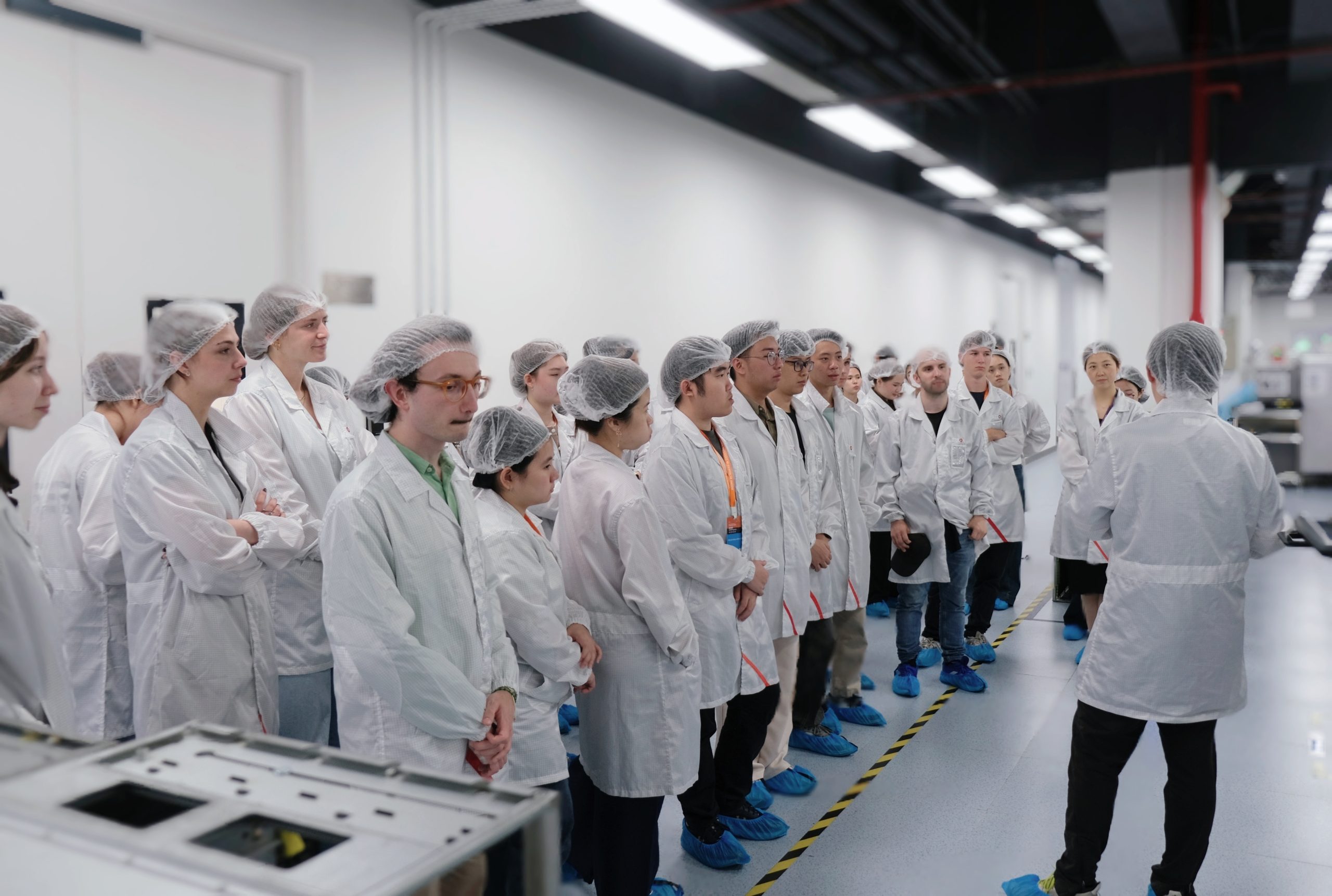
Afterwards, led by Weiran Tong and Yiwei He, the group toured the production workshop to observe the manufacturing process up close. From anti-static protocols to automated optical inspection (AOI), functional testing and quality control systems, students gained a clear view of the journey from production to final delivery. Staff also explained the thinking behind these processes, bringing concepts such as lean manufacturing quality control to life.
Among the participants, Lidia Roman Gonzalez, a Product Manager from Spain working in the biochemistry sector, brought valuable industry experience to the cohort. Reflecting on her motivation for joining the summer school, she said that as her career has progressed, she has felt a growing need to understand how business operates across different countries. Developing a practical understanding of working with with China, she noted, is now essential to her role in management global projects.
"What I enjoyed most was the direct interaction with employees from various departments – including overseas business, IT, supply chain, and quality management. They were very open and took our questions seriously. This showed me the real operations of a Chinese company, not just case studies or financial data from the classroom," she said.
She added that this kind of experience helps bridge that gap between classroom learning and real-world business, offering a more nuanced understanding of Chinese companies and new perspectives for international collaboration.
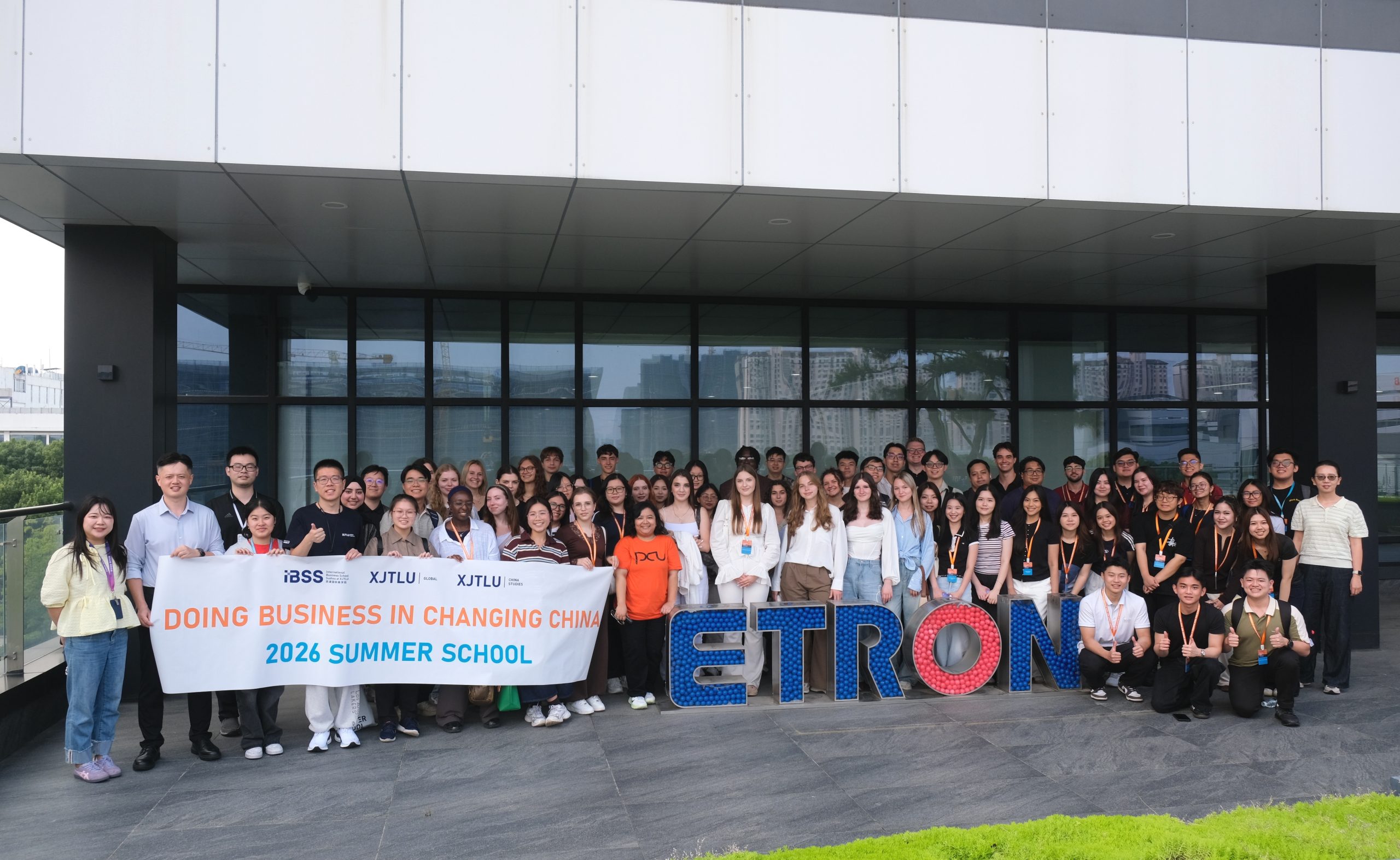
This visit has built a bridge between the international participants and China’s industrial sector. Looking ahead, IBSS will continue to draw on the strength’s of the Yangtze River Delta industrial ecosystem to enhance the practical elements of its summer school programmes. By combining triple-accredited business education, interdisciplinary expertise in China studies and direct industry engagement, IBSS aims to equip globally minded students with a deeper, more grounded understanding of doing business in and with China.
By Xiaoxuan Chen
Edited by Thomas Durham
15 Jul 2026