




Turning the City into a 'School Without Walls' | Suzhou Arts and Culture Festival Opens!

31 Aug 2026


The Suzhou Arts and Culture Festival — Jiangnan Traditions, Contemporary Expressions officially opened at Suzhou No. 1 Silk Factory on 30 August, drawing nearly 100 people to its opening event.
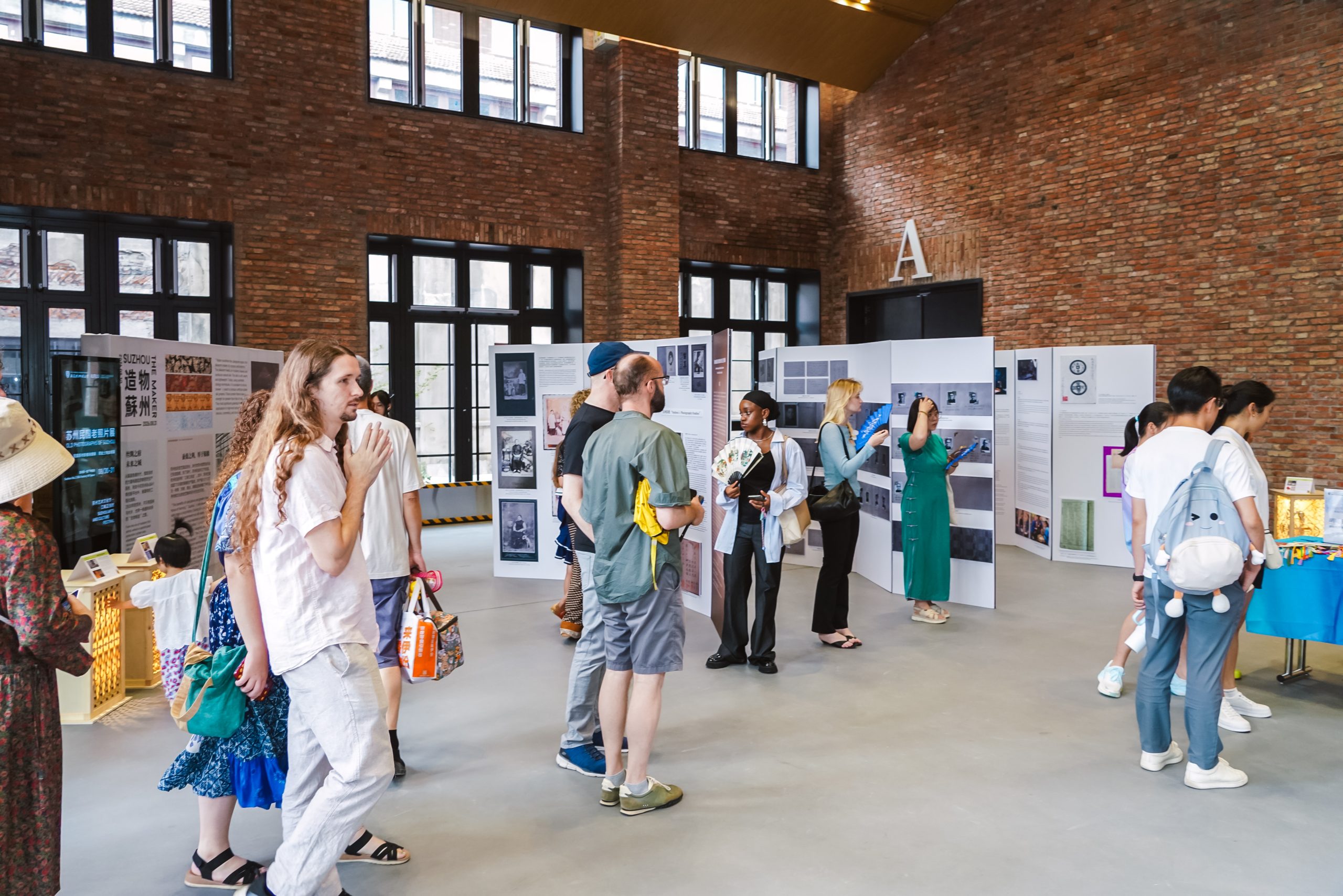
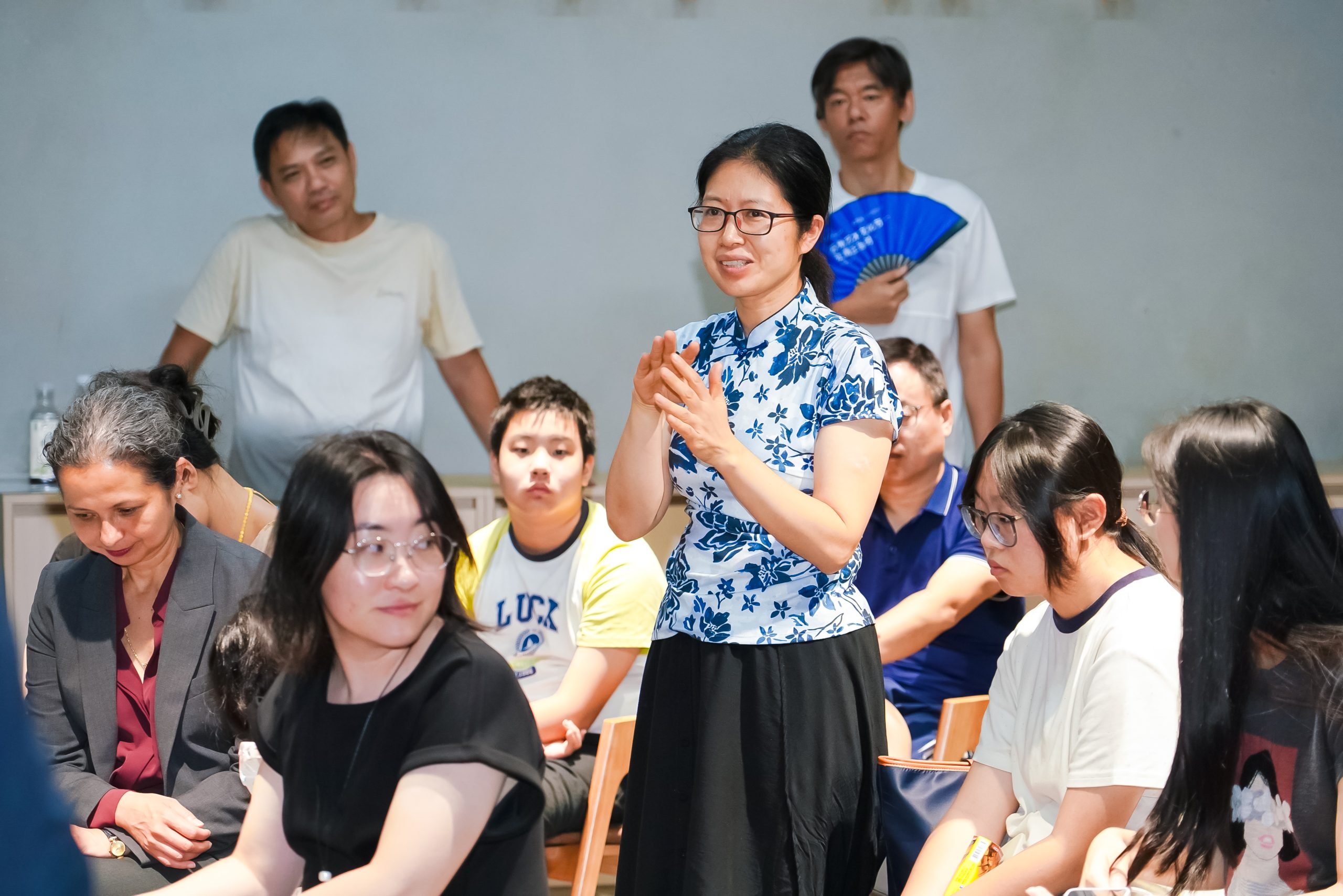
Co-organised by the XJTLU Research Centre for Culture, Communication and Society (CCCS), the festival brings the University’s teaching and research into public cultural spaces through exhibitions, performances, talks, workshops, documentary screenings and interactive experiences. It aims to create new connections between tradition and contemporary life, the local and the international, and academia and the wider public.
Rethinking culture and the city from Suzhou
At the opening ceremony, Professor Adeline Johns-Putra of Queen’s University, Canada, and Founding Director of CCCS at XJTLU, delivered the welcome address.
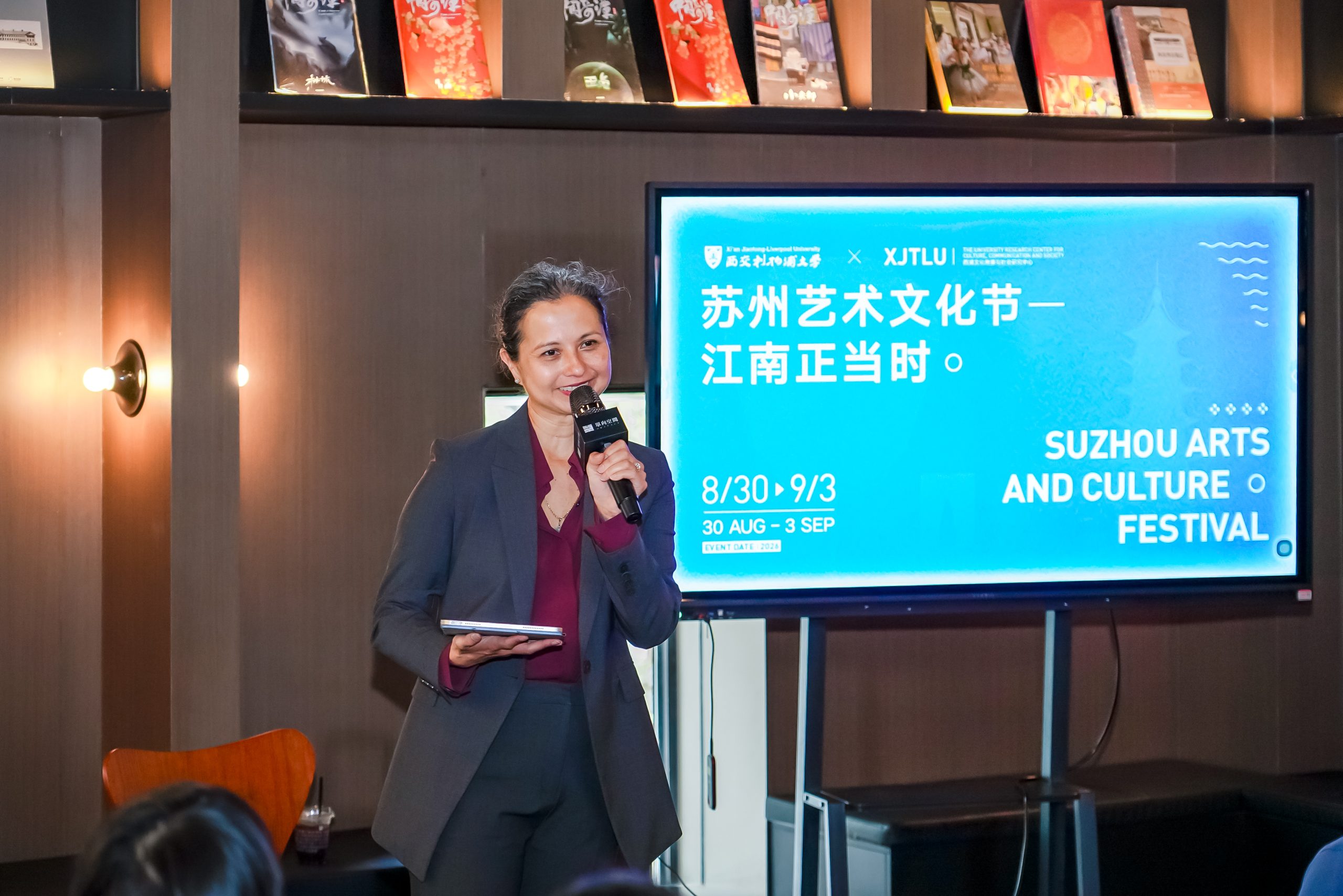
Professor Johns-Putra reflected on the original vision behind the Centre and highlighted four principles underpinning its work: interdisciplinary research, international exchange, cross-cultural dialogue, and creating meaningful public impact through academic research.
She emphasised that the arts, humanities and social sciences are not simply an “addition” to scientific and technological development. Rather, they are essential to understanding how technology enters society and shapes the way people think and behave. As generative AI continues to develop, she noted, the question of what it means to be human is becoming increasingly important, and the humanities and social sciences offer distinctive perspectives from which to explore it.
For Professor Johns-Putra, Suzhou provides a particularly compelling setting for such exploration. From the Grand Canal, classical gardens and silk heritage to today’s advanced manufacturing and innovation industries, tradition and modernity coexist throughout the city, making Suzhou an important place from which to examine how culture evolves alongside social and technological change.
Turning the whole city into a “school without walls”
Professor Song Yu, Director of the XIPU Institution and one of the founders of the Research Centre, then addressed the audience.
She said that, for the University, the Arts and Culture Festival was “far more than a cultural event”; it was also a living practice in cultural heritage, urban renewal and social communication.
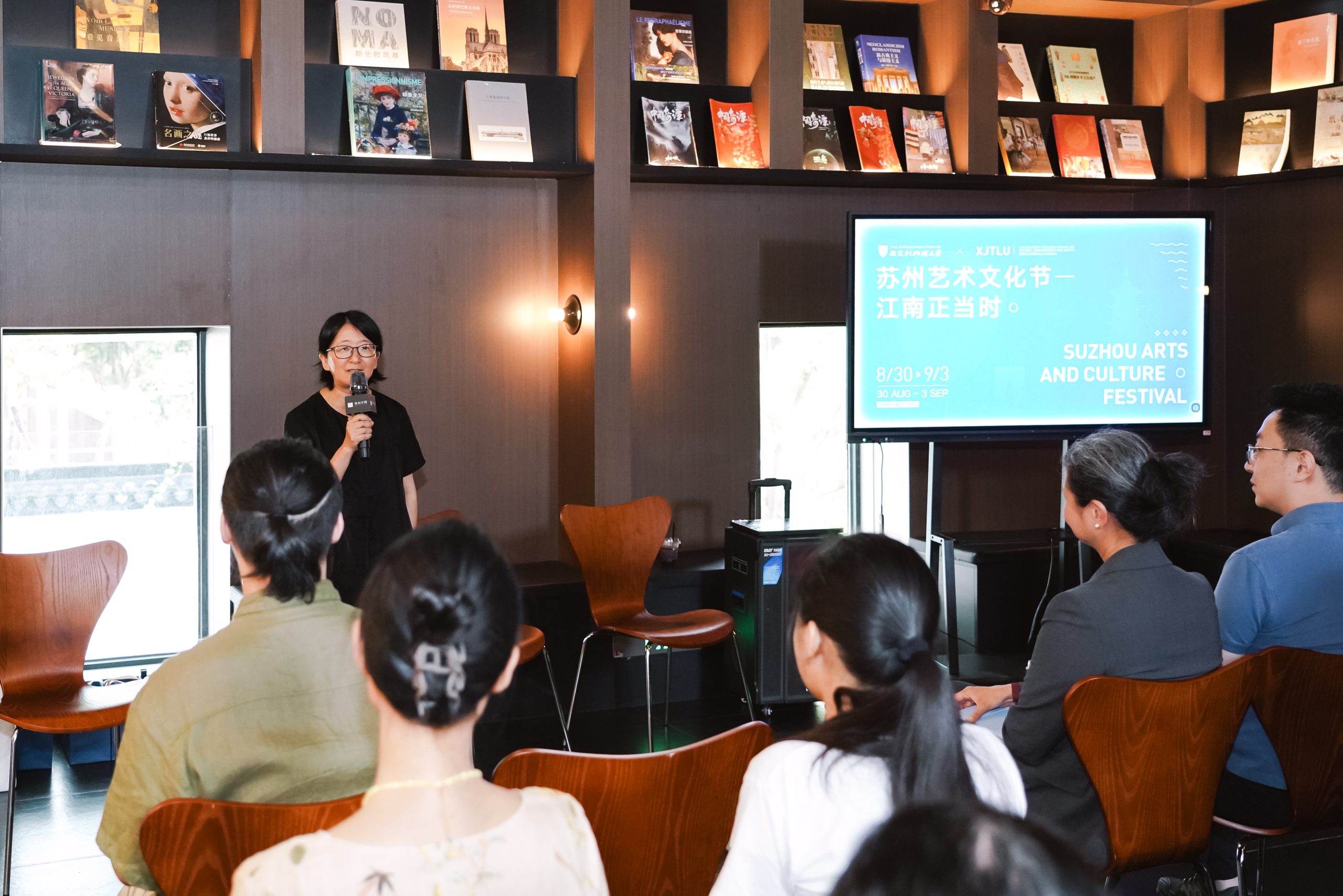
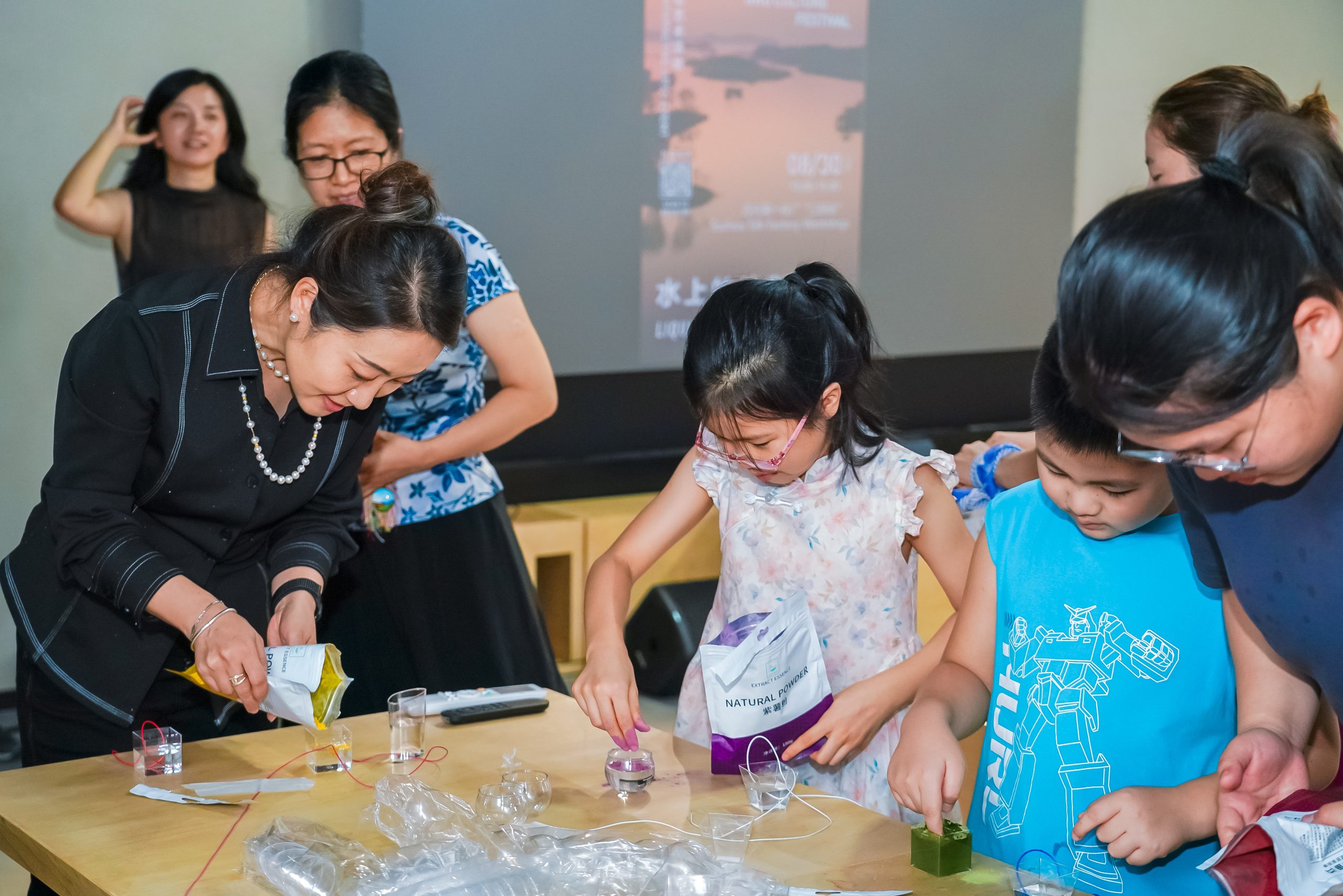
Speaking about how cultural heritage can continue to evolve in contemporary society, Professor Song noted that the festival does not place traditional crafts and art forms behind glass. Instead, through activities involving painting, making and hands-on participation, it invites people to “touch, paint and make” for themselves. Technology, design and contemporary creativity are also brought into the programme to create new forms of expression for traditional culture.
“When university culture connects with the public, the entire city can become a school without walls,” she said.
“Jiangnan Traditions, Contemporary Expressions” — more than looking back
Dr Penelope Scott, Acting Director of CCCS, then introduced the concept and programme of the festival.
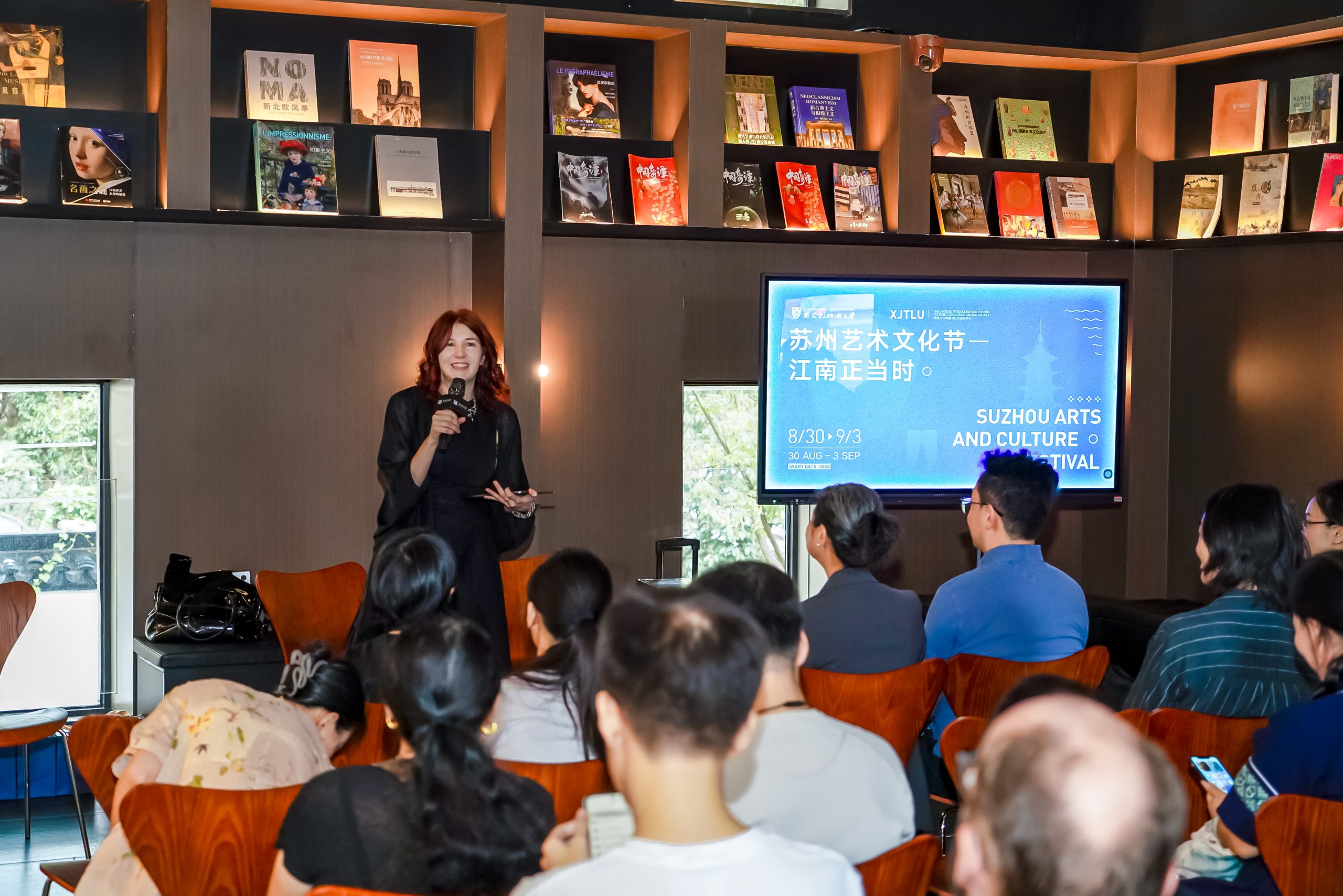
She explained that the festival seeks to connect the University with the city, and academia with the community, using activities that are informative, inspiring and participatory to bring research into public life in more open and accessible ways.
CCCS conducts interdisciplinary research across areas including heritage and communication, health humanities, urban culture, and language and technology, and these different perspectives are reflected throughout the festival programme.
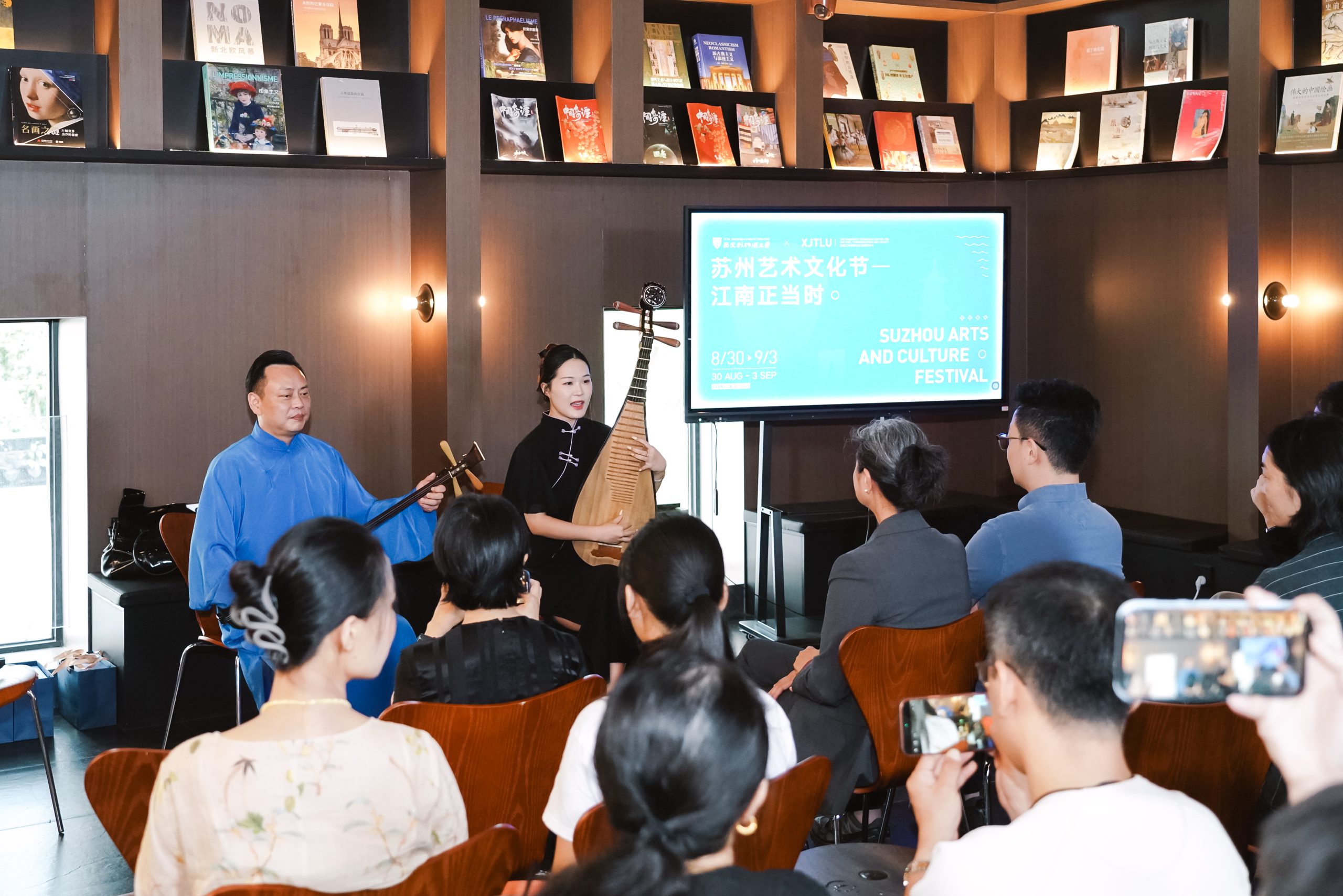
A traditional Suzhou Pingtan performance at the opening ceremony brought the distinctive sounds of Jiangnan into the space and set the tone for the exhibitions and activities that followed.
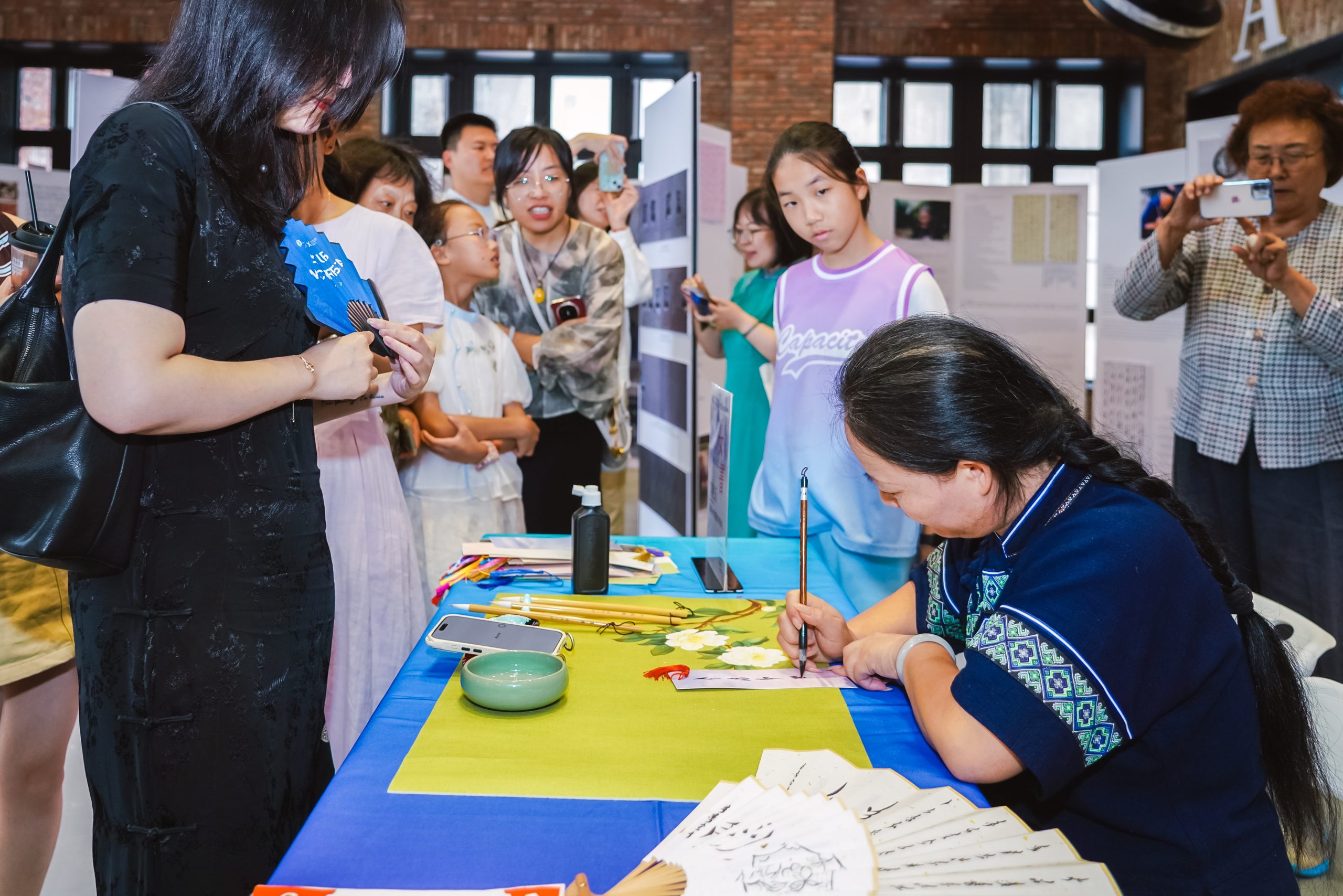
A series of exhibitions also opened to the public at Suzhou No. 1 Silk Factory on the same day.
From memories of Suzhou preserved in historical photographs and live demonstrations of Nüshu, the distinctive women’s script, to explorations connecting traditional biomanufacturing with contemporary technology; from a cross-cultural design collaboration between Suzhou and Kuala Lumpur to public imaginings of what Suzhou might look like decades or even centuries from now — the exhibitions approach the city through history, culture, technology, design and society, presenting a Suzhou that is deeply rooted in tradition while continually being reinterpreted and rewritten.
More ways to discover Jiangnan
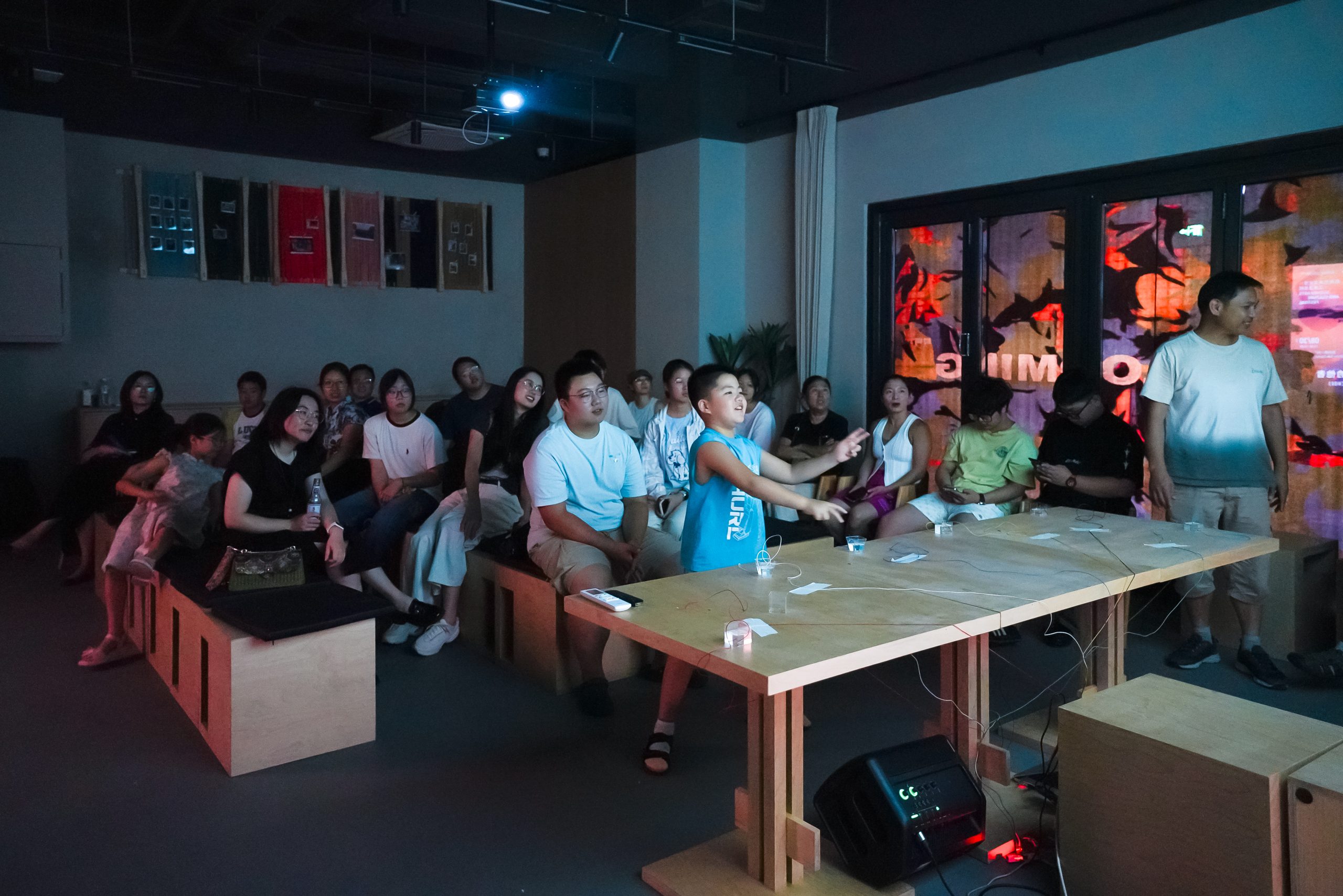
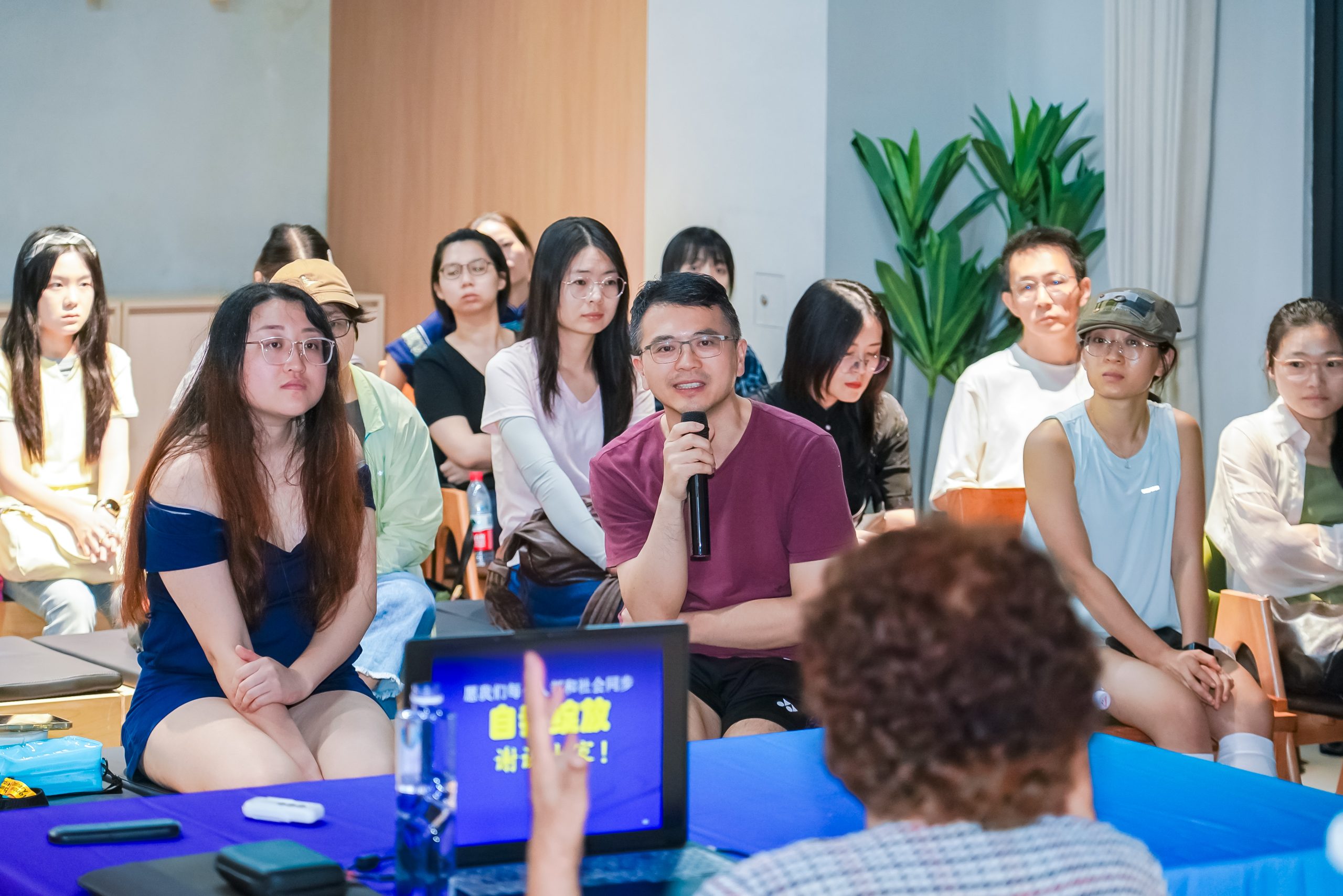
Beyond the exhibitions, the Suzhou Arts and Culture Festival continues with talks, workshops, documentary screenings, traditional cultural experiences and musical performances across Suzhou No. 1 Silk Factory, XJTLU campuses and other spaces around the city.
Through these different encounters, audiences are invited not simply to observe Jiangnan culture, but to experience, discuss and reinterpret it for themselves — engaging with traditions, ideas, materials and stories in ways that connect the past with contemporary life.
This early autumn, join us in Suzhou and encounter Jiangnan as it happens today.
By Yiyi Gu
31 Aug 2026