





09 Sep 2026


On 5 September, International Business School Suzhou (IBSS) at Xi‘an Jiaotong-Liverpool University (XJTLU) held its 2026 Alumni Conference, bringing together alumni, faculty, students, entrepreneurs, and industry experts for a platform of intellectual exchange, industry dialogue, and alumni networking. The conference featured a keynote speech by Dr Qingyou Guan, Dean of the Rushi Institute of Finance, titled “Economic Trends and Asset Allocation in the Age of AI.” His presentation offered deep insights into AI-driven technological transformation, the macroeconomic environment, capital market dynamics, and asset allocation strategies for both individuals and institutions.
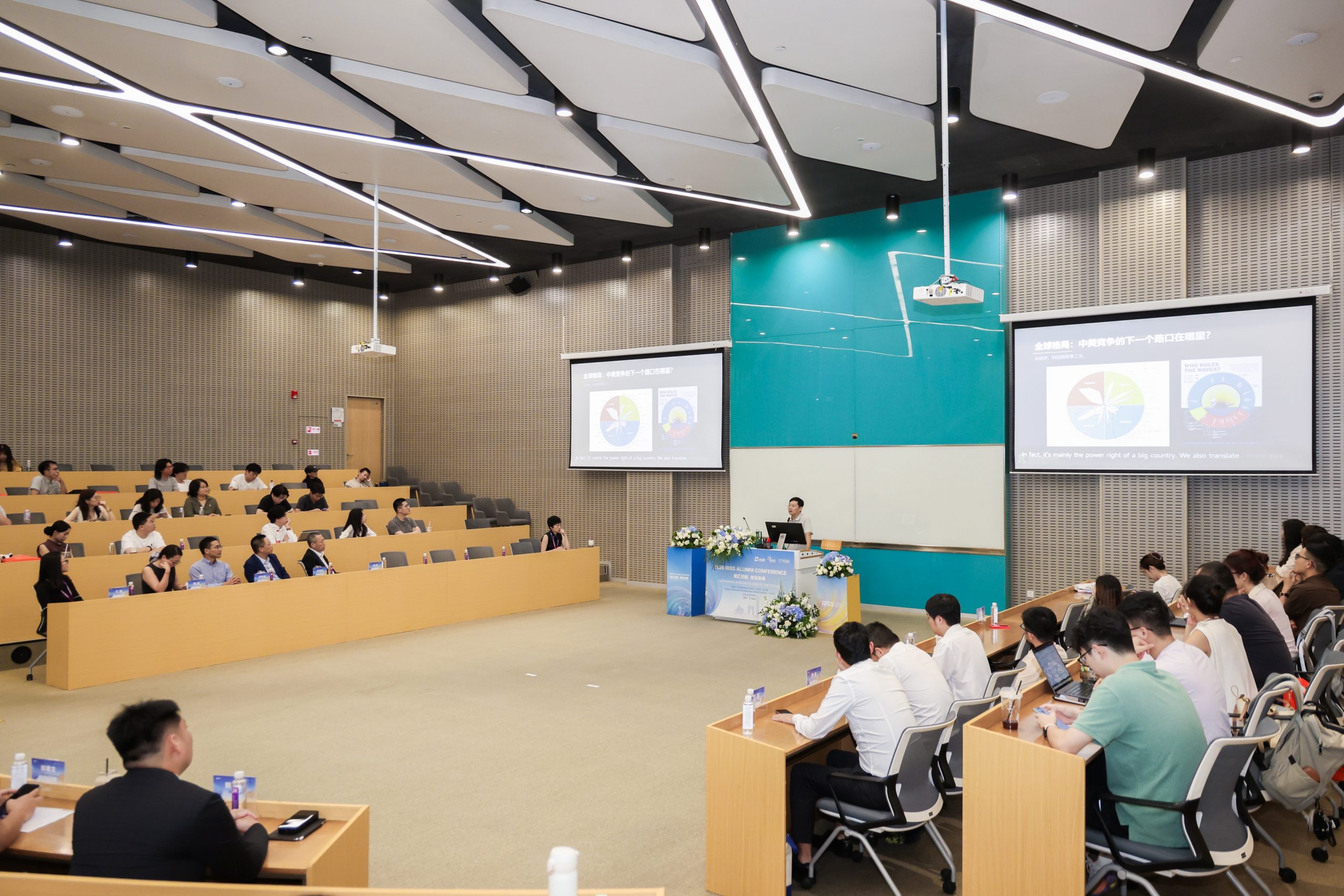
In his keynote address, Dr Guan examined the essence of the AI technological revolution and the profound changes it is bringing to industrial development, employment, and capital markets. He argued that AI is not merely a tool but an entirely new productive force – one whose transformative impact on economic and social systems may surpass that of previous industrial revolutions, and whose implications are only just beginning to unfold. Drawing parallels with the systemic societal shifts brought by the steam engine and the internal combustion engine, he noted that AI’s influence will not be confined to a single industry; it will reshape supply chains, business models, and even the fabric of social life.
At the same time, Dr Guan acknowledged the dual nature of “creative destruction” inherent in technological change. While AI will generate vast new opportunities, it will also disrupt many jobs and industries in the short term – some financial research and investment roles, for instance, are already being assisted by AI. However, he noted that senior expert positions requiring deep industry insight, real-world business judgment, and nuanced understanding of human relationships remain difficult to fully replace. He advised younger audiences not to over-worry about technological disruption, but to maintain a commitment to continuous learning and develop the adaptability to navigate change with confidence.
Turning to AI-related capital market performance, Dr Guan distinguished between industrial development trends and secondary-market stock valuations. He observed that while the AI industry as a whole is still in its early stages, with some sectors currently in a phase of capacity expansion, the first wave of AI technology stock momentum in China‘s A-share market has already run its course, and many stocks had already been pushed to high valuations. Even fundamentally sound companies, he cautioned, can require extended digestion periods when their share prices become overheated. He reminded alumni and faculty to differentiate between primary-market industrial prospects and secondary-market stock valuations, and to be wary of sectors with low technological barriers and a high risk of overcapacity – industries that, once capacity is released en masse, are prone to intense competition and limited exit mechanisms, carrying significant investment risk.
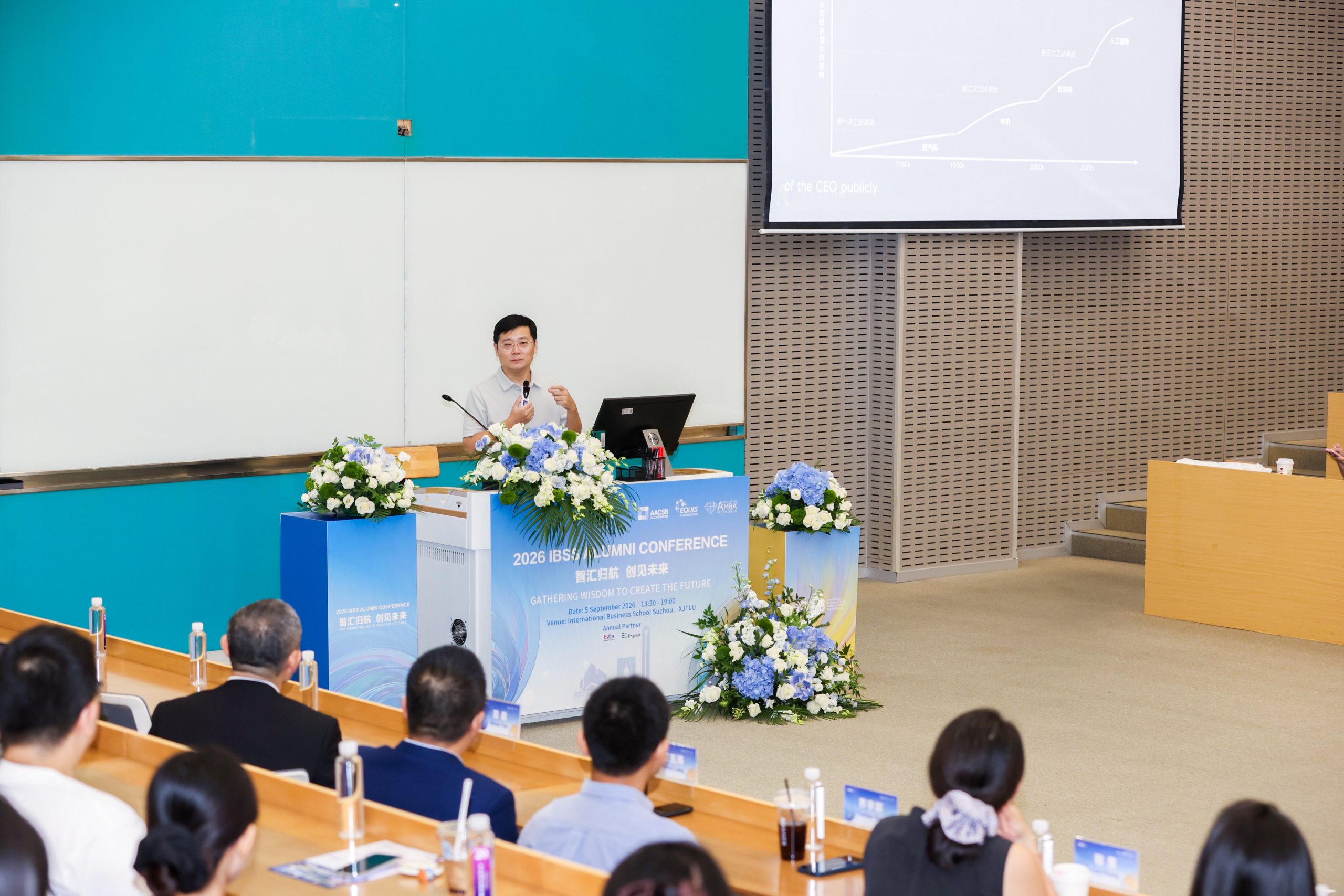
Turning to the broader global environment and China’s economic development, Dr Guan observed that the macroeconomic context has changed markedly. The external conditions and growth drivers that sustained rapid development over the past decades have shifted, and both businesses and individuals need to strengthen their risk management awareness. He noted a persistent “temperature gap” between macroeconomic indicators and micro-level sentiment, with the market exhibiting structural characteristics. The A-share market, he said, accurately reflects the realities of China’s industrial transformation and economic restructuring. While the export sector has shown considerable resilience, domestic demand recovery will take time, and economic structural adjustment remains a medium- to long-term process.
Drawing on his experience in securities research and investment practice, Dr Guan offered a nuanced analysis of the distinctive features of China’s A-share market. He noted that while the market offers respectable long-term annualised returns, its volatility is significantly higher. Although fund performance has been generally acceptable, a common phenomenon – “funds make money, but fund investors do not” – stems from multiple factors including investor trading behaviour, market mechanisms, and fund performance evaluation KPIs. Various investment philosophies, from value investing to trend trading, coexist in the market, but simply transplanting value investing approaches from mature overseas markets faces practical challenges in the A-share context. He suggested that students could participate in the market with modest capital, treating it as a window for learning and cognition – experiencing market volatility and deepening their understanding of human nature, industries, and business – rather than aiming for speculative profits with heavy positions.
On asset allocation, Dr Guan offered differentiated guidance for different groups. For entrepreneurs, he advocated global, multi-currency, and diversified asset allocation, drawing on the asset planning experience of established overseas Chinese entrepreneurs. For ordinary investors, he emphasised the importance of safety margins, a rational approach to technology sectors, and attention to companies with strong technological moats whose valuations have returned to reasonable ranges, while also considering defensive consumer sectors where valuations have corrected sufficiently. He cautioned that technology companies experience rapid innovation cycles and can be disrupted at any time, and that investors must be psychologically prepared for high volatility.
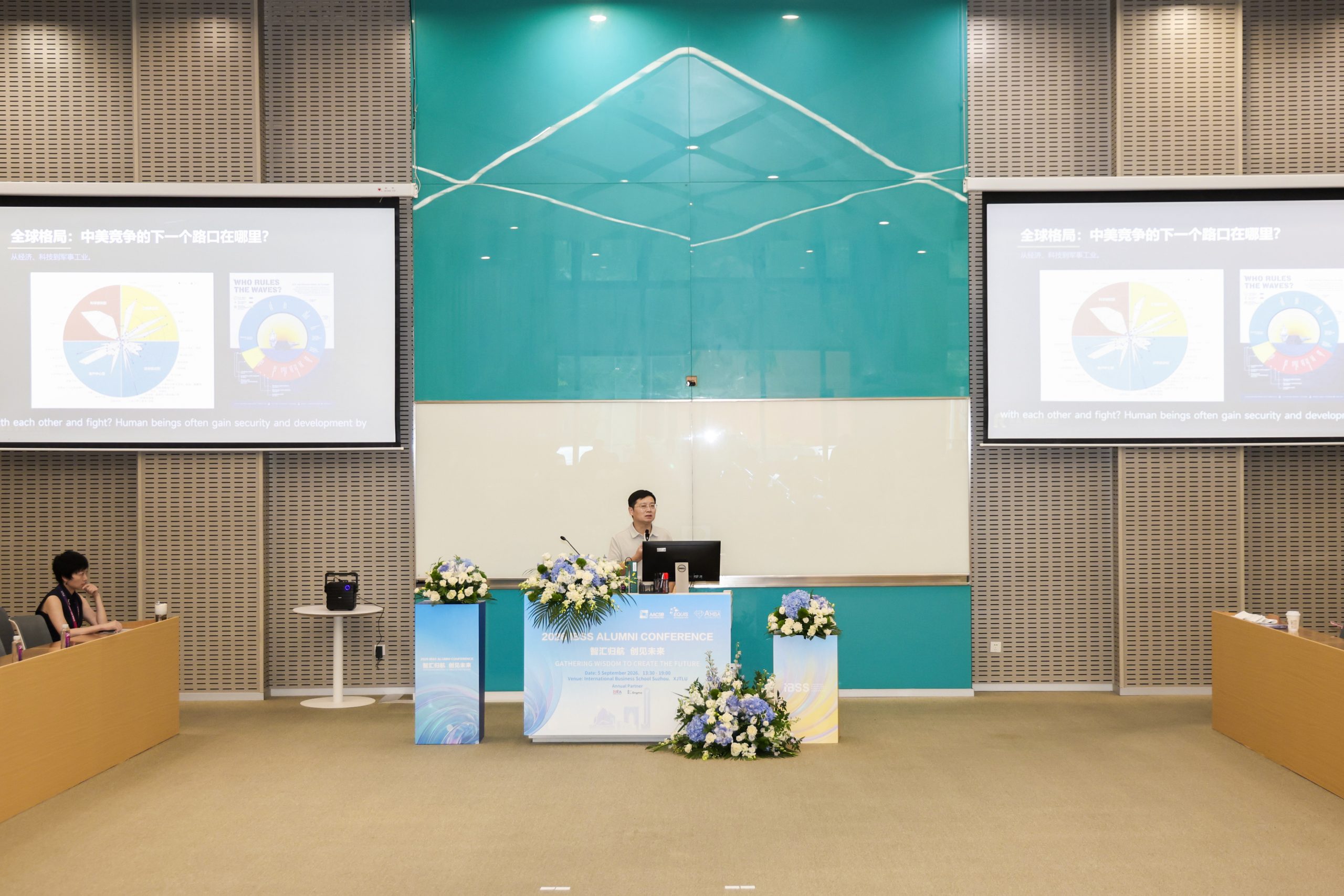
Addressing the alumni and students in the audience, Dr Guan highlighted that, amid the wave of Chinese enterprises going global, global perspective and cross-border adaptability will become critically important personal competencies. As Chinese multinationals expand worldwide, vast new opportunities will emerge, and international business education will enjoy broad development prospects. In the face of rapid technological change, embracing transformation is a pragmatic choice. He encouraged all those present to maintain an open and learning-oriented mindset, to find their own positioning amid the tides of change, and to seize the opportunities brought by industrial transformation.
Dr Guan holds a PhD in Economics from the Chinese Academy of Social Sciences and completed postdoctoral research at Tsinghua University. He serves as Dean and Chief Economist of the Rushi Institute of Finance, and is also a Council Member of the China Economic System Reform Foundation and Chief Economist of the Zhongguancun Private Equity Investment Association and the Guangdong Venture Capital Association. With experience spanning state-owned energy enterprises, securities research, and think tanks, he has long been engaged in macroeconomic, industrial trend, and capital market research, combining deep academic grounding with frontline investment practice.
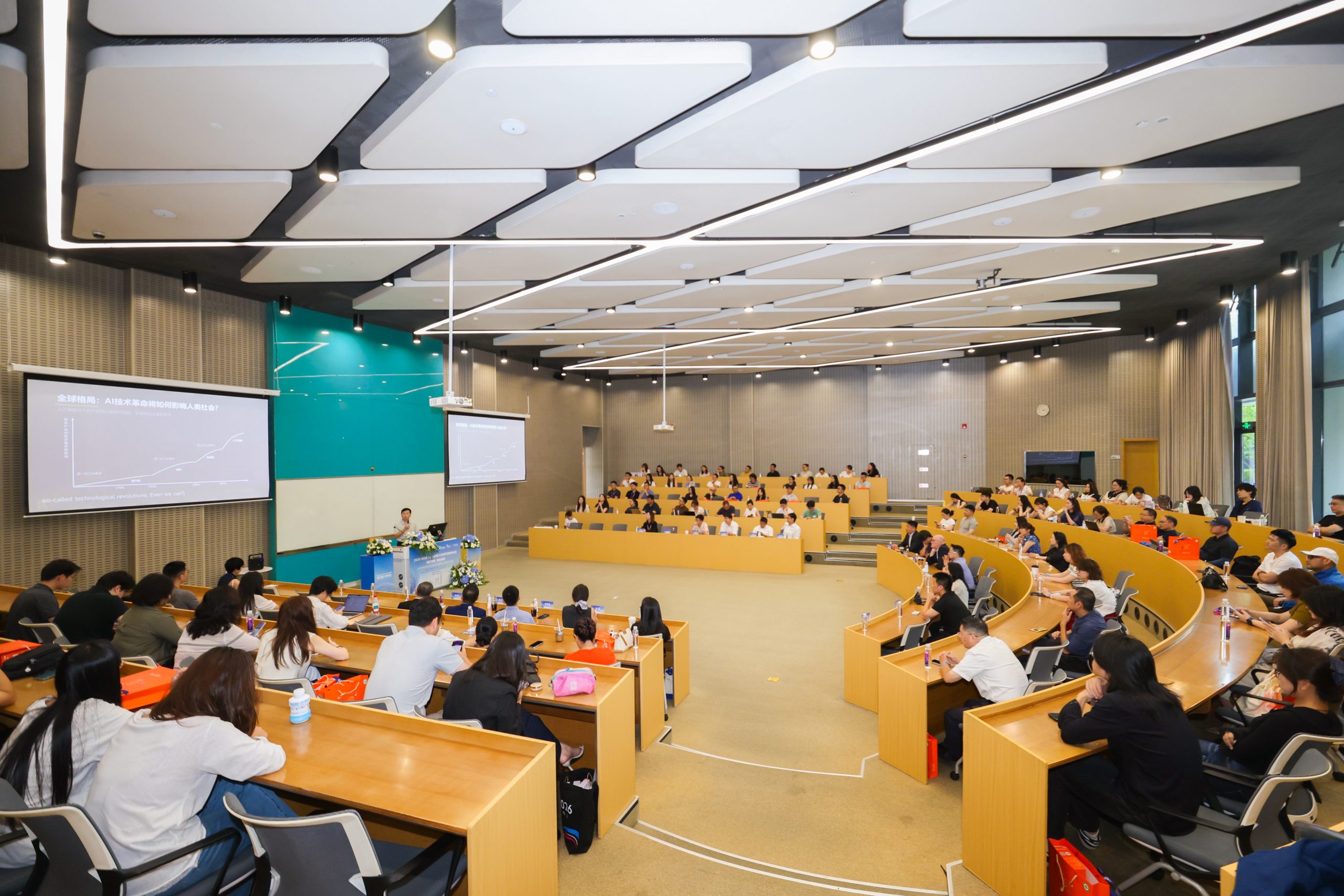
Following the speech, faculty, students, and alumni engaged in interactive discussions with Dr Guan on topics including technology investment, personal career development, and enterprise globalisation. The Alumni Conference served as a bridge for intellectual exchange between academia, industry, and the alumni community, further strengthening alumni networks, broadening the industry horizons of faculty and students, and bringing fresh inspiration to talent development and university-industry collaboration at IBSS.
09 Sep 2026