




17 Sep 2026


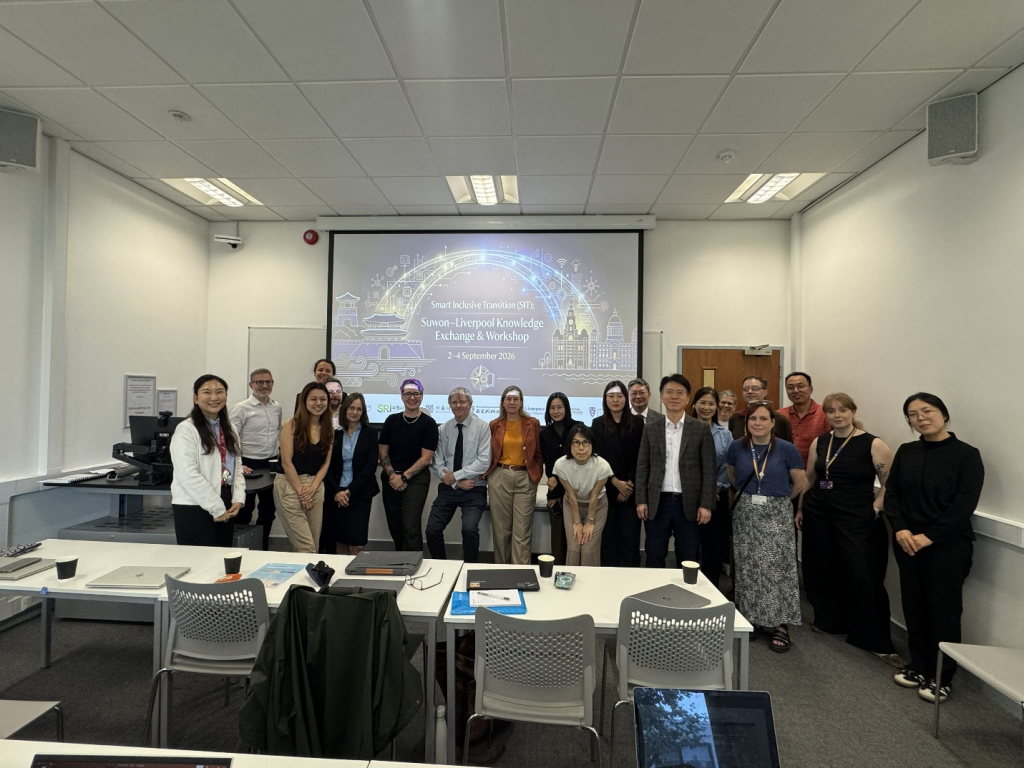
From 2 - 4 September 2026, the Smart Inclusive Transition (SIT) team from Xi’an Jiaotong-Liverpool University (XJTLU) organised a three-day workshop at the University of Liverpool to advance an international comparison of Smart Inclusive Transition pathways in Liverpool City and Suwon Special City. The team consists of Dr Juhyun Lee, Professor Joon Sik Kim ,and Senior Associate Professor Sophie Sturup from the Department of Urban Planning and Design.
Following the successful publication of two UN-Habitat reports on Smart Inclusive Transition, the comparative study aims to deepen understanding of the distinct pathways cities can take in pursuing smart and inclusive urban transitions, while creating opportunities for city-to-city learning. Building on the SIT framework applied in Suwon, researchers from the University of Liverpool, XJTLU and Seoul National University co-developed a comparative SIT analysis of Liverpool City Region.
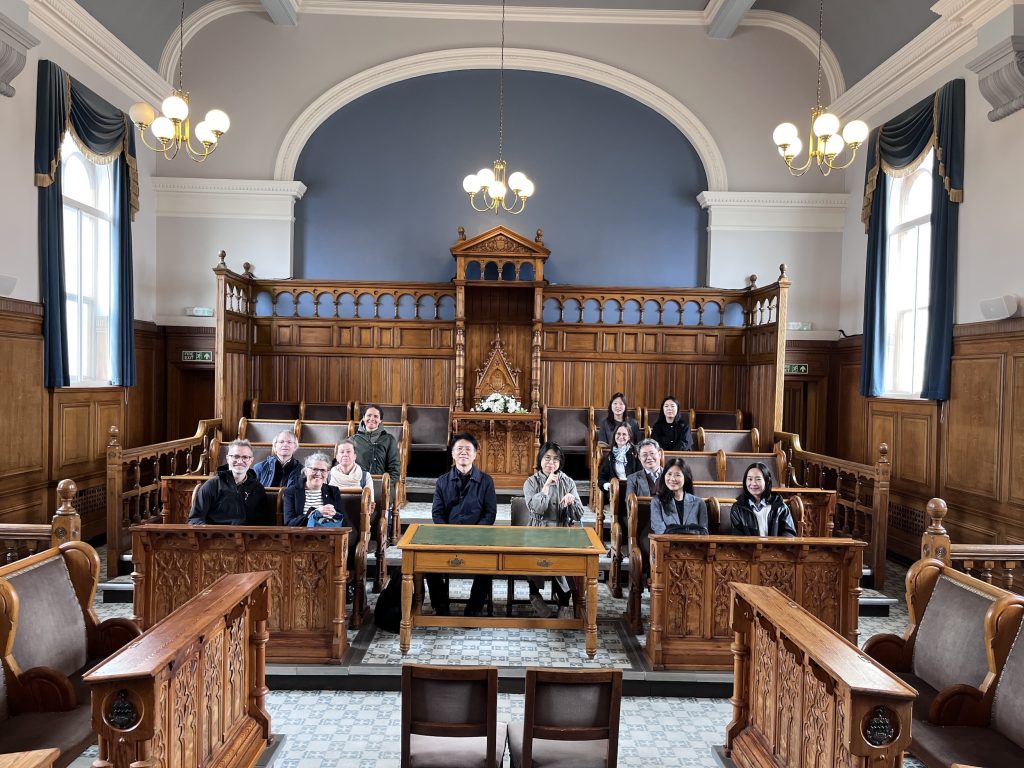
During the workshop, members of the research team, a UN-Habitat delegation, and representatives from Suwon Special City and Liverpool City Region reviewed initial findings, undertook site visits, and exchanged experiences of policies and projects in areas including housing, governance and artificial intelligence, exploring how different dimensions of SIT are being translated into practice.
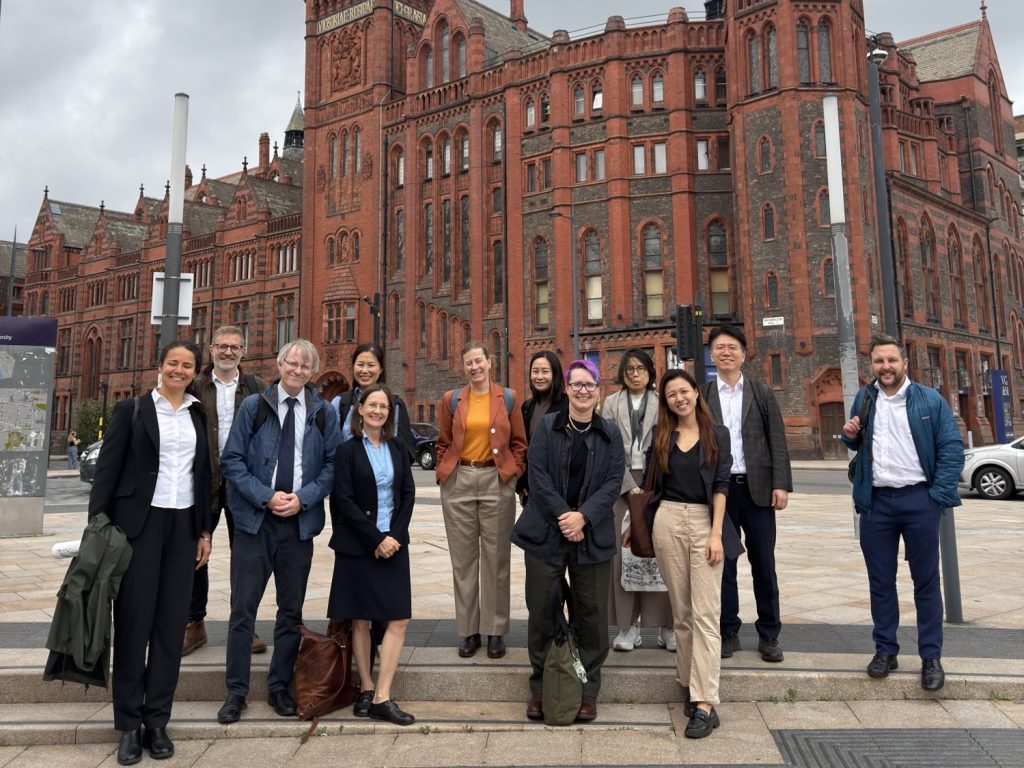
The workshop also generated important insights for city representatives from both Liverpool and Suwon. Kayla Vondy from Liverpool City Region Combined Authority said: “I think the biggest takeaway from today has been a perspective shift for me.”
Similarly, Minjin Park from Suwon Research Institute highlighted how the different approaches taken by the two cities in addressing comparable urban challenges could provide valuable lessons for future work, including in areas such as heritage, research and development, and governance.
UN-Habitat representative Paula Pennanen-Rebeiro-Hargrave welcomed the progress of the longstanding SIT collaboration. She noted that the workshop demonstrated the practical applicability of SIT as an approach that can be further developed to support cities in identifying and operationalising more integrated approaches to housing and service delivery, enhanced by smart technologies.
According to Dr Sophie Sturup, the SIT collaboration is now moving into its third phase, with the ambition of applying and further refining the Smart Inclusive Transition methodology across a more diverse range of urban contexts.
“Through this next phase, the partnership aims to build a broader comparative evidence base and strengthen the contribution of SIT to international debates on how cities can pursue more equitable, inclusive and technologically enabled urban transitions,” she said.
17 Sep 2026