





15 Oct 2026


On 10th October 2026, the inaugural meeting of the newly constituted Advisory Board of International Business School Suzhou (IBSS), part of at Xi’an Jiaotong‑Liverpool University (XJTLU) took place at IBSS. Under the theme “Building the Next Generation Global Business School – Connecting China and the World”, the meeting focused on IBSS’s medium‑ and long‑term strategic development, bringing together external perspectives on the future of business education and the School’s strategic direction.
Chaired by Professor Wei Zhang of Tianjin University, the newly formed Advisory Board brings together more than 10 experts spanning academia, finance and investment, advanced manufacturing and technology innovation, media‑affiliated think‑tanks, and international organisations. Its membership includes leading academics and senior industry executives, many with international professional backgrounds, giving the Board a broad mix of academic, industry and research expertise.
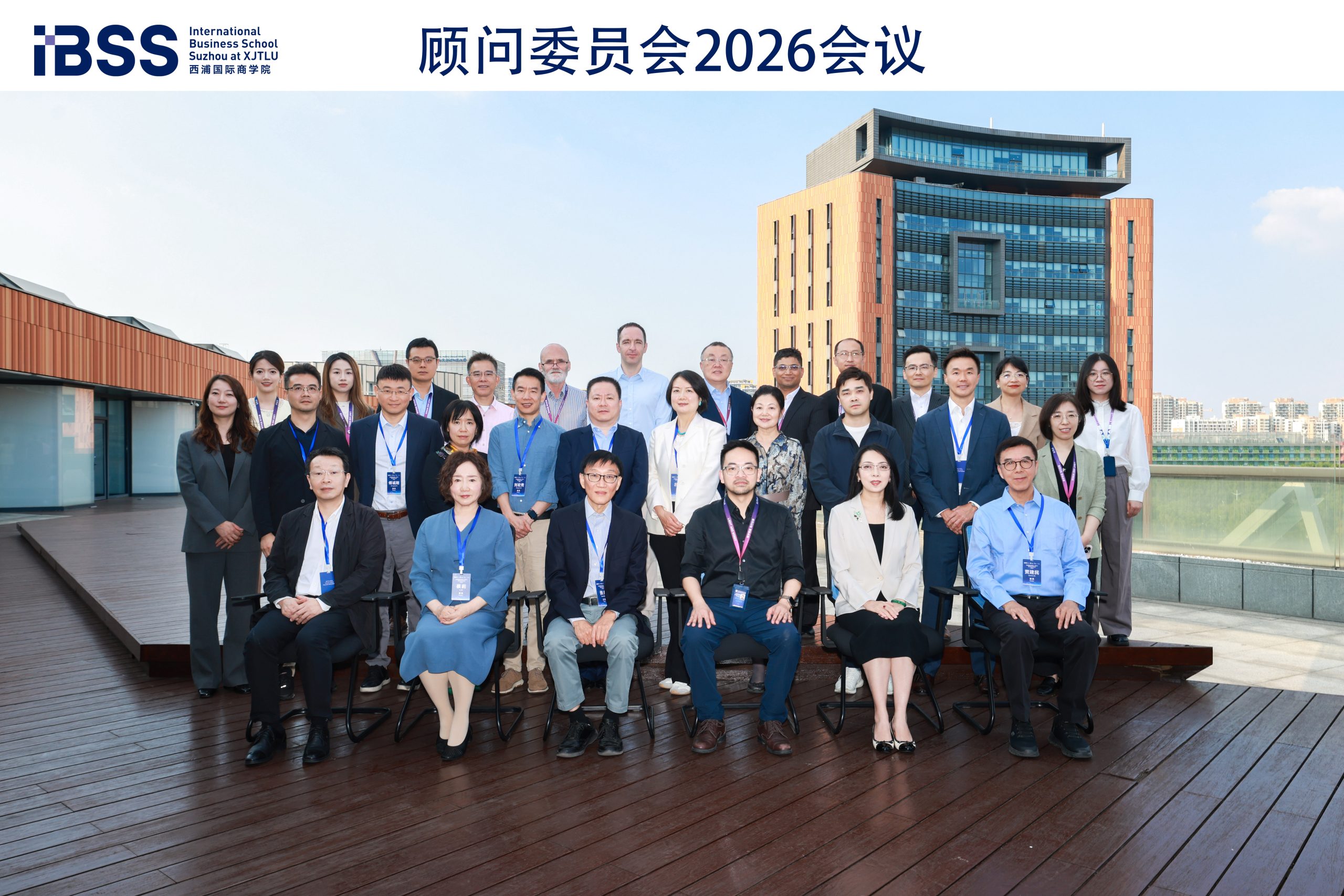
As an external advisory body, the Board will provide strategic counsel and build multi‑stakeholder collaborative bridges. It will support IBSS in terms of being firmly rooted in China while maintaining a global outlook and delivering its core mission of “Connecting China and the World”.
At the opening session, Professor Eddy Fang, Dean of IBSS, delivered the opening remarks. Against a backdrop of shifting geopolitical landscapes and technological disruption driven by artificial intelligence, he outlined the opportunities and challenges confronting global business schools. He expressed confidence that the diverse viewpoints of the Advisory Board would help IBSS in redefine the value of business education for a new era.
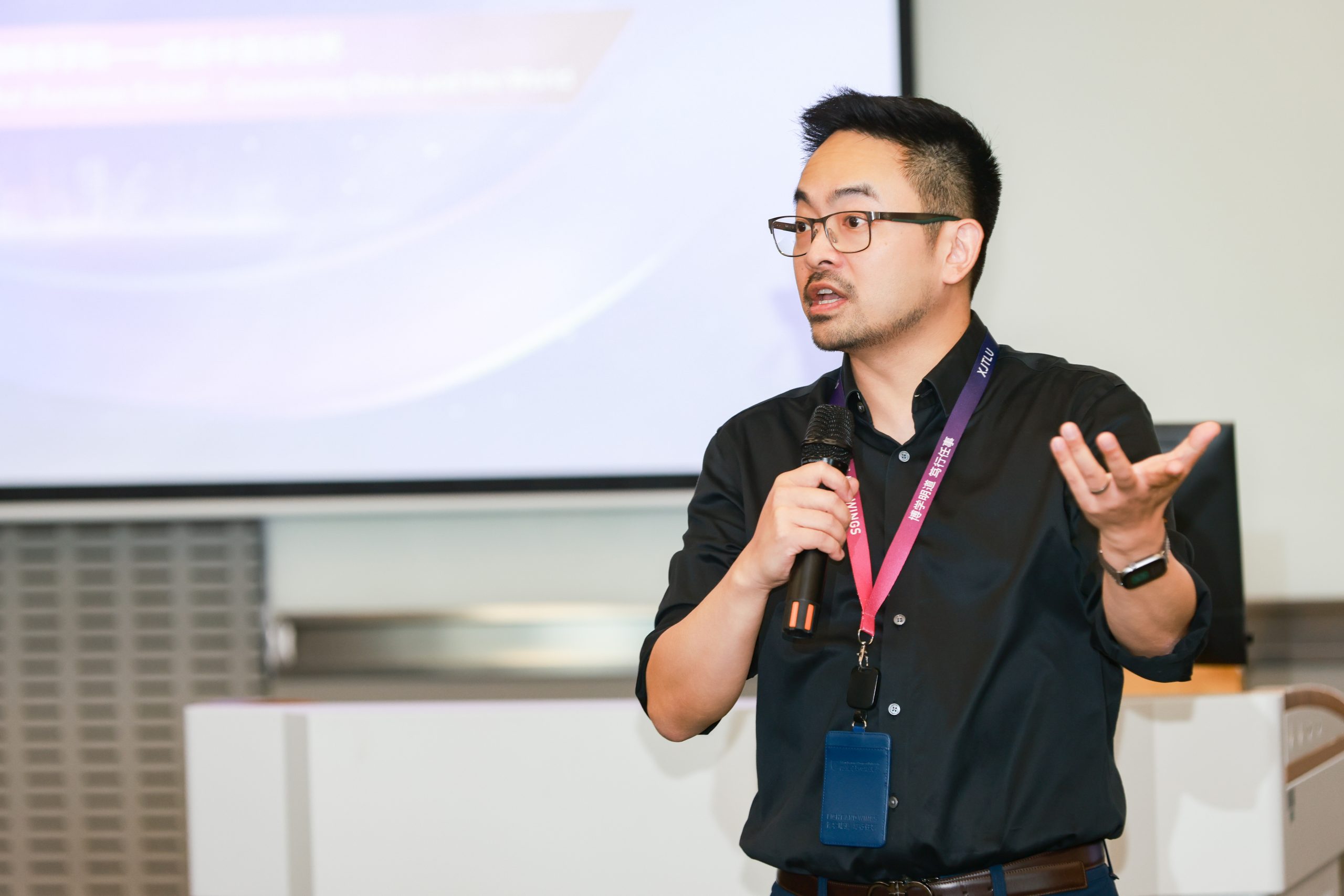
Professor Wei Zhang, Chair of the Advisory Board, observed that XJTLU’s positioning as “an international university in China, a Chinese university recognised by the world” grants IBSS its distinct institutional character, nowhere more evident than in the international profile of its faculty and student body. Evolving geopolitical realities and the rapid advance of artificial intelligence are profoundly reshaping the operating landscape for business schools, bringing both fresh challenges and transformative prospects for business education. By uniting viewpoints from academia and industry, the Advisory Board can not only offer guidance for IBSS’s future trajectory but also create space for all stakeholders to reconsider the relationship between education and industry. Moreover, he proffered that academics need to consider how teaching should respond to technological change, while industry practitioners can offer insight into how employers’ expectations of talent are evolving.
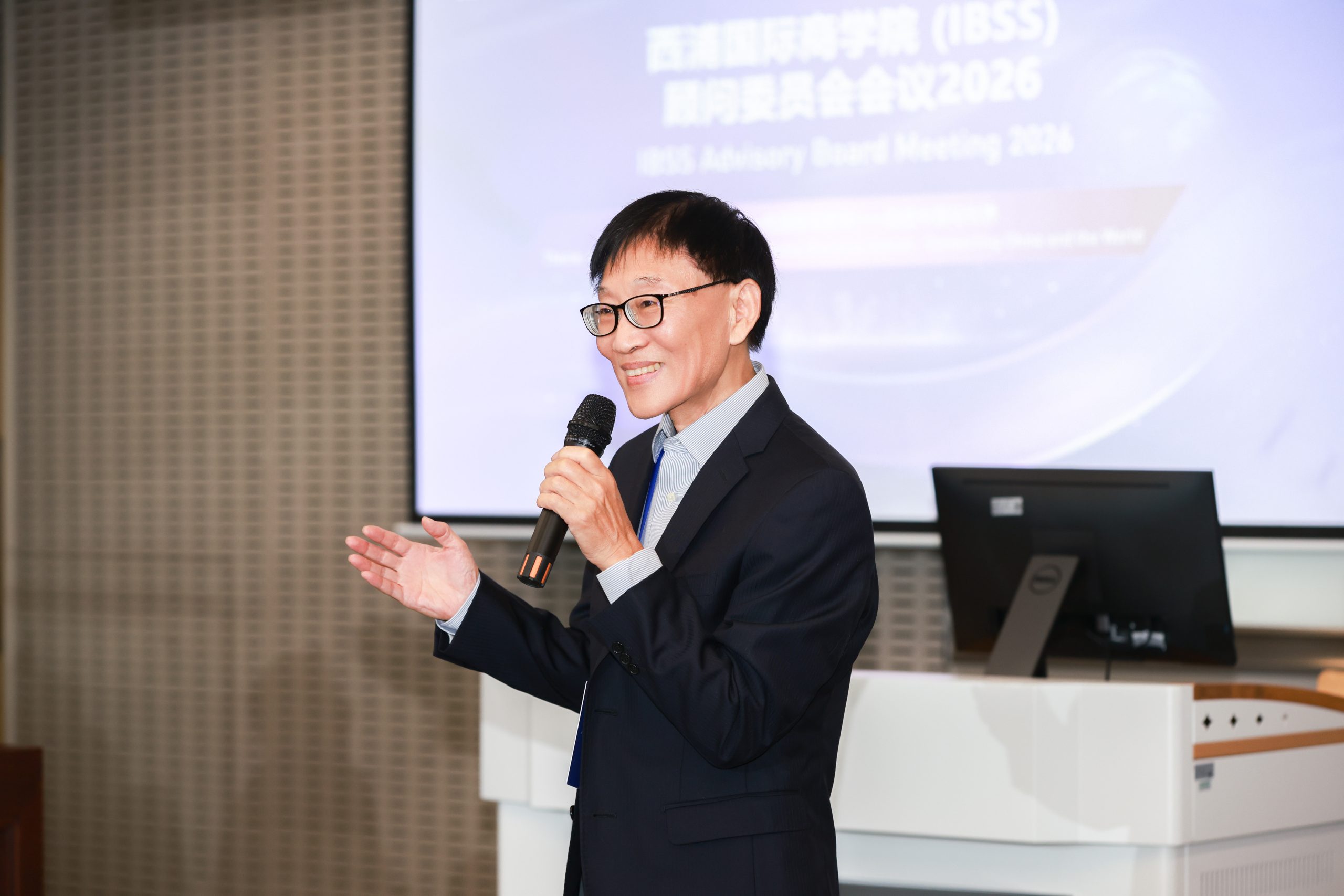
During the meeting, Professor Hefei Wang, Deputy Dean of IBSS, presented under the theme “Where we came from, where we stand, and where we go next”, outlining IBSS’s development journey, institutional features and strategic priorities. Starting from XJTLU’s identity as “a new type of international university exploring the future of education”, she explained how educational innovation is embedded in the University’s institutional ethos and shapes IBSS’s distinctive role of connecting China and the world and strengthening collaboration between industry and academia.
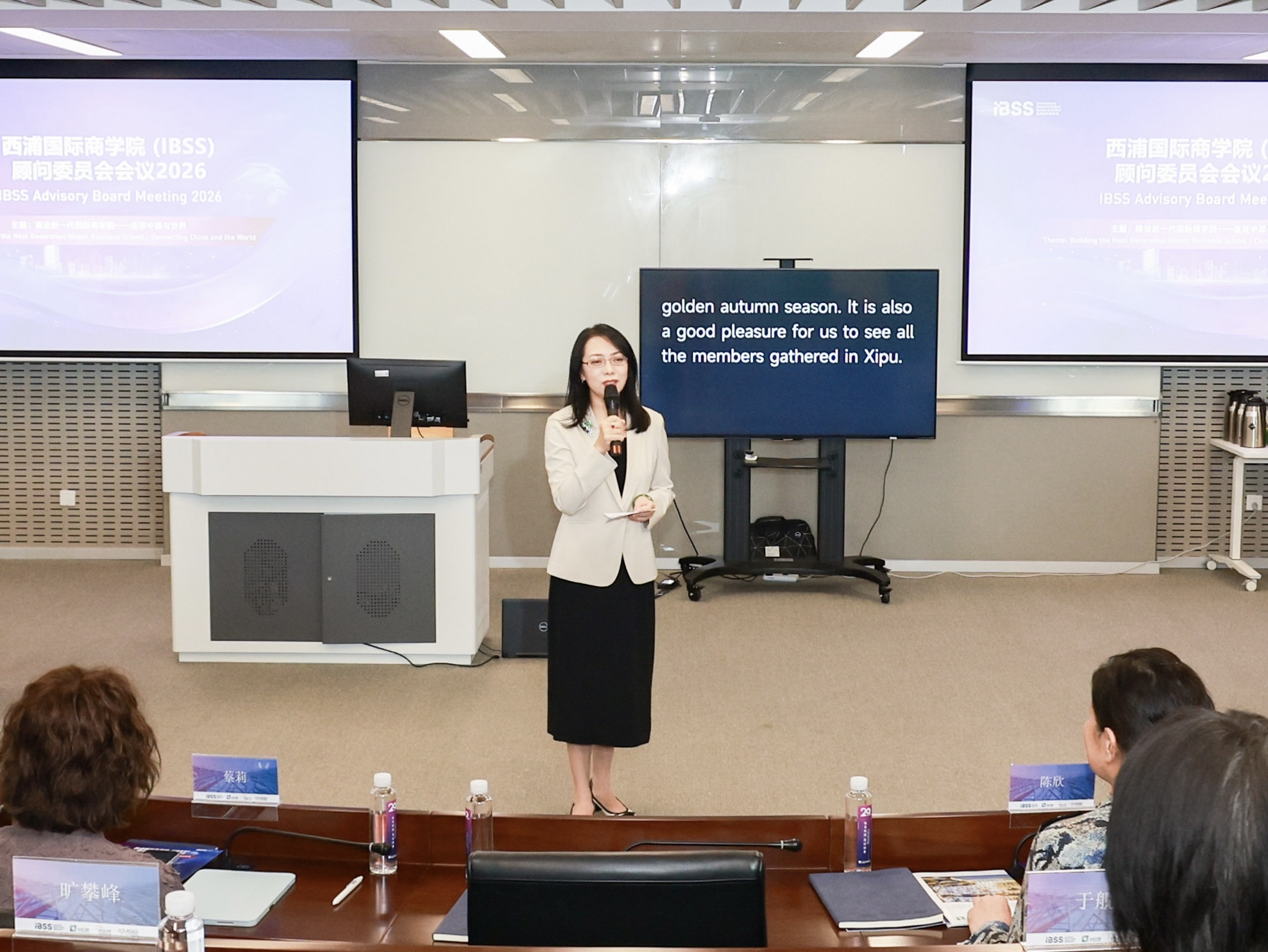
Reflecting on 13 years of development in areas including international accreditation, talent development and academic research, she posed a pertinent question: how can IBSS turn its existing strengths into clearer differentiation and unique value?
Focusing on talent development in the AI era, the business and societal impact of high‑quality research, and internationalisation that goes beyond the language of instruction and the composition of academic staff to create more diverse classrooms and two‑way exchange, she laid out IBSS’s strategic thinking for the next phase. She also invited Board members to advise on what IBSS should aspire to become as a business school over the next decade.
The strategic discussions sessions centred on how IBSS could translate its unique institutional assets into forward‑looking educational innovation. Professor Eddy Fang stressed IBSS’s mission to look beyond established models and embrace transformative change.
Board members noted that XJTLU’s focus on future‑oriented education, its open innovation ecosystem, and IBSS’s young, internationally diverse academic community create favourable conditions for experimentation. This raises a question facing business schools around the world: as AI changes how people acquire knowledge and how business operate, what distinctive value should business schools deliver?
On talent development, Board members identified several priorities for educational innovation at IBSS. Rapid technological progress makes it increasingly important to develop graduates with independent judgement, systems thinking and a strong sense of responsibility. Solid foundational knowledge enables students to frame problems rigorously and assess AI‑generated outputs critically, communication, empathy and collaborative competences help them to tackle complex challenges and lead teams effectively. IBSS’s interdisciplinary scope and multicultural campus environment provide fertile ground for building these capabilities.
Members advised that these dimensions should be further embedded in curriculum design, teaching practice and assessment, particularly as organisations adapt to emerging forms of work involving digital workers and intelligent agents.
Located in Suzhou at the heart of the Yangtze River Delta, IBSS enjoys close access to manufacturing, financial and technology companies undergoing significant transformation. Board members identified this location and proximity to industry as an important resource for deepening teaching and research and building differentiated institutional strengths.
By bringing real business challenges and data into academic settings, learning can extend beyond the classroom and into industry. At the same time, long-term corporate research needs can feed into University research. This model enables deeper collaboration between industry and academia and supports the development of globally applicable case studies and original knowledge rooted in China’s business and AI ecosystems.
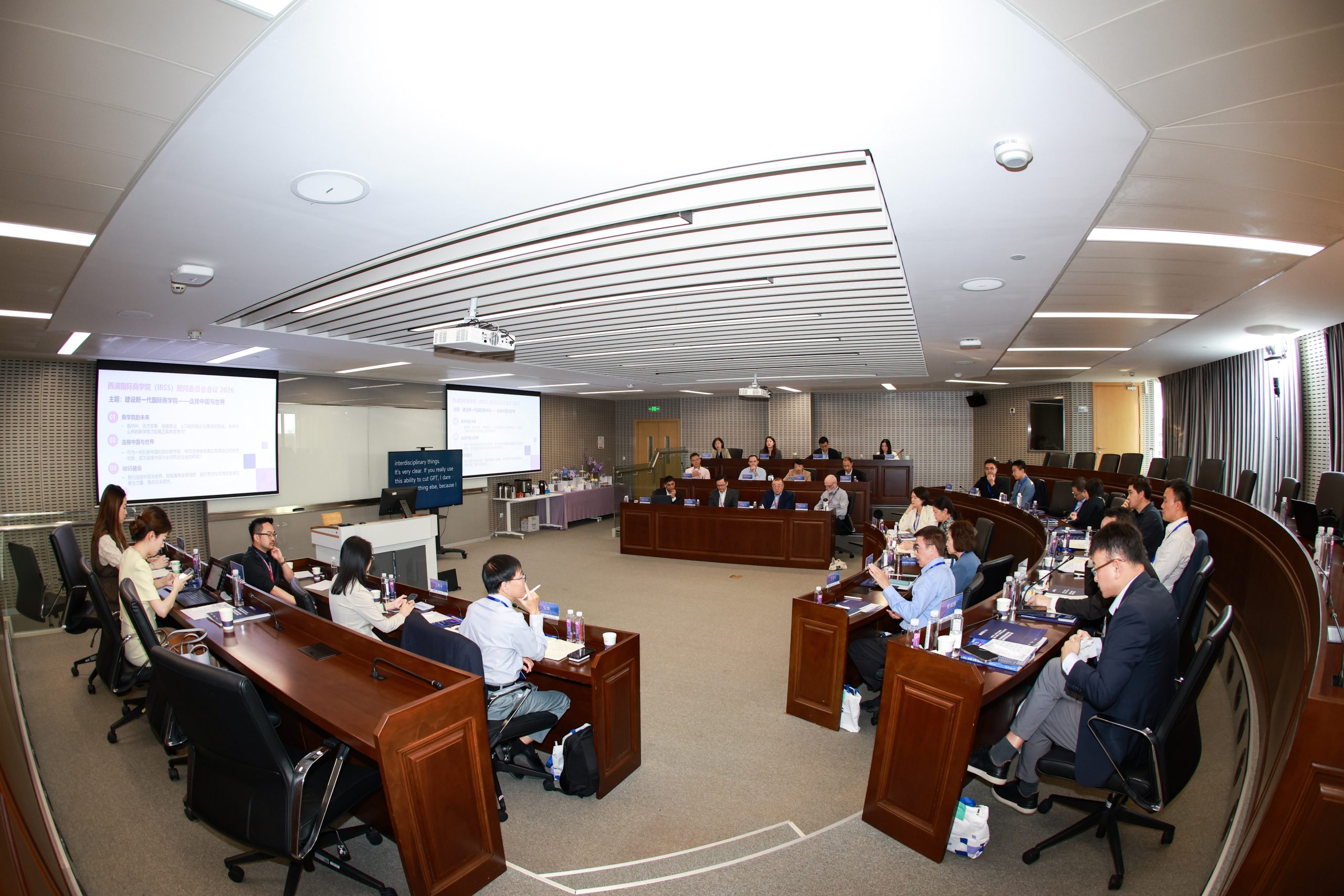
For international development, Board members highlighted IBSS’s role as a bridge between China and the wider world. together with its increasingly diverse student community, as further strengths to build on.
International students studying in China gain first-hand insight into Chinese business practice while developing an understanding of different cultural and social contexts. This creates opportunities to develop professionals capable of building cross‑cultural trust and supporting Chinese firms’ international expansion.
Members encouraged the School to capture and share management innovation, overseas experience and management insights emerging from Chinese enterprises to facilitate two‑way knowledge exchange. In this way, “Connecting China and the World” can then translate into greater mutual understanding and collaboration.
Board members also stressed the importance of making clear strategic choices, establishing measurable success metrics and sustaining collaborative projects as IBSS’s enters its next phase of development.
Following the strategic discussions, Board members toured the IBSS Trading Floor. Dr Jiatao Liu, Director of the Trading Floor, delivered a comprehensive briefing illustrating how the platform integrates global financial markets into teaching and research. Live market data for major global equity‑index quotes, professional multi‑screen workstations, and resources including S&P Global, Bloomberg, London Stock Exchange Group and Wind combine to deliver a learning‑and‑analysis environment closely replicating live‑market conditions. As a key institutional facility, the Trading Floor supports classroom teaching, quantitative research and simulated trading. It also opens avenues for business‑intelligence, sector research and corporate partnerships.
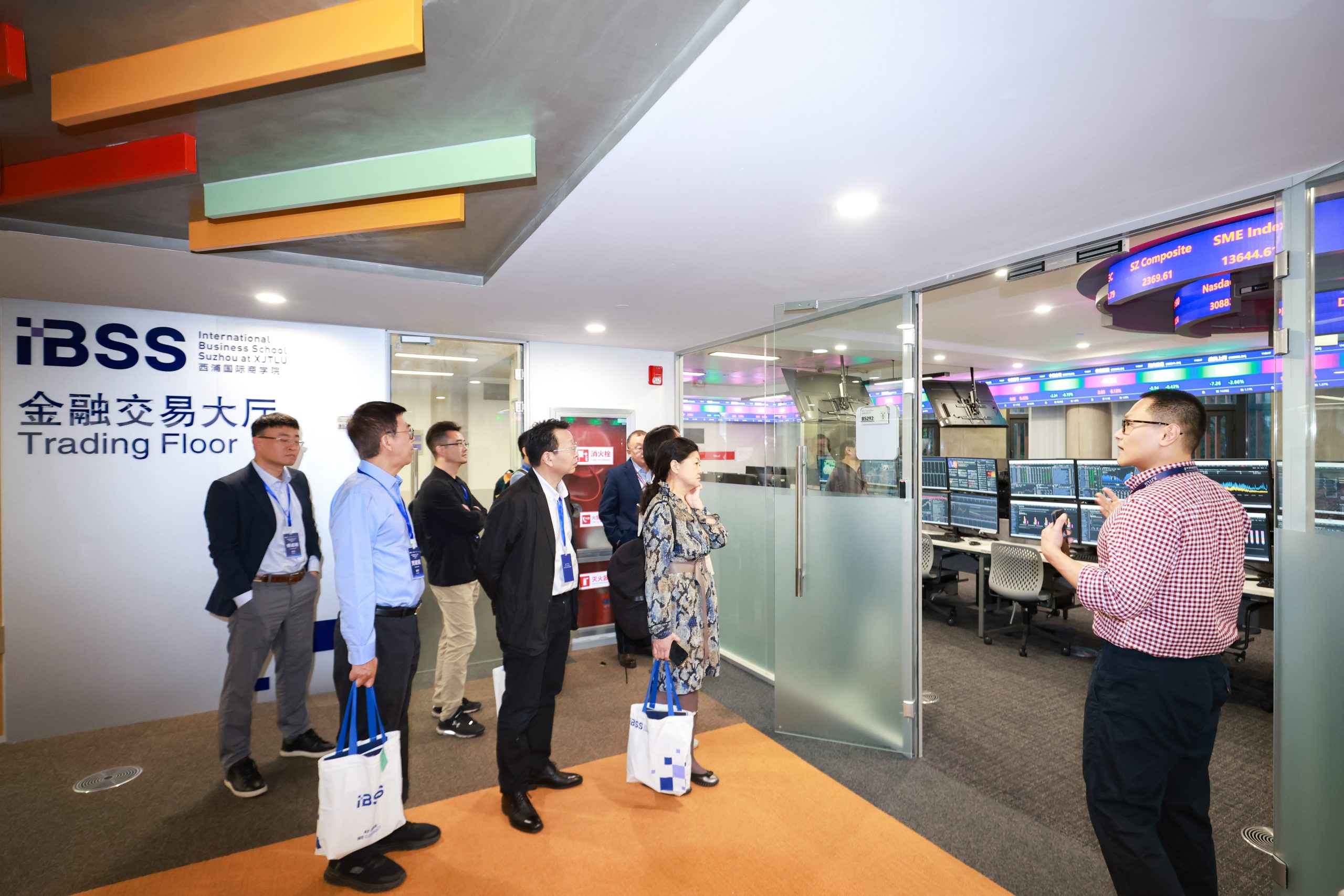
The visit afforded Board members clearer insight into how IBSS converts specialist technology, software and data to support teaching, research and industry engagement, bringing together theory and practice in a tangible way..
The meeting concluded with a commitment to turn the Board’s recommendations into practical action. The perspectives shared by members, drawing on both academic research and industry experience, deliver an invaluable external perspective for reviewing strategic direction and identifying future priorities.
IBSS will now review the recommendations and consider how they can inform the School’s strategic and operational planning. Through continued engagement with the Advisory Board, IBSS aims to draw on expertise from across sectors to support educational innovation and its long-term development.
15 Oct 2026