




28 Oct 2026


On 23 October 2026, Xi’an Jiaotong-Liverpool University (XJTLU) hosted the book launch of Co-built Industrial Park from Glocal Perspective. Jointly organised by the International Business School Suzhou (IBSS) and the Urban and Environmental Studies Research Centre (UES), the event was themed “Joint Development of Industrial Parks and Co-creation of Industrial Value Ecosystems”. Against a backdrop of shift towards resilient globalisation, industrial supply-chain restructuring and the pursuit of high-quality development, the event brought together leading academics, industry practitioners and experts from UN-Habitat, Tongji University, Cushman & Wakefield, the Suzhou Association of Industrial Park, and prominent universities and consultancies in China and internationally. Discussions addressed industrial resilience, interregional cooperation, and the integration of industrial and urban development, examining how co-built industrial parks can evolve from singular "spatial carriers" into strategic hubs that connect global flows of resources and capabilities. The event sought to inform the high-quality international expansion of Chinese enterprises and more balanced regional development.
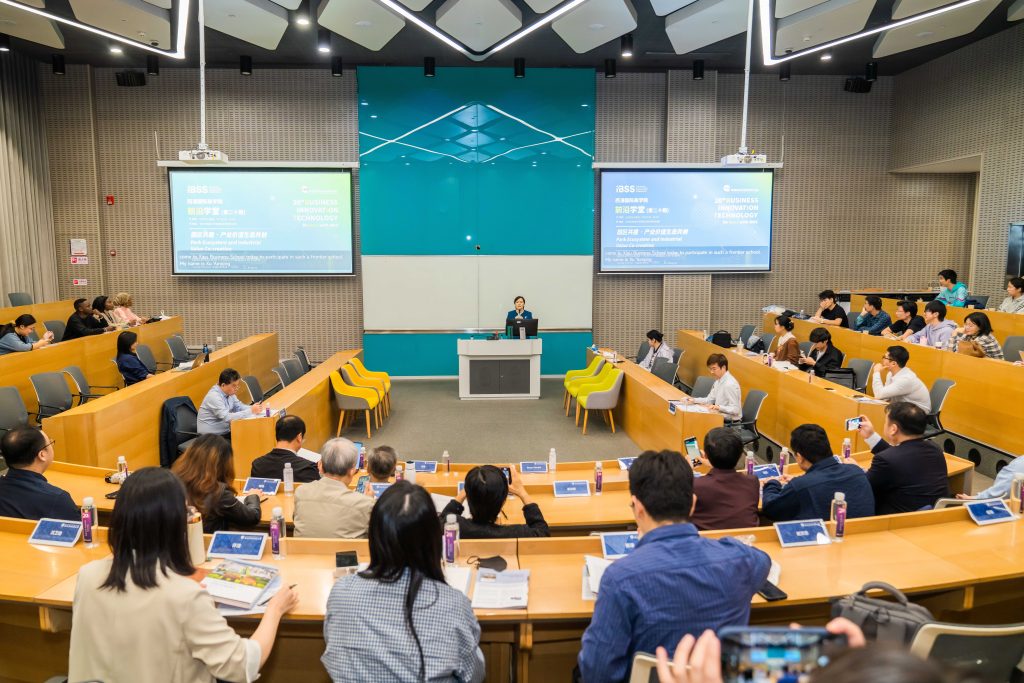
The book launch event
Opening Speeches: Responding to Industrial Park Transformation through Global Perspective, Local Practice and Interdisciplinary Research
Opening speeches were delivered by Prof. Marc Aurel Schnabel, Dean of Design School at XJTLU; Dr. Remy Sietchiping, Deputy Director of UN‑Habitat New York Liaison Office, and Xinwen Gao, President of Suzhou Association of Industrial Park. Drawing respectively on academic research, global sustainable development and local industrial practice, they examined the role of co-built industrial parks in a new phase of development.
Prof. Marc Aurel Schnabel argued that research on co-built industrial parks should extend beyond industrial space and infrastructure to consider the relationships between urban design, the built environment, liveability and sustainability. He noted that the book brings together years of interdisciplinary researches and situates the past, present and future of industrial parks within a sustainable development framework, providing a foundation for closer integration of spatial and industrial development.
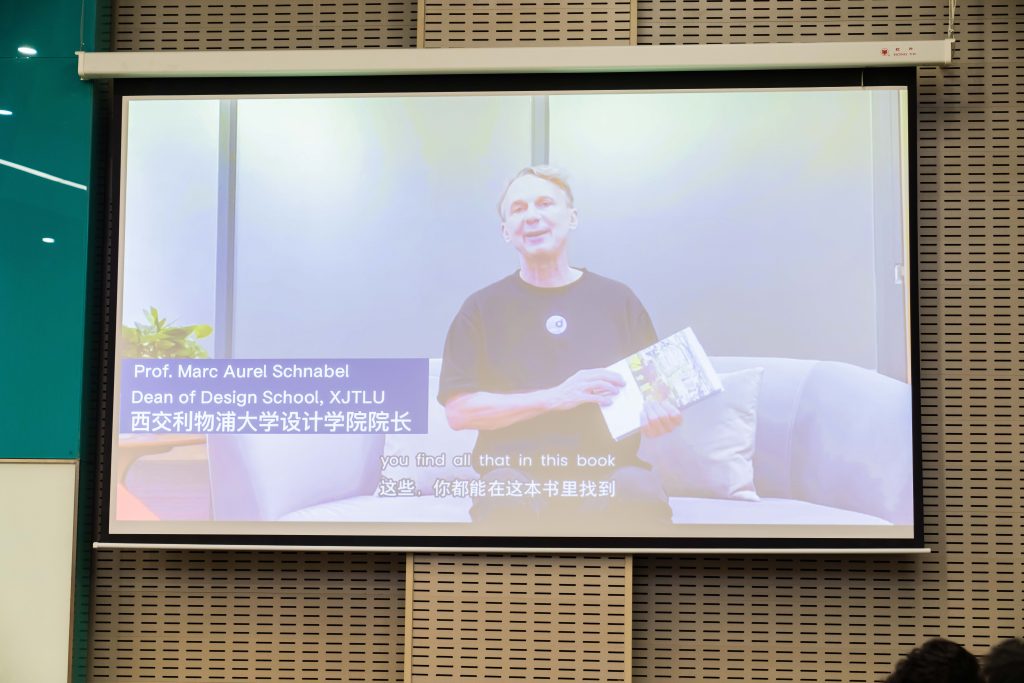
Prof. Marc Aurel Schnabel, Dean of Design School, XJTLU
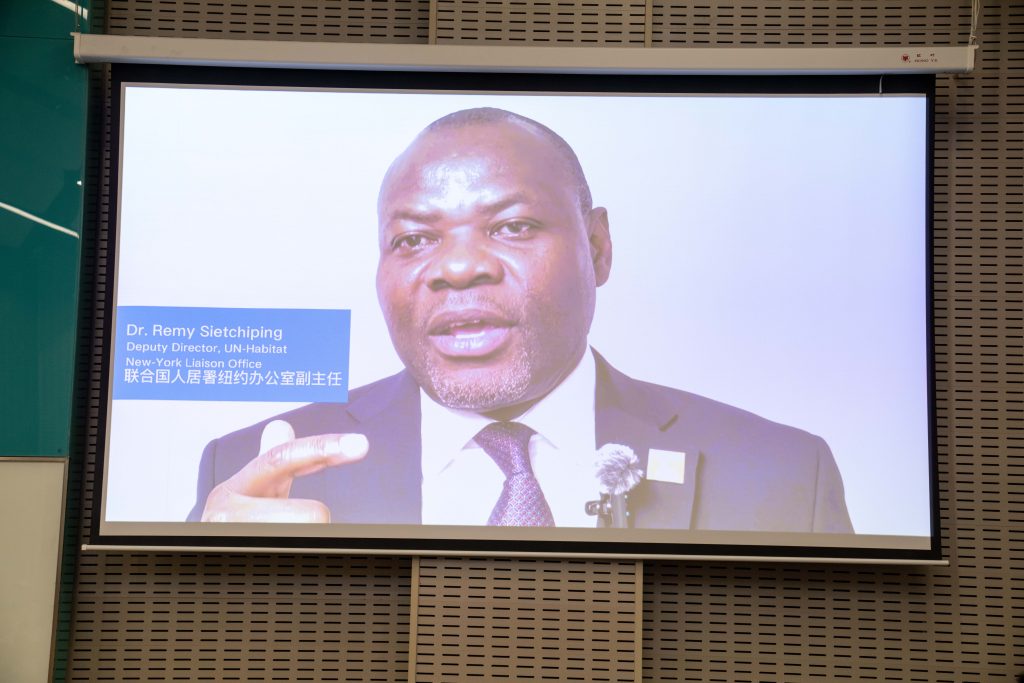
Dr. Remy Sietchiping placed co-built industrial parks in the context of global economic restructuring, climate change, technological transformation and supply-chain reconfiguration. He emphasised that the benefits of globalisation must ultimately be reflected in local employment, skill development, supply-chain linkages, innovation capacity and community development. Such parks should not only participate in global value chains but also cultivate resilient local ecosystems. Industry forms an integral part of the city. Industrial development and inclusive, sustainable urbanisation should be mutually reinforcing elements of an integrated strategy.
Drawing on Suzhou’s experience of industrial park development, Xinwen Gao observed that the sector is at a critical juncture, shifting from expansion in scale towards the enhancement of capabilities. In response to changes in industrial organisation and working practices brought about by artificial intelligence (AI), parks should reassess their spatial configurations and apply AI to investment attraction, enterprise services, operations and management. He also highlighted new opportunities arising from the international expansion of technology-intensive enterprises, arguing that combining university research with practical experience can generate transferable and widely applicable knowledge for the sector.
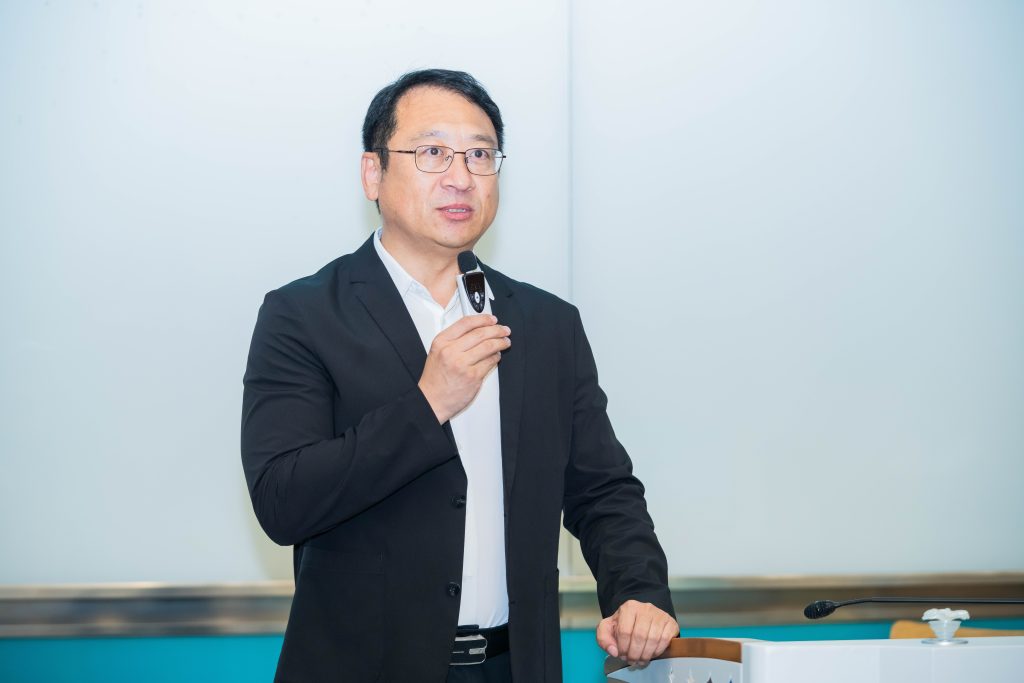
Xinwen Gao, President of Suzhou Association of Industrial Park
Keynote Presentations: Focusing on Coordinated Industrial and Spatial Planning, and Advancing Industrial Parks’ Operation
The keynote presentations explored the underlying dynamics of industrial park development from two complementary perspectives: coordination between industry and spatial planning, and the market operational performance.
Prof. Hao Ren, Dean of the Development Research Institute at Tongji University and Executive Chair of the China Alliance for the Sustainable Development of Industrial Parks, delivered a presentation entitled “Industry and Space: Planning Coordination in Co-built Industrial Parks”. He argued that industrial and spatial planning must move from separation towards coordination. Highlighting the complex differences between industry, space and institutional arrangements, he explained that institutional innovation and flexible strategies can establish workable connections between industrial demand and spatial supply. Overcoming the disconnect between spatial development and industrial needs, he suggested, requires clarity about planning sequences and the incorporation of joint planning, negotiated responsibilities and benefit-sharing mechanisms into institutional design.
Drawing on examples including the China–Singapore Suzhou–Chuzhou High-tech Industrial Development Zone, the Shenzhen–Shanwei Special Cooperation Zone, the regeneration of the Qingshan old industrial district in Wuhan, and the Shanghai G60 National Commercial Cryptography Industrial Base, Professor Ren illustrated a range of approaches to coordination. Practices of reverse configuration of functions and specialised spatial facilities in response to specific industrial challenges demonstrate that competitiveness of parks depends increasingly on identifying and meeting the actual needs of enterprises.
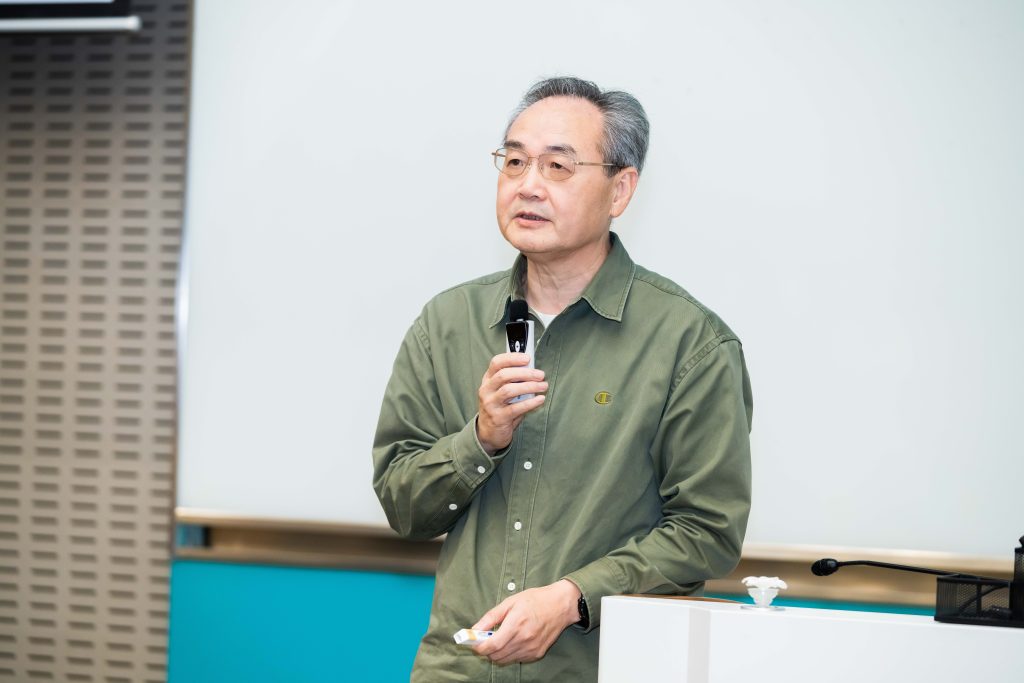
Prof. Hao Ren delivers the keynote presentation
Shaun Brodie, Head of Research Content for Greater China at Cushman & Wakefield, presented “Development and Operational Performance of Industrial Park Real Estate in Mainland China, 2026”. Drawing on macroeconomic conditions, policy developments and market data, he analysed major sectoral trends. He argued that industrial property has entered a new cycle in which competitive advantage is shifting away from development intensity and physical space towards operational excellence, ecosystem development and the circulation of capital. Referring to global benchmark industrial park examples from Japan, the United Kingdom and Singapore etc., he emphasised the increasing value of openness, connectivity, decarbonisation, as well as planning at a regional scale and resource sharing. Parks must do more than attracting tenants: professional operations should help enterprises reduce costs, improve efficiency, recruit talent and strengthen their resilience.
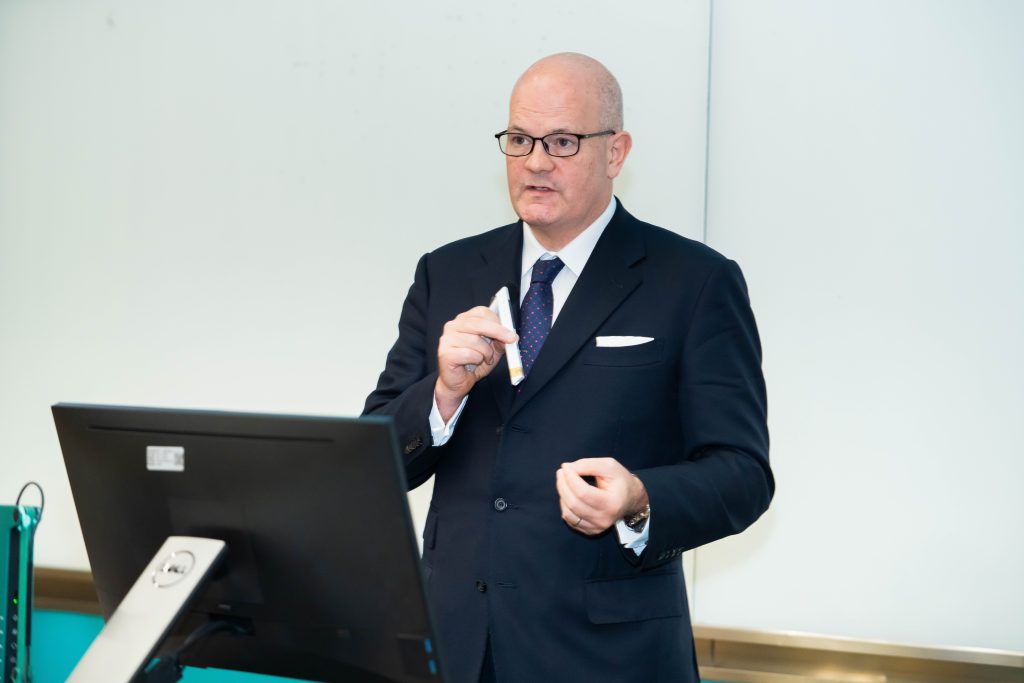
Shaun Brodie analyses operational performance and emerging trends
The Book Launch: Triple Perspectives of Glocalization, Whole-Life-Cycle and Integration
As an important part of the event was new book Co-built Industrial Park from the Glocal Perspective was officially launched. The book was co-edited by Dr. Yunqing Xu, Director of the Urban and Environmental Studies Research Centre and Senior Associate Professor in the Department of Urban Planning and Design, and Dr. Qiantao Zhang, Associate Professor in the same department. Published by China Architecture & Building Press, the book brings together researches and outputs by international organisations, research institutes, universities and practitioners. Its 11 chapters address themes spanning trends and strategies, multi-dimensional institutions, mechanisms and governance, the embeddedness of resources and capabilities, rules and prospects and so on. The volume represents the contributions of nearly 30 authors and expert advisers from diverse disciplines and professional backgrounds, and includes discussions of as many as 55 cases of co-built industrial parks in China and overseas.
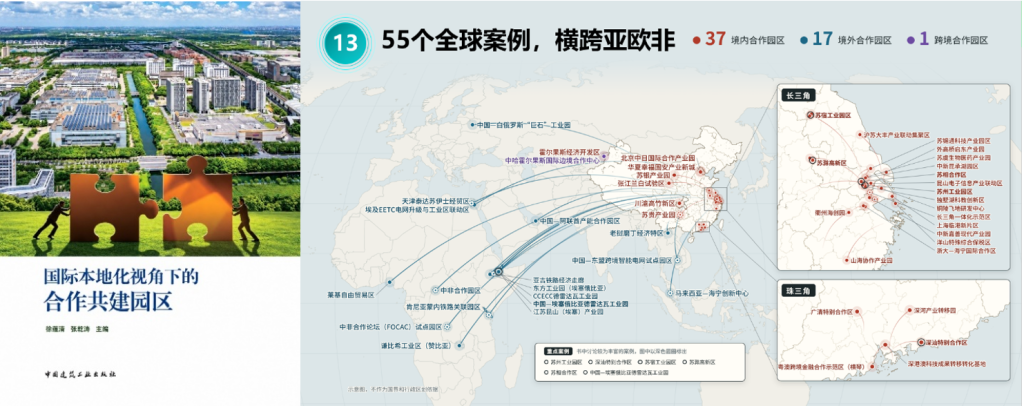
Book cover and distribution of case-study locations in Asia, Europe and Africa
Dr. Yunqing Xu explained that globalization is moving away from long supply chains organised predominantly around efficiency towards shorter supply chains that place greater emphasis on security and resilience. As regional nodes proliferate and the need for two-way interaction between global and local value creation grows, co-built industrial parks are evolving beyond physical carriers into strategic hubs for regional cooperation, testing grounds for institutional innovation and communities of interconnected stakeholders. They can also promote more balanced regional development and reduce territorial disparities. Nevertheless, such parks face increasingly complex differences and tensions between international and local rules, interests and cultures, alongside barriers to factor mobility, difficulties of institutional alignment and pressures on long-term sustainability.
How co-built parks can establish themselves locally, achieve sustainable operations, integrate with host communities and create shared benefits is therefore both a theoretical and practical question. In response, the book advances three interrelated perspectives. First, “glocalization” examines the reciprocal adaptation and substantive interaction of external capital, technology and expertise with local industries, institutions and social contexts. Secondly, a “whole-life-cycle perspective” extends analysis beyond initial positioning, planning and construction to investment attraction, ongoing operations, regeneration, transformation and long-term value creation. Thirdly, “multidimensional integration” calls for collaborative governance and a development ecosystem in which industry, space, the environment, society, talent and diverse stakeholders participate in joint deliberation, development and benefit-sharing.
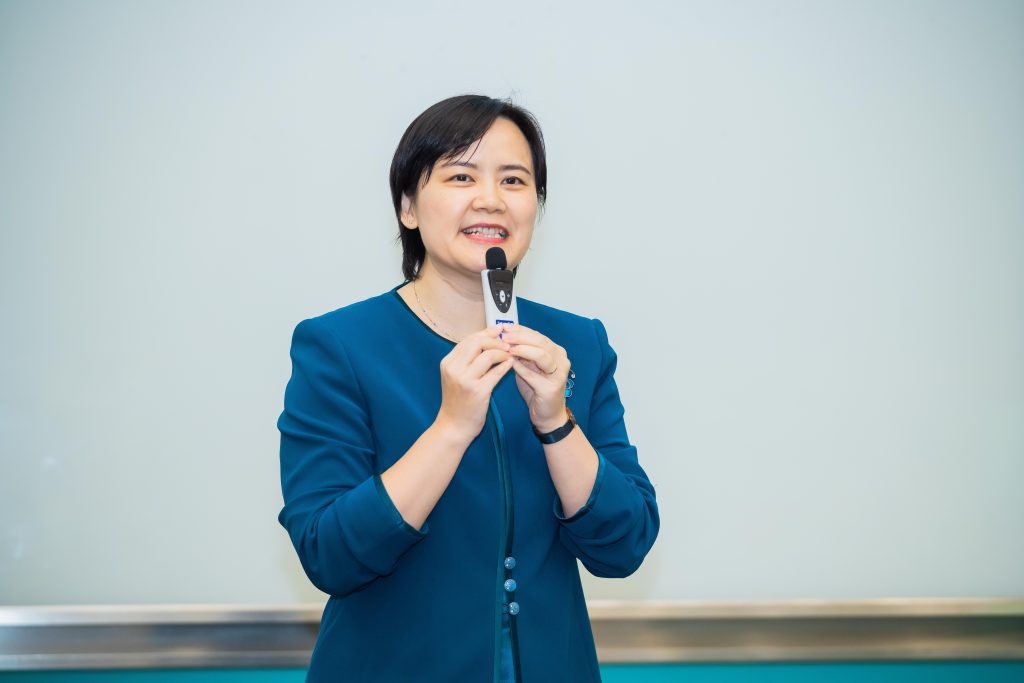
Dr. Yunqing Xu, editor, introduces the book’s conceptual design and appraoches
Dr. Qiantao Zhang then outlined the structure of the volume. Beginning with broad developments in industrial restructuring, technological innovation and regional cooperation, the chapters address collaborative mechanisms, industrial planning and recruitment, the business environment, industrial innovation, financing and governance models. Talent embeddedness and place branding are treated as essential determinants of long-term park competitiveness. He stressed that improving the business environment must proceed in coordination with innovation policy, industrial organisation and talent development. The ability to build a locally recognised identity and enduring partnerships also shapes the sustainability of co-built parks entering new markets.
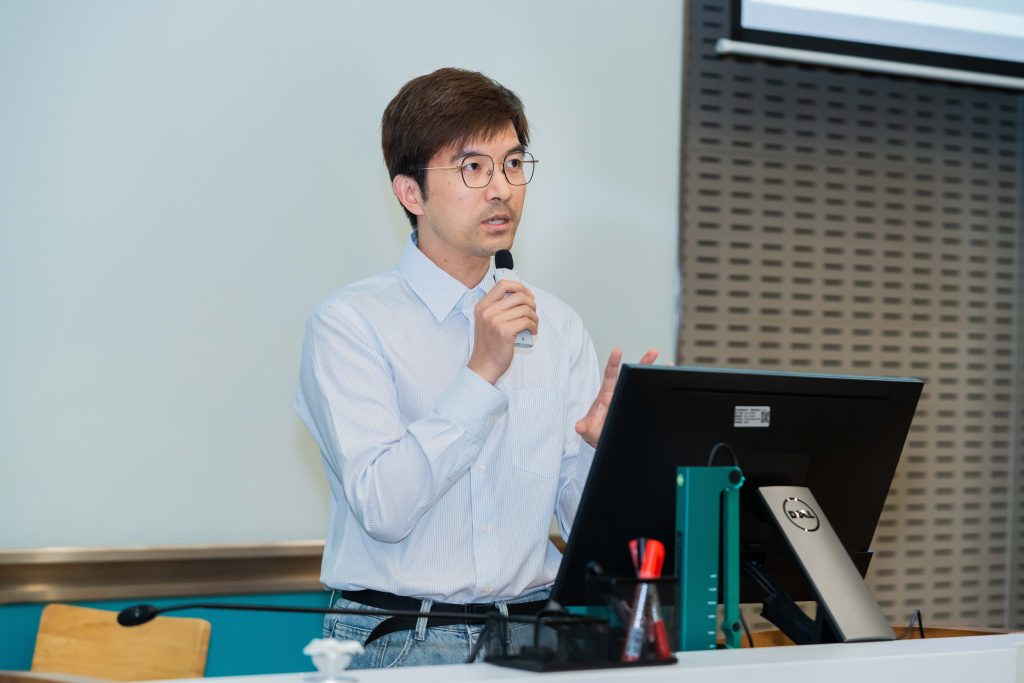
Dr. Qiantao Zhang, editor, presents the book’s structure and principal findings
Roundtable Discussion: Collaborative Park Development, Industrial Resilience and City–Industry Integration
The roundtable was moderated by Dr. Xuefeng Wang, Associate Professor in the Department of Urban Planning and Design at XJTLU. The panelists were Liang Ma, Deputy Party Secretary and Deputy Dean of the School of Management at Shanghai University; Qining Chen, Executive Director of China Region, State & City Planning Consultants (Singapore) Pte Ltd; Dou Hongqiao, Deputy General Manager of Suzhou National Carbon Metrology Instrument Technology Development Co., Ltd; and Dr. Zhenyu Su, Deputy Head of the Department of Economics at IBSS, XJTLU. They discussed industrial park transformation, spatial integration, financing mechanisms and overseas development.
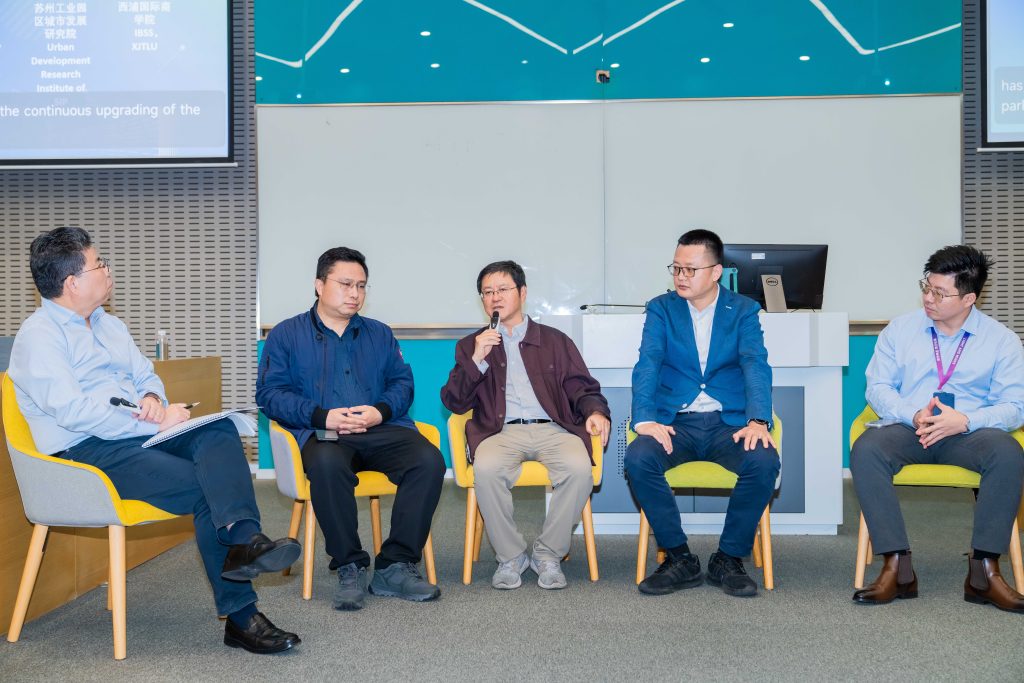
Roundtable discussion
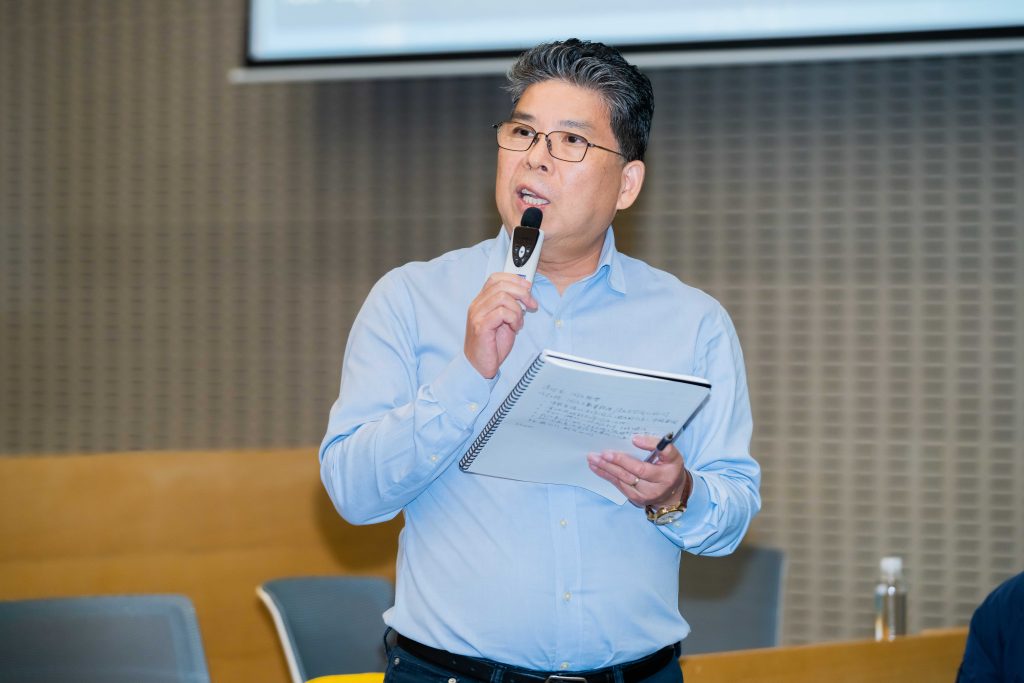
Dr. Xuefeng Wang, Associate Professor of Urban Planning and Design at XJTLU, moderates the discussion
Addressing the pressures facing domestic industrial parks, Liang Ma suggested that a development model reliant on inexpensive land, preferential policies and rapid expansion is gradually giving way to one centred on leading industries, innovation capacity and ecosystem-oriented operations. In response to homogenisation among parks and enterprises, and mismatches between spatial supply and the specific needs of businesses, Zhenyu Su advocated distinctive positioning grounded in regional assets and local talent strengths.
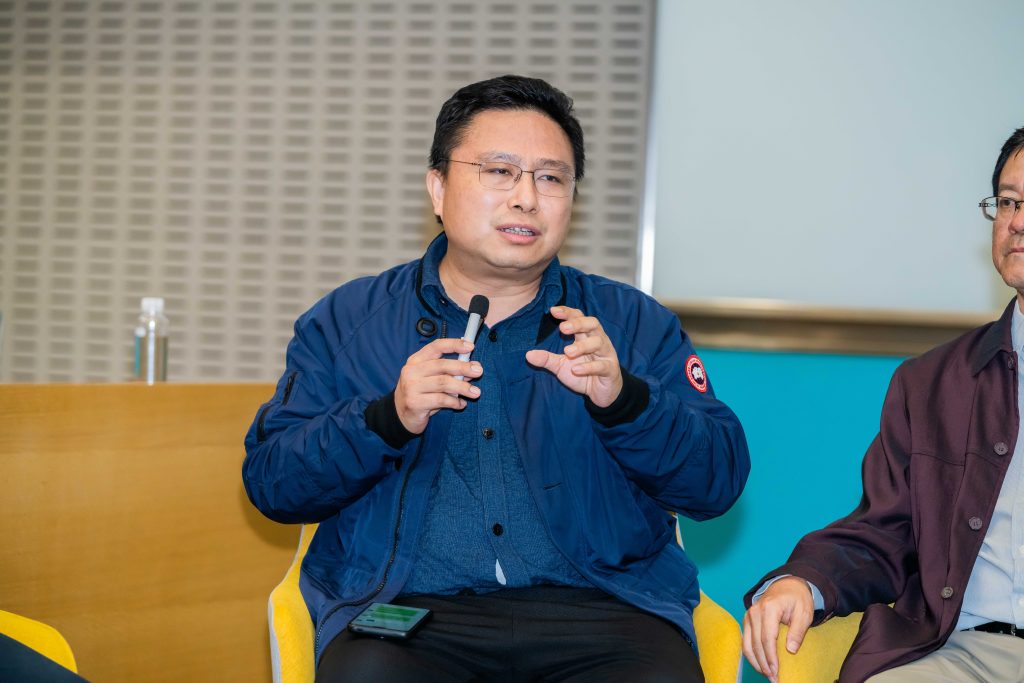
Dr. Liang Ma, Deputy Party Secretary and Deputy Dean, School of Management, Shanghai University
On closer integration between industry and urban space, Qining Chen drew attention to the trend of ‘technology returning to central urban areas’, arguing that urban regeneration and the concentration of innovation resources are reshaping the geography of industrial organizing activity. Drawing on collaborative park projects, Hongqiao Dou described the exploration to move from asset-heavy, conventional development platforms towards asset-light models integrating industrial services and investment funds. He emphasised that investment attraction must be matched by effective operational capabilities. The discussion also considered the implications of AI and automated production for future park environments, workforce composition and spatial requirements.
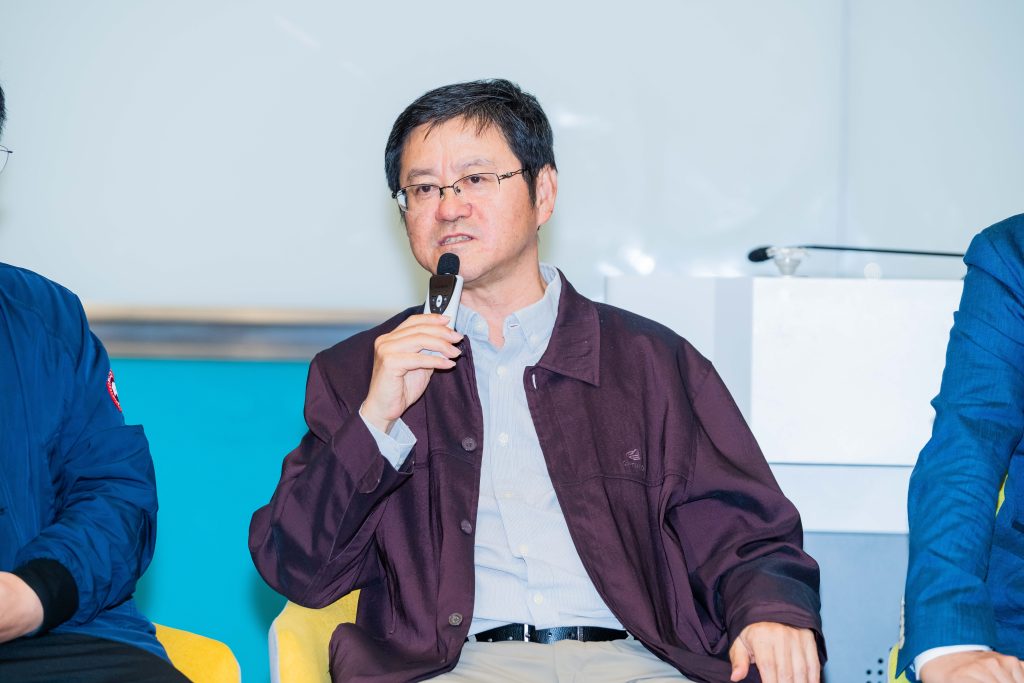
Qining Chen, Executive Director, China Region, State & City Planning Consultants (Singapore) Pte Ltd.
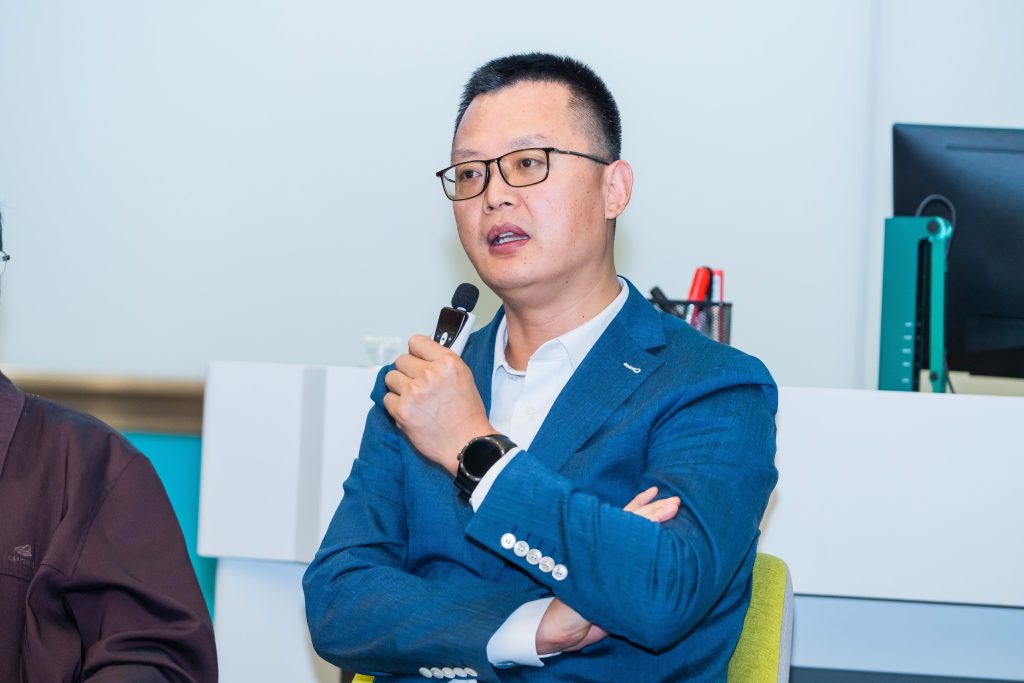
Hongqiao Dou, Deputy General Manager, Suzhou National Carbon Metrology Instrument Technology Development Co., Ltd
Turning to financing in the period of reduced reliance on land-related fiscal revenue, Zhenyu Su emphasised clear property rights, operational performance and the coordinated use of existing financing instruments. Mobilising capital from eligible, mature assets could create a virtuous cycle of reinvestment and regeneration. The panellists also explored the importance of long-term planning, adaptation to host-country institutions, industrial cluster development and local talent cultivation for enterprises and parks expanding overseas. Qining Chen argued that overseas collaborative parks must align spatial development, institutional arrangements and enterprise attraction while establishing durable operating mechanisms suited to local conditions. Liang Ma and Zhenyu Su offered recommendations on deeper engagement with local communities and university–industry collaboration to develop interculturally competent talent.
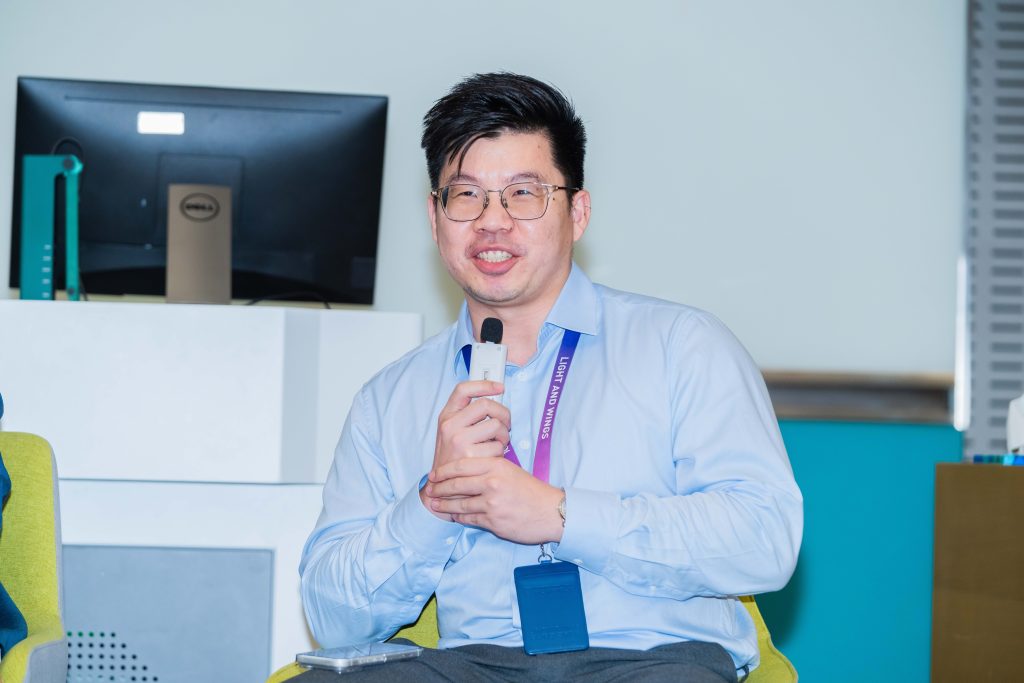
Dr. Zhenyu Su, Deputy Head of the Department of Economics, IBSS
A Book as a Bridge: Connecting International Perspectives with Local Practices
From industrial spatial planning and park governance to interregional resource collaboration and the development of industrial value ecosystems, the launch connected academic research, industrial practice and regional development, revealing multiple dimensions of co-built industrial parks. As an interdisciplinary field linking urban planning, regional economics, industrial development and public governance, collaborative park development involves not only the reallocation of land and industrial resources but also continuing innovation in cooperation mechanisms, governance arrangements and development models.
In her closing remarks, Dr. Yunqing Xu said: “I hope this book will serve as a navigational chart for enterprises to go overseas and cooperate in regions, offering clearer coordinates, full cycle thinking and diverse integration amid uncertainty. We adhere to the principle of "cooperation" in our exploration - sharing beauty and achieving mutual success, making the cooperative park truly an ecological hub that benefits both the local and global communities.”
The publication of Co-built Industrial Park from Glocal Perspective provides a forward-looking academic framework for understanding collaborative park projects in China and abroad while strengthening connections between research, education, industry and practical application and supporting interregional collaboration. The event also exemplified XJTLU’s commitment to interdisciplinarity and university–industry integration, drawing on its internationalism as a Sino-foreign cooperative university. By bringing together the complementary strengths of IBSS and UES, it created a forum connecting frontier scholarship, industry expertise and park practitioners, allowing conceptual inquiry to engage directly with practical industrial challenges.
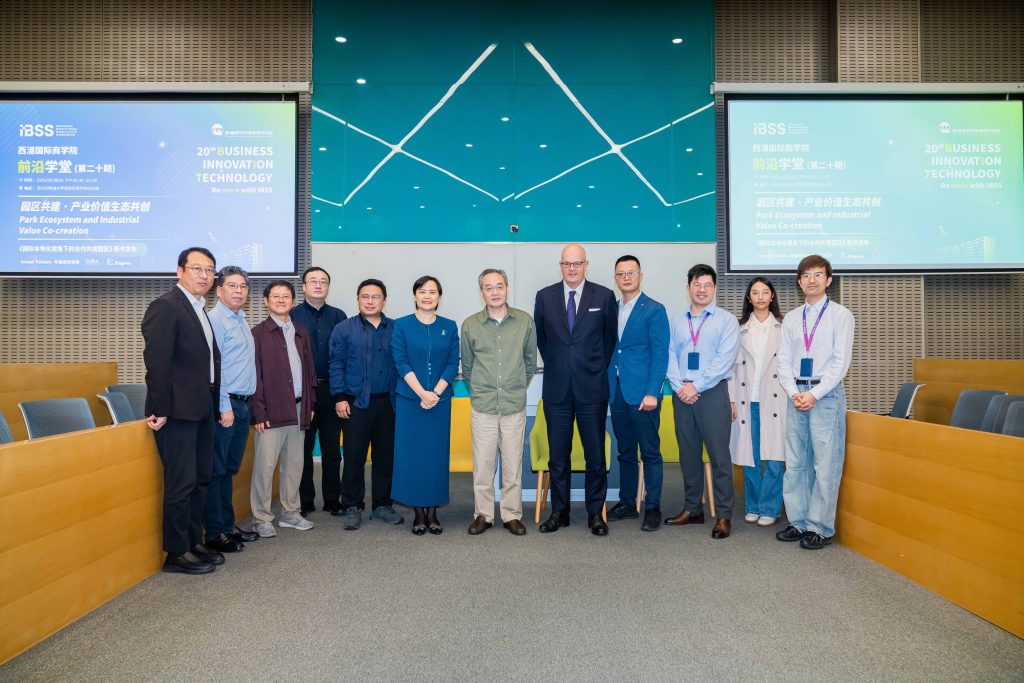
Book contributors, editors and invited experts
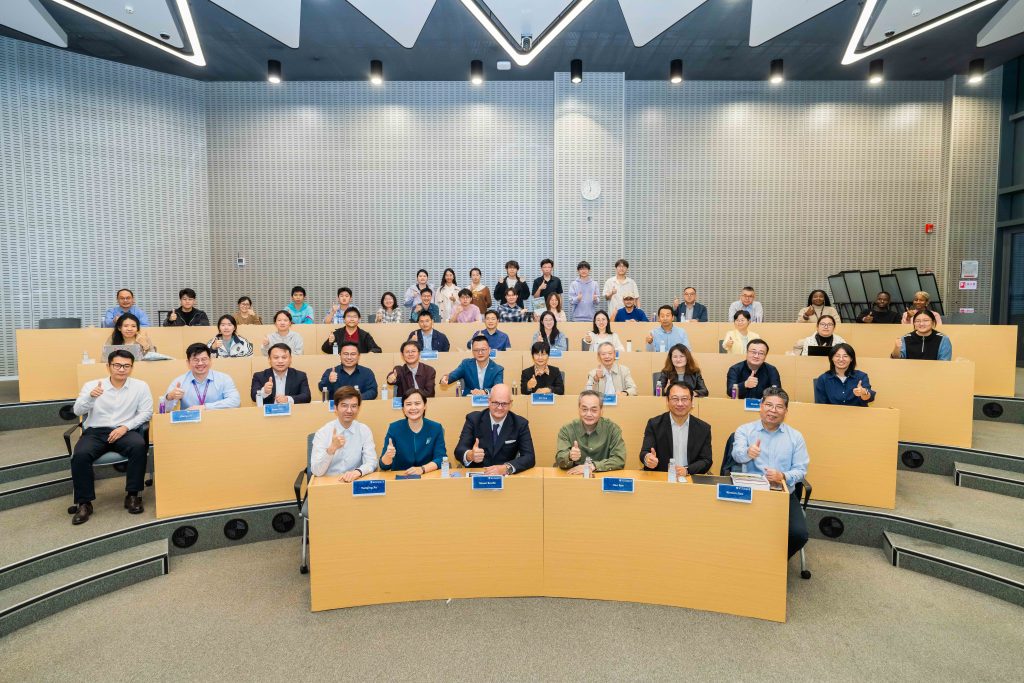
Group photograph of participants at the book launch
28 Oct 2026