





XJTLU gets approval for its first postdoctoral research station

16 Nov 2026


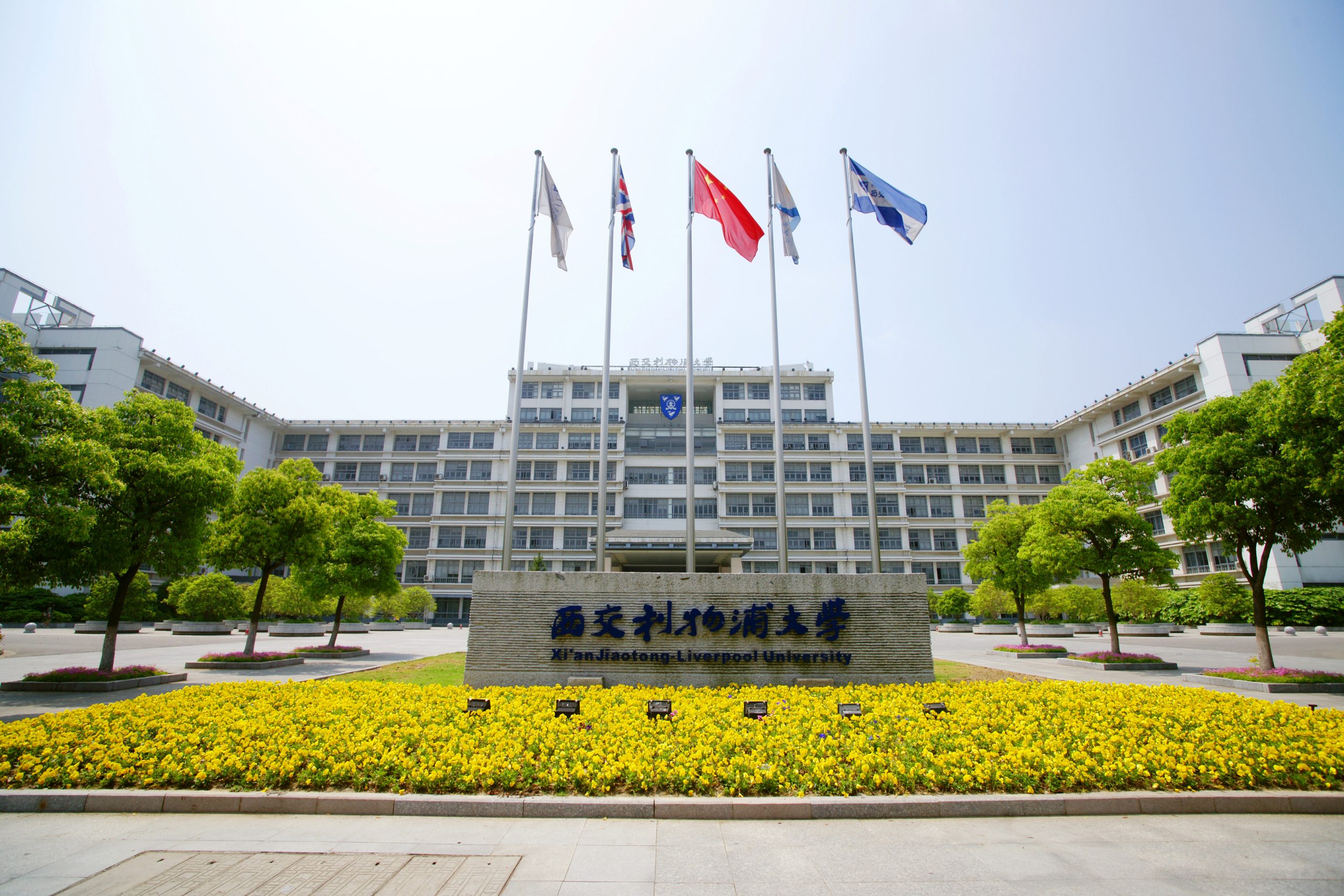
Recently, China’s Ministry of Human Resources and Social Security and the National Postdoctoral Management Committee announced the results of the 2026 round of newly approved postdoctoral research stations. Xi’an Jiaotong-Liverpool University (XJTLU) has received approval to establish a postdoctoral research station in Management Science and Engineering. As XJTLU’s first postdoctoral research station, this approval marks a significant expansion of XJTLU’s high-calibre research talent development system into the postdoctoral stage.
With this approval, XJTLU will leverage its first-level discipline of Management Science and Engineering to recruit and train postdoctoral researchers and advance related research. The station will provide a new platform for the University to attract early career researchers and build high-calibre research teams.
Interdisciplinary strengths and research foundation
Management Science and Engineering is a key interdisciplinary field at XJTLU. The University’s research and talent-development work in the field covers management science, information management and information systems, fintech and financial engineering, and management psychology and behavioural science. Rather than being concentrated in a single school, the discipline’s academic strengths are distributed across several teaching and research institutions, including the International Business School Suzhou (IBSS), the School of Intelligent Finance and Business (IFB), the College of Industry-Entrepreneurs (CIE), and the HeXie Management Research Centre.
This cross-institutional structure has fostered a research ecosystem that bridges international business education, digitalisation and fintech, original management theories and industrial practice.
Professor Youmin Xi, Executive President of XJTLU, earned a doctorate in Management Engineering from Xi’an Jiaotong University in 1987. He was the first person in the Chinese mainland to obtain a doctorate in the discipline.
In the same year, Professor Xi proposed the HeXie Management Theory. Research linked to the theory addresses organisational management, corporate governance and human resources. It also connects with the University’s industrial practice and management education.
In January 2025, the theory was named one of China’s “Top 10 Original Theories in Philosophy and Social Sciences”.

In 2026, XJTLU research teams secured 13 grants from the National Natural Science Foundation of China (NSFC). These included six Young Scientists Fund projects, five General Program projects and two Research Fund for International Scientists (RFIS) projects.
The international academic influence of related fields has also been steadily growing. In September 2025, XJTLU’s Economics & Business discipline entered the global top 1% in Essential Science Indicators (ESI). Over ESI’s 10-year statistical cycle, researchers in the discipline published 696 papers, receiving 7,459 citations. XJTLU now has seven disciplines in the ESI global top 1%: Engineering; Environment/Ecology; Computer Science; Social Sciences; General; Economics & Business; Chemistry and Materials Science. This cross-school research organisation model, which integrates multiple research directions, together with the University’s expanding portfolio of research projects and multidisciplinary strengths, provides solid support for the postdoctoral research station to carry out interdisciplinary research and nurture early career researchers.
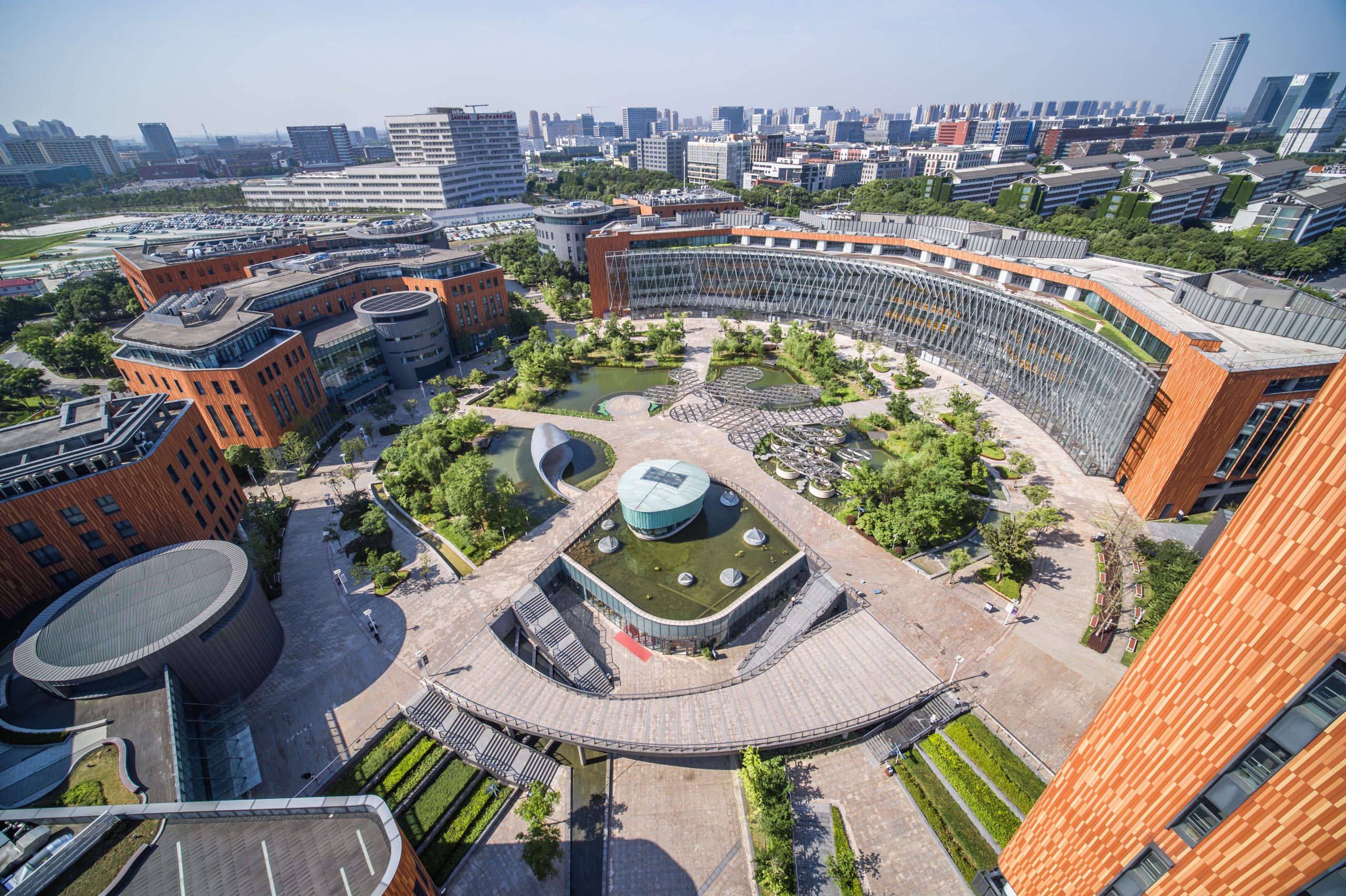
Extending research talent development
The establishment of the postdoctoral research station provides a new anchor for XJTLU to complete its high-calibre research talent development pipeline.
The University plans to recruit postdoctoral researchers from around the world. They will pursue research and receive training in areas including management science, digital transformation and fintech.
The station will also integrate high-quality research innovation, original theory development and industrial practice, while refining a comprehensive talent development system spanning undergraduate, master’s, doctoral, and postdoctoral stages. This will inject fresh impetus into the University’s research innovation and the development of its high-calibre talent team.
By the Graduate School
Translated by Xueqi Wang
Edited by Marria Qibtia Sikandar Nagra and Xinmin Han
16 Nov 2026