




2026年05月25日


During the 13th World Urban Forum (WUF13), UN-Habitat officially released the World Cities Report 2026. Dr Yunqing Xu, a scholar from Xi'an Jiaotong-Liverpool University, participated as a member of the international expert group for the report, taking part in roundtable international discussions and presenting the view of an 'integrated action pathway' regarding the governance of the global housing crisis and sustainable urban development.
On 18 May 2026, the 13th World Urban Forum (World Urban Forum 13, WUF13) opened in Baku, Azerbaijan. The theme of this forum was 'Urban Equity in a Safe and Resilient World', attracting over 45,000 participants from 182 countries. On 19 May, the flagship report of UN-Habitat, the World Cities Report 2026 (WCR2026), was officially launched at the forum under the title 'Global Housing Crisis: Pathway to Action'. Related reports covered more than 100 countries and regions worldwide, with hundreds of international mainstream media and professional organisations reprinting and analysing the content. The social media topic quickly gained traction, and the report's executive summary was downloaded tens of thousands of times on its first day online.
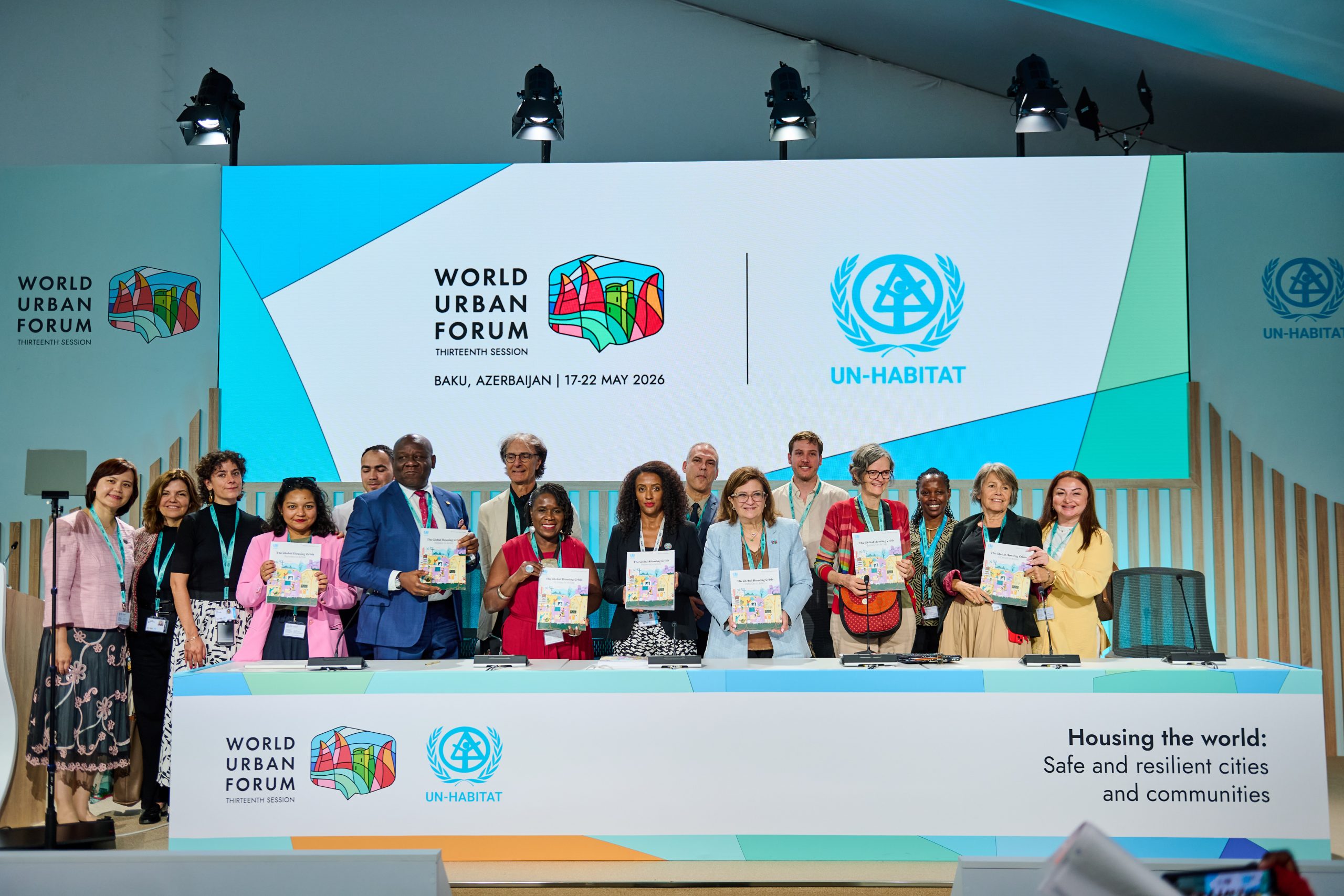
Group photo at the WUF13 'World Cities Report 2026' launch, first on the left is Dr Yunqing Xu, a Chinese scholar from XJTLU (Source: UN-Habitat)
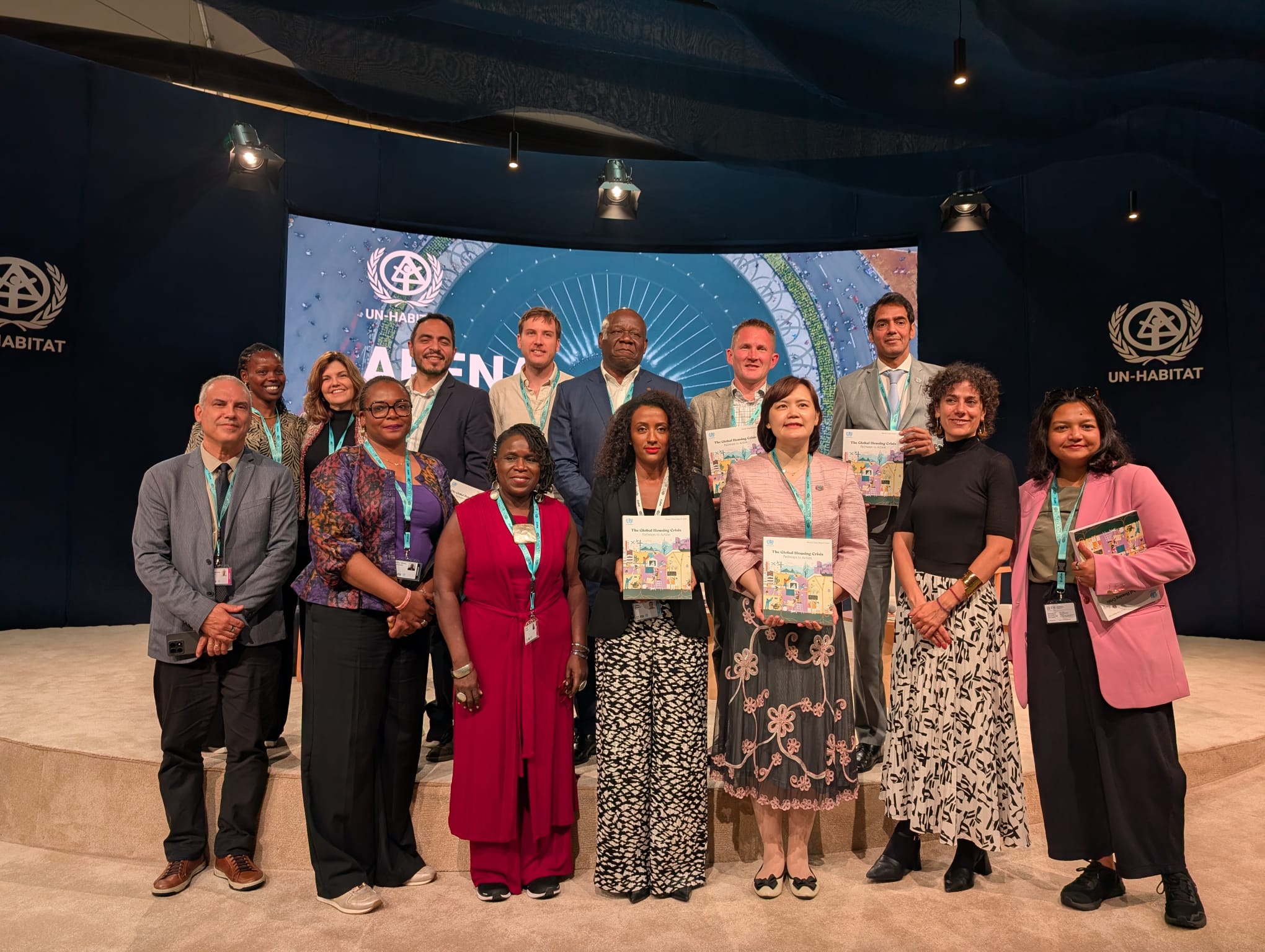
Group photo of the international team for the WCR 2026, Dr Xu Yunqing, a scholar from XJTLU, is the only Chinese scholar among the international expert group for this report (Source: UN-Habitat)
WUF: The Premier Dialogue Platform for Global Urban Issues
The World Urban Forum (WUF) was established by the United Nations General Assembly in 2001 and is convened biennially by the United Nations Human Settlements Programme (UN-Habitat). It is the world's first high-level forum focused on sustainable urban development. Since the first WUF held in Nairobi in 2002, it has become the most inclusive international platform bringing together national governments, local authorities, civil society organisations, the private sector, academia, and youth representatives. WUF13 coincides with the ten-year review of the New Urban Agenda, carrying forward a mid-term assessment and future outlook on the global framework for sustainable urbanisation adopted in 2016.
This forum, centred on housing issues, not only concerns fundamental housing rights but is also deeply intertwined with numerous dimensions of sustainable development, including economic growth, climate action, social equity, public services and intergenerational well-being, making it a focal topic of common concern for policymakers, city managers and civil society worldwide. During the forum, heads of state, government leaders or high-level representatives from over 30 countries attended the leaders' summit. The forum held a ministerial meeting on the New Urban Agenda, six major dialogues (women, local governments, grassroots organisations, children and youth, business conferences, etc.), and the Urban Expo, covering 217 participating organisations and national pavilions from 66 countries.
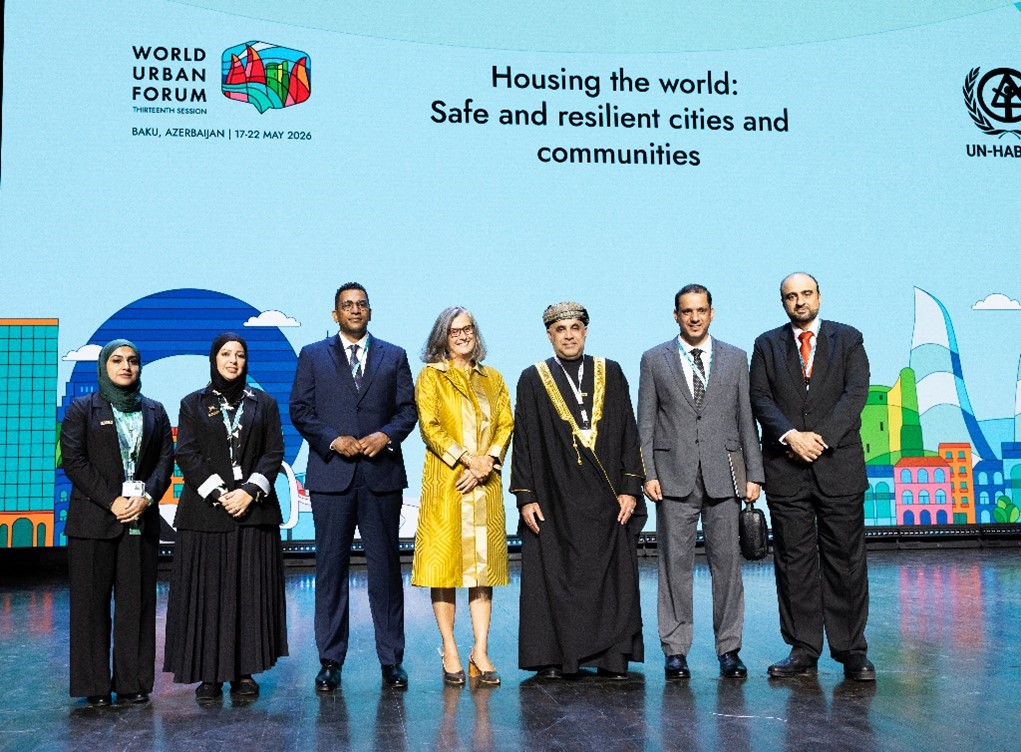
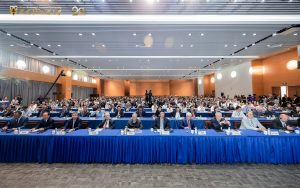
Group photo at the WUF13 opening ceremony (Source: UN-Habitat)

WUF13 Opening Ceremony Performance (Source: UN-Habitat)
WCR: The 'Action Compass' for Global Urban Development
The WCR is the United Nations Human Settlements Programme's flagship research report published every two years, forming a 'one study, one meeting' synergy with the WUF. The report's compilation integrates multidisciplinary perspectives such as urban economics, housing policy, climate adaptation, and planning governance, providing a 'comprehensive examination' of housing issues and solutions. The global housing crisis is 'widespread, rapidly growing, and deeply impactful,' with up to 3.4 billion people lacking adequate housing and more than 1.1 billion living in informal settlements and slums. Global housing shortages have increased from approximately 201 million units in 2010 to 268 million units in 2023, a 30% rise in just over a decade. Globally, 44% of households spend over 30% of their income on housing, and by 2050 cities are expected to have an additional 2 billion people. Moreover, the report highlights that the housing sector is both a victim and an aggravator of the climate crisis. It is estimated that by 2040, climate-related disasters will destroy 167 million housing units, while buildings account for about 37% of global greenhouse gas emissions.
Live coverage of the press conference: From release to action
At the briefing held on May 19, Benedict Arimah, Head of the Global Reports and Trends Branch of UN-Habitat, introduced the main structure, key findings and principal insights of the report. The report was jointly produced by the UN-Habitat research team and dozens of international expert authors from various continents. Based on a systematic analysis of the crisis and a thorough reflection on the effectiveness of solutions over the past 50 years, it promotes coordinated changes and actions in policy, planning and financing. UN-Habitat Executive Director Anacláudia Rossbach emphasised that the global housing crisis has already emerged, and the key issue is how to translate the report into interdisciplinary and multi-level governance action.
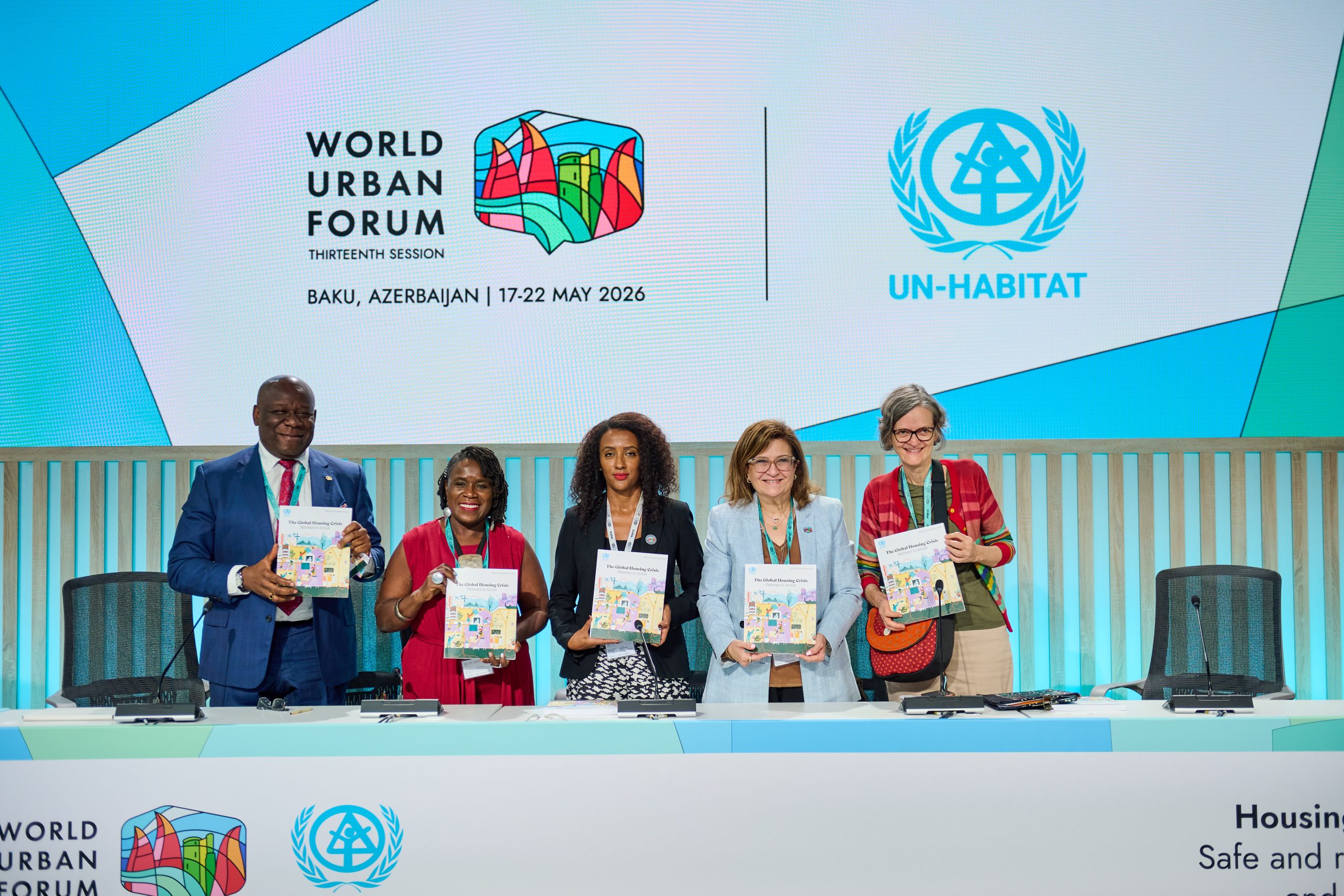
Group photo at the WCR2026 press conference (Source: UN-Habitat)
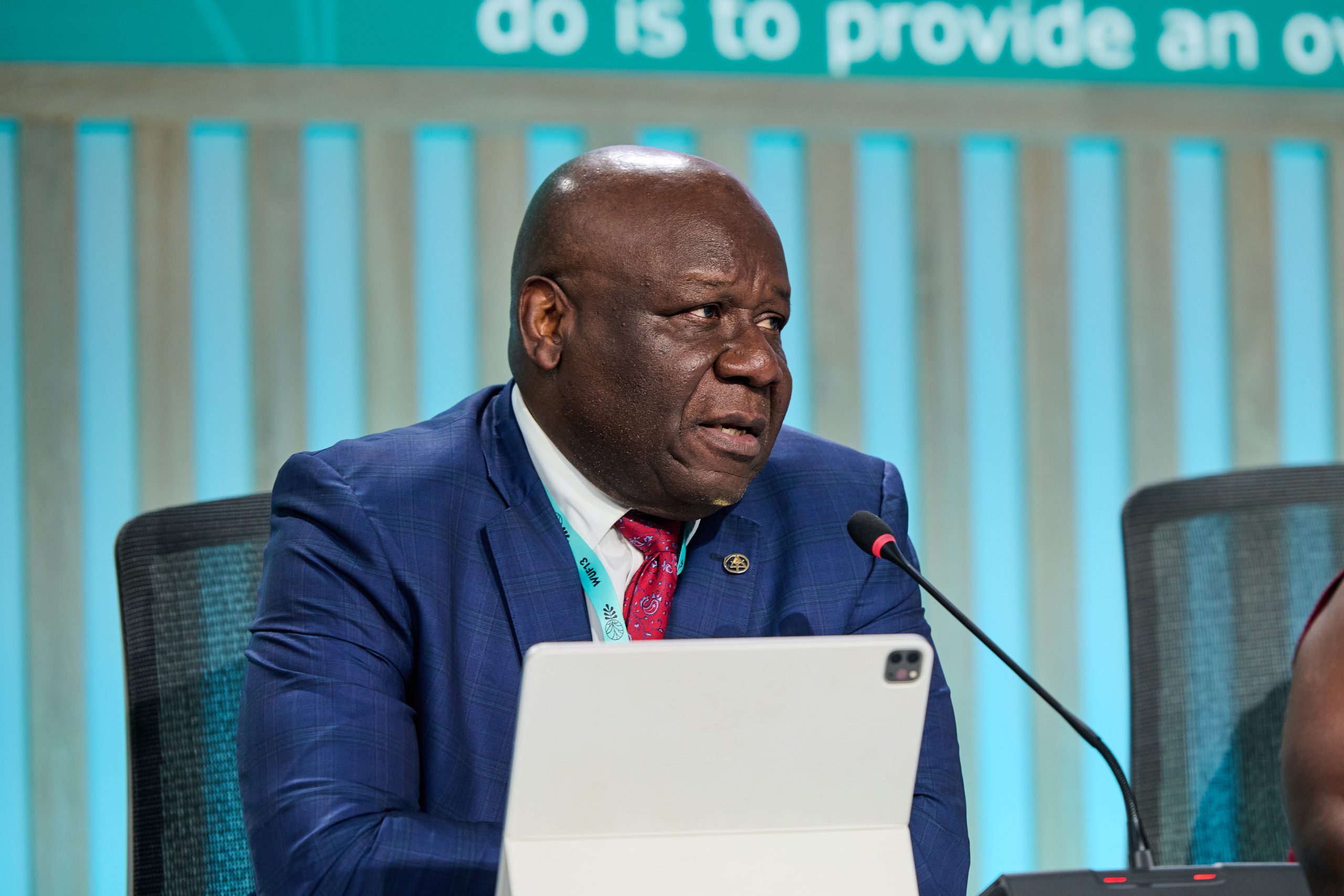
Benedict Arimah, Head of the Global Report and Trends Division at UN-Habitat, presented the report (Source: UN-Habitat)
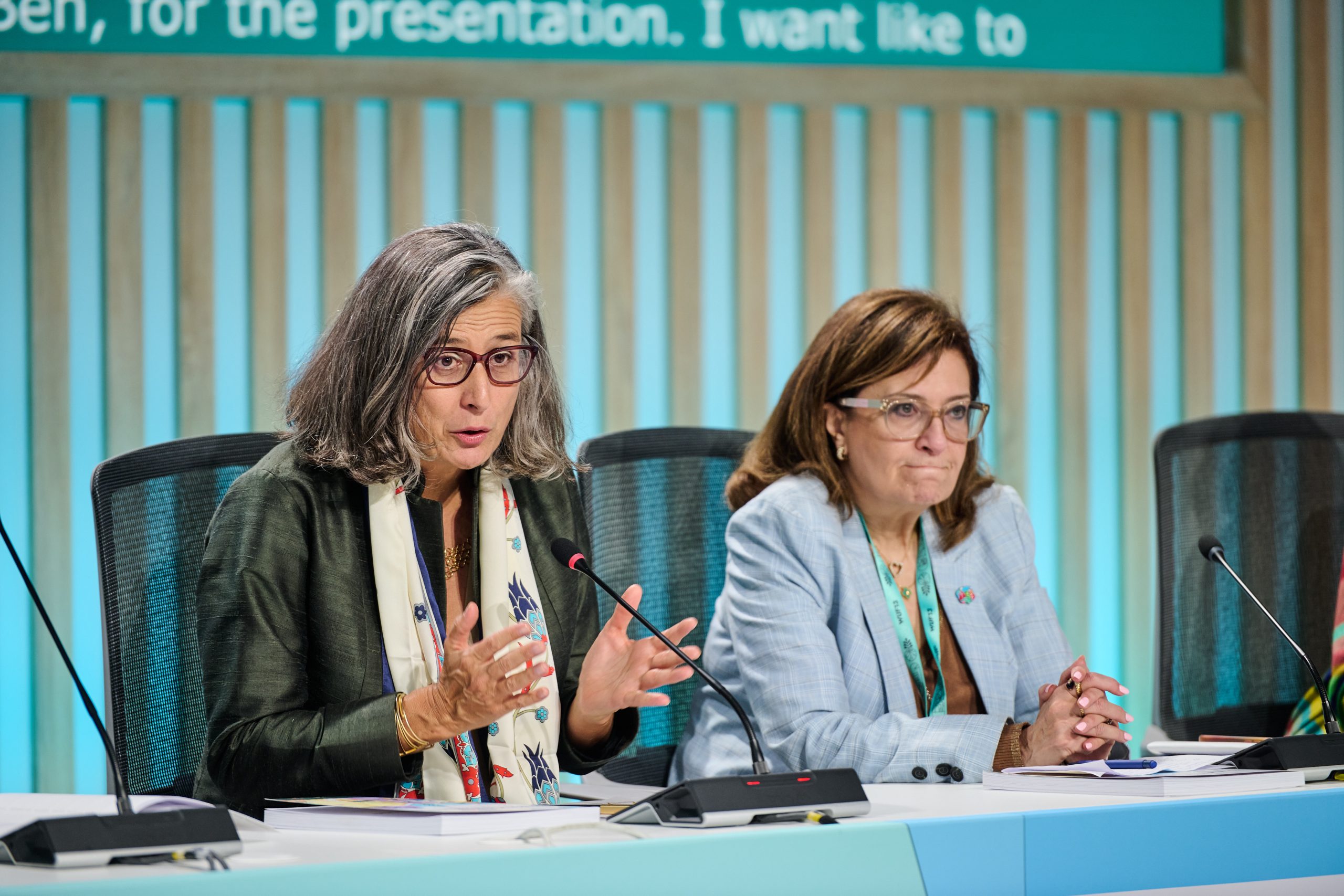
Anacláudia Rossbach, Executive Director of UN-Habitat (Source: UN-Habitat)
During the roundtable discussion, Edlam Abera Yemeru, Director of the United Nations Human Settlements Knowledge and Innovation Department, engaged in an in-depth dialogue with international guests on 'From Reporting to Action Implementation.' Hector Miranda from the National Council of Science and Technology of Mexico suggested that informal settlements should be addressed seriously, implementing specific changes through the frameworks of laws and regulations, institutional mechanisms, and mixed methods. David Dodman, Director of the Institute for Housing and Urban Development Studies (IHS) at Erasmus University in the Netherlands, emphasised incorporating housing location choices into climate response agendas, noting that this concerns not only housing design or urban planning but is also a key factor in reducing greenhouse gas emissions. Taibat Lawanson, Professor of Planning and Heritage Conservation at the University of Liverpool in the UK, proposed that housing governance should be based on the entire value chain and data, prioritising in situ upgrading and basic services to meet needs and unlock the value of informal settlements.
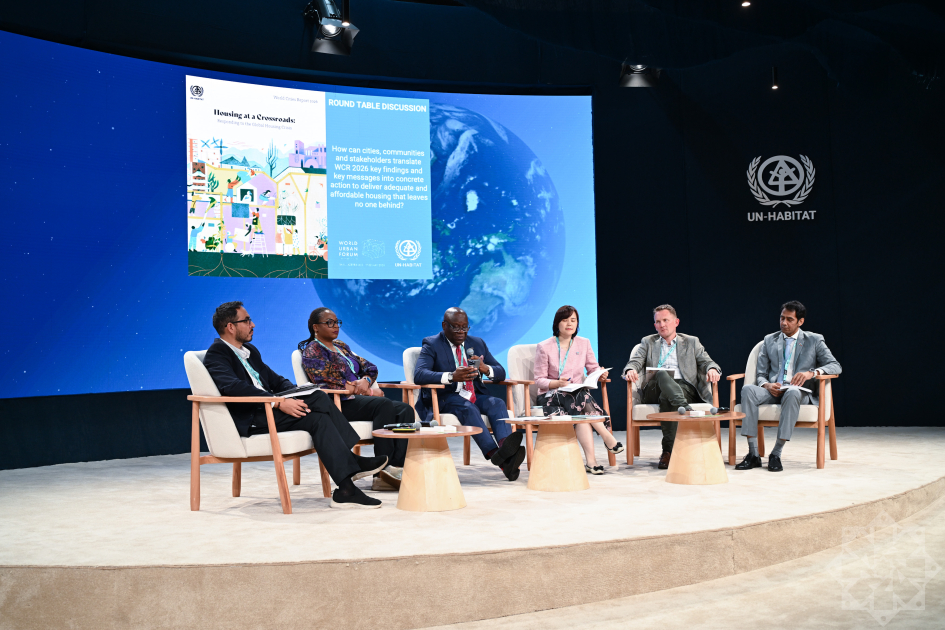
Roundtable discussion session (Source: Azerbaijan State News Agency)
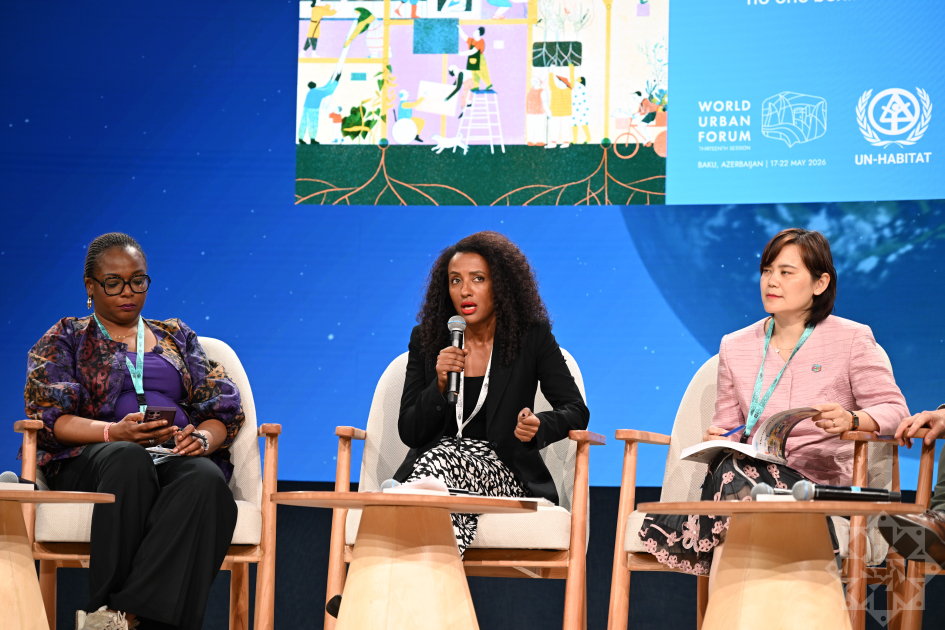
Edlam Abera Yemeru, Director of the UN Human Settlements Knowledge and Innovation Department, chaired the discussion
(Source: Azerbaijan State News Agency)
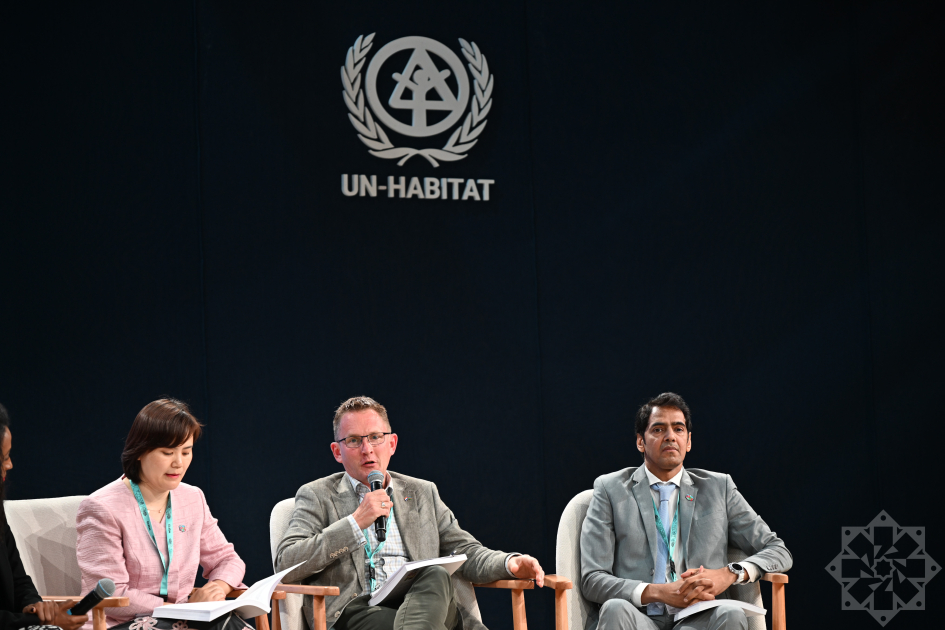
David Dodman, Director of the Institute for Housing and Urban Development Studies (IHS) at Erasmus University Rotterdam, Netherlands
(Source: Azerbaijan State News Agency)
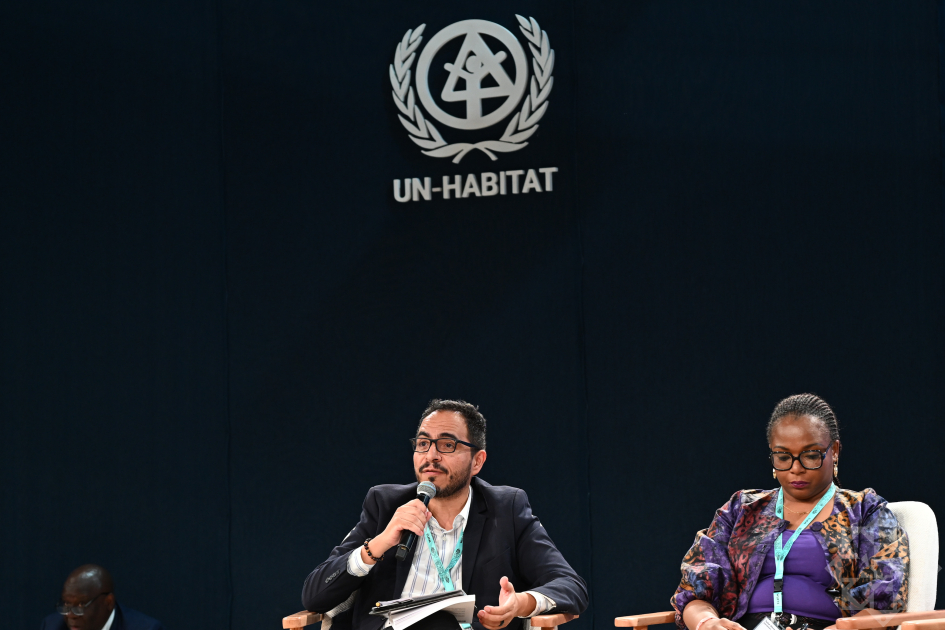
Hector Miranda of the Mexican National Council of Science and Technology (Source: Azerbaijan State News Agency)
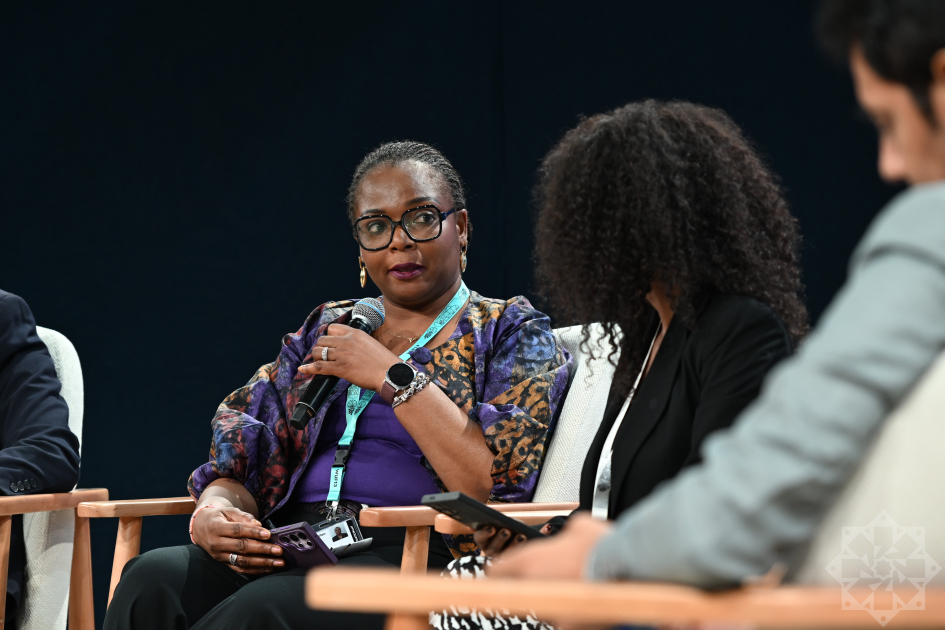
Professor Taibat Lawanson, Planning and Heritage Conservation, University of Liverpool, UK (Source: Azerbaijan State News Agency)
XJTLU scholar Yunqing Xu: Housing is both a crisis and a solution:
integrated thinking and flexible mechanisms are key
As a member of the international expert group for UN-Habitat's "2026 World Cities Report," Dr Yunqing Xu, Director of Urban and Environmental Studies University Research Centre (UES) at XJTLU, pointed out that the global housing crisis has been deepening over the past decades, and the demand will be even more severe by 2050. She believes housing is a "double-edged sword": it is both a source of crisis and a key to building better cities. Firstly, housing is widely connected to services, infrastructure, economic opportunities and many aspects of urban life. Secondly, it has intergenerational characteristics, affecting the planning and well-being of several generations within families. Thirdly, governance requires cross-level government dialogue and cooperation. She emphasised the need for a fundamental shift in thinking and an "integrated" approach to achieve "kill two birds with one stone." For example, improving affordability while enhancing climate resilience, and supporting family planning when adjusting residential and work imbalances. The essence of coordinated progress lies in dialogue and cooperation across different systems and sectors, which requires flexible approaches to housing rights, spatial integration, and financing methods, promoting adaptive innovation in planning, policy and finance.
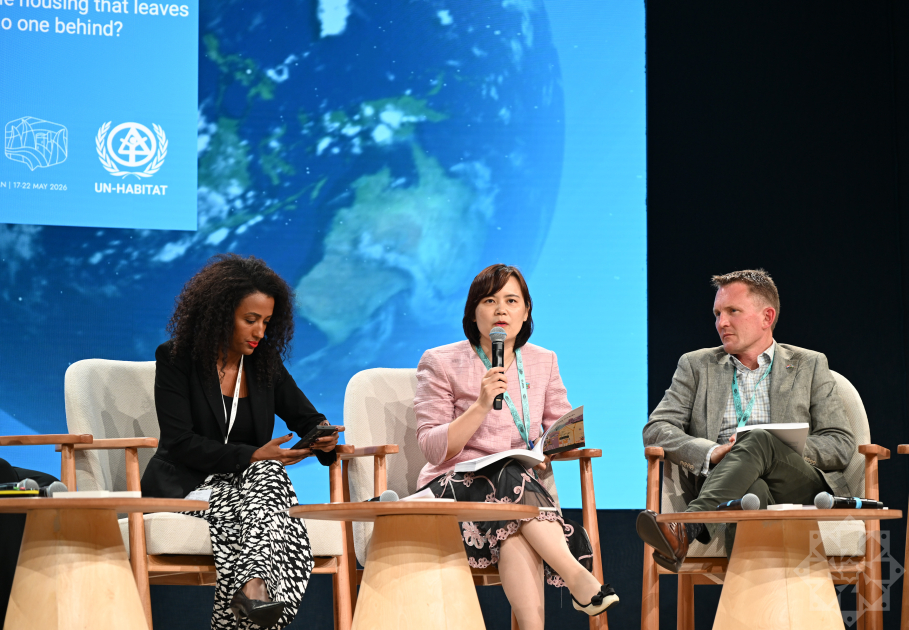
Dr Yunqing Xu , Director of the Centre for Urban and Environmental Studies at Xi'an Jiaotong-Liverpool University, speaks
Q&A Session:
Responsibility Assignment and Tenant Empowerment
During the Q&A session, delegates engaged in a lively discussion on the attribution of responsibility for informality. Some questioners expressed concern that viewing informality as an opportunity might lead governments or the private sector to shirk responsibilities. In response, delegates emphasised that the conceptual shift lies in recognising the potential within, rather than judging it as good or bad. This is not about avoiding responsibility, but about establishing new partnership models: a shared vision, planning and implementing infrastructure, and actively collaborating with residents. Regarding tenant empowerment, questioners noted that most urban residents are tenants, making it difficult for them to participate in housing development or renovation and unable to bear renovation costs. The corresponding experts suggested that the government could support low-income groups through interest-free loans and reiterated the core point: housing is both a problem and a solution.
Outlook: A Bridge Connecting Actors
The report will conclude with a consensus on 'Housing as a Connector'. Acting as an academic teaching resource and a bridge for multi-stakeholder dialogue, the report provides diverse pathways and methodological tools while reflecting on fundamental issues. All discussions and dialogues within the forum will feed into the forthcoming 'Baku Action Call'. This outcome document aims to capture global shared priorities in addressing housing and urban challenges and will serve as a major outcome of WUF13, setting the direction for housing and sustainable urban development for the years ahead.
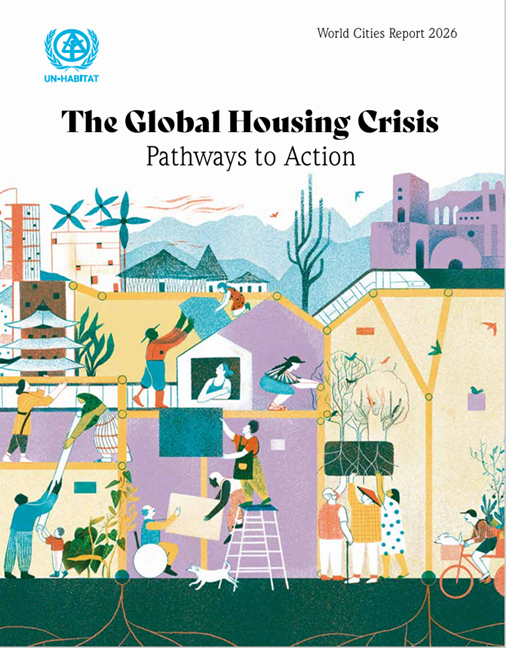
Download link: https://unhabitat.org/world-cities-report-2026
2026年05月25日