




23 Dec 2025


On 18 December, 2025, the closing event of the 2025 Suzhou Executive Academy, hosted by the International Business School Suzhou (IBSS) at Xi'an Jiaotong-Liverpool University, was successfully held. With the theme "Re-examining ESG: Leadership in Action," the forum brought together academic experts and industry leaders to conduct in-depth discussions on the theories, practices, and value logic of ESG. The event was moderated by Dr Jie Li, Senior Associate Professor and Head of the Department of Strategic Management and Organisation at IBSS.
Distinguished speakers included Dr Jianzhong LU, Former Director of the Board of the Global Reporting Initiative (GRI) and Deputy Director of the Sustainable Development Management Committee of the China Management Science Society; Jiaying Yang, ESG Director of GCL Group; Bien Wong, Department Head - Group ESG at Towngas; and Dr Yameng Zhang, Associate Professor of the Department of Strategic Management and Organisation and Director of Responsible and Sustainable Business Education at IBSS. A large number of corporate executives, academic representatives, teachers, and students participated in the forum.
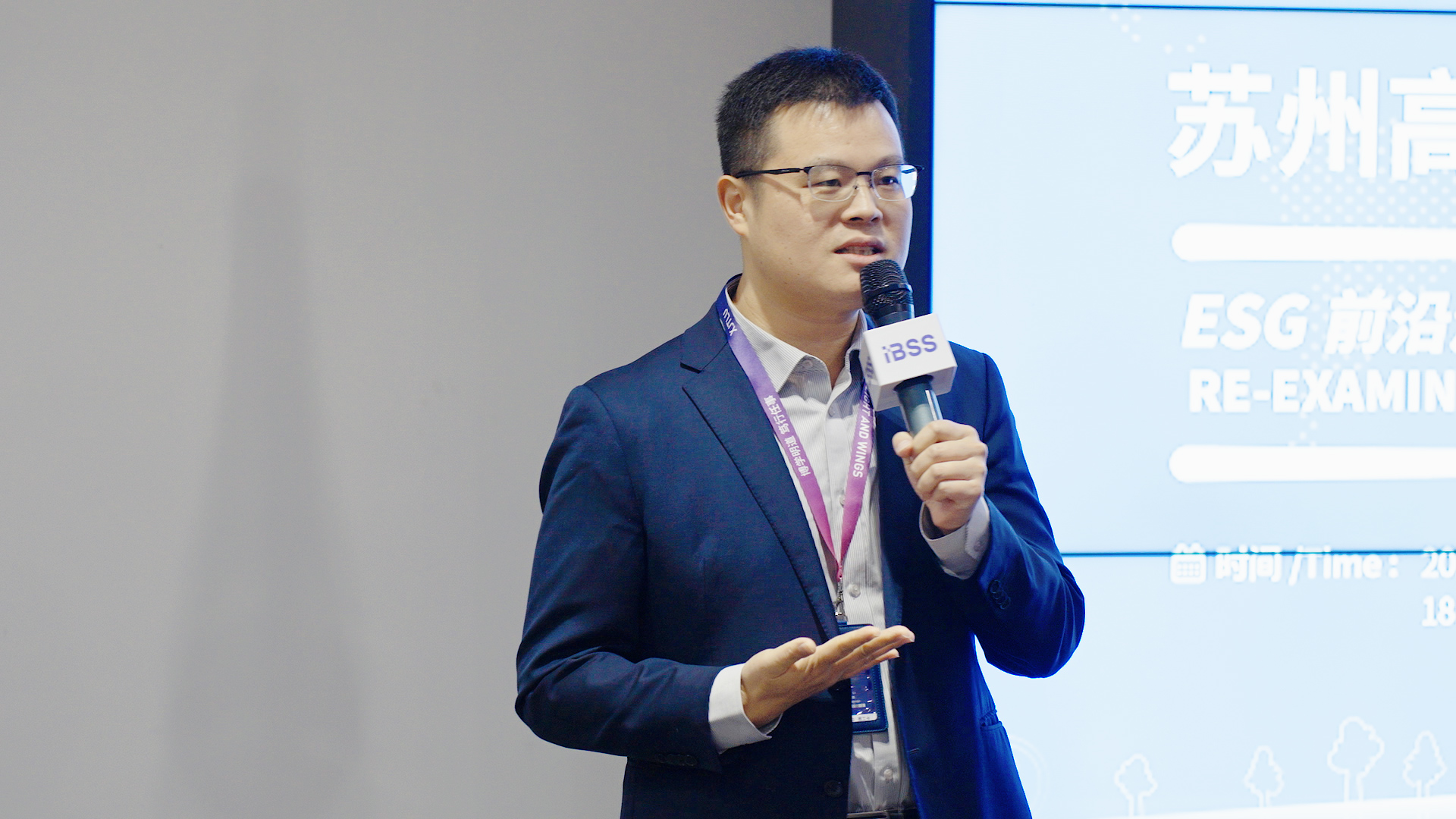
Dr Jie Li, Senior Associate Professor and Head of the Department of Strategic Management and Organisation at IBSS
Dr Jianzhong LU: Restructuring Business Models to Unlock the Value Code of ESG
Focusing on "The Value Creation Path of Sustainable Business Models," Dr LU directly addressed the cognitive misunderstanding among enterprises that ESG "only increases costs without creating value." He proposed that in the era of new business civilization, business models should be centered on the "unification of economic, environmental, and social values," breaking through the limitations of traditional models and integrating stakeholders and double materiality into strategic planning.
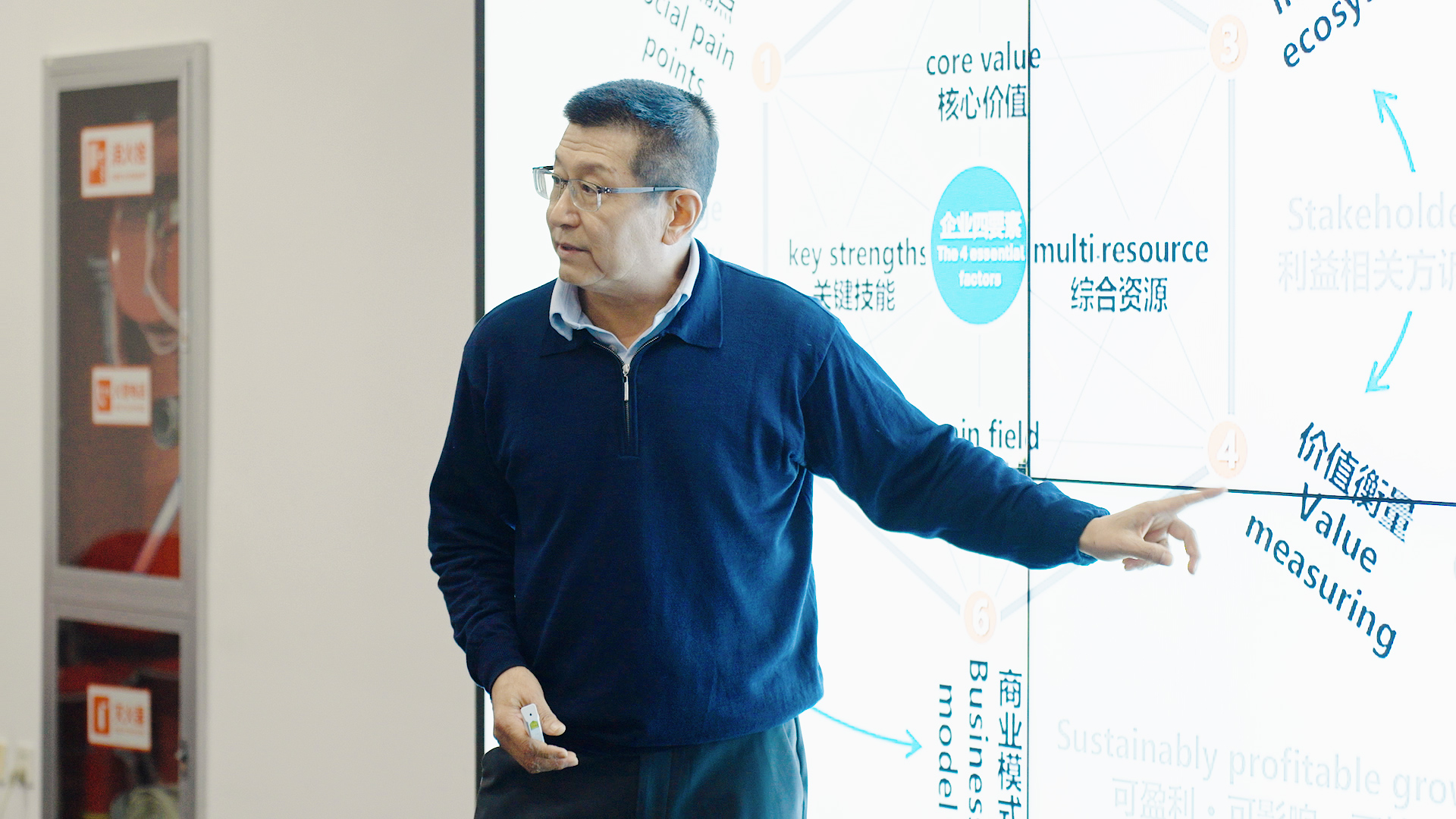
Dr Jianzhong LU, Former Director of the Board of the Global Reporting Initiative (GRI) and Deputy Director of the Sustainable Development Management Committee of the China Management Science Society
Dr LU's "5-Asset Coupling Model" reveals the core logic: E (Environment) optimizes natural and material assets, S (Social) activates human and social assets, G (Governance) consolidates financial and institutional assets, and the value of each asset flows and appreciates in the value chain. Examples show that investment in natural assets can increase raw material utilization rate from 50% to 95%; at the financial asset level, it can reduce financing costs and enhance IPO premiums; and human capital training can significantly improve employee retention rate and skill levels. He called on enterprises to establish an adaptive financial statistical system, incorporate ESG externalities into financial statements, and make value measurable and monetizable.
Jiaying Yang: Full-Chain Penetration, Demonstrating the Solid Practices of New Energy Enterprises
With the theme "GCL Group's ESG Strategy and Practices," Jiaying Yang, ESG Director of GCL Group, shared the practical experience of new energy enterprises integrating ESG into their development genes. As a technology-driven enterprise with total assets exceeding RMB 200 billion, GCL has established a three-tier structure consisting of an ESG Management Committee at the board level, an ESG Office, and business unit working groups, and has fully integrated ESG indicators into performance appraisal KPIs.
Technology-driven and digital empowerment are the core pillars of GCL's ESG practices. In 2016, GCL acquired a bankrupt perovskite technology enterprise, and after years of R&D, achieved mass production. Its advantages of high photoelectric conversion efficiency and weak light power generation provide new possibilities for energy greening. GCL's flagship product, "granular silicon," through process optimization and low-temperature smelting, has carbon emissions only 1/3 of that of traditional rod silicon, reducing emissions by nearly 10 million tons annually. In addition, GCL has built a carbon chain tracing system, using blockchain technology to realize the traceability of carbon emissions throughout the life cycle of photovoltaic products, and providing customers with carbon footprint "passports."
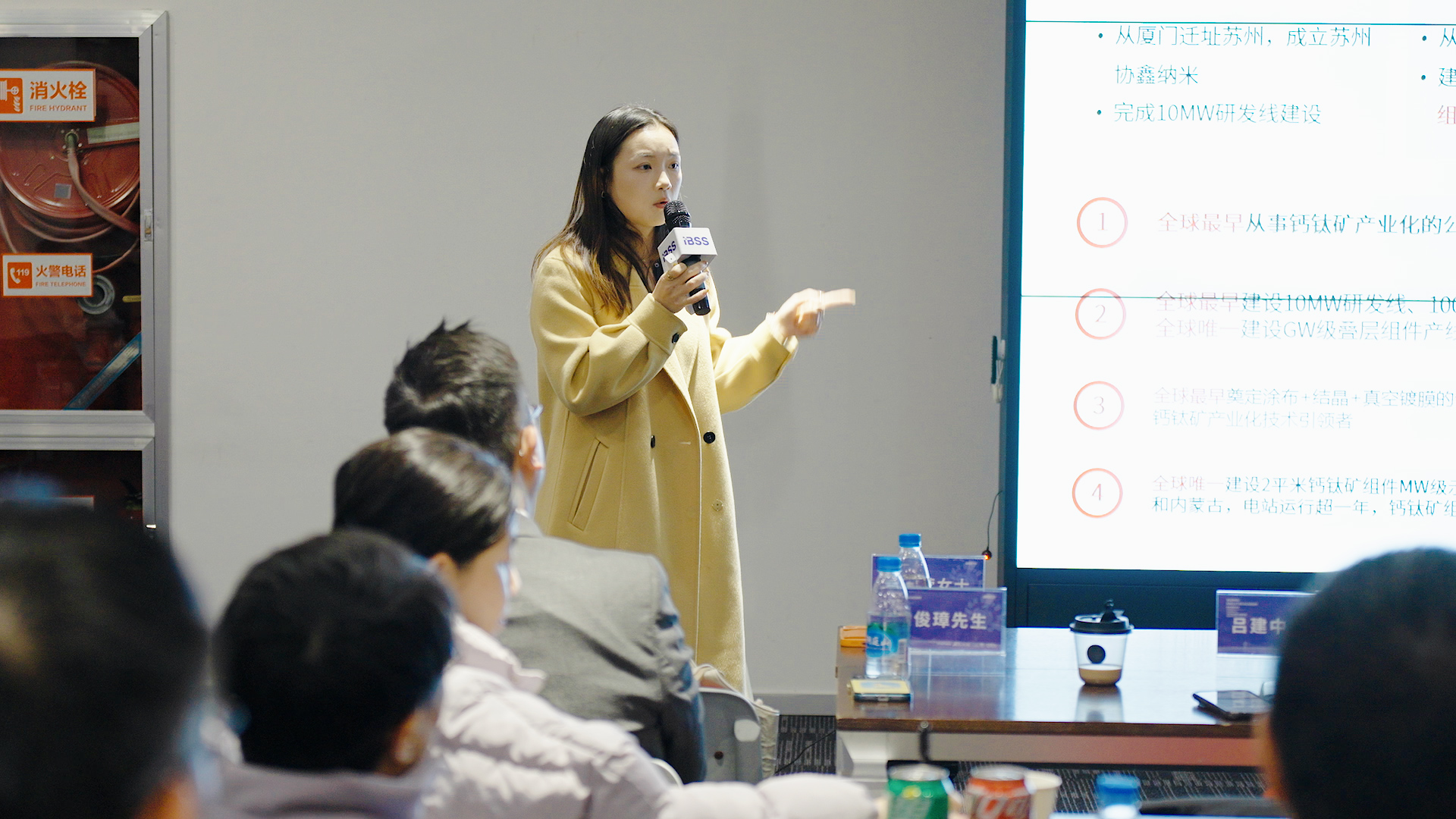
Jiaying Yang, ESG Director of GCL Group
Furthermore, GCL encourages employees to participate in carbon reduction actions through a carbon inclusive mini-program, builds zero-carbon parks to achieve ecological synergy, innovates the RWA financing model for photovoltaic assets to revitalize existing assets, and empowers start-up green enterprises through industrial investment funds. At the social value level, its energy inclusion program provides solar-powered learning devices to underserved electricity areas in Africa, contributing to local people's livelihood improvement and demonstrating the enterprise's sense of responsibility in balancing commercial benefits and social value.
Bien Wong: Centennial Transformation, Green Innovation of Traditional Enterprises
Bien Wong shared "The Green Transformation Practice of The Hong Kong and China Gas." Founded in 1862, this century-old enterprise has transformed from a traditional gas supplier to a smart energy solution provider, focusing on three core directions: hydrogen energy, sustainable aviation fuel, and zero-carbon smart parks. According to him, The Hong Kong and China Gas has achieved 50% hydrogen content in its pipelines, ranks second in the world in sustainable aviation fuel production capacity, and has laid out 128 zero-carbon parks in 24 provinces across the country. The group has innovatively launched the "ESG-Linked Supply Chain Finance Program," cooperating with banks to provide financing preferential policies and payment term shortening incentives for qualified suppliers.
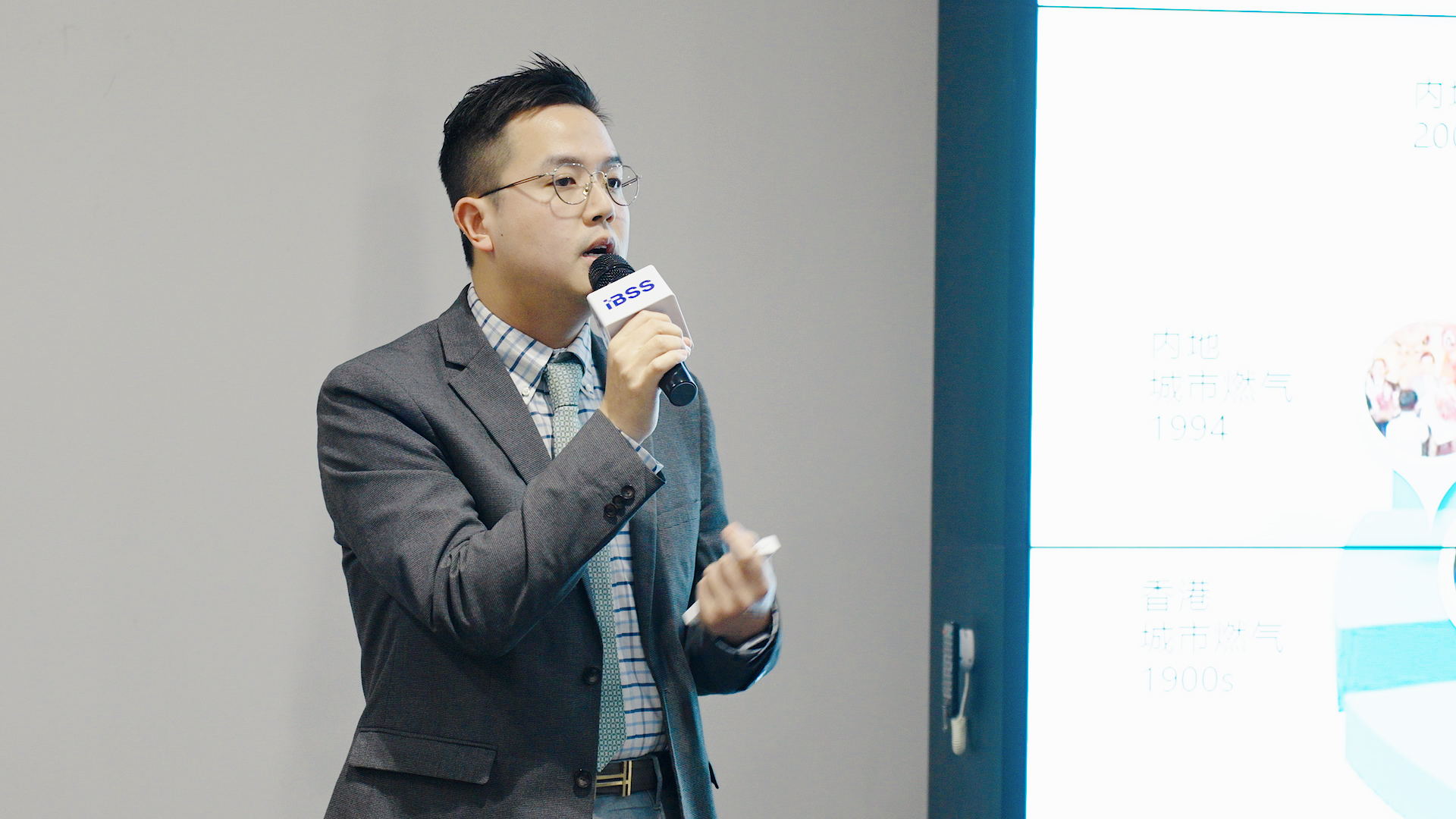
Bien Wong, Department Head - Group ESG at Towngas
In terms of biodiversity conservation and social value, the group carries out projects such as bird protection and Himalayan snow-capped mountain protection, integrates ESG concepts into campus promotion, and discovers young talents through the Global New Energy Innovation Competition. He emphasized that green transformation driven by policies has become a new revenue growth point for enterprises. The group has invested over HK$6.5 billion in green finance, injecting capital vitality into the development of green businesses through instruments such as panda bonds and sustainability-linked bonds.
Panel Discussion: Focusing on SME Practices and Supply Chain Collaboration
After the keynote speeches, the guests exchanged views on core issues. Regarding the green transformation of small and medium-sized enterprises (SMEs), Dr LU proposed low-cost entry points, such as battery-free wireless mice and office furniture recycling, to explore blue oceans by solving social problems. Jiaying Yang suggested that start-up enterprises leverage the resources of strategic investors and convey sustainable concepts through differentiated packaging such as carbon labels. Bien Wong emphasized the need to find ESG entry points in combination with industry characteristics.
In terms of ESG collaboration in the supply chain, the guests pointed out that cost sharing, inconsistent data standards, and insufficient capabilities of SMEs are the main obstacles. Leading enterprises in the supply chain should assist small and medium-sized suppliers by opening digital platforms, providing technical training, and empowering them through supply chain finance; establish a unified data collection system and benefit-sharing mechanism, such as CATL's six-level supplier management system, to achieve consistency in cognition, systems, data, and interests. From an academic perspective, Dr Yameng Zhang supplemented that the public and private sectors should work together to promote ESG practices, and the management of SMEs requires identifying actual bottlenecks through in-depth interviews rather than relying solely on incentive policies. During the on-site interaction session, the guests also had enthusiastic discussions with the audience on issues such as overseas supplier management and biodiversity conservation strategies, sharing practical experiences in cross-regional data collection and ecological protection in high-risk areas.
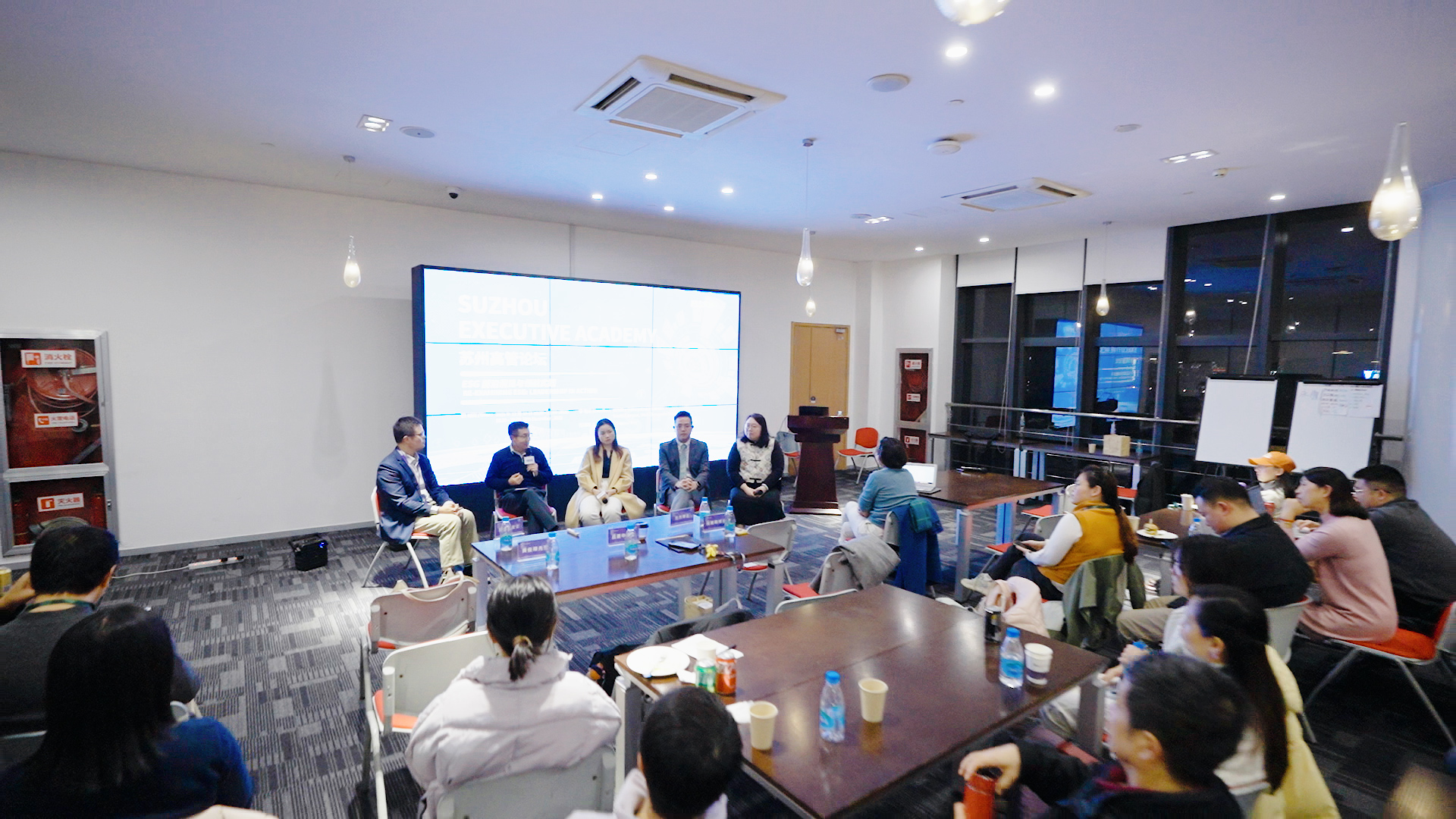
Through the in-depth integration of cutting-edge theories and practical implementation, this forum provided clear guidance for enterprises' ESG transformation. In the future, IBSS will continue to focus on the field of sustainable business, gather wisdom through events such as the Suzhou Executive Academy, and contribute to the sustainable development of business and society.
Annual Partners

23 Dec 2025