




05 Dec 2025


On 29 November 2025, the International Business School Suzhou (IBSS) at Xi'an Jiaotong-Liverpool University hosted its first Sustainable Lifestyle Festival, bringing students, staff and local partners together under the theme "Communication Matters". More than just a student activity, the festival was an integrated educational programme combining teaching reform, academic research and social practice.
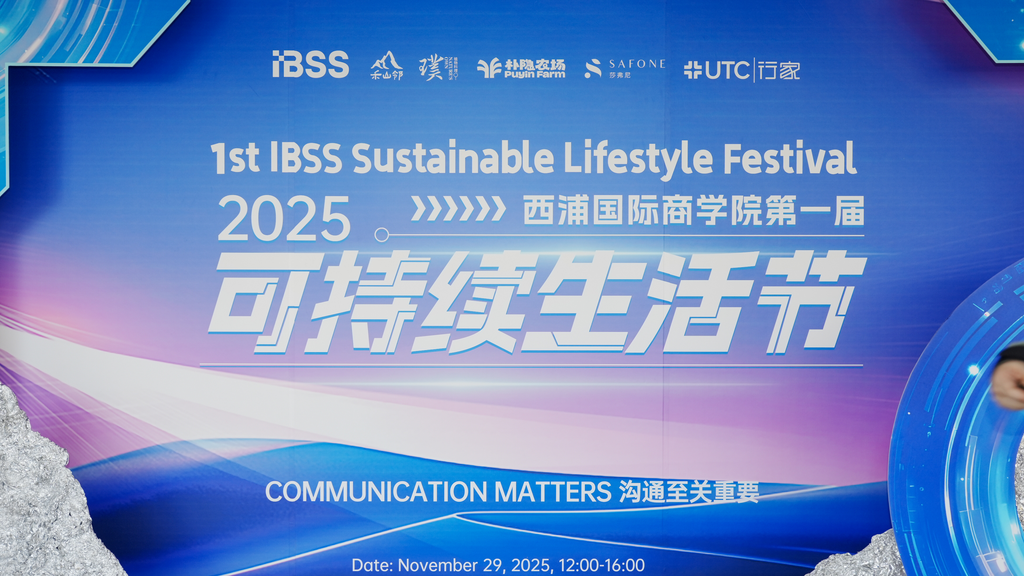
Emerging from two core modules in the Department of Strategic Management and Organisation - "Sustainable Business Transformation" and "Corporate Social Responsibility" - the festival creatively wove real-world brand interaction into assessed coursework.
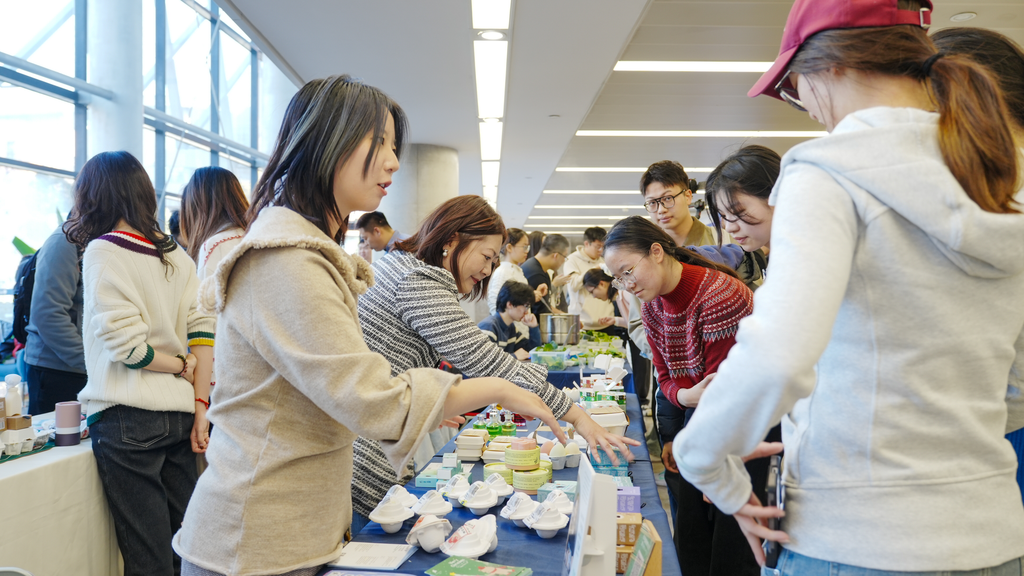
As part of this, students worked with three partner brands - Nature's Own, Puyin Farm, and SAFONE - whose project briefs formed a key element of the assessment for the "Sustainable Business Transformation" module, putting into practice the teaching philosophy of "applying what is learned and promoting learning through application".
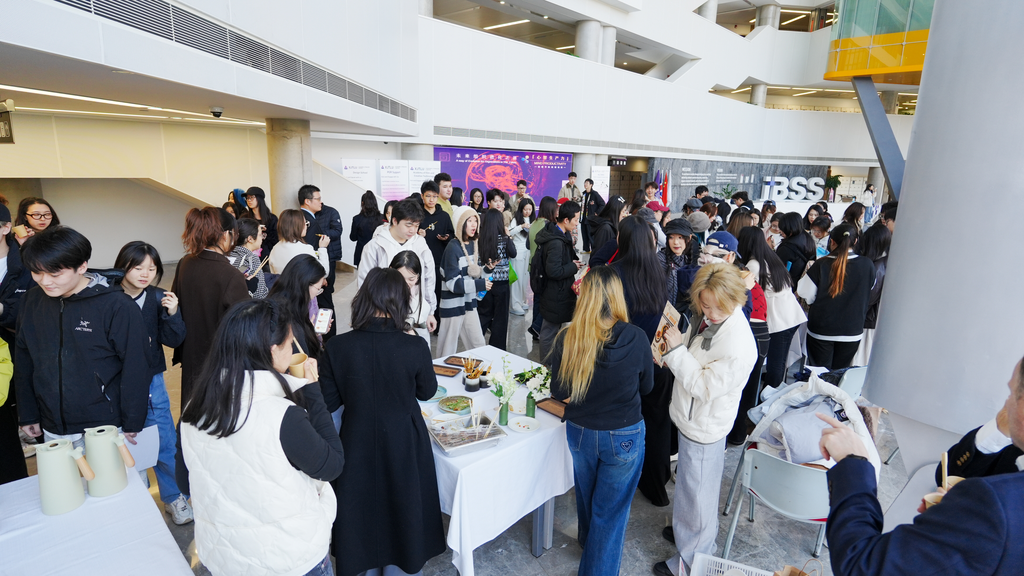
The festival was co-hosted by Dr Lilly Zhao and Dr Bryan Chai from the Department of Strategic Management and Organisation. In his opening remarks, Professor Eddy Fang, Dean of IBSS, emphasised that local brands have become increasingly important partners for the school. In the rapidly changing market environment, local and start-up brands often more agile, and Chinese consumers are increasingly favoring brands with localised narratives, which provides a good opportunity for universities and enterprises to collaborate in promoting sustainable development.
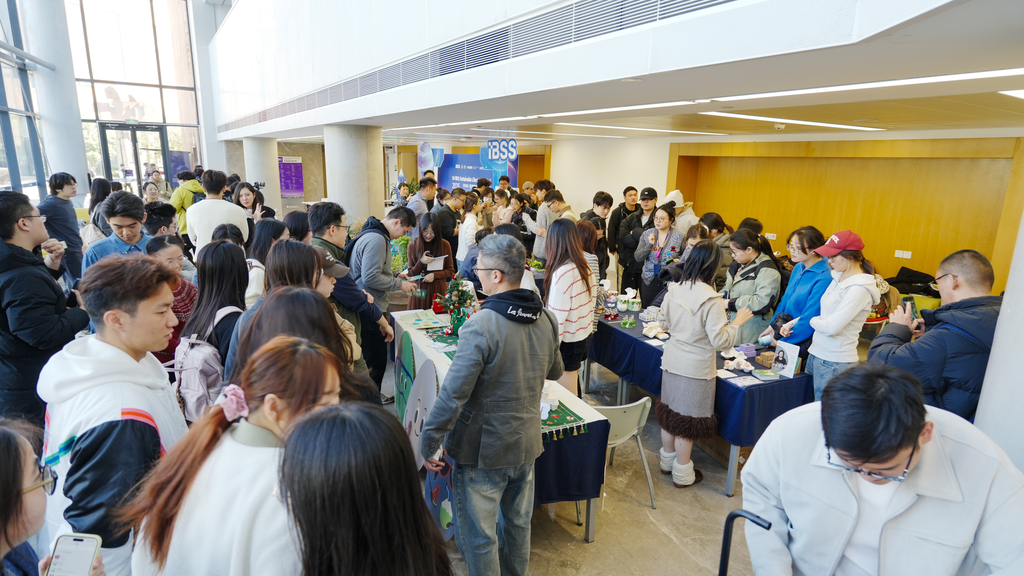
The festival attracted more than 200 students. During the interactive market session, six sustainable lifestyle brands - Fellow Mountains, Nature's Own, Puyin Farm, SAFONE, UTC, and Jiangsu Hoya Construction Company - showcased their products and concepts. Through hands-on activities, students gained a deeper appreciation of what sustainable living can look like in everyday life. Each brand then gave a short pitch explaining its vision and the sustainable logic behind their products. Drawing on the interactions and pitches, students evaluated the brands through questionnaires and voted to award five special prizes: Community Impact Award, Earth Guardian Award, Future World Award, The People’s Choice Award and Lighthouse Award.
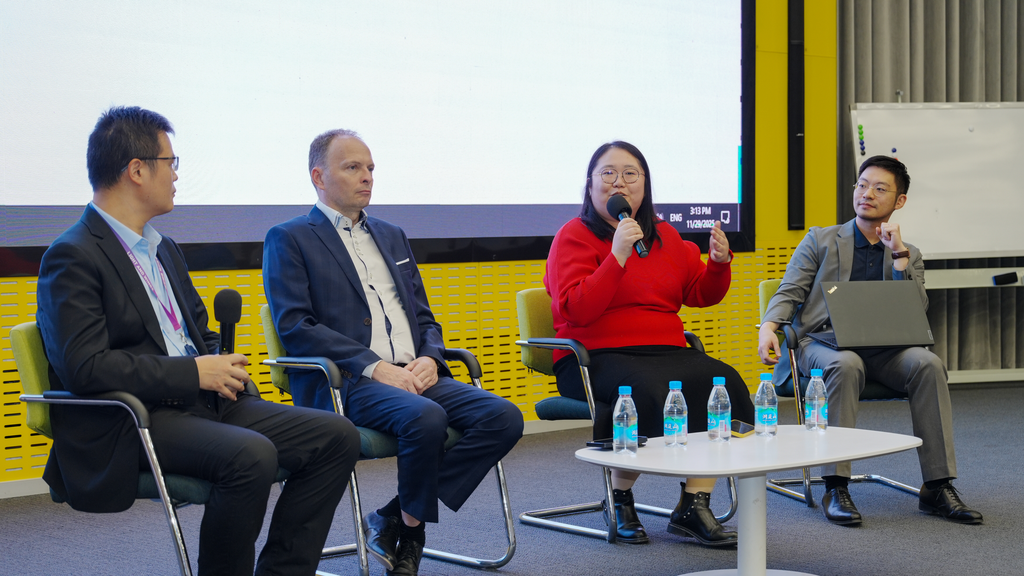
After the award ceremony, a roundtable discussion titled "What Have We Learned from Students' Feedback?" was held. Professor Pavel Castka, Dr Jie Li, Dr Yameng Zhang, and Dr Bryan Chai shared several insightful findings based on student evaluation data. For example, the research found that after students interacted with physical products, their perception of the brand's social responsibility increased, while their sense of brand legitimacy fell. This intriguing result prompted further reflection on brand communication: in an increasingly digitalised world, how can brands move beyond a simple focus on price and build deeper cognitive and emotional connections with consumers online through innovative communication strategies?
To close the festival, representatives from three student associations- Oikos, Sustainable Future Talents (SFT) and Nature Society of Outdoor Research and Teaching Space - introduced their own sustainability initiatives on campus and beyond. In her closing speech, Dr Yuehan Dou from the Department of Health and Environmental Sciences emphasised that this first Sustainable Lifestyle Festival had already delivered encouraging results by starting from "communication". She expressed her hope that the university will further strengthen collaboration between schools, disciplines and external partners, enabling staff and students of XJTLU to contribute wisdom to the harmonious development of the environment, business, and society.
Dr Yameng Zhang, Director of Responsible and Sustainable Business Education at IBSS, explained the thinking behind the festival: "We hope that through the platform built by the university, we can link sustainable lifestyle brands to convey healthy living concepts and advocate sustainable behaviours to young people. This is not only an inherent requirement of the United Nations Sustainable Development Goal 4 (Quality Education) but also an important way for the school to fulfil its mission." She also pointed out that the festival prompted some important reflections: while thoughtful design can make sustainable products more appealing to young people it can also fuel consumption driven primarily by visuals or trends rather than genuine needs. The educational role of universities is to guide young people to rationally recognise sustainable products and avoid over-consumption, which also echoes the spirit of Sustainable Development Goal 12 (Responsible Consumption and Production). Building on students' evaluations and feedback on the brands during the festival, IBSS will now compile a market analysis report titled "Generation Z and Future Sustainable Lifestyle Brands" to further deepen the in- integration of sustainable education and real-world practice.
Special Thanks:
Fellow MountainsFellow Mountainsis a co-created rural youth community founded by returnee youth in Longxian Village, Qingtian, Zhejiang. With the concept of "Creating Encounters in the Fields", the project is committed to bidirectionally empowering young people and rural areas, attracting young people to return to rural life and co-create sustainable communities. Relying on local culture and agricultural heritage, it builds an innovative rural ecosystem integrating natural research, handcraft experience, digital games, art design, food and coffee, and other diverse formats.
Nature's Own
Nature's Own is an exquisite plant-based restaurant rooted in East Asian vegetarian culture, striving to become a global century-old brand. Selected for inclusion in the Michelin Guide, the brand upholds the mission of "Co-creating a Sustainable and Joyful Life" and puts sustainable development into practice in every aspect, from natural farming and full supply chain control to catering space and product research and development. Following the principle of "eating in season", the restaurant uses traceable organic ingredients, integrates Song Dynasty aesthetics and tea-making techniques, and provides a vegetarian experience that combines health, taste, and cultural connotation, promoting a lifestyle of harmonious co-existence with nature.
Puyin Farm
Puyin Farm is an ecological farm adhering to the concepts of "natural farming" and "Permaculture Design". The farm strictly implements the "Five-Zero Principle" (zero pesticides, zero chemical fertilisers, zero hormones, zero greenhouses, zero preservatives), traces the origin from field to table, and is committed to producing high-quality ingredients with original natural flavours. Through the Community Supported Agriculture (CSA) model, Puyin Farm rebuilds the trust relationship between consumers and the land, allowing members to pre-book vegetables for the whole year and enabling farmers to focus more on ecological planting, restoring the vitality of the land, and ultimately allowing the flavor and health of food to back to the table.
SAFONE
Originating in Shanghai, SAFONE is a sustainable personal and home care brand dedicated to providing "water-free formulas" and "plastic-free packaging". With the concept of "Do More with Less", its core products include fully solid facial cleansers, body washes, shampoo bars and a refillable aromatherapy range. SAFONE adheres to the use of food-grade safe ingredients, adopts production processes with no added water addition, no plastic packaging, and minimal waste, and co-operates with characteristic origin areas (such as Hainan Ancient Salt Fields, Yunnan Avocado Bases, Heilongjiang Cranberry Production Areas) and environmental protection organisations across the country. It integrates sustainable concepts into products and education, advocating an environmentally friendly, simple, and fulfilling daily lifestyle.
UTC
Founded in 2007, UTC is China's first multi-brand travel equipment operator with sustainability at its core. The brand is committed to advocating sustainable consumption and responsible travel by designing, manufacturing, and promoting environmentally friendly travel products. Its "Sustainable Travel Bag" initiative covers multiple dimensions, including the use of environmentally friendly recycled materials (such as fabrics made from recycled PET bottle fabrics), the promotion of leave-no-trace travel, community empowerment, and cultural exploration. UTC aims to transform into a brand centred on sustainability by 2030 and, and through public welfare projects such as "Love Box Delivery", it connects multiple stakeholders to jointly promote an ecologically and socially friendly travel style, empowering every traveller to become an expert in exploring the world.
Jiangsu Hoya Construction Company
Jiangsu Hoya Construction Company provides customers with high-quality one-stop services covering planning and operation, design and construction, product research and development, and brand building.. It aims to use its position as "Wuxi's leading park full-industry chain service provider" as a springboard to create new momentum in landscape development. Adhering to the design concept of "Design Knows No Borders, Life Paints a New Picture", the company allows every user to experience the wonderful experience brought by the perfect integration of art and life through ingenious and high-quality services, realising the harmonious co-existence of humans and the environment.
05 Dec 2025