




08 Jan 2026


On January 4, 2026, the founding ceremony of the Youth Working Committee of Suzhou Society for Biology and the first "Youth Committee Academic Forum" were successfully held at Xi'an Jiaotong-Liverpool University. Nearly 50 participants from universities such as Soochow University, Suzhou University of Science and Technology, Xi'an Jiaotong-Liverpool University, Suzhou Institute of Systems Medicine, and Suzhou Institute of Technology, as well as R&D personnel from BioBay and BioBay biopharmaceutical enterprises and responsible persons from the Youth Innovation Port attended this grand event.
This event marks an important step taken by the School of Science of Xi'an Jiaotong-Liverpool University and Suzhou Society for Biology in further consolidating the strength of young scientific researchers and building an academic exchange platform, injecting new vitality into the promotion of biological scientific research innovation and development in the Suzhou region.
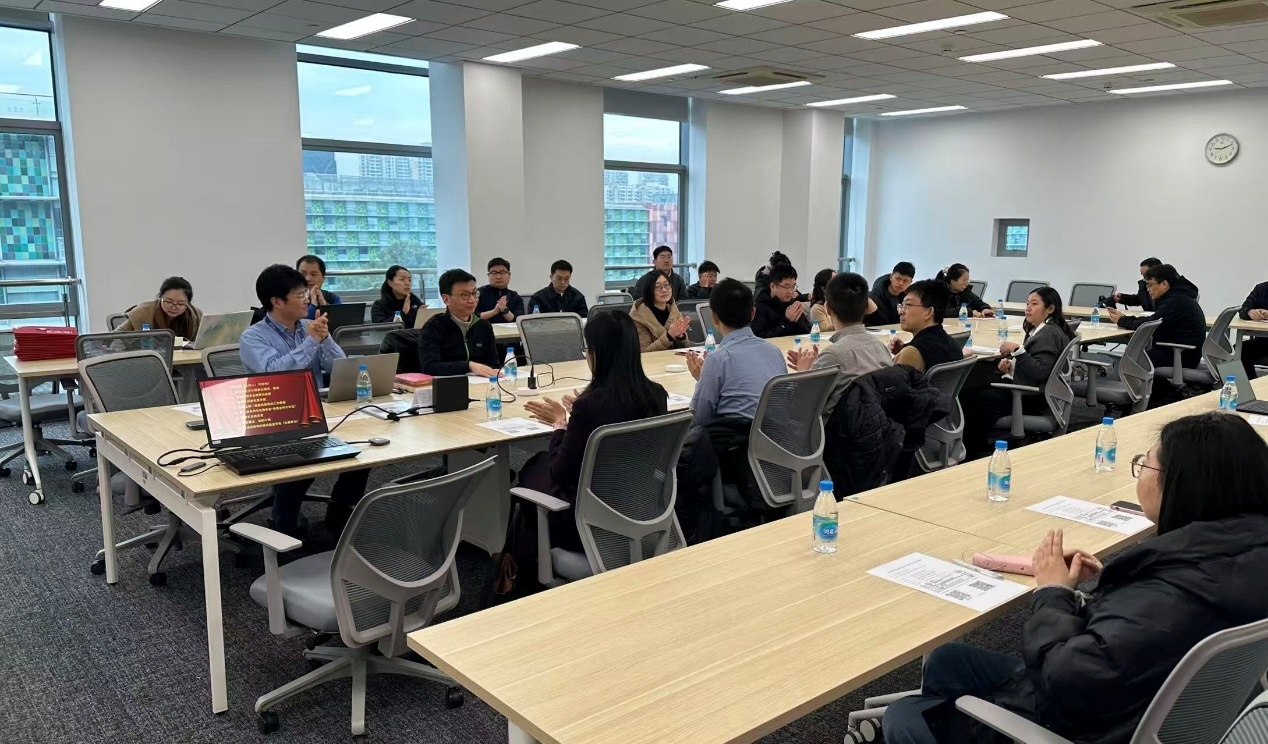
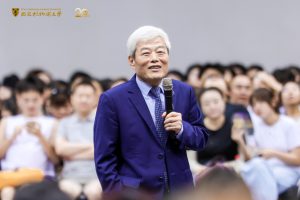
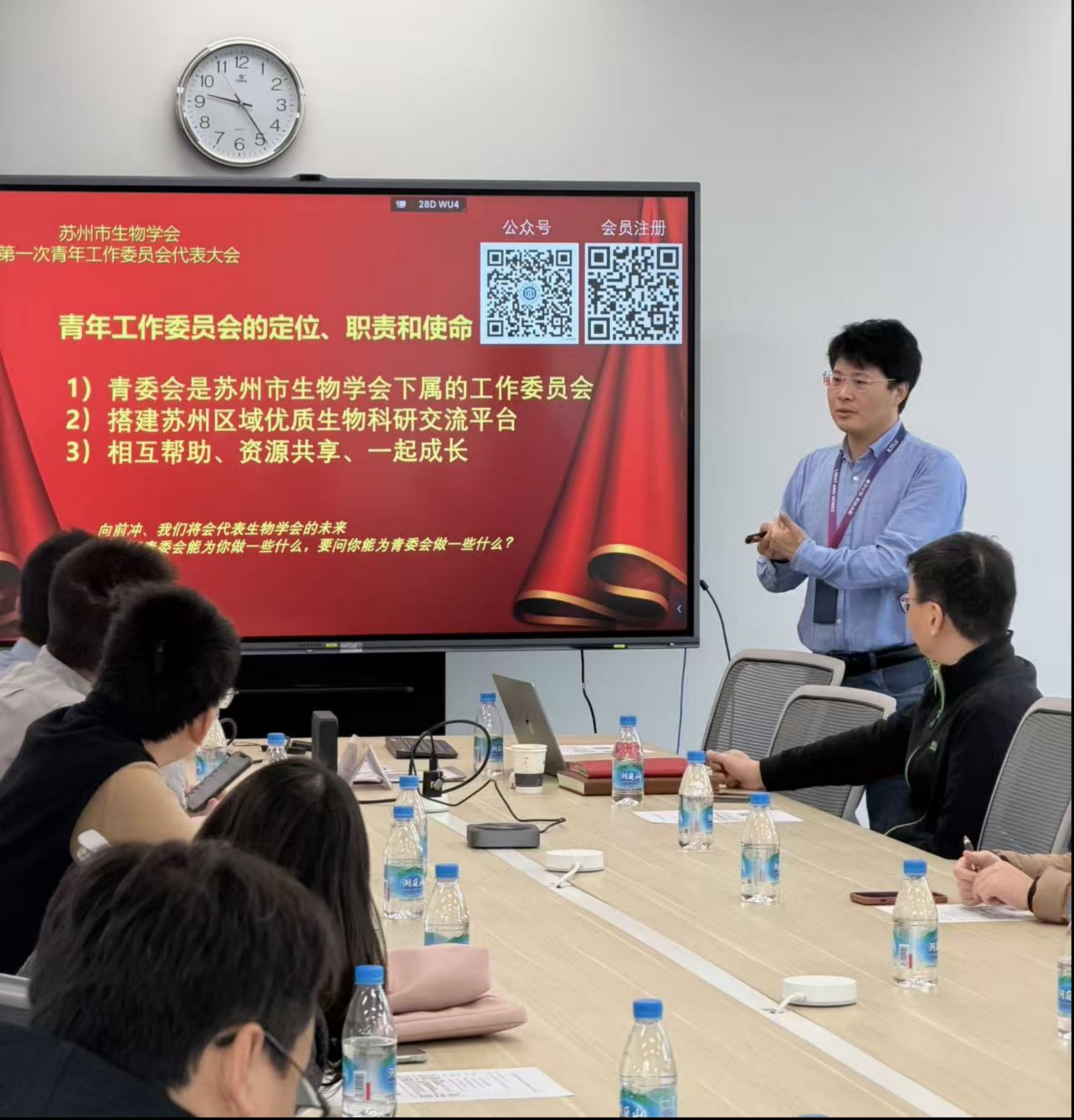
Dr. Dai Weiwei, the Director of the Youth Work Committee of Suzhou Society for Biology and a faculty member of the School of Science, extended a warm welcome to all the attendees. Su Xiong, the President of Suzhou Society of Biology, provided a comprehensive update on the recent work of the society. Regarding the work of the Youth Work Committee, Dr. Dai clarified its core positioning, responsibilities, and mission. As a working committee under the Suzhou Society of Biology, the Youth Work Committee will focus on three core tasks: first, leveraging the resources of the society to integrate the young forces in the field of biological research in the Suzhou region; second, building a high-quality and efficient academic exchange platform to promote the exchange of ideas and experiences among young researchers; third, adhering to the concept of mutual assistance and common progress, promoting resource sharing, and facilitating the collaborative growth of young researchers to jointly enhance the overall strength and influence of biological research in the Suzhou region.
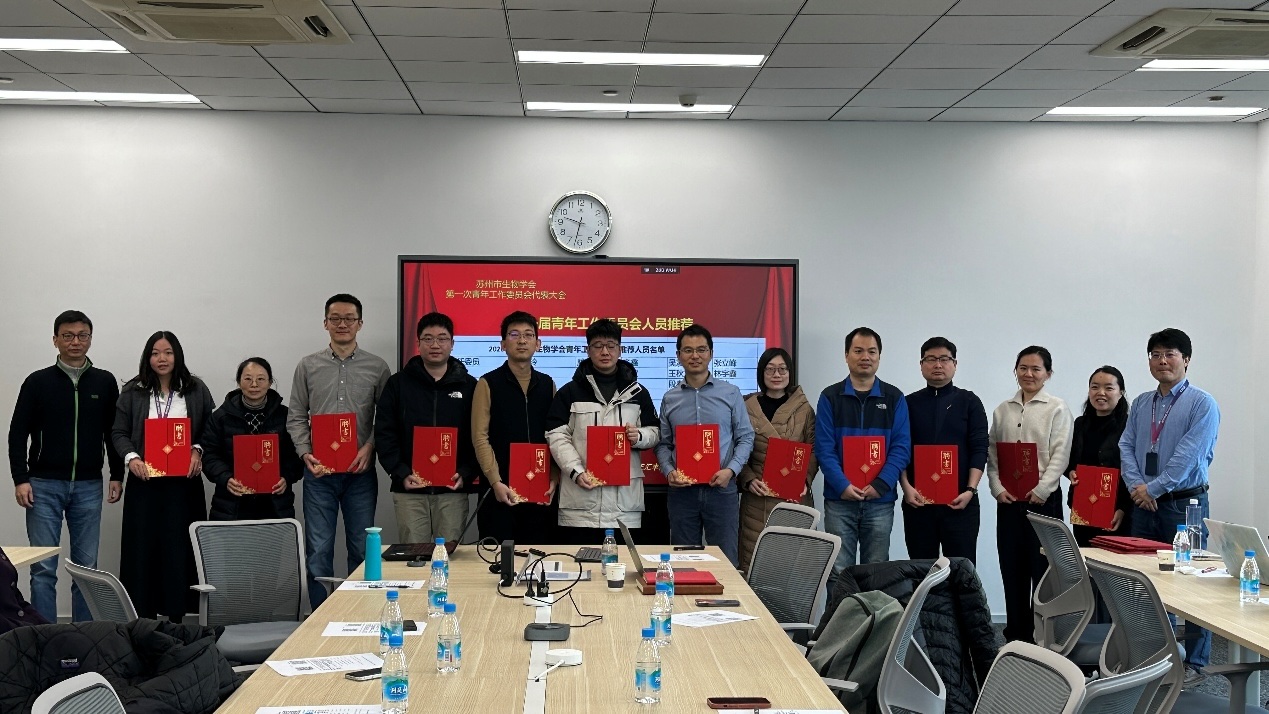
To ensure the smooth progress of the subsequent work of the Youth Work Committee, the first personnel appointment ceremony was completed at the event site. After careful deliberation, Zhang Yanling, Teng Xincheng, Qi Xin, Wu Lingtian and Zhang Lifeng were appointed as Deputy Chairpersons. Zhu Ke, Wang Jiachang, Huang Bo, Wang Qiwen, Lin Yuxin, Yang Xin, Tan Shujie, Wang Xun, Duan Chunyan and Di Min are Committee members. Song Jianrui and Wang Huifeng will serve as members of the Secretariat. The appointed personnel will join hands to work together and contribute to the construction and development of the Youth Committee.
At the first "Youth Committee Academic Forum" that followed, seven teachers from different research fields took turns to give academic reports, sharing cutting-edge research achievements. The content covered multiple frontier directions in the field of biology, including lipid metabolism, liver regeneration, diabetes research, tumor metastasis, cardiovascular diseases, radiation-induced intestinal injury, and biomaterials.
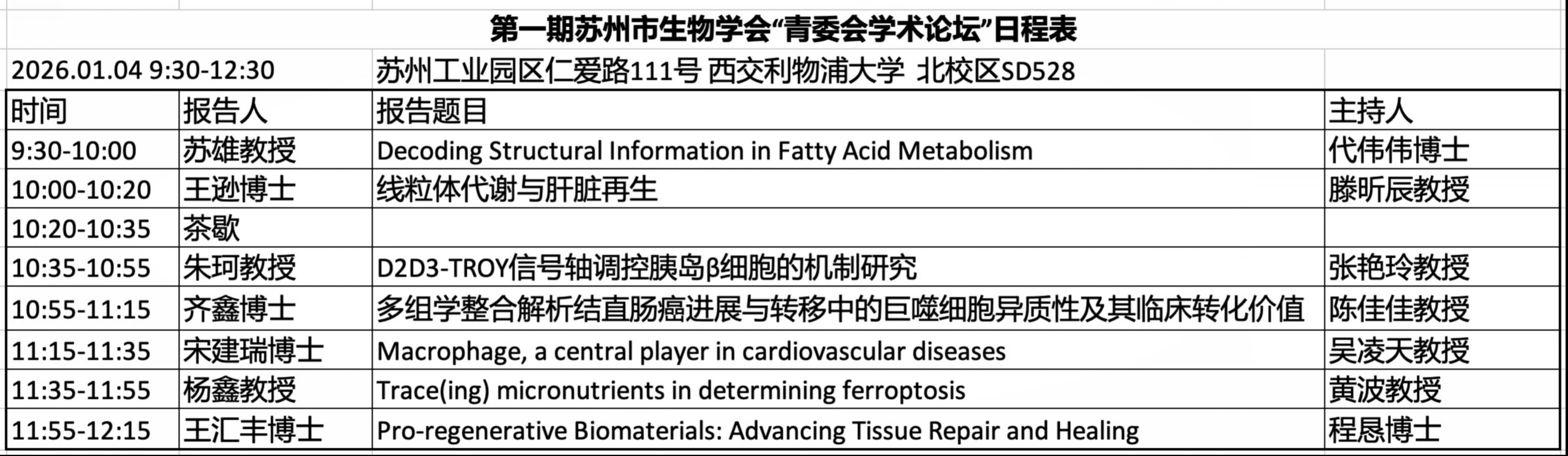
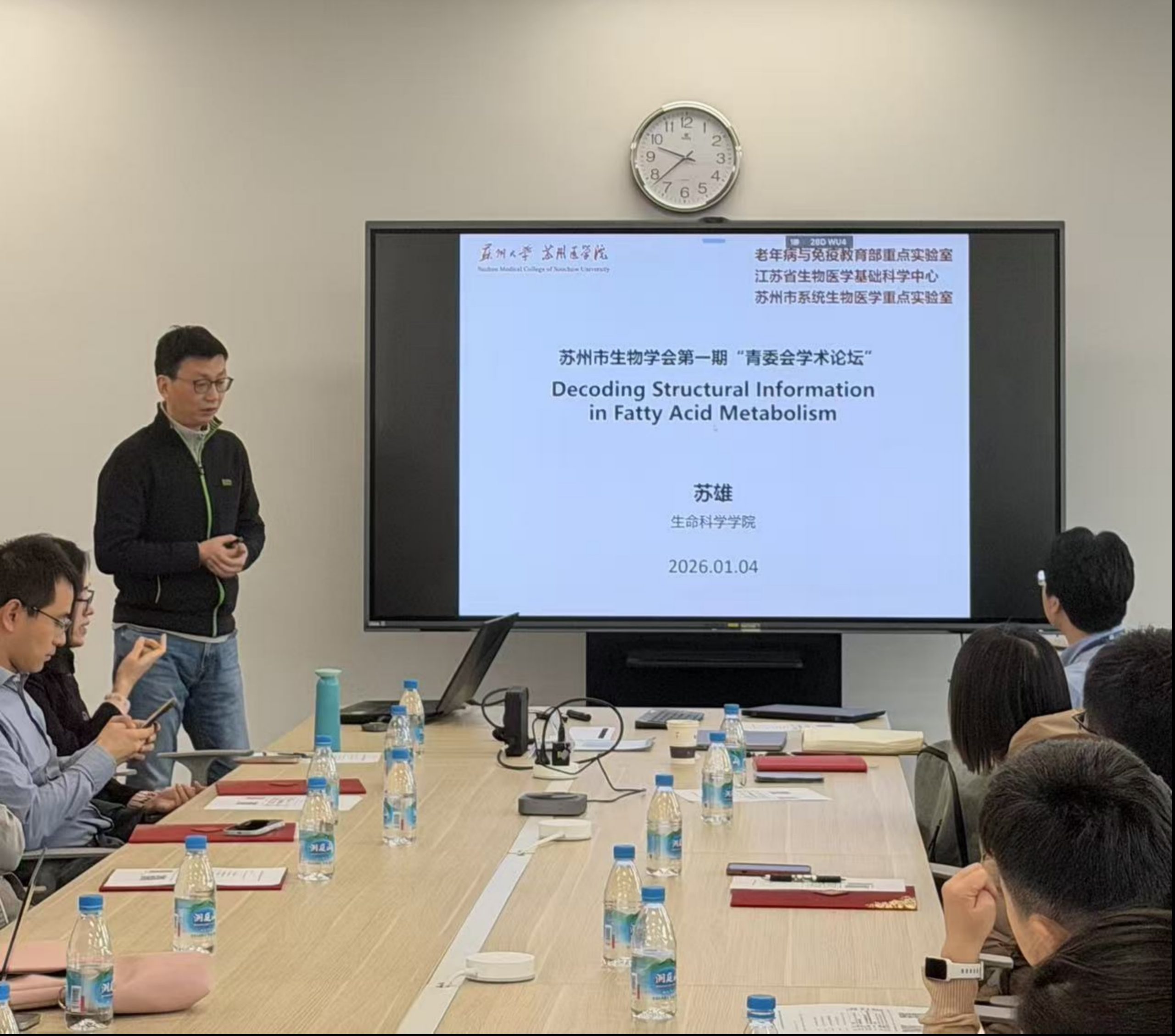
Firstly, Professor Su Xiong from the School of Life Sciences at Soochow University provided an in-depth interpretation of the FA2H (dihydroxyfatty acid) gene, elaborating in detail on the function and metabolic significance of fatty acid 2-hydroxylase FA2H. He pointed out that FA2H can catalyze the hydroxylation of common fatty acids at the C2 position to produce 2-hydroxy fatty acids, which participate in processes such as α -oxidation and sphingolipid synthesis and generate new lipid molecules, thereby affecting lipid metabolism and membrane structure. Meanwhile, FA2H may also be involved in iron homeostasis regulation and protein degradation through non-hydroxylation reaction pathways, demonstrating a wide range of biological effects that go beyond the functions of classical lipid modification.
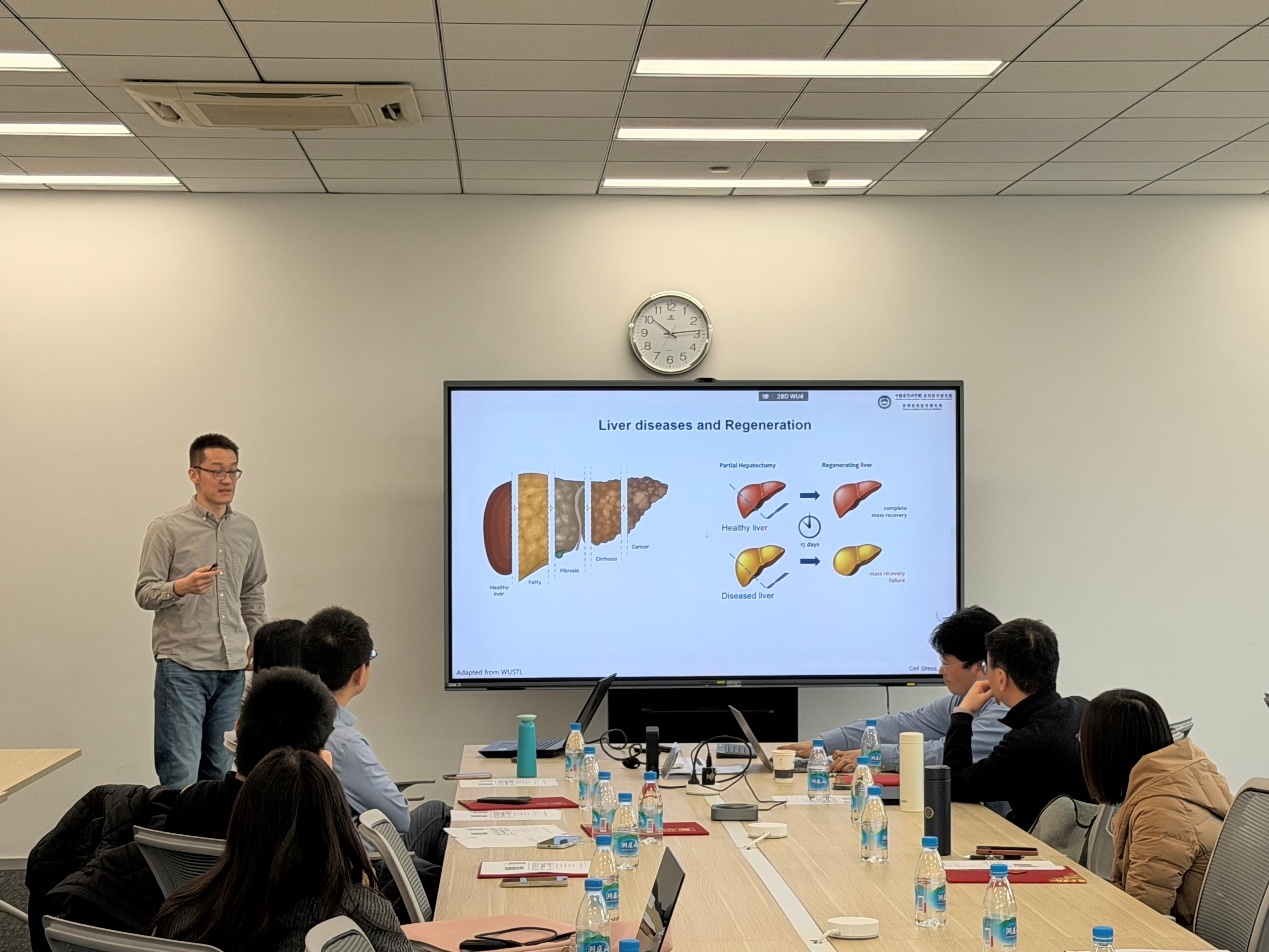
Dr. Wang Xun from the Suzhou Institute of Systems Medicine focused on the mechanism by which mitochondrial metabolism regulates liver regeneration. Centering on fatty acid metabolism, mitochondrial function and their roles in liver regeneration and diseases, and combining the structural characteristics and physiological functions of mitochondria, he delved deeply into the related metabolic regulatory mechanisms and potential clinical application values.
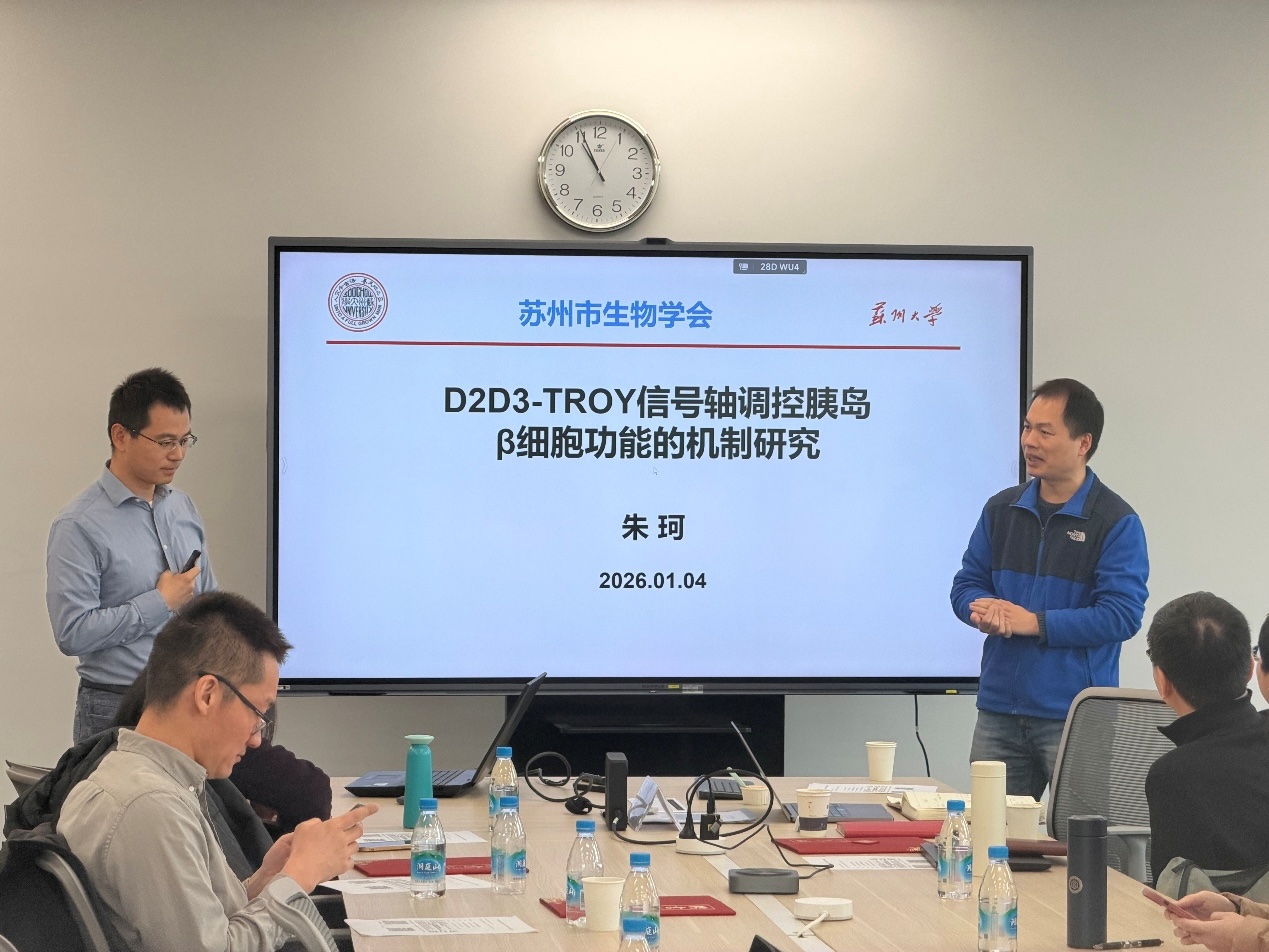
Professor Zhu Ke's team from Soochow University has long been dedicated to research related to diabetes and nephropathy. Their presentation focused on the crucial role of the D2D3 molecule in insulin-dependent diabetes and nephropathy, revealing the mechanism of action and potential therapeutic directions of D2D3 as a novel pathogenic factor. He focused on analyzing the regulatory effect of the D2D3TROY signaling axis on insulin, pointed out the core role of pancreatic islet β cells in type 1 and type 2 diabetes, explored different treatment models for the two types of diabetes, and conducted in-depth research on the damage mechanism of D2D3 on pancreatic islet β cell function and the "secondary hit" effect on kidney function And key scientific issues such as the binding mechanism between the structure of TORY 90-143 and D2D3.
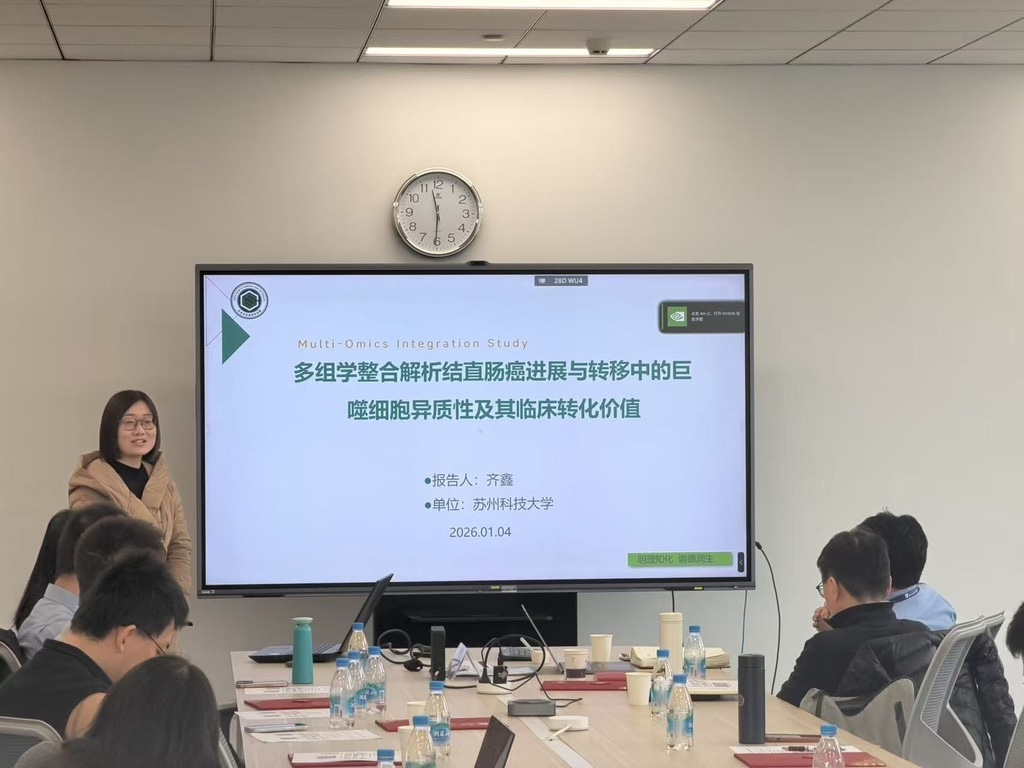
Dr. Qi Xin from Suzhou University of Science and Technology shared the research progress of his team in the field of liver metastasis of colorectal cancer, with a focus on the metabolic characteristics of macrophages during the process of liver metastasis of colorectal cancer and the construction of clinical translational models. He proposed that lipid metabolism shows regional specificity in the progression of colorectal cancer. The CRC prognostic model (MPRS) constructed by the team using the algorithm demonstrated excellent prognostic assessment results in multiple datasets, providing an important reference for the clinical prognosis judgment of colorectal cancer.
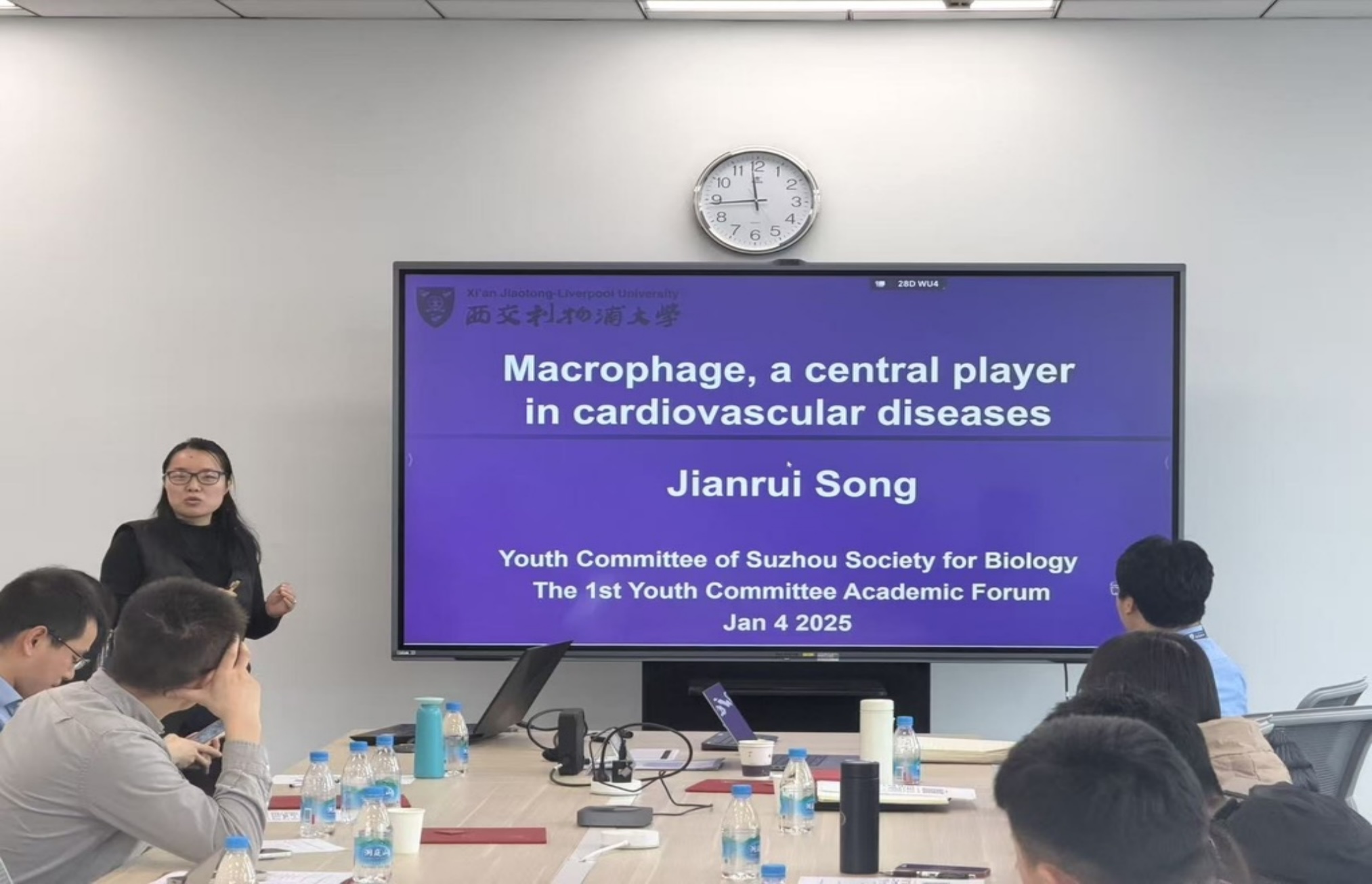
Dr. Song Jianrui from the School of Pharmacy of Xi 'an Jiaotong-Liverpool University presented a report on the dual role of macrophages in cardiovascular diseases and their regulatory mechanisms. He deeply analyzed the different functional differences of macrophages in the repair of acute and chronic cardiac injuries and revealed the key regulatory roles of metabolic and inflammatory signaling pathways, providing new ideas for the treatment of cardiovascular diseases.
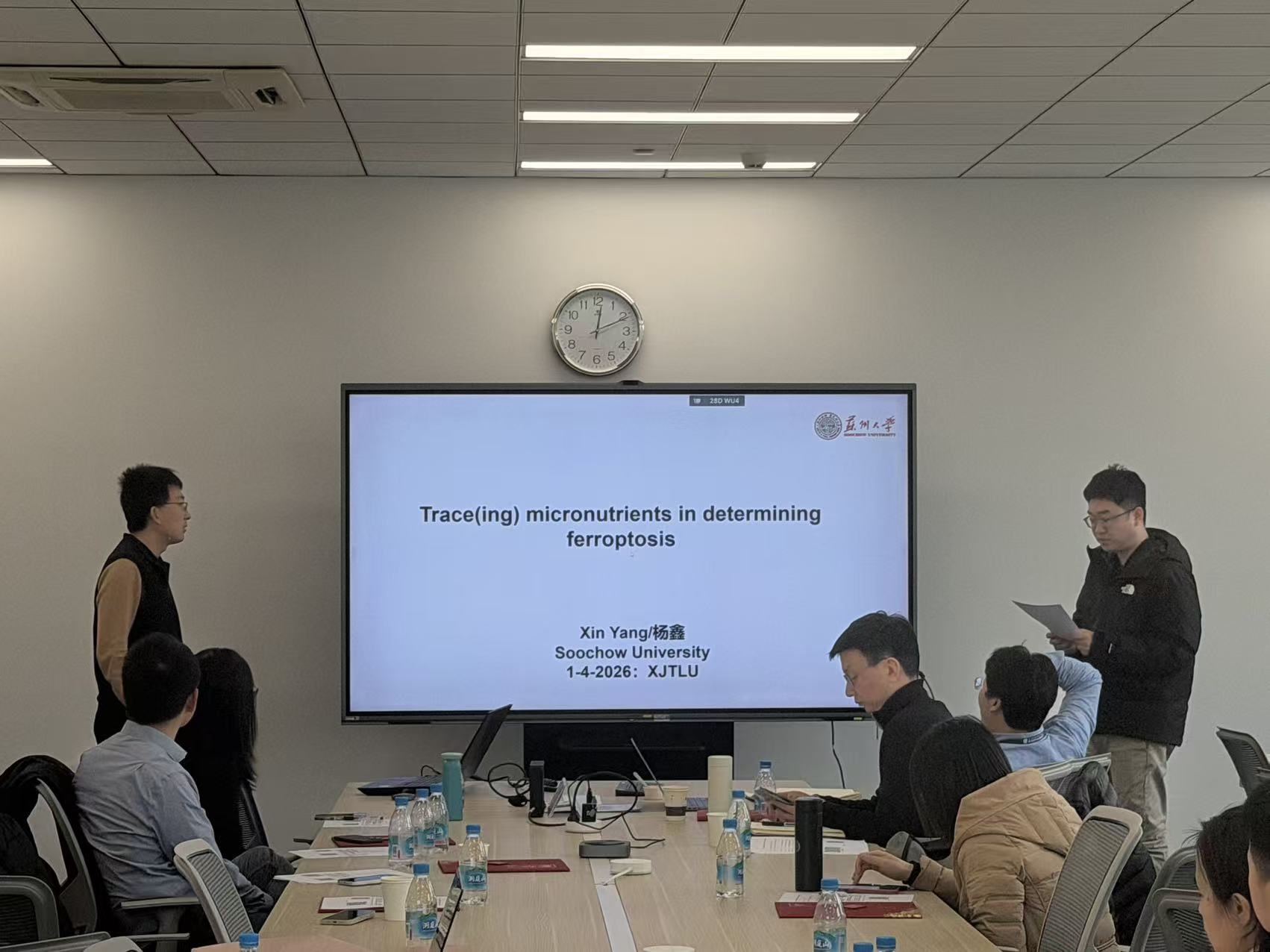
Professor Yang Xin from the Institute of Biomedical Sciences at Soochow University focused on the regulation of cell fate by micronutrients and particularly explored the mechanism of ferroptosis in radiation-induced intestinal injury. He proposed a new pathway by which P53 affects lipid peroxidation by regulating the selenoprotein, providing a brand-new molecular target for the prevention and treatment of radiation-induced intestinal injury.
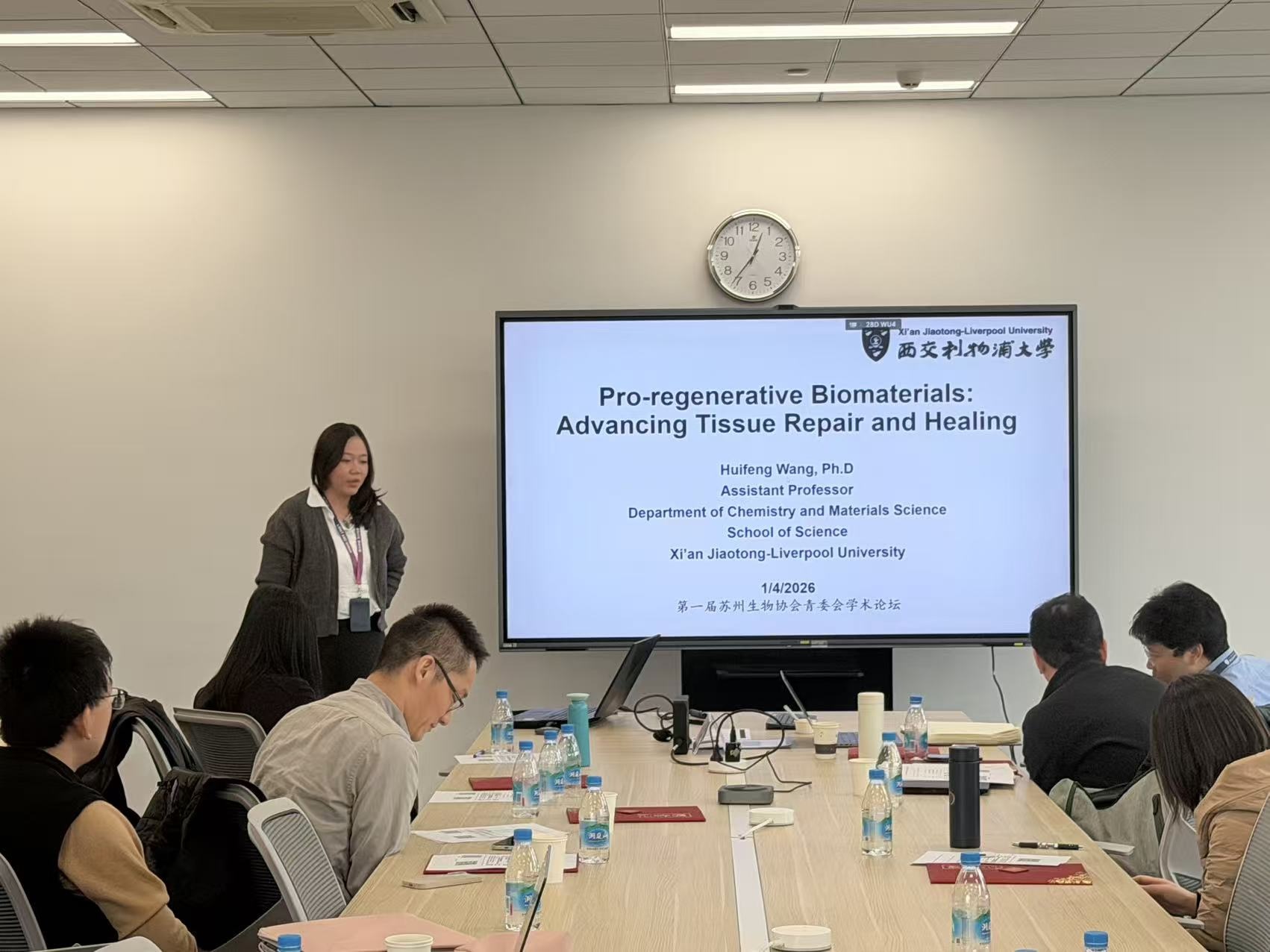
Dr. Wang Huifeng from the School of Science at Xi 'an Jiaotong-Liverpool University shared his experience on the application of biomaterials in tissue repair. Focusing on peripheral artery disease (PAD), severe lower extremity ischemia (CLI), and other diseases, he systematically introduced the development history of biological scaffolds and the challenges of cell therapy in the treatment of ischemic diseases. And the design and application of new PPCN-Peptide biomaterials, with a focus on exploring how to promote tissue regeneration by regulating cell behavior, providing a new technical direction for the treatment of ischemic diseases.
This key event is jointly organized by the Suzhou Biological Society, the Youth Committee of the Suzhou Biological Society, the School of Science of Xi 'an Jiaotong-Liverpool University, the School of Life Sciences of Soochow Medical College, Soochow University, the Key Laboratory of New Drug Research for Metabolic Syndrome of Suzhou City, and the Key Laboratory of Systems Biomedicine of Suzhou City.
The successful establishment of the Youth Committee of Suzhou Biological Society and the first academic forum mark the official aggregation of young scientific research forces in the field of biology in the Suzhou area and builds a closed-loop platform of "academic exchange - resource connection - talent growth". For Xi 'an Jiaotong-Liverpool University, hosting the event showcases the university's resource advantages in biological research and academic services and opens up a new path for in-depth cooperation between the university and regional research institutions and enterprises. For the Suzhou Biological Society, the establishment of the Youth Committee has improved the organizational system of the society, injected fresh ideas and people, and will further enhance the leading role of the society in the development of regional biological disciplines.
Content:Yue Qi、Sofia Monti、Yiqi Yu
Photography:Yue Qi、Sofia Monti
Proofread:John Moraros、Weiwei Dai
08 Jan 2026