






23 Dec 2025


In collaboration with JUNext Biotechnology, a Shanghai-based innovator in mycelium materials founded in 2021, Xi’an Jiaotong-Liverpool University students in the module “Design for Sustainability” transformed fungal root networks into versatile, fully biodegradable solutions for everyday objects.
According to Ivan Parati, the module leader and an Associate Professor from the Department of Industrial Design, the module instructs students in methodologies to enhance the sustainability of design practices and manufacturing sectors.
“Participants explore frameworks such as circular economies, design for disassembly, biobased materials, the Sustainable Development Goals, value retention cycles, and regenerative practices.
“This curriculum aims to realign the built environment with a balanced relationship among humans, economies, and the natural environment,” he says.

Over the semester, participants dove into diverse applications - construction, packaging, furniture, finishing materials, and disposable items - while rethinking supply chains for circular, sustainable manufacturing. After rigorous research into industrial design and production sectors, they developed innovative concepts blending mycelium with other bio-based materials.
Each student pursued an individualised focus, from branding and digital services to product systems, materials manufacturing, and retail experiences. Team spirit remained strong, uniting around shared goals and overarching concepts.

JUNext Biotechnology opened its lab for hands-on sessions, where student groups cast mycelium into custom 3D-printed molds. Within days, prototypes emerged ready for testing, mirroring real-world design-to-manufacturing workflows in a multidisciplinary setting.
Representatives from JUNext Biotechnology attended the final presentations and were impressed by the students' depth of experience and the potential for research spin-offs. Exhibition opportunities loom on the horizon, with prioritised research directions poised to advance this cutting-edge field.
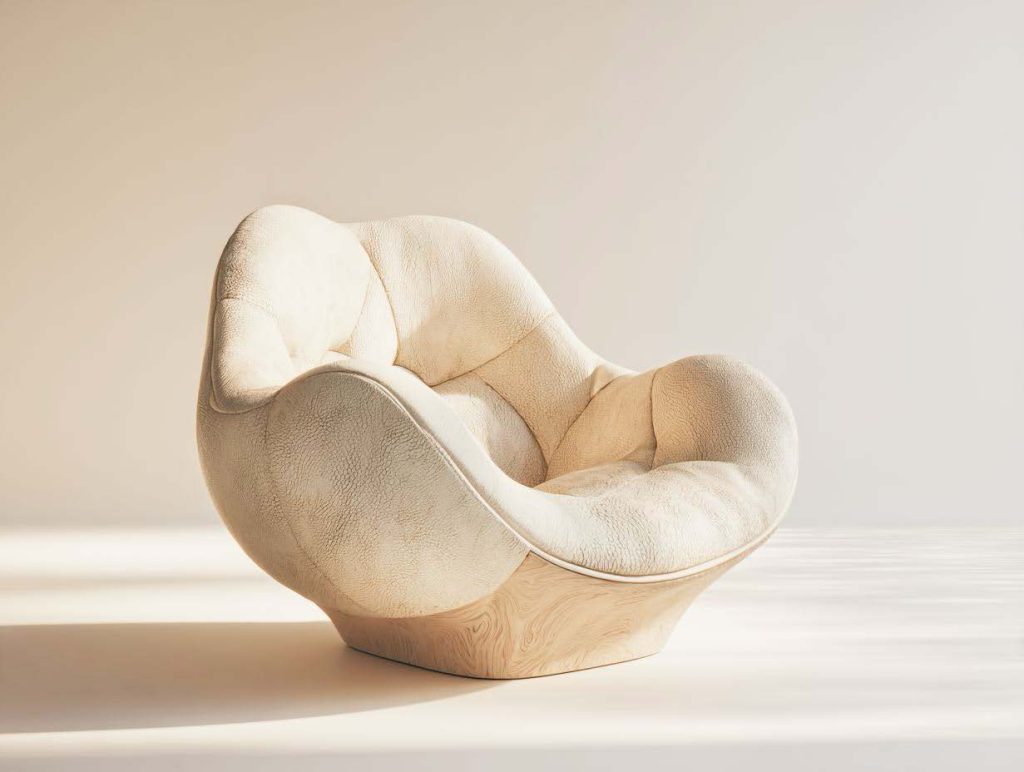
Ivan Parati says: “I am looking at some smart solutions that the students conceived, and it is already clear that working on the manufacturing aspect is one of the top priorities to fully industrialise a process that nowadays still partially relies on labor-intensive methods.”
“We saw some promising prototypes from the students and I can’t wait to see the outcomes of the continuation of this collaboration,” from JUNext Biotechnology adds.

Story and images provided by Department of Industrial Design
Edited by Yi Qian
23 Dec 2025