







27 Dec 2025


Ripple Screens, designed by Leyuan Jiang, Assistant Professor in the Department of Architecture at Xi’an Jiaotong-Liverpool University Design School, is a large-scale robotic 3D-printed work that has received four awards in both domestic and international design competitions.
Developed through university-industry collaboration and realised in partnership with Polymaker, GEOBuild, and HopeHousing, the project received the Silver Award in Workplace & Office / Office Styling / Decor Products at the International Design Awards 2025; was named a Winner in INTERIOR DESIGN / Interior Elements & Systems: Decoration Items at the 2025 European Product Design Award; was selected as an Entry in Product Group / Future Scenario at the 2025 Goldreed Industrial Design Award; and won the Second Prize in the Teachers’ Group / Industrial Design category at the 2025 Chinese College & Universities Design Competition.
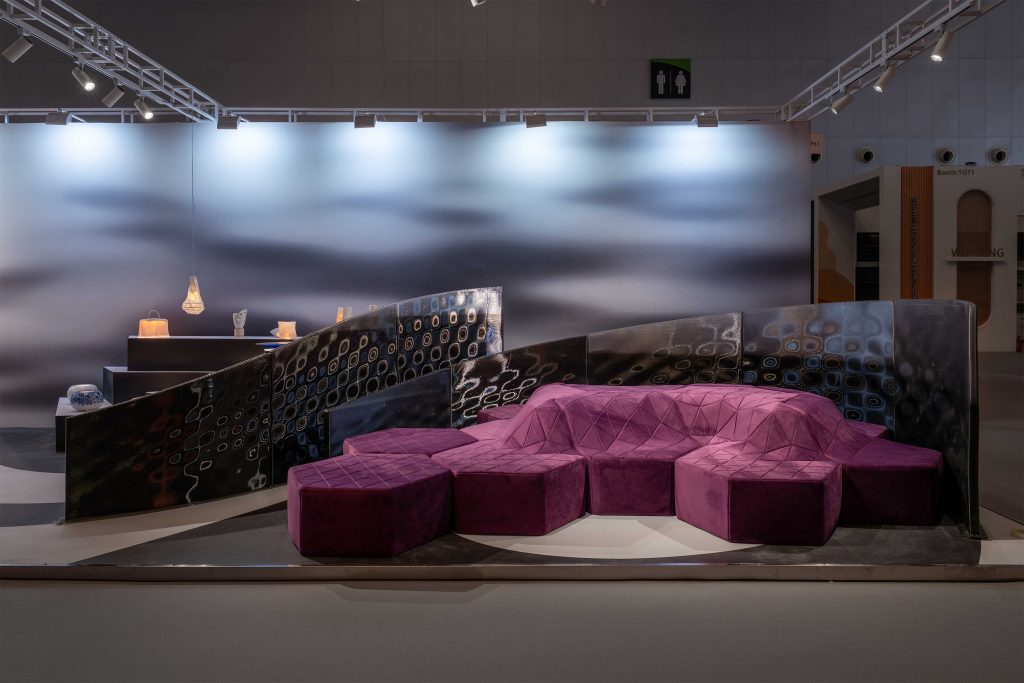
Ripple Screens is a design installation that integrates digital fabrication, spatial experience, and mental well-being through fluid, nature-inspired forms. Developed using robotic 3D printing, the project explores how advanced fabrication technologies can create calming environments that promote mindfulness and emotional balance, while maintaining a responsible and efficient approach to material use.
Inspired by the natural flow of water, Ripple Screens translates the ephemeral movement of ripples into a series of solid, undulating surfaces. The design captures the rhythm of water in motion—gentle, continuous, and immersive—creating a spatial language that evokes calmness and contemplation. The screens are composed and arranged as a landscape, simulating the rise and fall of waves in still water and encouraging a slower, more reflective mode of engagement.
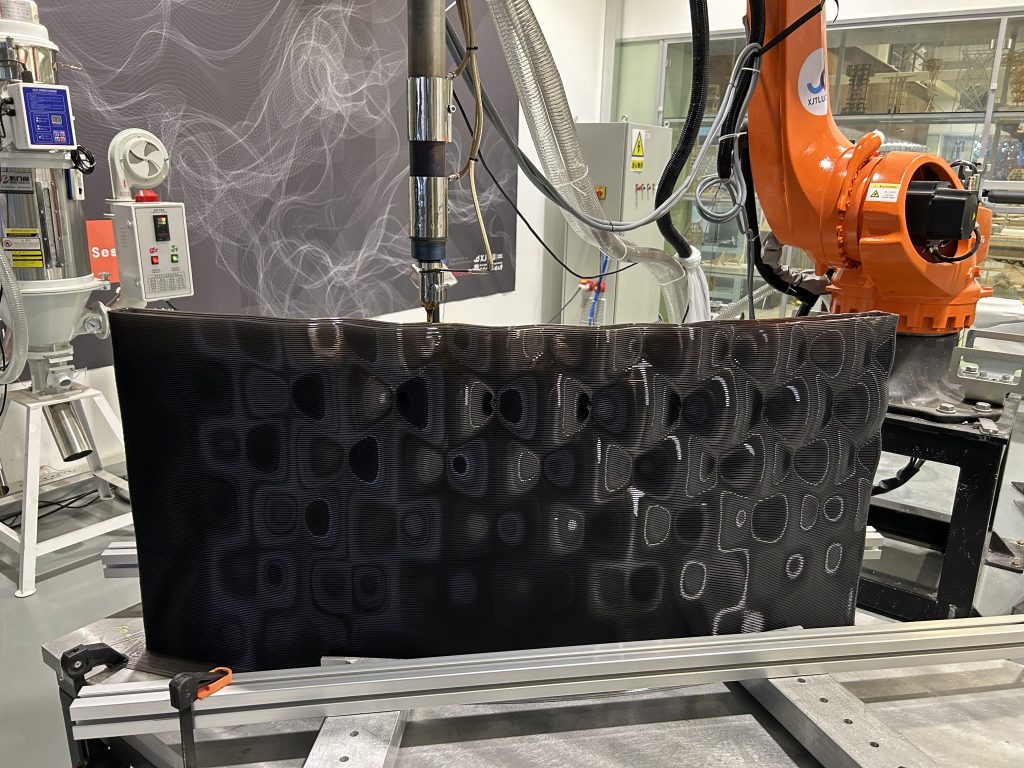
Robotic 3D printing plays a central role in realizing the project’s formal and experiential qualities. The technology enables precise control over complex geometries and surface textures, allowing the fluid expression of rippling forms that would be difficult to achieve through conventional fabrication methods. Digital design workflows ensure high levels of customization and adaptability, making the system suitable for different spatial contexts and scales while maintaining fabrication efficiency.
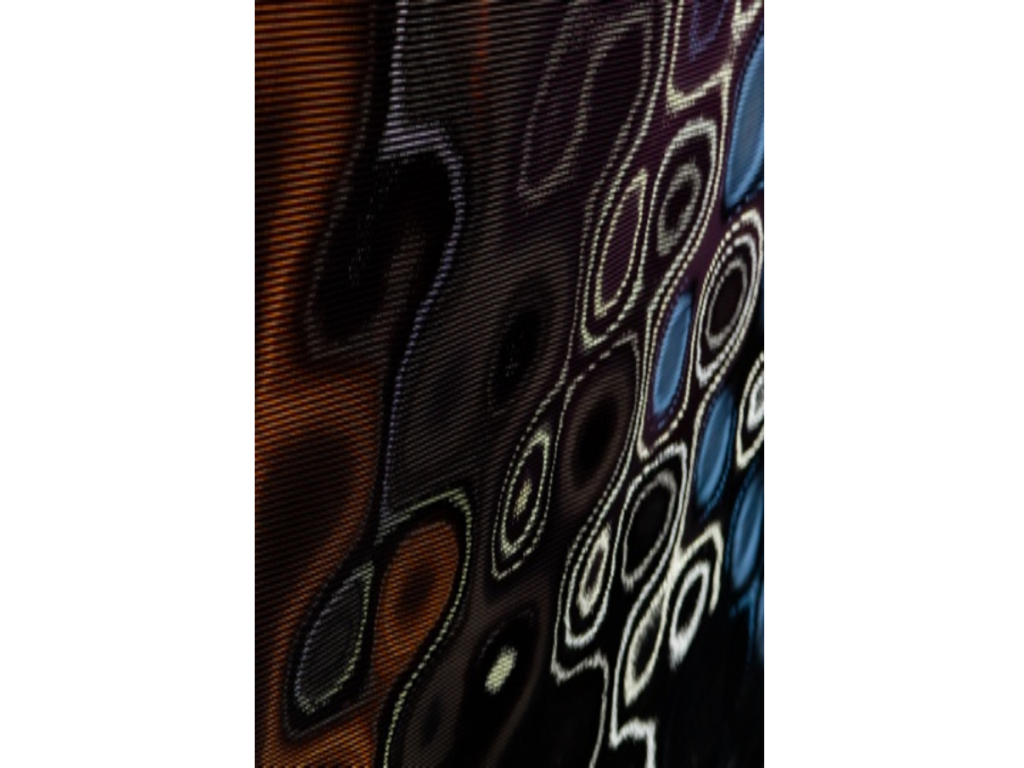
The undulating surfaces of Ripple Screens interact dynamically with light, producing shifting patterns of light and shadow across the installation. As illumination changes, the textured geometry generates subtle visual variations that enhance the immersive and calming atmosphere. This sensory experience supports mindfulness and stress relief, inviting users to pause, observe, and engage with the space in a more contemplative manner.
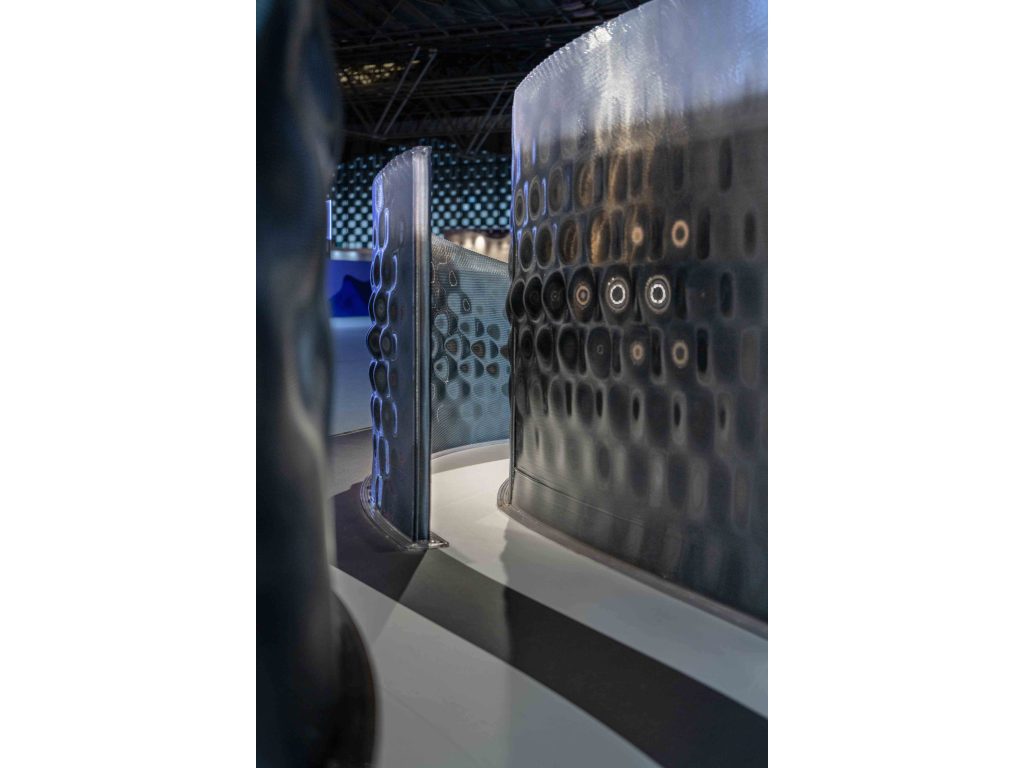
Rather than treating sustainability solely as a material condition, Ripple Screens approaches it as a balance between technological efficiency, spatial quality, and human well-being. By employing digitally driven fabrication and locally sourced materials, the project minimizes unnecessary material use and transportation impact. The tranquil environment created by the installation addresses mental health by offering a restorative spatial experience that encourages emotional regulation and reflection.
The project proposes a flexible design framework that can be adapted to a wide range of environments, including public spaces, exhibition settings, and therapeutic or contemplative contexts. Through parametric design and robotic fabrication, Ripple Screens can be customized to respond to site-specific conditions, user needs, and spatial constraints. Its adaptable workflow positions the project as a scalable model for future explorations at the intersection of digital fabrication, spatial design, and well-being.
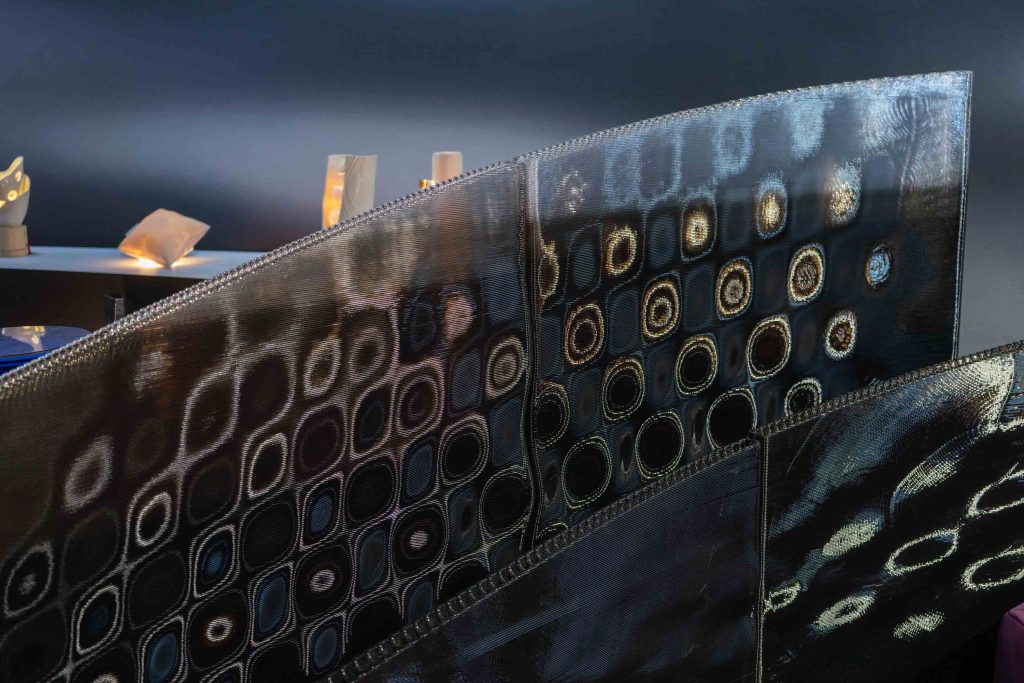
Ripple Screens demonstrates how robotic 3D printing can be used not only as a tool for formal experimentation but also as a means to create emotionally resonant spaces. By drawing inspiration from natural water dynamics and focusing on human experience, the project highlights the potential of digitally fabricated design to support mental well-being while maintaining a thoughtful and responsible approach to contemporary architectural practice.
Story and images provided by Leyuan Jiang
Edited by Yi Qian
27 Dec 2025