




Bringing Policy to Life: XJTLU Students Explore Cultural Diplomacy in Shanghai

30 Apr 2026


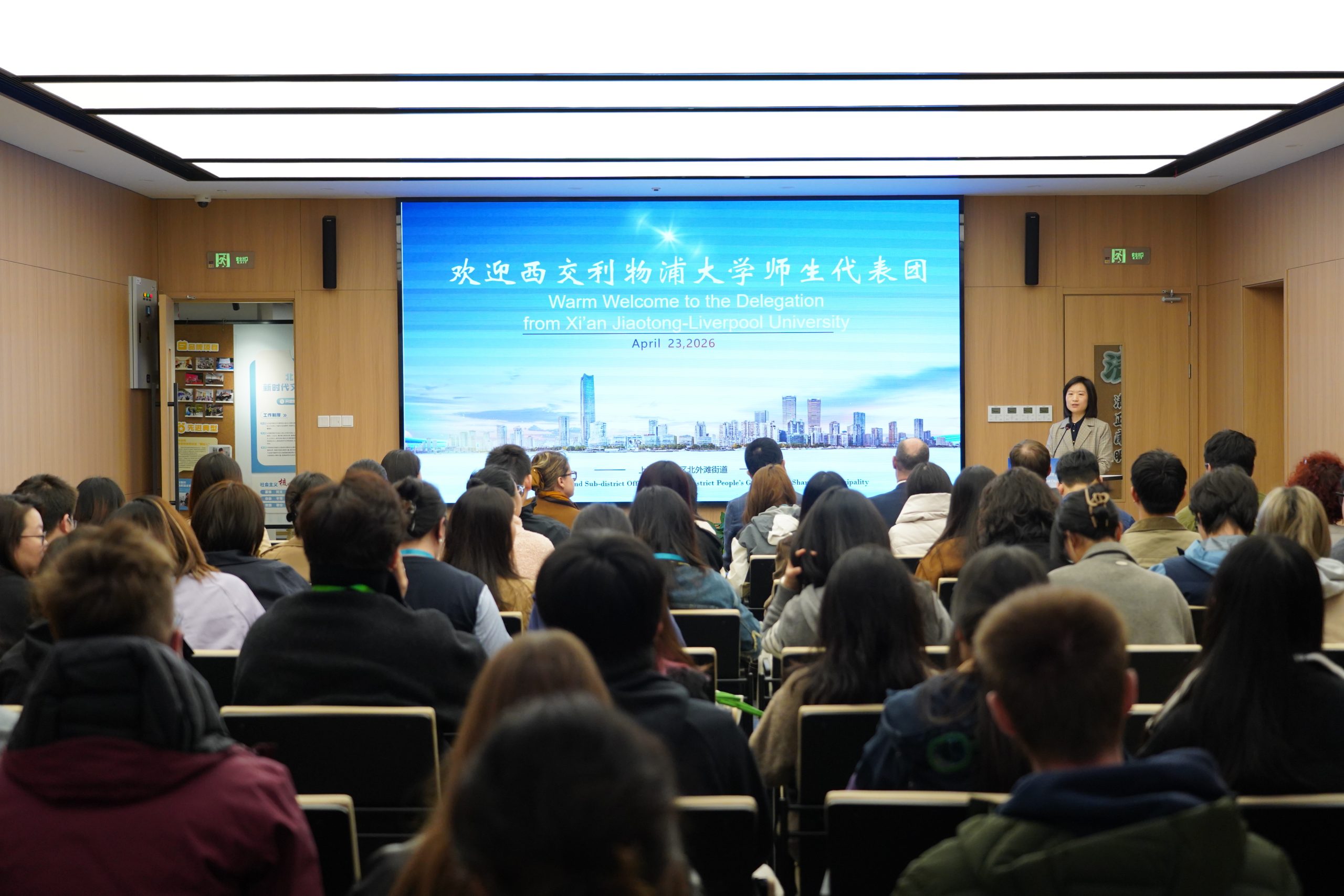
On 23 April 2026, students from the BA International Relations programme at Xi’an Jiaotong-Liverpool University (XJTLU) took part in a field trip to Shanghai as part of the module Public Policy and Cultural Diplomacy (INS308). The activity brought together more than 40 Year 4 students, offering them an opportunity to engage directly with governmental and cultural actors and connect classroom learning with real-world practice.
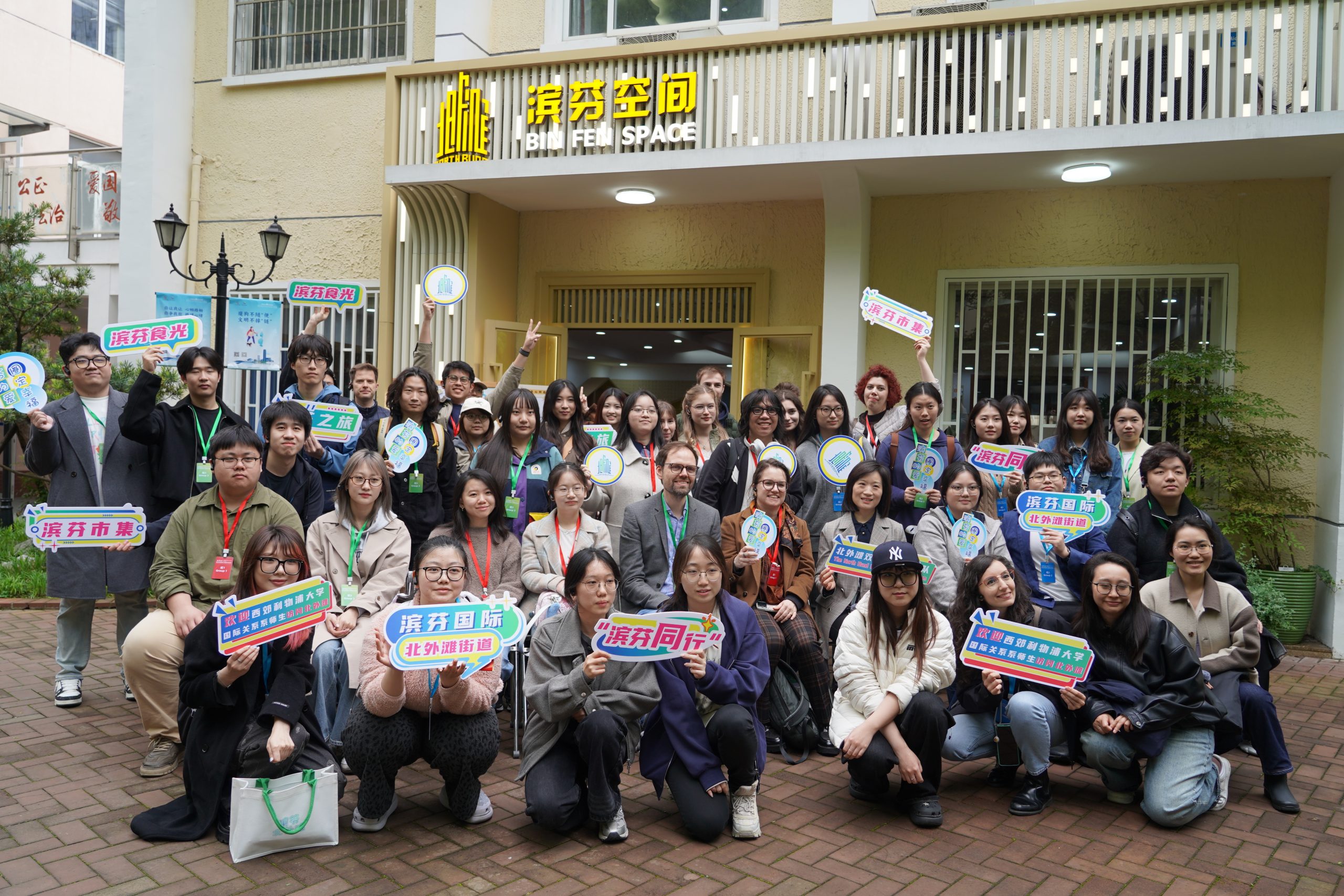
Organised by Dr Alessandra Cappelletti, Associate Professor in the Department of International Studies, HSS, the field trip was designed as an integral part of the module’s teaching and assessment framework.

“The field trip brings students into direct contact with practitioners of public policy and cultural diplomacy, exposing them to both governmental and non-governmental actors in their everyday and often challenging contexts,” Dr Cappelletti said. “Students are encouraged to identify patterns and make sense of them through strategies, discourses and practices.”
She noted that this approach differs significantly from traditional classroom-based learning. “It pushes students to think through real-world problems by leveraging their background knowledge and skills. In this sense, it becomes a kind of maieutic process, where understanding develops through observation, questioning and reflection.”
During the morning session at Shanghai’s North Bund in Hongkou District, students attended talks by local government representatives and international practitioners, followed by a guided tour of community spaces, heritage sites and cultural landmarks. The visit offered insights into how local governments mobilise cultural resources and urban space to support cultural diplomacy and international engagement.
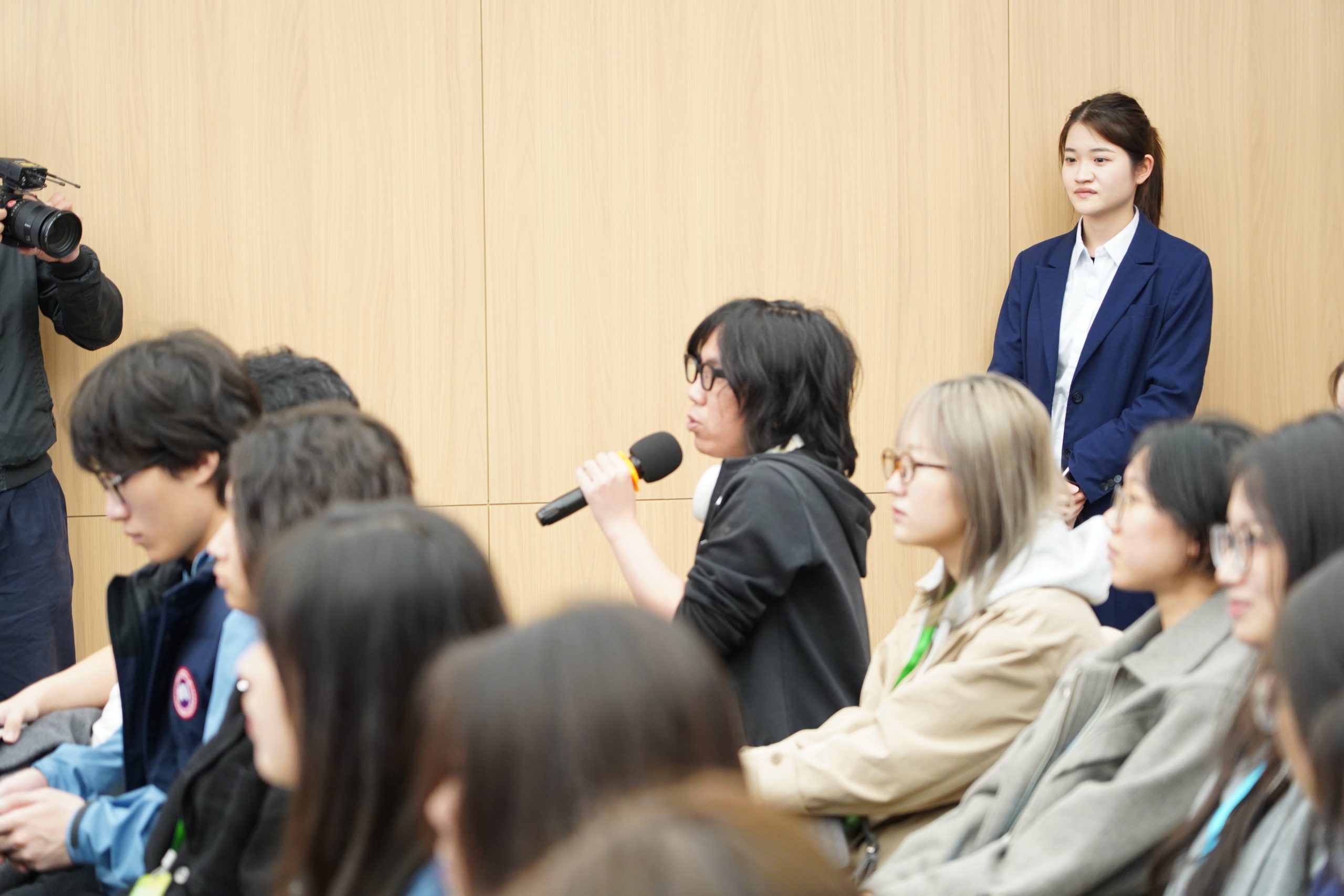
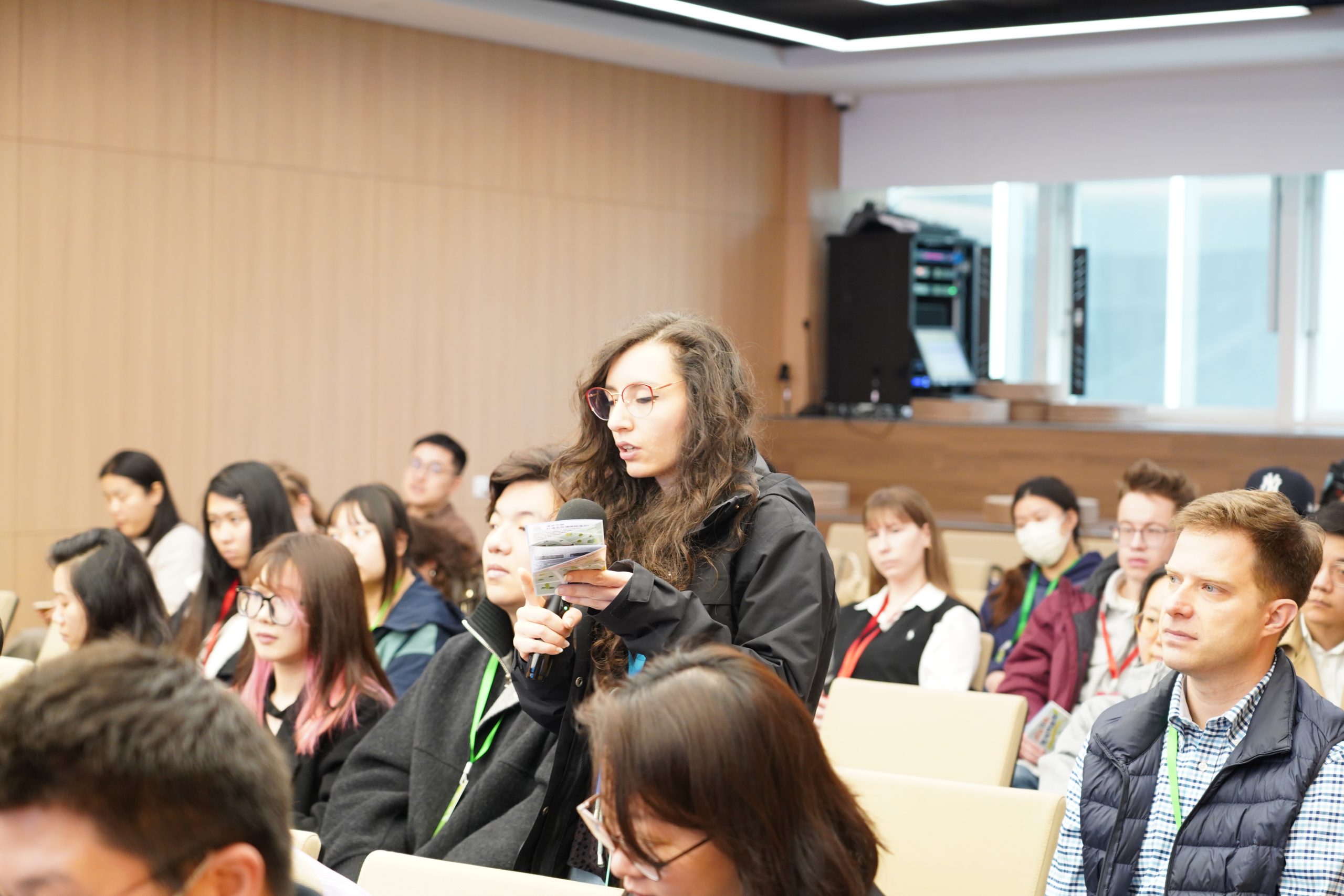
For many students, the experience revealed dimensions of policy and diplomacy that extend beyond the clarity of theoretical frameworks.
“The biggest difference was the opportunity to apply theoretical knowledge to real-world practice,” said one of the students, Lolita Chong. “Classroom learning gives us a strong conceptual foundation, but on-site experiences help us contextualise and visualise what we have learned. It makes the concepts more tangible and easier to understand.”
She also highlighted the value of direct interaction in shaping her understanding. “Being in a real-world setting creates opportunities to ask questions, engage in discussions and hear different perspectives. These interactions not only deepen my understanding, but also highlight the gap between theoretical interpretations and practical realities.”
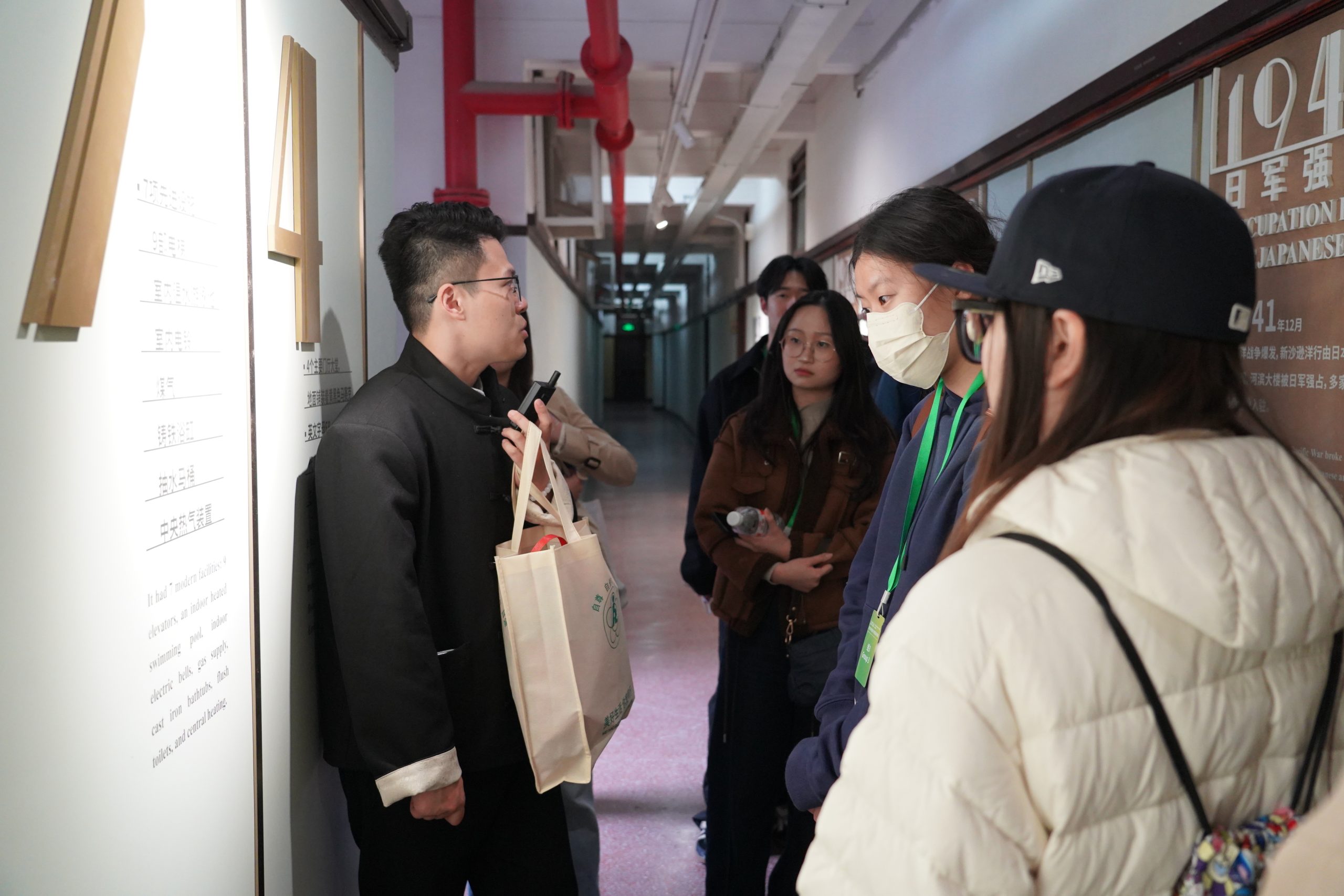
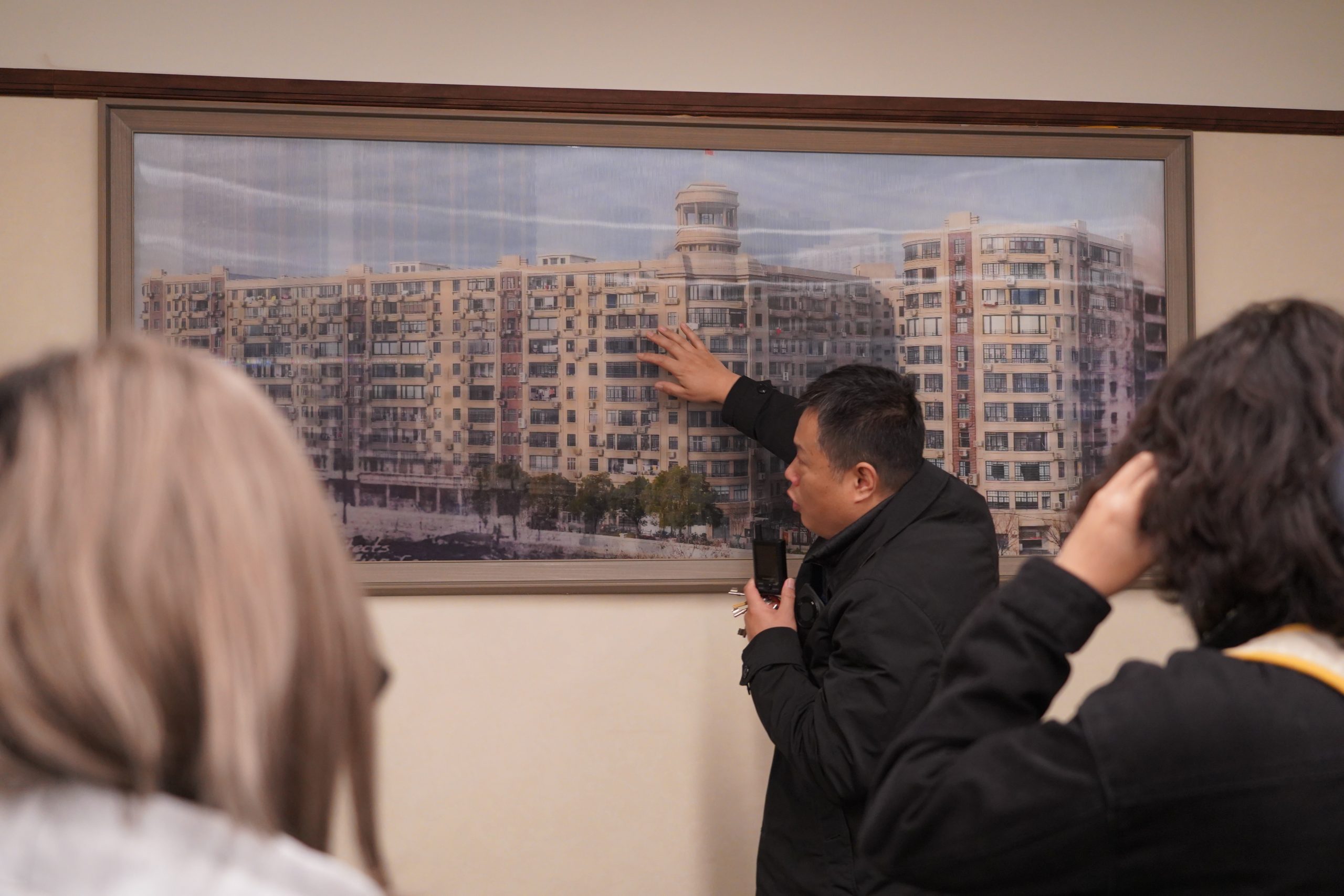
For the other student, Boyuan Min, the field trip provided a more critical perspective on how theory operates in practice. He reflected that classroom learning often presents public policy and cultural diplomacy through structured frameworks, but real-world actors do not always conform to these categories.
“On-site experience fills a gap left by classroom learning, which cannot give us an intuitive perception of the interests and behaviours of different actors,” he said. “In reality, organisations often exist in hybrid forms that cannot be neatly classified.”
Drawing on the example of the North Bund Bilingual Volunteer Team, he noted that such organisations blur the boundaries between state and non-state actors, combining elements of grassroots governance, social participation and institutional support. “This kind of complexity is often simplified in theory, but becomes very visible in practice,” he added.
The field visit also reshaped students’ understanding of cultural diplomacy itself. Reflecting on the North Bund tour, Lolita observed that historical spaces can play an active role in international communication.
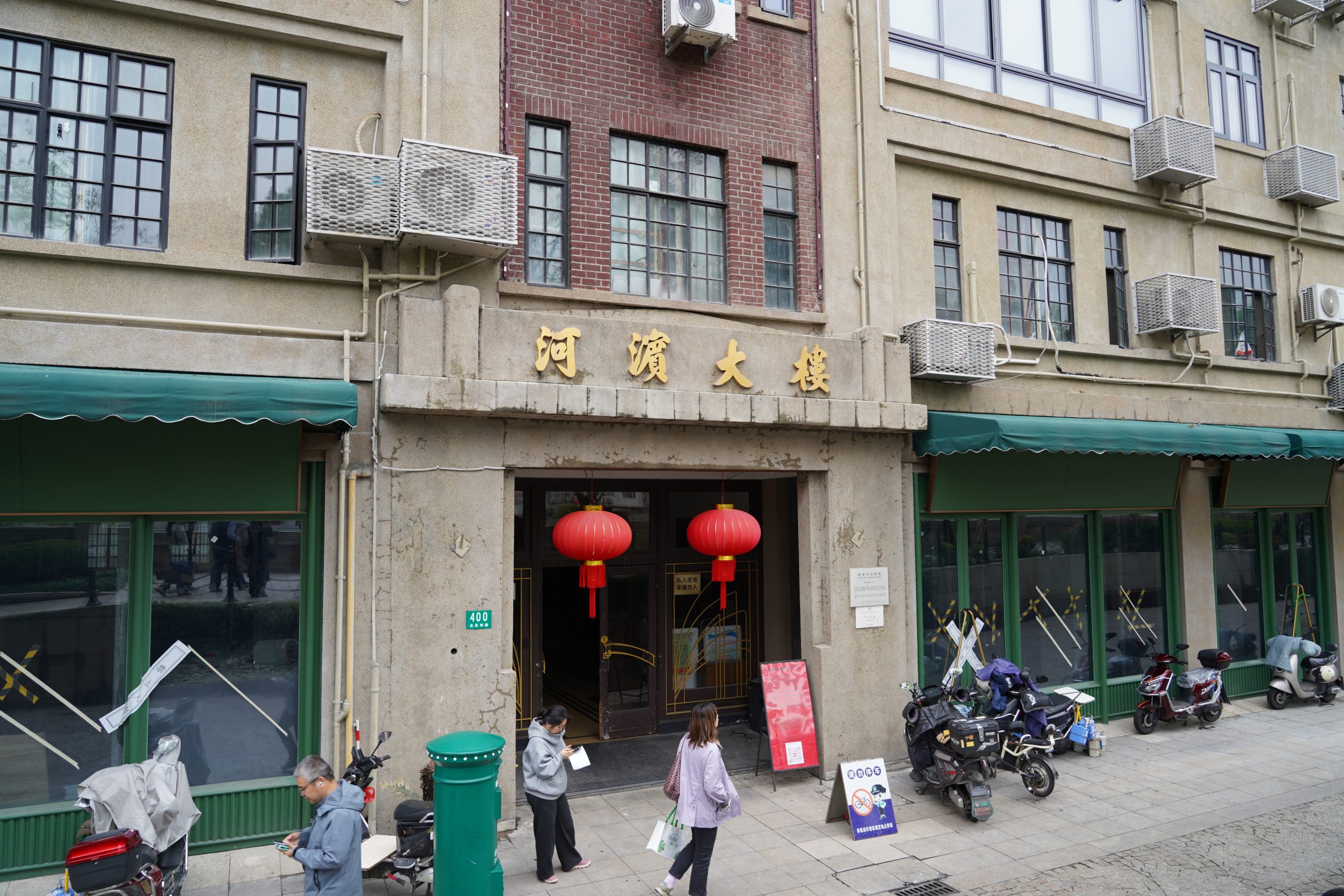
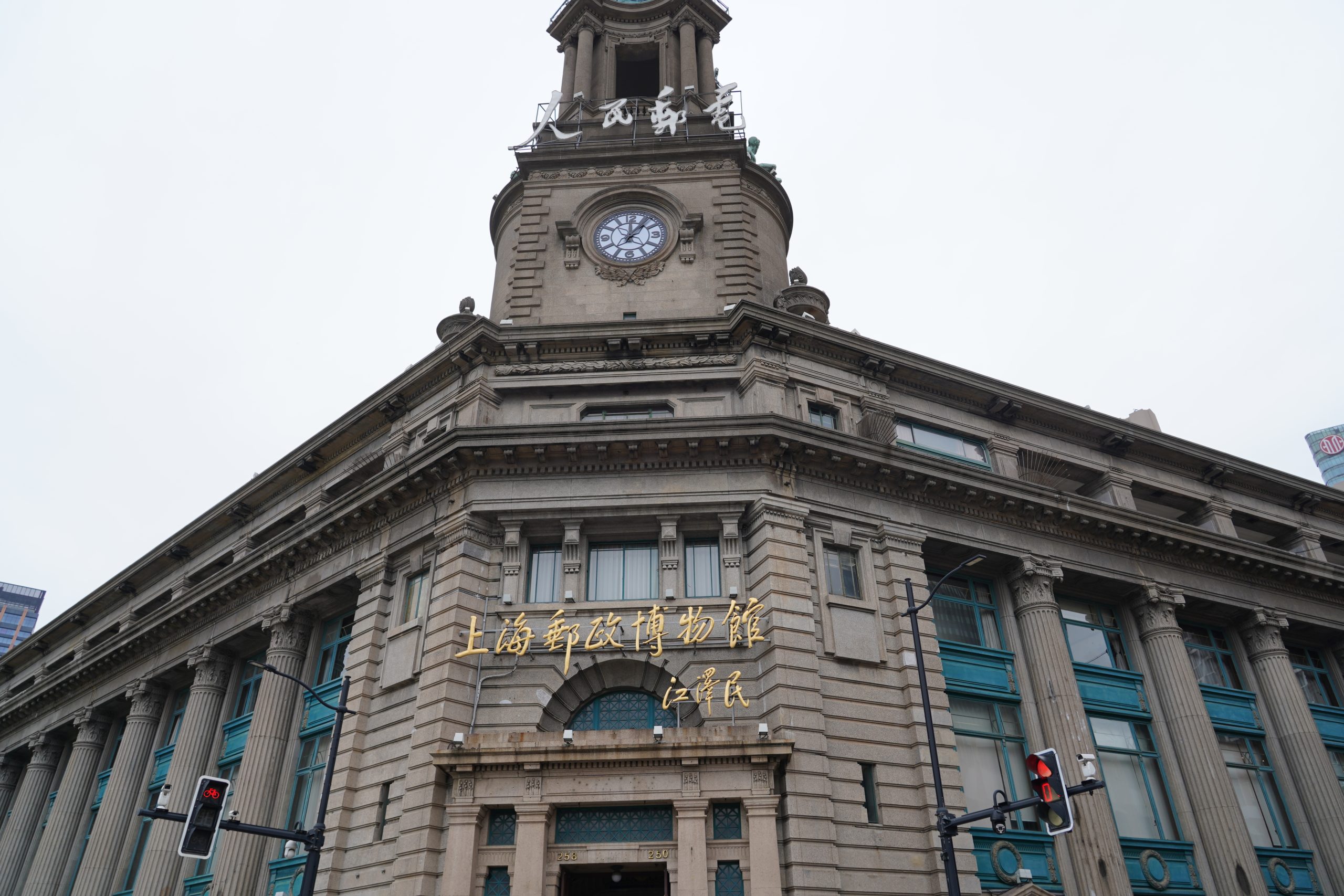
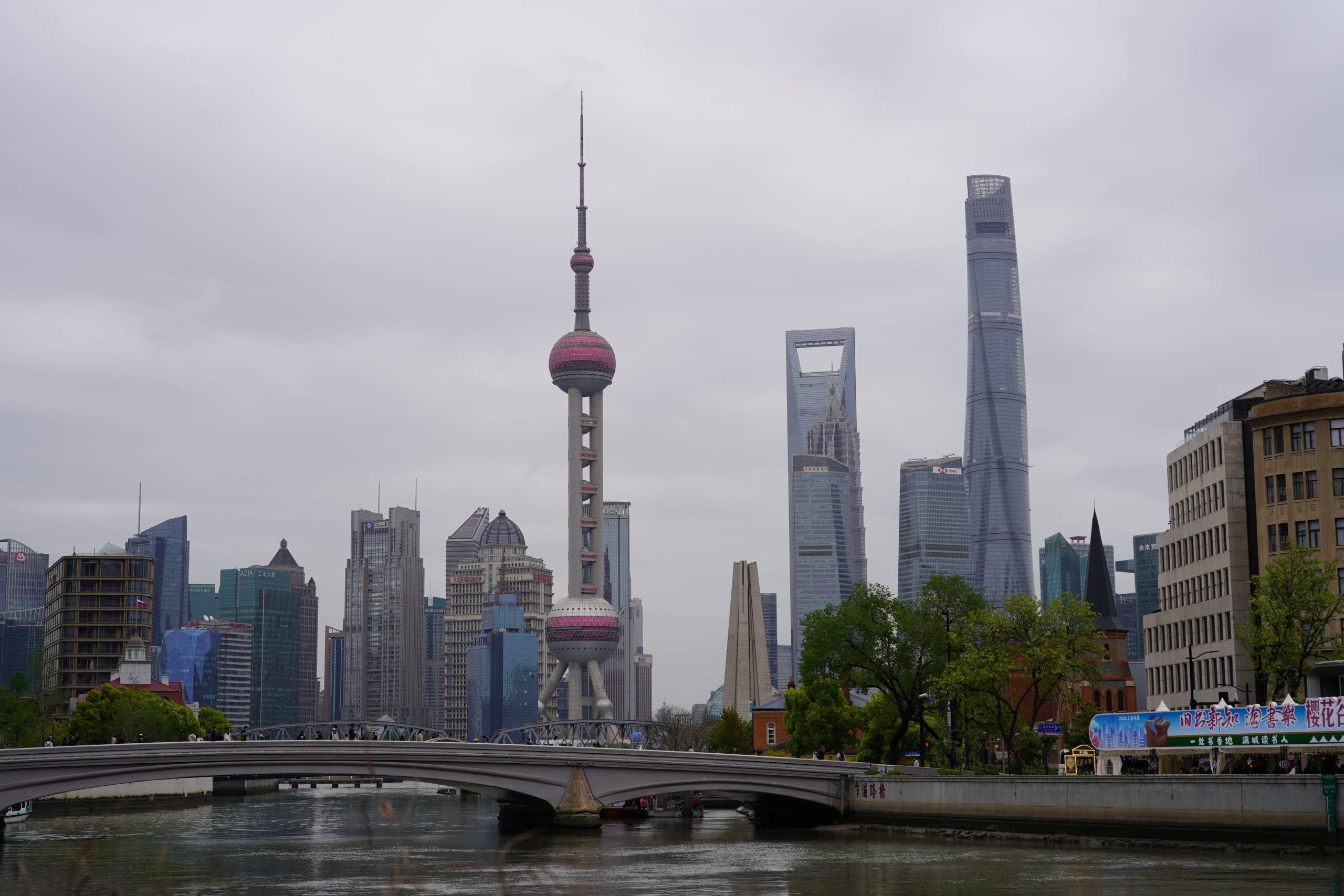
“Many of these buildings are not only preserved for their heritage value, but are also used to showcase Shanghai’s history of openness and cross-cultural exchange,” she said. “In this way, culture becomes something that can be institutionalised through public policy to support international engagement.”
In the afternoon, students visited the Lizard Academy of Music, where they explored how a foreign cultural institution operates within China’s policy and cultural landscape. Through presentations and demonstrations, they examined how cultural exchange can emerge not only from state-led initiatives, but also from market-driven and creative practices.
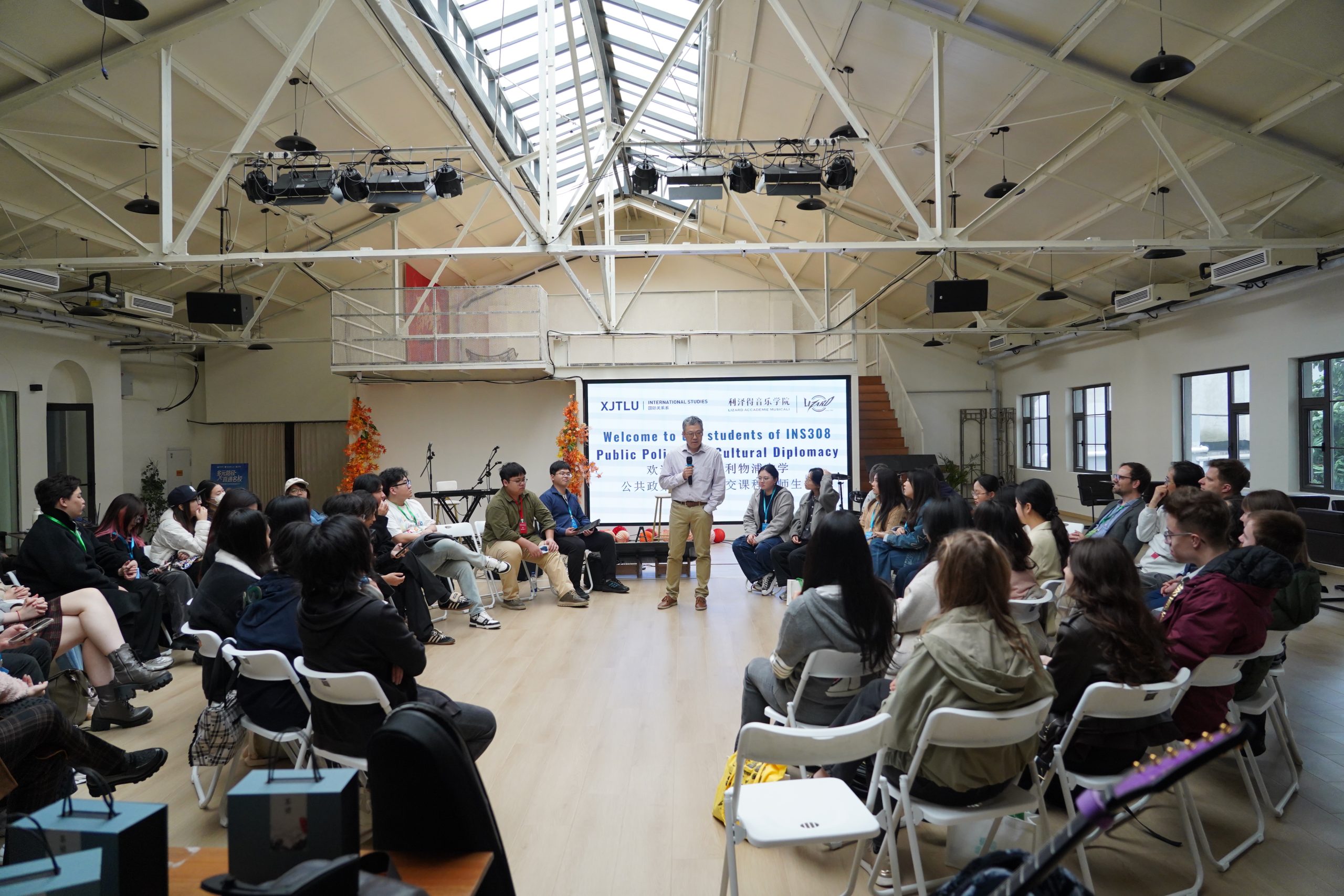
For Boyuan, this challenged conventional assumptions about cultural diplomacy. He observed that institutions such as Lizard are not simply “agents” of state-led diplomacy, but may be driven by commercial and cultural motivations while still contributing to cross-cultural understanding in practice.
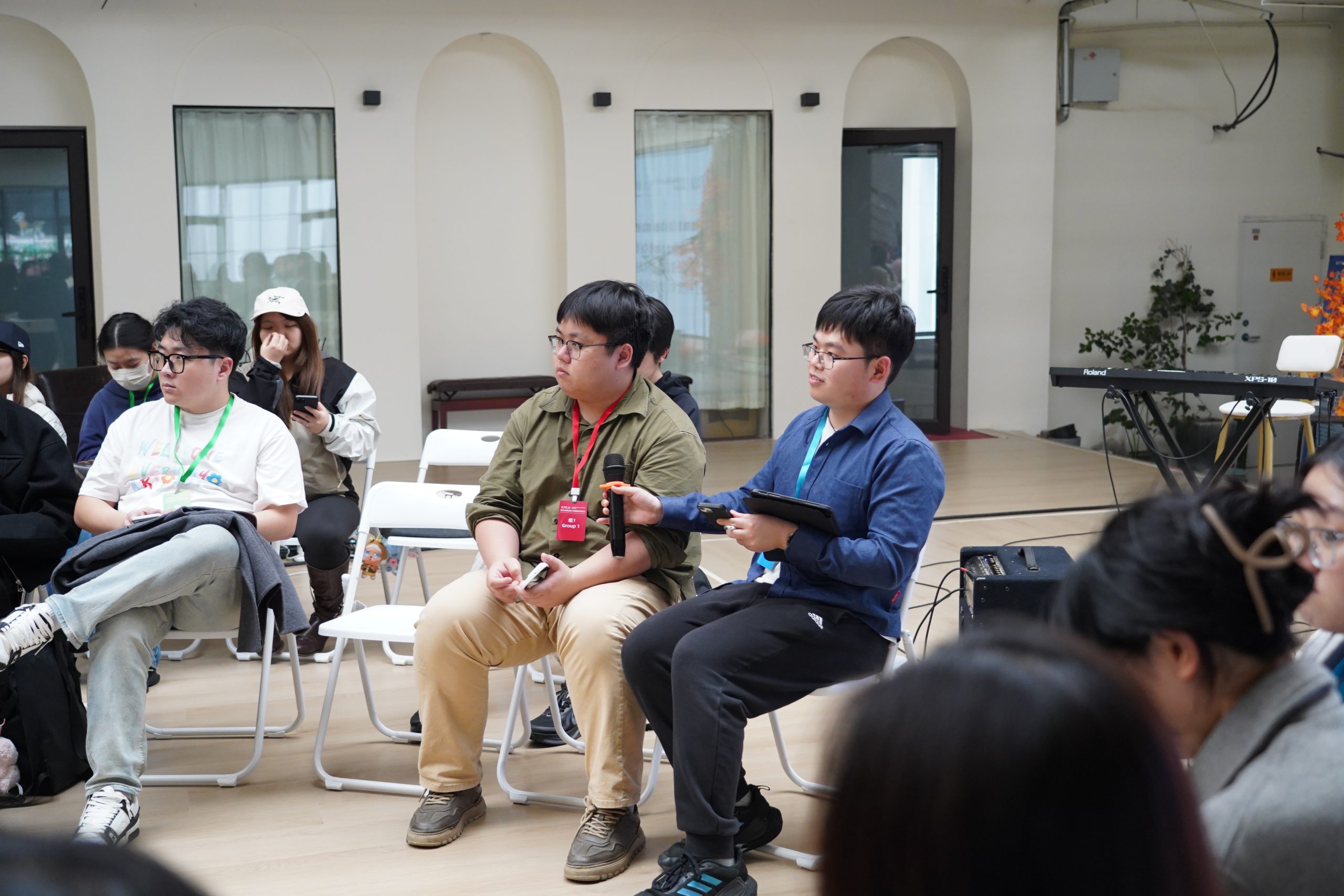
The field trip is directly linked to the module’s policy paper assessment, which requires students to analyse real-world actors and develop practical recommendations.
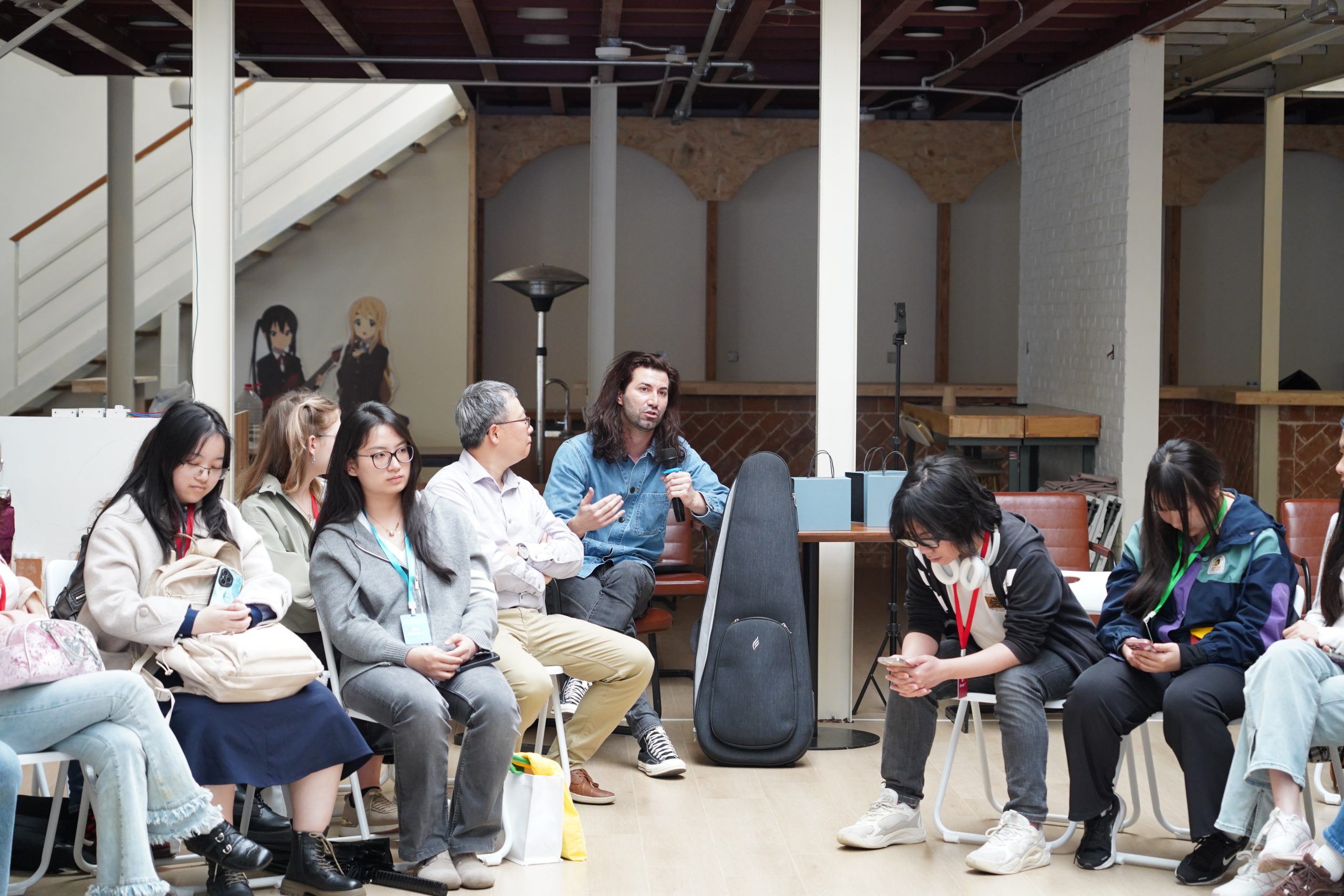
“Students engage with institutions, understand their strategies and actions, and then translate these observations into policy analysis and recommendations,” Dr Cappelletti explained. “This approach sits at the intersection of academic learning outcomes and employability skills.”
By connecting field observation with policy analysis, the trip encouraged students to question, adapt and refine theoretical frameworks in response to real-world complexity.
Reporter: Yiyi Gu
30 Apr 2026