




21 Apr 2026


The 12th International Conference on Electrical Engineering, Control and Robotics (EECR 2026) officially opened on April 7, 2026, in Suzhou. Hosted by the Department of Mechatronics and Robotics at the School of Advanced Technology (SAT), Xi’an Jiaotong-Liverpool University (XJTLU), the conference brought together over a hundred experts and scholars from universities, research institutions, and industry to engage in deep discussions on the frontiers of electrical engineering, control science, and robotics. The event received support from Professor Mark Leach, Acting Dean of the School of Advanced Technology. It was organised by Professor Jie Sun, Head of the Department of Mechatronics and Robotics.
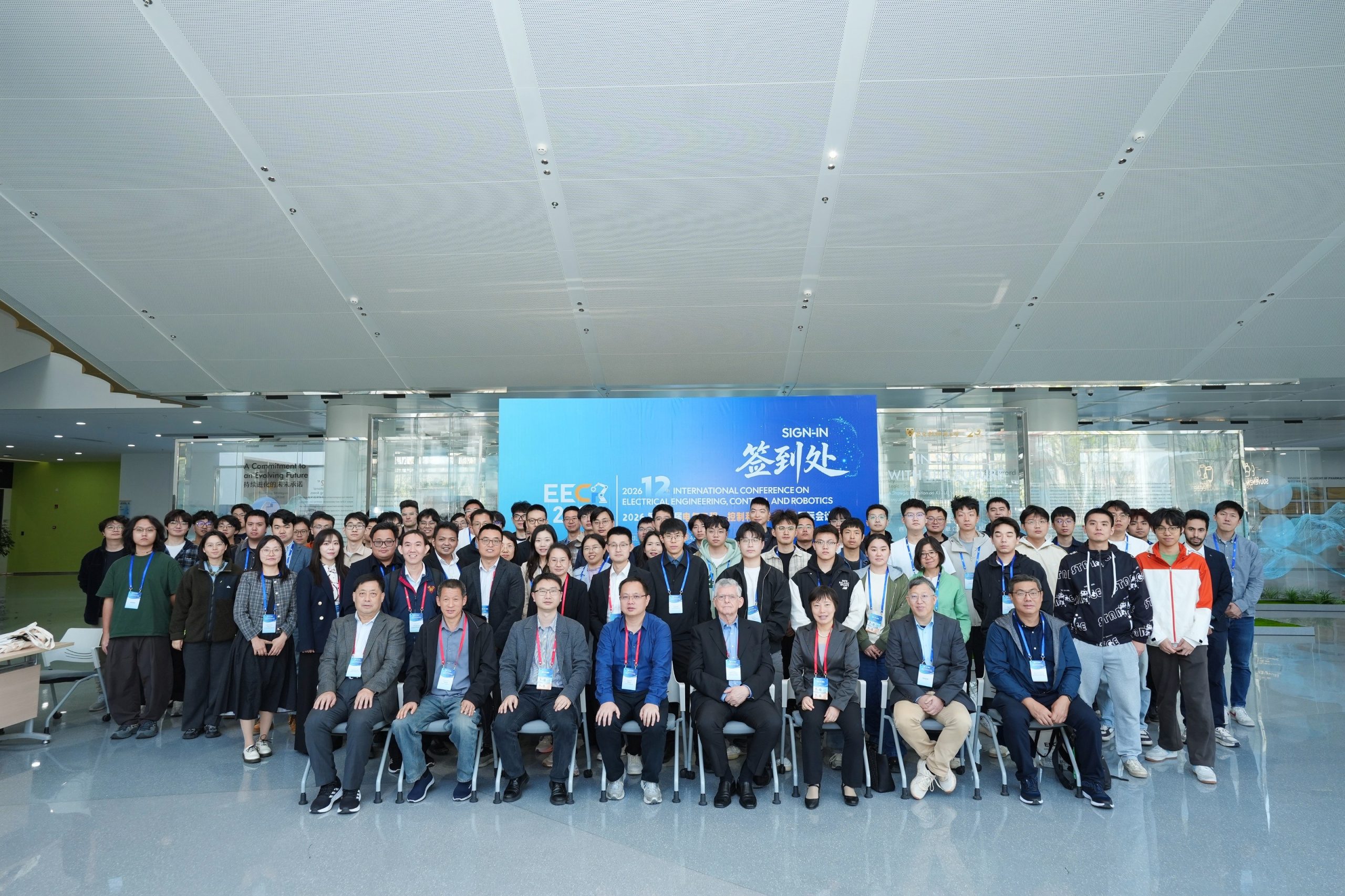
Dr Zhenzhen Jiang of XJTLU hosted the opening ceremony. In the opening remarks, Professor Konstantinos Papadikis, Associate Vice President for Education at XJTLU, highlighted the accelerating convergence of engineering technologies. He noted that cross-disciplinary collaborative innovation has become a vital driver of scientific progress and expressed his hope that the conference would serve as a platform for scholars to deepen partnerships and explore future engineering trajectories. Professor Xuesong Mei from Xi’an Jiaotong University delivered the welcome address, extending warm greetings to all participants and underscoring the critical role of academic exchange in fostering research innovation and translating scientific findings into practical applications.
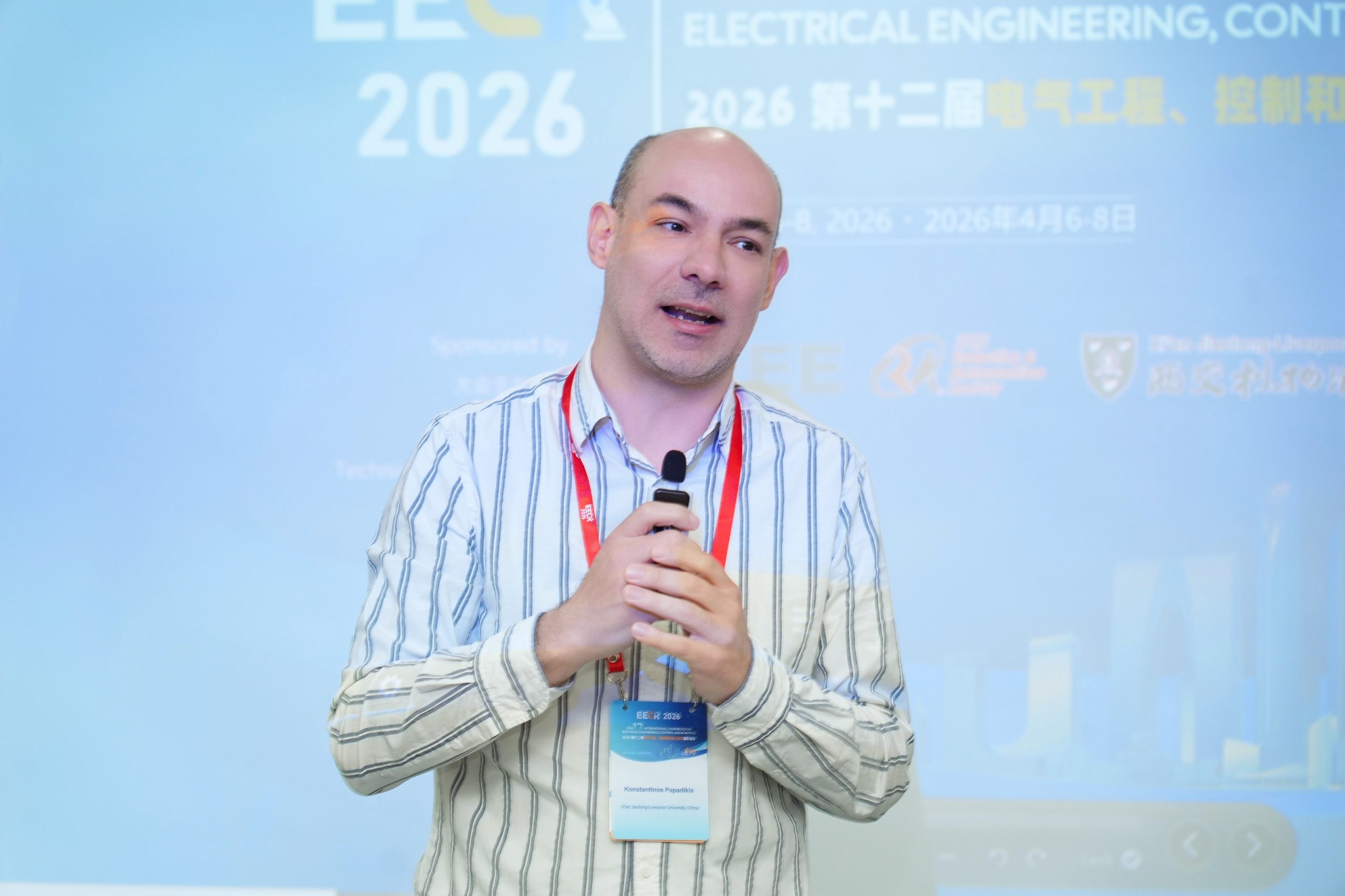
Professor Konstantinos Papadikis
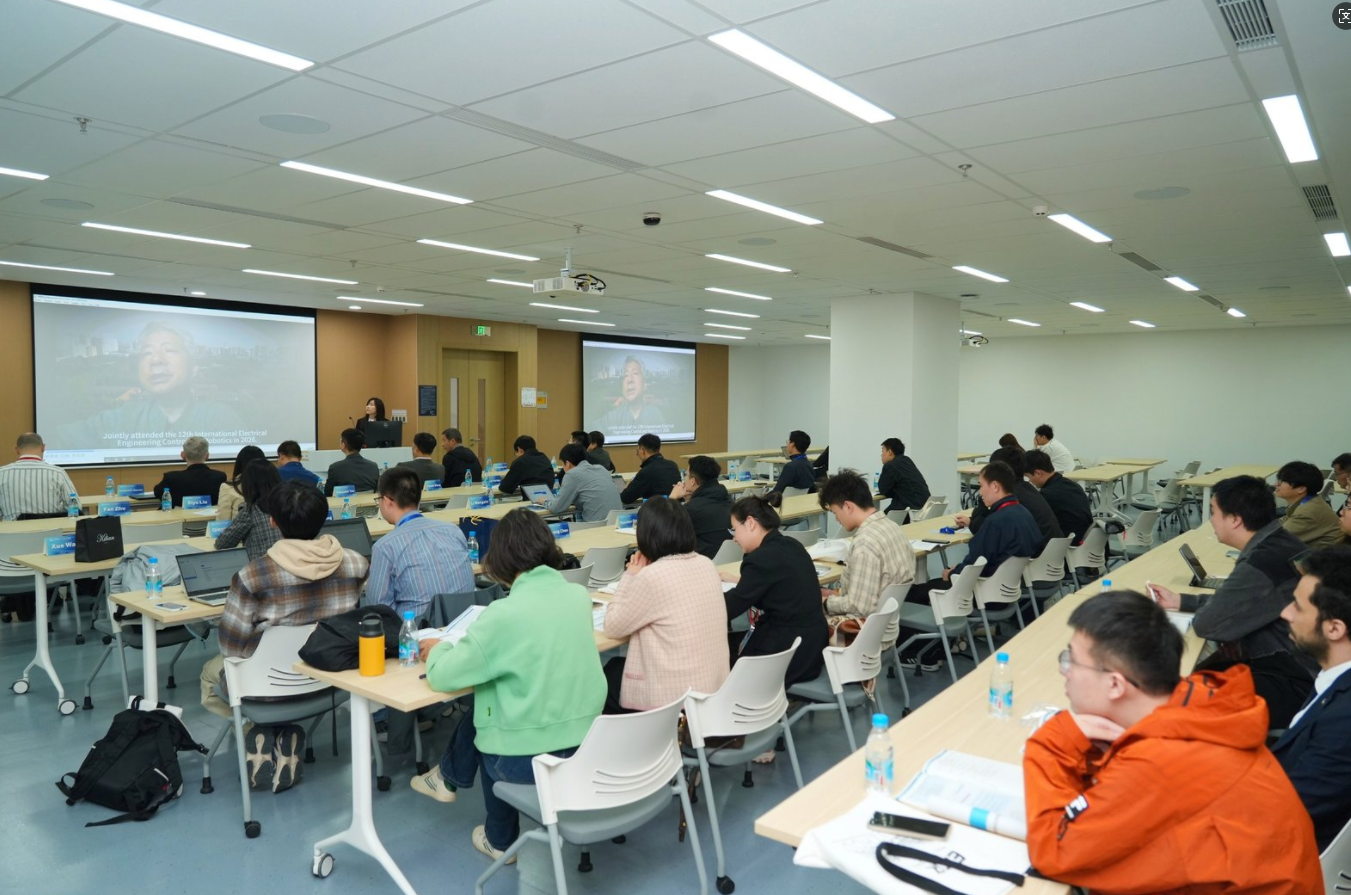
Professor Xuesong Mei
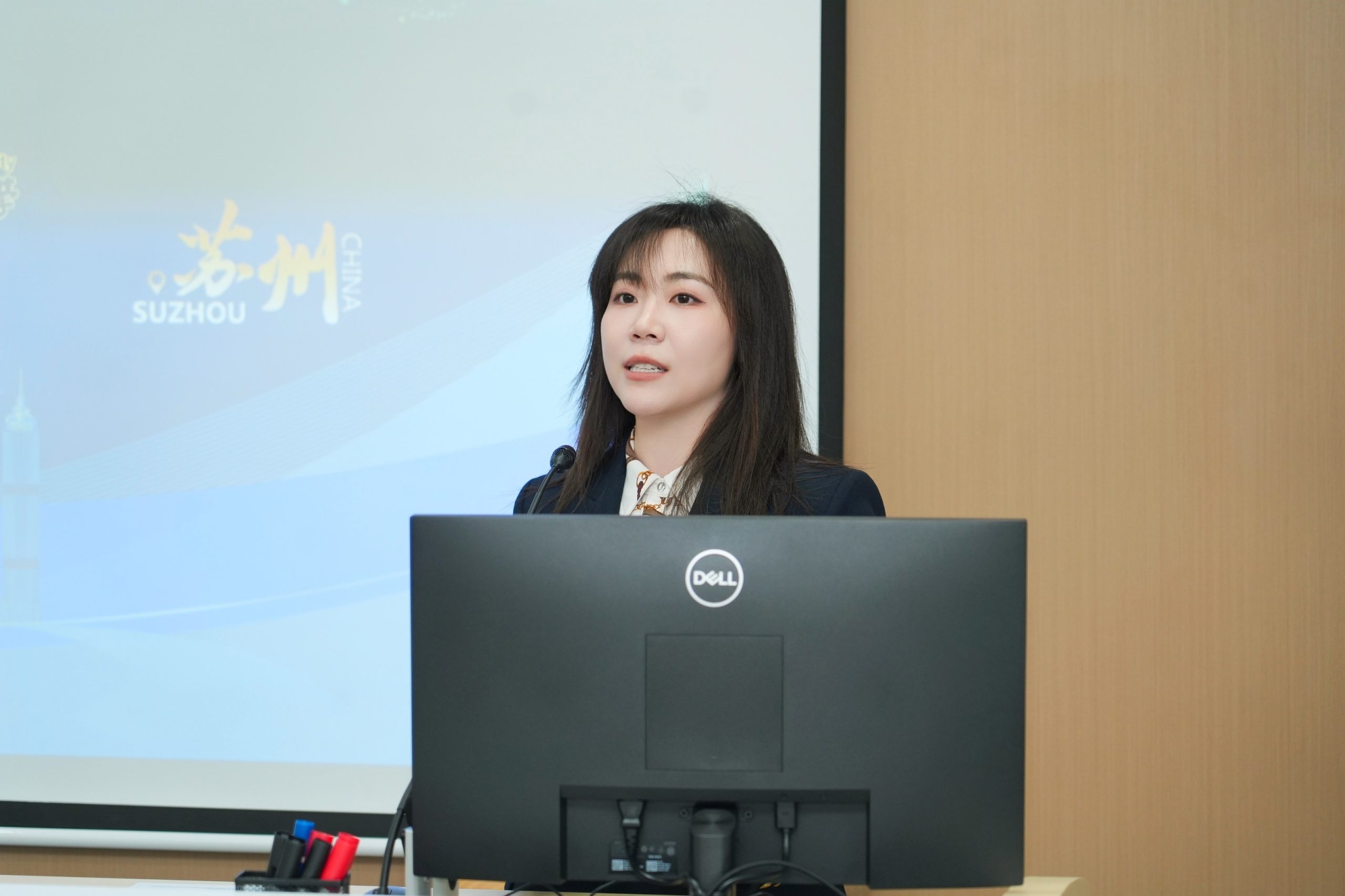
Dr Zhenzhen Jiang
The keynote session featured renowned scholars who shared the latest advancements in their respective fields:
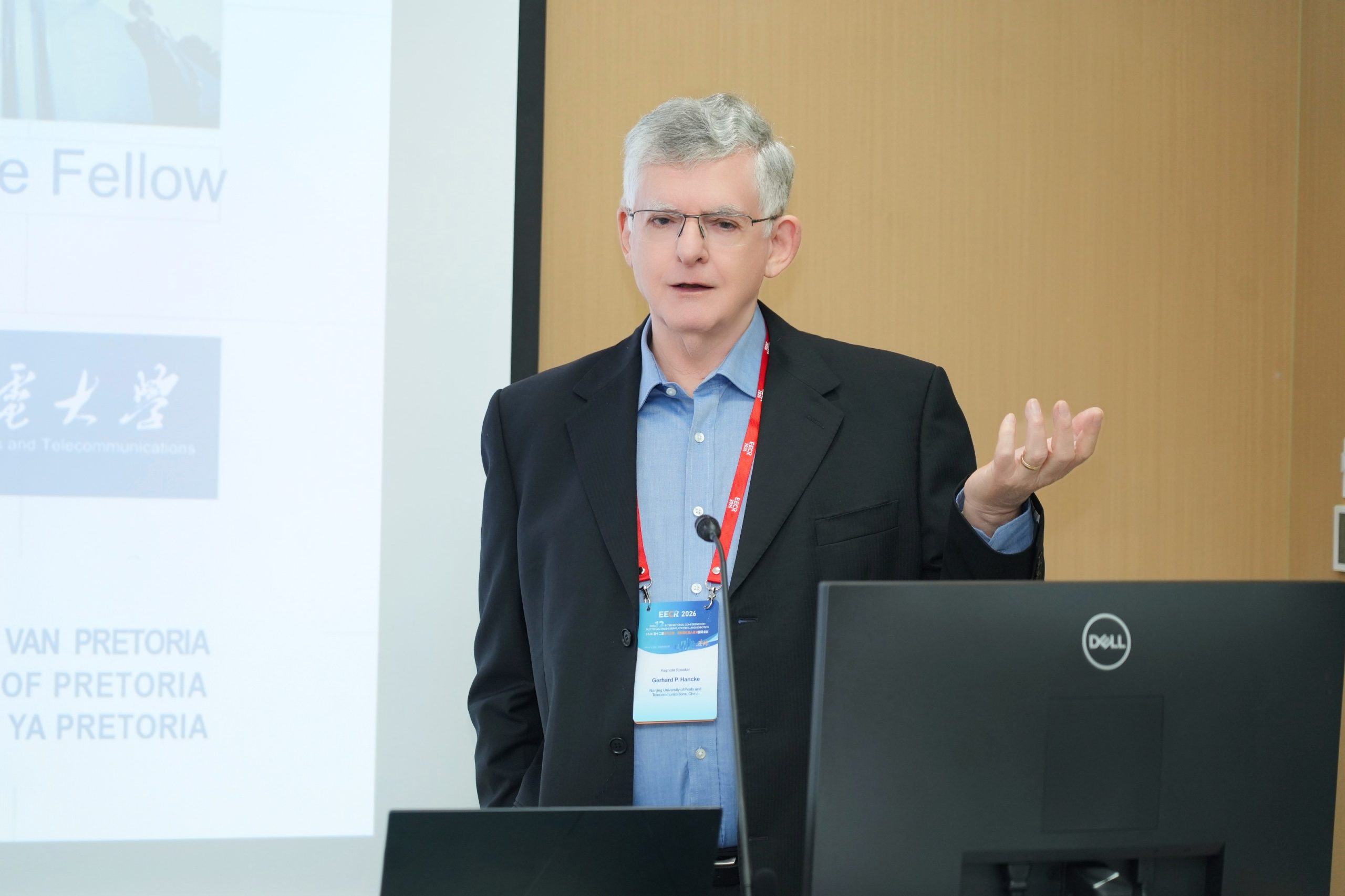
The Transition to Industry 5.0: Professor Gerhard P. Hancke (IEEE Life Fellow, Nanjing University of Posts and Telecommunications) presented on "The Role of AI and IoT (AIoT) in the Transition from Industry 4.0 to 5.0." He outlined the evolution of industrial paradigms, noting that while Industry 4.0 significantly enhanced automation, Industry 5.0 shifts the focus toward "human-robot collaboration" and sustainability, balancing efficiency, quality, and human-centric values.
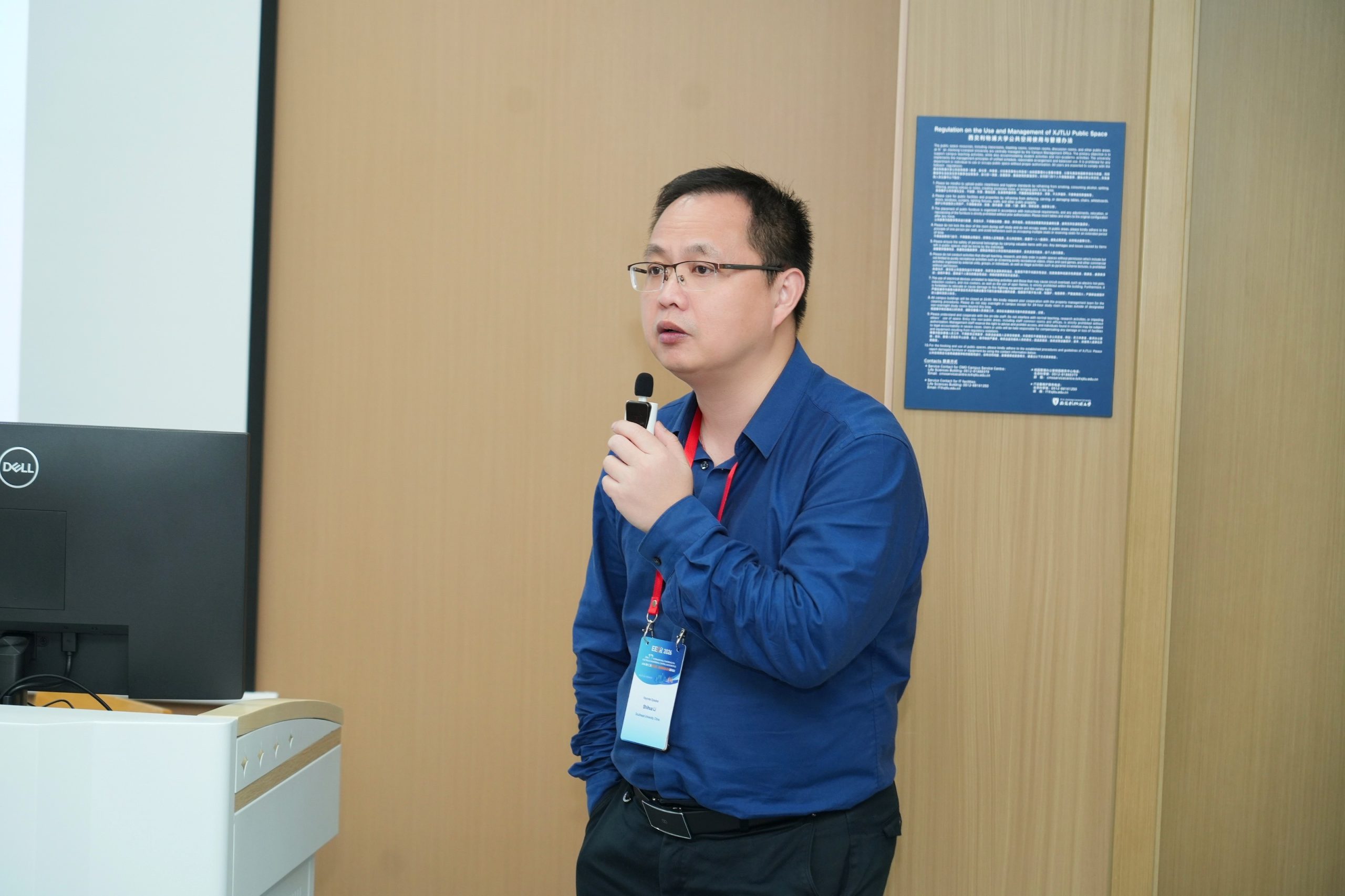
Advances in Disturbance Rejection: Professor Shihua Li (IEEE Fellow, Southeast University) focused on "Recent Advances on Disturbance Rejection Control for Robotic Systems." He detailed robust control strategies based on disturbance observation and compensation, providing essential insights for enhancing the stability and reliability of complex non-linear robotic systems.
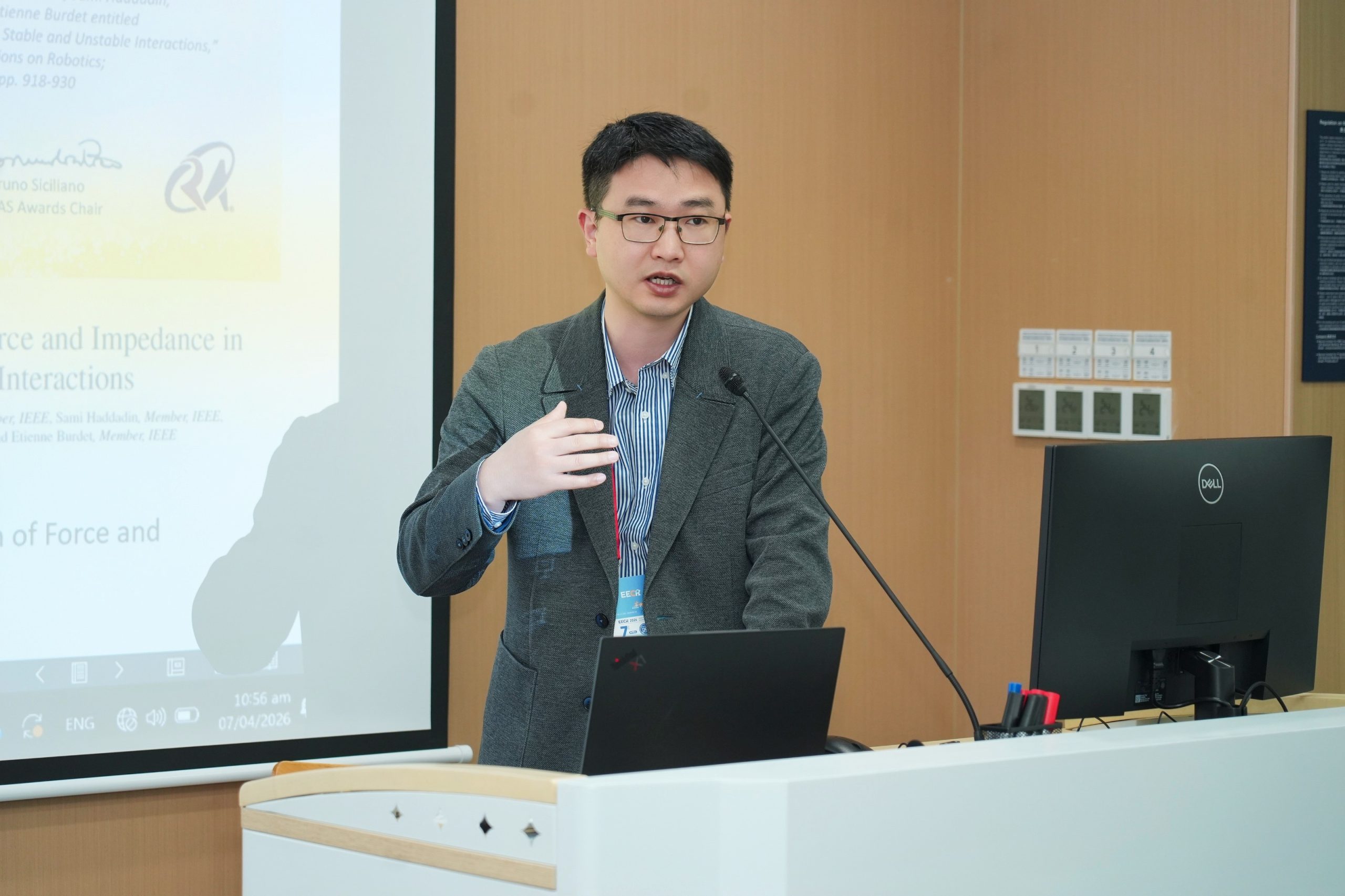
Control, Learning, and Perception: Professor Chenguang Yang (IEEE Fellow, The Hong Kong Polytechnic University) explored the integration of control, learning, and perception. He introduced "Learning from Demonstration" methods for robot skill acquisition, showcasing how neural-inspired impedance models and biomimetic sensors significantly improve robot adaptability and human-robot interaction.
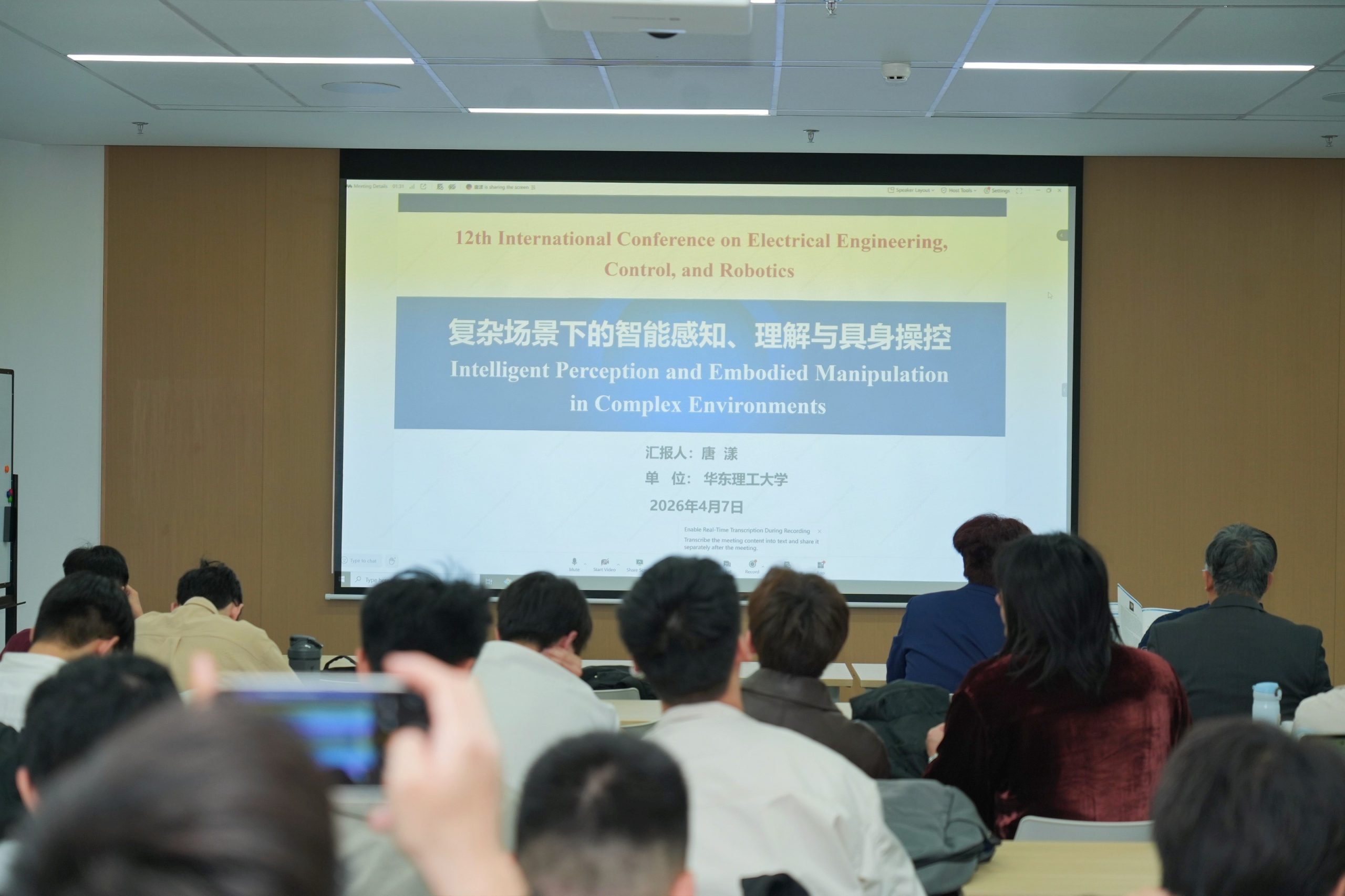
Embodied Intelligence: Professor Yang Tang (IEEE Fellow, East China University of Science and Technology) discussed "Intelligent Perception and Embodied Manipulation in Complex Environments." He addressed the technical pathways for integrating perception, decision-making, and execution, with a particular focus on autonomous operation in extreme conditions, providing a valuable reference for the next generation of autonomous systems.
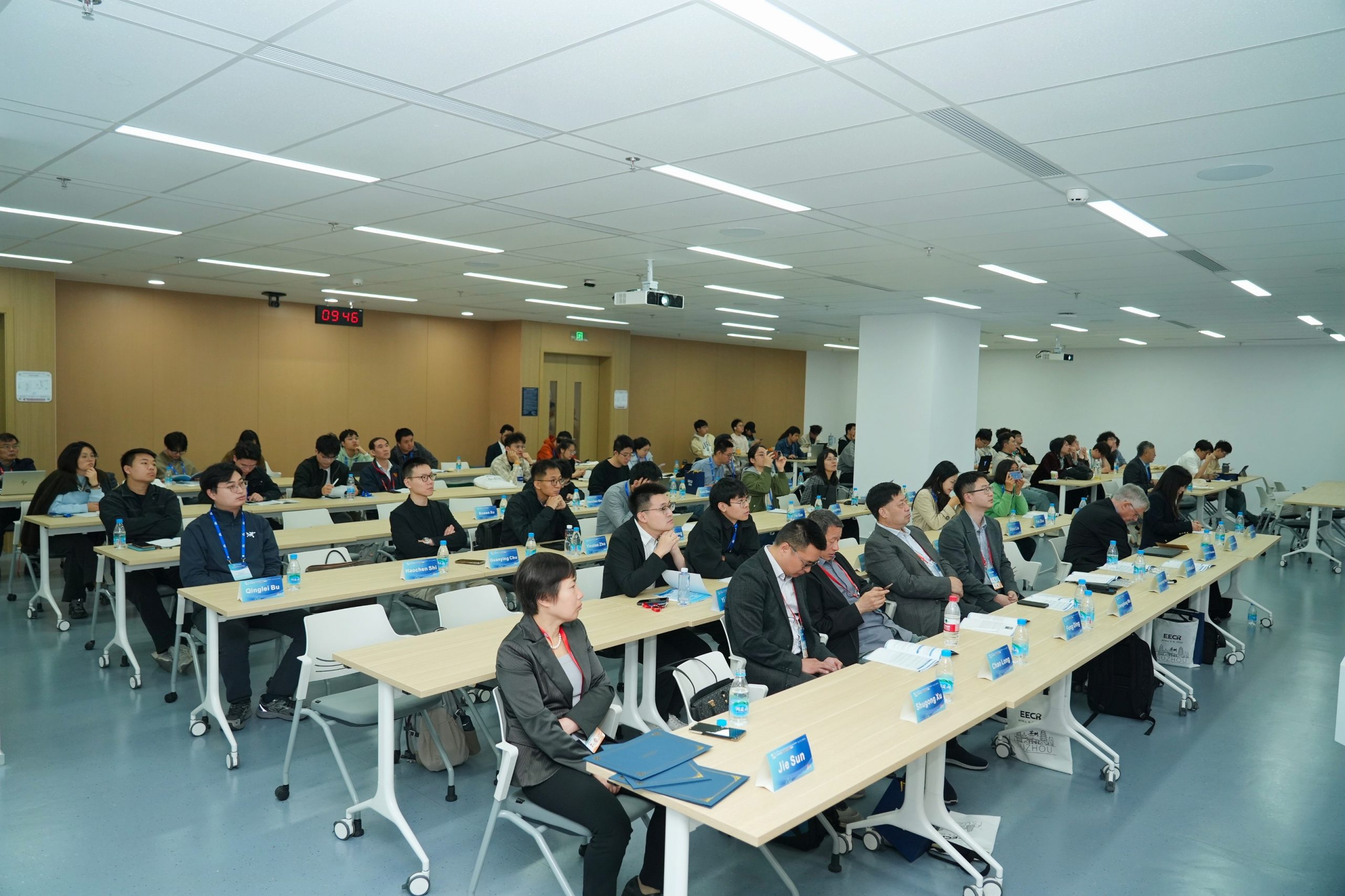
In addition to the keynote speeches, the conference featured multiple technical sessions covering topics such as intelligent robot motion control, autonomous systems, system identification, power electronics for new energy, and structural design for unmanned systems. The lively exchanges during these sessions underscored the growing trend toward cross-disciplinary integration.
The conference also presented awards for the Best Paper, Best Student Paper, and Best Oral Presentation to encourage high-level research and enhance the visibility of academic contributions.
As a prominent academic platform, the EECR series has been successfully held in cities including Changzhou, Guangzhou, Wuhan, and Xiamen for eleven consecutive years. The success of EECR 2026 not only upholds the high academic standards of the series but also provides fresh momentum for international research collaboration and technological development in the field.
Story provided by Department of Mechatronics and Robotics
21 Apr 2026