





XJTLU Business Chinese Course Fieldwork to UTC

08 May 2026


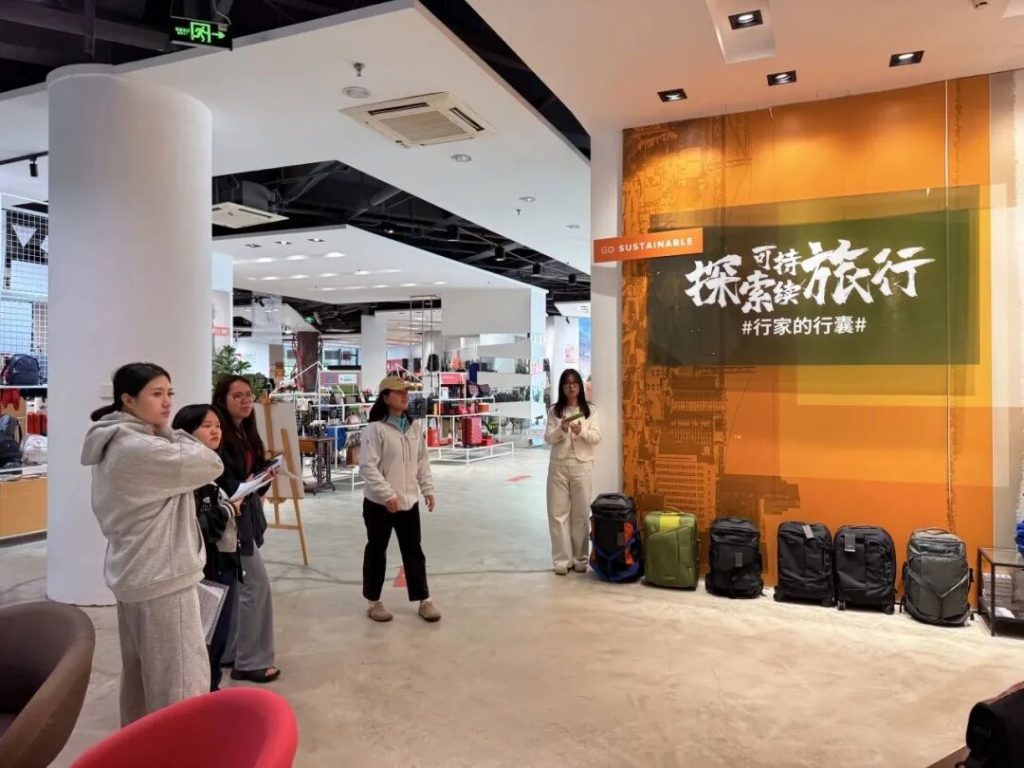
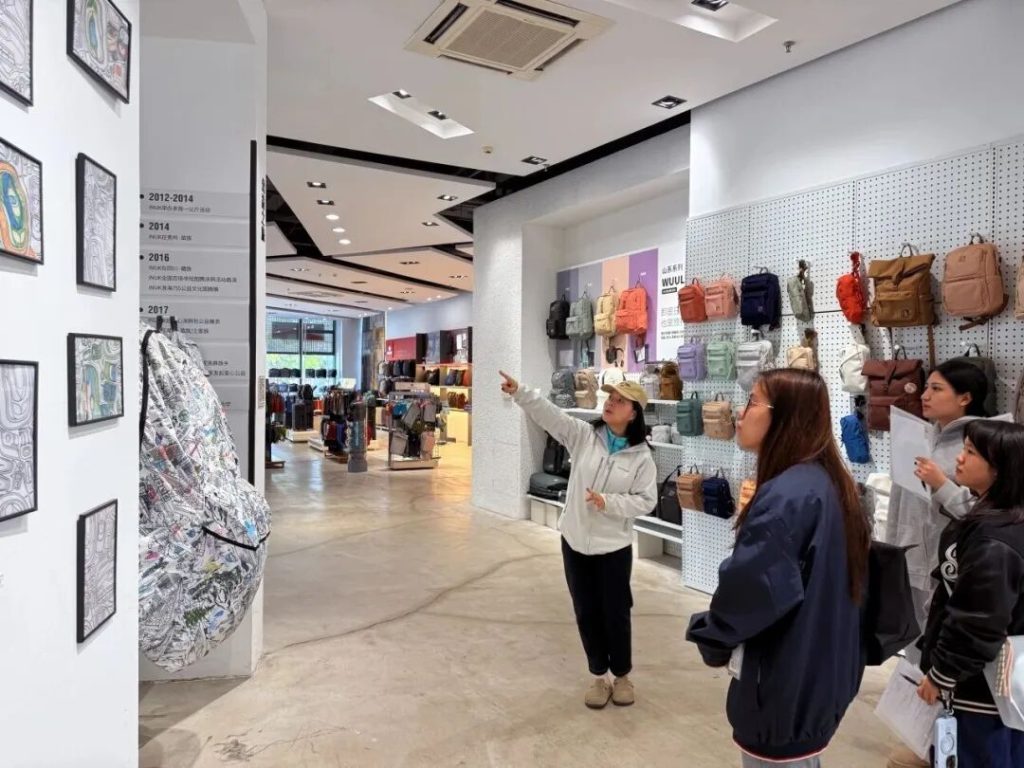
In the CLT305 Business Chinese course at Xi’an Jiaotong-Liverpool University, learning doesn't stop when classroom time ends. On April 8, students from the course visited the UTC, Ultimate Traveler Club. Led by Ms. Yang, head of marketing at UTC, they got to see firsthand how a company builds circular economy principles, social responsibility, and community engagement into its day-to-day operations.
Since the course began, it has followed a "language in action" approach: students learn the language in class, see how it's used in real companies, and test out ideas through hands-on work. The goal is to connect language skills with business understanding in authentic settings.
At UTC, each student received a task sheet. It listed three real consumer pain points: fast fashion's constant turnover is hurting the environment (a social pain point); shoppers feel guilty tossing out old items just to buy new ones (an individual pain point); and the shopping experience often lacks a sense of participation or connection (an emotional pain point). With these questions in mind, students walked through the center with the employees—watching, listening, and thinking. By the end, they found their own answers hidden in UTC's everyday operations.
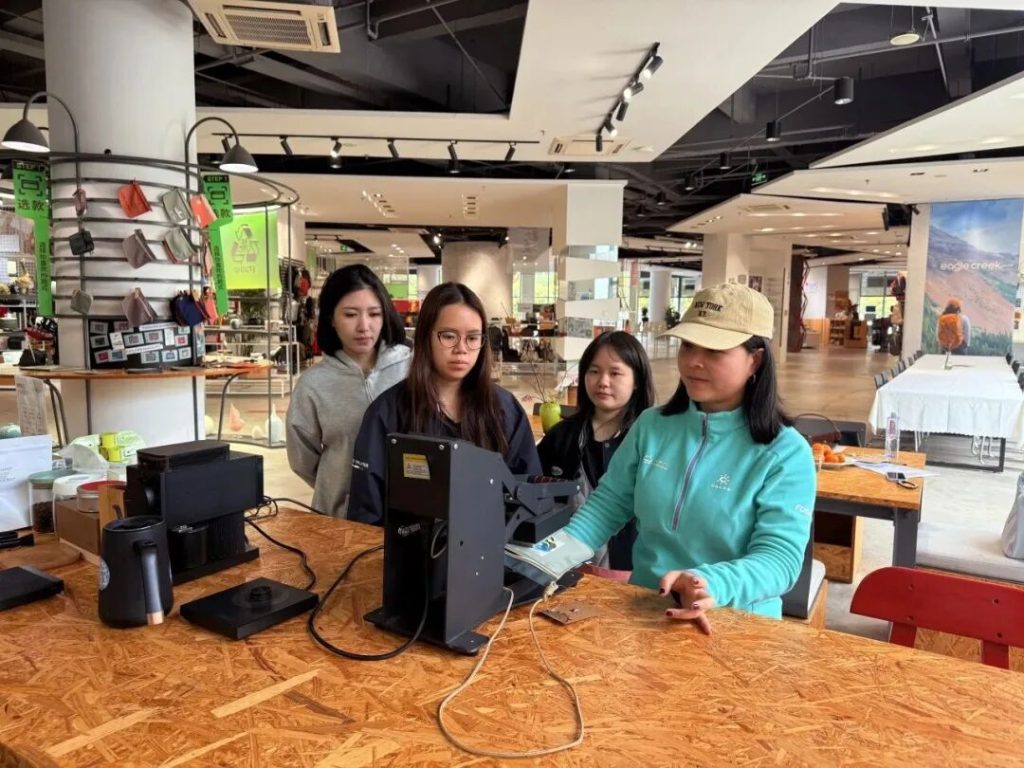
But it wasn't all theory. During a workshop, students used leftover materials from luggage production and 100% recycled fabrics to make their own small bags. Cutting, assembling, designing, finishing—watching a bag come together made the idea of a "sustainable circular economy" feel concrete and real.
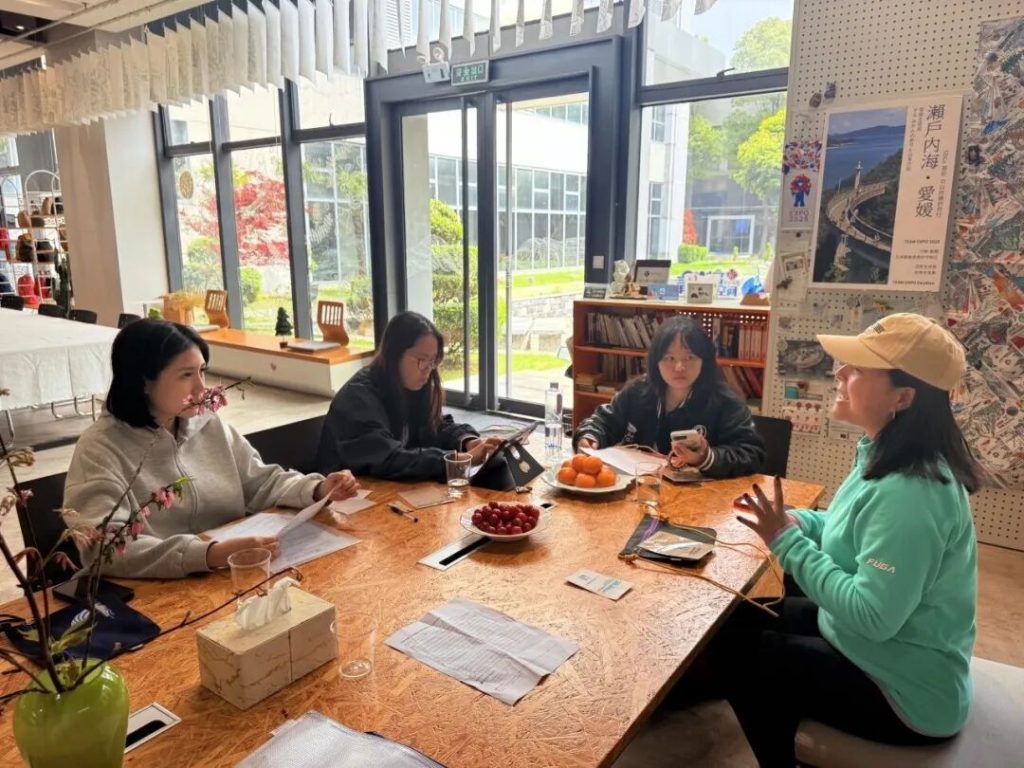
After the workshop, students interviewed UTC's frontline staff to ask about real-world topics such as livestreaming scripts, platform strategy, and user engagement. At lunch, they joined UTC employees in the staff cafeteria, getting an authentic taste of the company's work culture and employee benefits.
The module leader, Haixia Wang, said that this kind of field trip doesn't just help students apply what they've learned in the classroom to real business settings—it also shows them how sustainability actually works in practice. "Moving forward," she said, "we'll continue to deepen our partnerships with companies, so that students can truly strengthen their language skills, cultural understanding, and sense of social responsibility in real business environments."
08 May 2026