



Global Public Policy in an Uncertain Era: XJTLU international conference explores Industrial policy, innovation, and global governance in focus at XJTLU conference

20 May 2026


On 15 May, XJTLU’s Department of International Studies organised a conference themed “Forging the Future: Institutions, Economics, and Society”. The event drew nearly 200 scholars and experts from universities, research institutions, and policy organisations around the world to Suzhou, where they discussed global public policy, industrial policy, geopolitics, technological innovation, climate governance, and state-market relations.
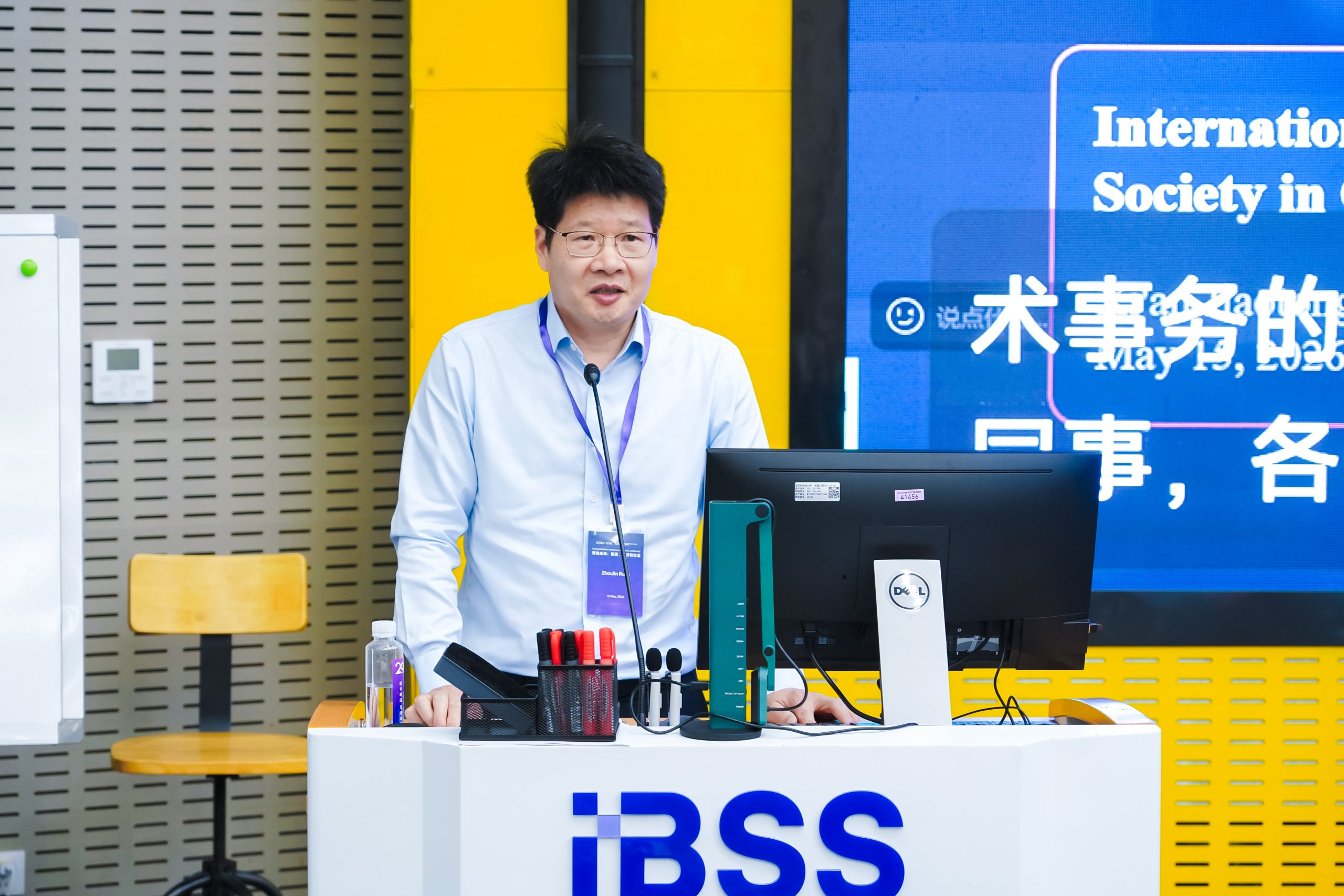
Professor Zhoulin Ruan
In his opening remarks, Professor Zhoulin Ruan, Vice President for Academic Affairs, said the conference theme aligned closely with the University’s mission of promoting innovation and addressing global challenges. He emphasised that issues such as international cooperation, sustainability, and technological development cannot be solved by any single country or discipline alone, and called for greater cross-border and interdisciplinary collaboration.
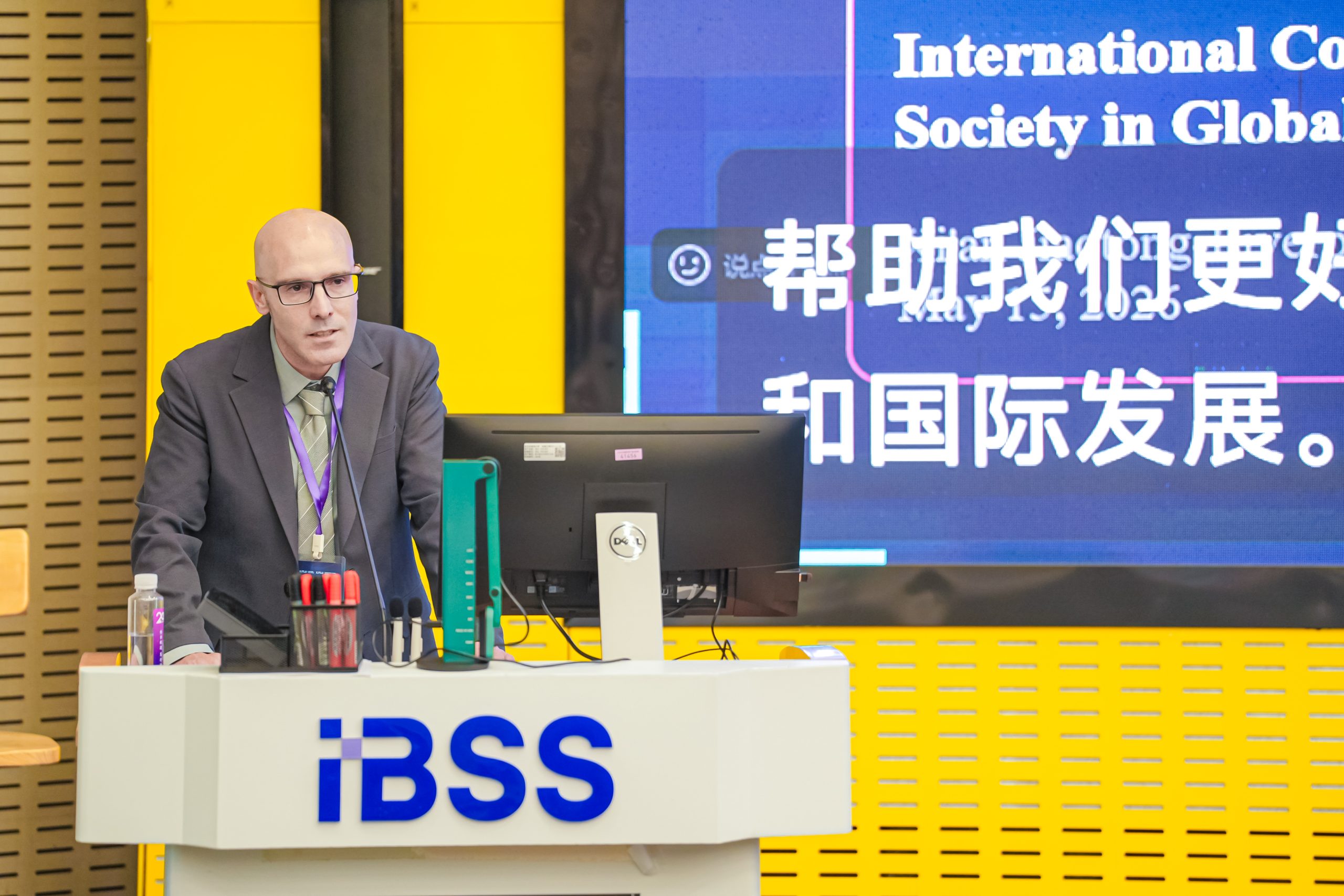
Dr Francesco Macheda
Dr Francesco Macheda, Head of the Department of International Studies, noted that the global economy is entering a new period of uncertainty. Models once driven by market liberalisation and globalisation are now facing structural challenges. He said the conference aimed to create a platform for rethinking how governments, markets, and international organisations can cooperate more effectively in industrial development, employment growth, and global governance.
Understanding global change
Several internationally renowned scholars delivered keynote speeches during the conference.
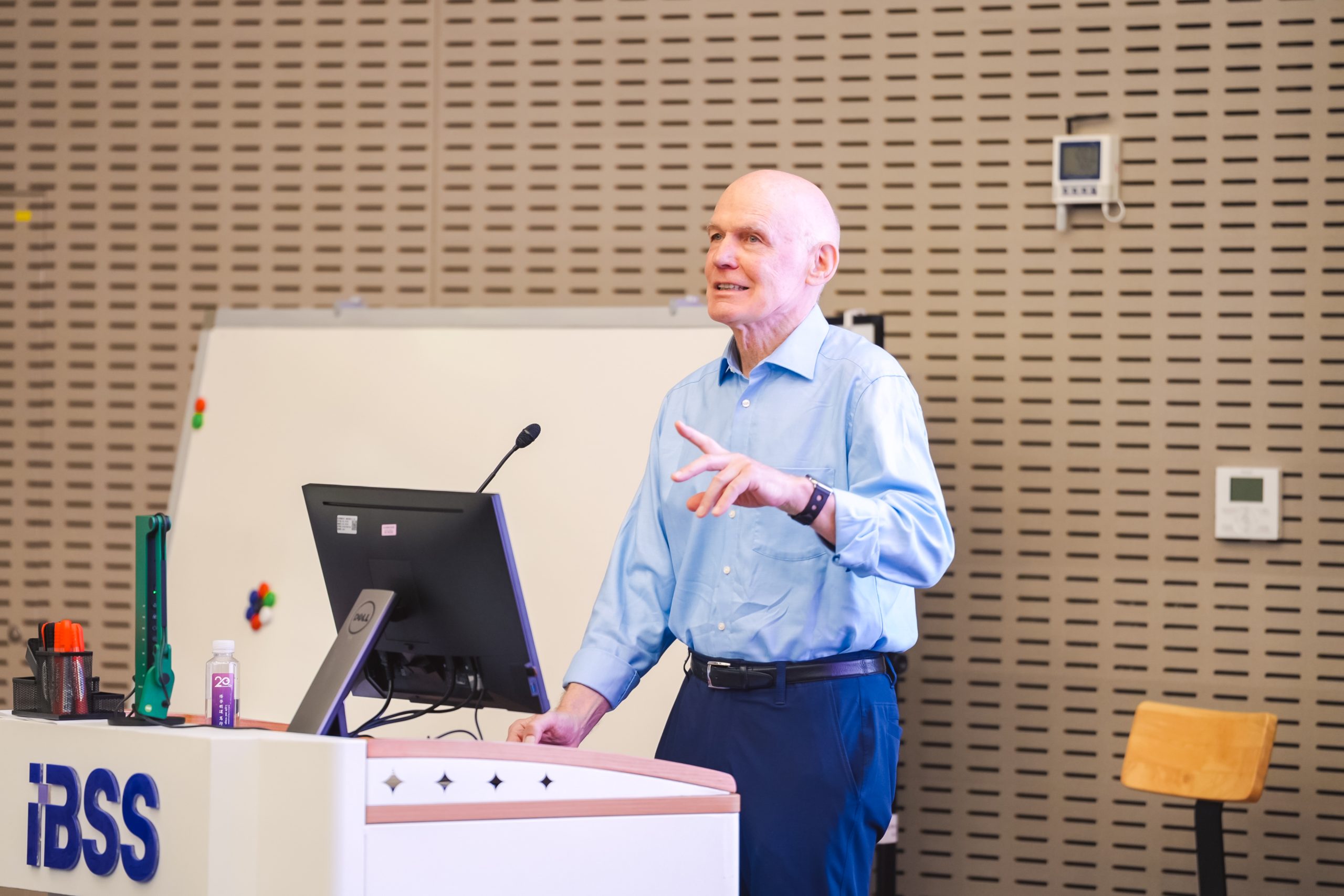
Professor Robert Wade
Professor Robert Wade from the London School of Economics and Political Science focused on the return of industrial policy. He argued that industrial policy should not simply be understood in the traditional sense, but as government support for sectors and capabilities considered strategically important for future development. As global supply chains shift from prioritising efficiency to emphasising resilience and security, industrial policy is becoming increasingly tied to technological competition, economic security, and geopolitical strategy.
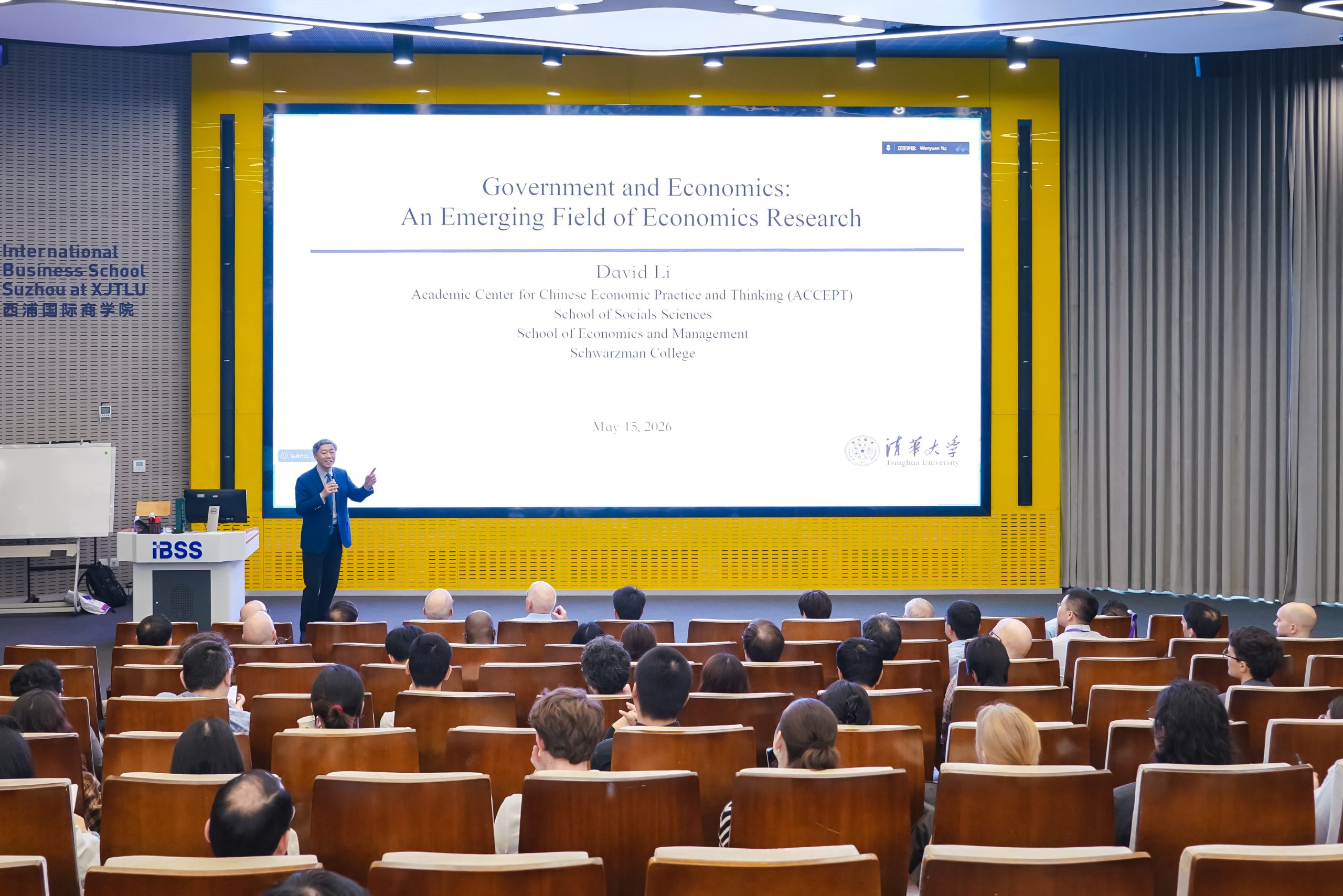
Professor David Daokui Li
Professor David Daokui Li from Tsinghua University argued that understanding modern economies requires governments themselves to be included in economic analysis. In his view, governments are no longer external regulators of the market, but active participants shaping economic outcomes through policy incentives and institutional arrangements. He also stressed that China’s economic development experience cannot be fully explained by existing Western frameworks alone, and called for a social science knowledge system rooted in China’s own practices and realities.
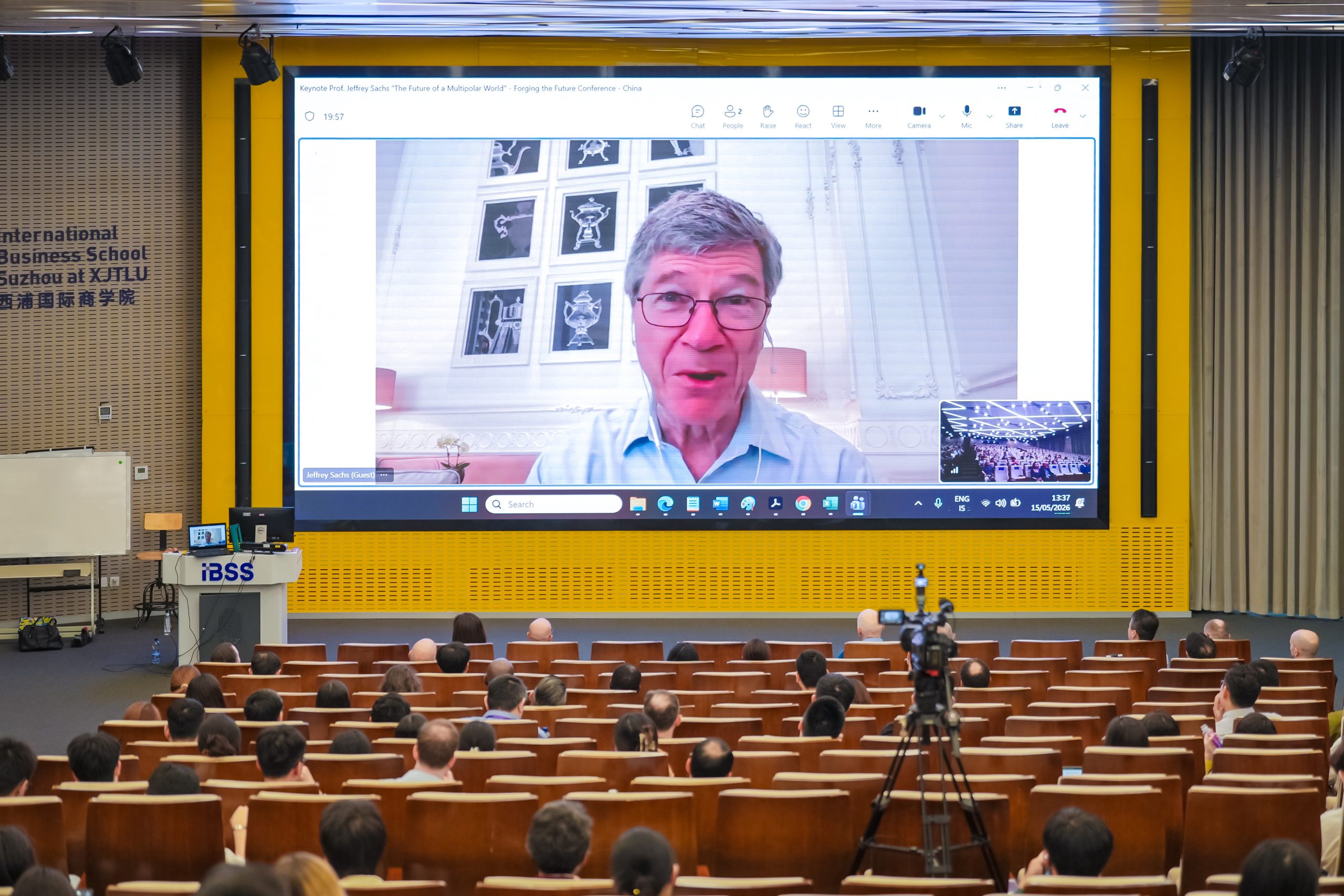
Professor Jeffrey Sachs
Professor Jeffrey Sachs from Columbia University discussed the rise of a multipolar world through the lenses of economic development, technology, environmental pressures, and demographic change. He argued that the world is moving irreversibly toward multipolarity, driven partly by the rapid development of countries previously affected by colonialism and imperialism. At the same time, digital technology, green innovation, and artificial intelligence are reshaping global economies and creating new opportunities for developing countries. Professor Sachs also noted that multipolarity alone cannot eliminate conflict, but stronger international cooperation and multilateral mechanisms may help different regions prosper together. During the Q&A session, he highlighted the potential role of XJTLU and its students as a bridge between China and the wider world.
A roundtable discussion brought together Professor Robert Wade, Professor David Daokui Li, Professor Adam Cross from XJTLU International Business School Suzhou, and Professor Ji You from the School of Humanities and Social Sciences, moderated by Dr Lina Gong from XJTLU’s Department of International Studies. The panel argued that industrial policy today extends beyond economic growth to encompass national security and supply chain resilience, and that companies must prioritise risk management while governments balance intervention with market dynamics.
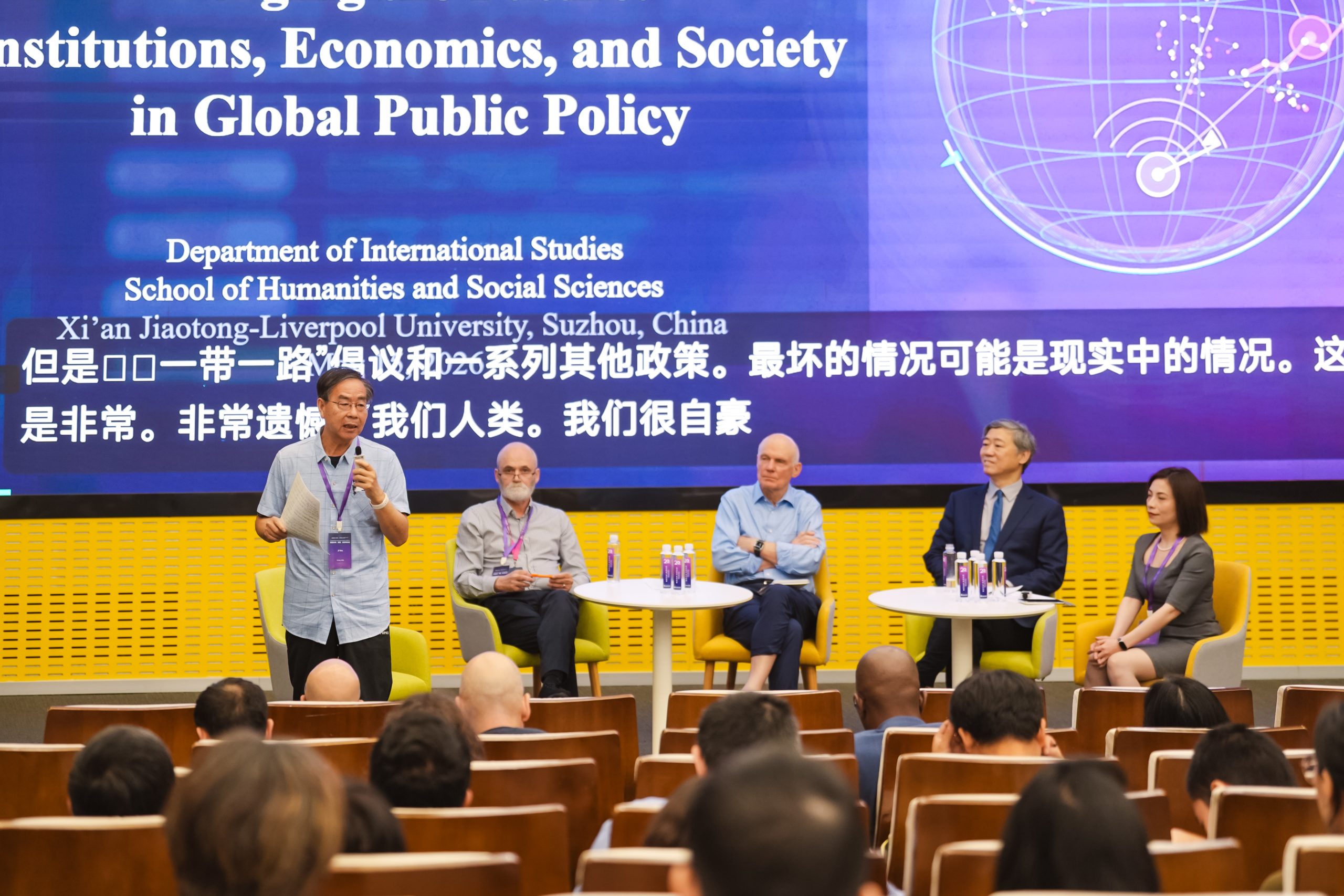
From left: Professor Ji You, Professor Adam Cross, Professor Robert Wade, Professor David Daokui Li, and Dr Lina Gong
In addition to keynote speeches and panel discussions, the conference featured six parallel sessions covering topics such as geopolitical risks, global governance, inequality and development, infrastructure and finance, and climate and technology governance. Scholars from different disciplines exchanged perspectives on institutional transformation, theoretical innovation, and global solutions to real-world challenges.

Student poster exhibition at the conference sidelines

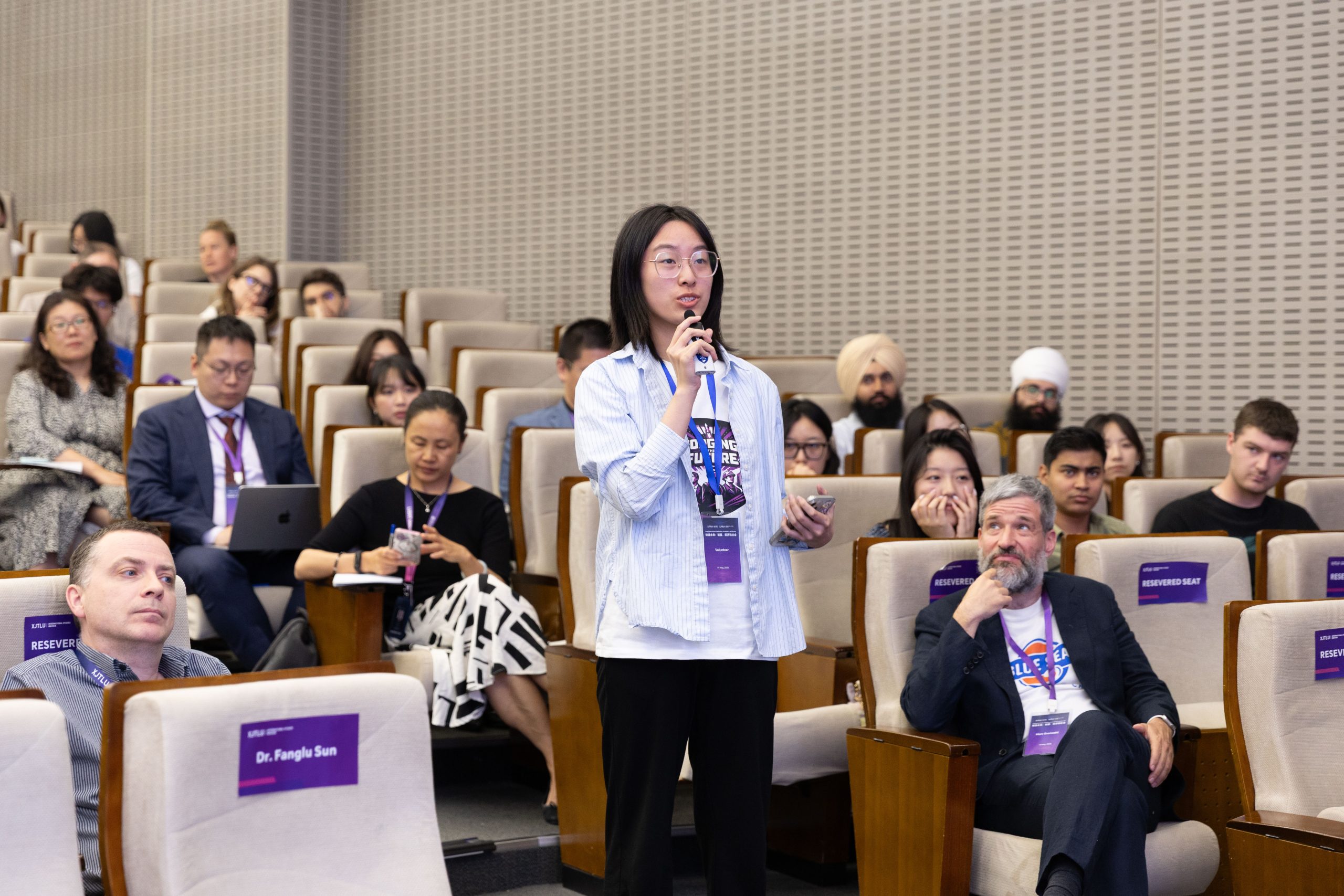
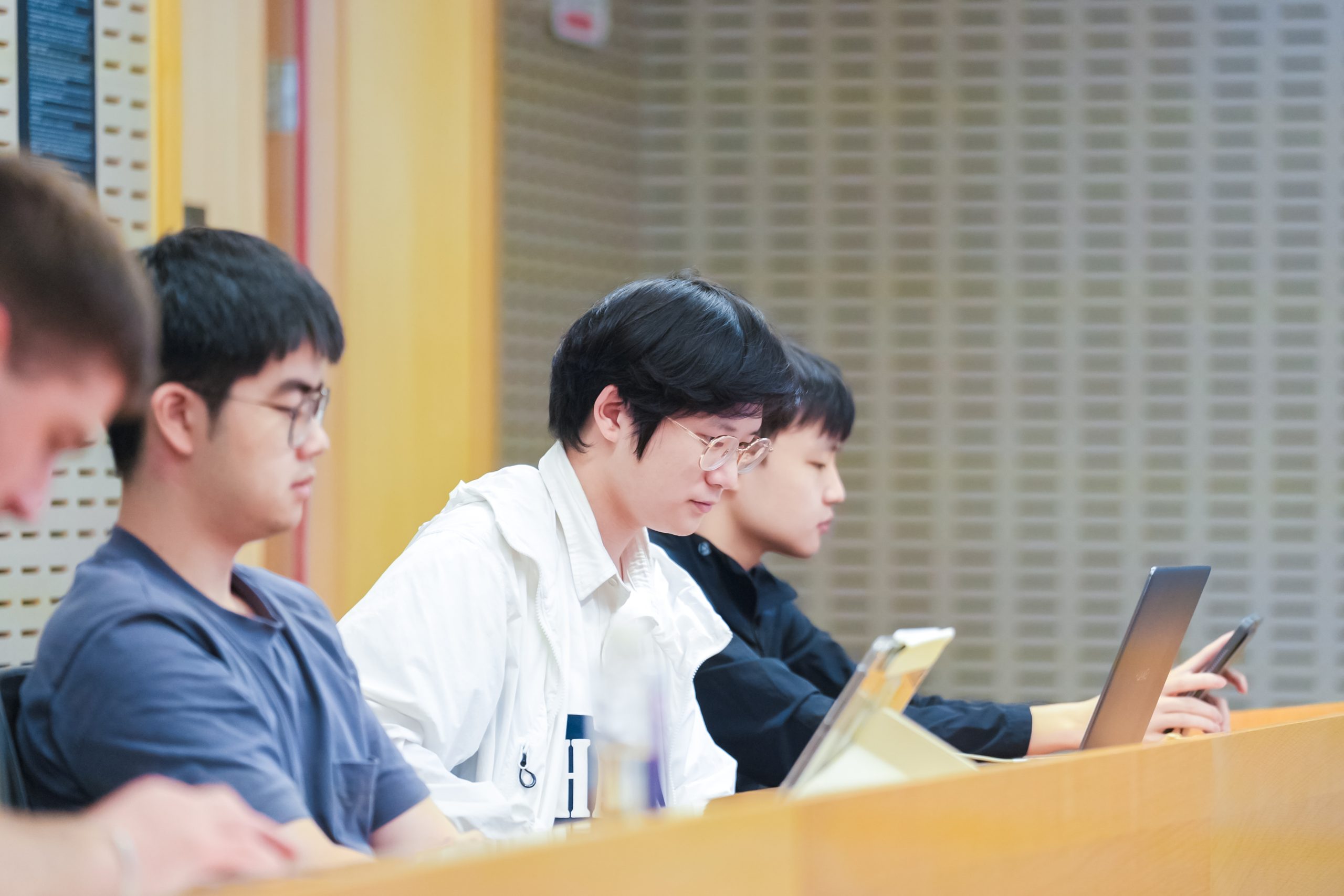
“A Conversation with Journal Editors” was a highlight of the afternoon sessions, chaired by Dr Fanglu Sun, Deputy Head of the Department of International Studies at XJTLU. Professor Yijia Jing from Fudan University (Editor-in-Chief of Global Public Policy and Governance), Professor Shuoying Chen from the Chinese Academy of Social Sciences (Editor-in-Chief of International Critical Thought), Professor Biao Zhang from China University of Political Science and Law (Associate Editor of Asian Europe Journal), and Professor Li Shao from Zhejiang University (Associate Editor of Asian Journal of Comparative Politics) discussed academic publishing, research topic selection, theoretical and methodological innovation, and how early-career scholars can engage in international academic dialogues more effectively.
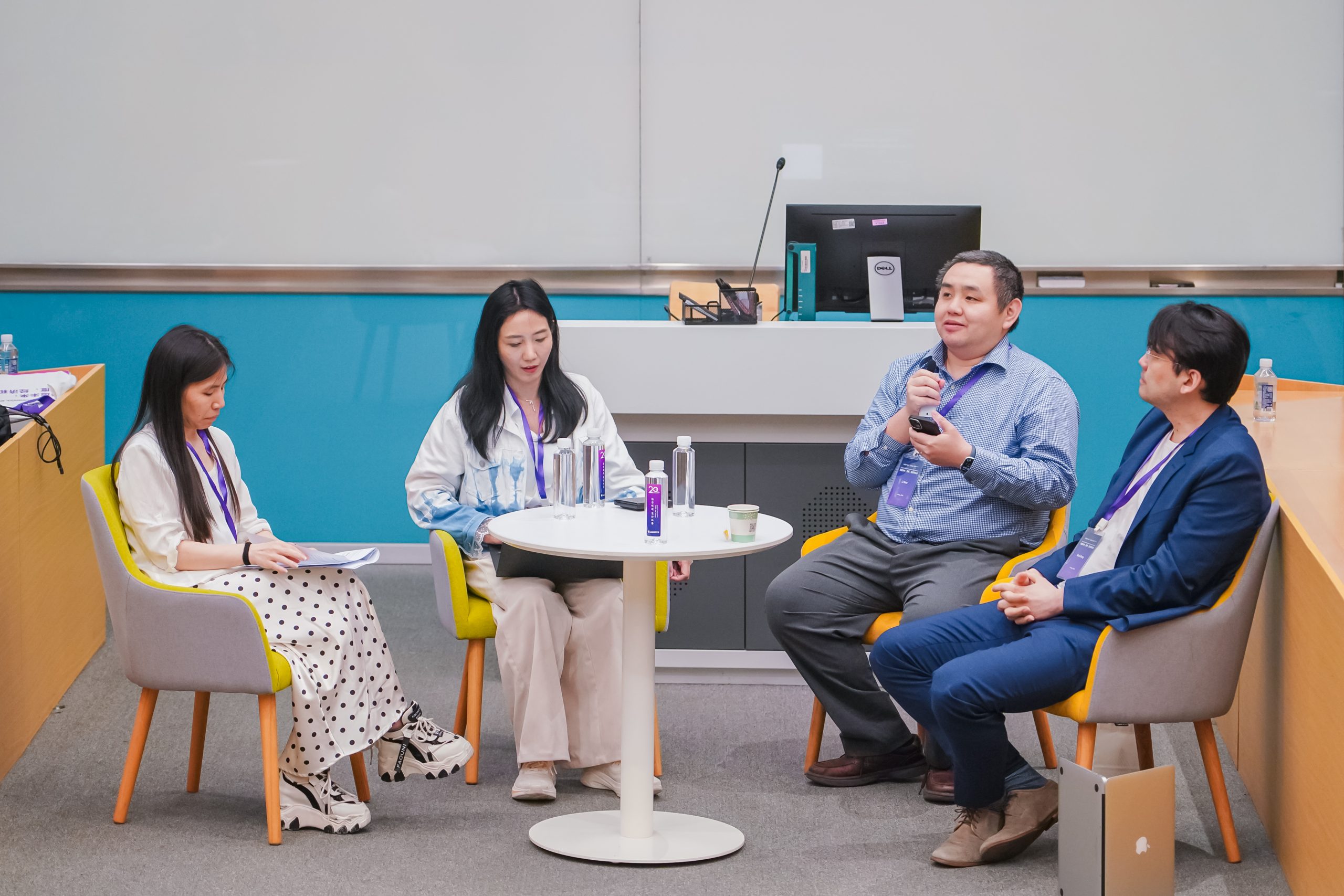
A Conversation with Journal Editors (from left to right): Dr Fanglu Sun, Professor Shuoying Chen, Professor Li Shao, and Professor Biao Zhang, with Professor Yijia Jing joining online.
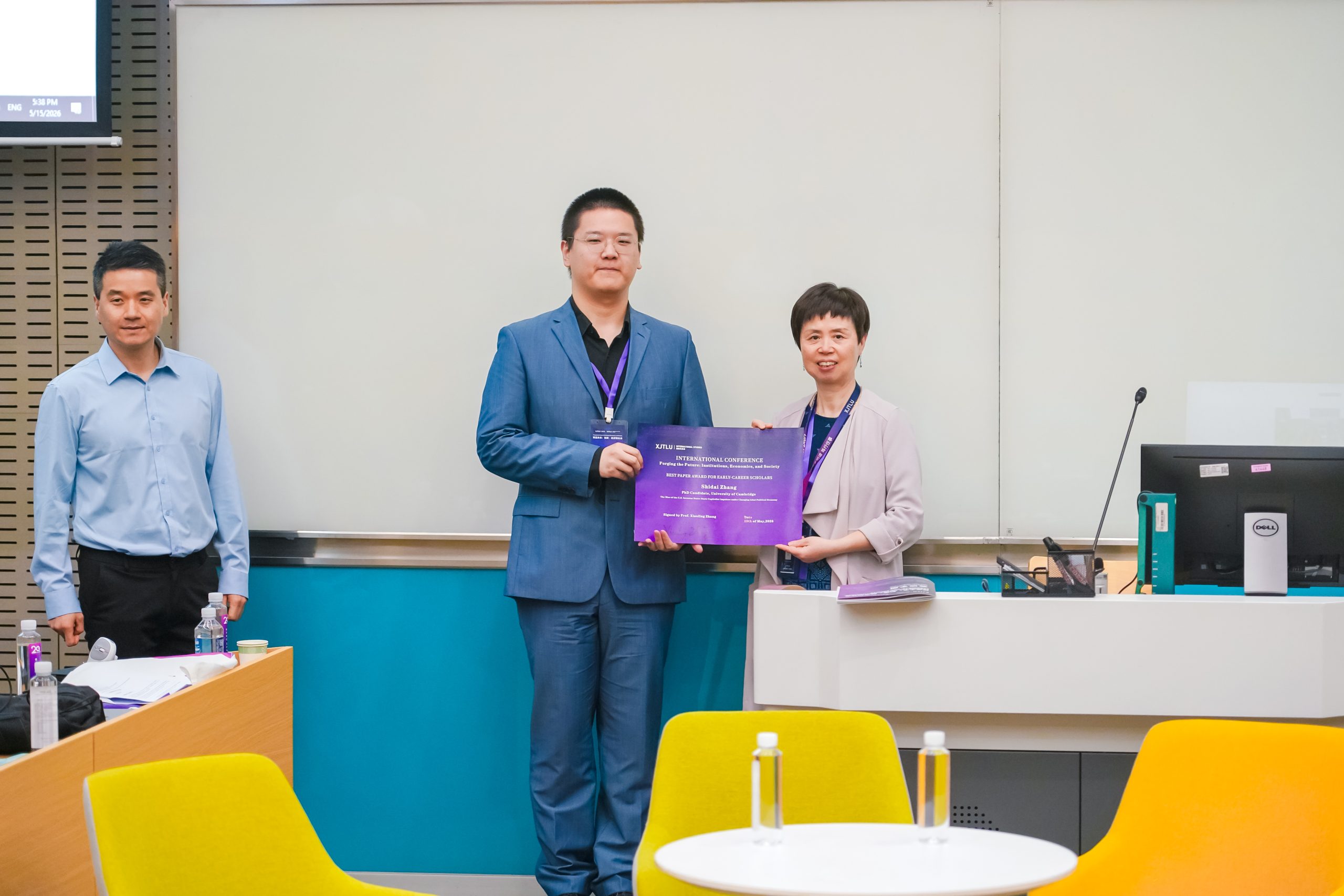
Professor Xiaoling Zhang (right), Dean of XJTLU’s School of Humanities and Social Sciences, presented the ‘Best Paper Award for Early-Career Scholars’
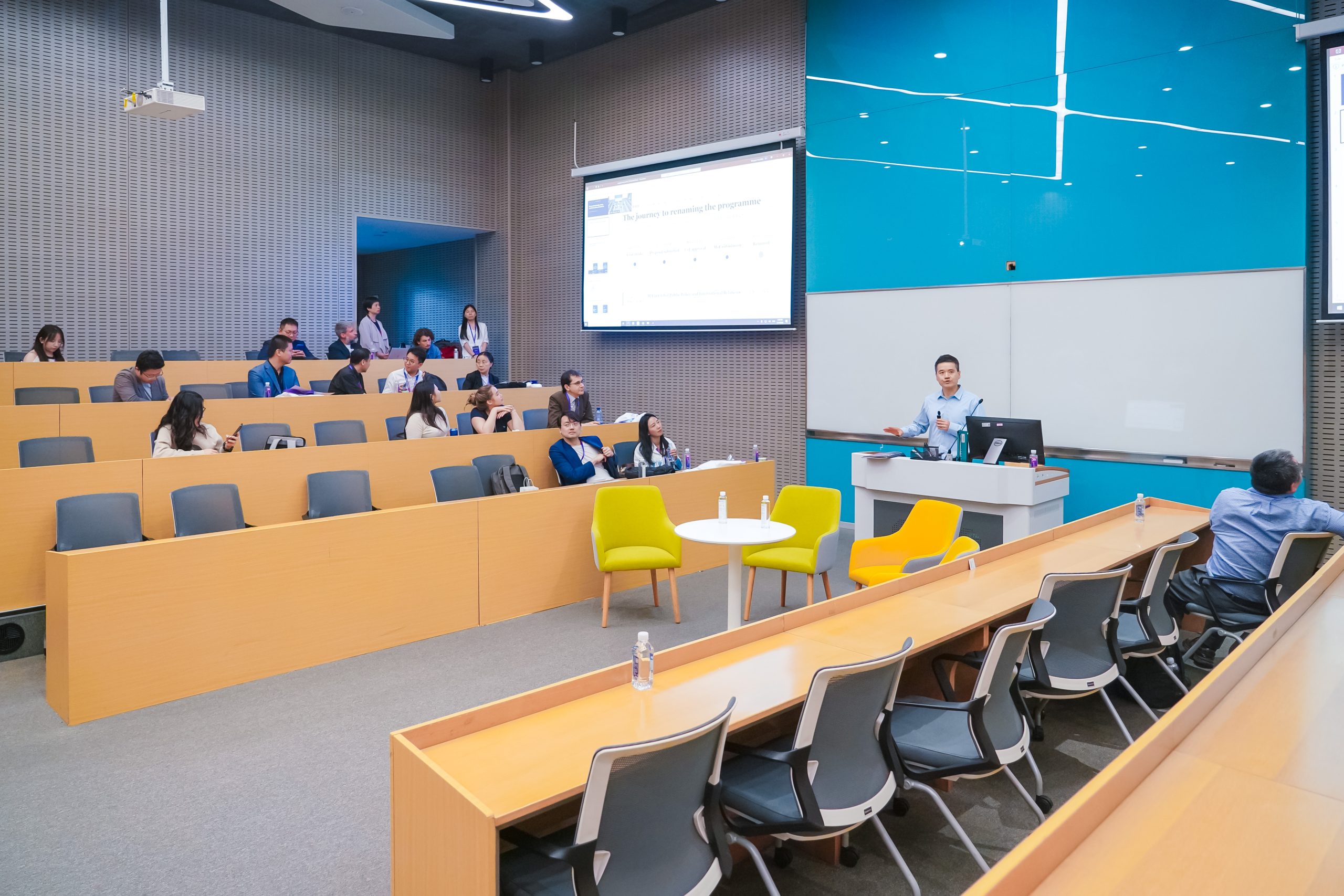
Dr Tian He, Director of the MA Global Public Policy and International Relations programme, launched the reformed programme and introduced its highlights and new features
By Yiyi Gu
Edited by Xinmin Han
20 May 2026