




12 Jun 2026


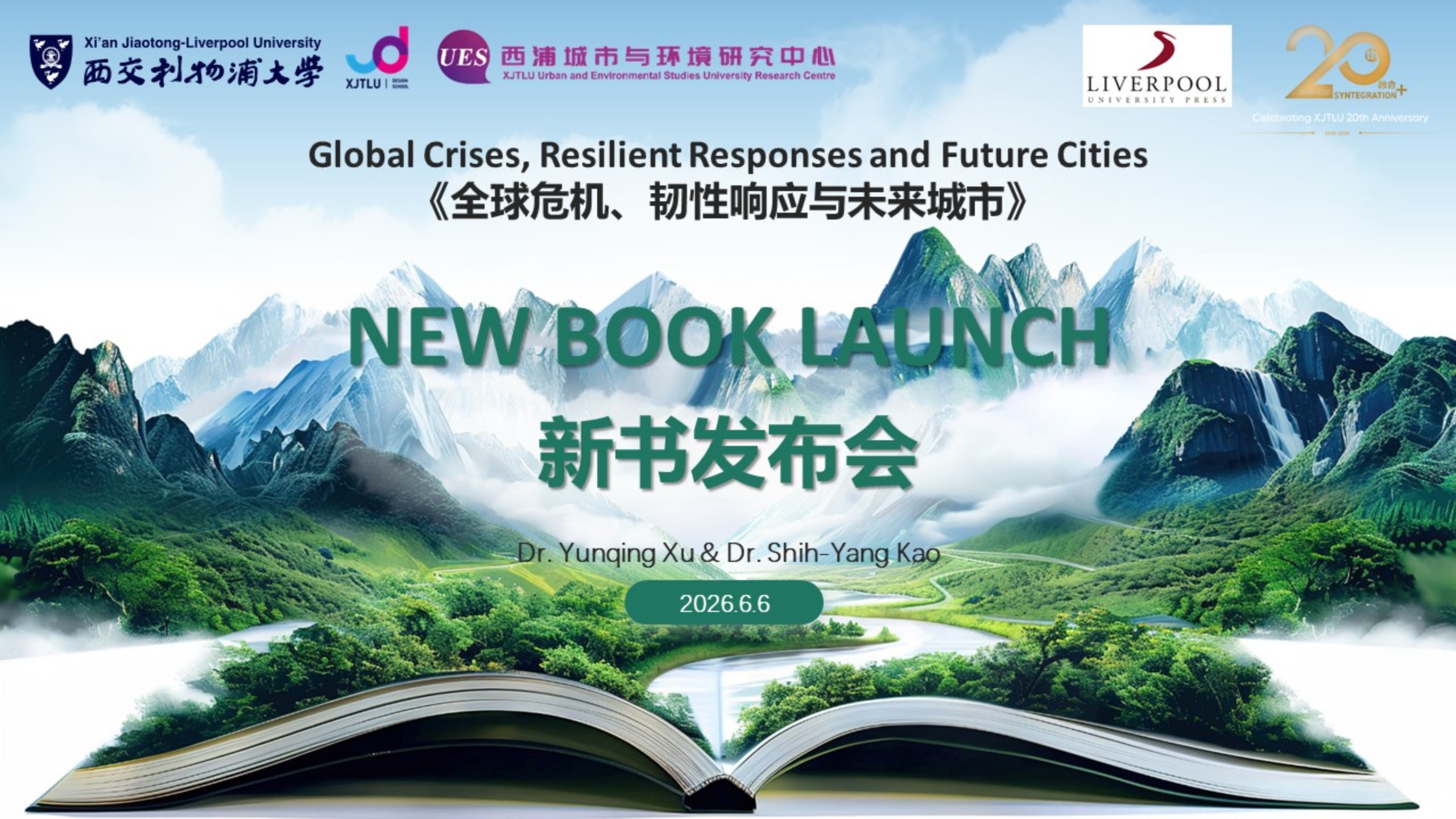
Facing global crises, climate change, intensifying inequality, and complex challenges brought by technological transformation, where should future cities head? A new book organised by the XJTLU Research Centre for Urban and Environmental Studies (UES), 'Global Crises, Resilient Responses and Future Cities,' has just been published by XJTLU IMPRINT and Liverpool University Press.
On 6 June 2026, the new book launch and international expert dialogue were successfully held at XJTLU Suzhou Industrial Park Campus. The event was co-hosted by Dr Yunqing Xu, Director of the UES, and Senior Associate Professor in the Department of Urban Planning and Design, and Dr Shih-Yang Kao, Assistant Professor in the Department of Urban Planning and Design, who are the editors of this book. The event, combining online and offline participation, brought together experts from home and abroad, and chapter authors from XJTLU, to conduct a high-level dialogue on urban resilience across disciplines, regions, and countries.
New Book Preview
Expert Pool: Exclusively bringing together 17 global policymakers, industry leaders, professors and scholars, NGO organisers, and the private sector, integrating international perspectives with forefront Chinese practices.
Candid Interviews: Breaking traditional frameworks by adopting a dialogue and interview format. Focusing on crisis resilience while spanning multiple topics covering global governance, regional planning, digital public health, community self-governance, low-carbon transition, and urban reconstruction financing and so on, providing a dialectical comparative perspective on global and local resilience responses.
Panoramic perspective: Constructing a crisis response network across five main scales, including global, national and regional, city, community, and public spaces.
Interwoven Reflections: Incorporating 5 critical essays written by 5 scholars from the Department of Urban Planning and Design at XJTLU into the multiple dialogues, closely linking practical experience with academic debate and reflections.
Using the book as a medium:
Building a global dialogue platform
Professor Marc Aurel Schnabel, Dean of the Design School of XJTLU, delivered the opening speech. He keenly pointed out: 'Humanity is currently at a critical juncture where immediate action is required. In the face of complex urban crises, there is no single, perfect solution; instead, diverse approaches are needed. This book is not a one-off publication, but a new starting point for us to initiate sustained global discussions.'
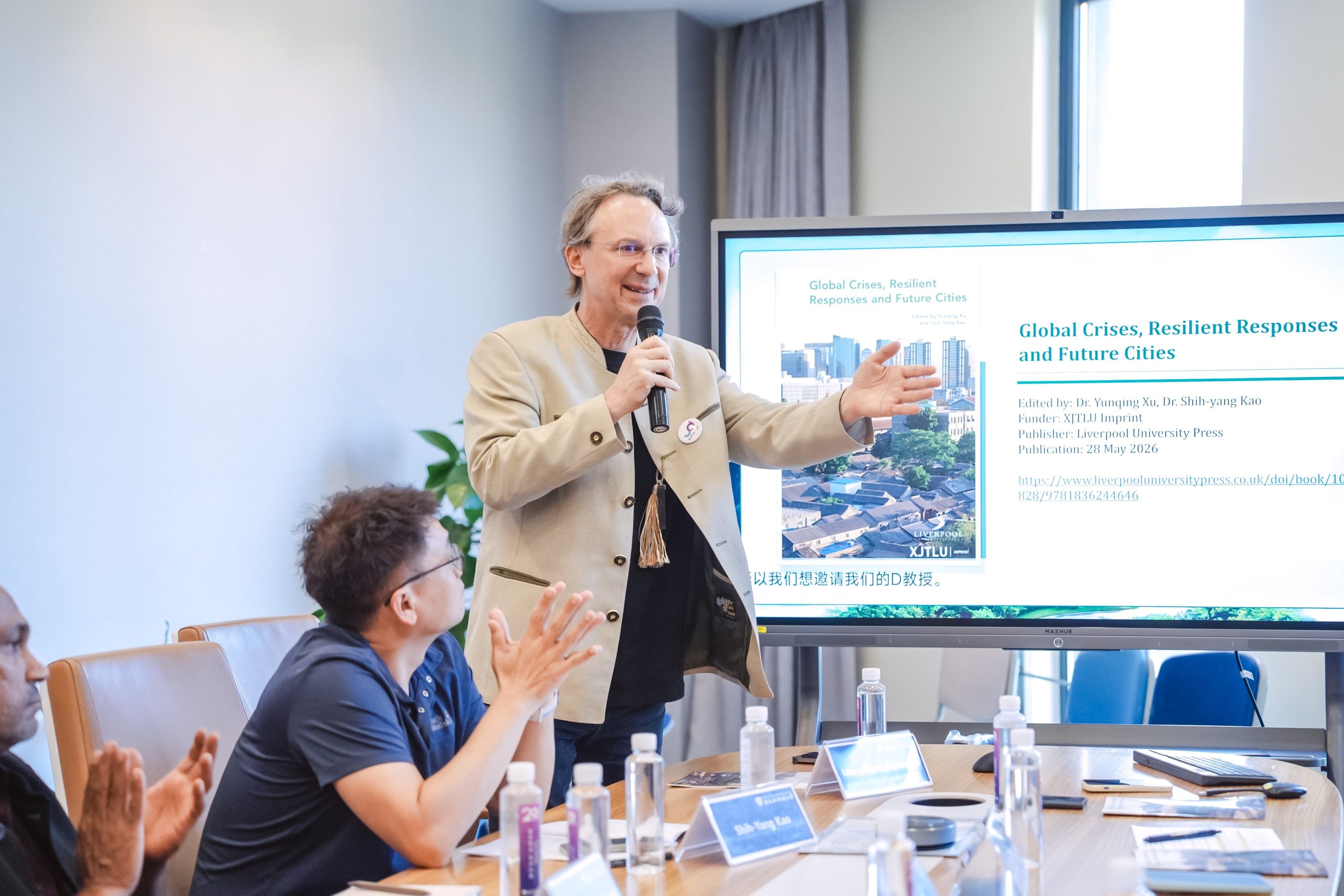
Opening speech by Professor Marc Aurel Schnabel, Dean of the Design School of XJTLU
Editors Dr Yunqing Xu and Dr Shih-Yang Kao introduced the concept, focus, and features of the new book. Dr Yunqing Xu pointed out that there remains a gap in dialogue among academia, policy-making, and industry practices. The book was conceived during a period of intertwined crises, but the 'cloud technology' broke the geographical barriers. She emphasised: ‘We should not merely minimise the negative impacts of crises, but consider them as an opportunity to accelerate needed structural changes in cities. The sharing of global experiences and the collision of multiple perspectives are precisely key to empowering future urban planning and governance.’
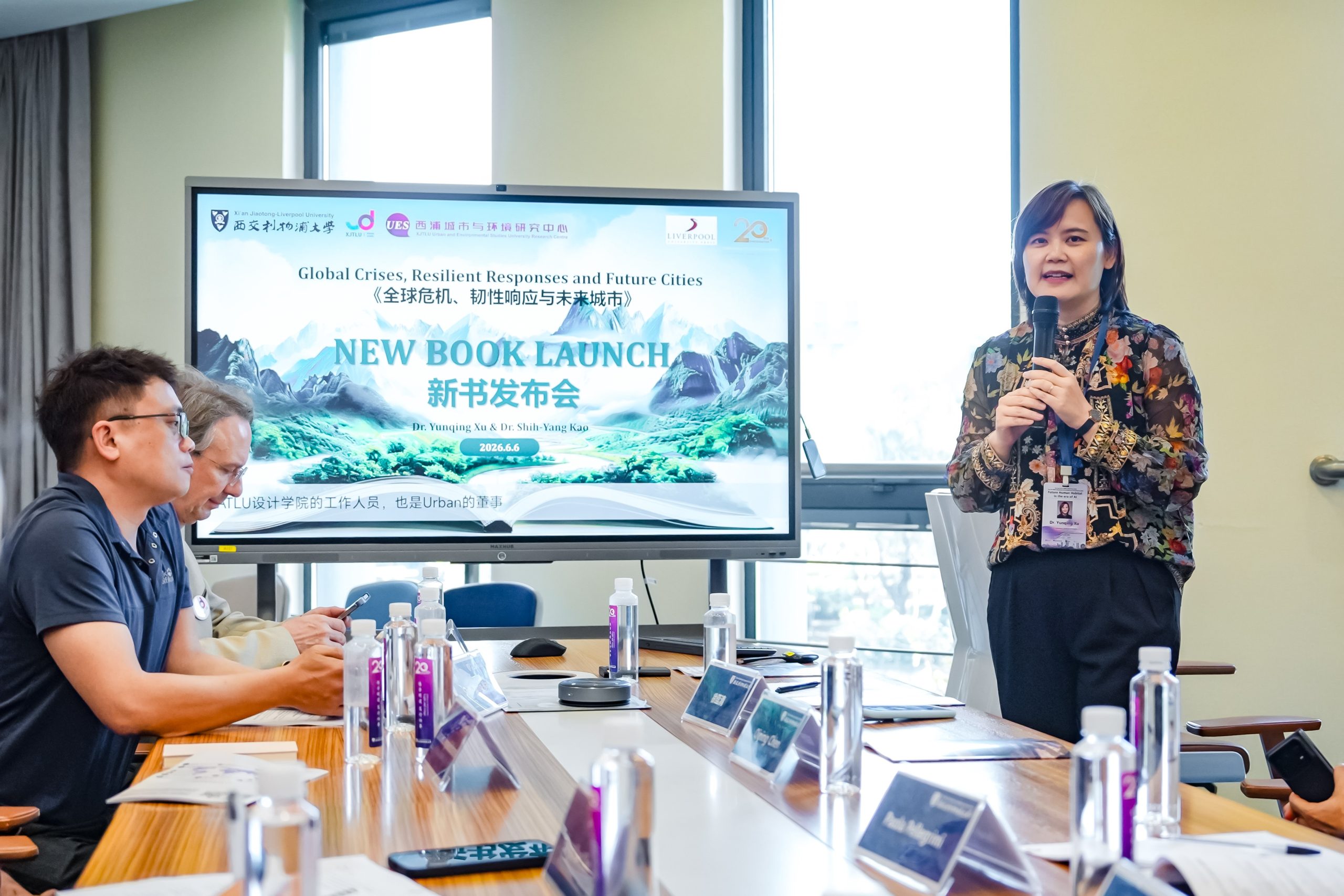
Dr Yunqing Xu, Director of the XJTLU Urban and Environmental Studies Centre (UES) and Senior Associate Professor in the Department of Urban Planning and Design
Dr Shih-Yang Kao introduced the conception and significance of the ‘Five Scales’ in organising the book chapters. He stated that building urban resilience requires ‘multi-scale thinking’, and therefore, the book logically constructs five observational dimensions, from ‘global, national and regional, urban, community' to ‘public space’. He pointed out: ‘These five scales do not exist in isolation. We can observe how global collaboration, regional planning, urban resource allocation, community empowerment and public space reconstruction are interconnected and function together amid uncertainty. The integration of these multi-dimensional perspectives can help us anticipate and respond to the complex 'transnational crises' in an interconnected world.’
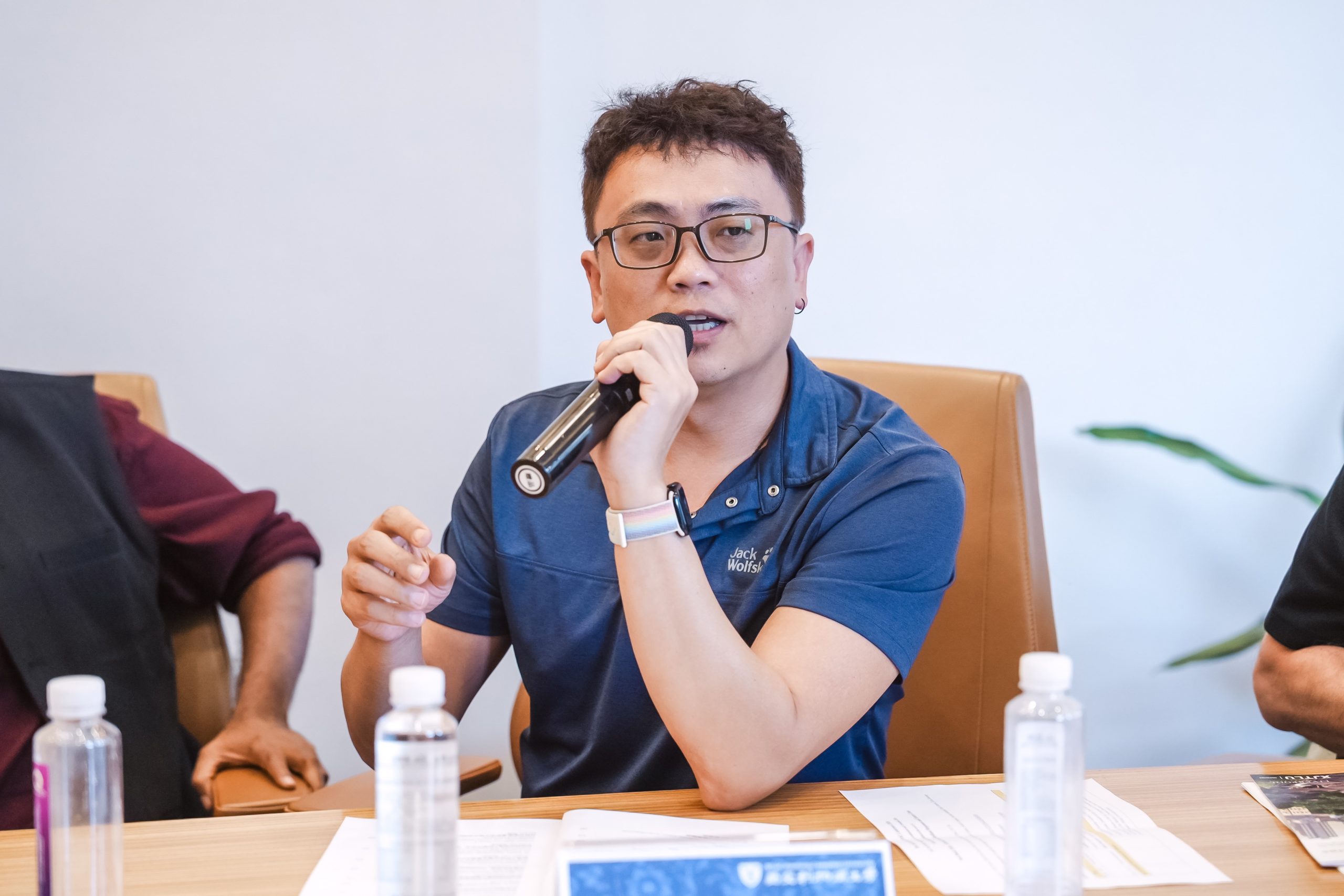
Dr Shih-Yang Kao, Assistant Professor, Department of Urban Planning and Design, XJTLU
The two editors expressed their sincere gratitude to the global experts, chapter authors, the editorial team of research assistants and doctoral students, and the professional and strong support from the publisher. They shared the view that this book is more than an academic achievement, but a bridge connecting theory and practice, as well as the local and the global.
Guest Speech: Focusing on Global Perspectives
and Multi-dimensional Resilience Practices
Moderated by Dr Yunqing Xu, the seven guests participating in the dialogues of this book shared valuable first-hand insights, drawing on their years of research and international practices.
Mr Geoffrey Payne, founder of Geoffrey Payne & Associates (GPA), pointed out that the world is currently facing a severe housing crisis, and the built environment, as the material carrier of social relations, should become an important force for promoting a better future. He emphasised that housing policies need to prioritise the voices and needs of the urban poor. At the same time, land speculation should be restrained through tax policies and other institutional design, guiding private investment to better serve public interest and social value. Drawing on decades of international consulting experience, Mr Payne also shared the diverse pathways he has promoted for urban and housing reform. He particularly introduced the Urban Kickstart Program, where citizens, professionals and organisations jointly identify urban issues, refine solutions, and draft 1000-word reform proposals spark public discussion and action. He believes grassroots participation, cross-sector collaboration, and sustained advocacy drive equitable, sustainable urban transformation.
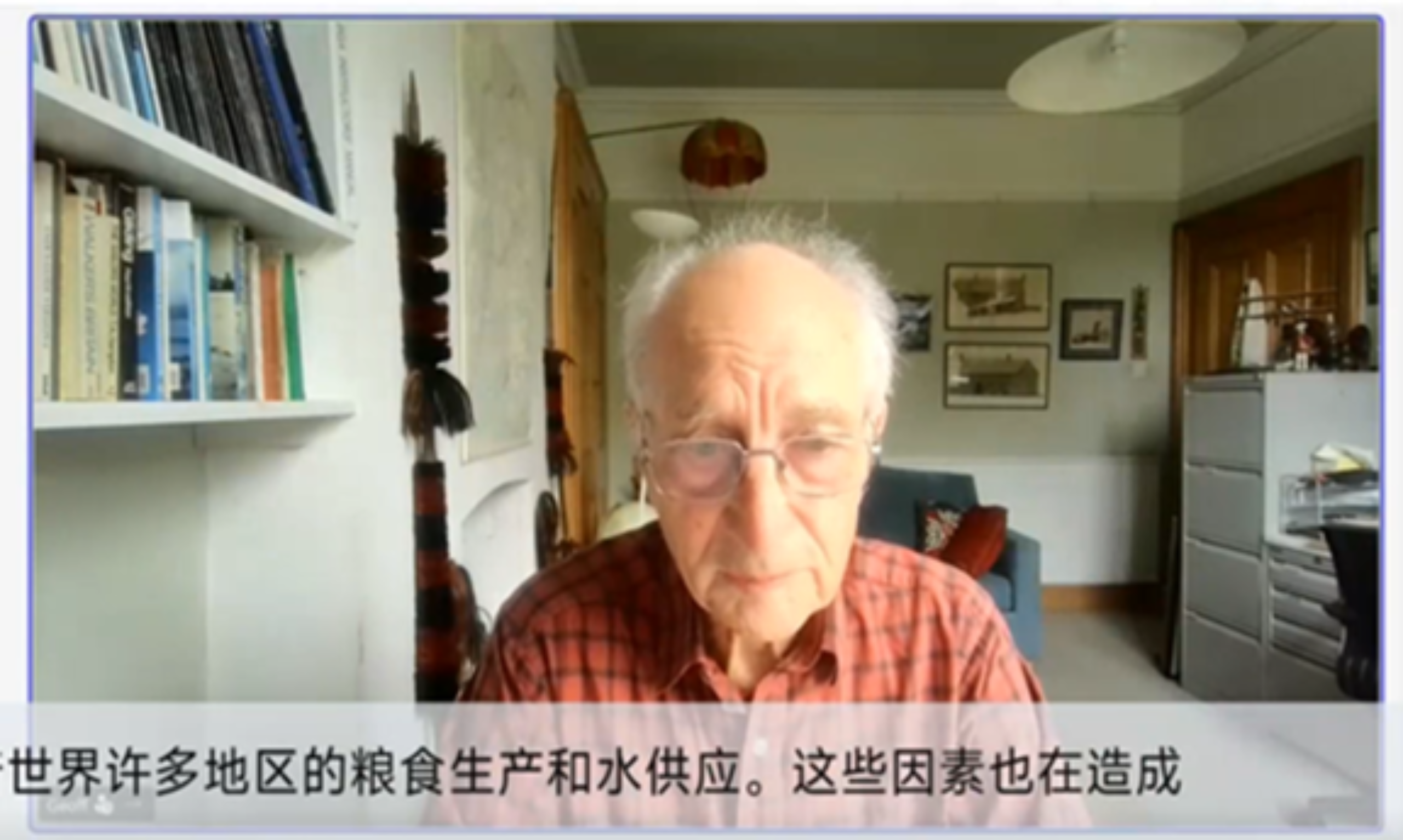
Geoffrey Payne online sharing
Changchun Feng, Boya Distinguished Professor at Peking University and Director of the Key Laboratory of Land Spatial Planning and Development Protection under the Ministry of Natural Resources, pointed out that Chinese cities have shifted from incremental expansion to quality improvement, with the greatest challenge being 'uncertainty'. To address this, he proposed the 'Blue-Green Composite Network Resilience Scheme': enhancing flood and drainage capacity through blue networks managing the water system, and supplementing drainage and optimising spatial structure through green networks to support low-carbon development. Based on the concept of Nature-based Solutions, it emphasises a synergistic improvement of ecological, social and economic benefits. This scheme has been implemented in Shibalidian, Chaoyang District, Beijing, with remarkable results, providing a practical model for enhancing resilience and promoting high-quality development in megacities.
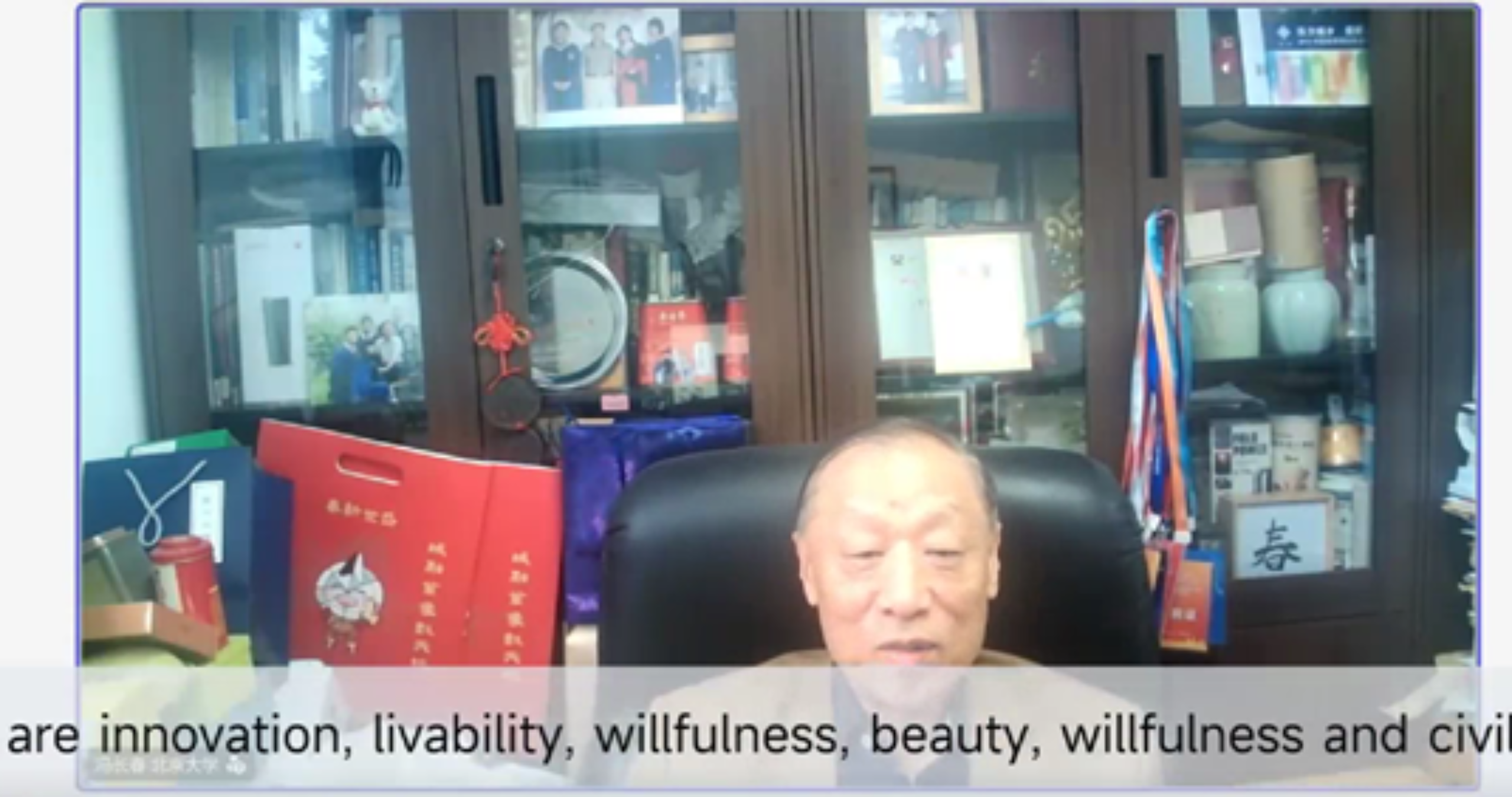
Professor Changchun Feng
Dr Yawei Chen, the Faculty of Architecture and the Built Environment in TU Delft, Netherlands, suggests that globalisation and financialisation has intensified housing inequality. In the case of the Netherlands, it is estimated that by 2040, 1.2 million new homes will be needed, of which at least 700,000 should be affordable housing. The surge in energy prices triggered by the pandemic and the situation in Ukraine has amplified issues of spatial justice, with Amsterdam's traditional communities facing serious mould contamination, energy poverty, and loneliness crises. Urban renewal must answer 'for whom’ is the city built and 'what quality’ should the city provide and clarify the shared responsibilities. A shift of development model towards collaborative networks and governance involving multiple stakeholders, achieving fairer, more resilient, and sustainable urban development will be necessary.
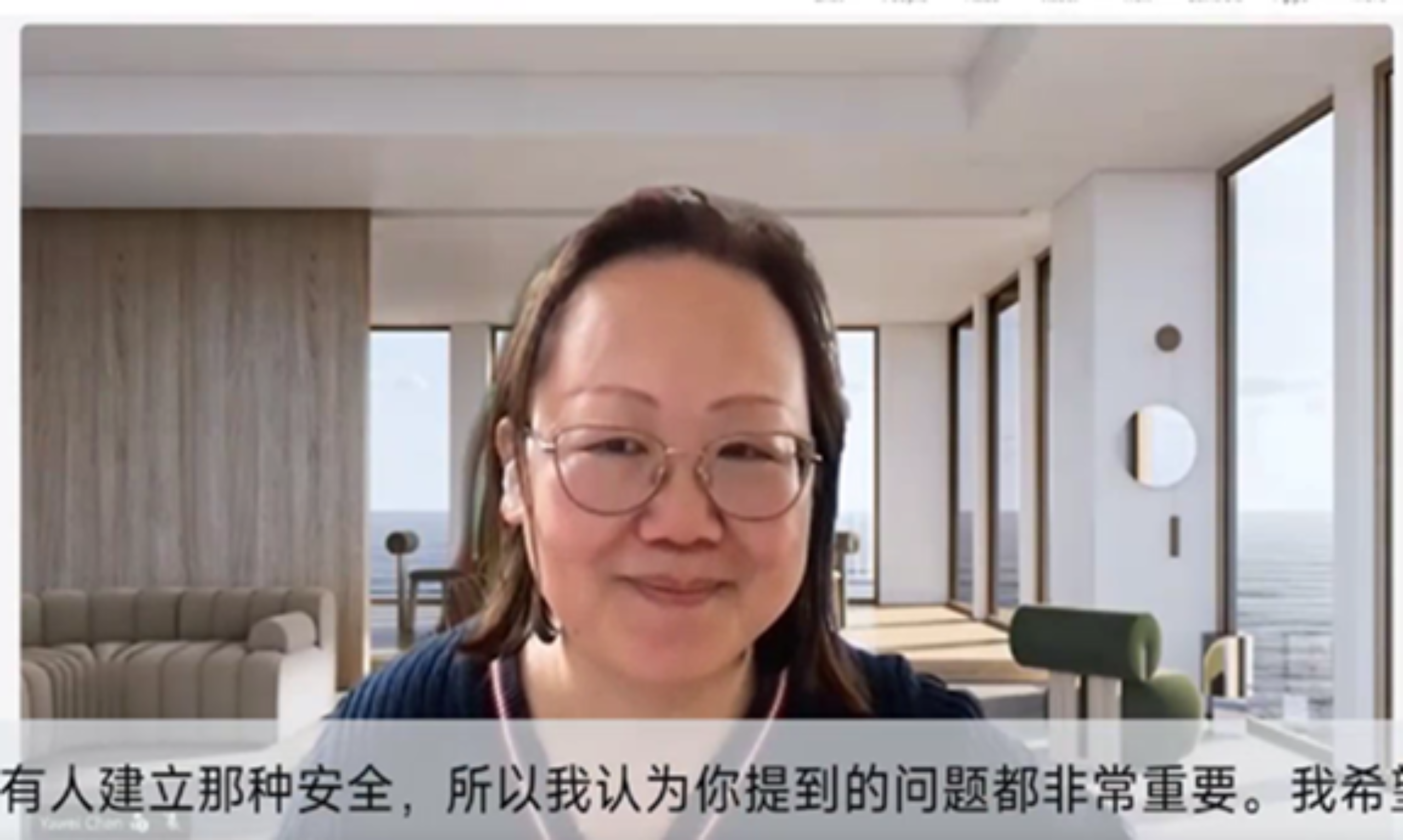
Dr Yawei Chen
Dr Miao Xu, PhD in Urban and Regional Studies from the Royal Institute of Technology, Sweden, mentor of sustainable design master course at Tianjin University, and partner of MM & Partners, emphasises that based on the 'SymbioCity' concept, low-carbon cities must never blindly 'copy and paste', but rather adapt to local natural resources from day one. Carbon management should be integrated throughout the entire lifecycle, using digital tools to balance carbon reduction with construction costs at an early stage. At the same time, professionals must take on the responsibility of science popularisation and public training, bringing sustainable science into classrooms and society.
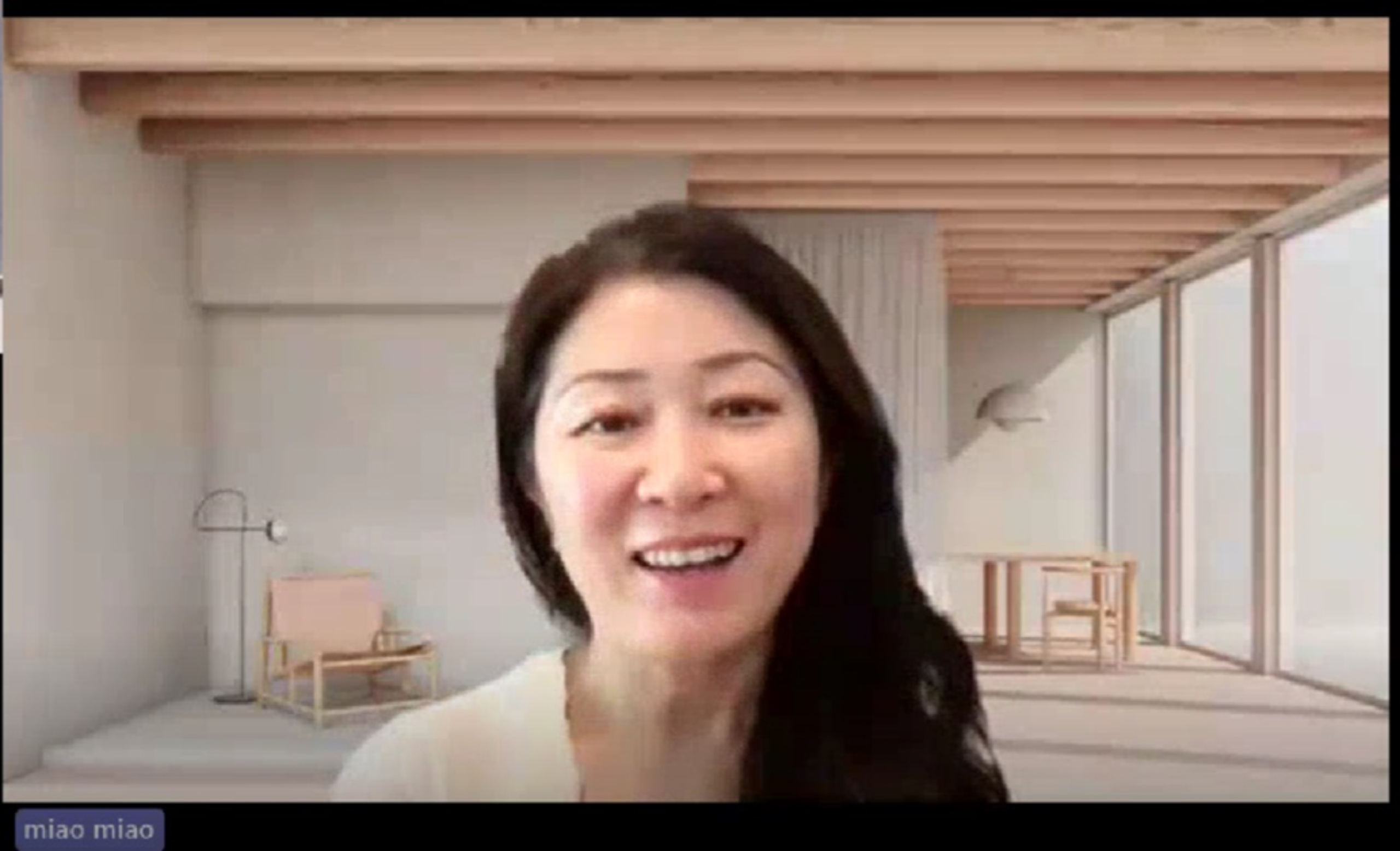
Dr Miao Xu
Professor Yuelai Liu, Associate Professor at the College of Architecture and Urban Planning of Tongji University and Director of the Community Garden and Community Building Experimental Centre, shared the community garden co-creation practices carried out by the 'Clover Hall' team in Shanghai and other places. He pointed out that in time of crisis the answer might lie in the 'nearby', that is, within our reach. It should start from the 'common concerns' that people experience in their everyday lives and help people better understand their own situations and find 'spaces for action' within micro-spaces. Leading community gardens to communities not only effectively addresses the failures of urban ecological governance and the weakening of social connections but also provides a practical local path for building inclusive, resilient, and healthy future communities.
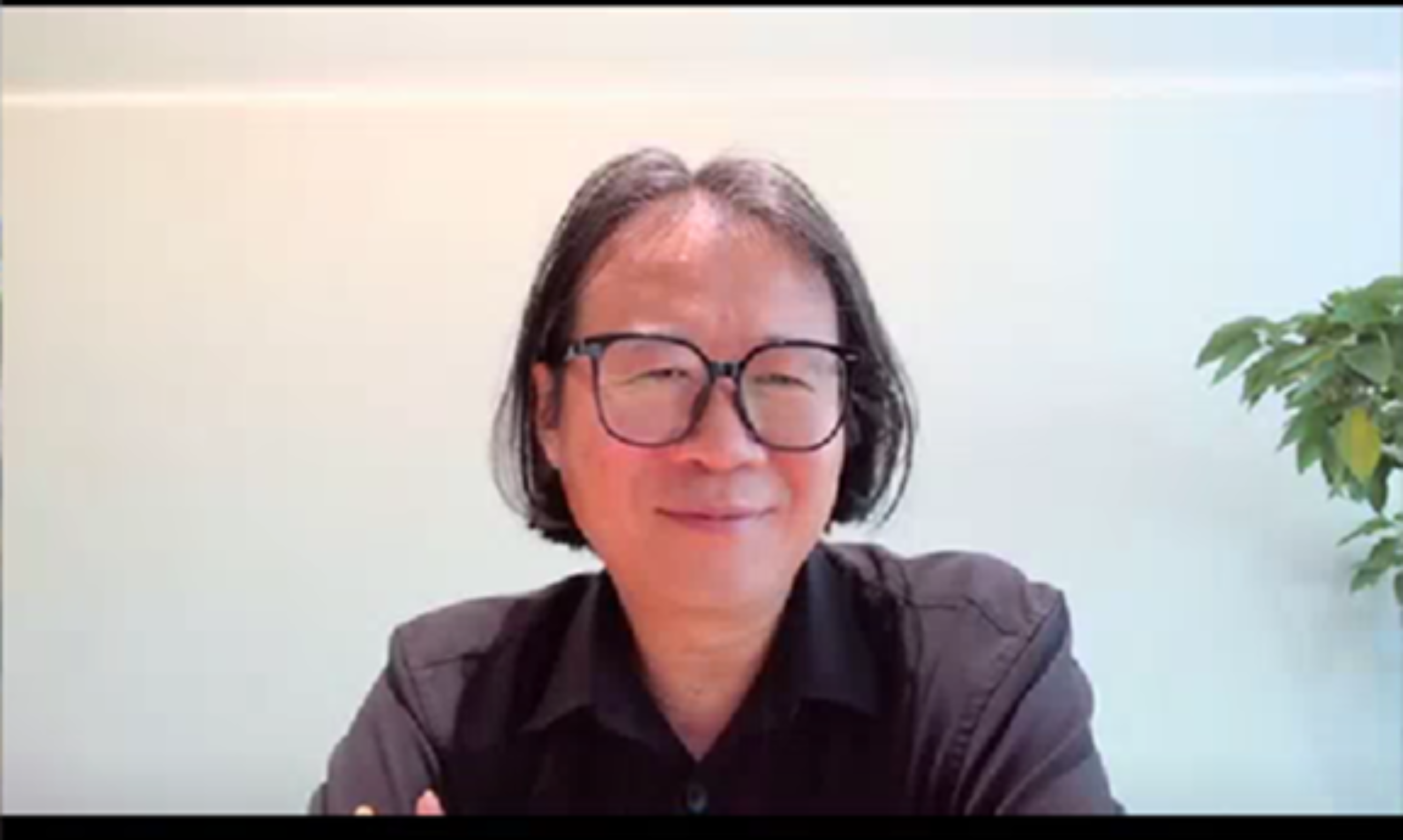
Professor Yuelai Liu
Professor Janaka Jayawickrama, Director of the Centre for Health and Wellbeing Studies at Shanghai University, bluntly stated, 'Human arrogance has become a problem for the Earth'. Drawing on his over 30-years' experience in disaster management, he called for breaking the traditional 'anthropocentric' framework and viewing cities as living, organic wholes. He pointed out that past overreliance on technological rationality to conquer nature or to exercise absolute control over cities often exacerbates complex vulnerabilities within urban systems. Therefore, future urban governance must return to the source of life, organically incorporating the most authentic voices of community residents and local wisdom from everyday life into policy decision-making processes so as a resilient foundation to cope with unknown crises can be built from the bottom up.
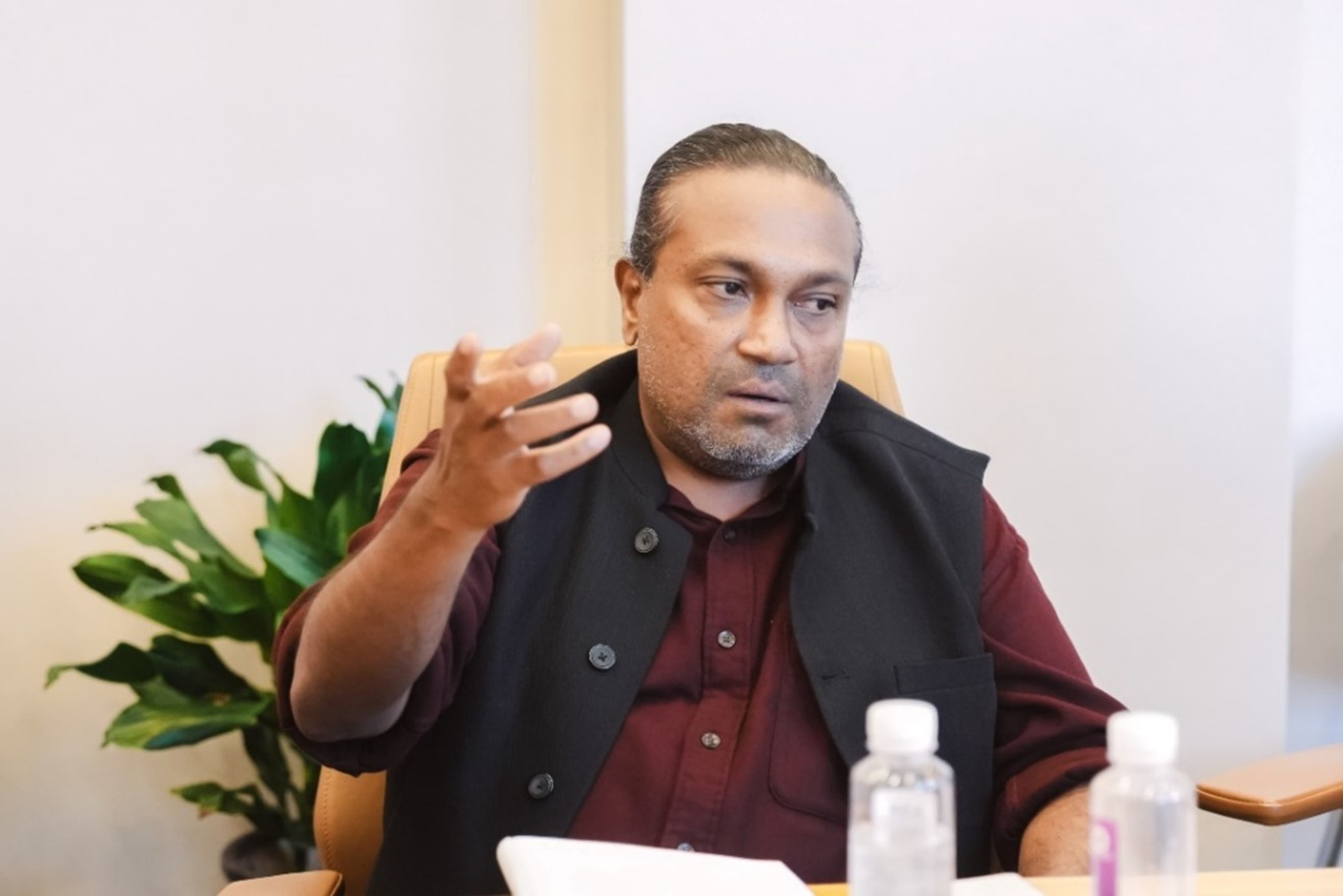
Professor Janaka Jayawickrama
Qining Chen, President of Singapore SCP Consultants China, emphasised that resilient cities are a dynamic process that must be viewed from a long-term and historical perspective, using Suzhou Industrial Park as an example in terms of its resilience building against rainfall risks. To address compound risks, urban planning must integrate cross-disciplinary and multi-dimensional expertise, including hydrology, climate, engineering, and ecology. Chen particularly stressed the importance of cross-sector communication and strong theoretical support, which is also the strategic core of deepening the "industry-academia-research" integration between SCP and XJTLU.
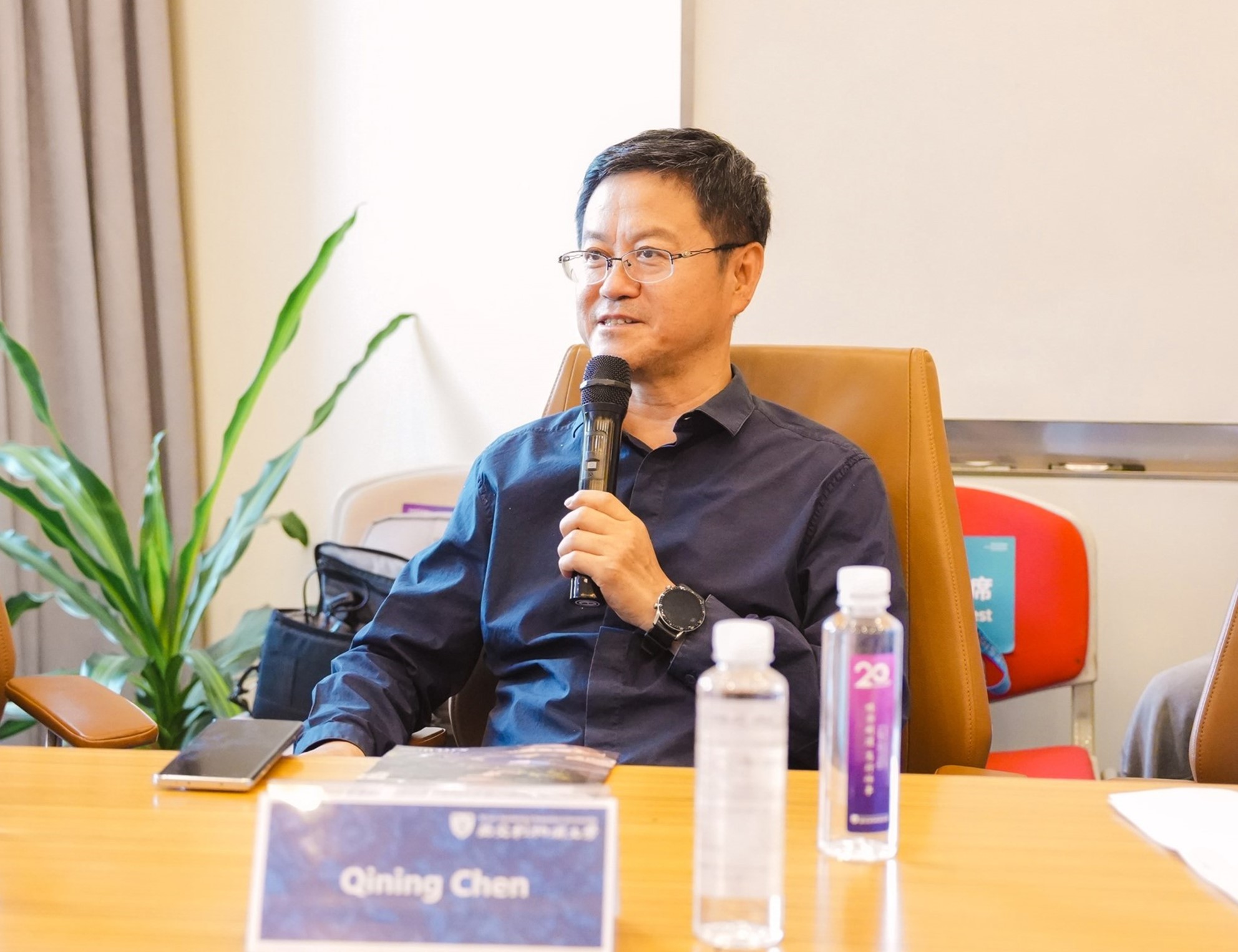
Qining Chen, President of Bangcheng Planning China
Roundtable Discussion: Interdisciplinary Reflection
and Multidimensional Perspective Shifts
Dr Shih-Yang Kao chaired the subsequent roundtable discussion, which focused on critical reflections brought by XJTLU scholars that systematically distilled insights and enriched debates from relevant dialogues in the book, building a bridge between cutting-edge international theories and local multi-scale actions.
Juhyun Lee, Assistant Professor of the Department of Urban Planning and Design at XJTLU, pointed out that the current SDG (Sustainable Development Goals) system places too much emphasis on metric-based operation, failing to capture the vibrant community resilience practices in different locations and overlooking the long-term conflicts between social and environmental objectives. She suggests adopting a hybrid approach to connect different knowledge systems and believes that AI can serve as a powerful tool to assist in capturing SDGs.
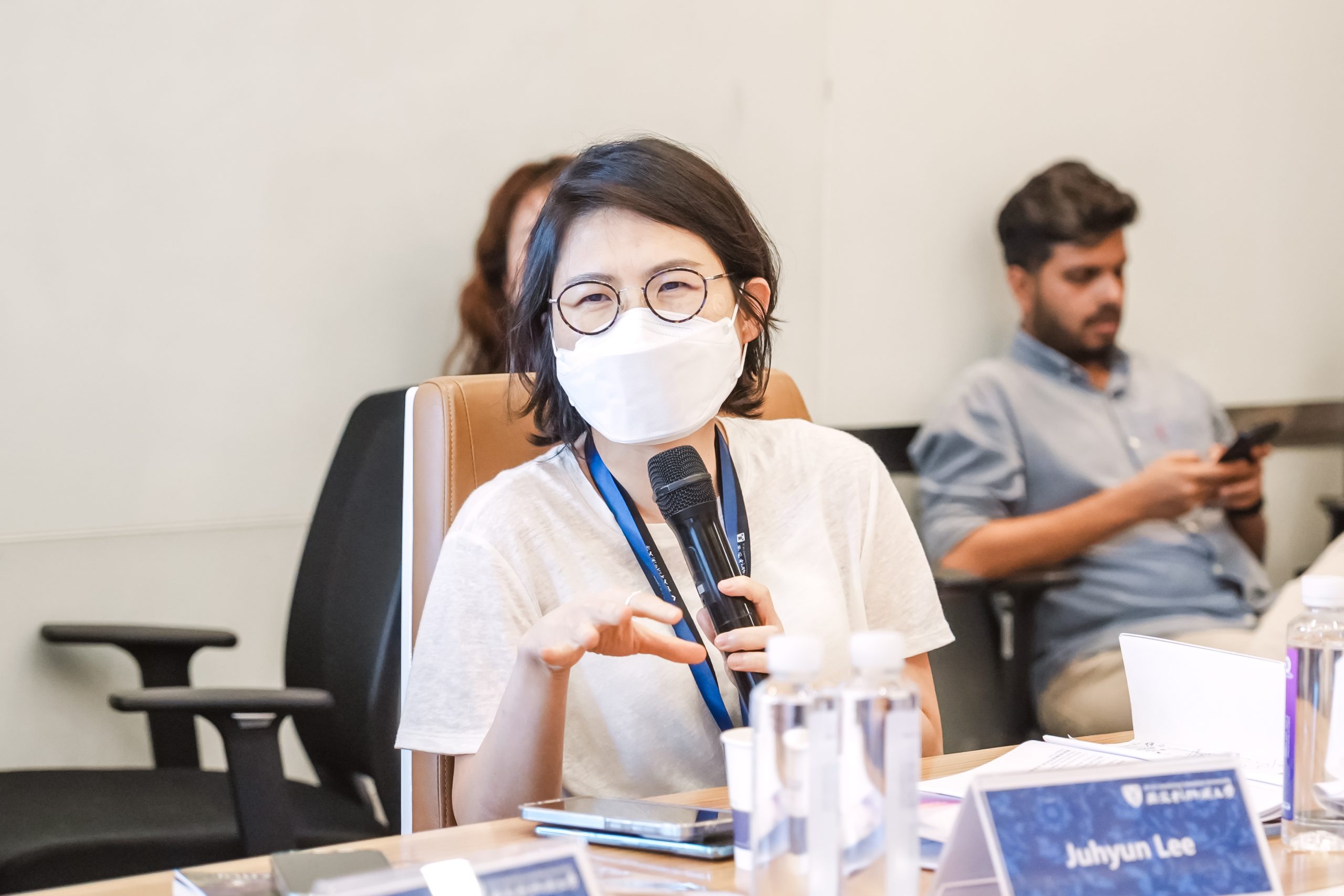
Dr Juhyun Lee
Daniel Yonto, Assistant Professor of the Urban Planning and Design Department at XJTLU, noted that in the post-pandemic era, governments prioritise economic recovery, reducing climate investments, making 'greenwashing' a major challenge. Cities should place 'accountability' first, refuse to blindly transplant foreign experiences, and take locally adapted actions.
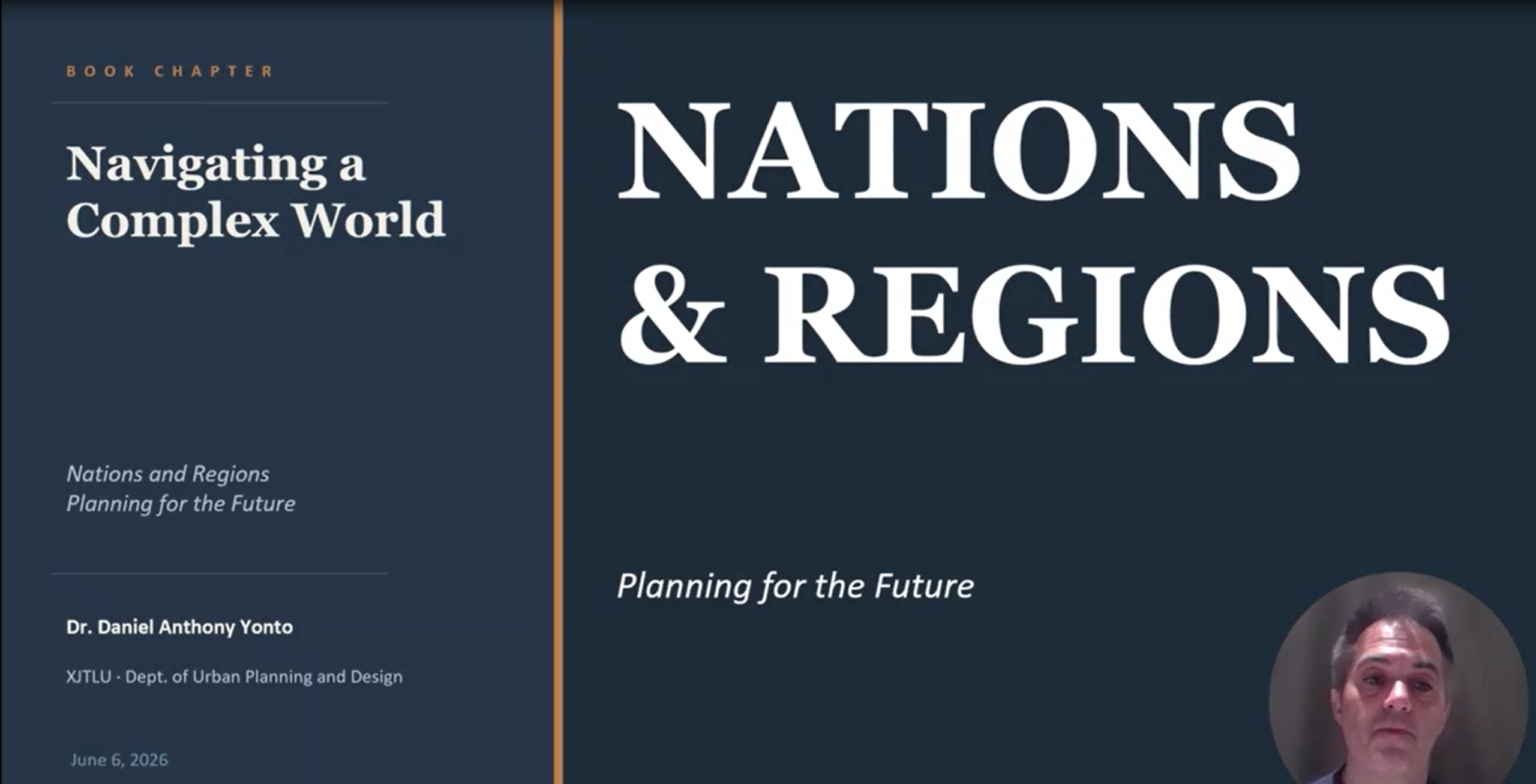
Dr Daniel Yonto
Paola Pellegrini, Associate Professor of the American University of Beirut, suggested that we have entered the 'urban era', with over half of the global population living in cities. After globalisation in the 1990s, national power weakened relatively, and cities once again became the core of transformation and the frontline in responding to climate change, with decisions being more flexible and implemented faster than at the national level.
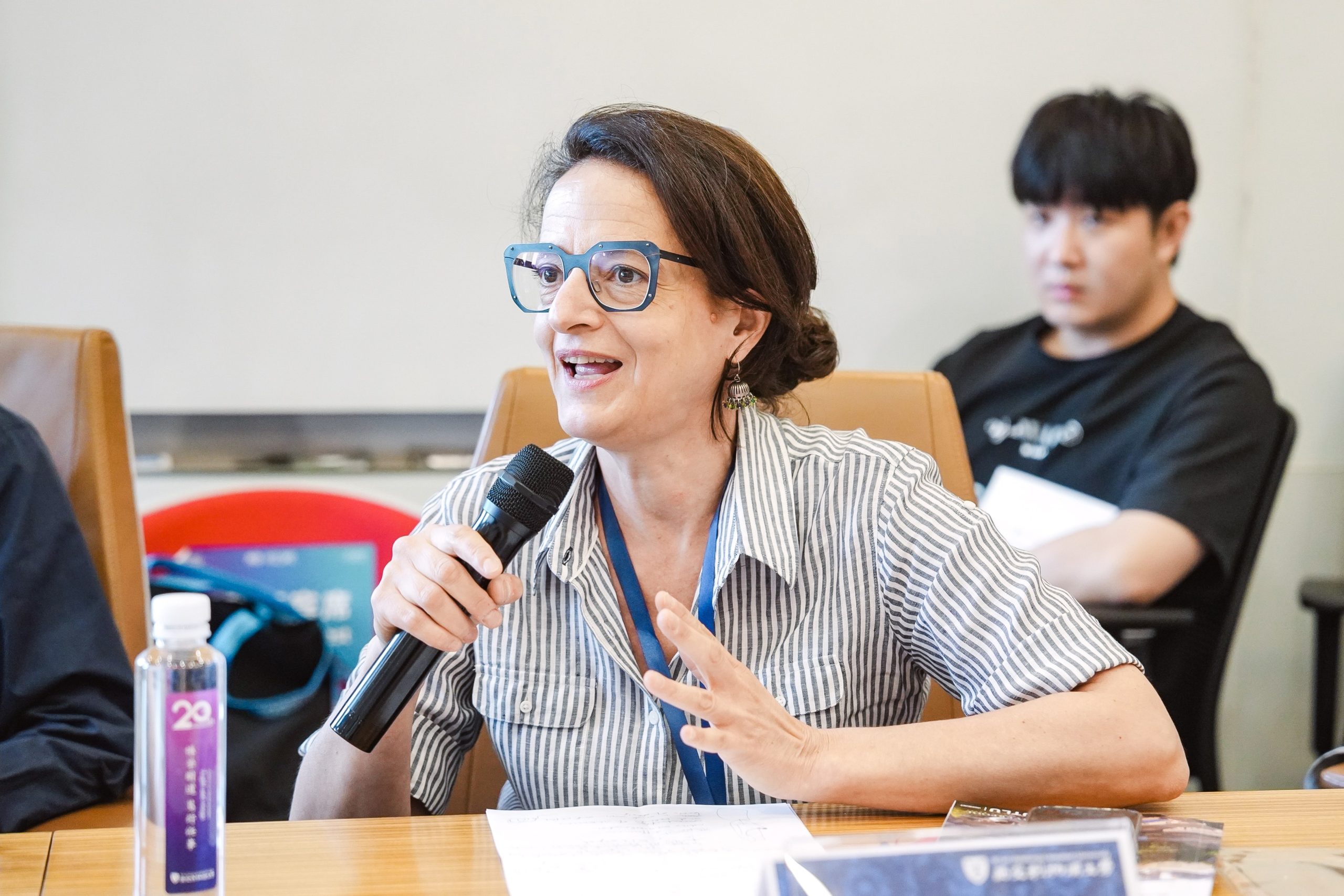
Dr Paola Pellegrini
Lin Lin, Assistant Professor of the Department of Urban Planning and Design at XJTLU, distinguishes between the concepts of 'neighbourhood' and 'community'. She believes that a community is defined by social relationship networks and emotional connections, which can transcend physical boundaries. She advocates creating walkable '15-minute community life circles', while also reminding people to establish oversight mechanisms when using big data tools, to protect personal privacy and to handle ethical issues appropriately.
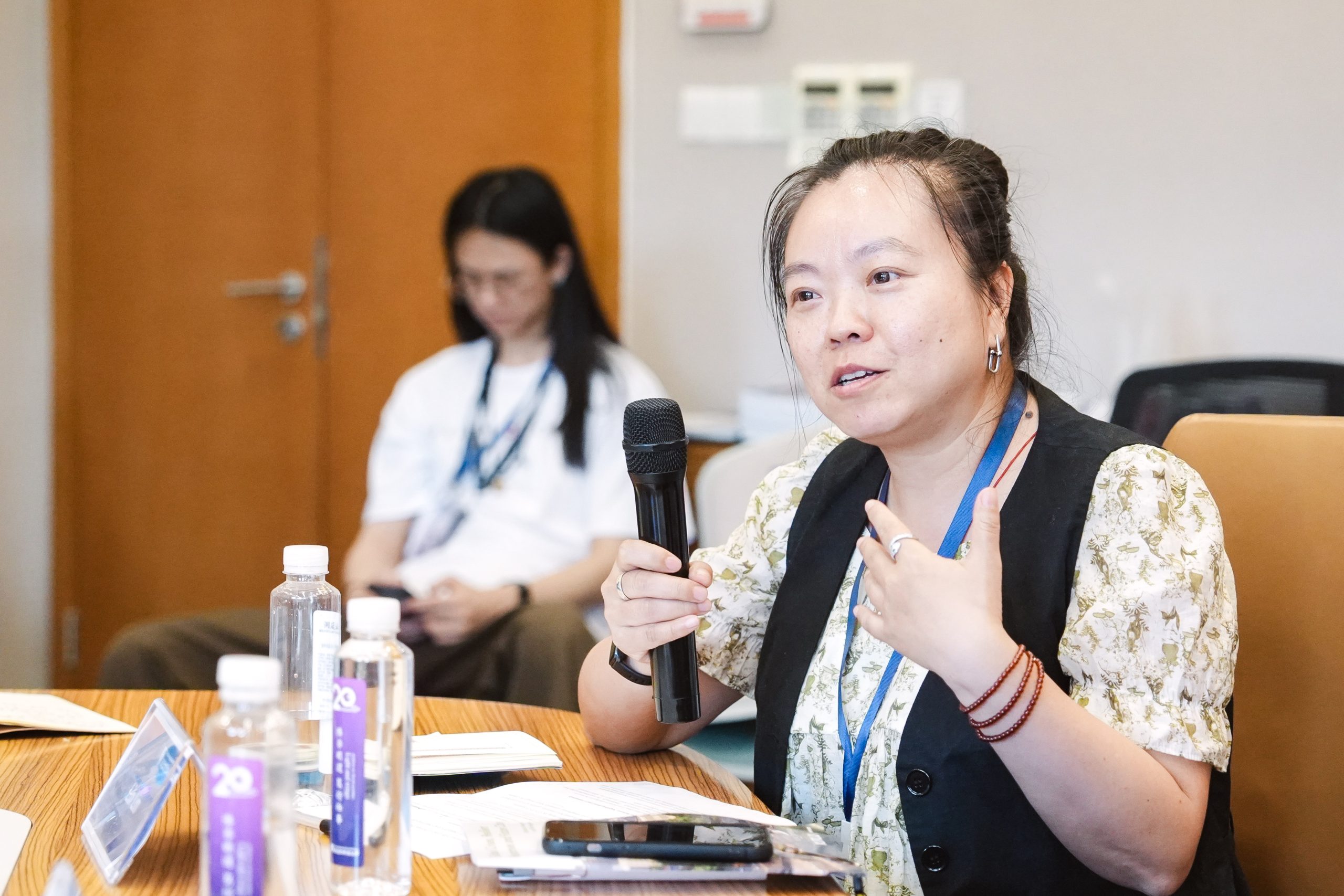
Dr Lin Lin
Xinglin Gao, a member of the Urban Governance Professional Committee of the China Urban Science Research Association, suggested that the central government will conduct a comprehensive "urban health check" for all cities at the county level and above, assessing shortcomings across all levels from housing and communities to entire urban areas. At present, the frequent extreme weather has exposed fundamental weaknesses in cities, such as ageing pipelines and the illegal occupation of disaster prevention spaces, revealing a lack of resilience.

Xinglin Gao, Member of the Urban Governance Committee of the China Urban Science Research Association
Hyung Rae Cho, Assistant Professor at the Department of Urban Planning and Design at XJTLU, pointed out that public spaces are channels connecting private spaces and incubators for social interaction. The pandemic has exposed the paradox that 'offline contact becomes dangerous, but face-to-face interaction is more valuable,' and he emphasised that digital technology can never fully replace interpersonal interaction in physical spaces.
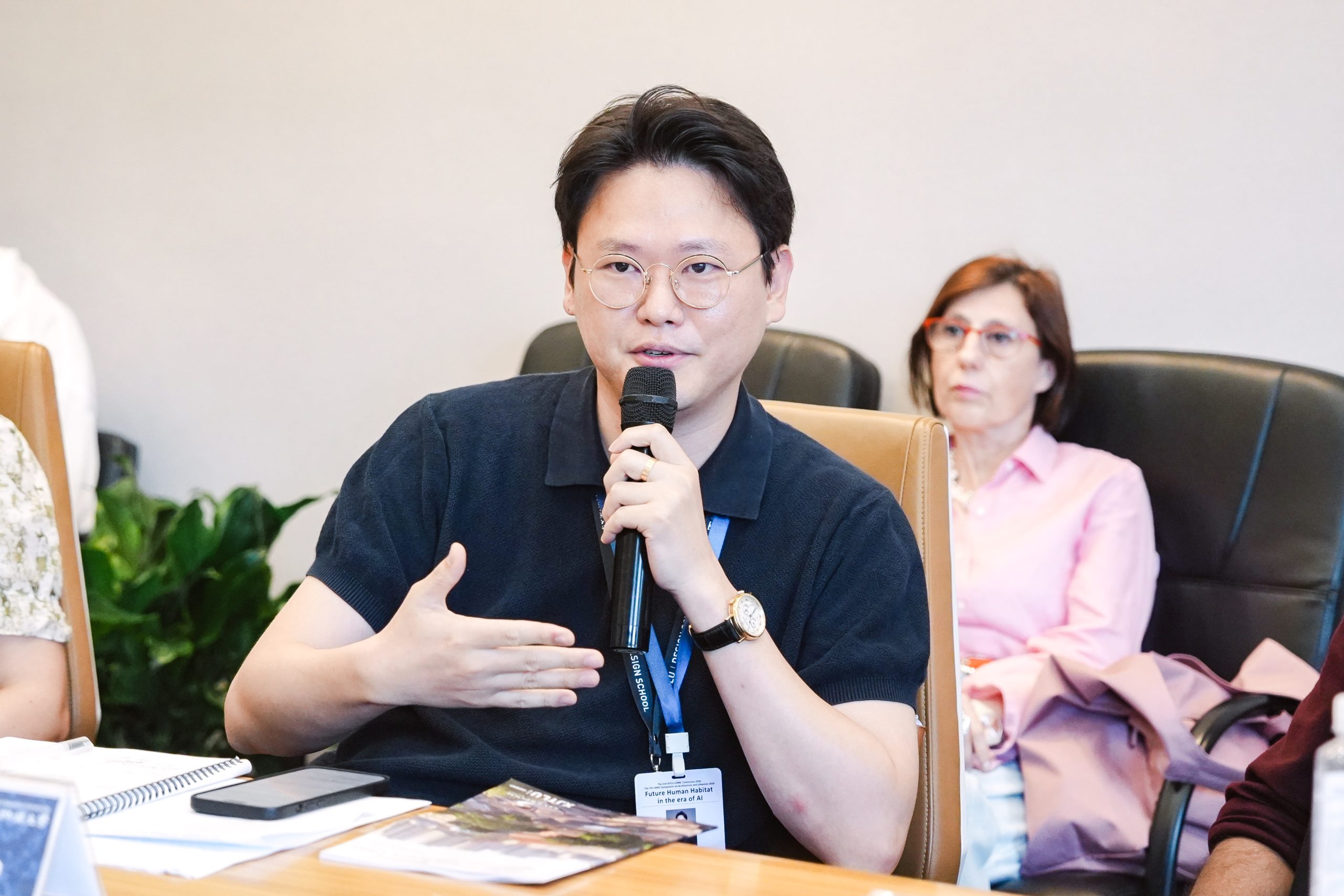
Dr Hyung Rae Cho
Expanding the platform for international dialogue,
XJTLU's team guides towards the future
The hosting of this new book launch and academic dialogue comprehensively demonstrated the academic achievements and international influence of XJTLU and the UES team in the fields of urban planning, sustainable development, and resilient city research. Led by Dr Yunqing Xu and Dr Shih-Yang Kao, the research team has brought together the wisdom worldwide, creating a bridge for communication among policymakers, academia, industry, and the public, and paving an ongoing reflective path towards building more resilient, inclusive, and sustainable future cities in a world of uncertainty.
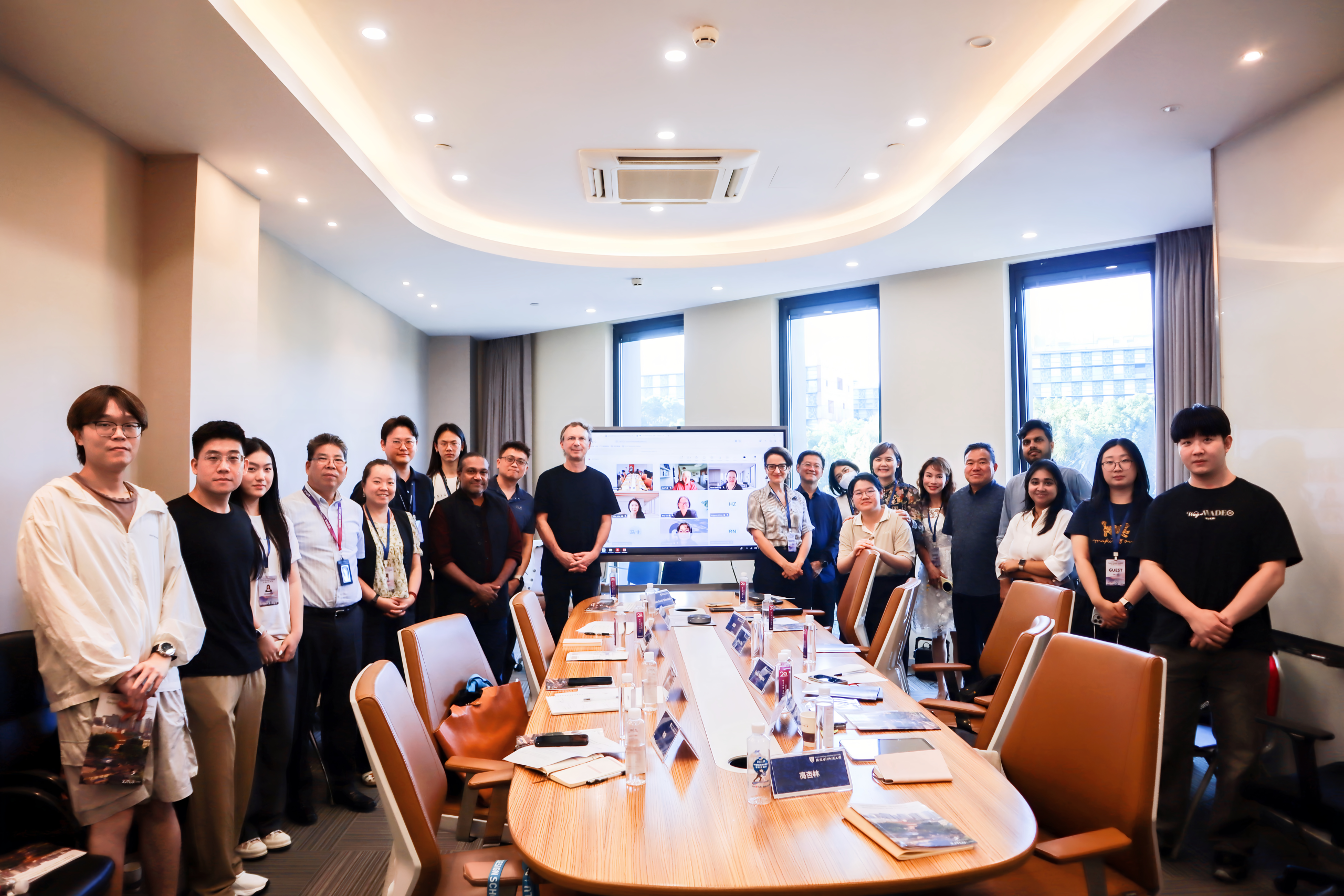
Group photo
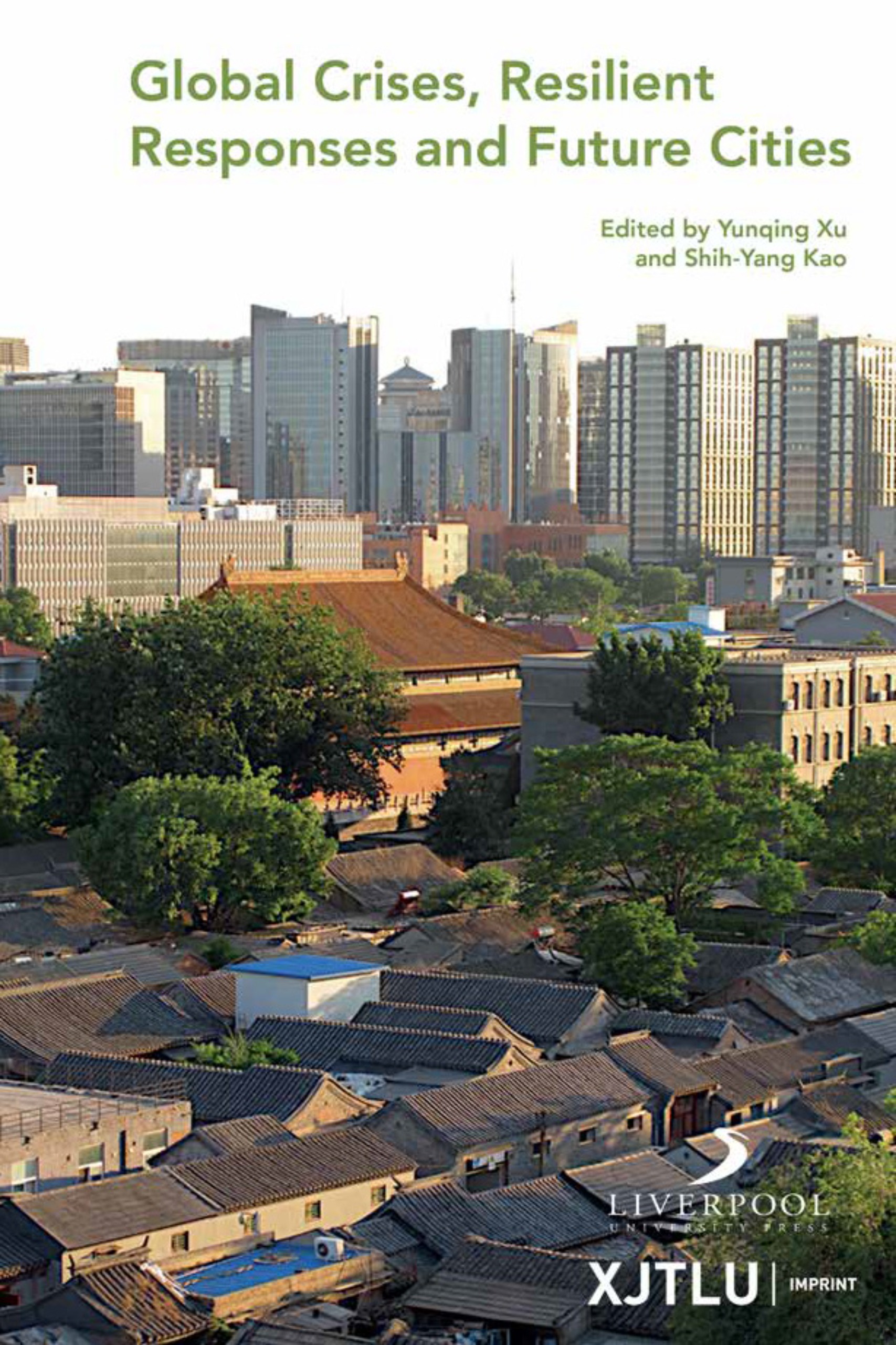
Global Crises, Resilient Responses and Future Cities
Official publishing link of Liverpool University Press:
https://www.liverpooluniversitypress.co.uk/doi/book/10.3828/9781836244646
12 Jun 2026