




Workshop Review: From Digital Humanities Literacy to Tone Teaching

22 Jun 2026


In May 2026, the Chinese Language Division of the Modern Languages Centre hosted two academic lectures focusing on "Digital Humanities Literacy and Education" and "The Importance and Pedagogy of Tones in Chinese" attracting a large audience of faculty members.
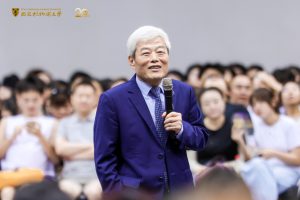
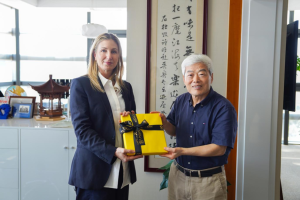
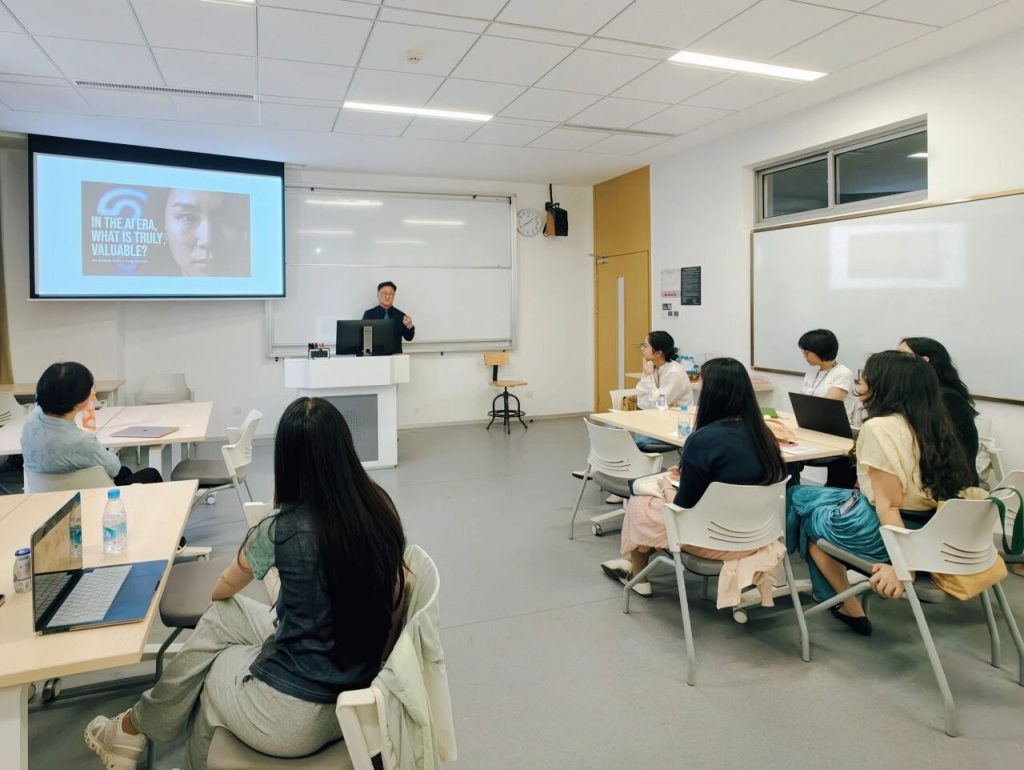
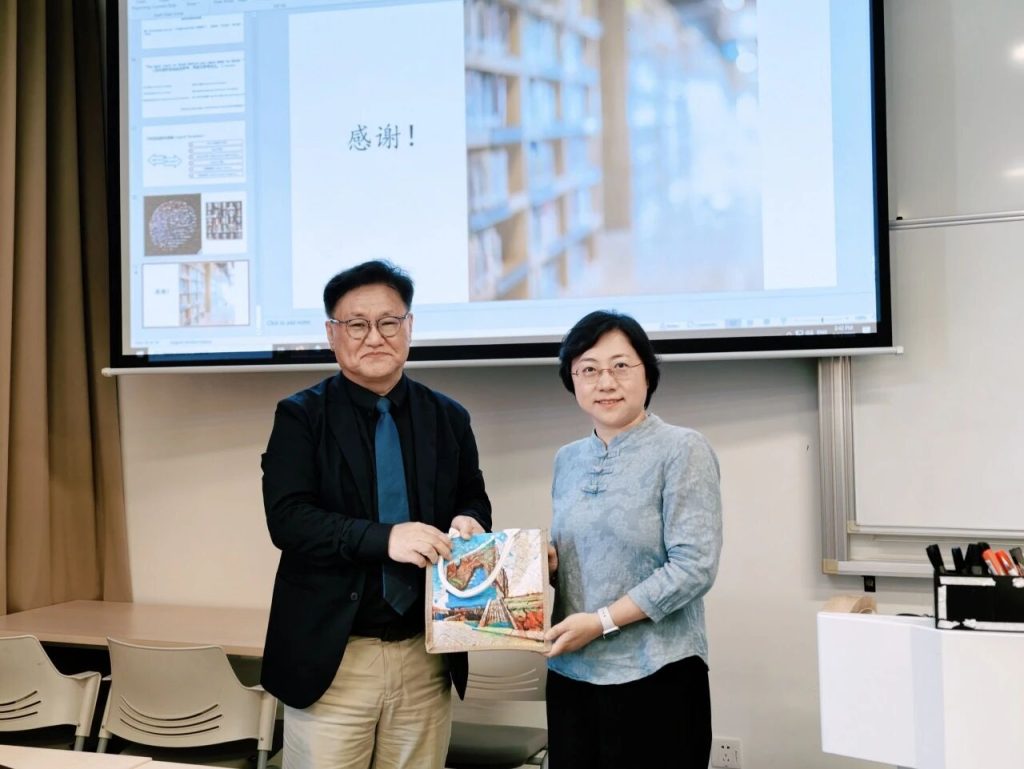
On May 13, Prof. Heo Chul—Distinguished Professor at Ludong University and Yangzhou University, Researcher at the Jeonpiljae Research Institute of Pusan University, and Director of the Institute of East Asian Knowledge and Cultural Education Institute —was invited to deliver a keynote lecture titled "Digital Humanities Literacy and Education." Using the question "Can AI replace humans?" as a starting point, Prof. Heo systematically analyzed the profound impact of artificial intelligence across various industries. He pointed out that technological progress does not equate to the replacement of human wisdom. In the AI era, critical thinking, information ethics, and human-AI collaboration have increasingly become core competencies. Faced with massive amounts of information, individuals must not only master how to use digital tools but also develop the ability to question, judge, and create. During the lecture, Prof. Heo also shared his own experience learning Chinese, encouraging the to remain "student-centered" and cultivate students' autonomous learning abilities, problem awareness, and innovative skills to meet the complex challenges of the future.
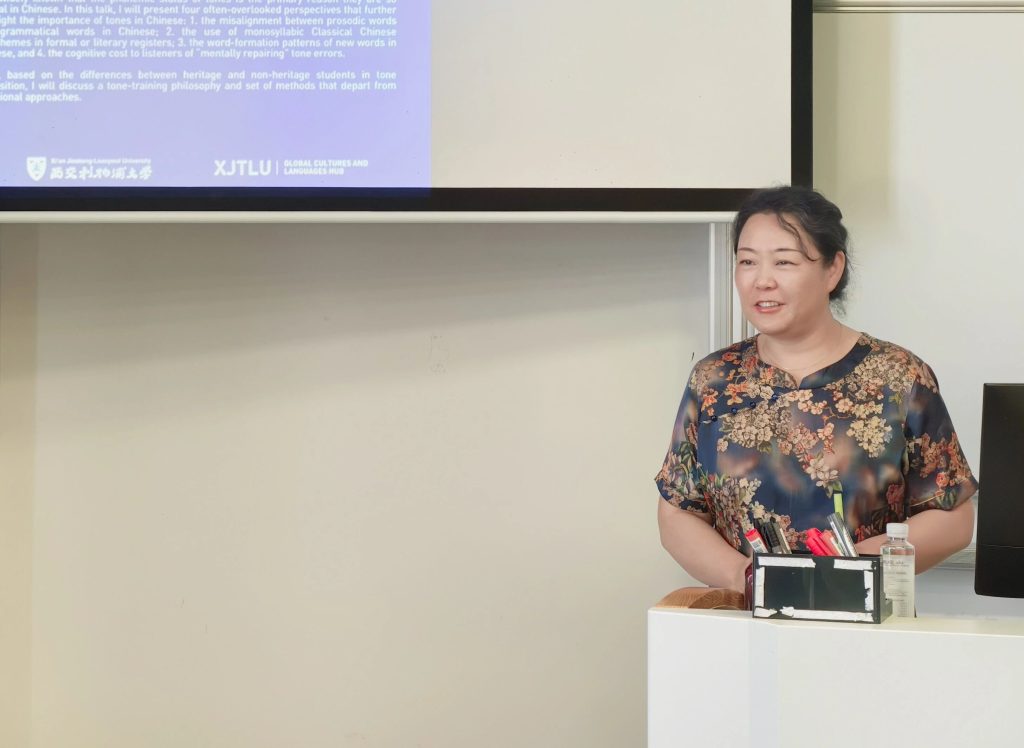
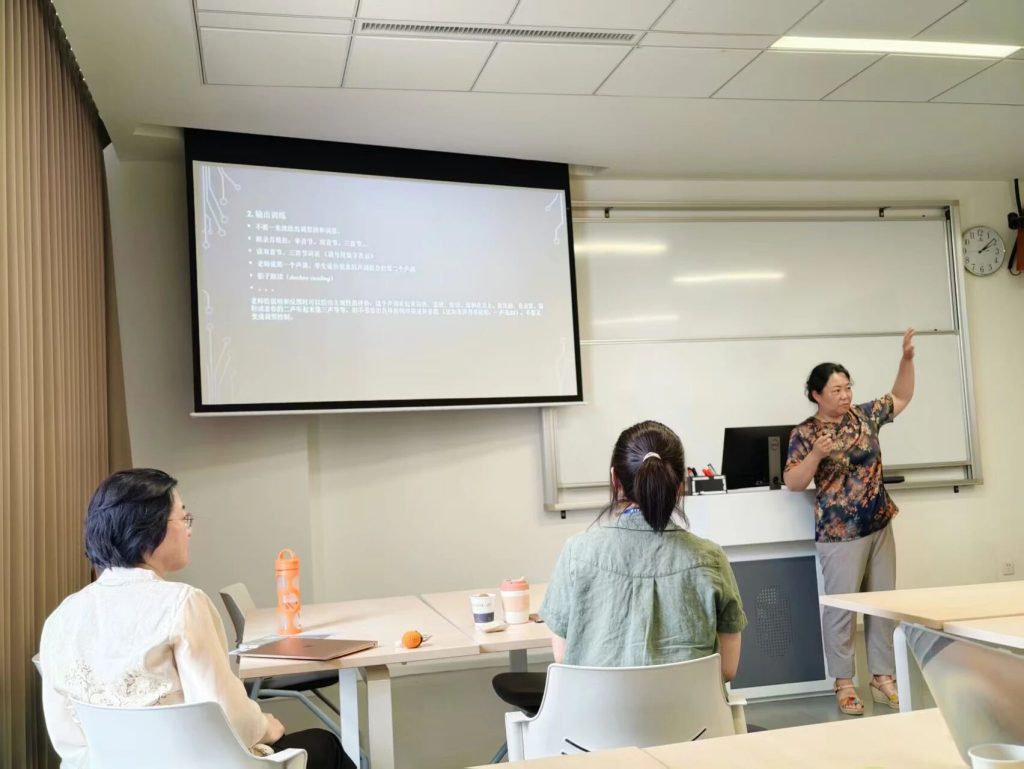
On May 27, Dr. Li Kening, Director of the Chinese Language Program in the Department of Asian Languages and Cultures at the University of Michigan, Ann Arbor, was invited to deliver a lecture on "The Importance of Chinese Tones and New Approaches to Teaching." Dr. Li began with the phonemic status of tones in Chinese and highlighted four aspects in teaching: the misalignment between grammatical word boundaries and prosodic word boundaries, the extensive presence of Old Chinese word-formation patterns in Modern Chinese, the mechanisms by which new words are formed in Modern Chinese, and the cognitive cost that listeners incur when compensating for tone errors. She pointed out that with an abundance of monosyllabic morphemes and a large number of homophonous morphemes in Chinese, accurate tone production is fundamental to effective communication. Regarding pedagogical strategies, Dr. Li proposed a perception-contrast-based training method informed by the differing acquisition patterns of heritage and non-heritage learners. She recommended beginning with perceptual training to enhance learners' auditory sensitivity to tonal distinctions and to establish a direct mapping between tones and word meanings, rather than relying solely on imitating tonal contours. At the production stage, techniques such as shadowing and tone-combination drills can help learners gradually internalize a subjective tonal perception system, thereby facilitating acquisition that more closely mirrors the developmental trajectory of native speakers.
Ms. Genying Yan, the module leader of CLT001 (Chinese Language 1), noted that Dr. Li's perception-contrast approach offered a valuable new dimension to teaching. She observed that the method opens up possibilities for helping students build a more comprehensive tonal perception system, and expressed interest in incorporating more discriminative listening exercises in future classes to strengthen students' ability to distinguish tonal differences.
The Modern Languages Centre will continue to organize high-quality academic workshops and events to support the professional development and scholarly exchange of the faculty and students. All are welcome to stay tuned and participate.
22 Jun 2026