




01 Jun 2026


Recently, a student team from the School of Science at Xi’an Jiaotong-Liverpool University won first prize in the “GCL Energy Technology Cup” Sixth Jiangsu University Student Social Practice and Science Contest on Energy Saving & Emission Reduction. The team received the award for their project, “One Oxidant, Two Benefits”: A New Strategy for Removing Pesticides from Water Using Thiosulfate-Assisted Peroxymonosulfate.
The competition was guided by the Jiangsu Association for Science and Technology and the Ministry of Education’s Teaching Guidance Committee for Energy and Power Engineering Majors. It was hosted by Nanjing Normal University, Southeast University, and the Jiangsu Energy Research Society, with support from GCL Energy Technology Co., Ltd. The final was held at Nanjing Normal University’s Xianlin Campus.
This was the first time XJTLU had participated in the provincial competition. The team was supervised by Dr Wanxin Li from the Department of Health and Environmental Sciences at XJTLU’s School of Science, with doctoral student Hankun Zhang serving as the student lead. Undergraduate students Yitian Zeng, Xinlin Zhang, Xiangyun Gu, Yangqing Xu, and Hanting Zhou also took part.
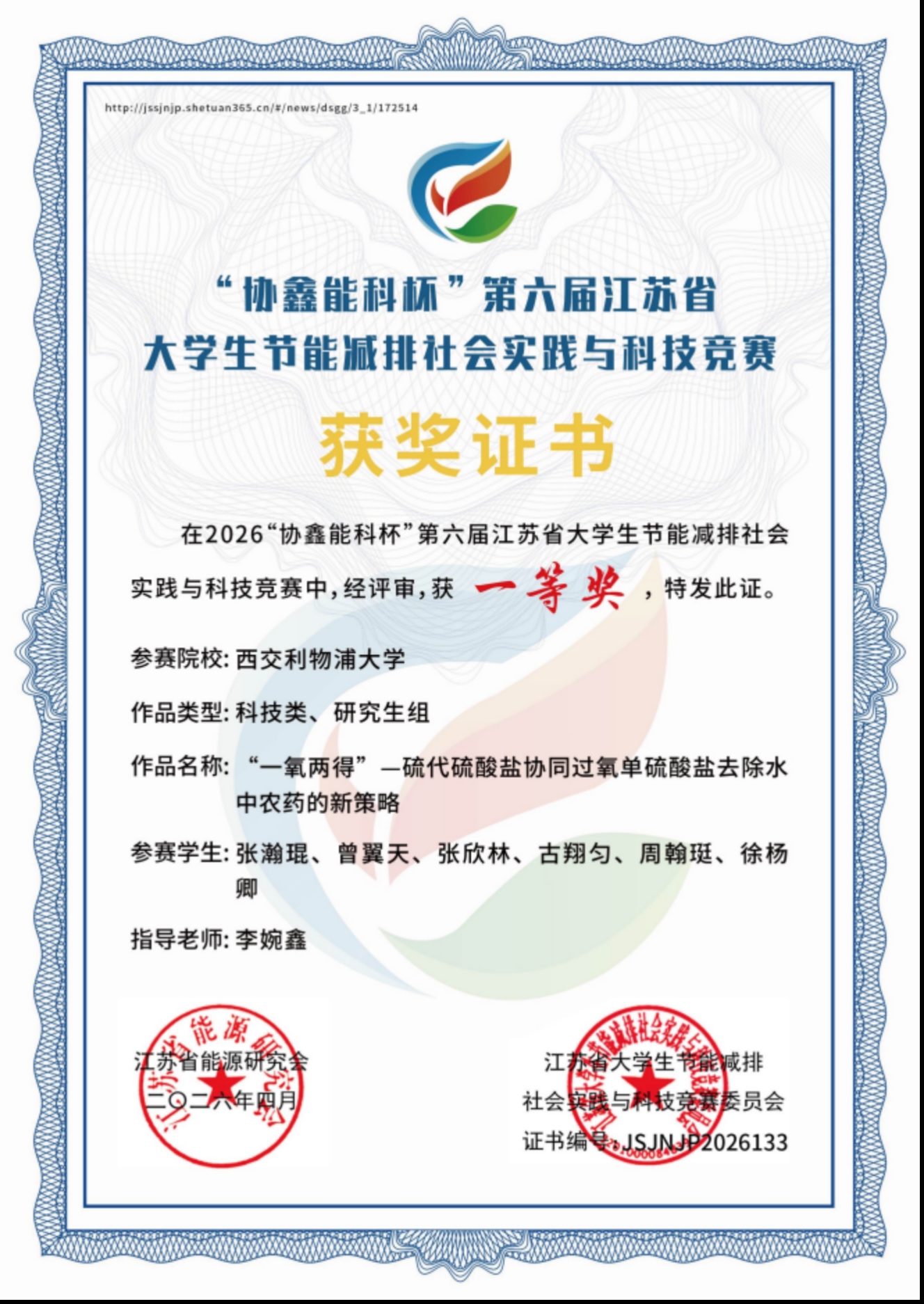
Figure 1. The XJTLU team won first prize.
Focusing on pesticide wastewater treatment and exploring low-carbon approaches
The team focused on energy conservation and emission reduction in pesticide wastewater treatment. Traditional advanced treatment technologies often face challenges such as high energy consumption and high operating costs. Against the backdrop of China’s dual carbon goals, achieving efficient and low-energy pollutant removal has become an important focus in the field.
To address this challenge, the team developed a new advanced oxidation process using thiosulfate-assisted peroxymonosulfate. Based on a single-electron transfer mechanism, the process can efficiently remove refractory pesticide pollutants from water without external energy input. It offers a new technical approach for green pesticide wastewater treatment and industrial energy conservation and emission reduction.
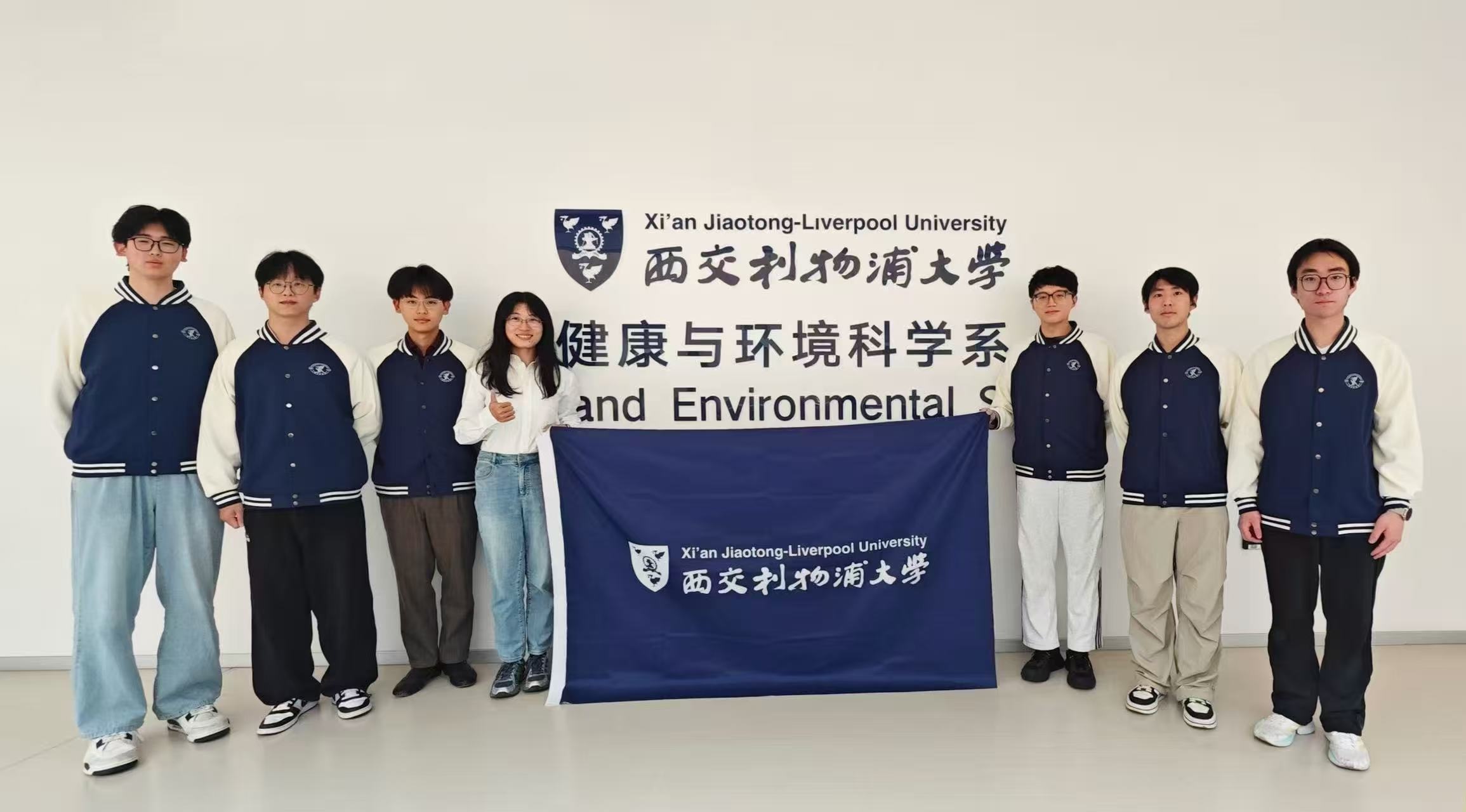
Figure 2. Group photo of the XJTLU team, from left: Hanting Zhou, Xinlin Zhang, Xiangyun Gu, Dr Wanxin Li, Hankun Zhang, Yitian Zeng, and Yangqing Xu.
Promoting learning through competition and encouraging undergraduate research participation
The team consisted of both postgraduate and undergraduate students. During the competition, the team completed experimental design, data collection, theoretical analysis, report writing, and an on-site final roadshow and defence.
Under the guidance of Dr Li, doctoral student Hankun Zhang led the undergraduate team in combining classroom learning with research interests to investigate pesticide wastewater treatment. Through the competition, team members took part in the full research process, from identifying and defining a problem to proposing a solution. They also gained training in innovative thinking, engineering practice, and teamwork.
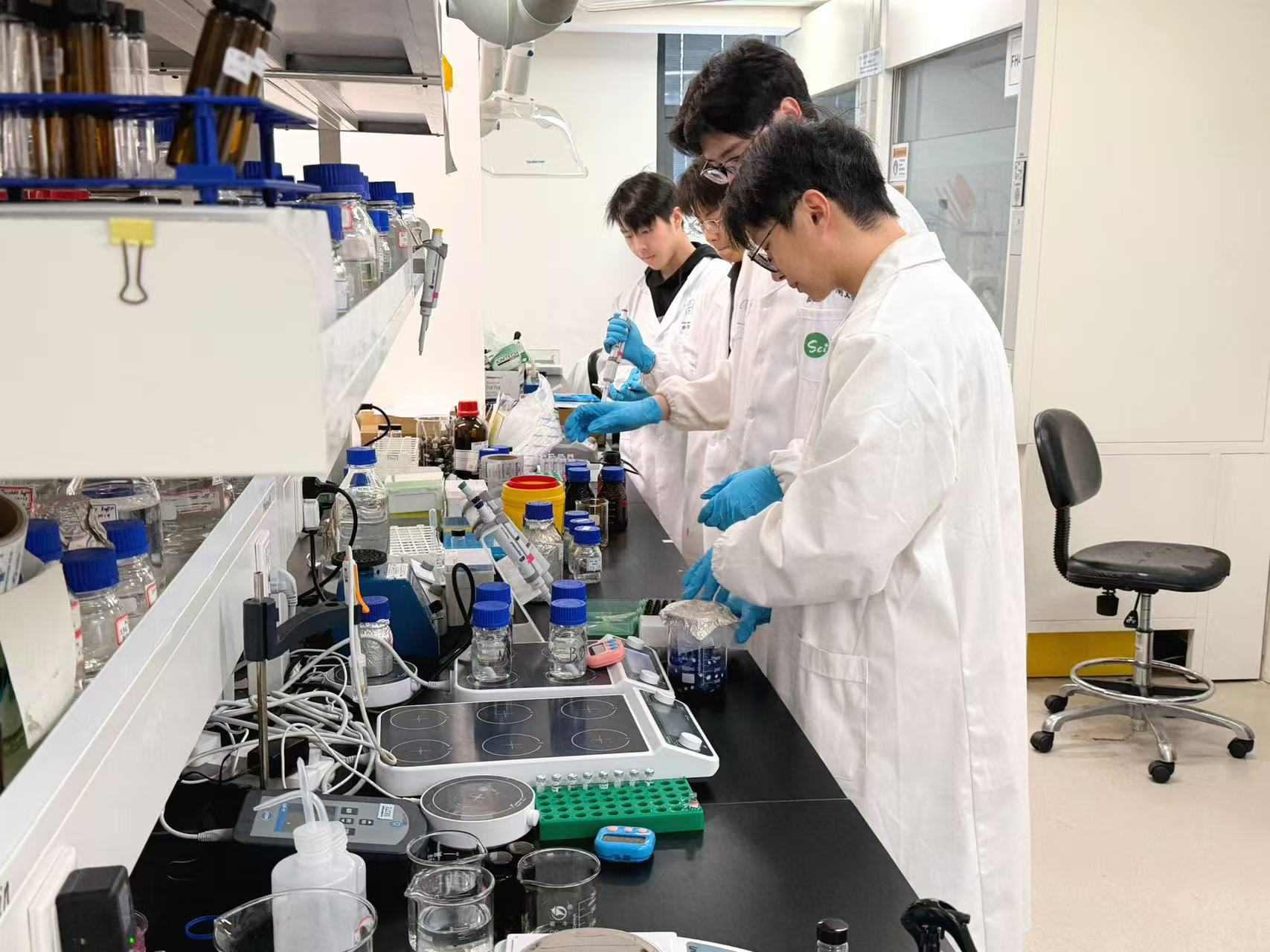
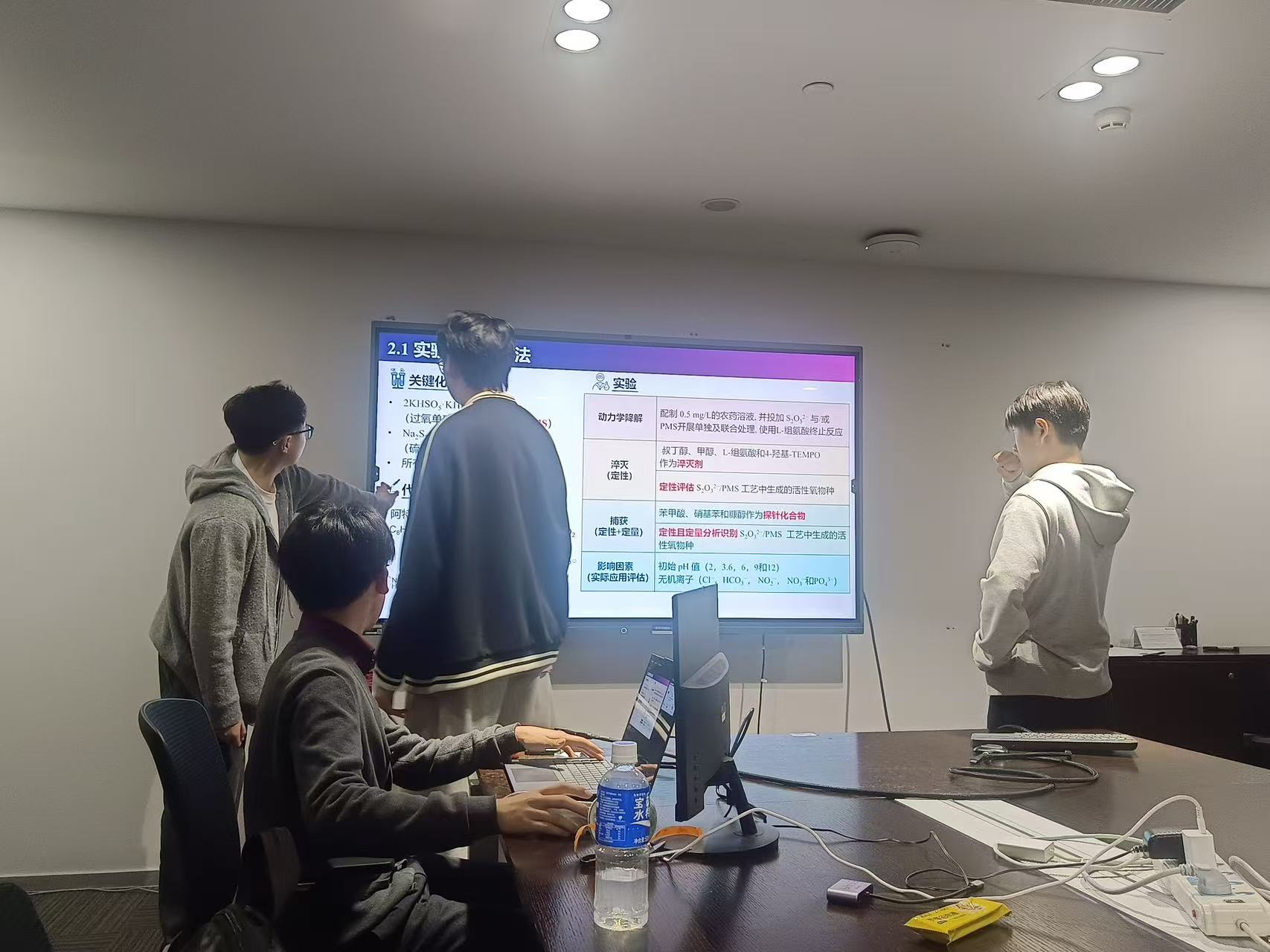
Figures 3 and 4. The XJTLU team conducting experiments and preparing for the competition in the Emerging and Interdisciplinary Sciences Building.
Provincial competition brings together innovation from universities
This year’s competition was themed “Smart Action for Low Carbon, Scientific Innovation for the Future”. Centred on China’s strategic goals of carbon peaking and carbon neutrality, it is one of the related competition activities supporting the implementation of the “National Action Plan for Energy Conservation and Emission Reduction”.
The 2026 competition attracted 2,212 entries from 69 universities across Jiangsu Province, including Nanjing University, Southeast University, Xi’an Jiaotong-Liverpool University, Nanjing University of Science and Technology, Nanjing University of Aeronautics and Astronautics, and the Army Engineering University of the People’s Liberation Army. After several rounds of evaluation, including preliminary review, online review, expert panel review, and on-site final roadshows and defence, 20 special prizes, 136 first prizes, 211 second prizes, and 315 third prizes were awarded.
The Jiangsu University Student Social Practice and Science Contest on Energy Saving & Emission Reduction has been included in the list of provincial undergraduate discipline competitions for regular higher education institutions in Jiangsu Province. Open to university students across the province, the competition aims to encourage students to engage with energy conservation and emission reduction issues, enhance their environmental awareness, technological innovation ability, teamwork, innovative design ability, engineering practice skills, and social research capacity, and promote the integration of theoretical learning and practical application.
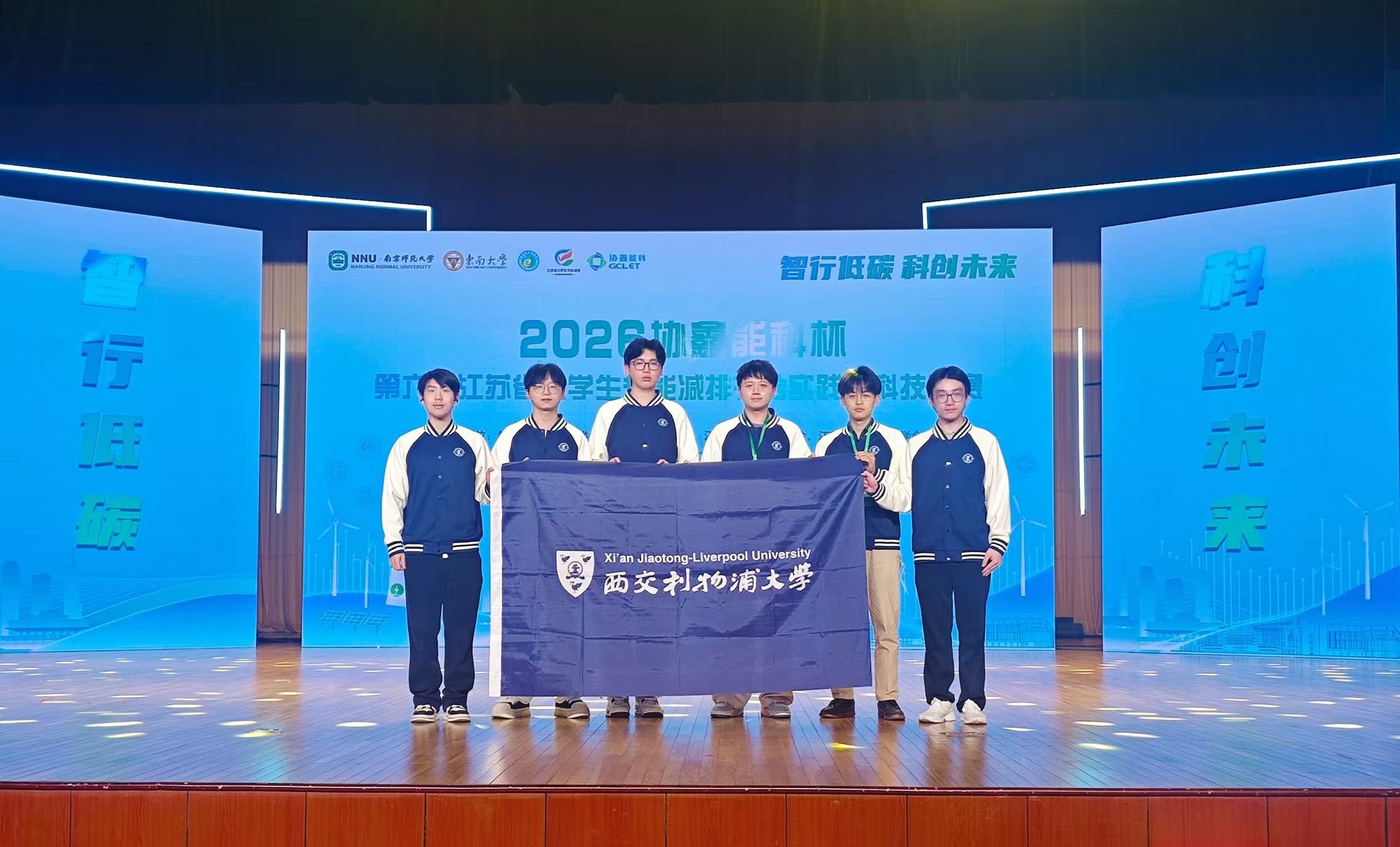
Figure 5. The XJTLU student team at the award ceremony at Nanjing Normal University’s Xianlin Campus.
Content:Hankun Zhang、Dr Wanxin Li
Translation:Luyao Wang
01 Jun 2026