





20 Jul 2026


At a time when image, sound, games and digital media continue to reshape the boundaries of creativity, graduates from the Academy of Film and Creative Technology at Xi’an Jiaotong-Liverpool University are stepping onto a wider world stage with their portfolios, passion and ideas.
From the digitalisation of traditional art and immersive interactive installations to game design, film scoring, creative communication and cultural management, they have explored expression across different media and gradually found their own directions through project-based practice.
This year, they have received postgraduate offers from institutions including Columbia University, University of the Arts London, Goldsmiths, University of London, Savannah College of Art and Design, School of Visual Arts, the University of Edinburgh, the University of Manchester, Berklee College of Music, New York University, the University of Hong Kong, the Chinese University of Hong Kong and Nanyang Technological University. They will continue their studies in global fields spanning creativity, art, media and technology.
In the Beyond the Frame interview series, we will present the stories of outstanding graduates from four undergraduate programmes. When it comes to choice, exploration, perseverance and breakthrough, they each have their own answer.
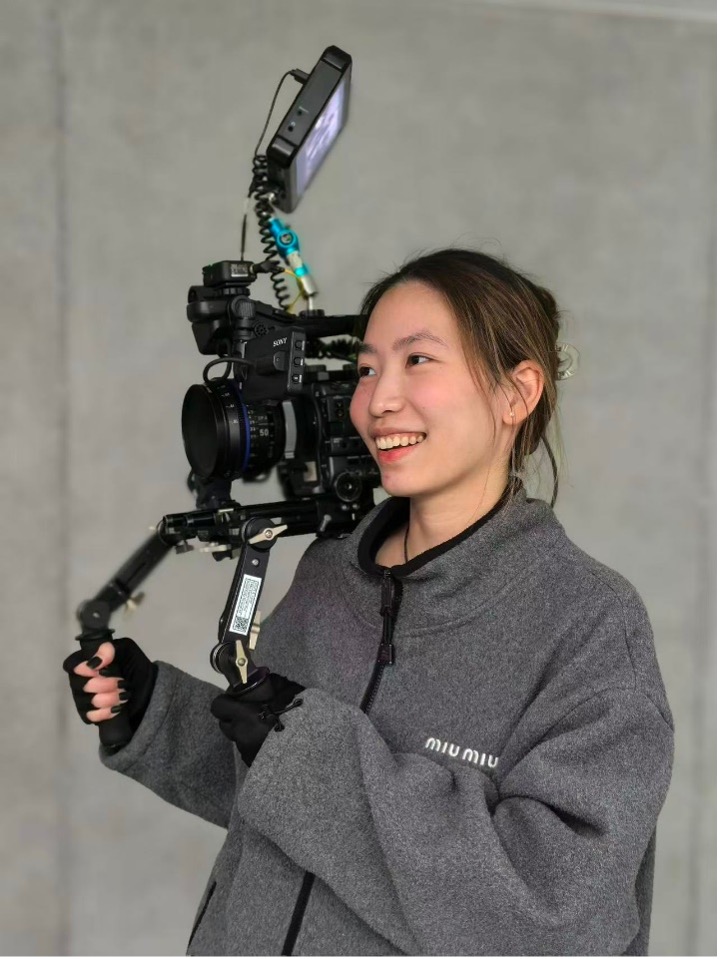
Yanbing Wei
BA Filmmaking
Masters offers:
- Berklee College of Music - Master of Music in Scoring for Film, Television and Video Games (Received a scholarship of $15,000)
- New York University - Music Theory & Composition: Screen Scoring - MTAC: FMS-MM.
- San Francisco Conservatory of Music - Master of Music in Technology and Applied Composition (Received a scholarship of $54, 000)
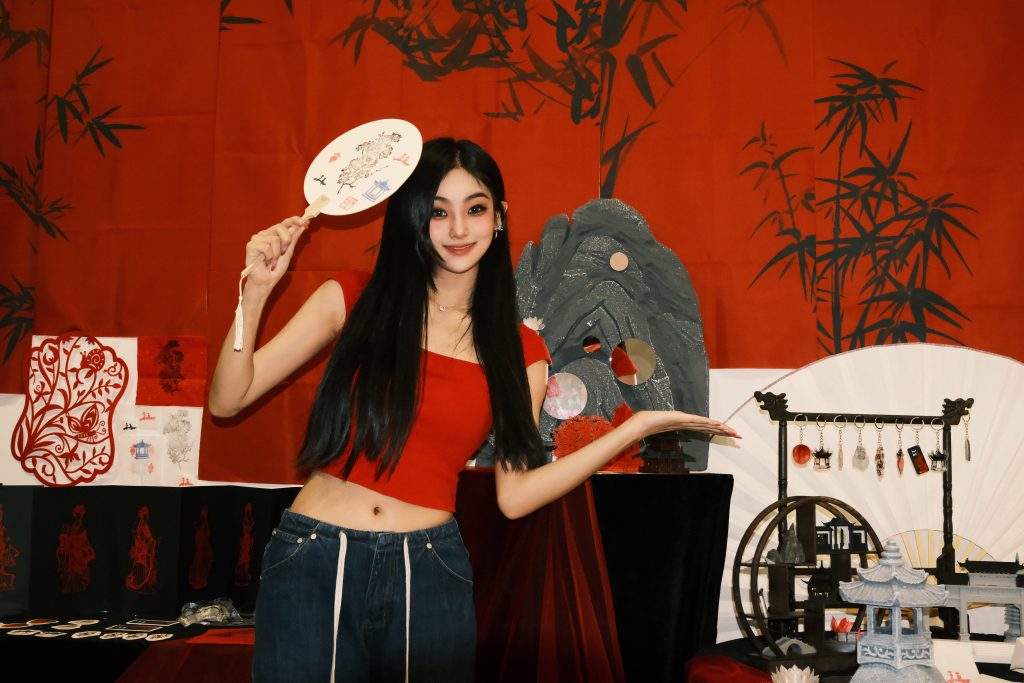
Jessie Sun
BA Digital Media Arts
Masters offers:
- The University of Edinburgh - MSc Design Informatics, MA Design Informatics
- The University of Manchester - MSc Digital Transformation, MA Global Heritage Management
- University of Bristol – MSc Immersive Technologies (Virtual and Augmented Reality), MA Digital Media Innovation
- University of Glasgow - MDes in Design Innovation and Interaction Design
- University of Birmingham - MA (Taught) in Digital Media and Creative Industries
- University of Southampton - MA Digital Media
- University of Leeds - MA Digital Design Futures
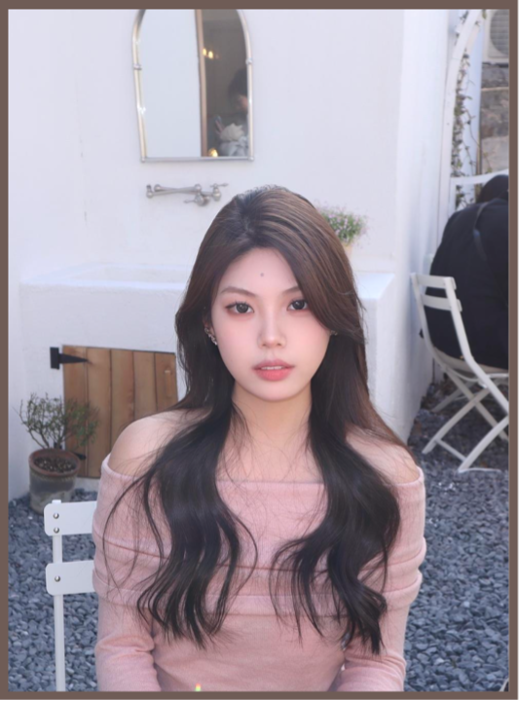
Qingzhao Wu
BA TV Production
Masters offers:
- The University of Hong Kong - MA in Creative Communication
- The Chinese University of Hong Kong - MA in Cultural Management
- The Hong Kong Baptist University - MA Communication
- The Nan Yang Technological University - MA Media and Communication
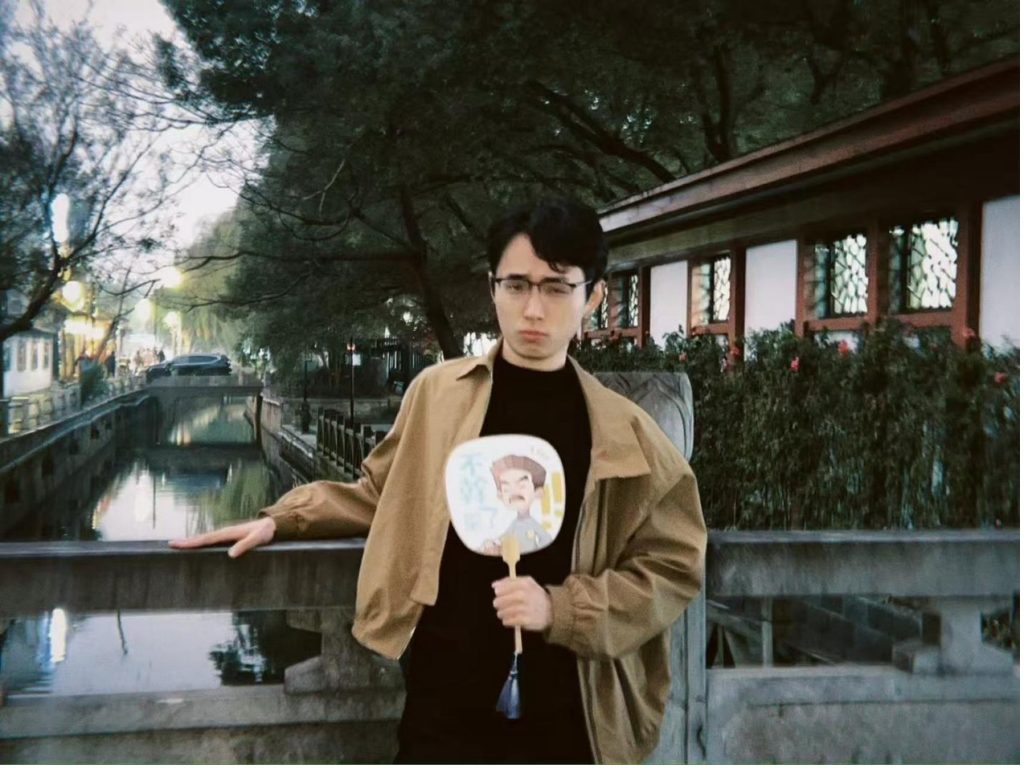
Xiao Yun
BA Arts, Technology and Entertainment with Contemporary Entrepreneurialism
Masters offers:
- University of the Arts London – MA Virtual Reality
- Goldsmiths, University of London – MA Games Design
- Savannah College of Art and Design – MA Interactive Design and Game Development
- School of Visual Arts – MFA Computer Arts (Game Design Track)
- Rochester Institute of Technology – MS Game Design and Development
- Columbia University (Teachers College) – MA Technology, Media and Learning
Q: Introduction
Yanbing Wei: Hello everyone, my name is Yanbing Wei, and I am a graduate of the Class of 2026 in Filmmaking Programme at the Academy of Film and Creative Technology (AFCT), Xi’an Jiaotong-Liverpool University (XJTLU), specialising in Sound Design. During my studies, I ranked first in my programme for two consecutive years and was awarded the XJTLU Academic Scholarship.
This year, I primarily applied to master's programmes in Film Scoring in the United States. I was fortunate to receive offers from Berklee College of Music (Master of Music in Scoring for Film, with a USD 15,000 scholarship), New York University (Master’s in Music Theory & Composition: Screen Scoring), and the San Francisco Conservatory of Music (Master’s in Technology and Applied Composition, with a USD 54,000 scholarship). After careful consideration, I decided to pursue my postgraduate studies at Berklee College of Music, where I hope to continue developing my expertise in film scoring and sound design and further my career in the field of music and sound for visual media.
Jessie Sun: Hello everyone. I’m Jiexin Sun, you can call me Jessie as well, a final-year student majoring in Digital Media Arts at the Academy of Film and Creative Technology, Xi’an Jiaotong-Liverpool University. My undergraduate research focuses on digital inheritance of traditional art and immersive interactive installation. I apply for postgraduate programmes focusing on computational art and cultural interactive media, and have received multiple master’s offers from top UK universities, including the University of Edinburgh and the University of Manchester.
Qingzhao Wu: Hello everyone, I'm Qingzhao Wu from Class 22 TV Production Programme. Nice to meet you all! If you'd like to get to know me, feel free to contact me, because I really don't know how to write an interesting self-introduction. I'm someone with very low energy, I love sleeping and enjoy taking solo walks at night. But I've always known what I want and have been working toward it. I'm also trying to be brave in getting to know myself better.
Xiao Yun: Hello everyone, my name is Xiao Yun, and I am a student in the Arts, Technology and Entertainment with Contemporary Entrepreneurialism (ATE) programme at the Academy of Film and Creative Technology (AFCT), Xi’an Jiaotong-Liverpool University—XEC Campus.
If I had to describe myself in one sentence, I would probably say that I am “someone who genuinely loves games”.
I enjoy playing all kinds of games, but I am equally passionate about creating them. Games have been one of my most important interests since childhood. Over time, I realised that I was not only interested in playing games, but also in understanding what makes them engaging and how ideas can be transformed into interactive experiences that others can enjoy.
Interestingly, I was not originally an ATE student. I initially enrolled in the Information and Computing Science programme. However, during my studies, I gradually realised that I did not want to be someone who simply implemented other people’s ideas. Instead, I wanted to become someone who could imagine new worlds, create original experiences, and bring ideas to life. This realisation led me to transfer into the ATE programme and begin my journey in game design.
During my time at university, I actively participated in numerous Game Jams and game development projects, taking on a variety of roles including game designer, programmer, artist, UI designer, and sound designer. These experiences allowed me to develop a broad understanding of the game development process while exploring different aspects of interactive media creation.
My primary area of interest is game design, and I have been fortunate to receive offers from several internationally recognised postgraduate programmes, including the Master of Arts in Technology, Media and Learning at Columbia University, MA Virtual Reality at University of the Arts London, MA Games Design at Goldsmiths, University of London, MA Interactive Design and Game Development at Savannah College of Art and Design (SCAD), MFA Computer Arts (Game Design Track) at the School of Visual Arts (SVA), and the MS in Game Design and Development at Rochester Institute of Technology.
Looking ahead, I hope to continue my studies in game design and further explore the possibilities of game storytelling, interactive experiences, and artistic expression. Ultimately, I aspire to create original games that combine creativity, technology, and meaningful player experiences.
Q: Why did you choose this programme?
Yanbing Wei: I didn’t choose the Filmmaking programme because I had a very clear idea of what I wanted to do in the future from the very beginning. Rather, I chose it because I had always been fascinated by film as an art form.
I grew up loving movies, but it wasn’t until high school, when I was exposed to some aspects of film production, that I started thinking about how films are actually created. I was fascinated by the way a film can influence audiences’ emotions through its combination of visuals, sound, music, and performance. I was drawn not only to the final product but also to the creative process itself, as well as the experience of collaborating with others to bring a project to life.
After entering university, I had the opportunity to explore a wide range of areas within filmmaking, including cinematography, directing, editing, producing, and sound. Through various courses and practical projects, I gradually discovered that sound design and film scoring were the fields that interested me most. More than the technical aspects of production, I was particularly interested in how sound and music can shape emotions, enhance storytelling, and create meaningful experiences for audiences.
Looking back, choosing the Filmmaking programme provided me with an excellent platform to experience the entire filmmaking process and ultimately discover the area I am most passionate about. It was through this journey that I decided to pursue postgraduate study in film scoring, with the goal of continuing to develop my skills and build a career in film music and sound for visual media.
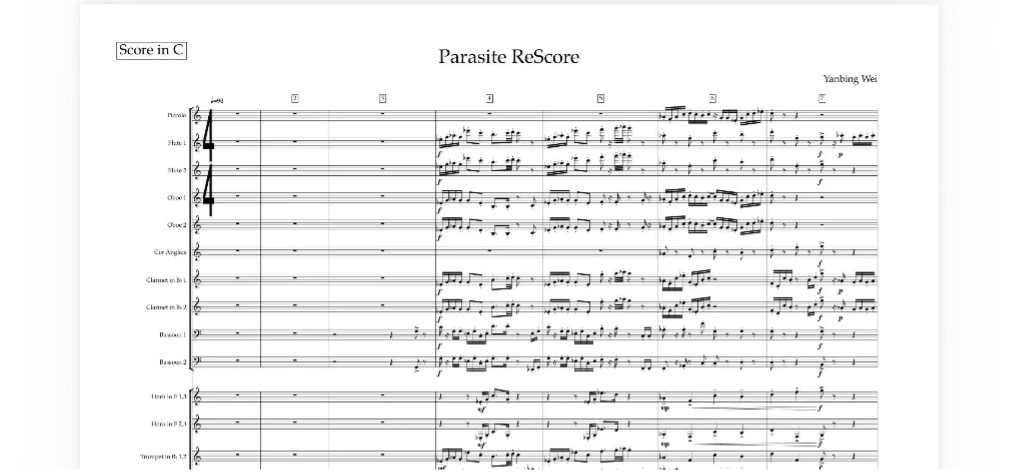
Score for ensemble performance
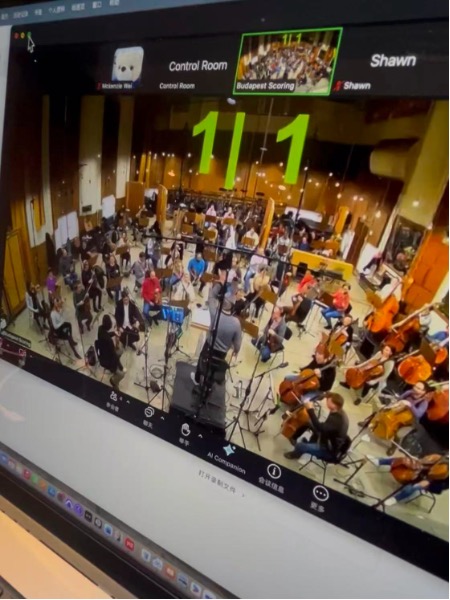
Recording of the ensemble performance
Jessie Sun: Looking back, choosing Digital Media Arts feels like an inevitable choice for me. When I was selecting universities after the college entrance examination, I met an alumna from Yaohua High School who studied DMA at XJTLU at a university recruitment fair. Having received long-term professional art training since childhood, I’ve built my unique artistic taste and passion. In an era where everything can be treated as media, DMA perfectly combines art and cutting-edge technology, which firmly drove me to pick this major.
Qingzhao Wu: I chose TV Production primarily because I wanted to avoid mathematics and heavy quantitative reasoning. Besides, I had experience in drawing and always wanted to explore art-related programmes. I hesitated between architecture and film, but finally decided on TV production based on my genuine interest and career prospects. This programme satisfies my creative drive while offering a clear professional path.
Xiao Yun: My interest in games was never limited to simply playing them. Over time, I became increasingly curious about a more fundamental question: what makes a game enjoyable?
Growing up, I experienced a wide variety of games, and through this process, I developed a strong interest in the design principles behind them. I came to realise that games are far more than a form of entertainment; they are a unique medium that brings together art, technology, storytelling, and interactive experience.
The ATE programme provided me with the ideal interdisciplinary environment to explore these interests. Through the programme, I was able to study design thinking, creative expression, and visual arts while also gaining experience in programming, interaction design, and digital technologies. This combination of artistic creativity and technological innovation gradually led me to discover the field I am most passionate about—game design.
More importantly, the programme taught me more than how to create projects. It showed me how to transform ideas into reality through a structured process of experimentation, collaboration, and development. For me, this has been one of the most valuable lessons of my university experience and has ultimately shaped the direction of my future career.
Q: What do you think is the most distinctive feature of this programme? Are there any modules or teachers you particularly liked?
Yanbing Wei: One of the biggest strengths of the Filmmaking programme is its strong emphasis on practical learning.
Rather than simply studying theories in the classroom, we learn through continuous hands-on experience, creating projects and collaborating with others. From pre-production planning and filming to post-production, students have the opportunity to participate in every stage of the filmmaking process. This allows us to gain a comprehensive understanding of how a film is developed from an initial idea to a finished work.
What I particularly appreciate about the programme is the opportunity to explore different roles within the film industry. When I first started university, I wasn’t entirely sure what specific career path I wanted to pursue. However, through various projects, I was able to experience directing, cinematography, producing, editing, and sound design. Over time, I discovered that sound design and film music were the areas I felt most passionate about, and they gradually became the focus of my future career plans.
One teacher who had a particularly significant impact on me was my Sound Design teacher, Mr Dane Taylor. He is an incredibly dedicated and supportive teacher who always takes the time to engage with students, both inside and outside the classroom. One experience that left a lasting impression on me was how he would often organise film screenings during his free time and guide us through detailed discussions of the sound design in those films. We explored how sound shapes emotion, supports storytelling, and contributes to the overall cinematic experience—elements that many audiences may not consciously notice but which are essential to effective filmmaking.
What makes this story even more meaningful to me is that Mr Dane Taylor graduated from Berklee College of Music, and this year I will also be joining Berklee to pursue a Master of Music in Screen Scoring. From being inspired by his classes to continuing my studies at his alma mater, it feels like a remarkable full-circle moment. I am excited to begin this next chapter and continue exploring the creative possibilities of film sound and music in a new environment.
Jessie Sun: The programme features interdisciplinary and diversified teaching. Courses are designed progressively, presenting diverse career paths in digital media, together with abundant practical platforms for independent exploration. Almost every course benefited me greatly. Two teachers guided me through my university journey: Ms Yang Liu taught my first core module, FTA002 Start Digital Media Arts, supervised my SURF research project and final dissertation; Ms Fang Liu was my graduation project supervisor. I’m sincerely grateful for their continuous academic support and guidance.
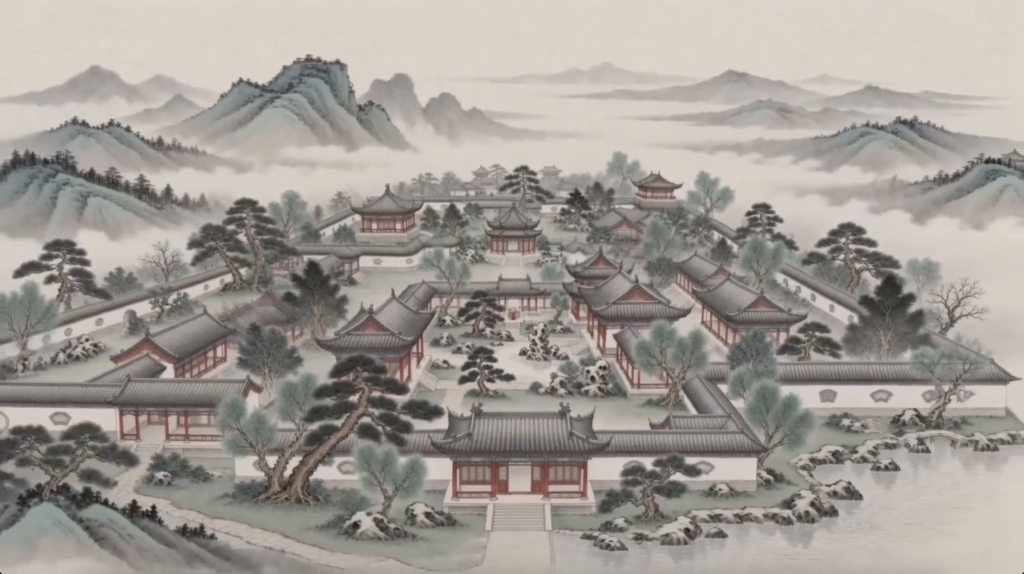
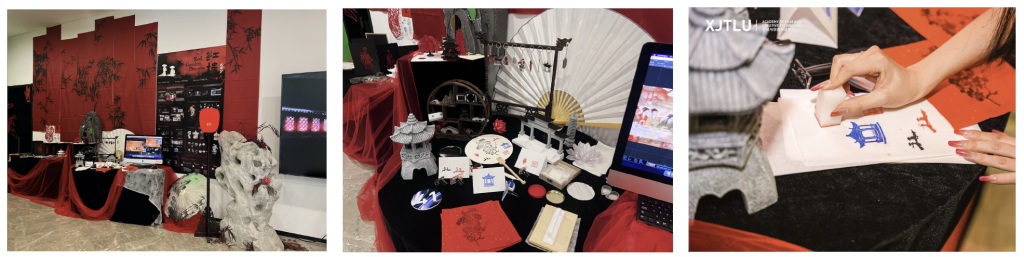
Work: Red Garden Dream
Qingzhao Wu: The most prominent feature of our programme is diversity. We study editing, sound design, scriptwriting, large-scale variety show production, TV drama production, and more – not limited to a single focus. This gives us a comprehensive understanding of the entire film and TV workflow.
Xiao Yun: One of the most distinctive features of the ATE programme is that it does not prescribe a single path for students to follow.
Some students are passionate about animation, others focus on interaction design, programming, game development, or digital art. Although we may ultimately pursue very different careers, the programme provides an environment where everyone can discover and develop their own interests and strengths.
For me, the greatest value of the programme lies in its interdisciplinary approach. It taught me how to think across the boundaries of design, art, and technology, and how to integrate these perspectives when solving creative problems and developing interactive experiences.
Two faculty members who have had a particularly significant influence on my development are Dr Jing Sun and Mr Yankuang Gu. As I intend to pursue a career in game design, Dr Sun provided invaluable guidance in design thinking and game design theory. Through her teaching, I began to develop a deeper understanding of what it means to design with the player experience at the centre of the creative process. Mr Gu, on the other hand, offered extensive support in game production and project-based practice. His guidance helped me understand how to transform ideas into tangible outcomes and navigate the practical challenges of game development.
I have also been fortunate to learn from many other inspiring faculty members, including Mr Zhonghao Chen, Mr Kim Lau, and Ms Allison. One of the most rewarding aspects of the ATE programme is that, regardless of the direction students choose to pursue, there are always dedicated mentors willing to support their growth and help them realise their ambitions.
Q: Could you share your postgraduate application experience?
Yanbing Wei: When sharing advice on graduate school applications, I believe the most important factors are early planning and identifying your genuine interests as early as possible.
For many universities in the United States, admissions decisions are based on more than a portfolio alone. Institutions such as New York University take a holistic approach, considering academic performance, project experience, extracurricular involvement, leadership, and personal development alongside creative work. Therefore, I would encourage students to approach every project and opportunity seriously from their first year onwards, as these experiences often become valuable components of a competitive application.
For students pursuing film and creative arts disciplines, however, the portfolio remains a central element of the application process. The university provides an ideal environment to explore different areas of filmmaking through practical projects and collaborative experiences. By actively participating in a variety of productions, students can gradually discover the fields that interest them most while building a body of work that reflects their creative strengths and artistic identity.
Looking back, I have come to realise that postgraduate applications are not something that begins in the final year of study. Rather, they represent the culmination of four years of academic development, creative exploration, and personal growth. With clear goals, consistent effort, and a willingness to embrace new opportunities, students can steadily build the foundation needed to achieve their future aspirations.
Jessie Sun: My core advice for postgraduate application is to stick to your own pace and stick to your inner choice. XJTLU provides diversified development paths for us. Everyone has unique strengths and aesthetics. I treated every coursework as original artwork and polished works until they could impress myself, which laid a solid foundation for my portfolio and applications.
Qingzhao Wu: I completed my graduate school applications independently without an agent. It was time-consuming and demanding – from researching programs, writing papers, preparing portfolios, to endless revisions. But the sense of achievement when receiving the offer was unparalleled. My advice: start early, stay organised, and trust your own judgment.
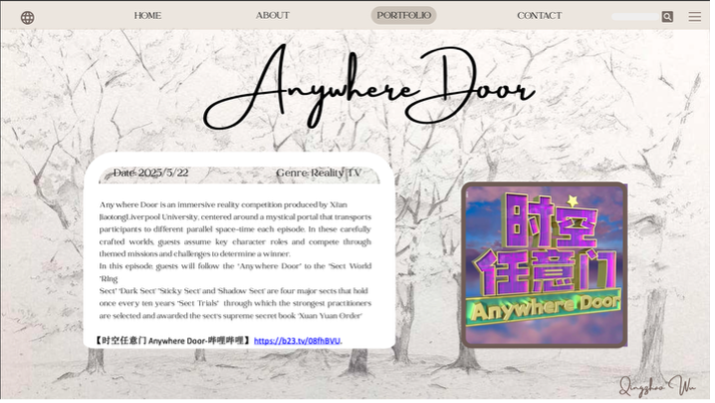
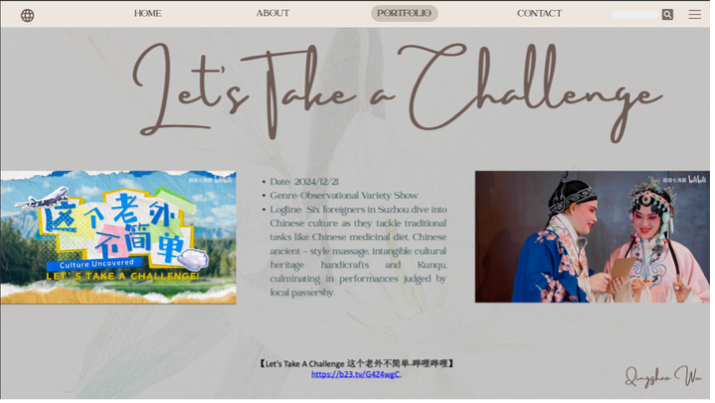
Project images
Xiao Yun: If I were to summarise the most important lesson I learned from the graduate school application process, it would be this: before building a portfolio, take the time to understand who you are.
Many students assume that the portfolio is the most important part of an application. In my view, however, a portfolio is ultimately the result of a clear personal direction. The first step is to identify what genuinely interests you. Is it game design, technical development, visual design, or interactive experience? Once you have found your focus, your portfolio should demonstrate depth and progression within that area, rather than attempting to showcase a little bit of everything.
Another piece of advice I would offer is to prioritise complete projects. The experience gained from developing a project from concept to completion is often far more valuable than producing numerous disconnected exercises. Working through a full project requires you to solve real problems, make difficult decisions, and reflect on the effectiveness of your design choices. These experiences not only accelerate personal growth but also provide stronger evidence of your abilities as a designer.
Perhaps the most important insight from my application journey is this: do not simply tell people what you created—explain why you created it. Admissions committees are not only interested in technical skills or finished outcomes; they want to understand your thought process, motivations, and approach to problem-solving. Ultimately, universities are looking for creative thinkers and future designers, not simply individuals who can execute tasks.
Q: Apart from classroom learning, what campus activities, student organisations, competitions or projects did you take part in at XJTLU?
Yanbing Wei: Beyond my academic studies, I actively participated in a wide range of campus activities and student organisations throughout my time at university. One of the most meaningful experiences for me was my involvement with the XJTLU Volunteer Academy.
Driven by a long-standing interest in community service and social impact, I served as President of the Volunteer Academy, where I worked closely with my team to organise and participate in a variety of volunteering initiatives while maintaining partnerships with both on-campus and external charitable organisations. One particularly memorable experience came in the post-pandemic period, when we sought to rebuild connections with teaching-support programmes and other long-term volunteer projects. Although the process presented numerous challenges, our team successfully re-established and expanded several collaborative initiatives, enabling more students to engage in meaningful community service.
This experience not only strengthened my organisational, leadership, and team-management skills, but also taught me how to communicate and collaborate effectively with people from diverse backgrounds. Beyond professional and academic development, it encouraged me to become more attentive to social issues, more empathetic towards others, and more conscious of the responsibilities that come with leadership. Looking back, these experiences have been just as valuable as my disciplinary training, shaping both my personal growth and my understanding of how creative practitioners can contribute positively to society.
Jessie Sun: Besides regular courses, I took part in the SURF research project Bridging Ancient Art and Modern Technology: AI-Driven Storytelling of Dunhuang Mogao Grottoes, supervised by Ms Yang Liu, focusing on digital inheritance of Dunhuang art. Meanwhile, I have practised Chinese classical dance since the age of three and joined the university dance troupe. In four years, I took part in nearly 40 performances, including opening ceremonies, provincial art competitions and municipal galas. Balancing study, research and rehearsals was challenging yet improved my time management remarkably.
Qingzhao Wu: During my four years at XJTLU, I served as president of an academic club, organising various professional lectures and events. In addition, I completed four internships, two of which were at big tech/media companies. These experiences not only enhanced my CV but also gave me deep insights into the industry, helping me clarify my career goals.
Xiao Yun: During my time at university, I devoted most of my extracurricular time to game development and competitions.
I participated in a number of Game Jam events, including Global Game Jam, CIGA Game Jam, and Game Jam Plus, all of which are well-known international game development competitions. Throughout these events, I took on a variety of roles, including lead game designer, programmer, artist, UI designer, and sound designer. Among these experiences, the most memorable was Global Game Jam 2025, where our team was awarded the Best Visual Art Award.
In addition to competitions, I also worked as a Network Operations and Maintenance Intern at Zhongbao Wangdun Technology Co., Ltd., a 3D Modelling Engineer at Yunnan Yanzhi Technology Co., Ltd., and participated in a cultural and creative promotional design project in collaboration with a team from the Netherlands.
These experiences taught me that game development is never the work of a single individual. Rather, it is a collaborative process in which a group of people come together to create something meaningful.
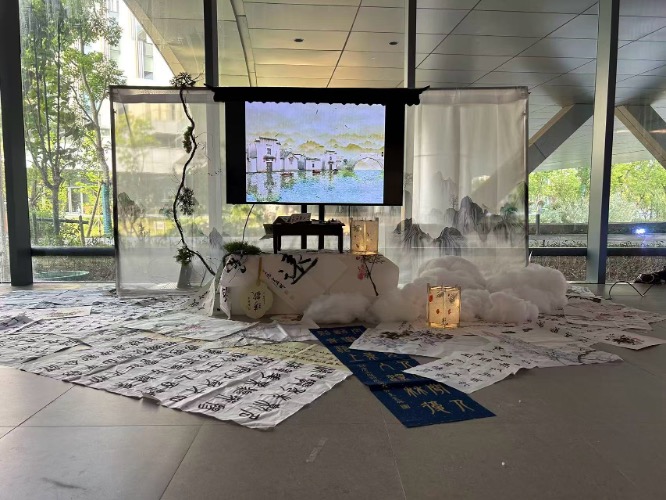
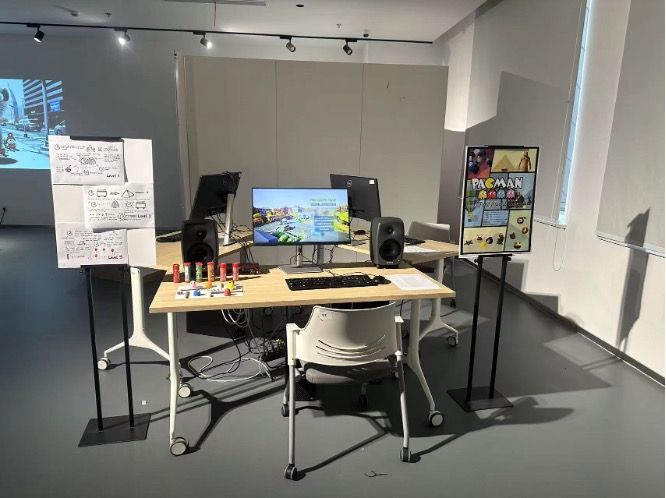
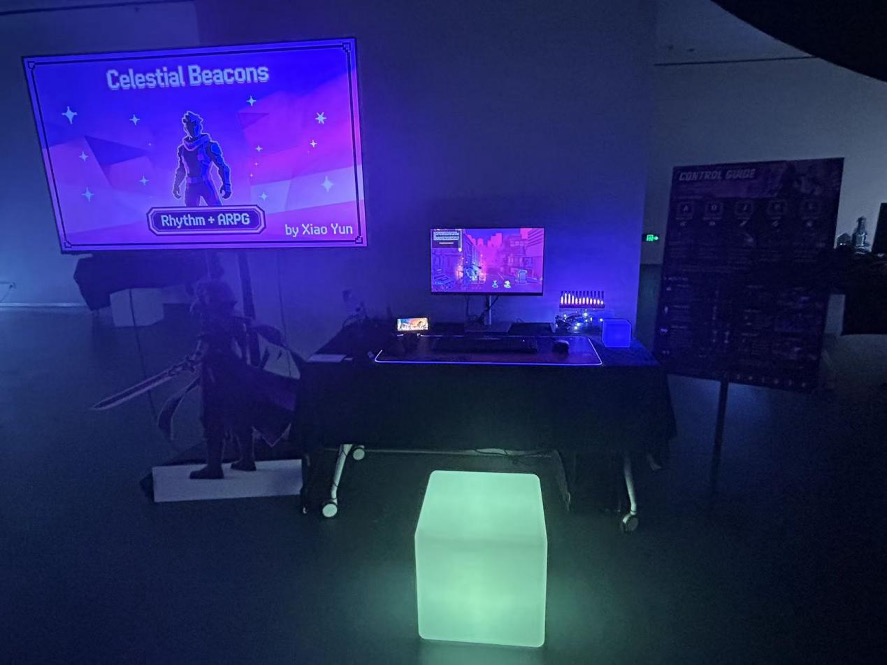
Project images
Q: What are your future academic or career plans?
Yanbing Wei: In the next stage of my academic journey, I will be pursuing a Master of Music in Screen Scoring at Berklee College of Music. Through this programme, I hope to further develop a systematic understanding of film scoring, orchestration, and music production, while continuing to strengthen my creative and technical abilities as a composer.
In terms of my future career aspirations, I hope to work within the film, drama series, or video game music industry, contributing to projects through music composition and sound-related creative work. As my undergraduate studies focused on Sound Design, I am particularly interested in exploring the intersection of sound, music, and visual storytelling. I believe that combining these disciplines can create richer and more immersive narrative experiences for audiences.
At this stage, however, my primary goal is to remain passionate about learning and creating. I hope to continue broadening my perspectives, gaining practical experience, and collaborating with talented artists from diverse backgrounds. Looking ahead, I aspire to contribute to outstanding creative projects and use music and sound as powerful tools for storytelling, emotional expression, and artistic communication.
Jessie Sun: Digital media evolves rapidly, making lifelong self-learning essential for practitioners. Fascinated by underlying technical logic and framework construction, I plan to strengthen my coding skills during postgraduate study, and apply technical capability to immersive space design based on traditional Chinese culture, realising digital revitalisation of heritage art.
Qingzhao Wu: After being admitted to my dream school, I've chosen to take a pause, to slow down in studying, working, and socialising, and wait until I feel fully recharged before setting off again. Of course, I can't stay still forever, since my dream is to make money. With the goal of securing a comfortable pension for retirement and giving my mom a better life, I believe I will make it happen.
Xiao Yun: Looking ahead, I hope to continue my studies in the field of Game Design.
I have always believed that games are more than just entertainment products; they are also a form of artistic expression. Films tell stories, literature tells stories, and games can do the same. What makes games unique, however, is that they allow players to actively participate in the experience. For this reason, I am particularly interested in exploring game narrative and interactive experiences, and I hope to investigate how meaningful stories and ideas can be integrated into game design.
In the long term, I aspire to work in the game industry, focusing on areas such as gameplay design and systems design. If the opportunity arises, I would also like to establish my own independent game studio and create original games that reflect my creative vision. Through these works, I hope to share ideas, tell meaningful stories, and connect with players through the unique medium of games.
Q: Could you summarise your four years at XJTLU in three keywords and share some advice for younger students?
Yanbing Wei:
Keywords: Perseverance, Responsibility, and Breakthrough
If I were to summarise my university journey in three words, they would be perseverance, responsibility, and breakthrough.
If I could offer one piece of advice to junior students, it would be not to rush into defining yourself too early. University is a valuable time for exploration and growth. Many students feel pressure to know exactly what they want to do from the beginning, but some of the most meaningful discoveries come through trying different experiences and embracing uncertainty.
I would also encourage students to make the most of every opportunity for practical learning and collaboration. While classroom knowledge provides an important foundation, many of the skills that shape our future are developed through real projects, student organisations, volunteer work, and interactions with others. These experiences often create unexpected opportunities and leave lasting impacts on personal and professional development.
Finally, try not to focus solely on outcomes. Grades, awards, and postgraduate admissions are important milestones, but they represent only part of the university experience. What matters more is finding something you genuinely care about and committing yourself to it over time. When your attention is focused on growth, learning, and continuous improvement, meaningful achievements often follow naturally.
Jessie Sun: Three keywords for my four-year university life: Opportunity-filled, Free-minded and Warm-hearted. My advice for underclassmen: Be brave to follow your heart and keep moving toward the person you want to be.
Qingzhao Wu: Looking back on the past four years, time seems to have passed incredibly quickly. I feel fortunate to have met so many inspiring teachers and supportive friends, and grateful for how much I have grown along the way.
If I had to choose three words to summarise my university experience, they would be calmness, determination, and courage.
I learned to remain calm in the face of pressure, stay determined in pursuing my goals, and be courageous enough to embrace the unknown. These three words not only describe my own journey, but are also something I would like to share with others.
Don’t be afraid to make mistakes. Allow yourself the freedom to explore, to learn, and to grow. Most importantly, have the courage to be yourself.
Xiao Yun: If I had to describe my university journey with three words, they would be: Exploration, Practice, and Integration.
Exploration, because university is the perfect time to discover what you truly enjoy and what kind of person you want to become.
Practice, because real growth comes from making things, testing ideas, failing, and trying again.
Integration, because the greatest strength of Art and Technology is learning how to bring together design, technology, and creativity into a single outcome.
As for advice, I would like to share a few things:
Start building complete projects as early as possible.
Find a direction that genuinely interests you instead of trying to do everything.
Learn how to present and communicate your ideas.
Don't be afraid of failure.
One lesson that helped me a lot is this: If you don't know how to start, start with the worst version. Make the simplest version first. Get something on the screen. Then improve it step by step. Many people struggle not because they lack ability, but because they are afraid of not being perfect.
Finally, talk to your lecturers, stay curious, and keep experimenting. Dream big, think big, and most importantly, take action. Every great project starts as an idea that seems impossible at first.
Thank you to every student who shared their story in this issue. Thank you for offering such honest reflections on choice, experimentation, perseverance and breakthrough to those who are still searching for their own direction.
You have shown us that growth does not follow a single path. It may begin with the courage to change programmes, emerge from a carefully refined piece of work, or take shape through a project, an internship, a rehearsal, or an application completed independently.
May you continue to move forward with passion, stay curious in the next stage of your journey, keep creating, and carve out your own path Beyond the Frame.
20 Jul 2026