




09 Jul 2026


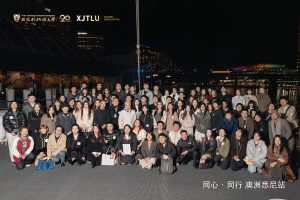
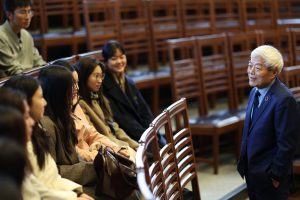
On June 24, 2026, a seminar focusing on "Glocal Planning Talent Cultivation in the AI Era" was successfully held at XJTLU. The meeting brought together senior experts from the planning industry, young planners, and student representatives. It aimed to explore planning education reform and glocal talent cultivation pathways in the AI era across three dimensions: industry development, professional practice, and talent cultivation, providing some valuable insights for planning curriculum optimisation and industry capacity building.
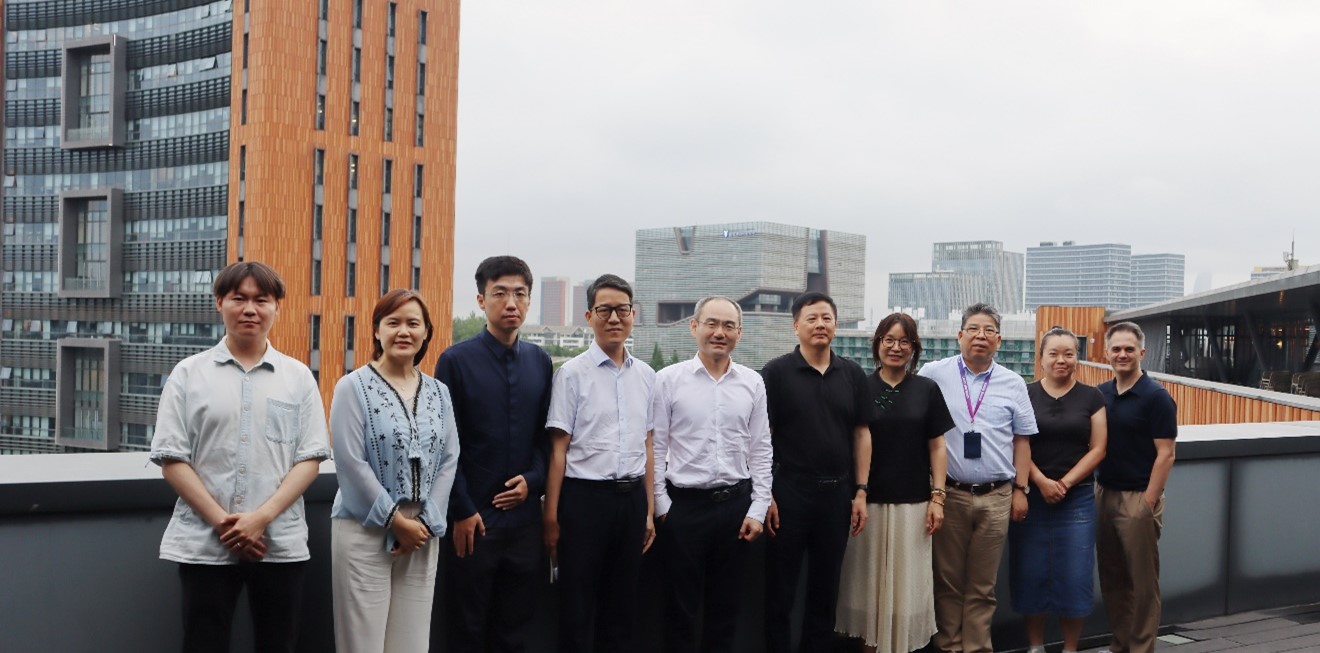
Group Photo
It focused on the profound impact brought by artificial intelligence to the urban and rural planning industry, talent demand, university teaching modes, and carried out exchanges around topics such as AI-enhanced learning environments, AI-supported assessment design, diversified teaching materials, and cross-modular comparative frameworks. The discussion touched on multiple changes that the planning industry faces, e.g. market structural adjustment, technological iteration, and international business expansion. AI can significantly enhance the efficiency of data collection and analysis, text generation, image expression, and scheme deduction, but its results still need to be calibrated by professional judgment, spatial perception, policy understanding, and value judgment. Future planning talents not only should master design expression ability, but more importantly, need to possess critical capabilities, including critical thinking, interdisciplinary integration, project management, data literacy, as well as international comparison and local adaptation.
Revolving around AI planning teaching reform, the seminar proposed that real projects, site surveys, case comparisons, and project-based learning should be further introduced, letting students understand the complete process of planning from early-stage planning to construction, operation, financing, and social embedding. Besides, AI can be utilised to simulate multi-party stakeholders, build professional knowledge bases, carry out cross-border virtual studios, and process-based evaluation, helping students cultivate their communication, judgment, and decision-making abilities in complex situations. It was also emphasised that planning education in the AI era should not stay at the tool usage level, but should combine technical capabilities with social responsibility, environmental compliance, local cultural understanding, and sustainable development goals. Through curriculum system renewal, evaluation method reform, and teaching resource construction, universities can better respond to industry changes, cultivating a new type of planning talent who can face global issues and be rooted in local practice.
As a result, the seminar provided new ideas for curriculum optimisation, rational application of AI tools in planning teaching, and innovation of practical teaching modes. It further strengthened the exchange and cooperation between universities and the industry, setting the ground for a talent cultivation system that takes future development and new industry trends as traction and continuously iterates through continuous feedback and collaborative optimisation, enlightening the global localisation planning talent cultivation model in the AI era. It both responds to the educational transformation brought by AI and provides insights for the collaborative development of future planning education and the industry.
09 Jul 2026