




01 Jul 2026


124 students from 22 countries begin a two-week journey through China’s business landscape, culture and innovation ecosystem
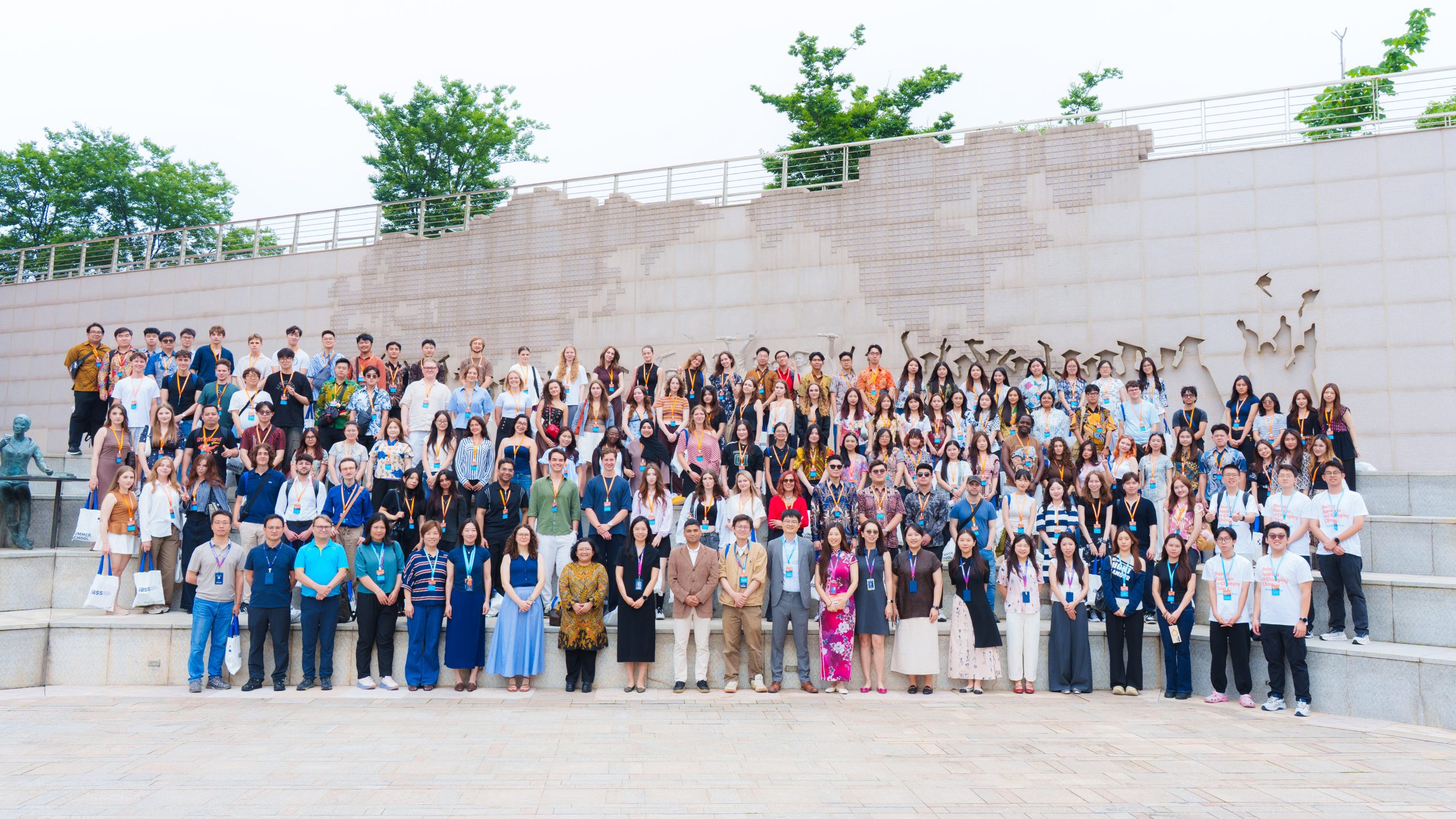
From classical gardens and Mandarin classes to AI marketing, green energy, financial trading and China’s fast-changing consumer market, 124 students from 22 countries have arrived at Xi’an Jiaotong-Liverpool University for the third edition of the "Doing Business in Changing China" summer school.
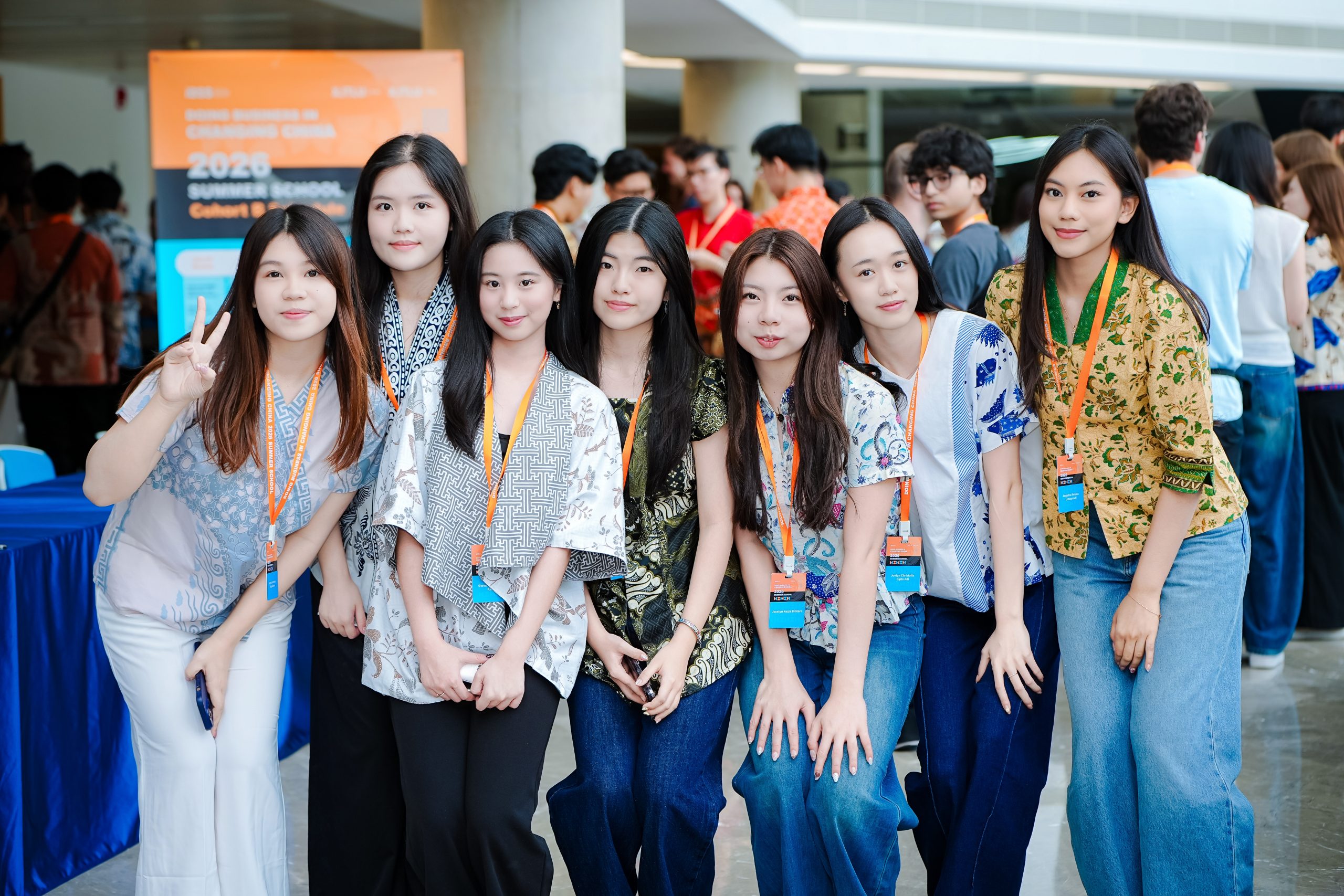
The two-week programme, co-organised by International Business School Suzhou (IBSS) and the Department of China Studies in the School of Humanities and Social Sciences, launched on 29 June. This year’s cohort is the largest so far, with students joining from countries including Indonesia, Russia, Spain, Germany, Italy, Belgium and the UK.
Across the programme, students will explore China through academic lectures, company visits, cultural field trips, Mandarin language learning and team-based business projects designed for the Chinese market.
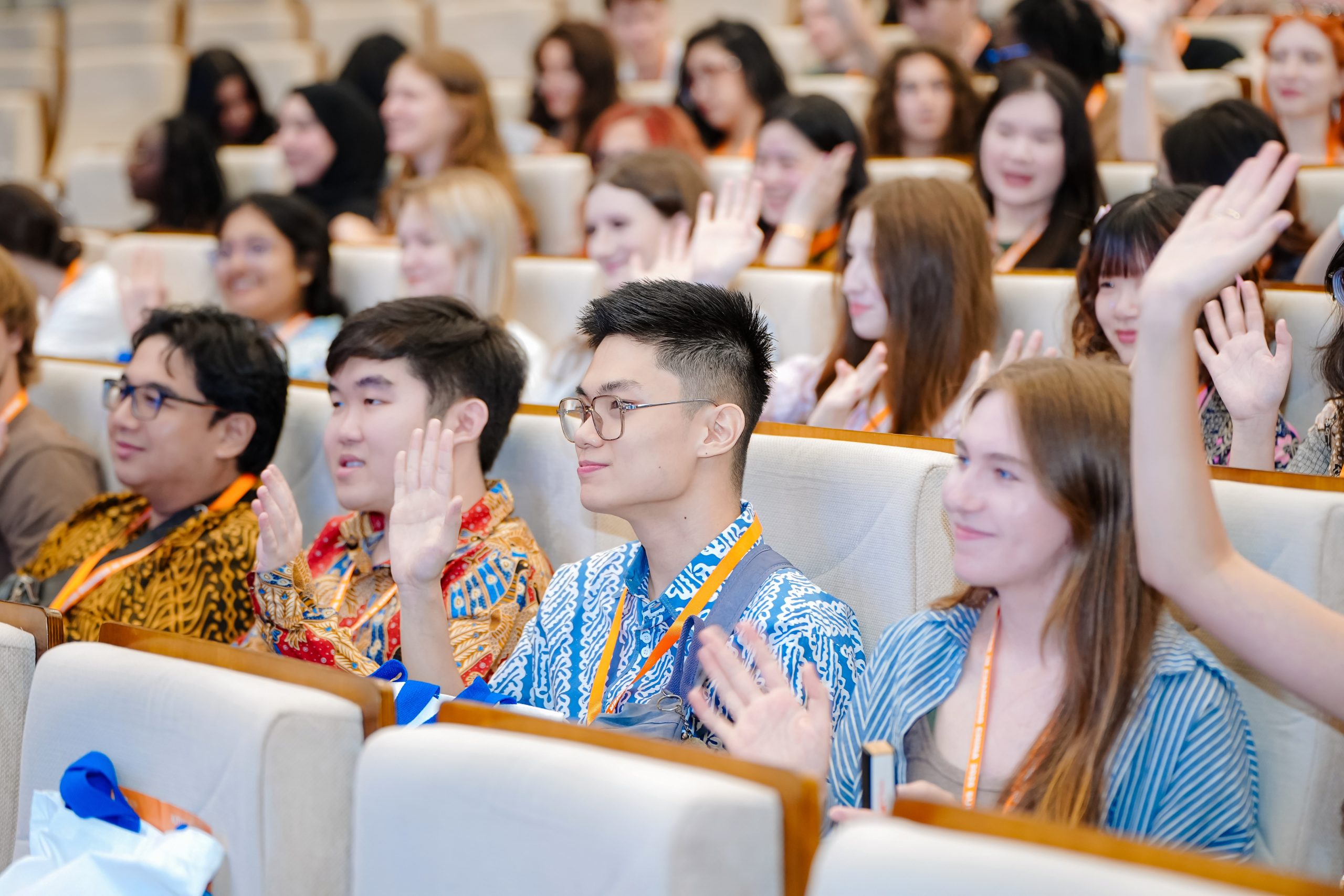
The opening ceremony hosted by Hailu Hou, Acting Lead of Student Development and Support Team at IBSS, began with students greeting one another in their own languages. It was a simple gesture, but set the tone for the weeks ahead: welcoming, international and open.
The ceremony brought together academic staff, guests and student volunteers, including Dr Nimesh Salike, Associate Dean for Teaching at IBSS; Dr Saarce Elsye Hatane, Vice Dean of the Business School at Petra Christian University, Indonesia; Dr Emily Williams, Head of the Department of China Studies; Dr Sol Jee Lee, Study Abroad Programme Lead at IBSS; Gary Ge, Deputy Director of X-Global; Markus Davis, International Student Support Officer, all academic instructors, Mandarin language tutors and student volunteers.
One cannot ignore China
In his welcoming remarks, Dr Nimesh Salike, Associate Dean for Learning and Teaching, highlighted China’s remarkable economic and social transformation and its growing importance for anyone hoping to understand global business. He pointed to XJTLU’s location in Suzhou Industrial Park (SIP) as one of the programme’s great strengths in as much as students are not only learning about China’s industry and innovation ecosystem - they’ll be able to experience it up close.
Beyond the textbook
Dr Emily Williams, Head of China Studies Department, spoke about the value of studying China from within China. She noted that although classroom learning can explain theories, systems and histories, being here allows students to see how China (actually) works in daily life. She also introduced longer study programmes offered by the Department of China Studies, including the one-year Diploma in China Studies and the new MA in Governance and Development of China. These programmes use SIP as a living laboratory for understanding governance, development and industry in contemporary China.
Learning by doing
Dr Sol Jee Lee, Study Abroad Director, introduced the two-week schedule, which has been designed to move students between the classroom, the city and companies. The academic sessions cover topics including China’s modern development, AI marketing, green energy transition, financial trading practice and domestic consumer trends. These are supported by Mandarin classes, industry forums and company visits, including to Siemens, where students will see how digital transformation is reshaping traditional manufacturing.
The cultural component of the programme will take students across Suzhou and Shanghai, pairing the quiet elegance of Suzhou’s classical gardens and ancient canals with the skyline of Shanghai’s financial centre. Together these visits represent the intersection of tradition and modernity. At the end of the programme, students will work in teams to develop business proposals for the Chinese market and present their ideas at the closing ceremony.
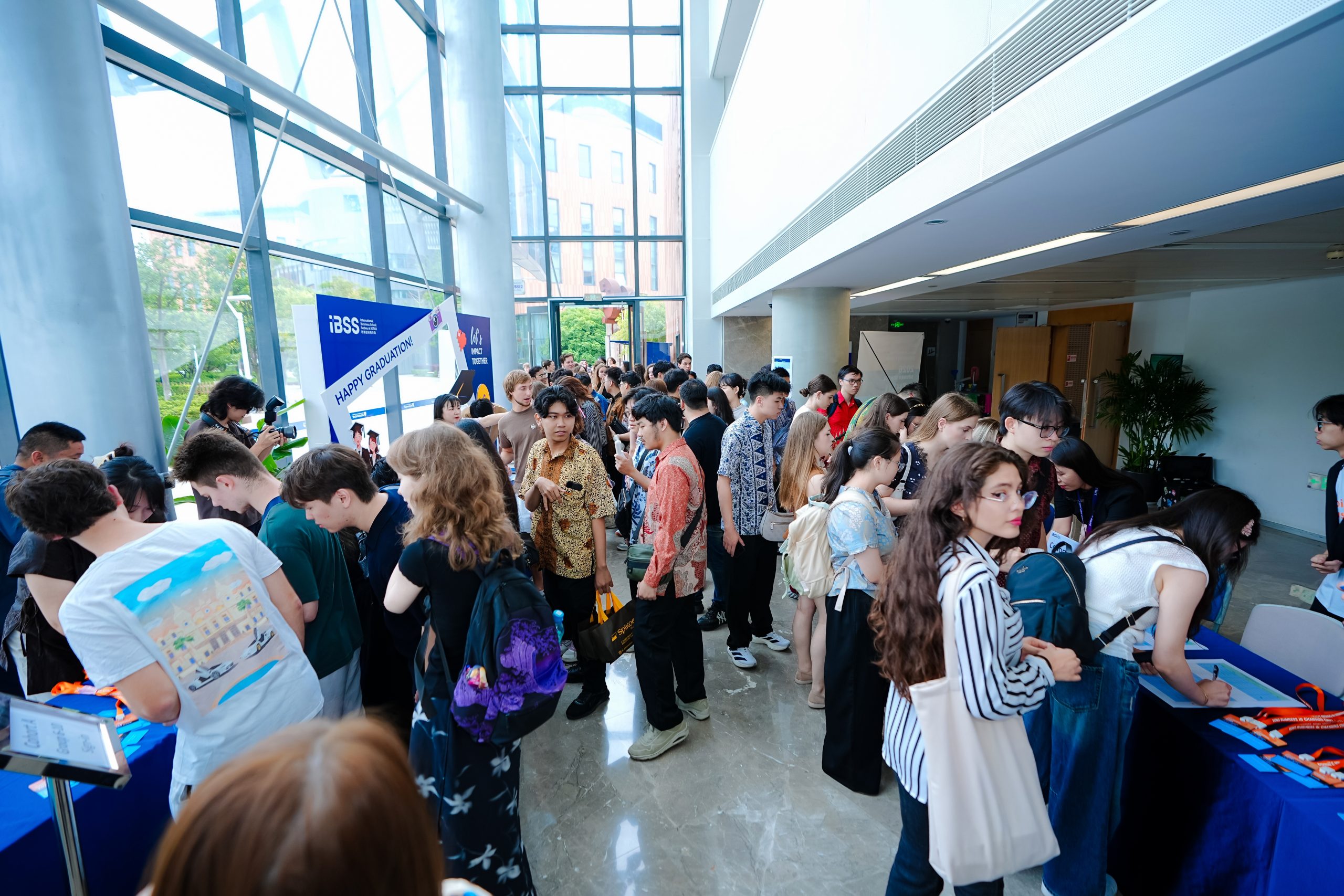
Now in its third year, the summer school as gone from strength largely down to the hard work of IBSS’s professional service staff, academics and industry partners as well as being ably supported by XJTLU’s Global team; notably Marcus Davis and Gary Ge.
For the students, it offers a valuable internationalisation opportunity – the chance to experience China up close, ask questions and build the cross-cultural competence needed to connect China with the rest of the world.
01 Jul 2026