







15 Jul 2026


As housing costs continue to consume a growing share of household income, housing has become increasingly intertwined with youth development, family choices, social equity, financial risk and urban governance. How serious and widespread is the global housing affordability crisis? What factors have contributed to it in different countries? What lessons can international experience offer for housing development in China and Suzhou?
On 10 July 2026, the Symposium on the Global Housing Affordability Crisis was held at Xi’an Jiaotong-Liverpool University. Drawing on a comparative analysis of 184 countries presented in UN-Habitat’s World Cities Report 2026: The Global Housing Crisis – Pathways to Action, the symposium featured a keynote presentation by Professor Piyush Tiwari, Professor of Property in the Faculty of Architecture, Building and Planning at the University of Melbourne and a co-author of the report.
Guests from the Jiangsu Branch of the China Index Academy, Suzhou Housing Industry Development Research Co., Ltd., Suzhou Hengtai Commercial Property Investment and Development Co., Ltd., and the Suzhou Industrial Park Urban Development Research Institute joined the discussion. They exchanged perspectives on global housing research, supply and demand in the property market, residential product design and the renewal of existing housing.
The symposium was chaired by Dr Yunqing Xu, Director of the XJTLU Urban and Environmental Studies University Research Centre and Associate Professor in the Department of Urban Planning and Design.
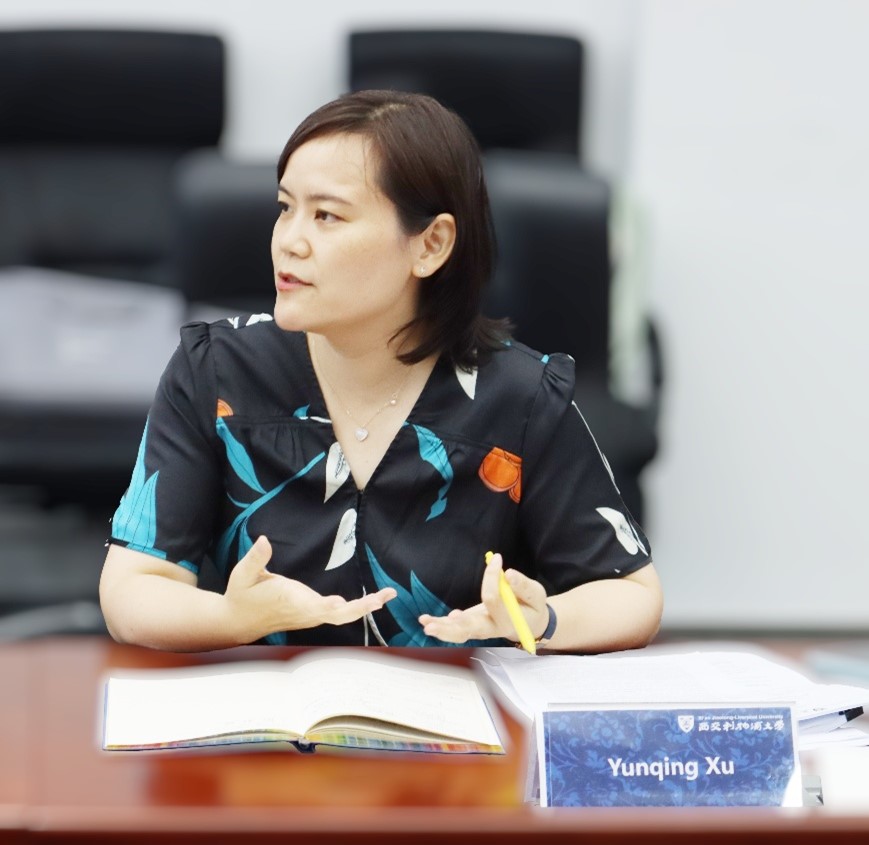
Dr Yunqing Xu, Director of the XJTLU Urban and Environmental Studies University Research Centre and Associate Professor in the Department of Urban Planning and Design, chairs the symposium
Housing Pressures Continue to Intensify Worldwide
In her opening remarks, Dr Yunqing Xu noted that housing is a complex issue closely connected with urban development, living standards, intergenerational well-being and financial security. Declining housing affordability can contribute to social segregation and financial risks, while also increasing vulnerability to climate-related crises and disasters. The thirteenth session of the World Urban Forum in 2026, or WUF13, was held under the theme “Housing the World: Safe and Resilient Cities and Communities”. The forum placed housing at the centre of the global urban agenda and positioned it as a “connector” linking different dimensions of urban development. During the forum, UN-Habitat released its flagship publication, World Cities Report 2026: Global Housing Crisis – Pathways to Action, which highlighted the severity of the global housing crisis and the urgent need for locally grounded action.
Against this background, the symposium aimed to connect global housing research with local practice and to identify insights emerging from the interaction between global perspectives and local exploration. As a co-author of the report, Professor Piyush Tiwari delivered a comprehensive presentation on the measurement of housing affordability, global trends, underlying causes, consequences, response strategies and policy tools. He explained that housing affordability generally refers to a household’s ability to access housing of an acceptable standard without house prices or rents placing an unreasonable burden on household income. Whether housing expenditure exceeds 30% of a household’s disposable income is one of the commonly used benchmarks in international research.
The data showed that, in 2023, approximately 44% of households worldwide spent more than 30% of their disposable income on housing. Among the 184 countries covered by the research, 148 had a median rent-to-income ratio above 30%. Globally, around one fifth of the population lived in overcrowded housing, while approximately one quarter lived in informal settlements. The global median house-price-to-income ratio increased from 10 in 2010 to 12 in 2023. Only two countries recorded a ratio of 3.0 or below, while 99 countries had a ratio of 9.0 or higher. East and Southeast Asia recorded a house-price-to-income ratio of 17, making the region one of the least affordable housing markets in the world.
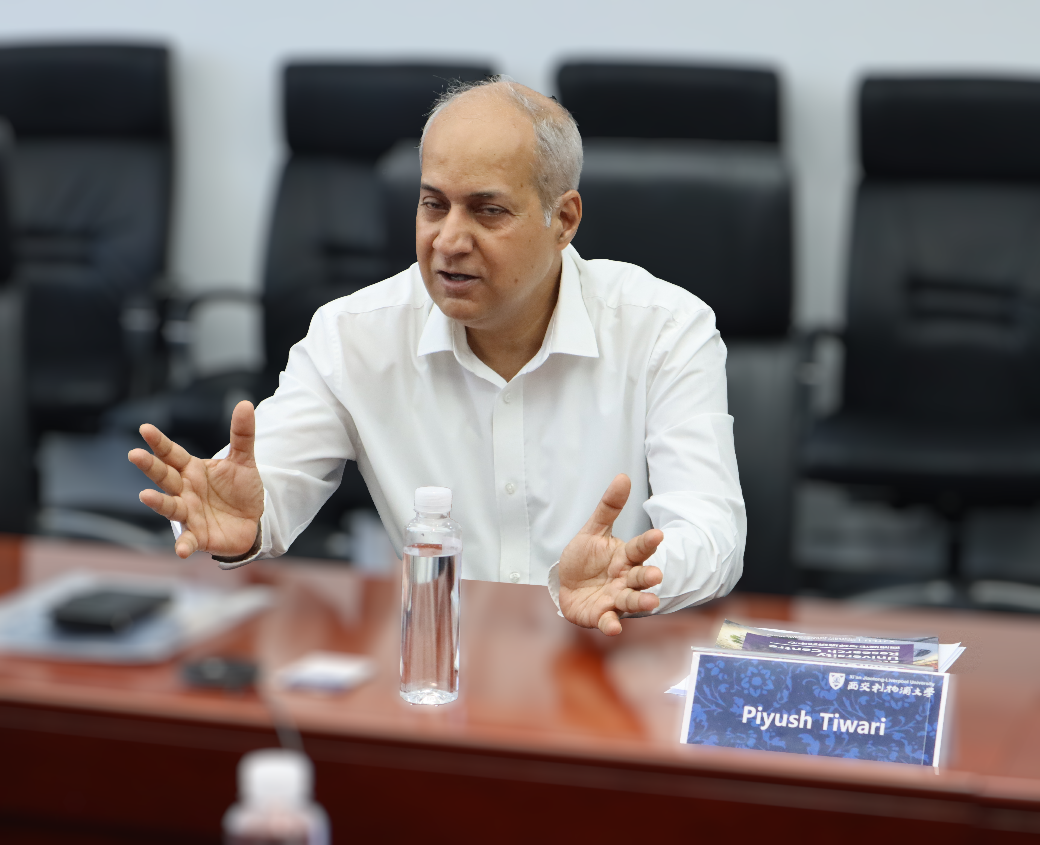
Professor Piyush Tiwari of the University of Melbourne presents research on global housing affordability
A Crisis Shaped by Multiple Interconnected Factors
Professor Tiwari identified 11 major drivers of housing unaffordability, including urbanisation, changes in household structure, income inequality, credit conditions, housing financialisation, insufficient supply, shortages of social housing, rising house prices and rents, transaction costs, and planning barriers. On the demand side, the growth of ageing urban populations and single-person households is closely associated with rental unaffordability. Income inequality and the financialisation of housing have further widened differences in households’ ability to enter the housing market. When housing is increasingly treated as a vehicle for wealth accumulation, young households, low-income families and first-time buyers often face higher barriers to home ownership.
On the supply and institutional side, housing construction has not kept pace with demographic and structural changes. In 2023, public or social housing accounted for less than 3% of the global housing stock. High borrowing costs, limited access to credit, expensive transactions, lengthy approval procedures and planning restrictions have also combined to constrain housing supply. The housing affordability crisis can have far-reaching consequences. In addition to poor living conditions, excessive housing expenditure may reduce the money available for essential needs such as food and transport, while also affecting education, health and family life. Young people may delay moving out independently or starting a family. Differences in the distribution of housing assets and housing debt across generations may also become more pronounced.
In response to these challenges, Professor Tiwari introduced a range of demand- and supply-side measures, financial mechanisms, planning approaches and community participation models. Examples included Singapore’s compulsory savings system, affordable housing assistance in Australia, housing loan guarantees in Morocco, and community-based practices in Brazil, Kenya, Thailand and Pakistan. He emphasised that no country has completely resolved the housing affordability problem and that there is no single solution suitable for every city. Different regions need to combine and adjust multiple measures according to their demographic conditions, economies, housing systems and local market circumstances.
China’s Property Market Shows Increasingly Differentiated Trends
During the market insights session, Haijun Yin , General Manager of the Jiangsu Branch of the China Index Academy, delivered a presentation titled “Property Market Conditions and Trend Outlook”. He introduced recent developments in both the national property market and the Suzhou market. After reaching a historic peak in 2021, the total floor area of commercial housing sold nationwide continued to decline. The current market has contracted to approximately 800 million to 900 million square metres, and the sector remained in a process of bottoming out in 2026.
In the first half of 2026, prices of newly built residential properties across 100 monitored cities increased by a cumulative 0.59%, while second-hand residential prices fell by a cumulative 2.90%. The market is increasingly characterised by differentiation between new and second-hand housing, between cities, and between different categories of residential products. In Suzhou, transactions in the new-build market remained under pressure, while the second-hand housing market showed more visible signs of recovery. In the first half of 2026, the transaction area of new homes in Suzhou reached 1.33 million square metres, representing a year-on-year decrease of approximately 24.5%. In June, however, the transaction area of second-hand homes increased by 30% year on year. Suzhou’s rental housing supply remained relatively sufficient, with the overall rent-to-income burden considered manageable. In the land market, the volume of transactions declined, although well-located sites in core areas continued to attract interest.
Yin said that the recovery of the property market would continue to be uneven. Second-hand housing markets in major cities may gradually stabilise, while improvements in the new-build market will be driven mainly by high-quality projects and better housing supply. A comprehensive recovery will still require time.
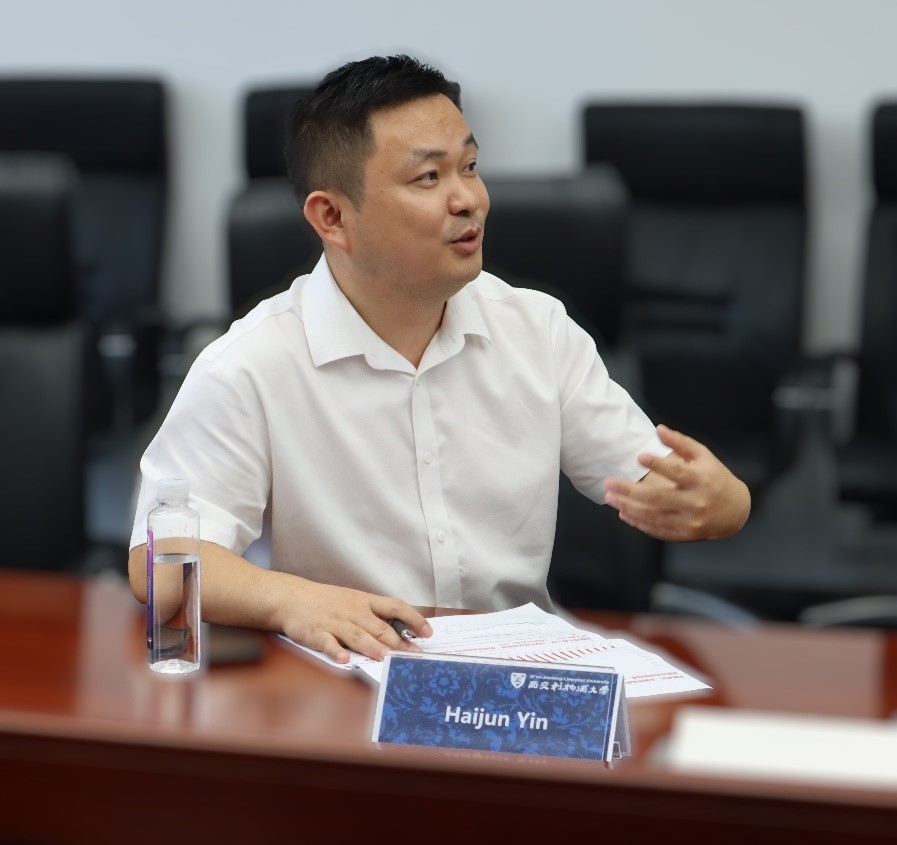
Haijun Yin , General Manager of the Jiangsu Branch of the China Index Academy, discusses current property market conditions and future trends
From Building “Good Houses” to Revitalising Existing Housing
During the discussion of local practice, Suzhou Housing Industry Development Research Co., Ltd. introduced its work in advancing the construction of “Good Houses”. The organisation has coordinated the participation of design institutes, property developers and research organisations in developing relevant construction standards and technical guidelines. Three rounds of project assessment have been completed, with a total of 89 projects approved.
The standards include both basic requirements and enhanced requirements. The basic requirements are intended to safeguard residents’ fundamental needs relating to health, comfort and everyday use. The enhanced requirements encourage property developers, design institutes and construction companies to further improve residential quality during the design and construction stages, taking into account project costs, product positioning and specific site conditions. The organisation is also working with XJTLU on long-term, participatory research into the renewal of affordable housing. Recent work on housing designed for people of all ages has explored ways to balance affordability and residential quality in response to social change and increasingly diverse housing needs.
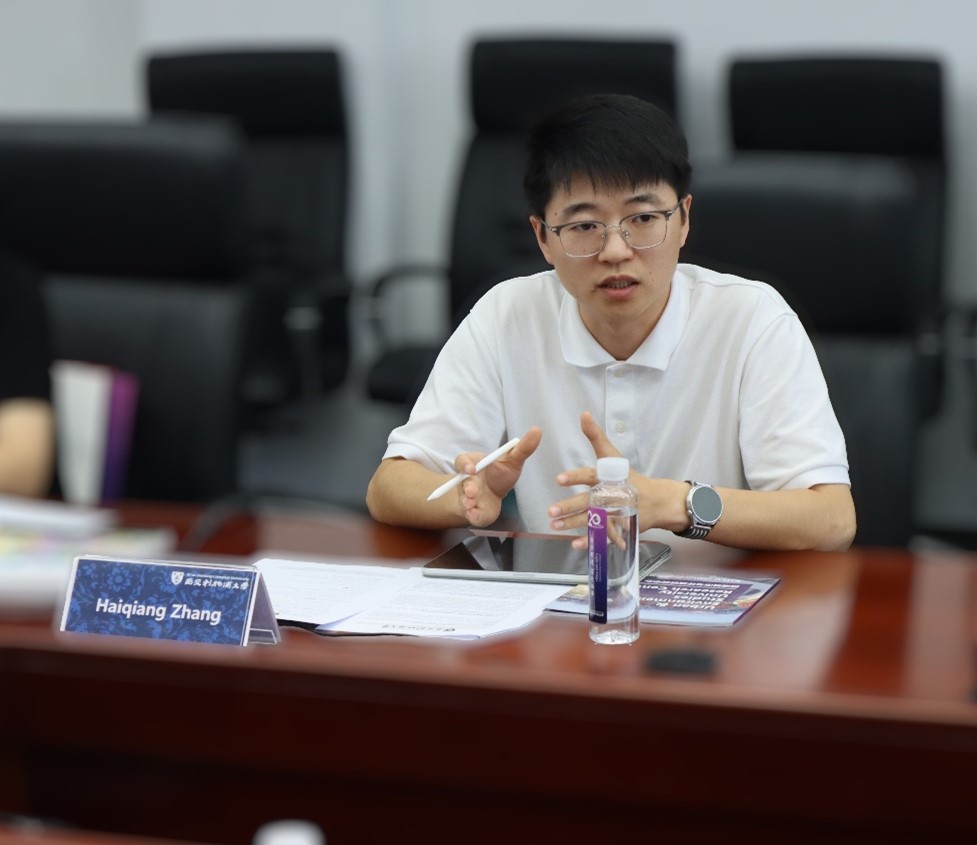
Haiqiang Zhang , Product Researcher at Suzhou Housing Industry Development Research Co., Ltd., contributes to the discussion
Jie Wu, Senior Manager in the Strategic Investment Department of Suzhou Hengtai Commercial Property Investment and Development Co., Ltd., and Zhang Chunxin, Director of the Policy Research Centre at the Suzhou Industrial Park Urban Development Research Institute, also participated in the roundtable discussion. In connection with current urban assessment programmes, housing replacement initiatives and related renewal policies, participants observed that some older homes in central urban areas benefit from favourable locations, relatively compact layouts, and convenient access to public services and transport.
Following housing condition assessments, safety inspections and appropriate renovation, such properties could provide a viable housing option for young people newly arriving in the city. As the property market gradually shifts from expansion through new development towards the adjustment and improvement of existing housing stock, enhancing the quality of older homes and making better use of existing housing resources will become an increasingly important area of research for high-quality housing development.
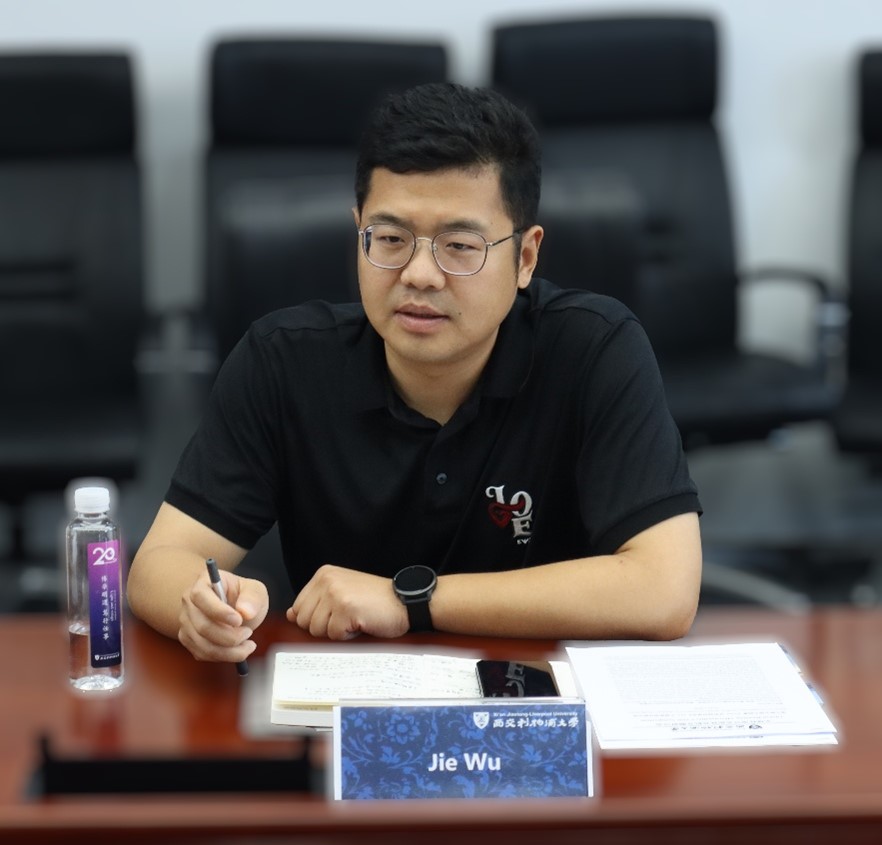
Jie Wu, Senior Manager in the Strategic Investment Department of Suzhou Hengtai Commercial Property Investment and Development Co., Ltd., participates in the roundtable discussion
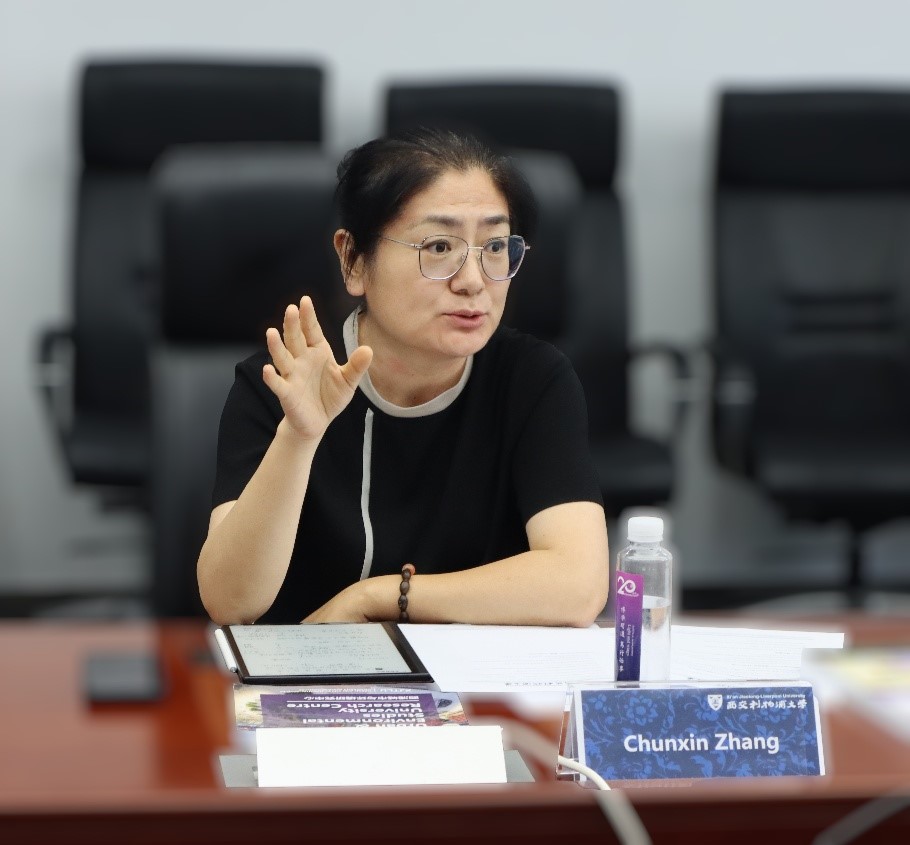
Chunxin Zhang, Director of the Policy Research Centre at the Suzhou Industrial Park Urban Development Research Institute, participates in the roundtable discussion
Connecting Global Experience with Local Practice
The symposium brought the World Cities Report, global housing affordability research, changes in China’s property market and local practice in Suzhou into a shared framework for discussion. It provided an international perspective through which local development could be examined and promoted a more comprehensive and integrated understanding of housing issues. The XJTLU Urban and Environmental Studies University Research Centre will continue to create opportunities for dialogue among diverse stakeholders and to explore comprehensive, locally appropriate and integrated approaches to housing development.
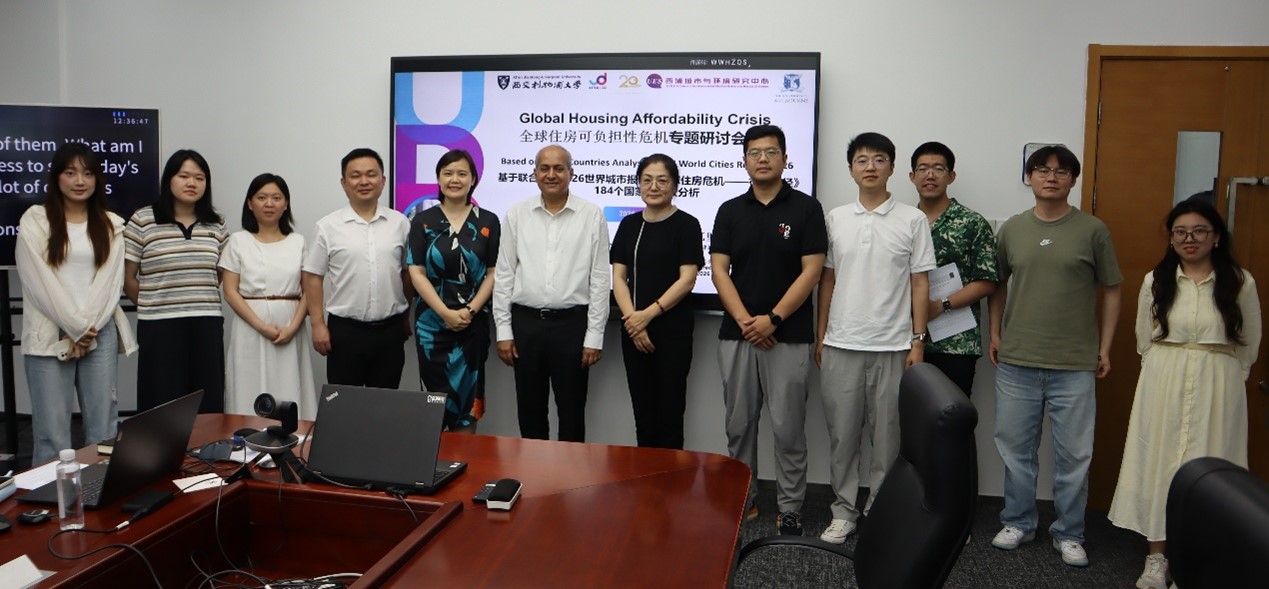
Participants at the Symposium on the Global Housing Affordability Crisis
15 Jul 2026