




15 Jul 2026


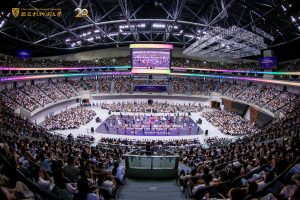
On the afternoon of 2 July 2026, the symposium “International Science and Innovation Parks: Planning and Practice of Industry–City Integration” was held at Xi’an Jiaotong-Liverpool University.
Under the theme “A Dialogue on Development Experience from the Oxford–Cambridge Arc, the Greater Bay Area, and the Shanghai–Suzhou Innovation Districts”, the symposium brought together experts and representatives from universities, planning and design organisations, industrial park associations and a municipal Party school. Participants held in-depth discussions on the evolution of international science and innovation parks, approaches to industry–city integration, the renewal and transformation of industrial parks, and regional innovation collaboration.
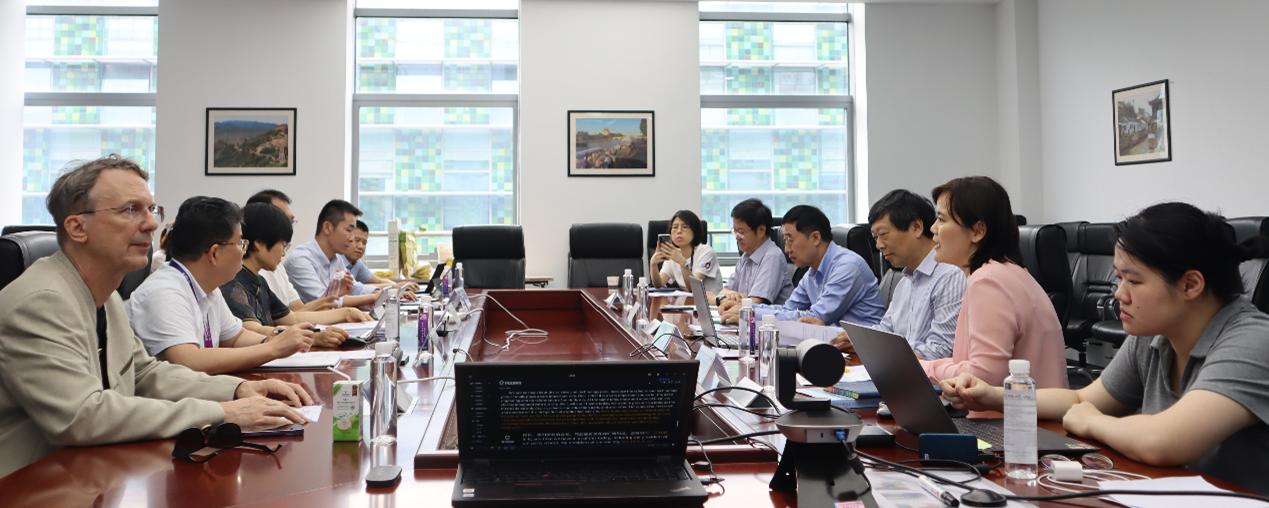 On-site photo
The event was chaired by Dr Yunqing Xu, Associate Professor in the Department of Urban Planning and Design at XJTLU and Director of the XJTLU Urban and Environmental Studies University Research Centre. In the opening speech, Professor Marc Aurel Schnabel, Dean of the Design School at XJTLU, said that science, innovation and industrial parks had long been an important area of research for the Design School. In the context of rapid changes in global cities and industries, innovation depends not only on technological breakthroughs, but also on integrated environments that can attract talent, connect industries and support everyday life. Professor Schnabel noted that industrial park development varies considerably between regions, and that cross-regional exchange can create opportunities for mutual learning. Like cities themselves, science and innovation parks are continually evolving. He added that the symposium served both as a forum for sharing experience and as an opportunity to generate new ideas for the continued development of science and innovation parks in Suzhou and beyond.
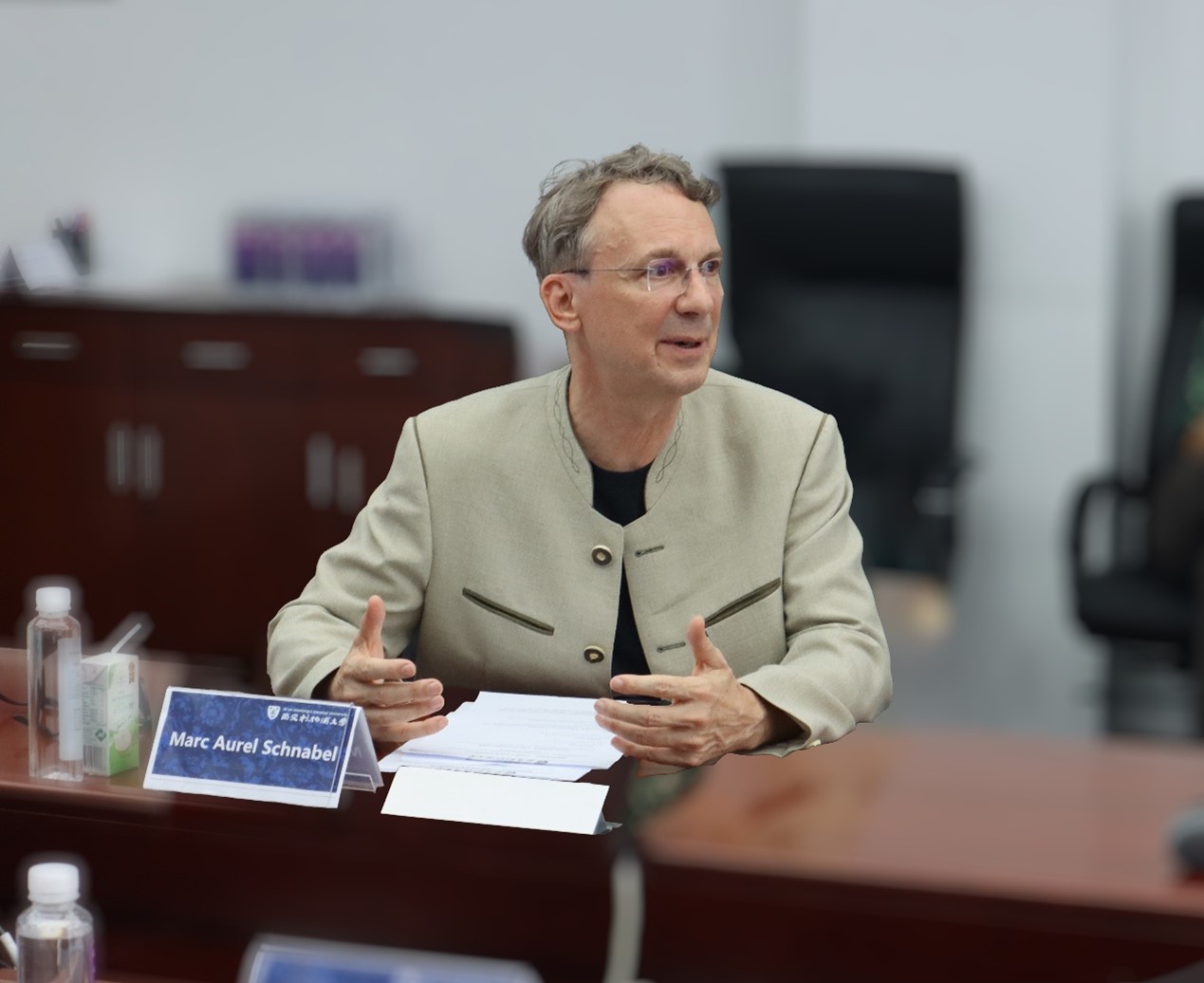
Professor Marc Aurel Schnabel, Dean of the Design School at XJTLU, delivers the opening remarks
The Generational Evolution of Science and Innovation Parks in the United Kingdom
During the keynote session, Dr Junjian Cao from the School of the Built Environment at Oxford Brookes University reviewed the development of science and innovation parks in the United Kingdom.
He described an evolutionary pathway from university-led science parks to regional innovation clusters and, more recently, innovation spaces integrated into urban centres. Drawing on examples including the Oxford and Cambridge science parks, the M4 innovation corridor, King’s Cross in London and East London Tech City, Dr Cao explained that science and innovation parks were gradually moving away from relatively isolated suburban locations and returning to urban areas. They are becoming more closely connected with public spaces, cultural facilities, university resources, residential communities and commercial functions.
Discussing the planning vision for the Oxford–Cambridge Arc, Dr Cao further noted that stronger regional innovation capacity requires systematic support from transport, industry, research institutions and urban space. Science and innovation parks are no longer simply physical locations in which companies gather. They are also becoming key nodes within regional innovation networks. He said that efficient transport connections, clearly organised functions and attractive urban environments were essential for facilitating the movement of knowledge, talent and capital within international innovation corridors.
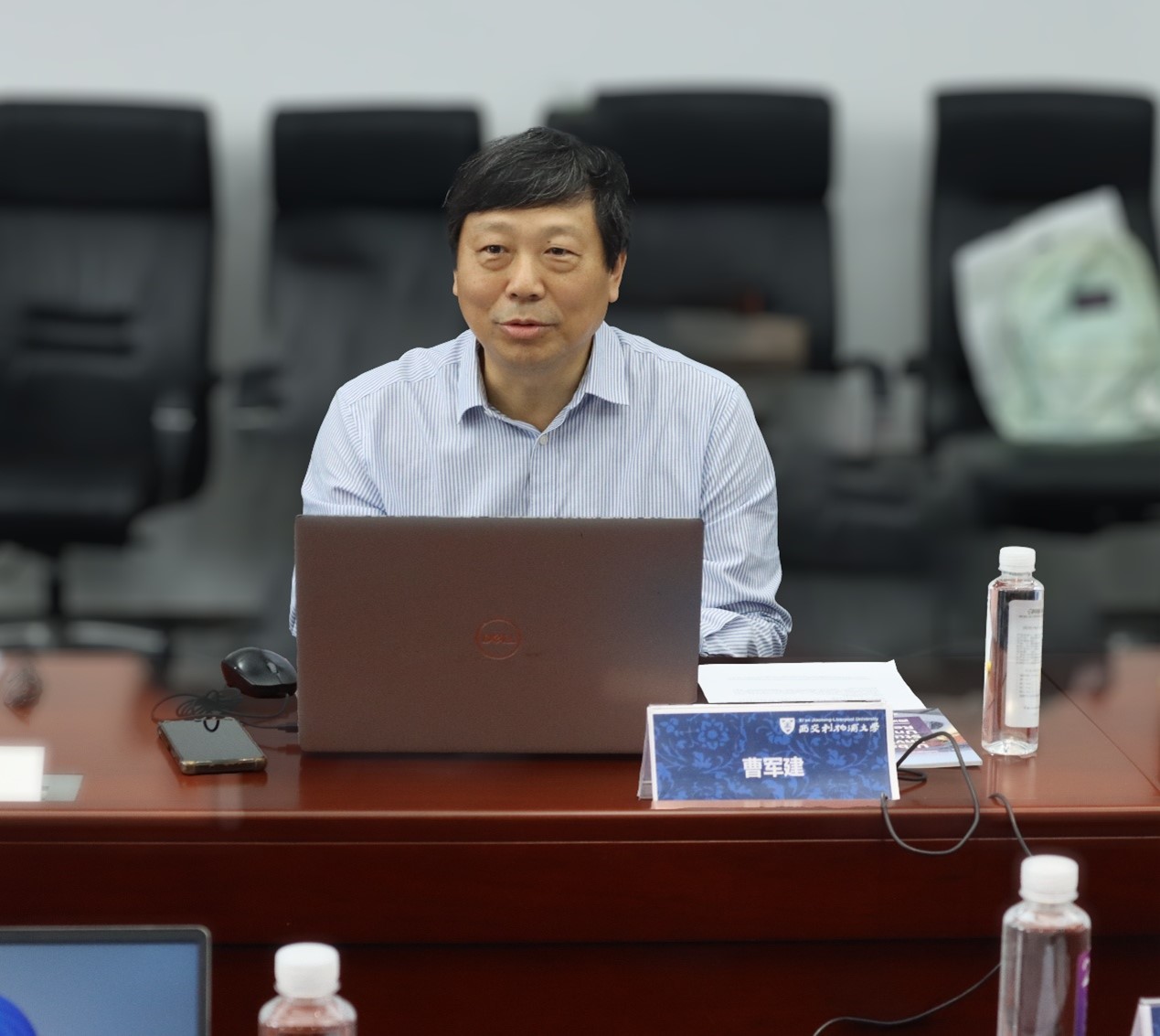
Dr Junjian Cao discusses the development of science and innovation parks in the United Kingdom and the planning vision for the Oxford–Cambridge Arc
Singaporean Models and Chinese Practice:
From Park Construction to Integrated Operation
Maolin Wang, Senior Adviser at DP Group, shared key lessons from the planning of major science and technology parks in China and Singapore. He observed that traditional industrial parks often experience separation between industrial development and urban life, insufficient supporting facilities and a lack of spatial vitality. As innovation-led industries place greater emphasis on attracting talent, convenient living, accessible public services and urban quality, industrial park planning must move away from single-purpose industrial areas towards integrated urban districts combining work, living, education and recreation at an appropriate scale.
Wang introduced several Singaporean examples, including one-north, the Jurong Innovation District and Singapore Digital District. These developments are commonly supported by universities and research institutions and emphasise small urban blocks, pedestrian-friendly systems, public spaces and mixed-use planning, allowing industrial development to become more closely integrated with everyday life. Such experience offers useful references for medium-sized science and innovation parks in China. It also demonstrates the need for planners to establish a more sustainable balance among industrial land, housing provision, public services and operational models.
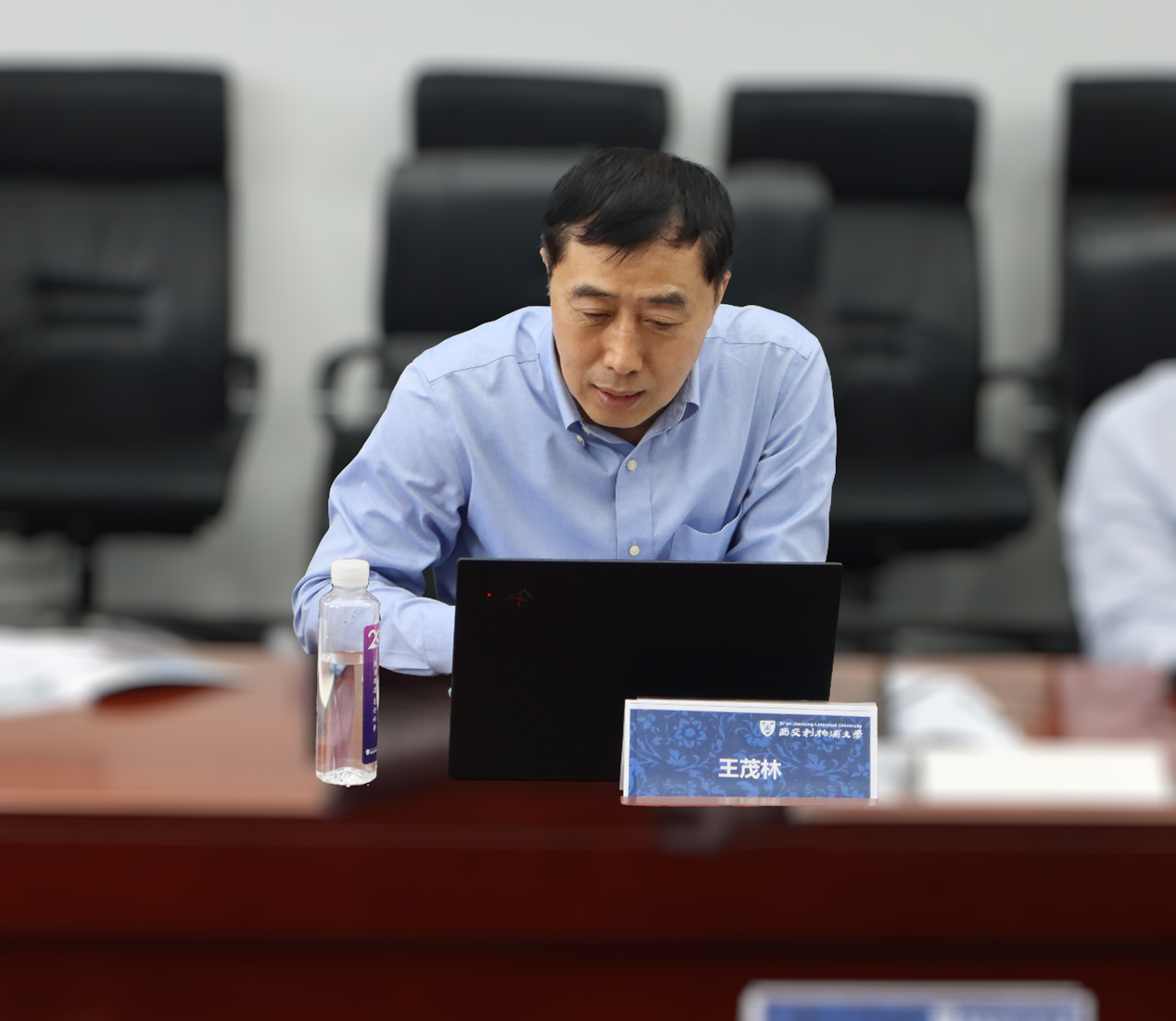
Maolin Wang, Senior Adviser at DP Group, compares science and technology park planning practices in China and Singapore
Industry–City Integration as
a Holistic Strategy and Dynamic Balance
Dr Xu delivered a presentation on integrated approaches to industry–city development and international cooperation parks. Through comparisons among Silicon Valley, China, Africa, South America and other regions, she explained that industry–city integration has broad applicability and long-term value. The approach responds to the needs of Chinese cities as they enter a stage of urban regeneration and high-quality development. It also provides an important pathway for improving the sustainability of overseas industrial parks in the context of more resilient forms of globalisation.
Dr Xu described industry–city integration as a dynamic balance. Its implementation needs to respond to industrial type, stage of development, land systems and social and environmental conditions. The balance must also be continually adjusted through dynamic planning, ongoing monitoring and refined management. She added that industrial parks involve interactions among multiple stakeholders. Their development therefore requires the effective coordination of different organisations’ resources and capabilities, with the aim of creating a more adaptable, inclusive and collaborative model of integrated development. Dr Xu also introduced a forthcoming book that she is co-editing, provisionally titled Co-developed Parks from a Glocalisation Perspective. The book brings together interdisciplinary perspectives from urban planning, industrial economics, development and construction, urban governance, park operation and knowledge management. Through collaboration between scholars and practitioners, it examines the transition of industrial parks from the one-way introduction of capital and resources towards two-way openness, complementary resources, multi-party collaboration and integrated, mutually beneficial development.
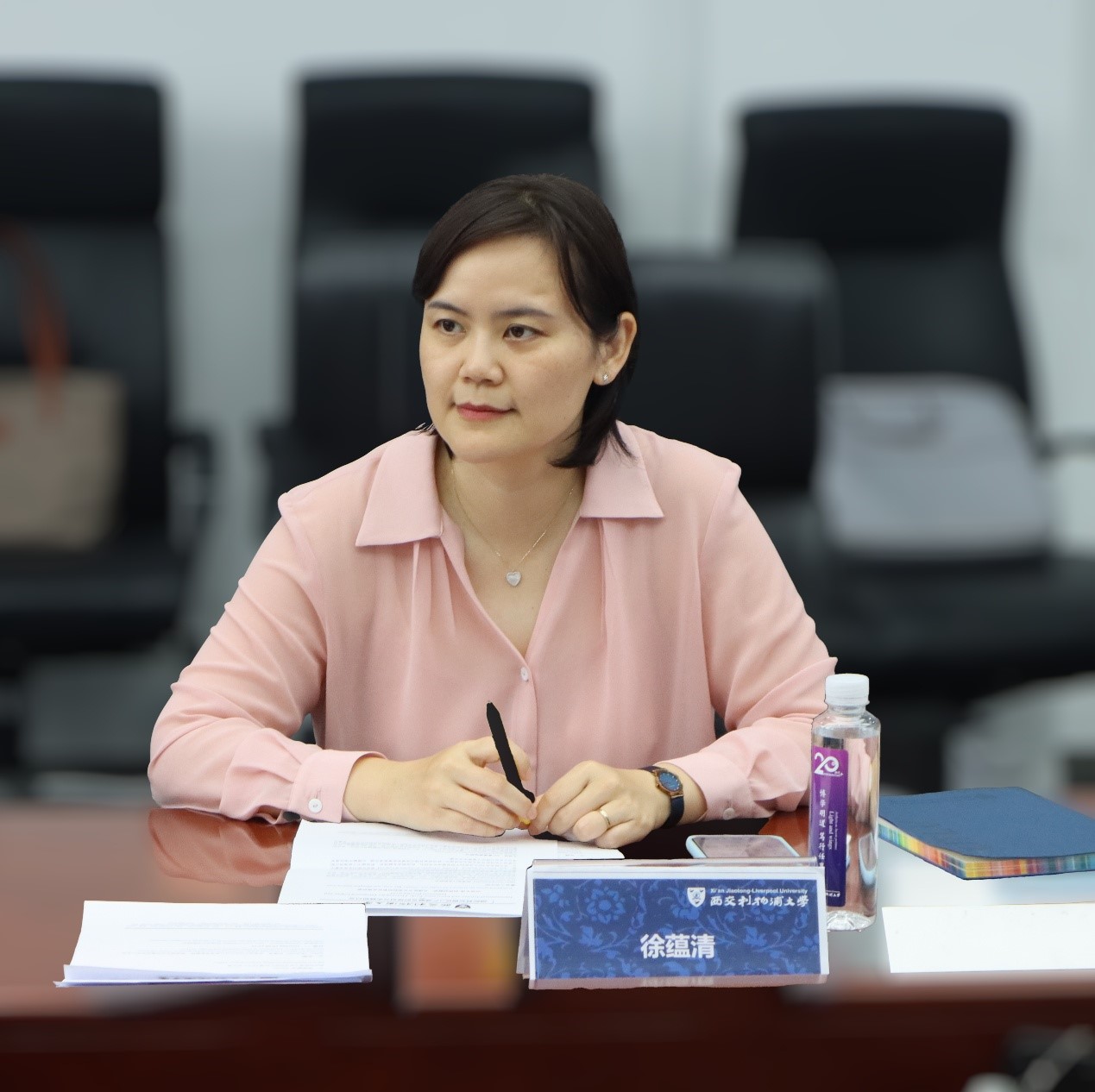
Dr Yunqing Xu discusses integrated approaches to industry–city development and experience from international cooperation parks
Roundtable Discussion:
Identifying Pathways for the Next Generation of Industrial Parks
The roundtable discussion was chaired by Dr Xuefeng Wang, Associate Professor in the Department of Urban Planning and Design at the XJTLU Design School.
Participants exchanged views on the development of science and innovation parks in the Greater Bay Area, the high-quality development of international innovation parks, the self-renewal of industrial parks, planning and design for the regeneration of science and innovation districts, and the integrated development of overseas industrial parks.
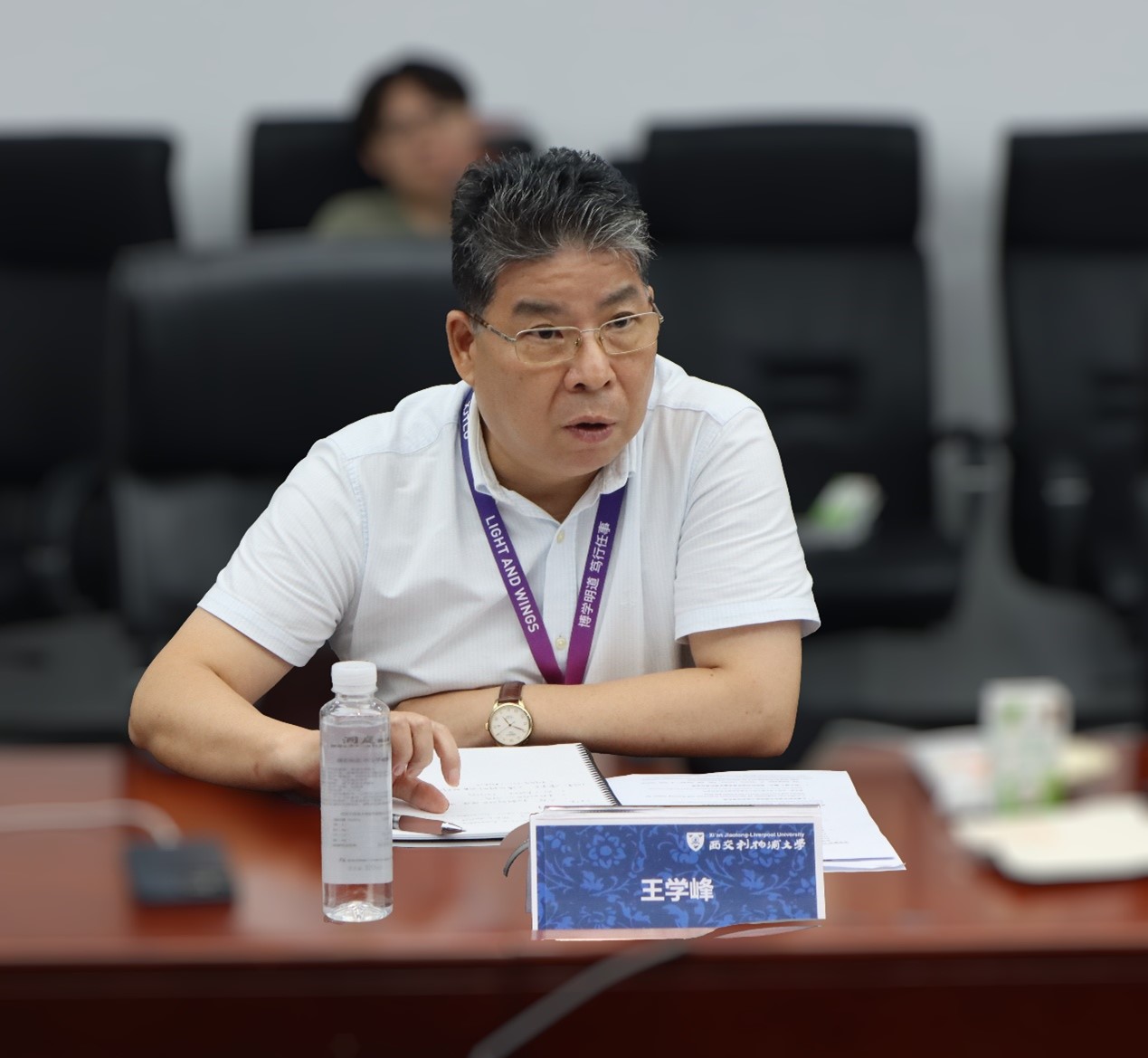
Dr Xuefeng Wang chairs the roundtable discussion
Wei Fang , a Level II Researcher at the Party School of the CPC Suzhou Municipal Committee, discussed industrial park development from the perspectives of overall strategy and regional development. She noted that the development of industrial parks in China demonstrates strong capabilities in organisational learning, resource coordination and efficient implementation, while also remaining closely connected with national and regional development strategies. After more than three decades of continuous evolution, Suzhou Industrial Park has moved beyond its original role as a location for industrial activities and entered a new stage characterised by shared understanding, value co-creation and deeper collaboration.
Fang argued that the future high-quality development of industrial parks should be considered within the wider contexts of Yangtze River Delta integration, Shanghai’s science and innovation collaboration network, and Suzhou’s development of emerging and future industries. Deeper connections among technology, industry, the city and talent are essential not only for the upgrading of individual industrial parks, but also for determining their functions and strategic value within regional innovation systems.
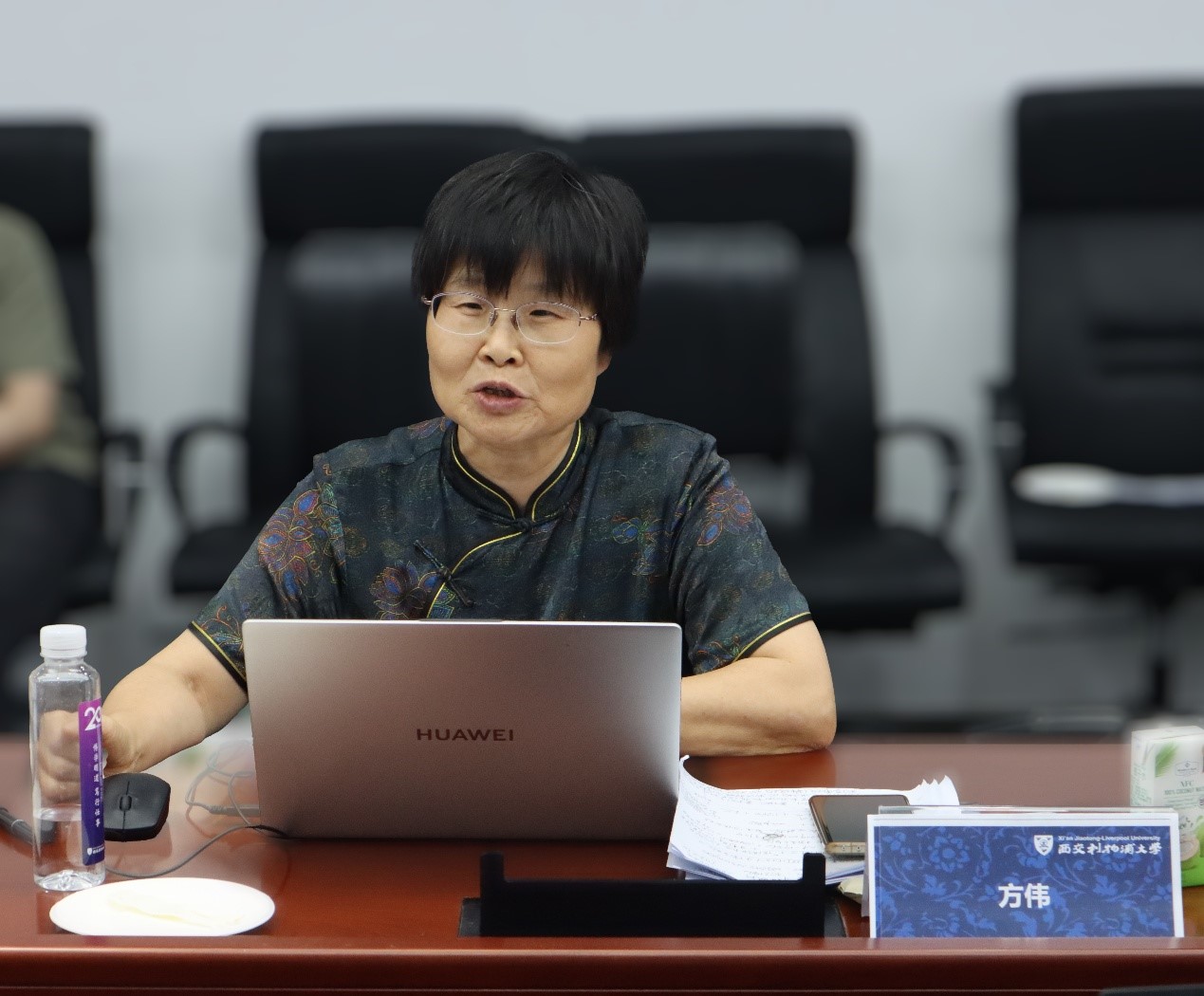
Wei Fang discusses the institutional strengths of China’s industrial parks and pathways towards high-quality development
Xinwen Gao, President of the Suzhou Industrial Park Development Promotion Association, examined recent changes in industrial park operation in the context of emerging technologies. He observed that the development of artificial intelligence and related technologies may change companies’ demand for conventional office space. Park environments may therefore need to shift from large areas of standardised office space towards more refined, people-oriented and mixed-use forms of spatial organisation. Future industrial parks cannot rely solely on leasing physical space. They must strengthen their ability to connect policy resources, universities, capital, companies and professional services, and move towards more intensive and sophisticated operational models.
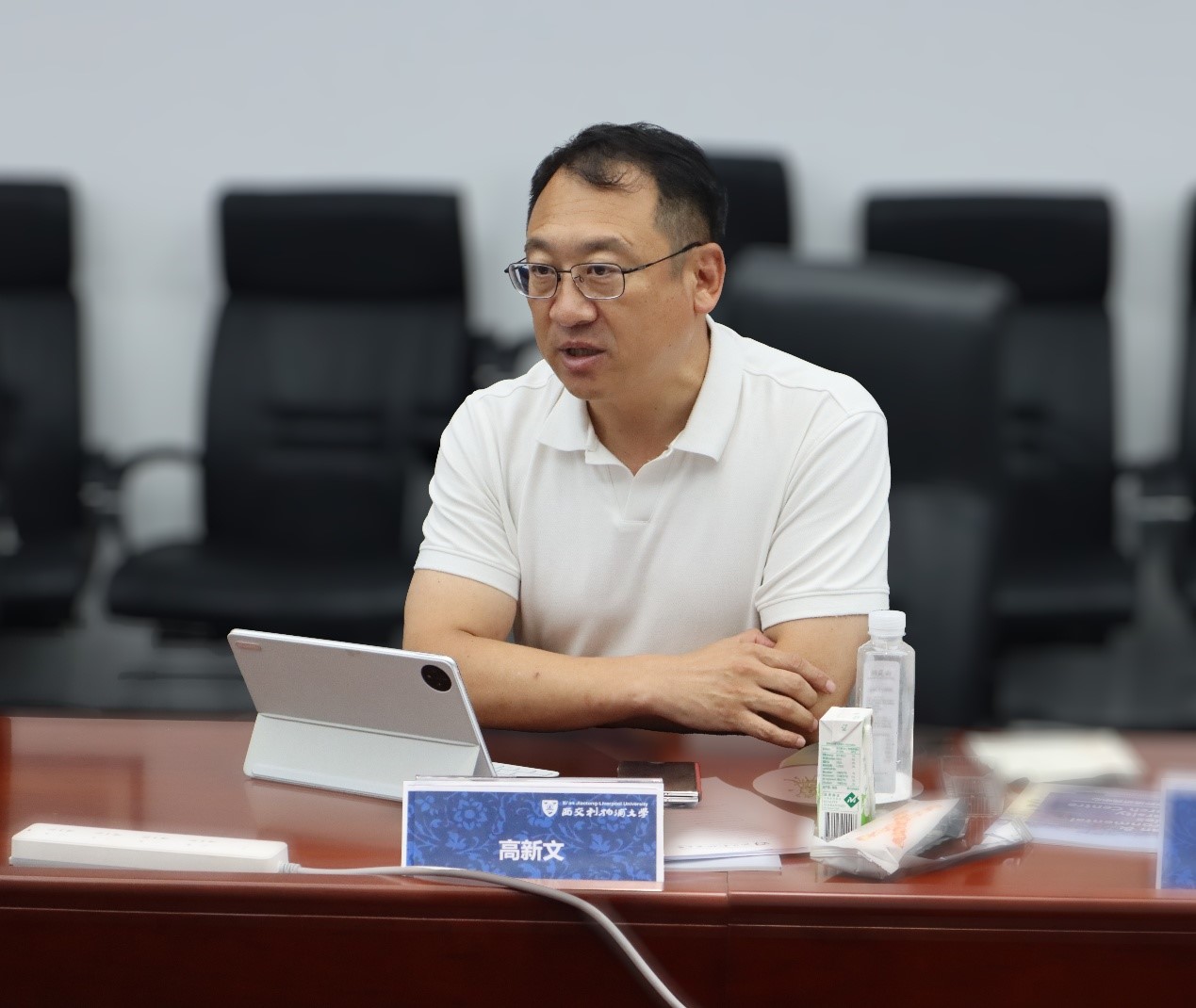
Xinwen Gao discusses industrial park renewal and integrated operational practices
Leifang Liu, Deputy Director of the Suzhou Branch of the Shenzhen Urban Planning and Design Institute, analysed the evolution of innovation spaces in Shenzhen through representative examples from different periods. He explained that Shenzhen’s science and innovation parks had broadly progressed through several stages: accommodating processing and manufacturing industries, supporting the development of new urban districts, building science cities, and bringing innovation functions back into central urban areas. The spatial forms adopted during each stage reflected changes in industrial demand, market orders, urban functions and methods of spatial organisation.
Liu argued that planning for science and innovation parks should not be based on a standardised spatial template. Instead, differentiated designs should respond to the stages of industrial development and the organisational structures of different companies. Large corporate headquarters, shared laboratory space for research organisations, office space for incubators and accelerator companies, and mixed-use areas incorporating commercial facilities, green space and active public interfaces all serve different functional purposes.
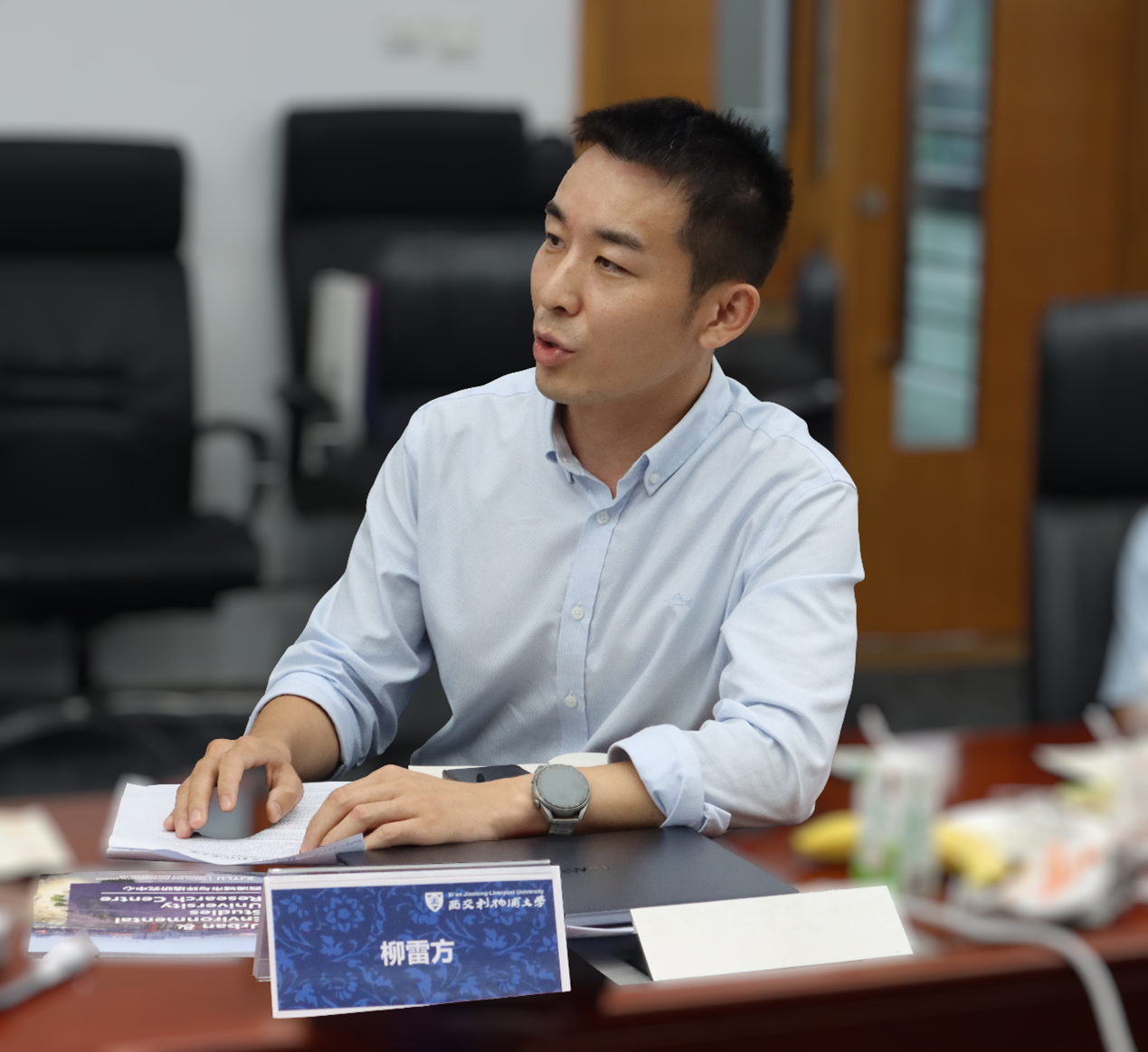
Leifang Liu draws on Shenzhen’s experience to discuss the planning, design and renewal of science and innovation parks
Yumin Qiu, Director of the Planning Department at Future City Planning and Architectural Design Co., Ltd., discussed the planning of overseas industrial parks. He said that domestic development models could not simply be copied into overseas contexts. Overseas projects must be adapted to local land systems, environmental policies, planning standards, stages of industrial development and the concerns of local residents. In his view, industry–city integration affects both investment returns and local employment, improvements to the living environment and wider community support. It is therefore a practical requirement for the sustainable development of overseas industrial parks.
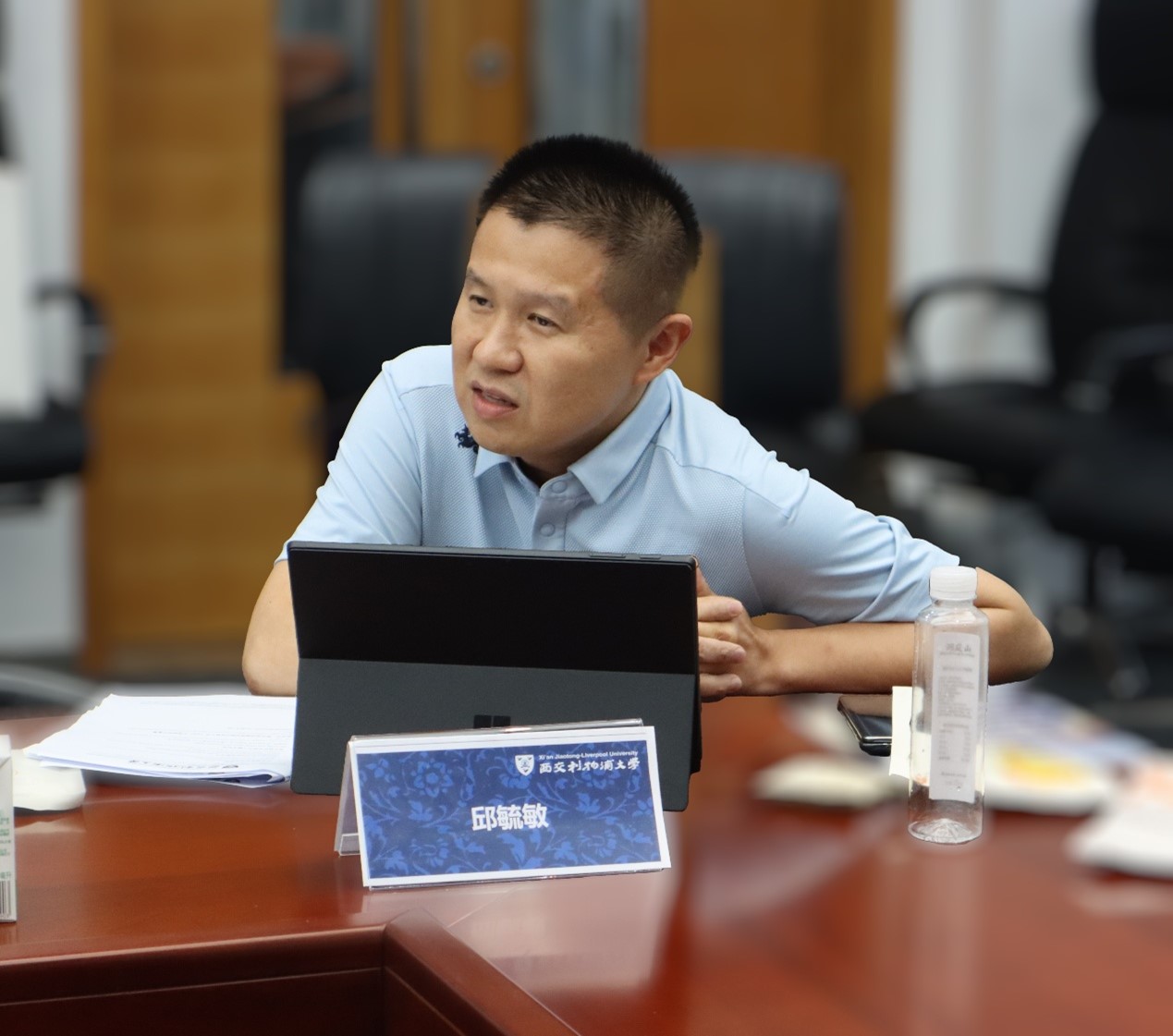
Yumin Qiu discusses overseas industrial park planning and integrated development
Qining Chen , China Executive Director of SCP Consultants Pte Ltd, analysed approaches to industry–city integration and science and technology park development from the perspectives of development stages and model suitability. He noted that industry–city integration is a broad concept. Countries and regions differ in their levels of economic development, industrial foundations, land conditions and urban needs. Their industrial positioning and methods of integration should therefore also differ.
For science and technology parks and education-led innovation districts, the key task extends beyond bringing companies and research institutions together. Education, research and development, industrial commercialisation, financial services, community life and public space must also be effectively connected. For a highly developed city such as Suzhou, future development should build on the city’s existing industrial foundations while drawing lessons from advanced, fully integrated models in the United Kingdom, Singapore and other regions. Continued international comparison, cross-sector exchange and collaboration among universities, research institutions and industry can help identify science and innovation park models that are better suited to local development.
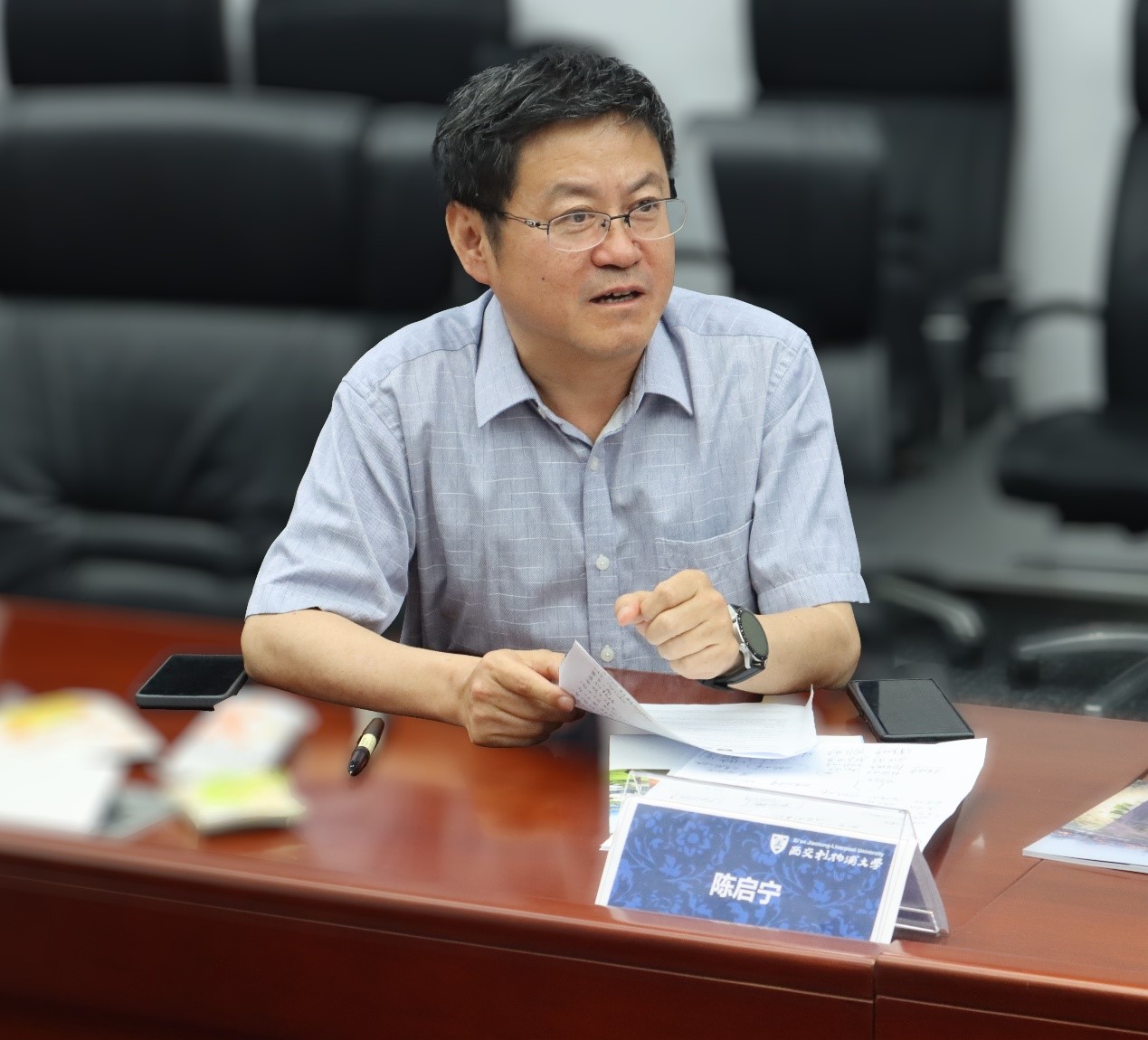
Qining Chen analyses industry–city integration from the perspectives of development stages and model suitability
Building a Platform for International Comparison,
Cross-Sector Collaboration and Local Innovation
Through comparisons of cases from the United Kingdom, Singapore, the Greater Bay Area, the Shanghai–Suzhou innovation districts and overseas industrial parks, the symposium highlighted a common transition in the development of international science and innovation parks: from single-purpose spaces for industrial concentration towards integrated urban innovation environments. Participants agreed that the future development of science and innovation parks requires moving beyond the traditional understanding of a park as merely a physical container. Greater attention must be given to the systematic relationships among industrial ecosystems, urban services, public spaces, the everyday lives of talent and regional collaboration.
As an academic platform connecting international experience with local practice, the XJTLU Urban and Environmental Studies University Research Centre will continue to conduct research and organise exchanges in areas including sustainable cities, industry–city integration, regional cooperation, urban regeneration and international industrial park development. The Centre will also promote continued dialogue among academic researchers, planning professionals, industrial park organisations and public governance institutions, providing intellectual support and practical references for the high-quality development of Suzhou and the wider region.
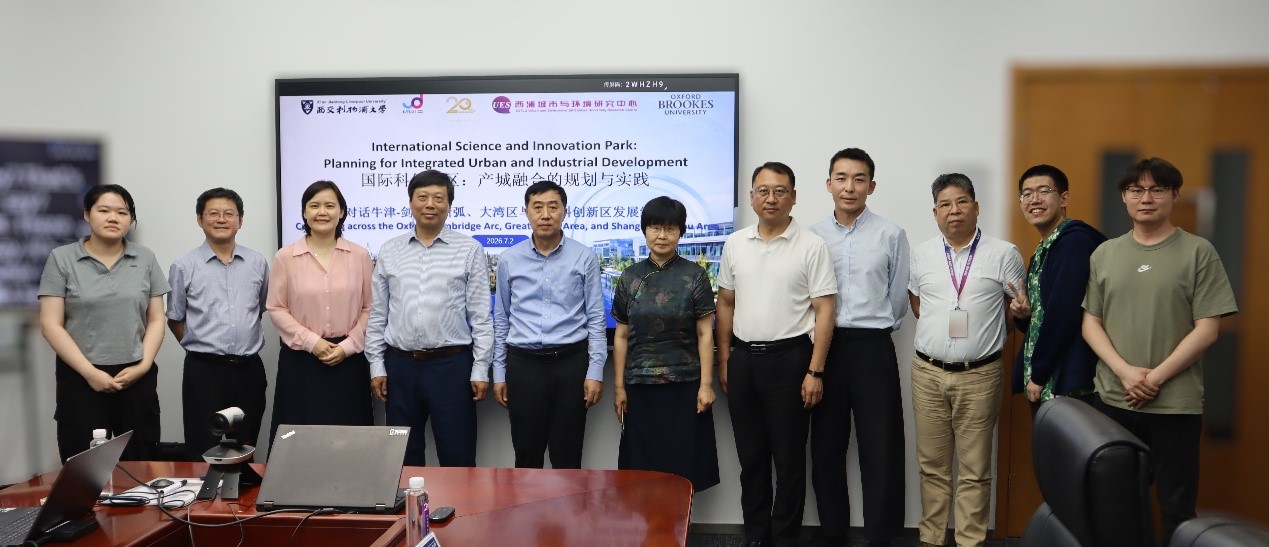
Participants at the International Science and Innovation Park Symposium
15 Jul 2026