




08 Aug 2026


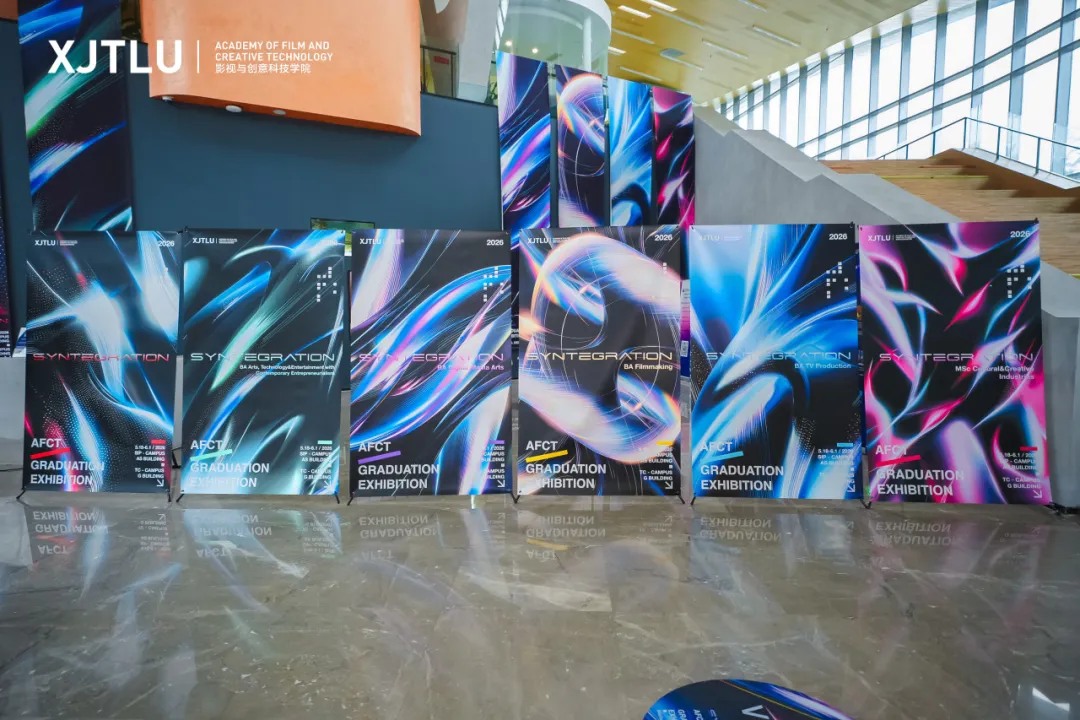
The ceremony marked the conclusion of AFCT’s first independently organised graduation exhibition. Held under the theme “Syntegration”, the exhibition ran from 18 May to 1 June across XJTLU’s SIP campus and XJTLU Entrepreneur College (Taicang), as part of the University’s 20th anniversary celebrations.
The exhibition brought together graduating works from five programmes: BA Filmmaking, BA TV Production, BA Digital Media Arts, BA Arts, Technology and Entertainment with Contemporary Entrepreneurialism, and MSc Cultural and Creative Industries. It showcased students’ achievements in filmmaking, digital media, interactive storytelling, immersive experience design, cultural curation and creative industry practice.
Spanning the AS Building on the SIP campus and Building G at the Taicang campus, the dual-campus exhibition expanded the physical space of the show while reflecting AFCT’s educational exploration following its restructuring, particularly in promoting collaboration across programmes, media forms and campuses. Centred on “Syntegration”, the exhibition connected moving image, digital technology, spatial storytelling and cultural expression, offering a glimpse into how a new generation of creators is responding to artificial intelligence, immersive media and the transformation of the creative industries.
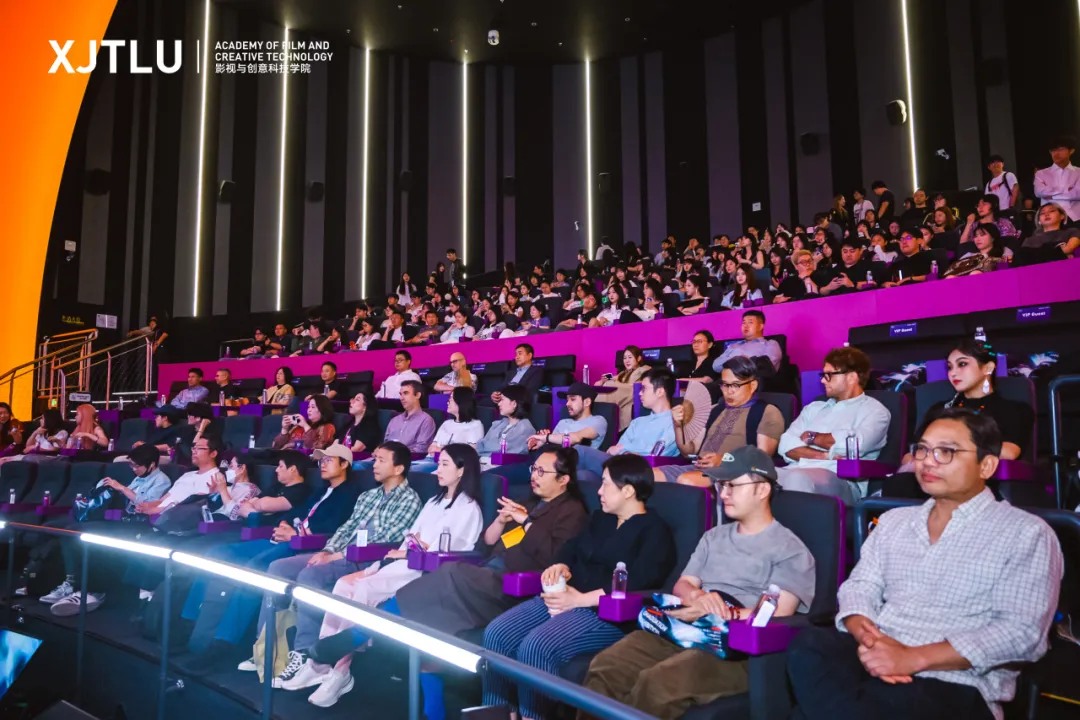
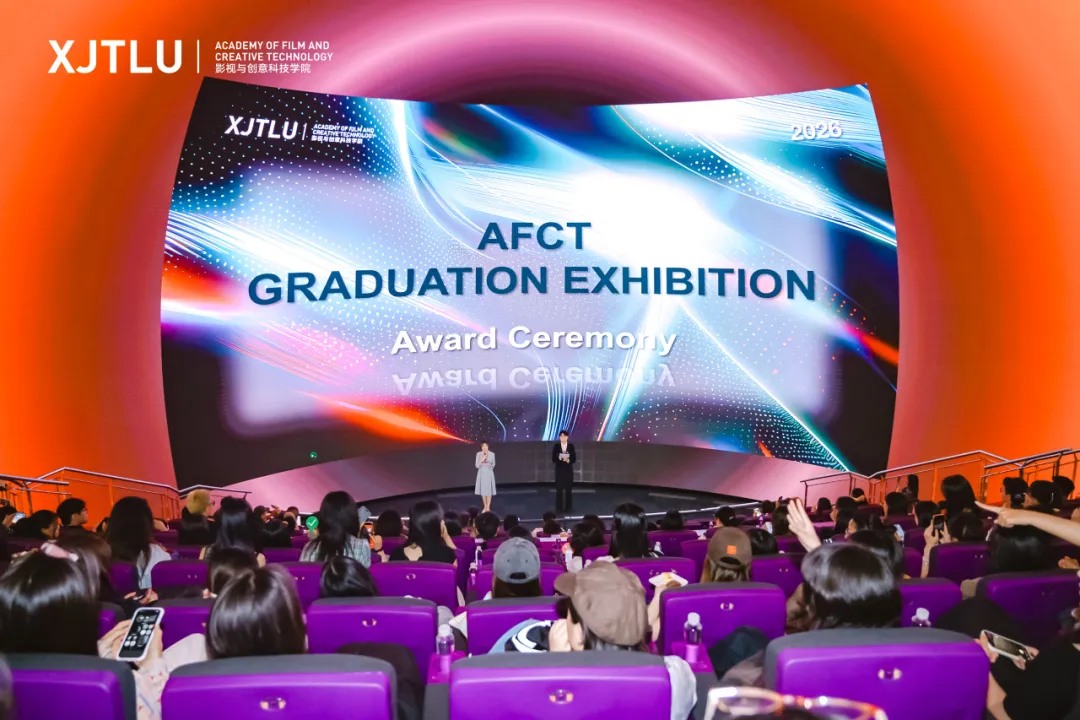
Guests at the ceremony included Mr Sheng Peng, Director of Taicang High Tech Holdings Co., Ltd.; Mr Xiao Zhuang, Director of Taicang Culture and Education Investment Group Co., Ltd.; Mr Yin He, Deputy General Manager of Taicang Culture and Education Investment Group Co., Ltd.; Mr Peng Li, Dean of the School of Art and Design at Suzhou Jianxiong Institute of Technology; Ms Min Hou, President of Taicang Women Entrepreneurs Association; Dr Jia Wei, Director of Global Strategic Initiatives at Rochester Institute of Technology; Professor Stuart Perrin, Chief Officer of Ecology at XJTLU; Professor Qian Liu, Dean of AFCT; as well as representatives from the University, the Academy, industry partners, graduating students and their families.
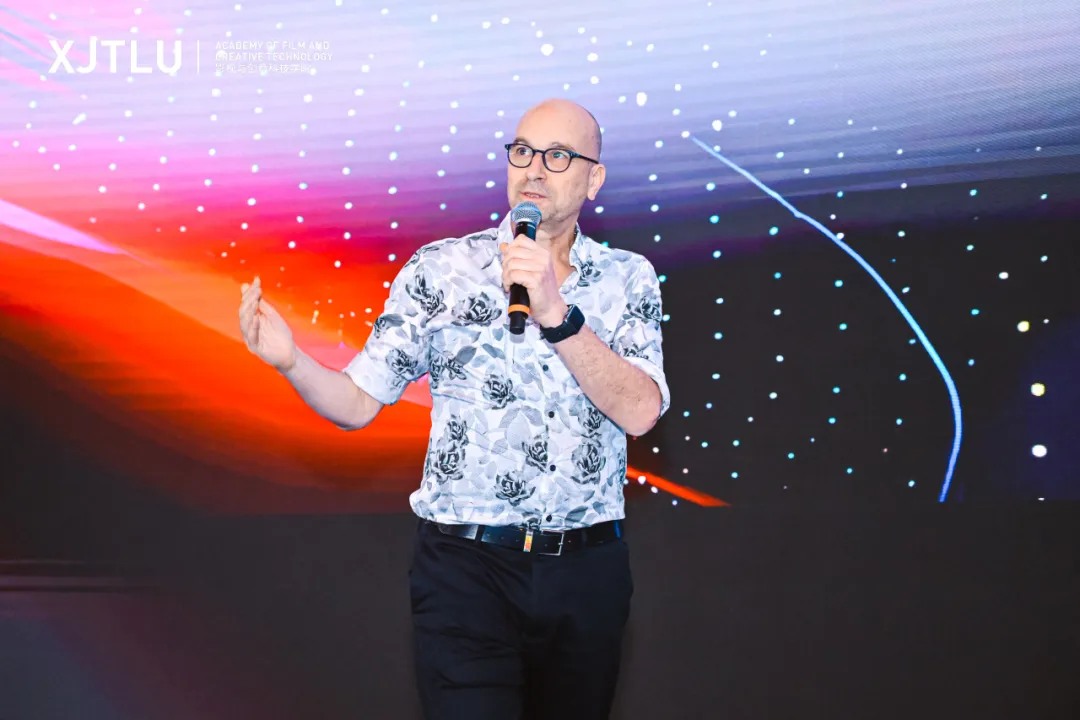
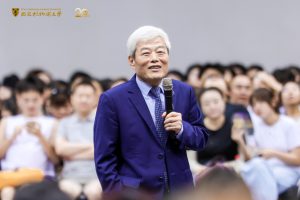
In his speech, Professor Perrin said the exhibition made the meaning of “Syntegration” tangible.
“If anyone wants to know what ‘Syntegration’ means, they should come here and look at the student work,” he said. “What is presented here is not simply the combination of different technologies and art forms, but a living example of collaboration, ecology and innovation.”
He also noted that representatives from the City of Liverpool had recently visited AFCT and were impressed by the creativity and technological integration demonstrated in the students’ work, opening up further possibilities for collaboration between the City of Liverpool and the Academy.
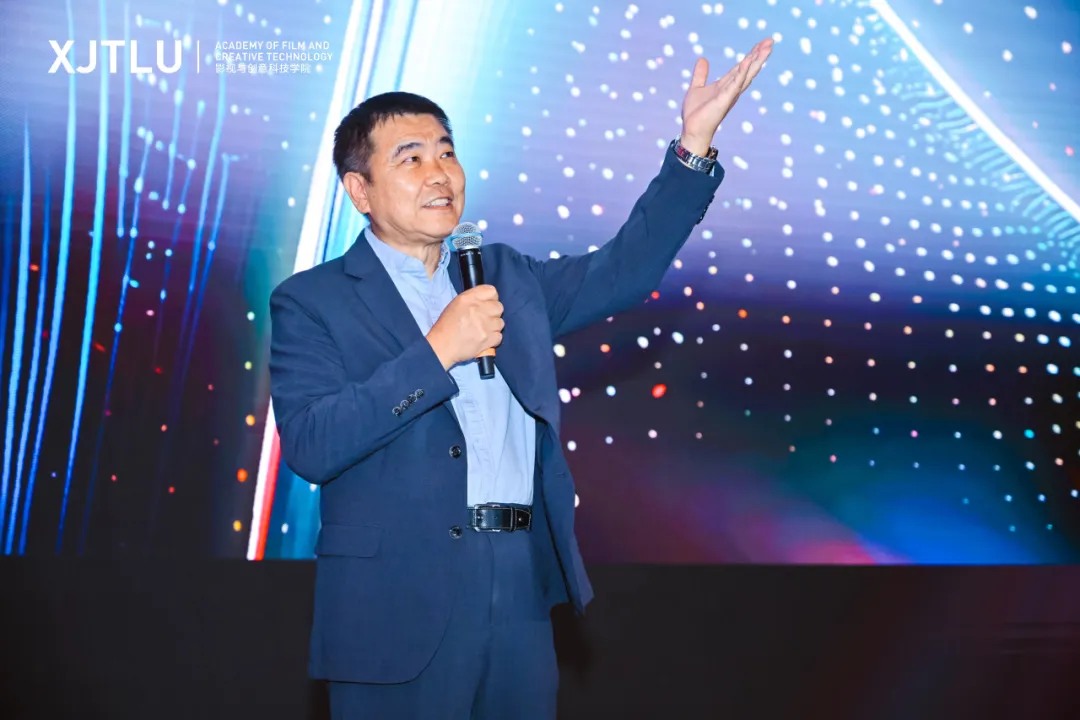
Professor Liu thanked the Academy’s faculty, students and support teams in his speech. He said the exhibition was a concentrated presentation of the Academy’s teaching and creative achievements after its restructuring, as well as a reflection of its sharpened focus on the creative industries, digital audiovisual content creation and cross-media production.
Professor Liu said AFCT is not centred on a single programme or medium, but on the broader ability to create and produce digital audiovisual content for the future creative industries.
“Whether it is film, animation, games, immersive images or visual content for large-scale events, anything that can be seen, heard or experienced is connected to what we teach and create,” he said.
He added that the Academy aims to cultivate creators with stronger adaptability and wider perspectives, enabling them to continue innovating in a rapidly changing media environment.
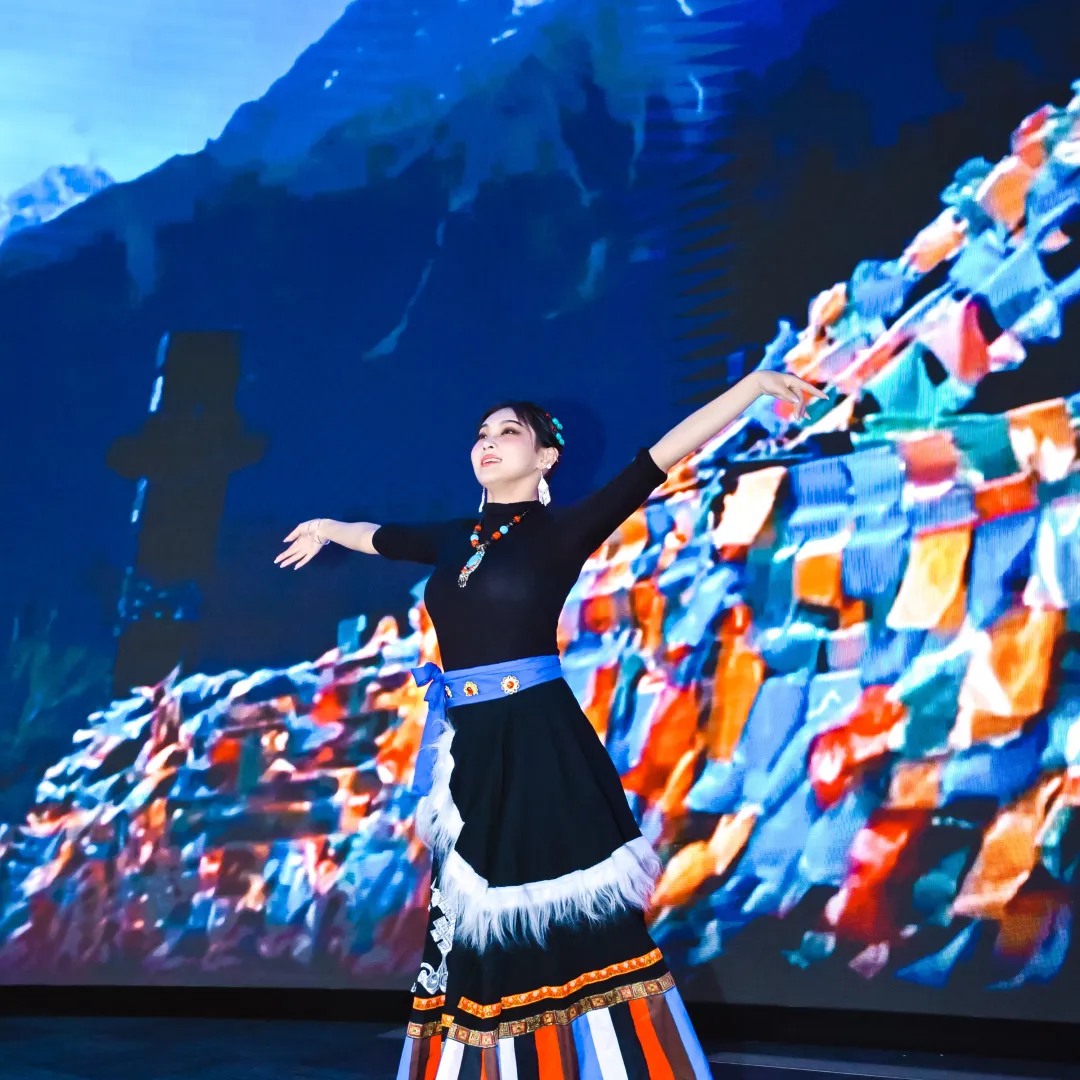
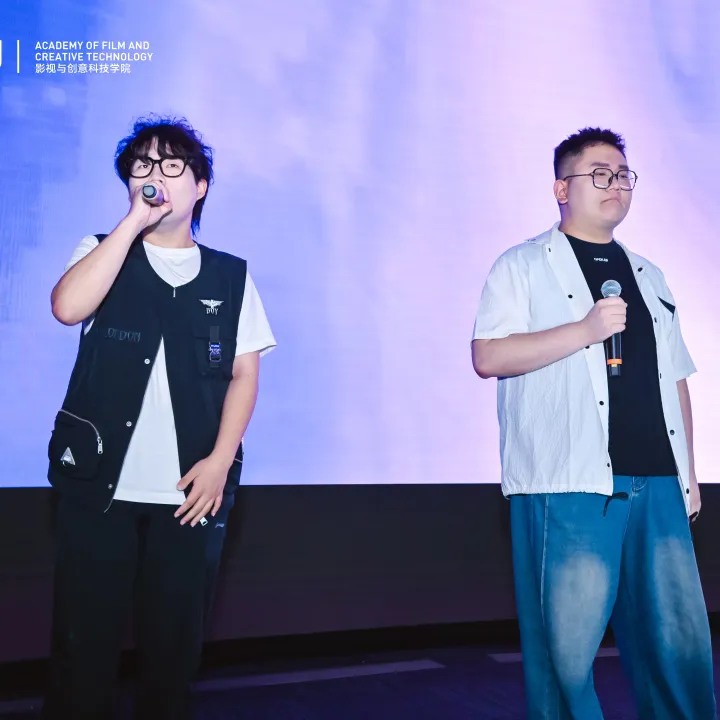
Before the awards, Year Four Digital Media Arts student Jiexin Sun performed the Tibetan dance Prayer, adding an expressive artistic element to the ceremony. After the award presentation, students Yuehao Yang and Weijun Xu performed Whataya Want From Me, bringing the event to a close with music.
The ceremony recognised outstanding graduating works across MSc Cultural and Creative Industries, BA Arts, Technology and Entertainment with Contemporary Entrepreneurialism, BA Digital Media Arts, BA Filmmaking and BA TV Production. Awards covered areas including exhibition curation, creative industry practice, cultural industry practice, content production, interactive media, VR/AR experience, animation and film, web and app projects, game design, interactive installation, advertising, television drama, fiction film, documentary, technical achievement, production quality and audience choice.
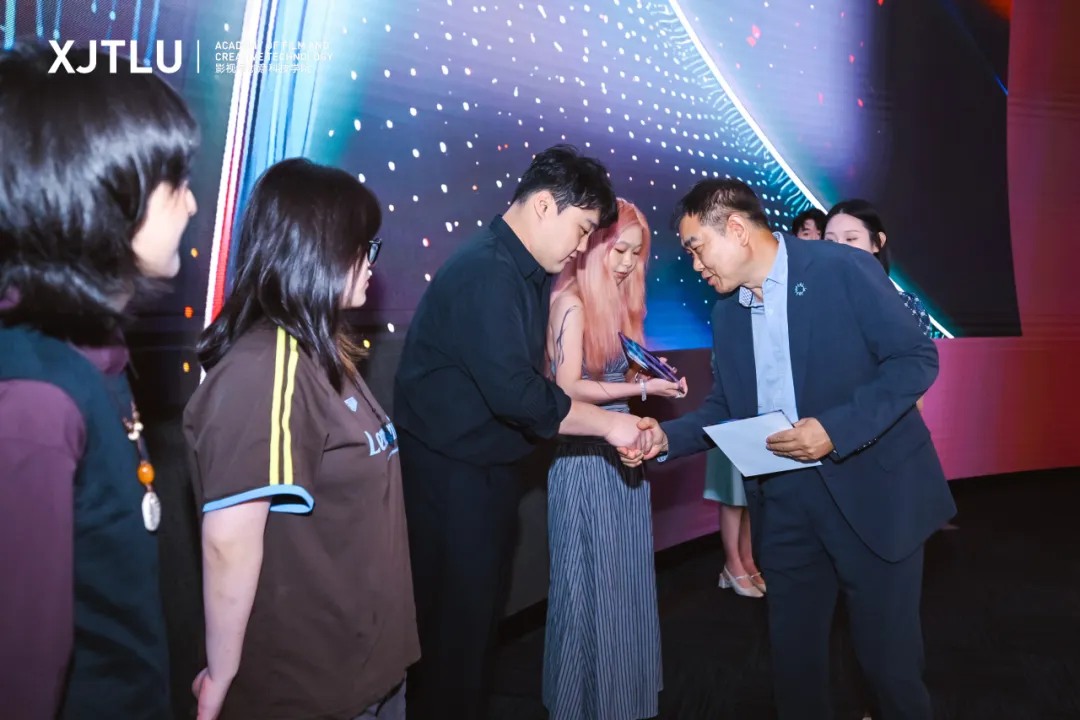
A dual-campus exhibition shaped by “Syntegration”
Across the exhibition, students from the five programmes presented works with strong interdisciplinary features, covering interactive games, immersive installations, short films, television and advertising works, cultural curation and creative industry practice. Through approaches ranging from personal emotion, traditional culture and sound-based storytelling to artificial intelligence and immersive curation, students demonstrated diverse explorations in technology, creative expression and cross-media practice.
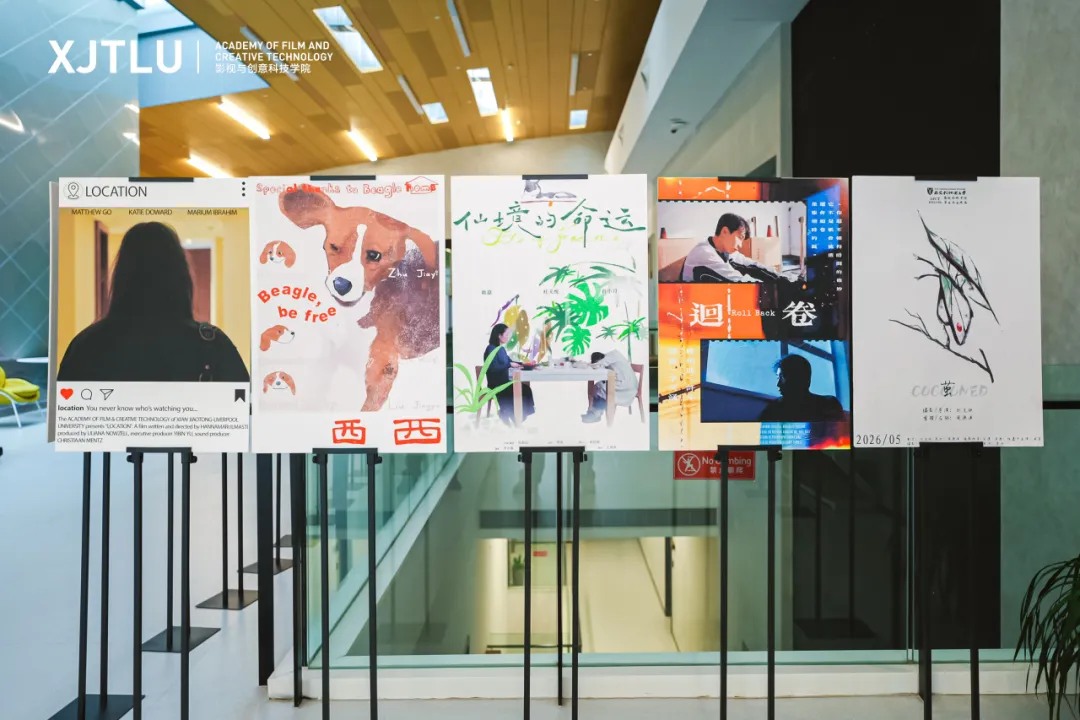
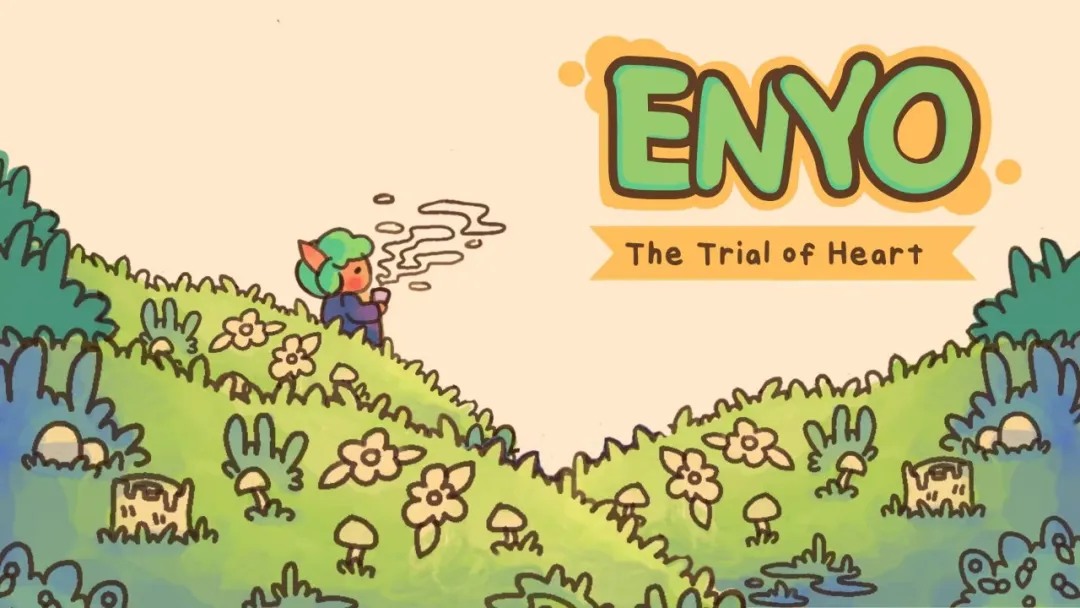
ATE student Jade Seyen explored failure, choice and emotional healing through her interactive narrative game Enyo: Trial of the Heart.
“Many games, and real life too, treat failure as punishment. I wanted to treat failure instead as an opportunity for reflection and growth,” she said.
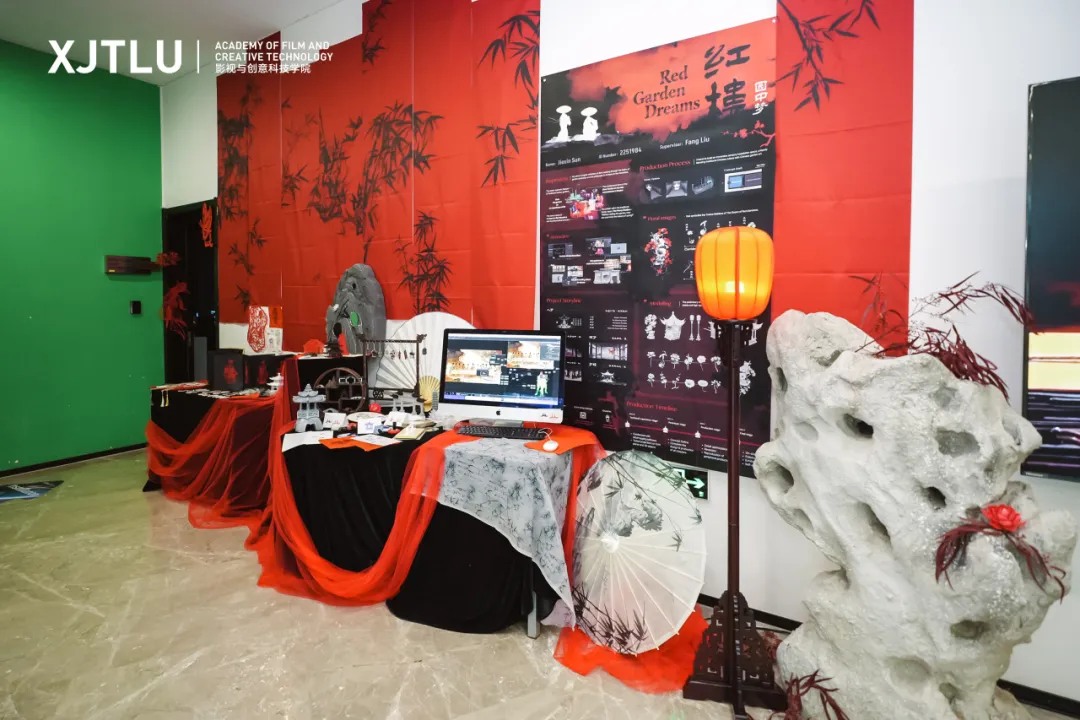
Digital Media Arts student Jiexin Sun’s Red Garden Dreams brought together the aesthetics of Suzhou classical gardens, the philosophical world of Dream of the Red Chamber and immersive digital projection.
“In a fast-paced and sometimes restless age, I hope audiences can slow down and feel the beauty of traditional culture,” she said.
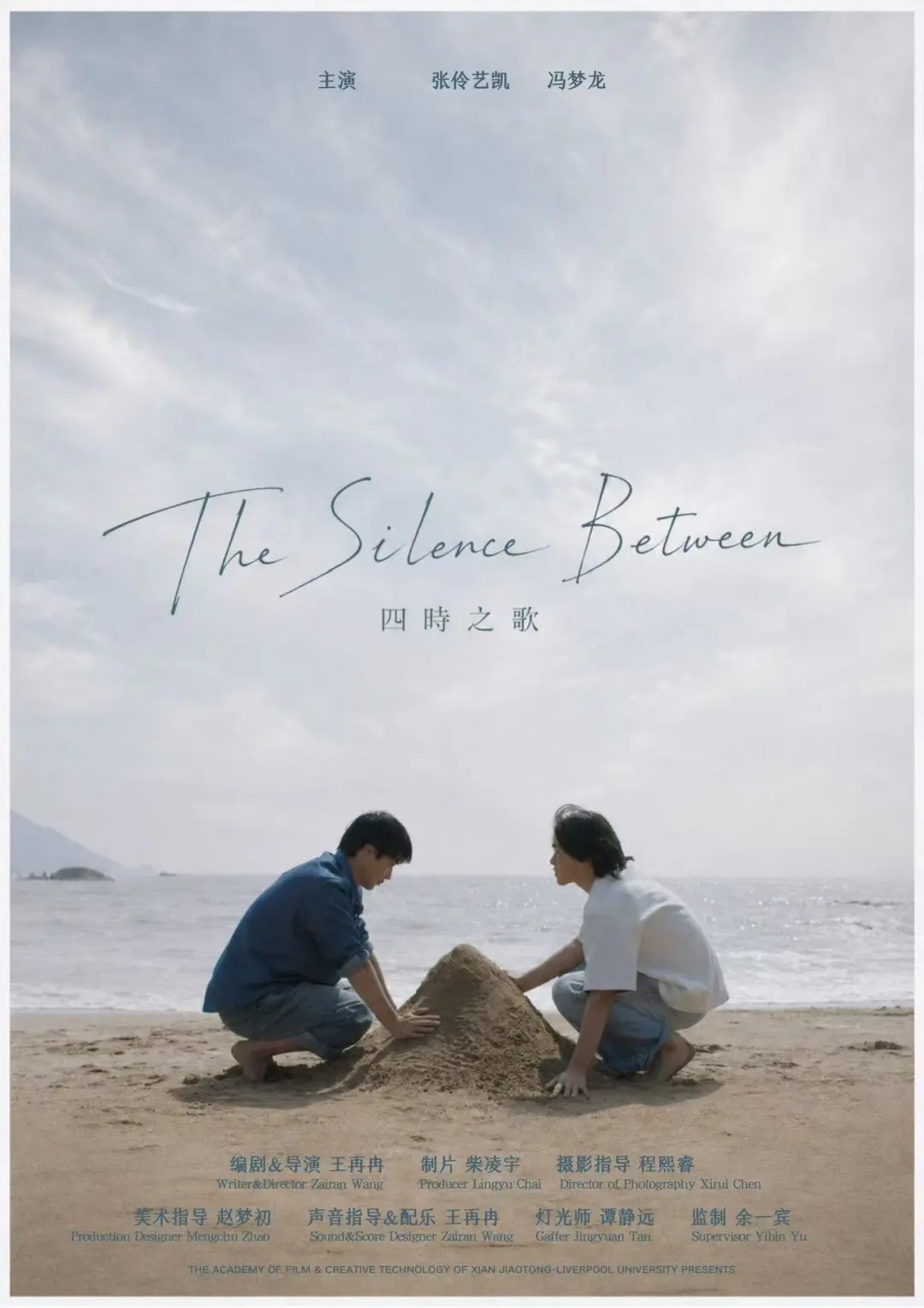
Filmmaking student Zairan Wang treated sound as a central narrative element in her graduation short film The Silence Between.
“In this film, sound is not treated as an accessory to the image. It becomes part of the narrative itself,” she said.
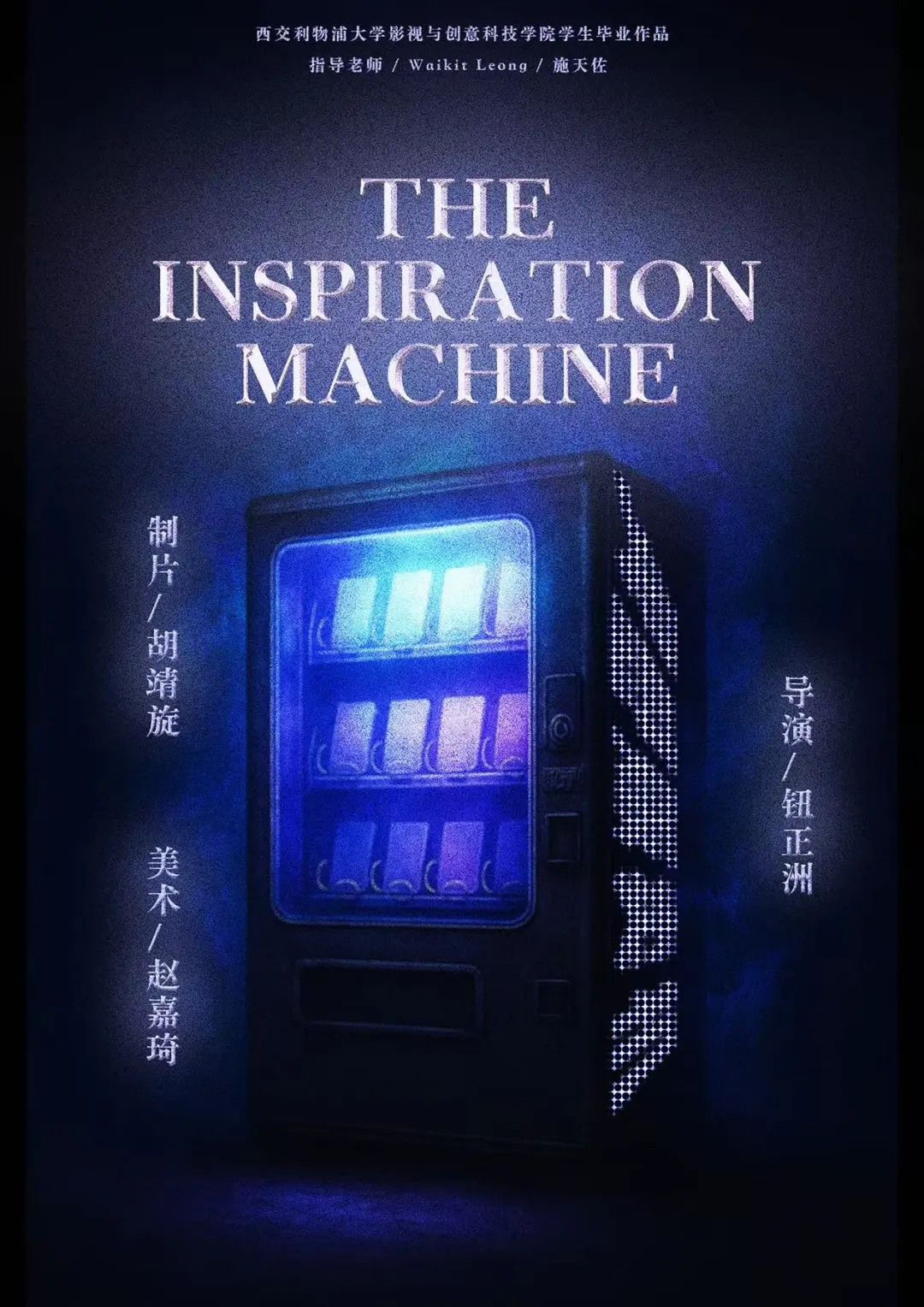
TV Production student Zhengzhou Niu’s The Inspiration Machine responded to questions around inspiration and originality in the age of AI-assisted creation.
“When inspiration can be bought or generated instantly, are creators still using a tool, or are they being influenced and controlled by it?” he said.
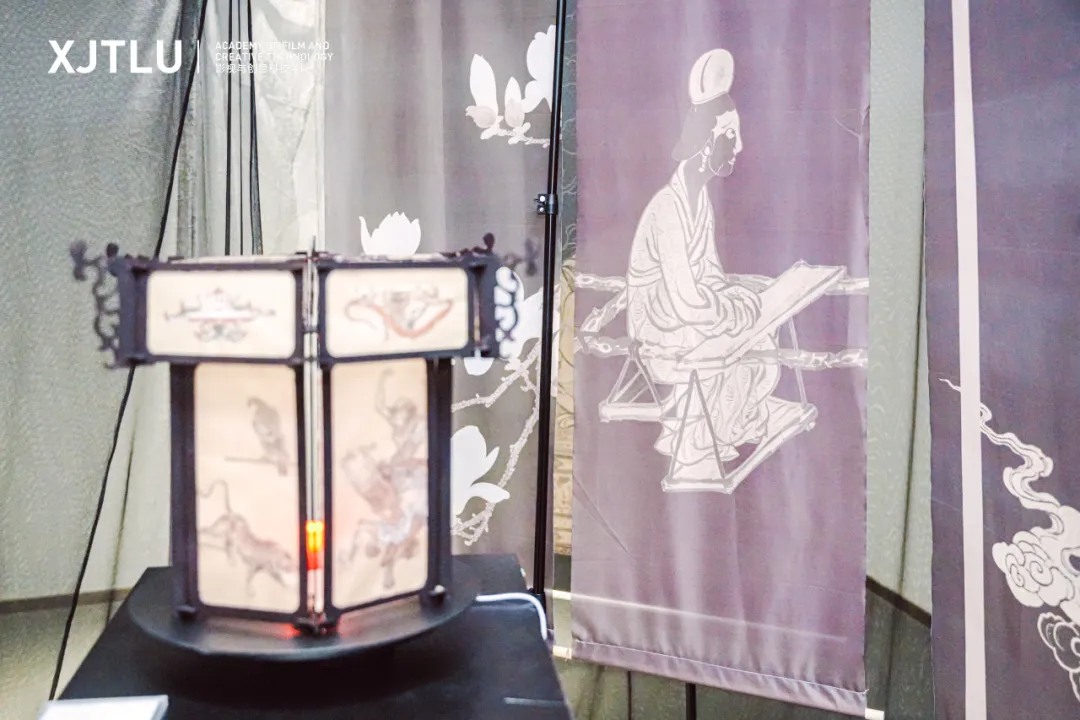
Postgraduate student Muchun Li’s installation The Lamp of Samsara combined traditional art, religious philosophy and immersive spatial experience.
“The greatest challenge in curation is turning imagination into reality,” she said. “Patience, precision, hard work and imagination are all essential.”
Looking to the future of the creative industries
As part of XJTLU’s 20th anniversary celebrations, the AFCT Graduation Exhibition was not only a showcase of students’ learning outcomes, but also a reflection of the Academy’s continued exploration of Syntegrative Education, practice-led teaching and creative industry talent development.
From personal emotion to social issues, from traditional culture to artificial intelligence, and from screen-based storytelling to immersive space, the students’ works revealed a new creative attitude. They no longer treat technology as an external tool, but integrate it into the full process of expression, storytelling, curation and communication. Nor are they confined to a single medium; instead, they are using interdisciplinary practice to search for future-facing forms of content.
Under the theme of “Syntegration”, the exhibition offered audiences a window into the next generation of creators. It marked the conclusion of students’ undergraduate or postgraduate journeys while also pointing towards the future of the creative industries. As the exhibition suggested, syntegration is not a simple addition. It is the creation of new connections among art, technology, culture and industry — connections that open up new expressions, new experiences and new possibilities.
By Wenzhen Li
08 Aug 2026