




Heritage in Motion: International Conference Held at XJTLU

01 Sep 2026


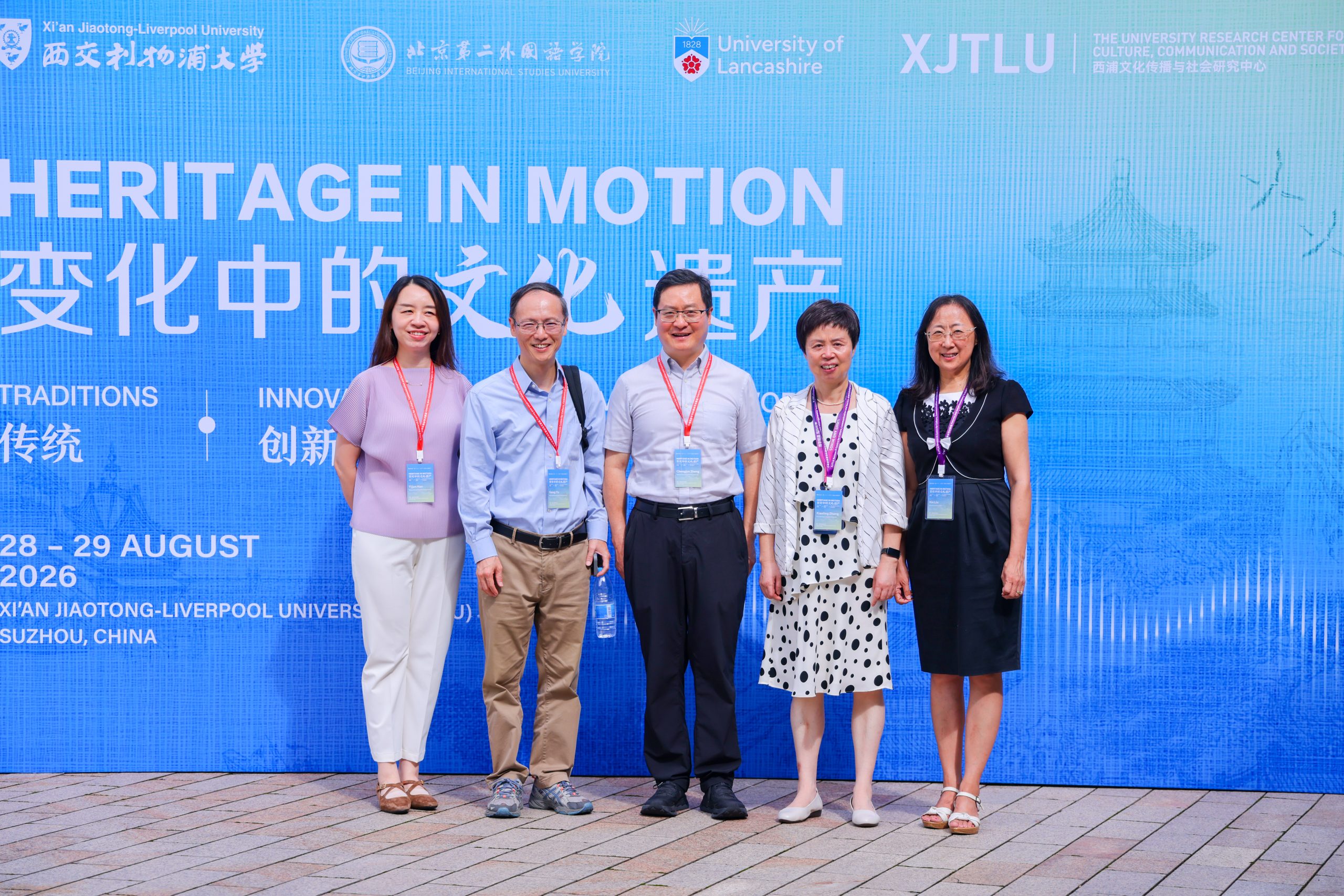
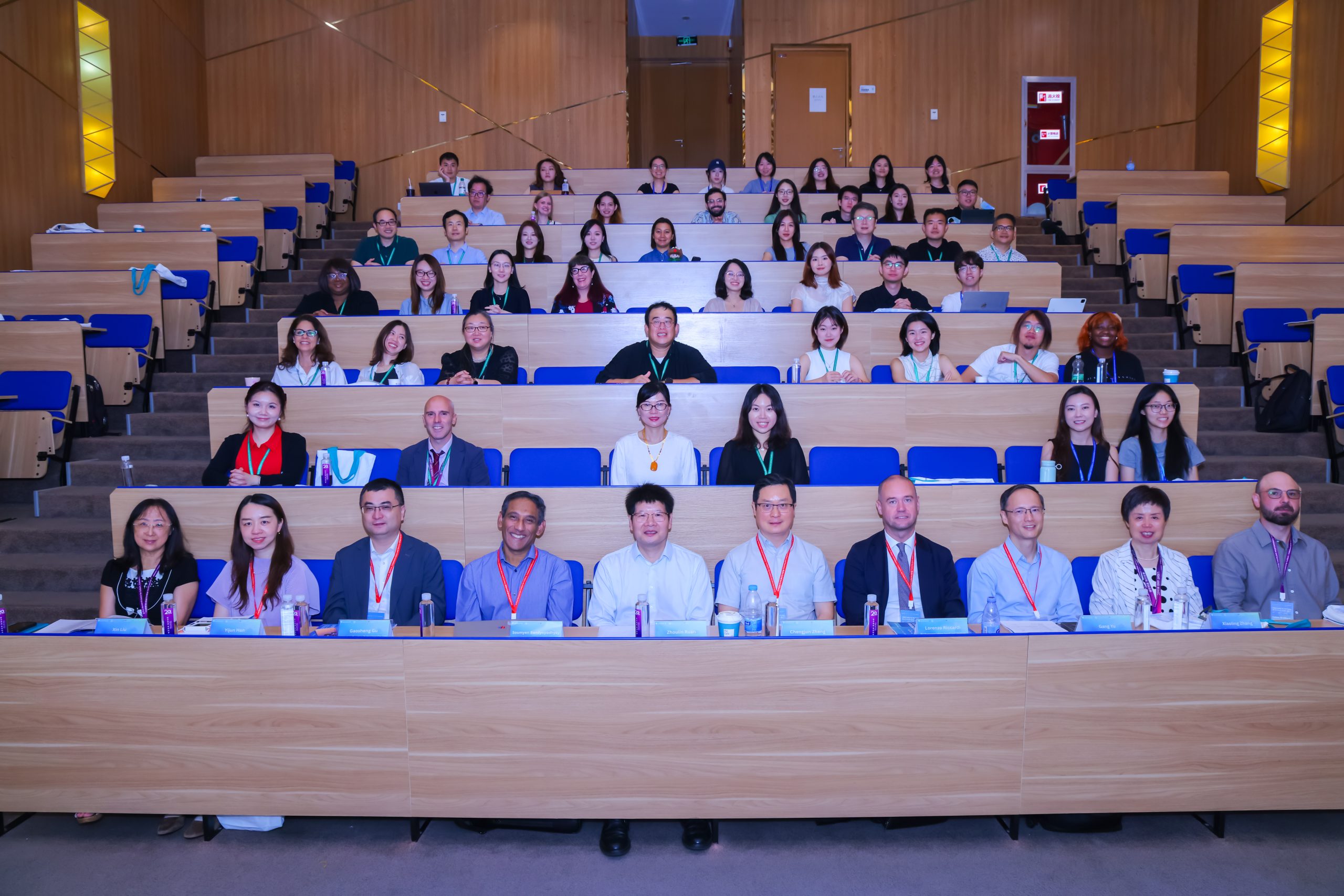
On 28 and 29 August, the international conference Heritage in Motion: Traditions, Innovation, and the Contemporary World was held at Xi'an Jiaotong-Liverpool University (XJTLU).
The conference was organised by the Heritage and Communication Research Group of XJTLU's University Research Centre for Culture, Communication and Society (CCCS), in partnership with the Research Centre for China's Heritage Studies at the University of Lancashire and the International Exchange and Cooperation Office at Beijing International Studies University (BISU).
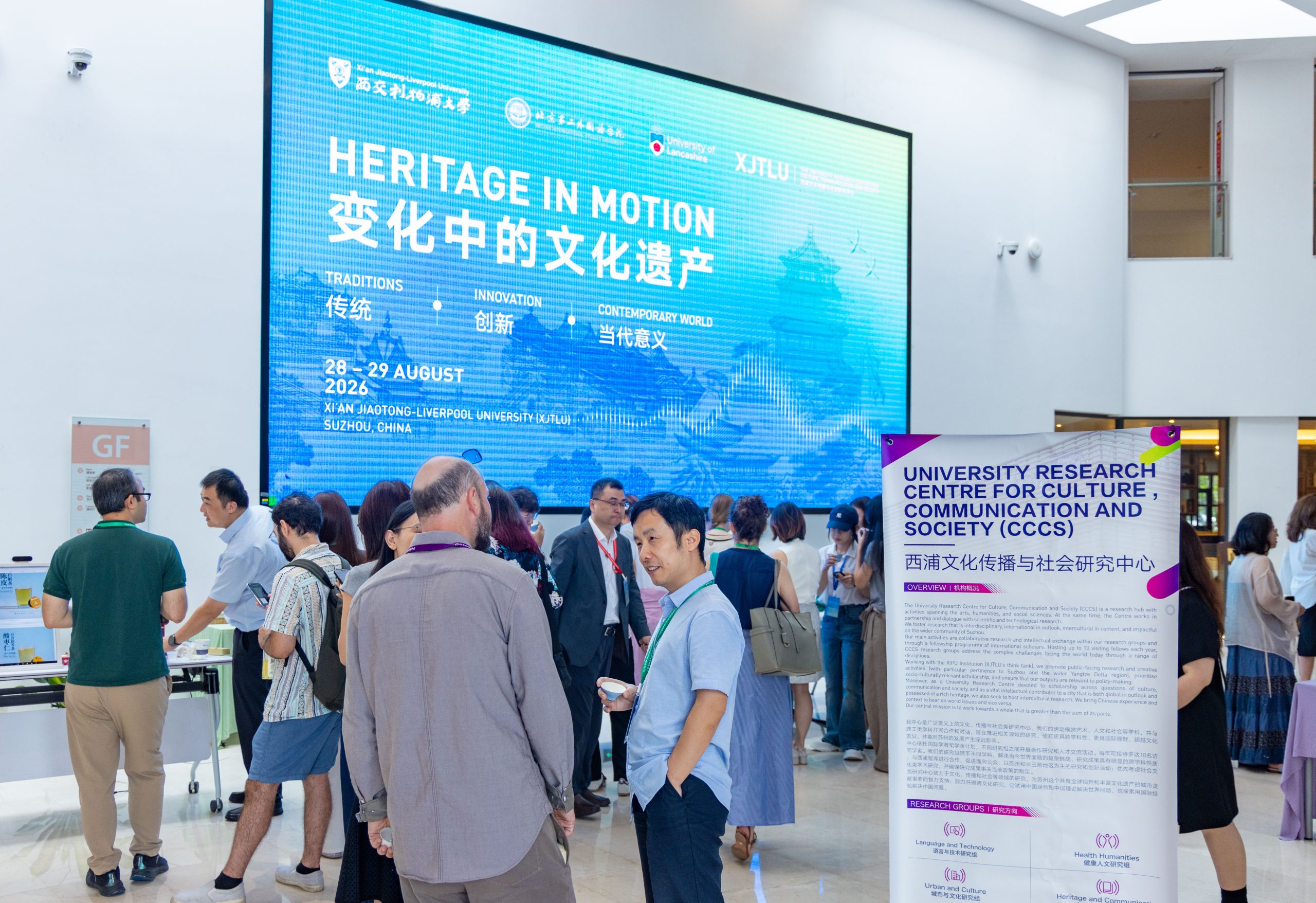
Nearly 100 scholars, experts and practitioners from universities, research institutions and related fields in China and overseas gathered for interdisciplinary exchange on topics including the transmission and innovation of cultural heritage, digital transformation, cross-cultural communication, historical memory, urban space and cultural practice.
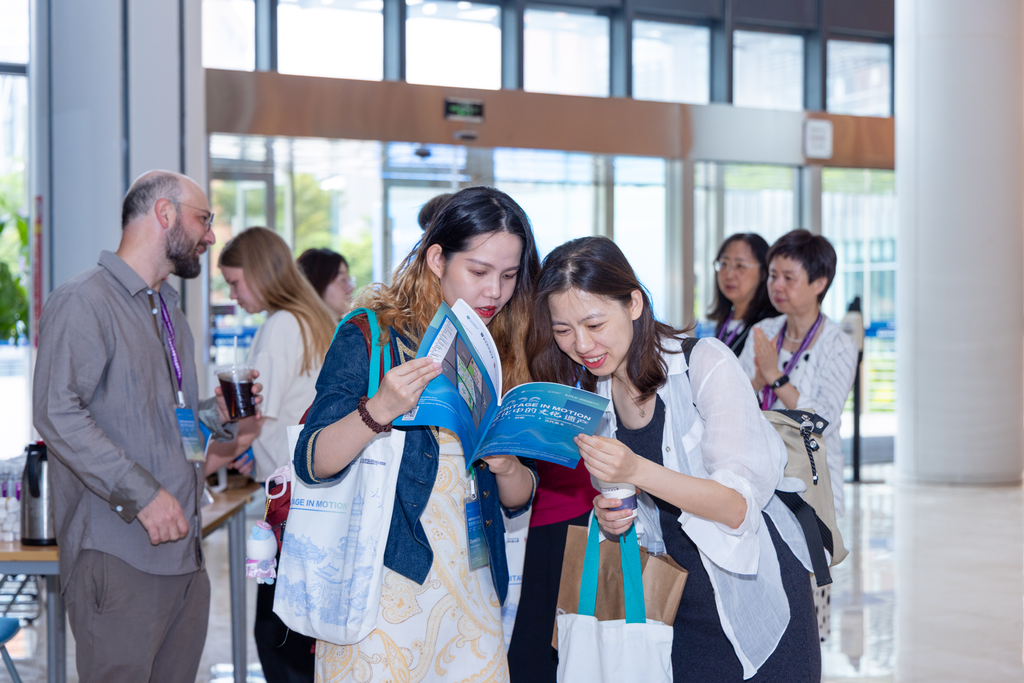
Rethinking cultural heritage in a changing world
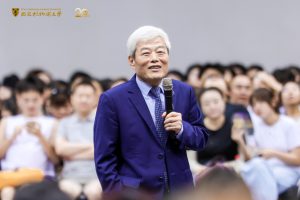
At the opening ceremony, Professor Xiaoling Zhang, Dean of XJTLU's School of Humanities and Social Sciences and co-leader of the Heritage and Communication Research Group at CCCS, welcomed delegates.
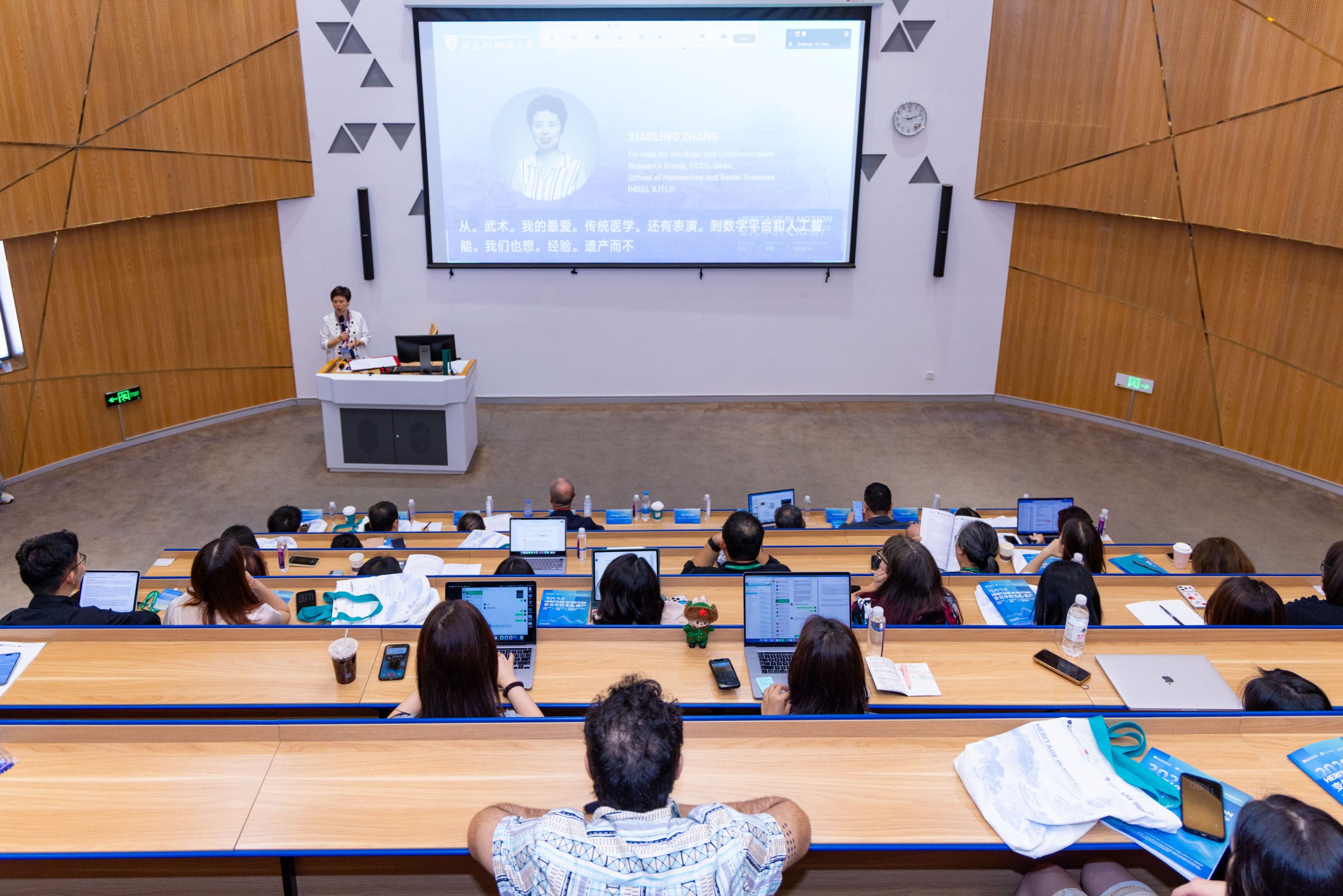
Building on last year's discussions on transformations in urban cultural heritage, Professor Zhang said this year's conference further expanded the boundaries of heritage research, extending the discussion from architectural heritage, museums and historical memory to traditional medicine, arts and performance, digital platforms and artificial intelligence.
The conference theme, Heritage in Motion, also reflected its approach to understanding cultural heritage. Professor Zhang explained: "Traditions endure not because they are preserved in a static form, but because they continually acquire new meanings through practice, interpretation, adaptation and recreation by different generations and communities, moving across places, cultures, and physical and digital spaces."
Professor Zhoulin Ruan, Vice President for Academic Affairs at XJTLU, used the integration of artificial intelligence and traditional Chinese medicine as an example to illustrate how new technologies can connect traditional knowledge with new generations and audiences. At the same time, he noted that this raises questions requiring further research, including how cultural knowledge can be accurately translated and how traditional knowledge changes when it enters new technological environments.
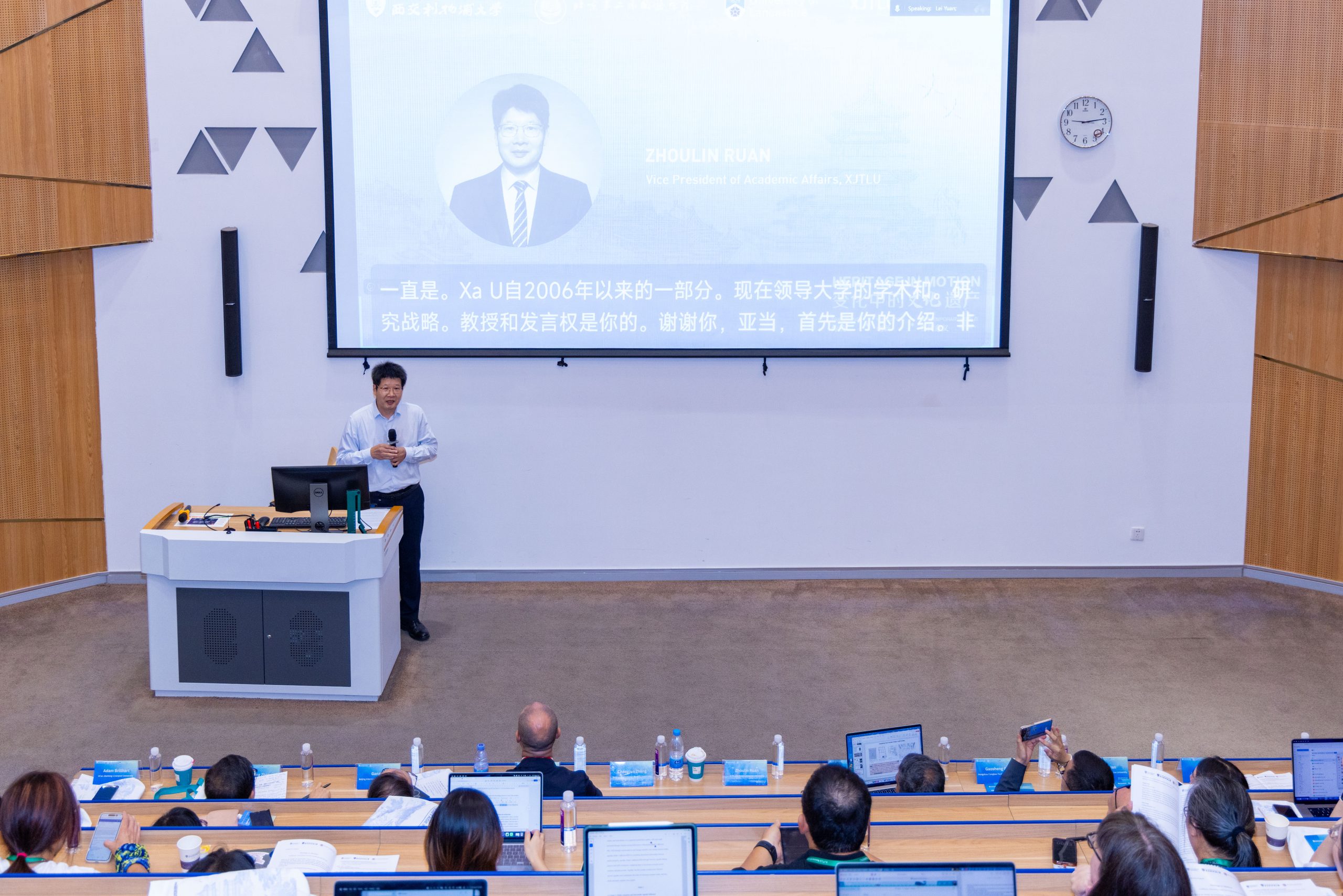
This year marks XJTLU's 20th anniversary. Professor Ruan said universities themselves also face the challenge of continuity and innovation. As artificial intelligence transforms education, research and professional practice, universities need to consider not only how to use new technologies, but also how to continue cultivating creativity, critical thinking, cultural understanding and social responsibility amid technological change.
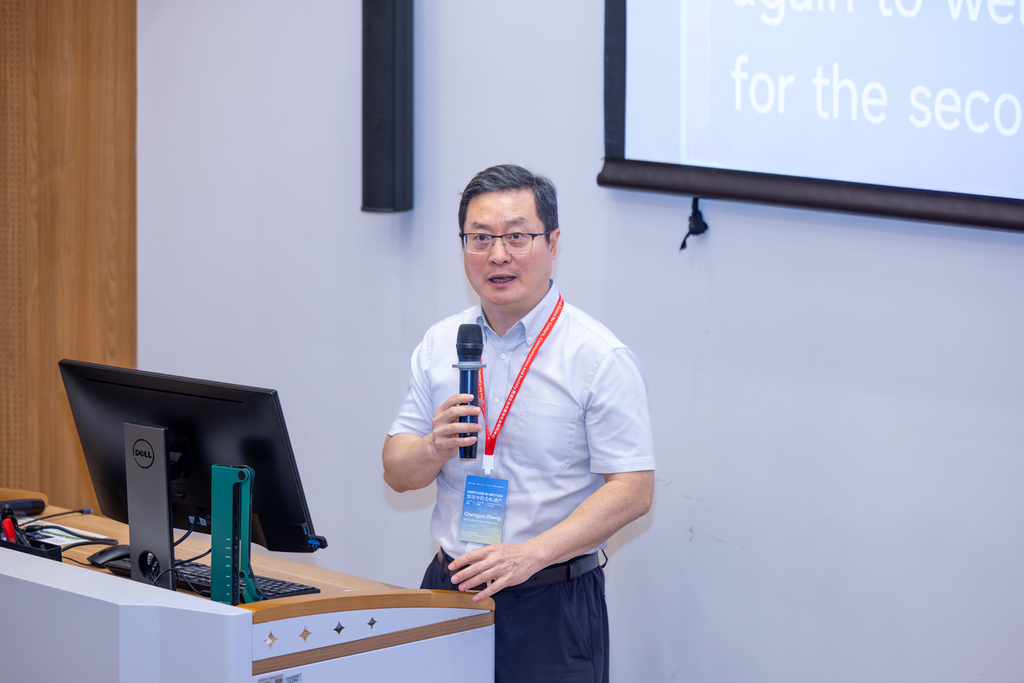
Professor Chengjun Zheng, Vice President of Beijing International Studies University, outlined BISU's experience in international exchange and research related to tourism and culture, while emphasising the importance of cultural heritage protection, transmission and international academic collaboration. He noted that the protection, development and utilisation of cultural heritage involve many issues worthy of deeper exploration, and expressed hope that the conference would further promote academic exchange across universities, disciplines and countries.
How can tradition enter contemporary life? Two keynotes explore the question
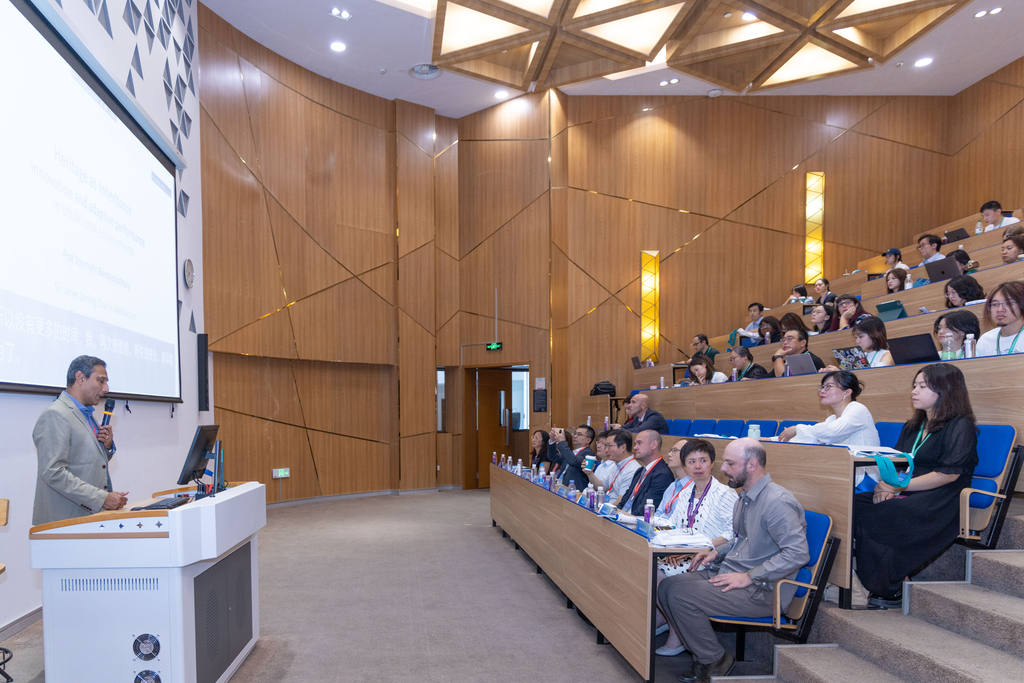
In the keynote session, Professor Soumyen Bandyopadhyay, Director of the Heritage Institute at the University of Liverpool and Chair of the Heritage Alliance of the New Silk Road, delivered a presentation titled Heritage as Inheritance: Innovation and Performance in Traditional Environments.
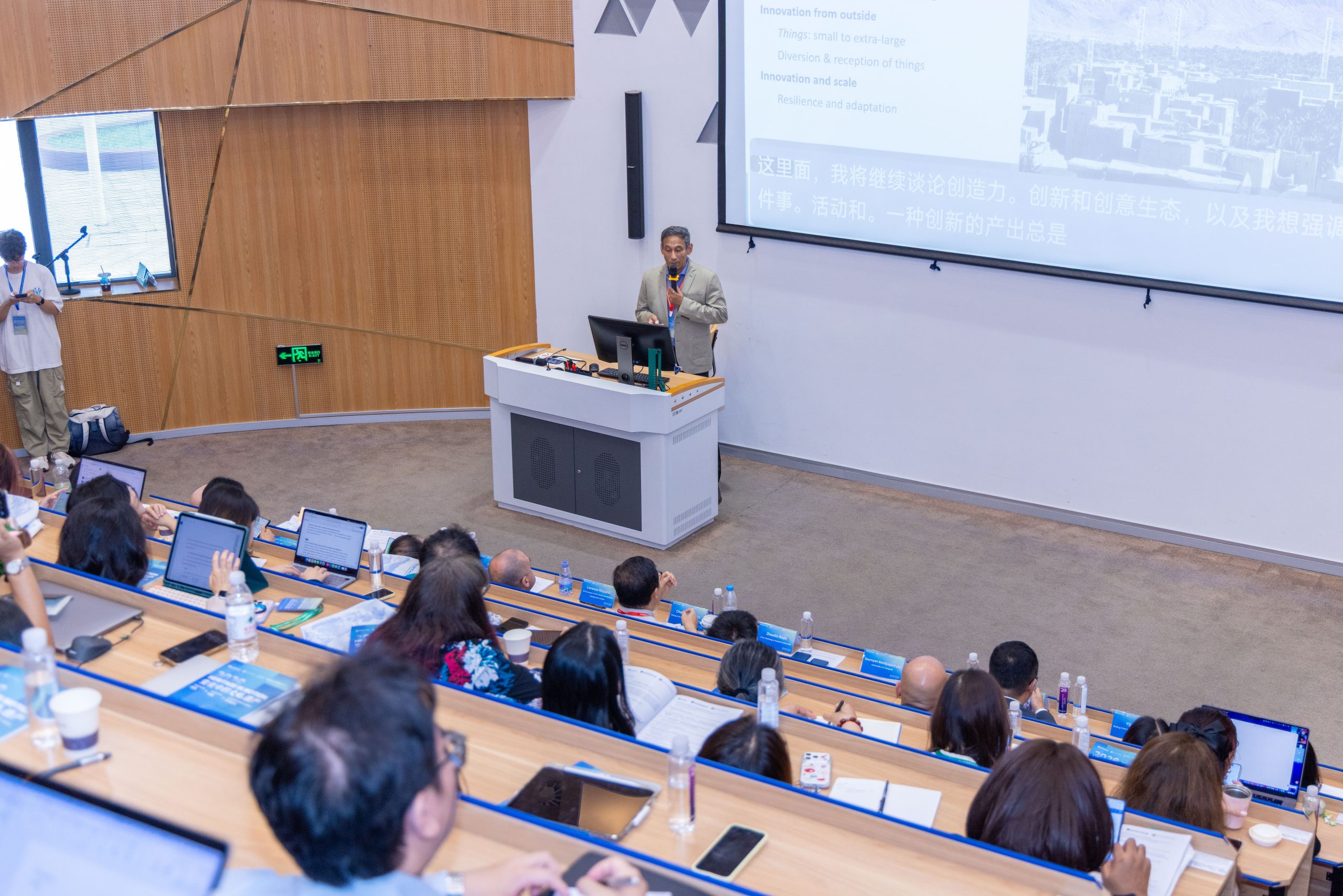
Approaching cultural heritage through the lens of inheritance, he argued that meaningful transmission is not about freezing the past, but allowing it to remain part of contemporary social and cultural life. Traditional environments have never been truly static; they continuously evolve through everyday use, lived practice and ongoing innovation. A key question is how heritage can respond to new social needs while sustaining the distinctive cultural characteristics of traditional environments.
Lorenzo Riccardi, Chairman of the EU SME Centre and former Chairman of the China-Italy Chamber of Commerce, then discussed the relationship between cultural heritage and economic development in his keynote, Connecting China's Heritage with Its Economic Development.
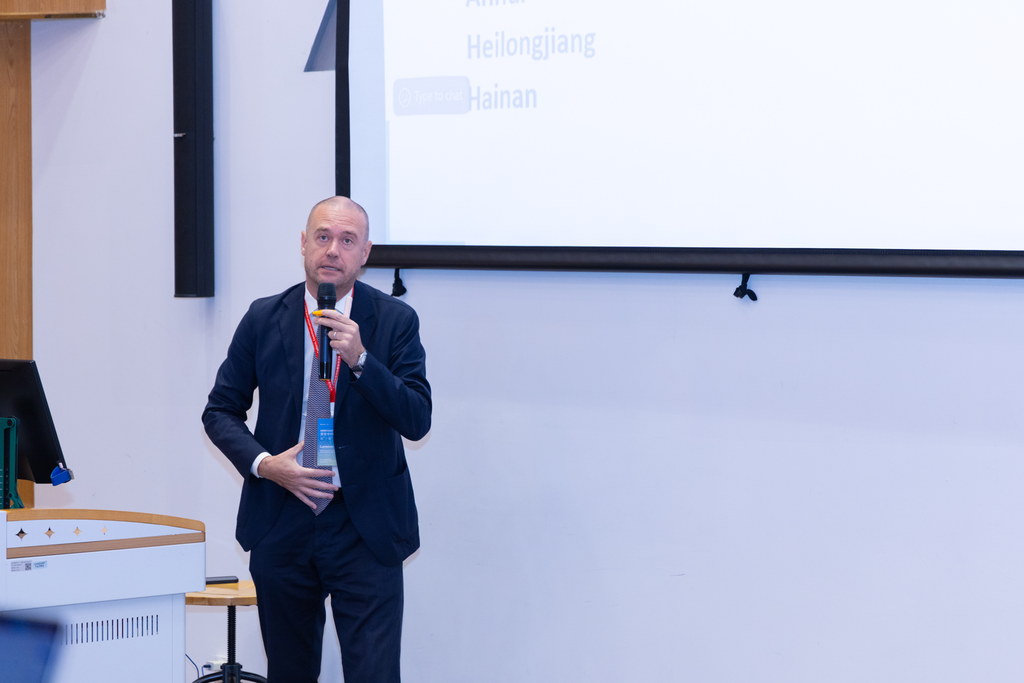
Drawing on examples including China's World Heritage sites, the Silk Road, the Grand Canal, traditional settlements and centres of craftsmanship, he examined the long-term connections between cultural heritage and trade, population mobility, local industries and regional development. He noted that in contemporary society, cultural heritage not only records the past but can also interact with sustainable tourism, cultural industries, local employment and regional investment, becoming an important resource for future economic cooperation and cultural exchange.
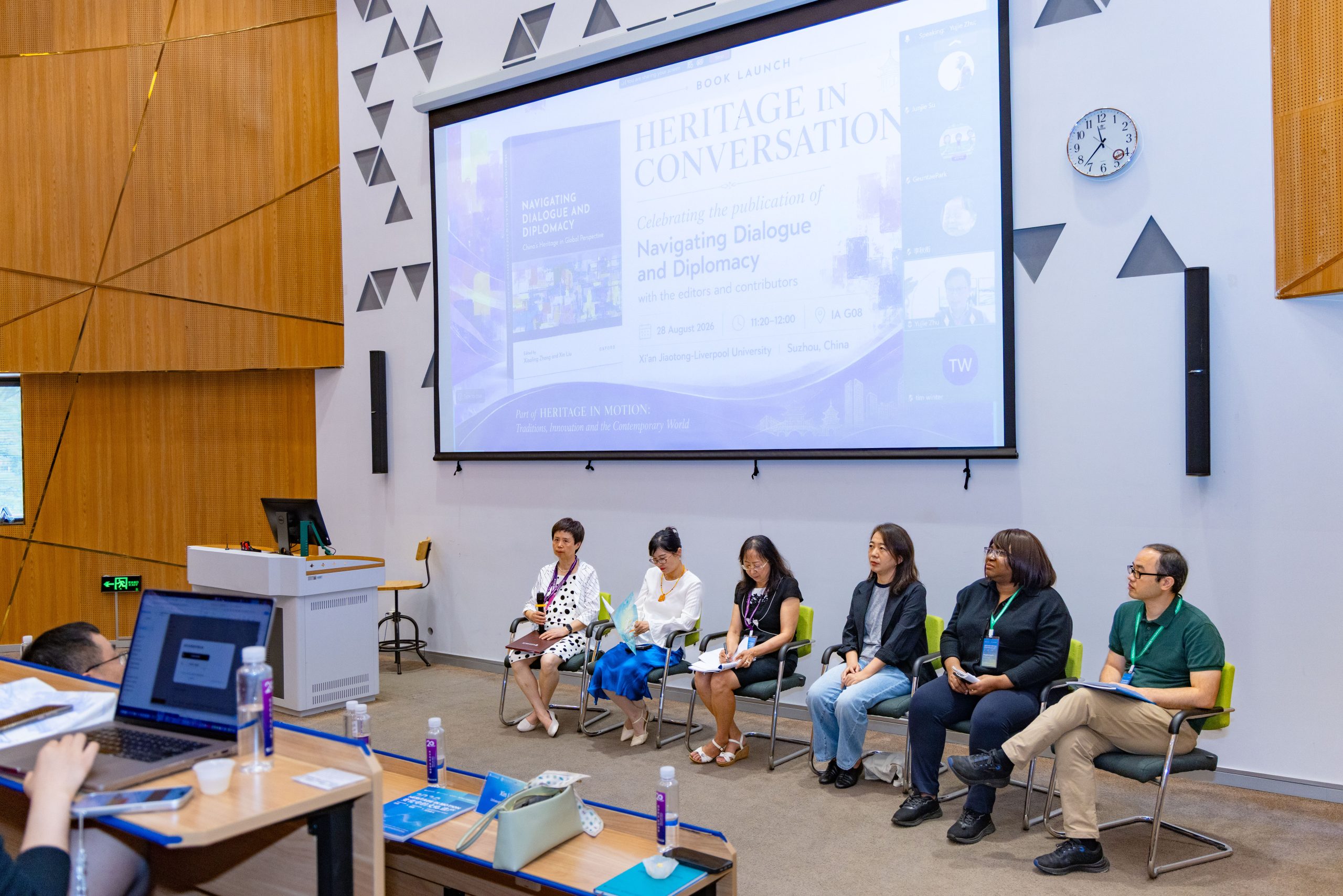
The opening programme also featured the launch of Oxford University Press's 2026 book Navigating Dialogue and Diplomacy: China's Heritage in Global Perspective, further exploring the relationship between cultural heritage and international exchange from a global perspective.
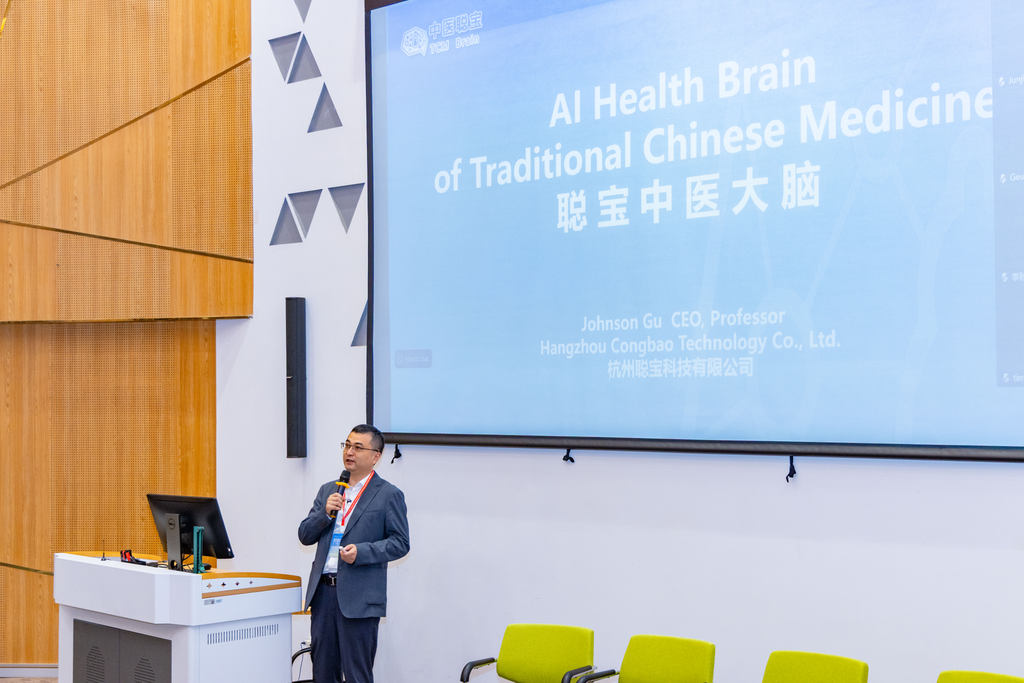
Gaosheng Gu, Chairman of Hangzhou Congbao Technology Co., Ltd., shared a presentation titled Artificial Intelligence: Taking Traditional Chinese Medicine to the World, exploring how new technologies can help traditional Chinese medicine knowledge reach wider international audiences.
From Dunhuang and Kunqu to Black Myth: Wukong - interdisciplinary discussions broaden the boundaries of heritage
Over the two days, the conference featured 10 thematic parallel sessions and 44 academic presentations.
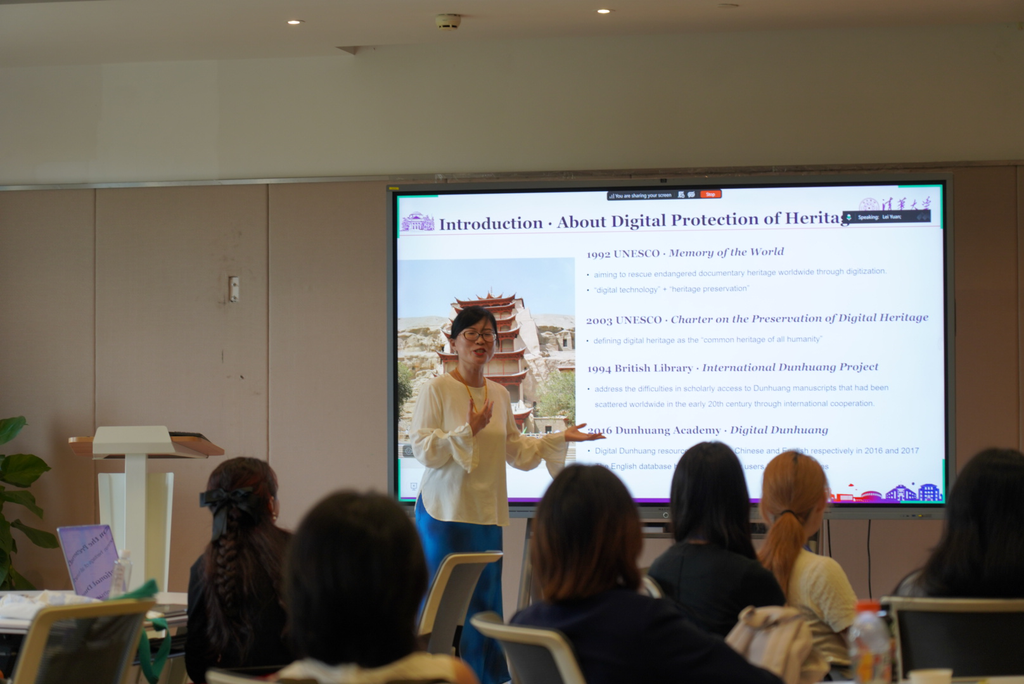
In sessions such as Digital Heritage, Platforms and Public Participation, researchers discussed cases including the digitisation of the Mogao Caves in Dunhuang, the use of AIGC in producing intangible cultural heritage, AI-assisted cross-cultural communication of traditional Chinese medicine, and innovative communication of Suzhou embroidery. These discussions examined how digital technologies are changing the preservation, communication and public participation of cultural heritage.
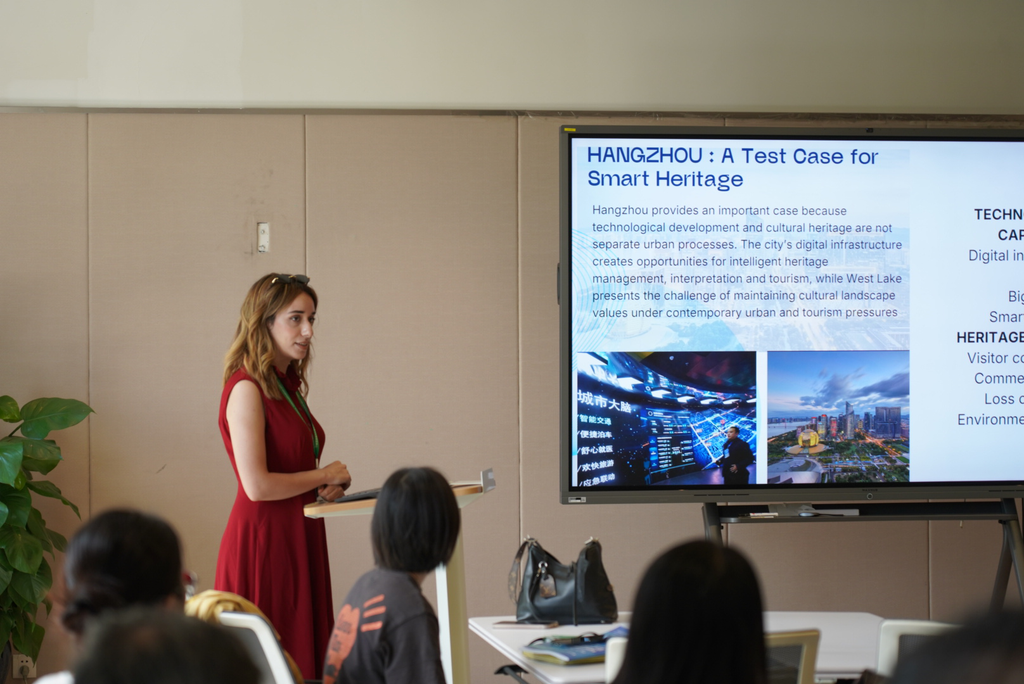
Focusing on living heritage, scholars drew on cases including Chinese martial arts, traditional medicine, Buddhist chanting, Kunqu Opera, the youth edition of The Peony Pavilion, and the Twenty-Four Solar Terms to explore how embodied practice, performance, media and cross-cultural exchange contribute to the continued transmission and reinterpretation of tradition.
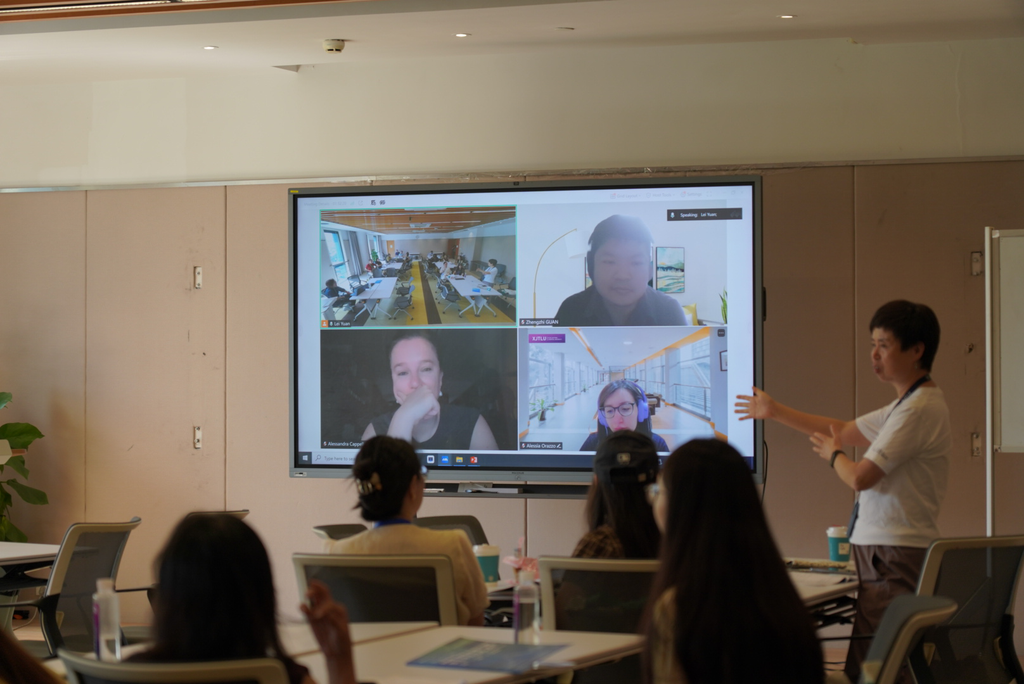
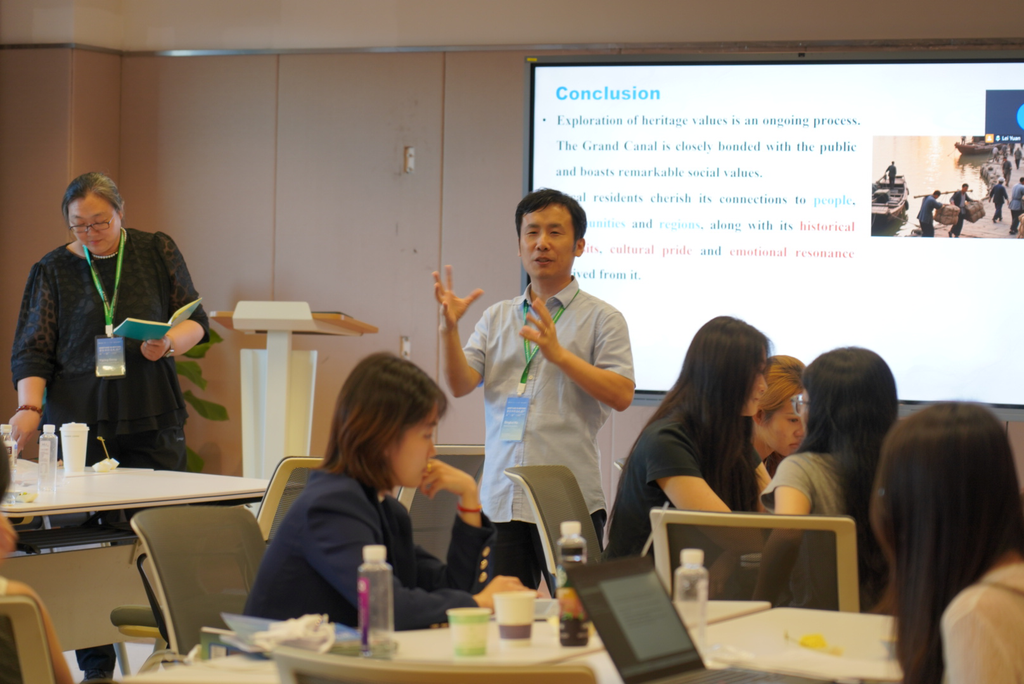
Architecture, cities and local memory formed another key strand of discussion. Case studies on the Grand Canal, yurts, traditional architecture, industrial heritage and urban regeneration demonstrated, from different perspectives, the relationships between cultural heritage, space, local identity and social change.
At the same time, the conference brought video games and contemporary popular culture into the scope of heritage studies. From Black Myth: Wukong and independent video games to Nüshu and merchandise derived from classic animations by Shanghai Animation Film Studio, participants further discussed how digital media, consumer culture and youth participation are reshaping the expression and communication of cultural heritage.
Bringing cultural heritage from research into experience
Beyond conventional academic presentations and discussions, the conference also incorporated cultural experiences into its programme.
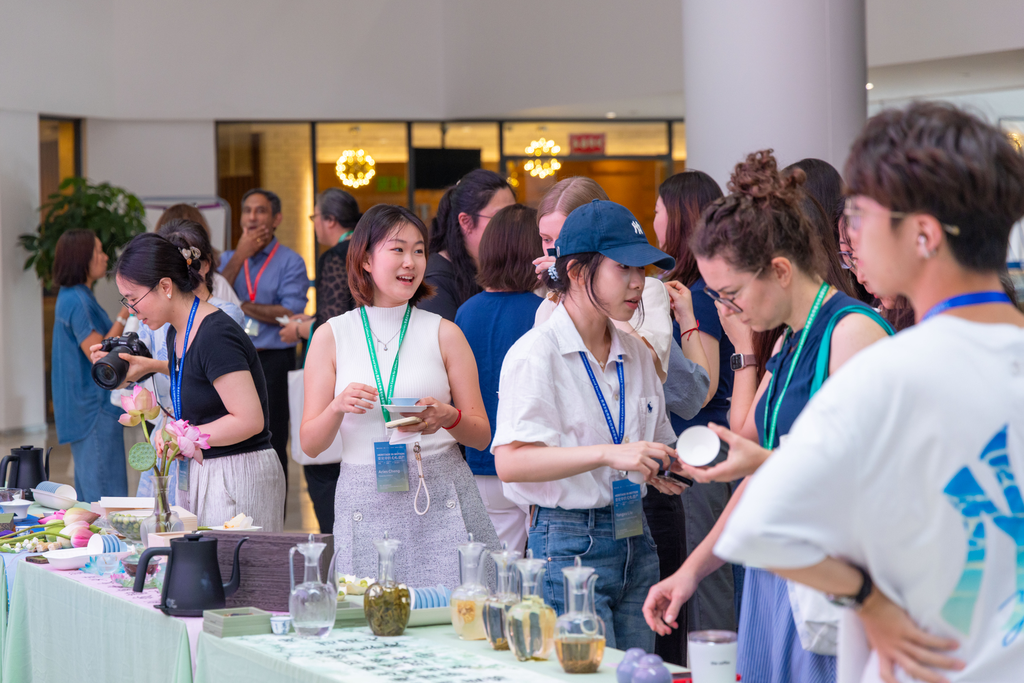
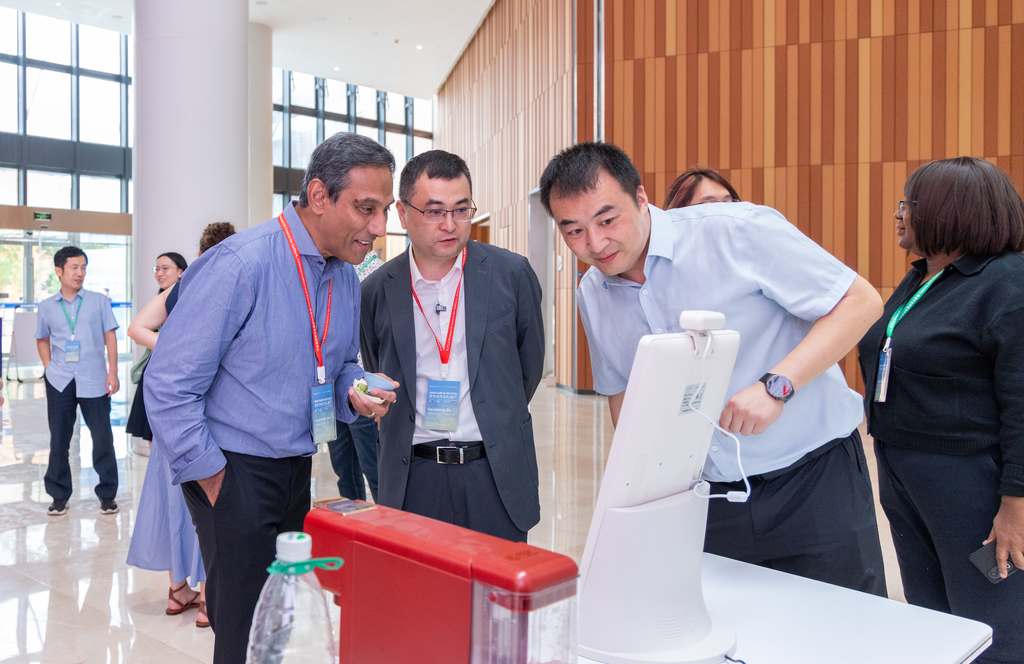
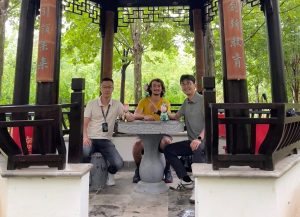
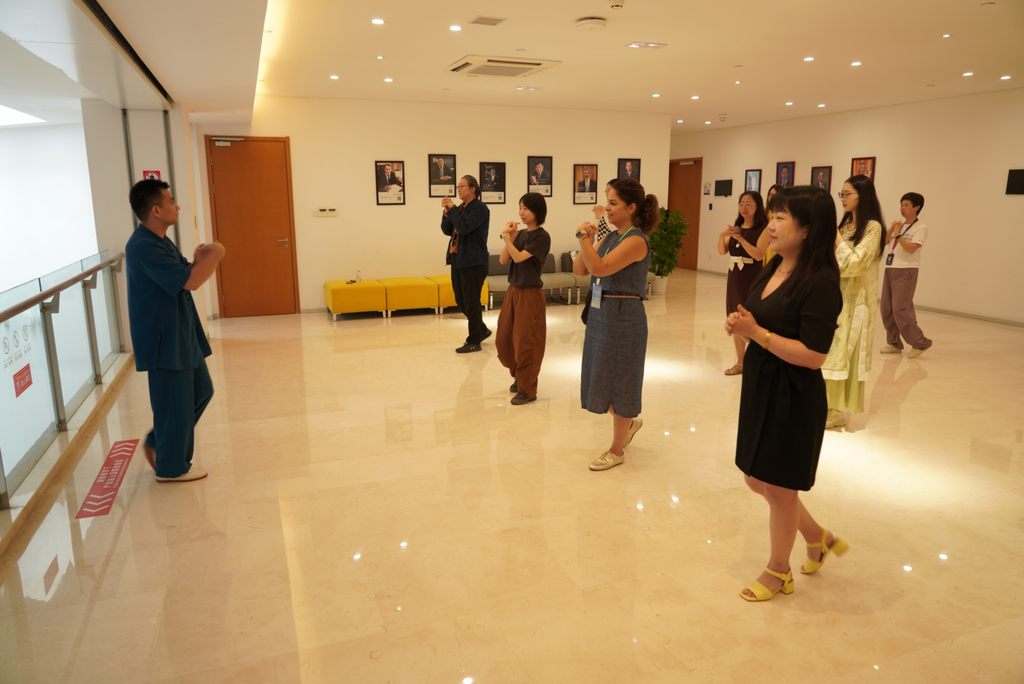
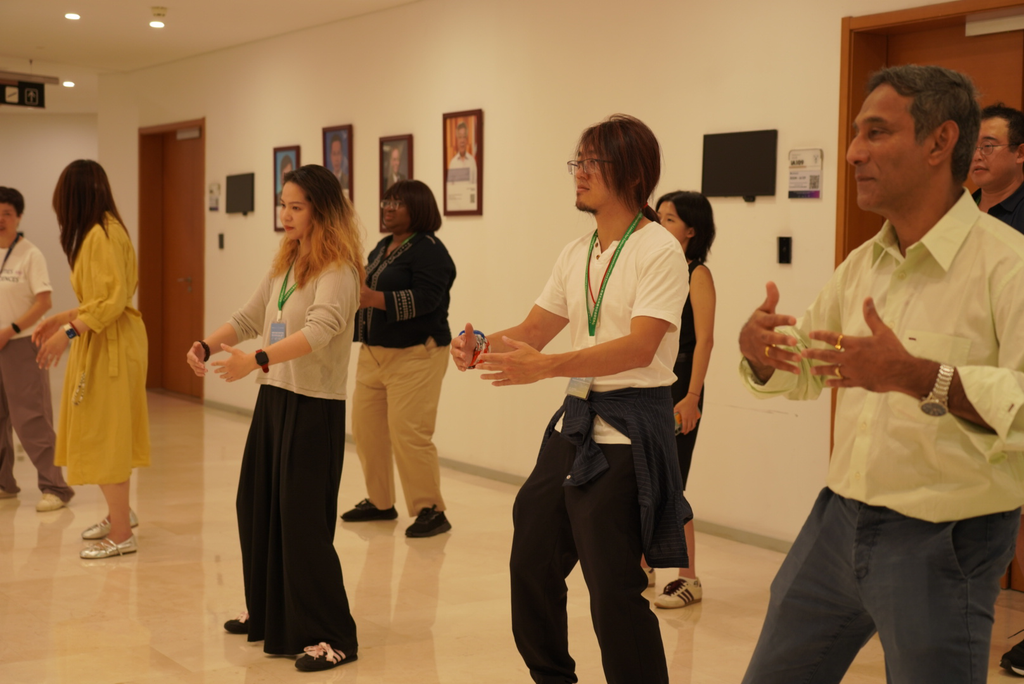
During the two-day conference, participants joined activities on Chinese tea culture, traditional Chinese medicine and health qigong, and visited Deyuelou, a time-honoured Suzhou restaurant, for further exchange. Through these activities, cultural heritage became not merely an object of study in papers, texts or museums, but something that could be practised, experienced and shared firsthand.
From Suzhou, exploring the future of heritage
On the afternoon of 29 August, the conference concluded with a closing discussion and exchange on publication plans. Professor Xiaoling Zhang, Dr Xin Liu of the University of Lancashire, and Dr Adam Brillhart of XJTLU's Design School participated in the discussion.
"Suzhou's deep historical and cultural traditions, together with its rapidly evolving urban, industrial and technological landscape, gave the conference discussions a strong sense of contemporary relevance. Tradition and modernity are not simply binary opposites, and cultural heritage does not remain in the past. It is continually practised, interpreted and reshaped across generations, media, spaces and cultures," Professor Zhang concluded.
By Yiyi Gu
01 Sep 2026