




30 Oct 2026


The Academy of Film and Creative Technology has received one School Winner award, one Student-Nominated Winner and two Excellent Poster awards in the 2026 SURF programme. Discover the creativity, collaboration and research behind these award-winning projects.
From the visual renewal of a time-honoured Suzhou brand to a flock of virtual birds responding to spoken commands in mixed reality, how can undergraduate research connect technology, design and the real world?
The Academy of Film and Creative Technology (AFCT) has achieved excellent outcomes in the 2026 Summer Undergraduate Research Fellowship (SURF) programme. SURF-2026-0226, supervised by Yu Sheng, was selected as a School Winner. It also received an Excellent Poster award, together with SURF-2026-0052, supervised by Yankuang Gu.
Each poster records a journey from asking questions and repeated testing to turning creative ideas into tangible outcomes. Let us take a closer look at the stories behind these two teams and their research.
School Winner & Excellent Poster
Renewing a Time-Honoured Brand and Developing a New Approach to Human–AI Co-Creation
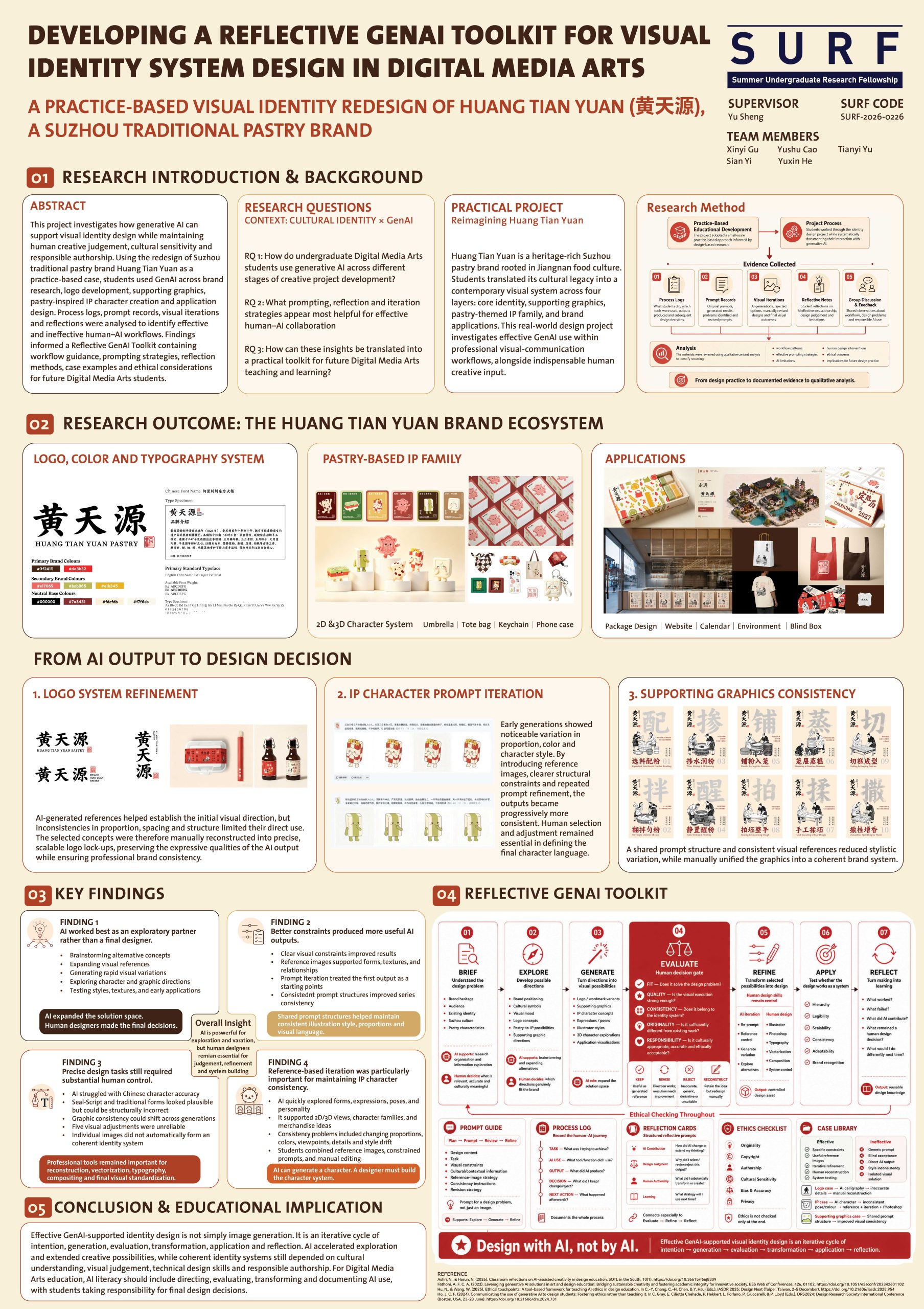
SURF-2026-0226 poster
Project Title: Developing a Reflective GenAI Toolkit for Visual Identity System Design in Digital Media Arts
SURF Code: SURF-2026-0226
Supervisor: Yu Sheng
Team Members: Xinyi Gu, Yushu Cao, Yuxin He, Sian Yi, Tianyi Yu
01 Starting with a Traditional Pastry: Exploring How People and AI Can Design Together
This eight-week SURF project explores how undergraduate Digital Media Arts students can use generative AI critically, creatively and responsibly in visual identity design. Using the redesign of Suzhou traditional pastry brand Huang Tian Yuan as a practice-based case, students used GenAI across brand research, logo development, supporting graphics, pastry-inspired IP character creation and application design.
Working collaboratively on a focused design brief, students developed a compact identity system, including a logo or wordmark, colour palette, typography, supporting graphics, and print and digital applications. Throughout the project, students documented their prompts, outputs, revisions and reflections, examining issues such as originality, authorship, bias and cultural sensitivity. These records informed a practical toolkit featuring prompting guidance, workflow examples, reflection checklists and ethical considerations.
The project therefore went beyond a brand identity redesign. It also investigated how people and AI can design together more effectively. AI expanded the solution space, while cultural understanding, visual judgement, technical refinement and final design decisions remained in human hands.
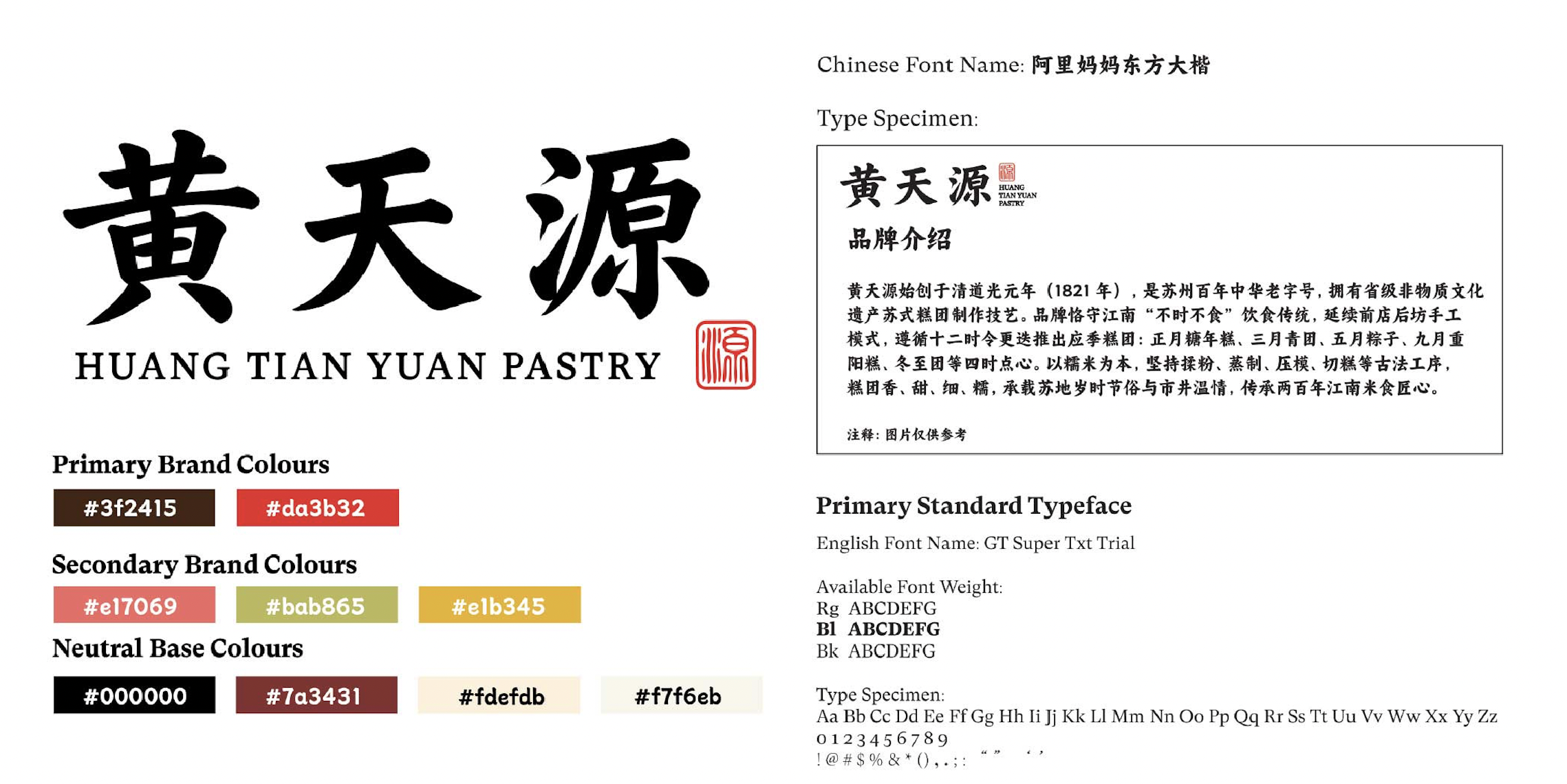
Huang Tian Yuan’s logo, standard typefaces and colour system
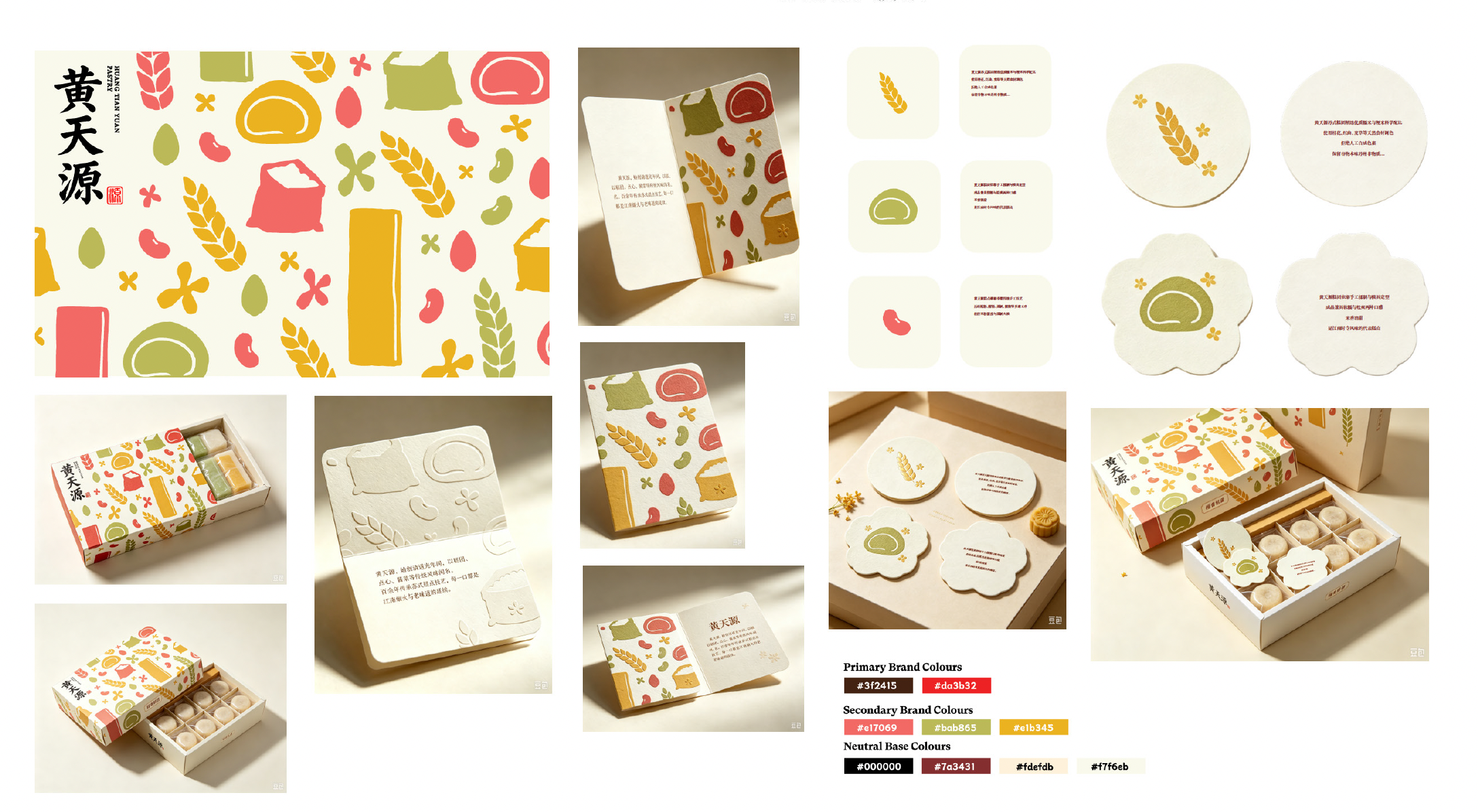
Visual elements inspired by pastries, wheat and traditional production tools, applied to packaging and brand materials
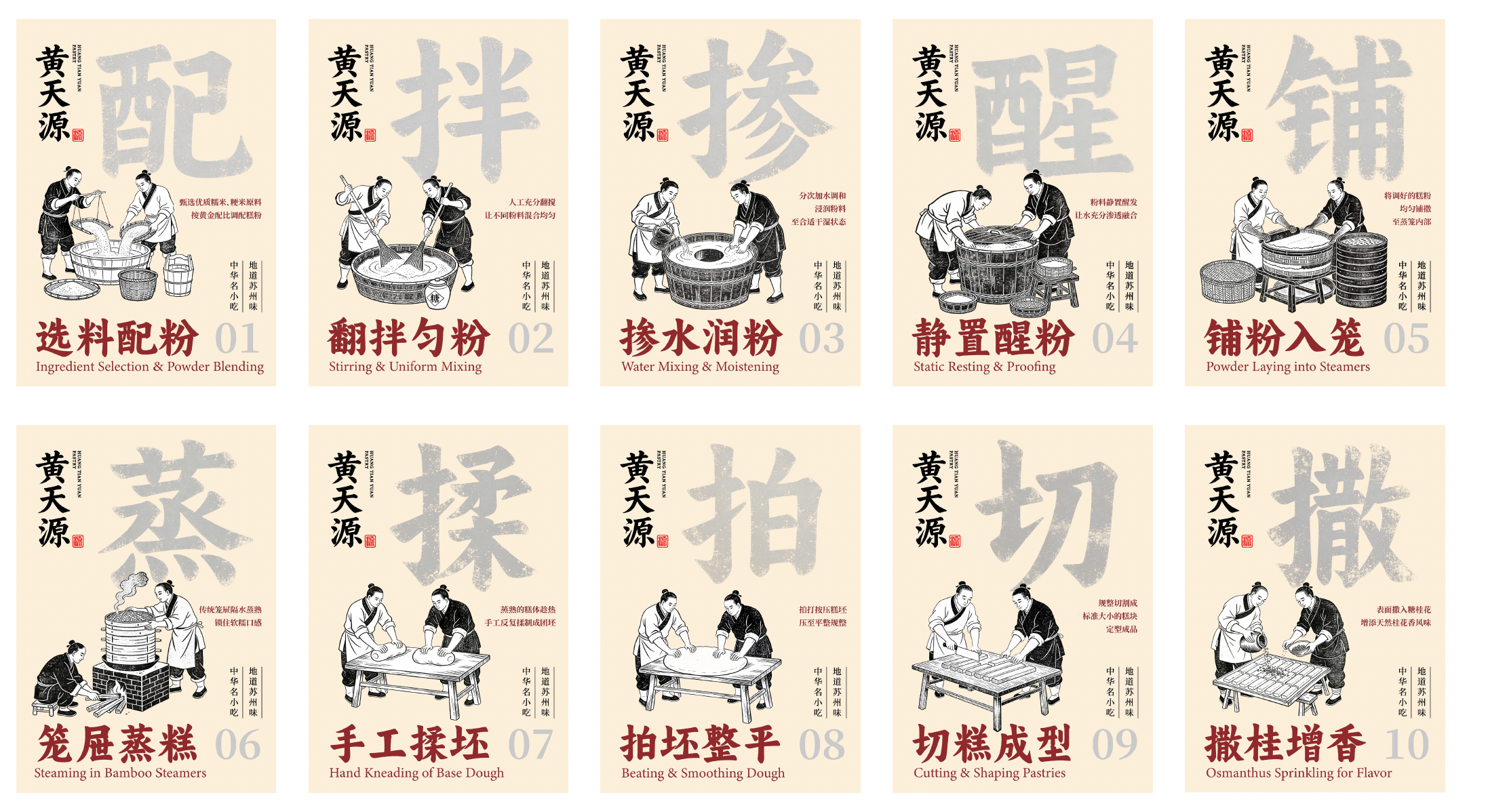
A coherent supporting graphics system based on ten pastry-making procedures, enriched with cultural detail
02 Taking Design Beyond the Screen to Respond to Real-World Needs
To align the research outcomes with real-world market needs, the team conducted field visits and interviews at the physical Huangtianyuan store. They wanted to understand consumers’ genuine opinions about Huangtianyuan’s existing brand visuals, in-store environment, product packaging and overall image as a time-honoured brand. These first-hand insights formed the core foundation for the brand identity system optimisation, preventing the design from relying purely on subjective aesthetic judgement.
Nevertheless, the field research met obstacles. Many people were unwilling to take part in interviews at the beginning, and the students hesitated to approach them. Through sincere outreach and repeated attempts, they finally invited several customers and the store manager to review their proposals and received plenty of practical, valuable feedback. This feedback became an important basis for the team’s continued design refinement.
This practice sparked an important reflection: despite powerful AI capabilities, AI-generated outputs cannot be directly implemented. Although AI can rapidly provide directions and variations, designers still need to select, revise and integrate the outputs in response to real-world needs. AI serves as an auxiliary tool for design, rather than a full replacement for human design thinking.
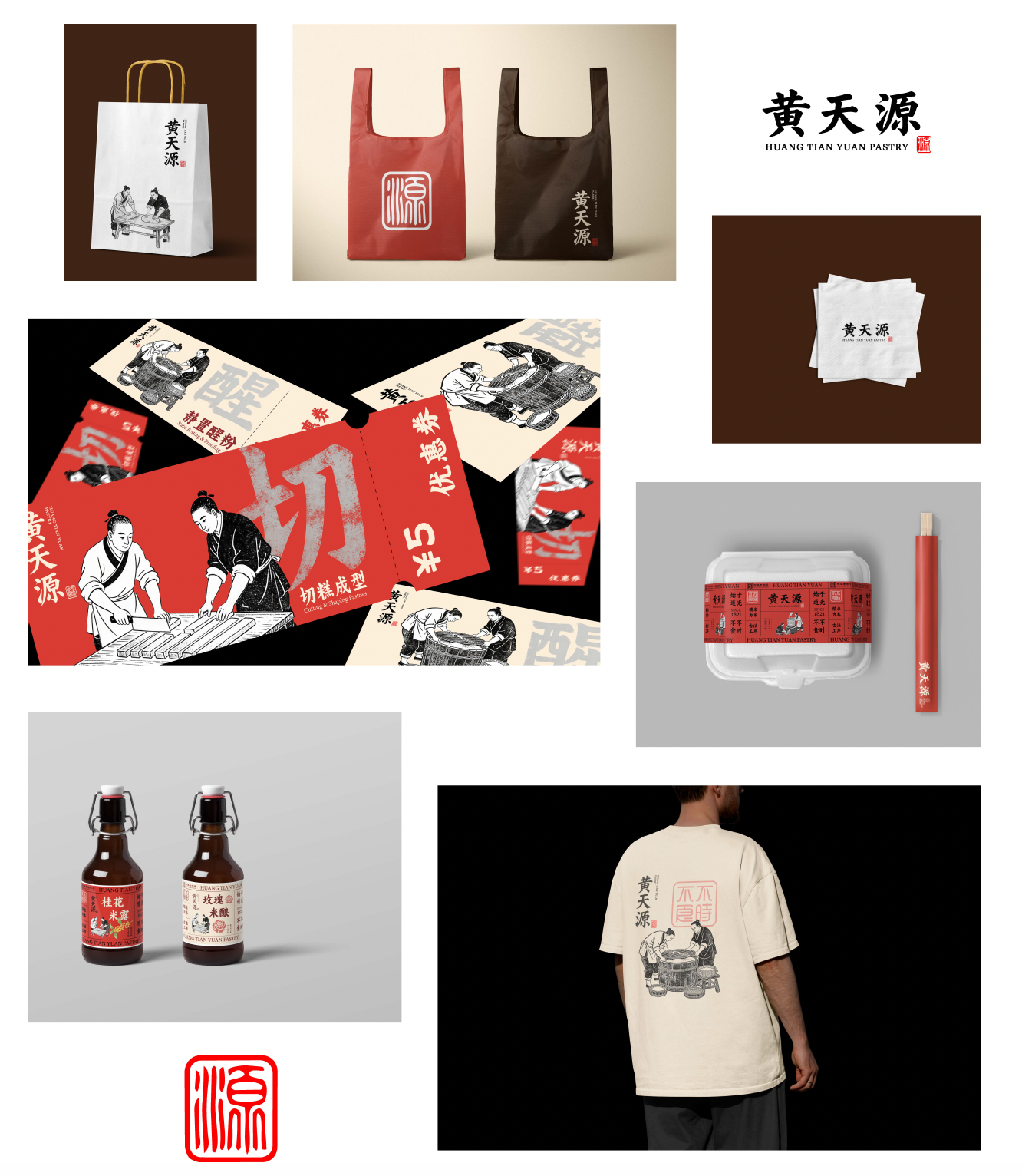
The brand identity extended across shopping bags, coupons, food packaging, clothing and other applications
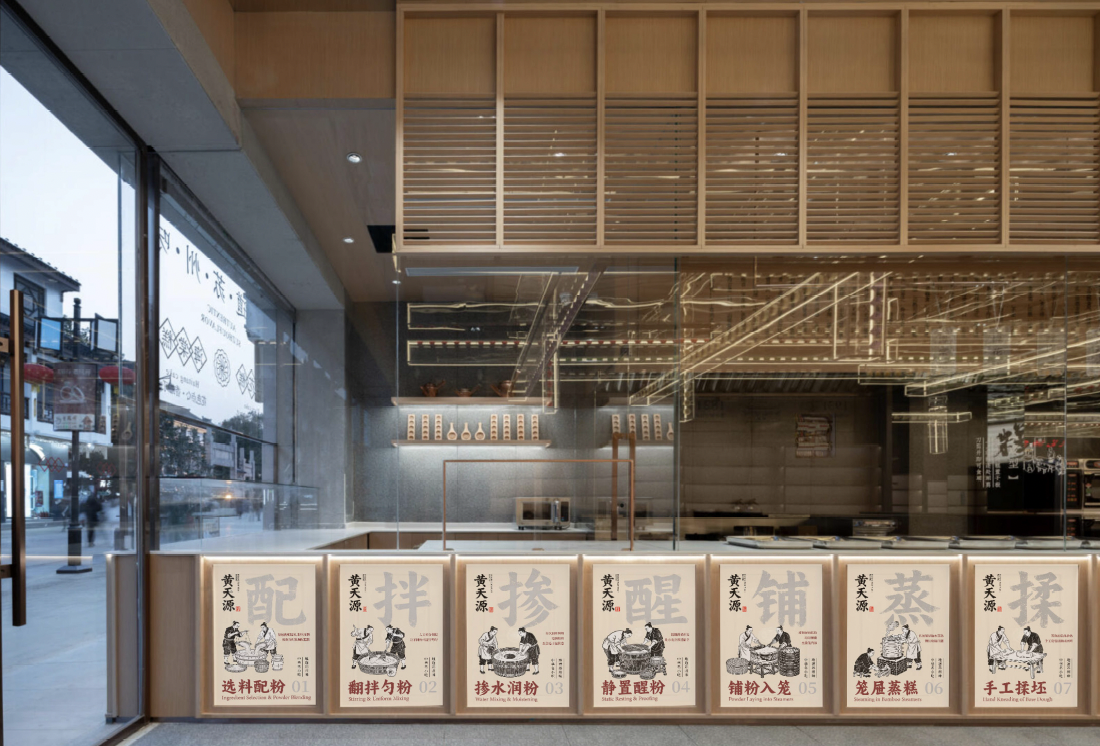
A proposed application of the supporting graphics in the store environment
03 Five Students, One Iterative Creative Process
Guided by Supervisor Yu Sheng, every team member gave full play to their strengths and achieved rewarding research outcomes through close collaboration. Tasks were divided across the group: some members worked on poster design, others leveraged their professional expertise for web development, while another took charge of IP character and visual identity design. Rather than settling immediately on a single answer, the team systematically categorised creative directions and carried out rounds of design before gradually refining its selections.
Take the supporting graphics as an example: the team explored creative directions including production procedures, seasonal features and product forms. In developing the IP characters, the students used reference images, clearer structural constraints and repeated refinement to progressively unify the characters’ proportions, colours and visual style. The project ultimately produced not only a body of visible design outcomes, but also a reflective human–AI workflow that can be documented, reviewed and used in future teaching and learning.
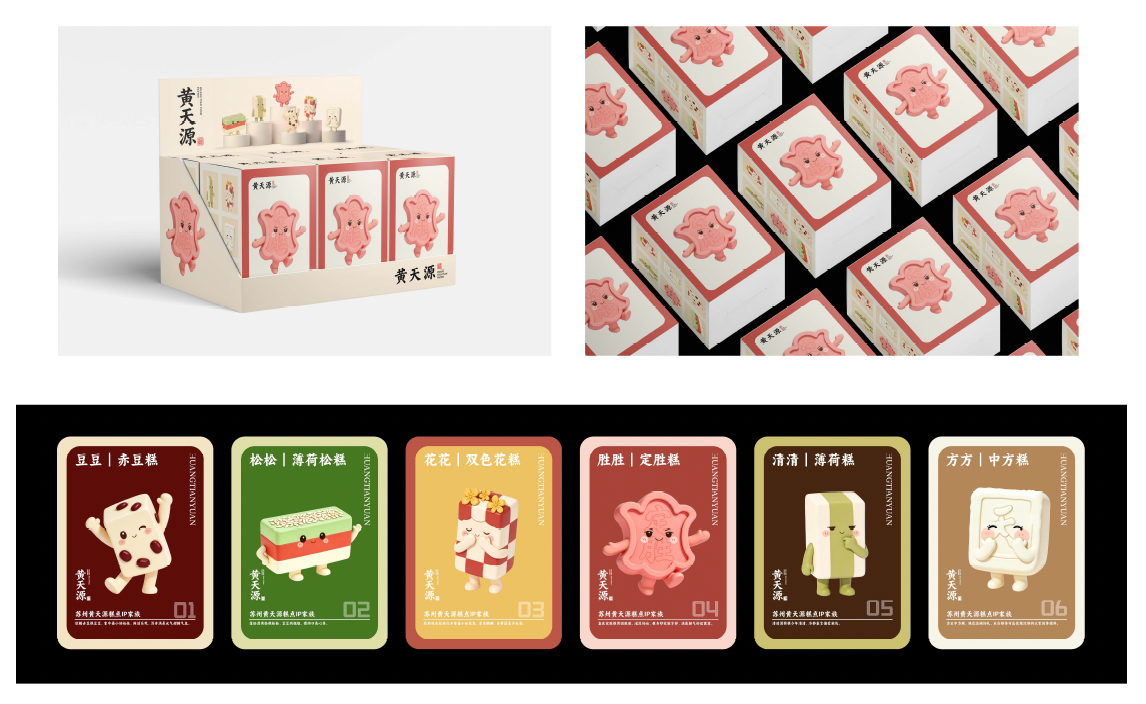
An IP character family inspired by traditional pastry forms
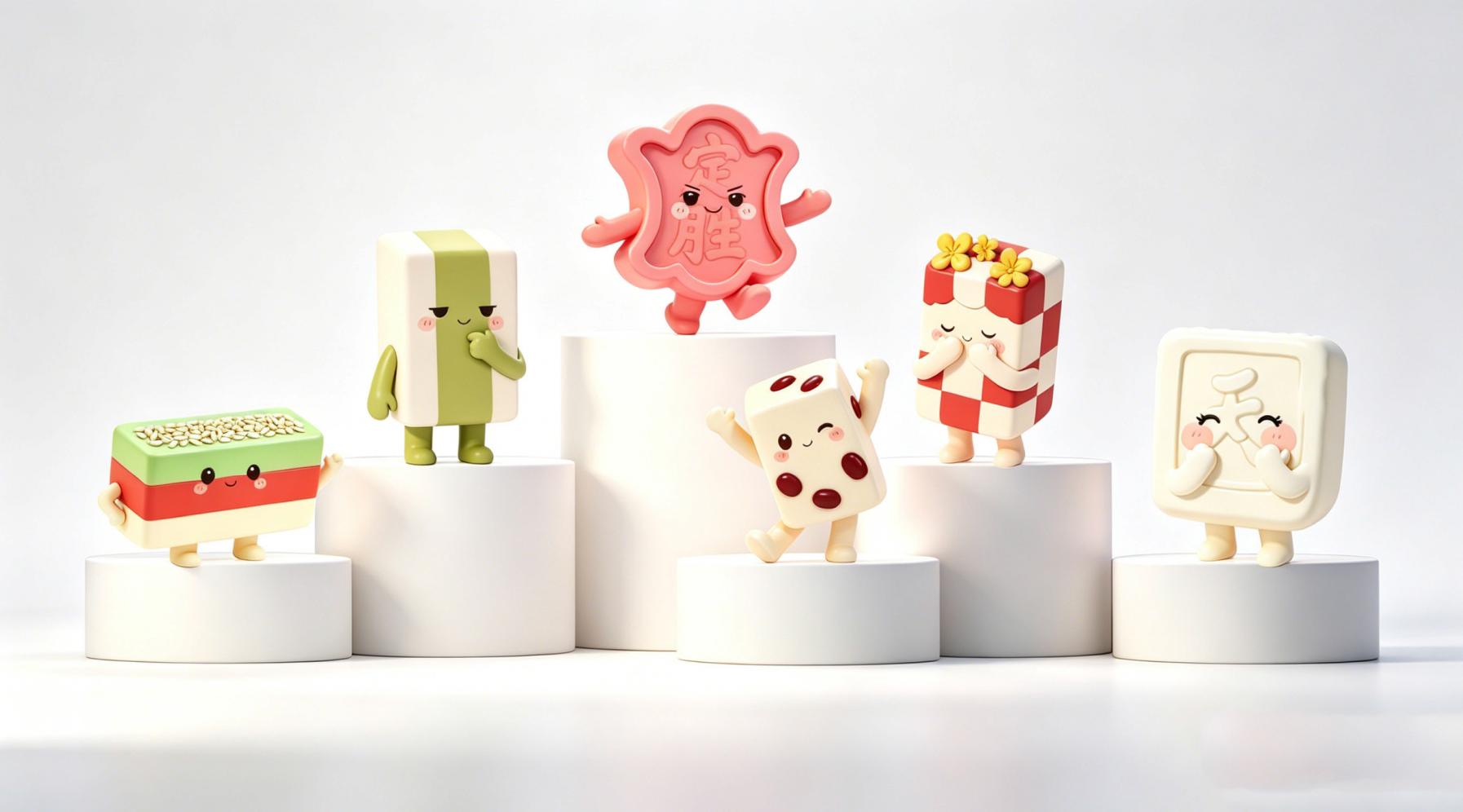
From 2D characters to 3D forms, with continued refinement of character language and visual proportions
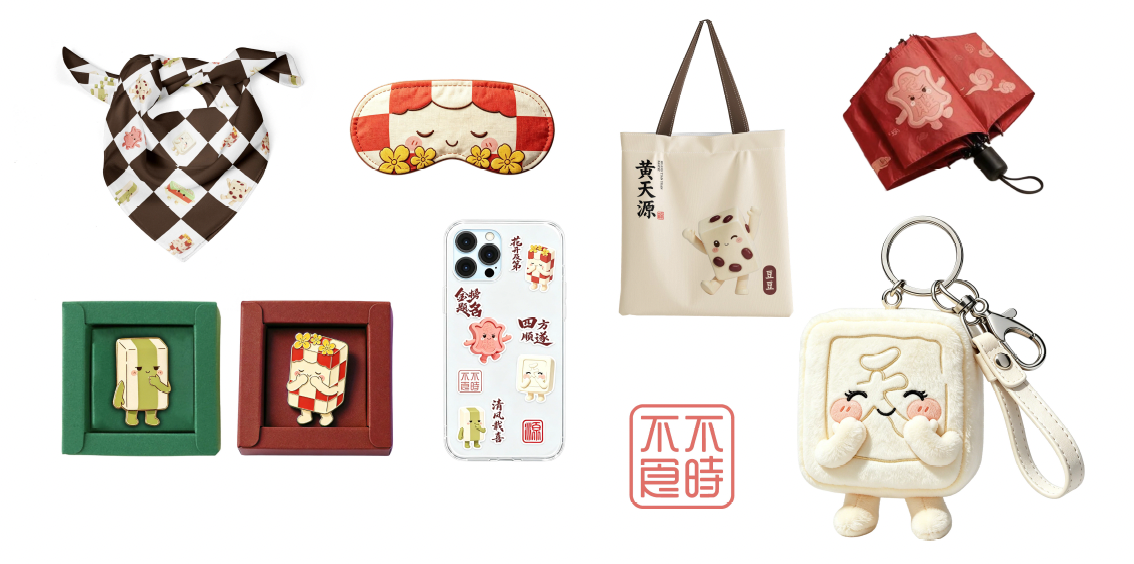
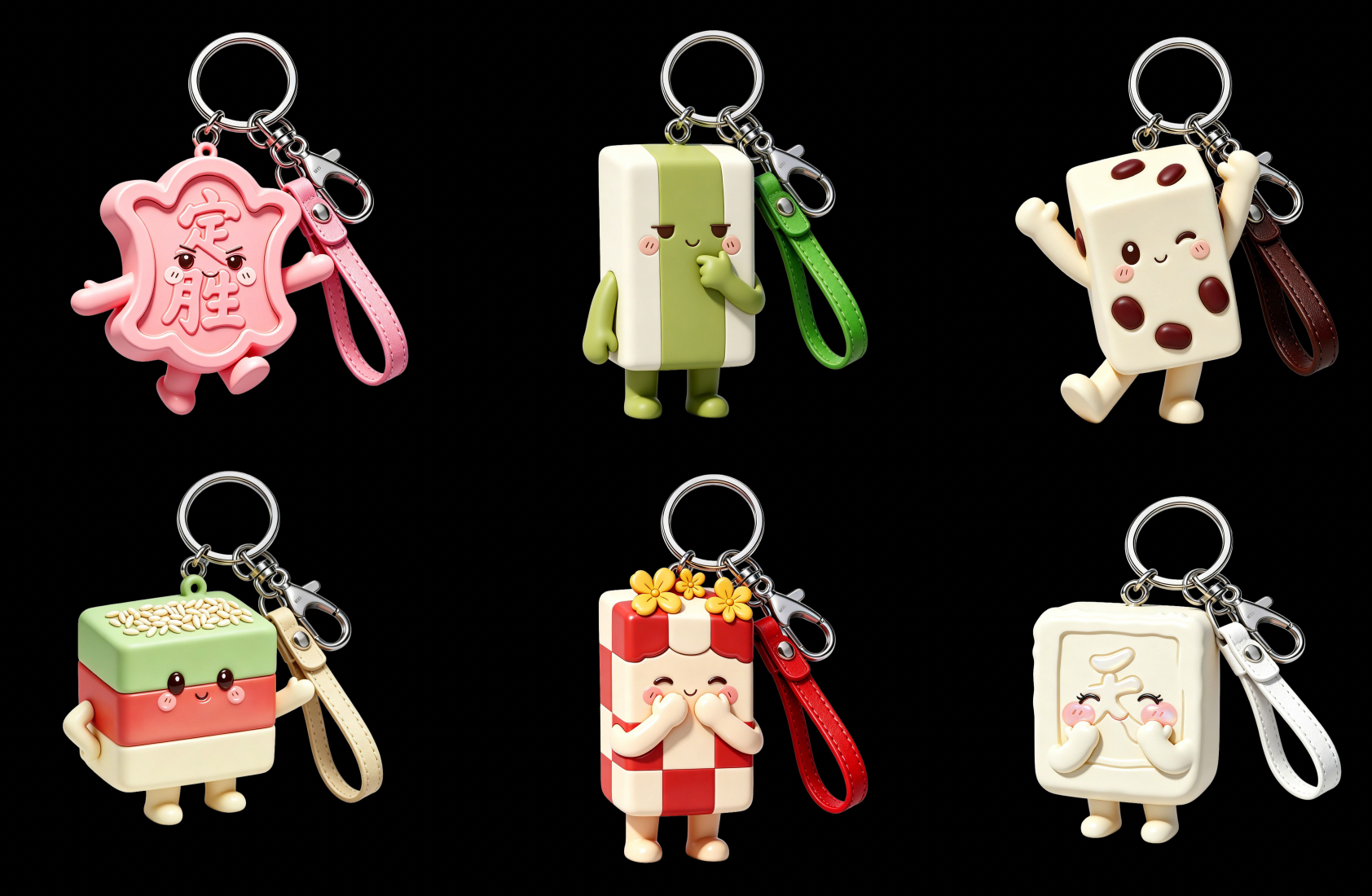
The IP characters are further extended to lifestyle products, keychains and other cultural and creative merchandise
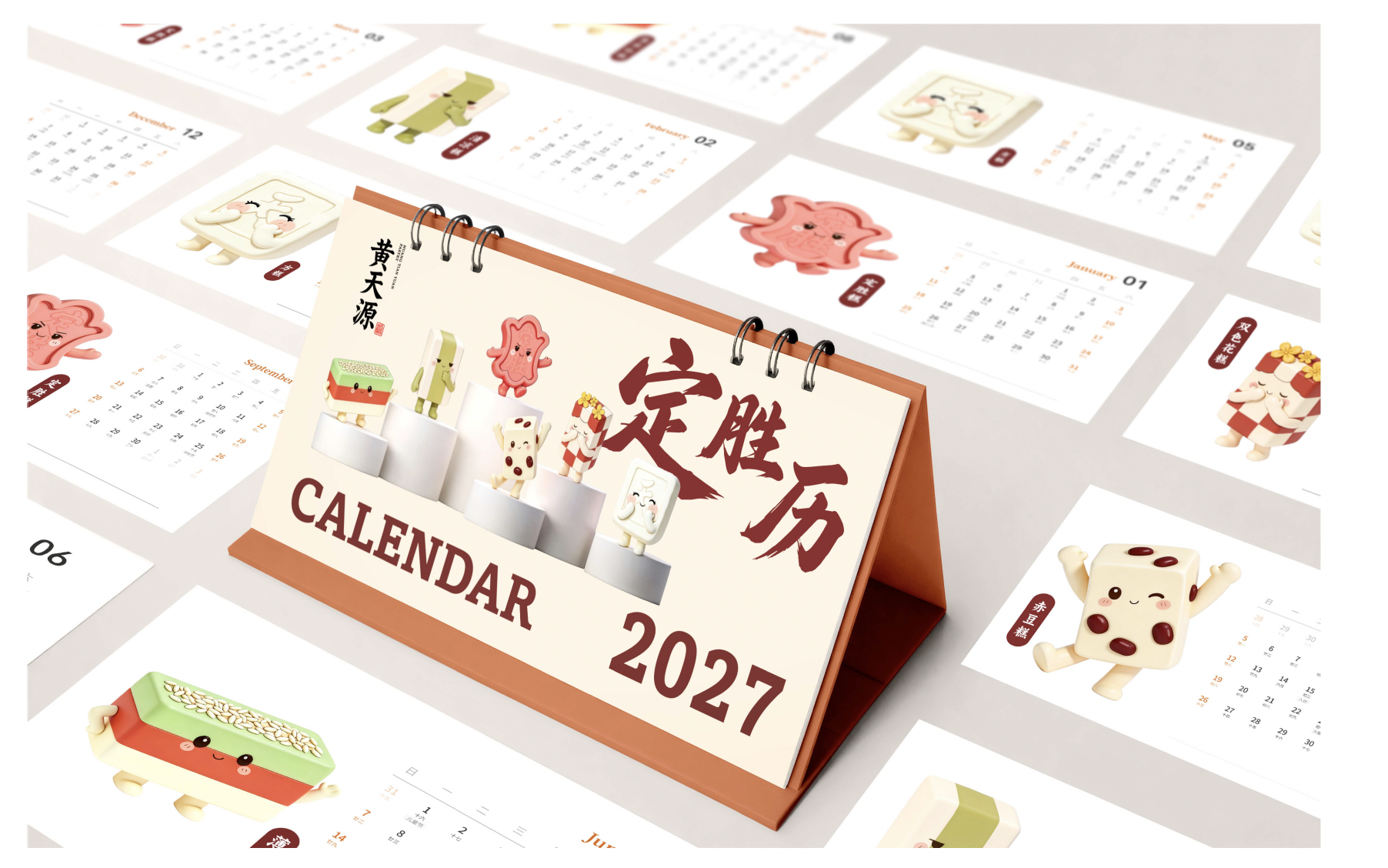
The pastry-inspired IP characters applied to a calendar design
As the project poster states, “Design with AI, not by AI.” Effective GenAI-supported visual identity design is not simply image generation. It is an iterative cycle of intention, generation, evaluation, transformation, application and reflection.
04 From Summer Research to the Poster Fair
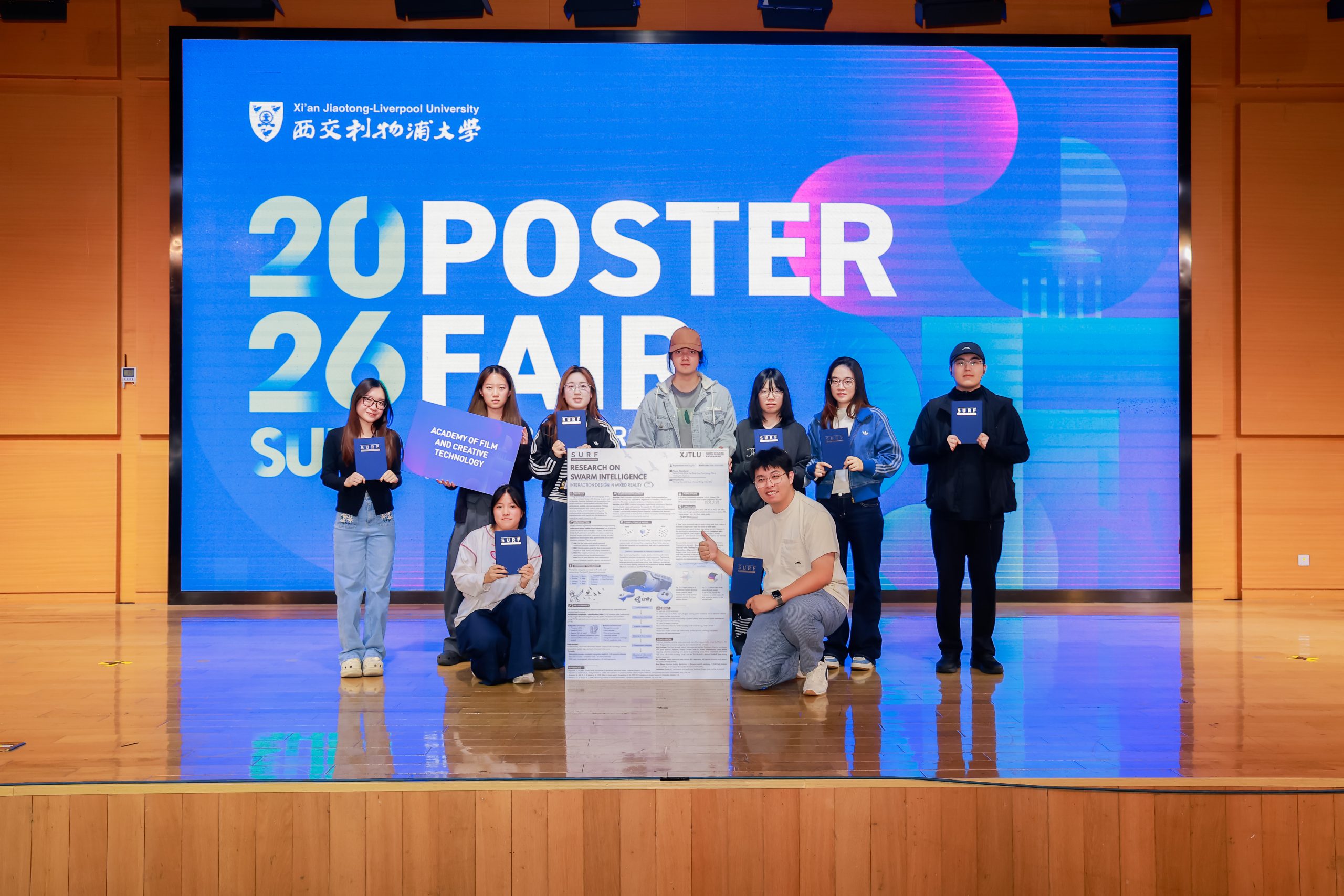
On 23 October, the team presented its research at the University’s 2026 SURF Poster Fair and took part in an on-site presentation and Q&A session. Speaking to judges and visitors, the students distilled the design decisions, field research findings and reflections on human–AI collaboration from their eight-week project into a clear academic presentation, bringing research rooted in the practices of a time-honoured brand to a wider audience.
From repeated interviews in the store and rounds of refinement at the workstation to a confident presentation at the Academic Fair, the experience reflected the full process of undergraduate research. The students not only completed a body of work, but also learned to ask questions, seek evidence, solve problems collaboratively and communicate the reasoning behind their decisions.
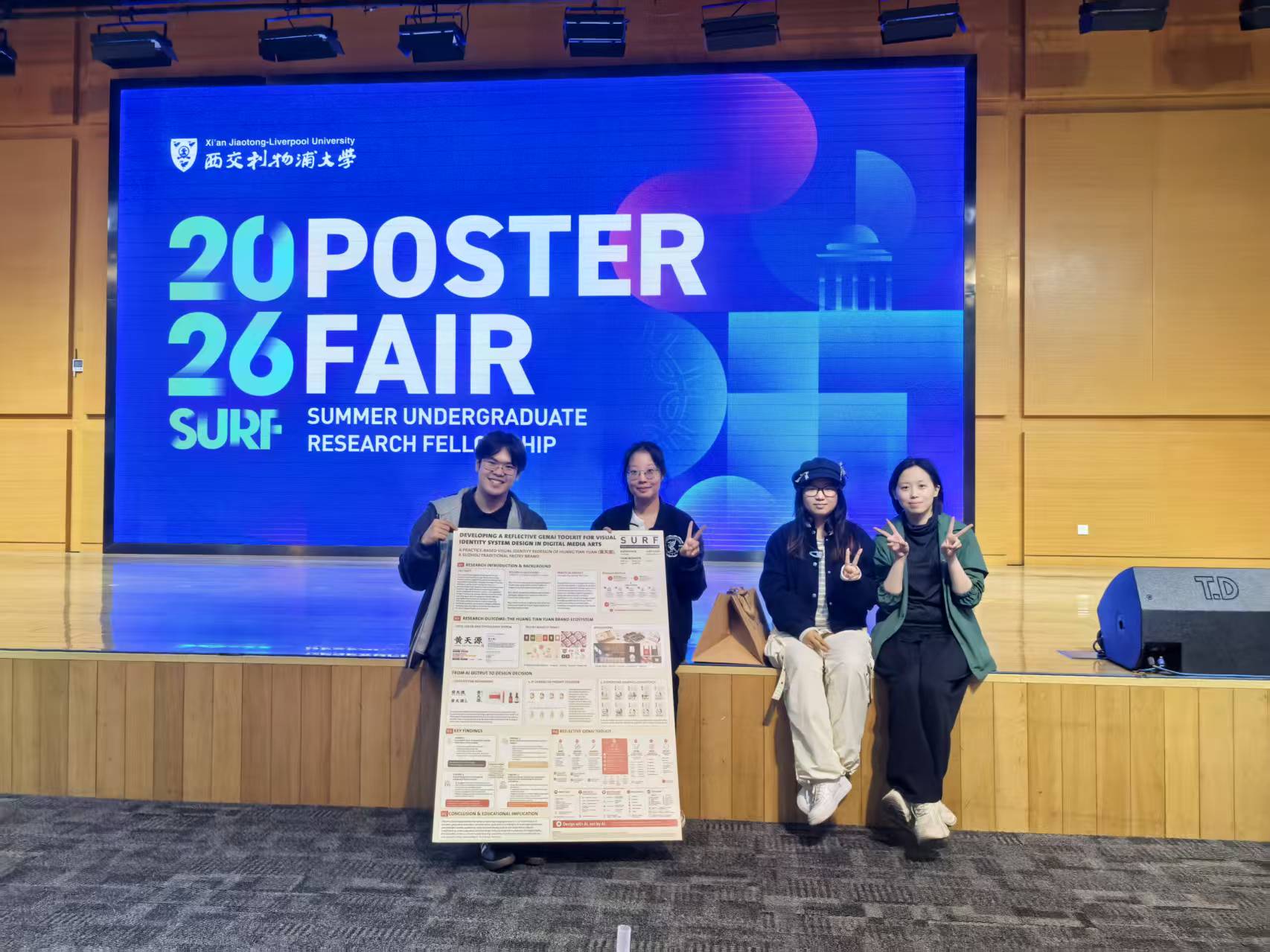
Team members at the 2026 SURF Poster Fair
Excellent Poster and Student-Nominated Winner
A Flock of Virtual Birds That Answers When You Call
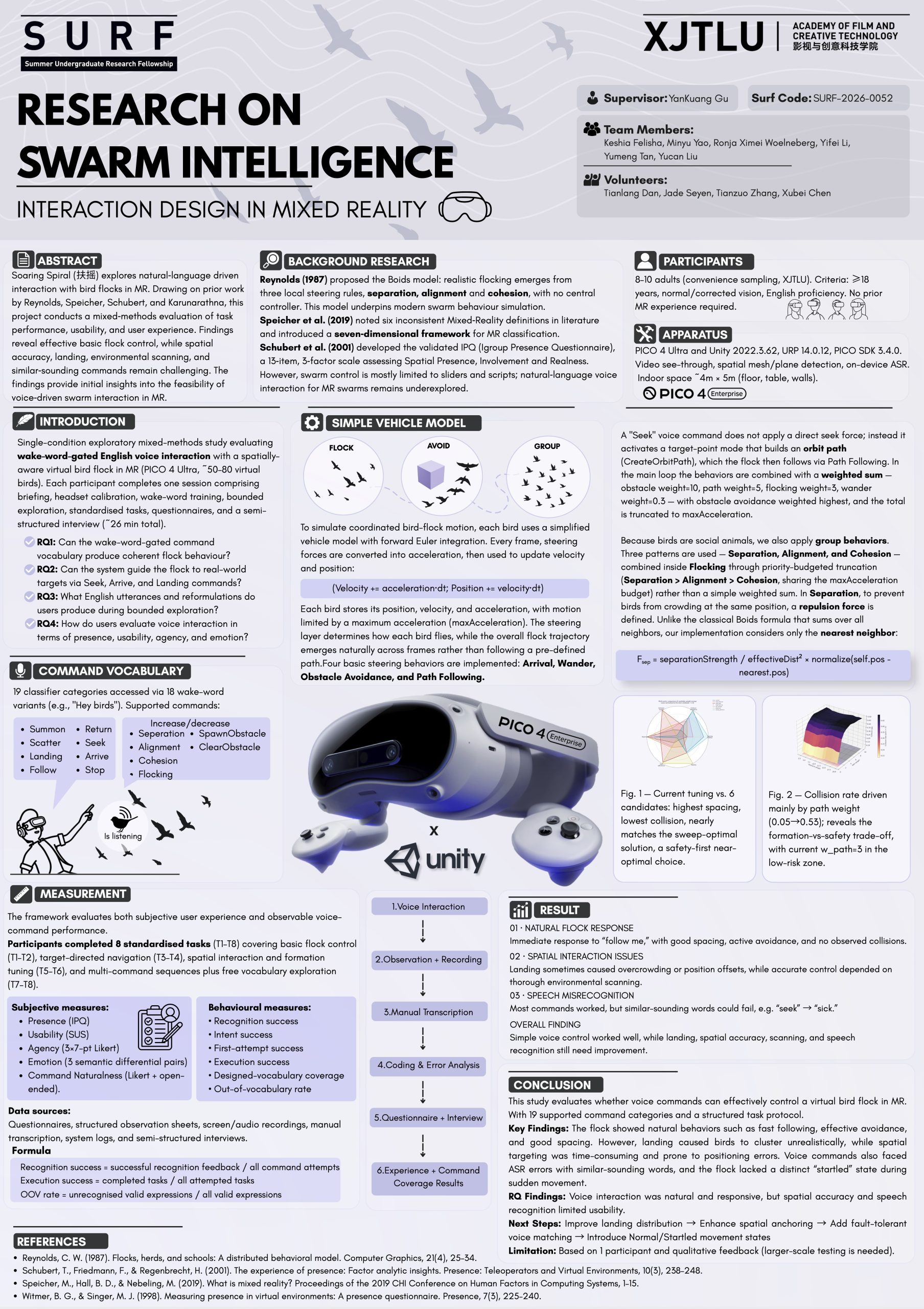
Project Title: Research on Swarm Intelligence Interaction Design in Mixed Reality (XR)
Experience Title: Soaring Spiral
SURF Code: SURF-2026-0052
Supervisor: Yankuang Gu
Team Members: Minyu Yao, Yifei Li, Yumeng Tan, Keshia Felisha, Ronja Ximei Woelneberg, Yucan Liu
Project Volunteers: Tianlang Dan, Jade Seyen, Tianzuo Zhang, Xubei Chen
01 Natural Language as an Interface Between People and Swarm Intelligence
Soaring Spiral is a voice-driven mixed-reality experience in which a flock of virtual birds lives inside your real room. Wearing a PICO 4 Ultra headset, users simply speak — “hey birds, scatter”, “follow me”, “land on the table” — and hand-sized sparrows respond, wheeling through the air, trailing behind the user, or settling onto real furniture.
Built in Unity, the project brings together a boid flocking engine, an offline speech-recognition pipeline, and PICO's spatial-mesh sensing, so the birds genuinely see the room: they steer around walls, desks and sofas, and know where they may fly and where they may perch. The result is an intimate, embodied encounter with simulated life — a small piece of nature that answers when you call.
The project also conducted a mixed-methods evaluation of task performance, usability and user experience. Standardised tasks, questionnaires, behavioural observations and interviews were used to examine voice-command recognition, task execution, spatial accuracy, presence and usability. Findings revealed effective basic flock control, while spatial accuracy, landing, environmental scanning and similar-sounding commands remained challenging.
02 Building a Living, Breathing World Across Different Campuses
The team never shared a laboratory together; the project was built entirely through a GitHub repository, as team members worked from different campuses over the summer. Instead of meetings, they codified their workflow: branch naming, commit conventions, and the rule to close Unity before merging a scene file.
Over ten weeks the repository accumulated 107 commits and 11 merged pull requests. AI served as an unofficial thirteenth teammate. Every member pair-programmed with an AI assistant, and the team wrote module-level guidance documents to prevent the AI from repeating known mistakes; AI-generated code still had to pass tests and human review before merging. The result was 272 automated tests, real-time performance at 90 frames per second, and a user study with real participants.
Soaring Spiral demonstrates how small undergraduate teams can now tackle hard real-time XR engineering — provided they bring discipline, documentation and review.
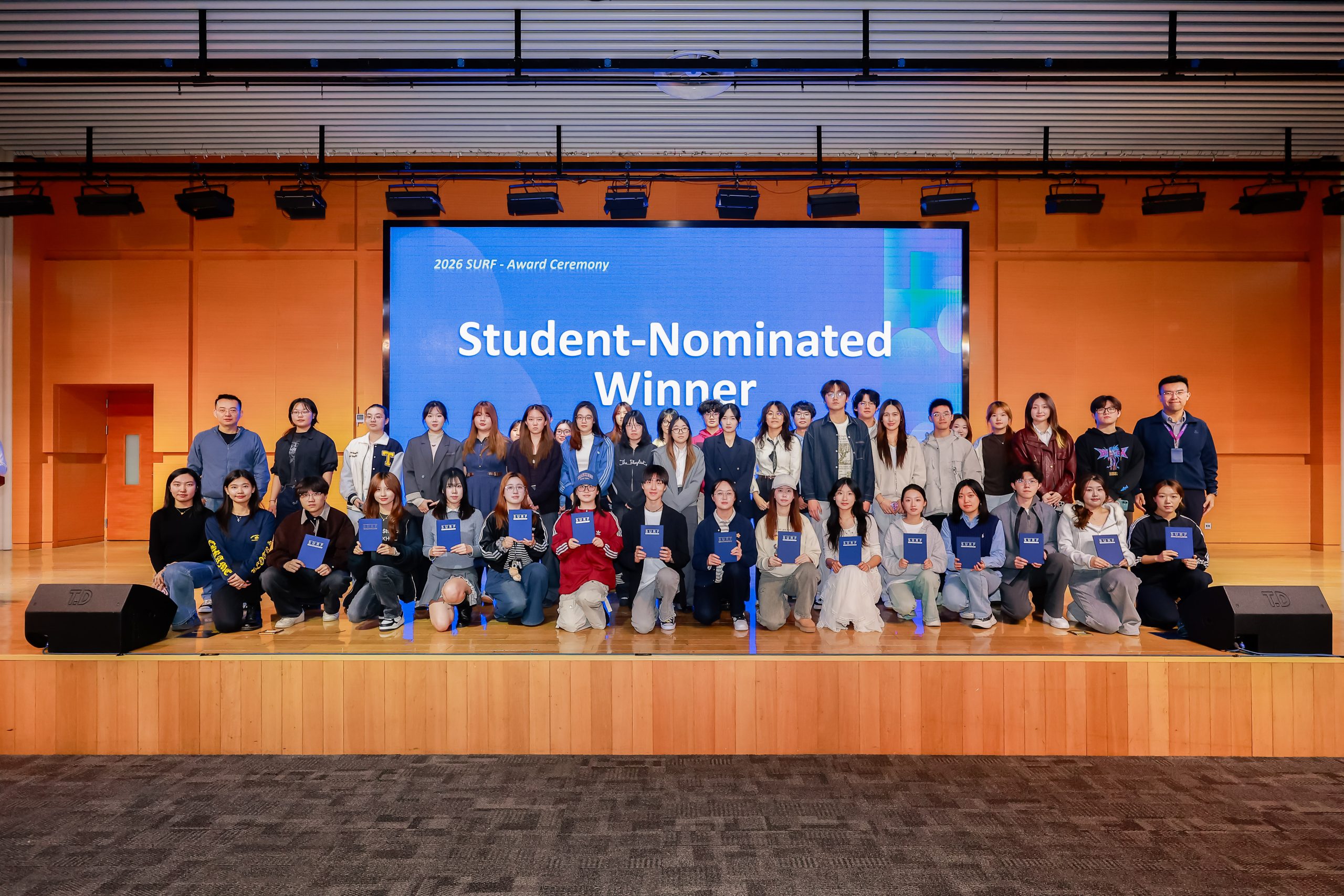
In addition, the Project was named a Student-Nominated Winner, receiving 176 votes in the 2026 SURF student vote. This year, 705 SURF posters were submitted, and more than 6,000 students voted for their favourite projects, with only 15 projects receiving this recognition. Being selected directly by fellow students highlights the appeal of Soaring Spiral in both interactive experience and creative expression, making their recognition another meaningful part of the team’s research journey.
Beyond the Winning Posters: More SURF Projects on Display
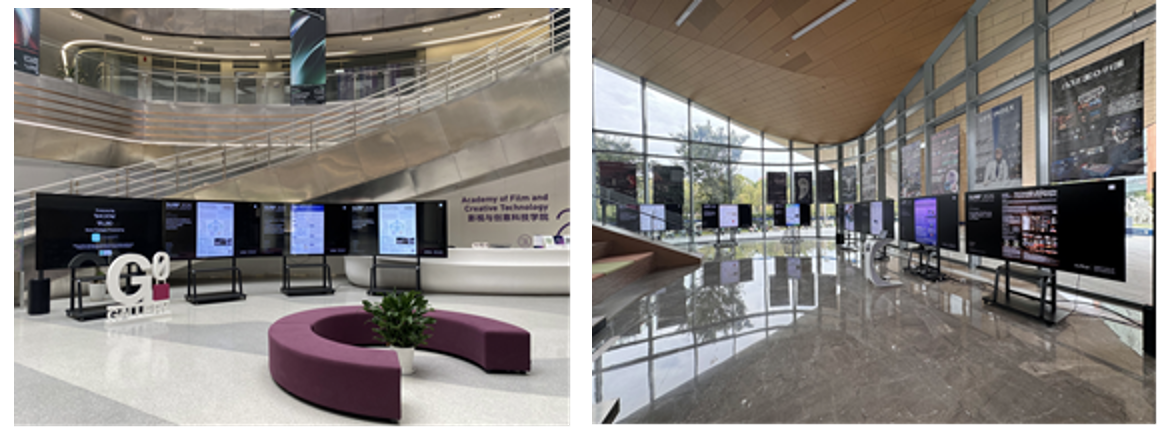
All SURF posters from AFCT are currently on display, including the two Excellent Posters above. The exhibition brings together the questions, creative practices and research outcomes developed by students over the summer. Staff and students are warmly invited to visit, explore the research journeys behind different projects and find inspiration for their own future research.
Exhibition Dates: 16 October–30 November
Exhibition Venues:
Lobby, Building G, XJTLU Entrepreneur College (Taicang)
Lobby, AS Building, XJTLU South Campus
Conclusion
From rethinking the visual identity of Huang Tian Yuan to bringing a responsive flock of birds into mixed reality, the two award-winning projects began with different questions but followed a shared research path: identifying problems in real-world contexts, refining solutions through repeated testing, and turning ideas into outcomes that can be presented, discussed and further developed through teamwork.
The value of SURF lies in more than an award-winning poster. It enables students to experience the full process of research and creative practice — learning how to ask questions, gather evidence, respond to setbacks and communicate their judgements clearly.
We would like to thank every supervisor for their support and congratulate all students who participated in the 2026 SURF programme. May the curiosity planted this summer continue to grow in classrooms, studios and wider fields of practice. We also look forward to welcoming more AFCT students to next year’s SURF programme, where their own questions may become the next research stories worth telling.
Provided by Yunyi Xue
Materials provided by Yu Sheng and Yankuang Gu
30 Oct 2026