




26 Oct 2026


Recently, Dr Lilly Zhao, Assistant Professor in the Department of Strategic Management and Organisation at International Business School Suzhou (IBSS), part of Xi’an Jiaotong-Liverpool University, led 37 IBSS students on a field trip focused on sustainable business.
The group visited three companies in the sustainable food sector: Vegetarian and Vegefarm Bio-Tech(Suzhou) Co., Ltd, Puyin Farm, and Sù Pavilion. Moving beyond the classroom and into factories, farmland and restaurants, students spoke directly with entrepreneurs and explored the opportunities and the challenges involved in putting sustainability into practice.
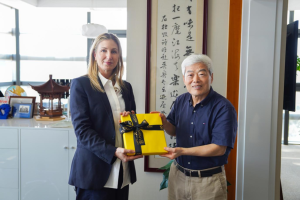
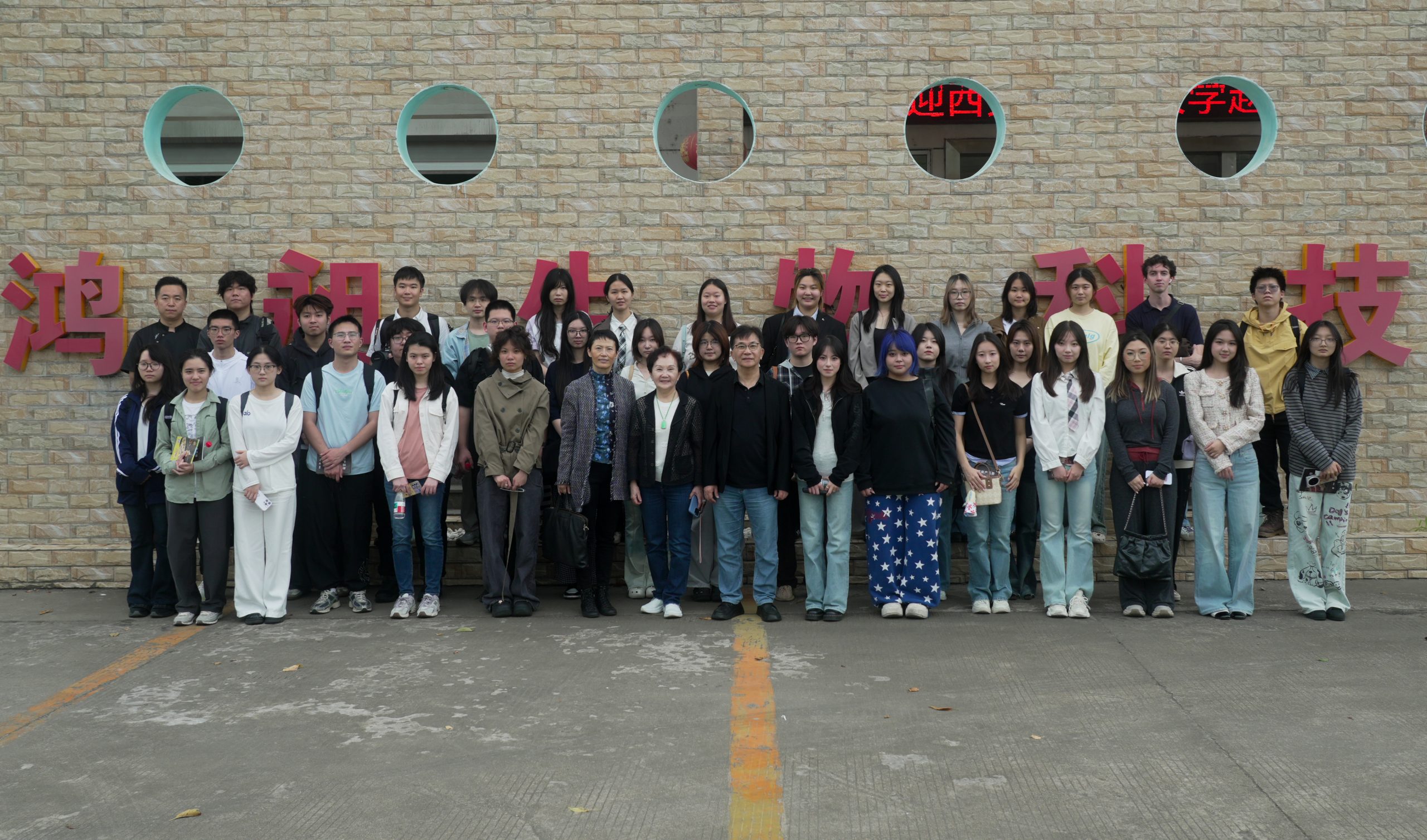
The first stop was Vegetarian and Vegefarm Bio-Tech(Suzhou) Co., Ltd, where Chairman Qiuyue Qiu and General Manager Haochen Qiu welcomed the students and staff.
Qiuyue Qiu, who has more than 50 years of experience in vegetarian food research and development, introduced the company’s development. Using soy, pea and wheat proteins as its main ingredients, the company develops plant-based alternative protein products. It works with brands including Nestlé, and its products are sold in more than 30 countries and regions.
During the discussion, students raised practical questions about the nutritional limitations of plant-based meat, debate around prepared foods and domestic market expansion. Drawing on the company’s R&D practice, Qiuyue Qiu explained how blending different ingredients can improve nutritional profiles and outlined the food-safety measures used in frozen prepared foods, challenging some common perceptions of the sector . Students also sampled a range of plant-based products, gaining first-hand insight into the trade-offs between taste, nutrition and commercial viability.
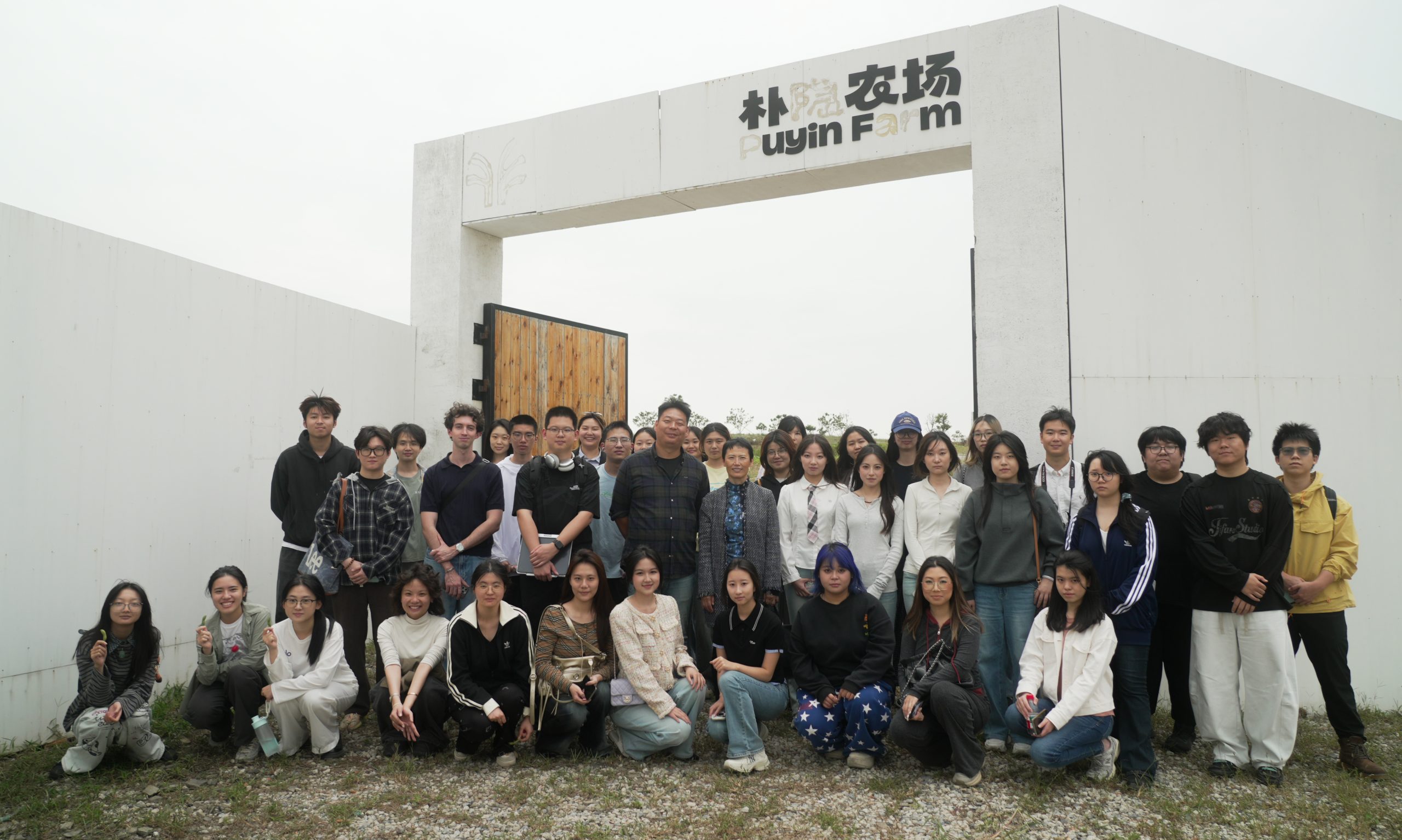
The second stop was Puyin Farm. Jingchang Gu, the farm’s manager and an IBSS graduate, led students on a tour of field production. Drawing on first-hand experience as an entrepreneur, Gu spoke candidly with students about the challenges of running an ecological agriculture business, responding to questions on eco-farming, community operations and balancing profitability with sustainable business models.
Many businesses committed to sustainability can operate at a loss for extended periods and rely on continued investment. Pest-damaged leaves — presented as evidence that pesticides have not been used — may still be seen by consumers as a sign of poor quality. Consumer awareness of ecological agricultural products can also be limited, while market education, logistics and production capacity all create additional barriers to growth.
Students saw that sustainable ideals do not automatically translate into commercial success. Businesses must balance environmental protection, production, consumer education and profitability.
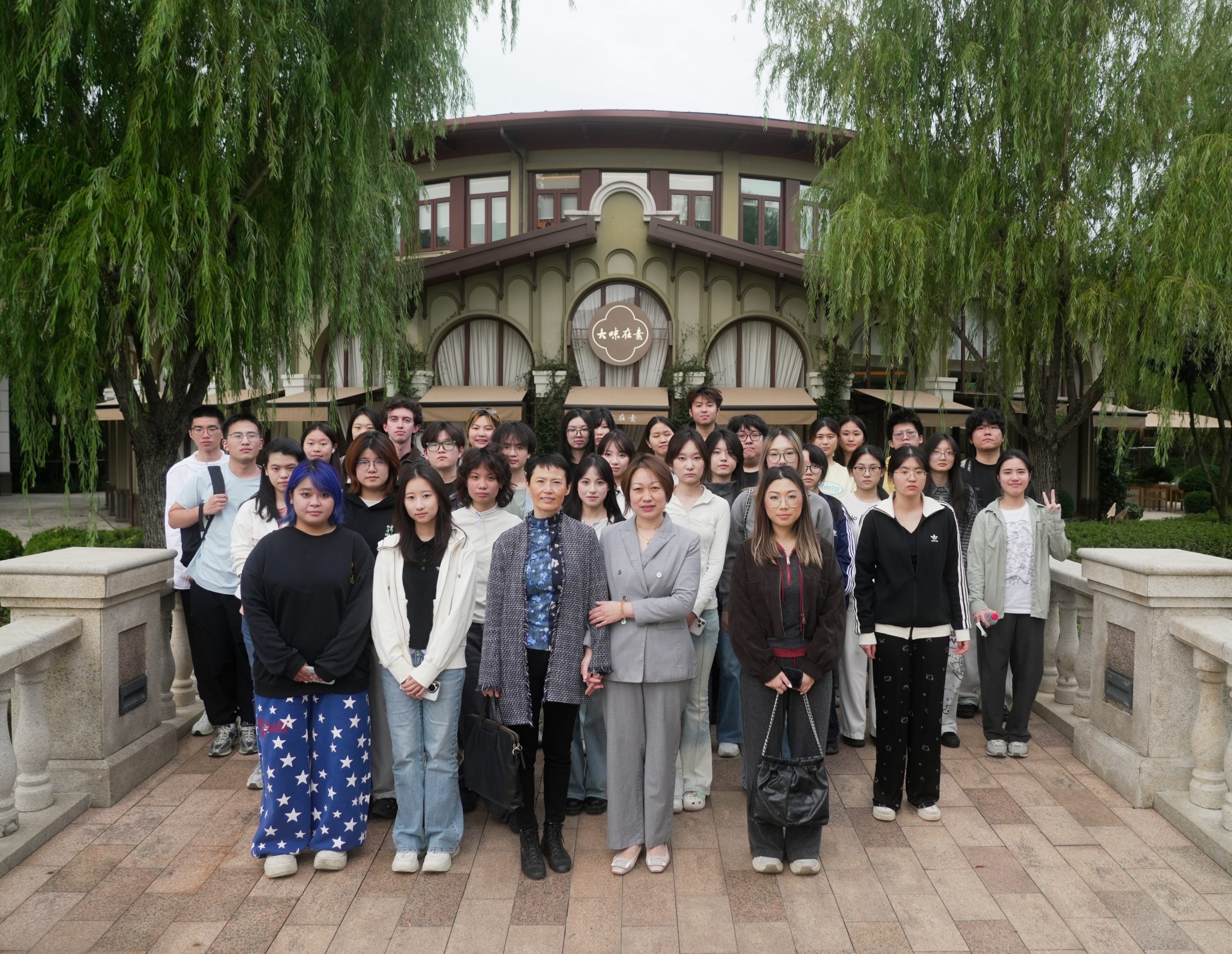
The third stop was Sù Pavilion, where General Manager Yanmei Shen welcomed the group. During the discussion, she drew on the day-to-day operation of a vegetarian restaurant to explain common industry challenges, including seasonal fluctuations in customer numbers, food waste from fresh ingredients and entrenched stereotypes about vegetarian food.
She and the students discussed how vegetarian restaurants can balance sustainability, ingredient management, customer development and cost control, helping them understand the practical constraints of applying sustainability principles in the restaurant sector.
The field trip brought together international students from a range of countries, providing different perspectives on the businesses and challenges they encountered.
Murua Navarro Enrique, an exchange student from Mexico, said: “The visits today were excellent. I learned a lot about how Chinese companies operate and organize production. I was especially struck by the efforts these companies are making to achieve sustainable development. It is very interesting to see how they build market competitiveness while staying true to their core values.”
Hizkia, a third-year student from Indonesia, said: “Hongchang Biotechnology’s plant-based meat alternatives are very creative. I can see sustainable growth prospects for this kind of business, and the site visit taught me a great deal.”
Dr Lilly Zhao said that sustainable business cannot be fully understood through textbook cases alone.
“We want students to move beyond idealised theoretical models and see the real struggles and commitment of local entrepreneurs,” she said. “Many companies in sustainable sectors are driven by social value, but they must also contend with profitability, market education, supply chains and other practical constraints. This visit was designed to encourage dialectical thinking. A strong sustainable company needs not only a compelling social vision but also the commercial capability to survive.”
The visit is an important part of IBSS’ practice-based approach to education and its commitment to bringing industry into teaching and learning.
The School will continue to to develop opportunities for students to engage directly with businesses, helping both Chinese and international students deepen their understanding of China’s business environment and explore sustainability, management, innovation and entrepreneurship in practice.
26 Oct 2026