






13 Nov 2026


With demographic shifts and the growth of the silver economy, health and wellness services are increasingly breaking through the boundaries of traditional healthcare and elderly care, extending into diverse fields such as tourism, hospitality, and finance. How to integrate resources across different industries and build a more comprehensive and sustainable health and wellness service model has become a key issue of industry concern.
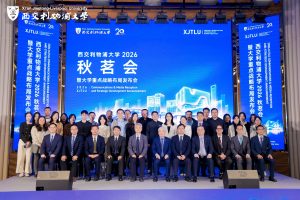
On 11 November, the College of Industry Entrepreneurs (CIE) and the HeXie Management Research Centre (HeXie Academy) of Xi'an Jiaotong-Liverpool University (XJTLU) held the sixth Industry Insight Forum. Themed "Integration of Medical Care, Elderly Care, and Residential Tourism: Reconfiguring Health and Wellness Services in Pan-Hospitality Scenarios," the forum brought together experts and industry representatives from the fields of tourism, finance, health management, and elderly care services to jointly explore new opportunities for cross-sector integration in the health and wellness industry.
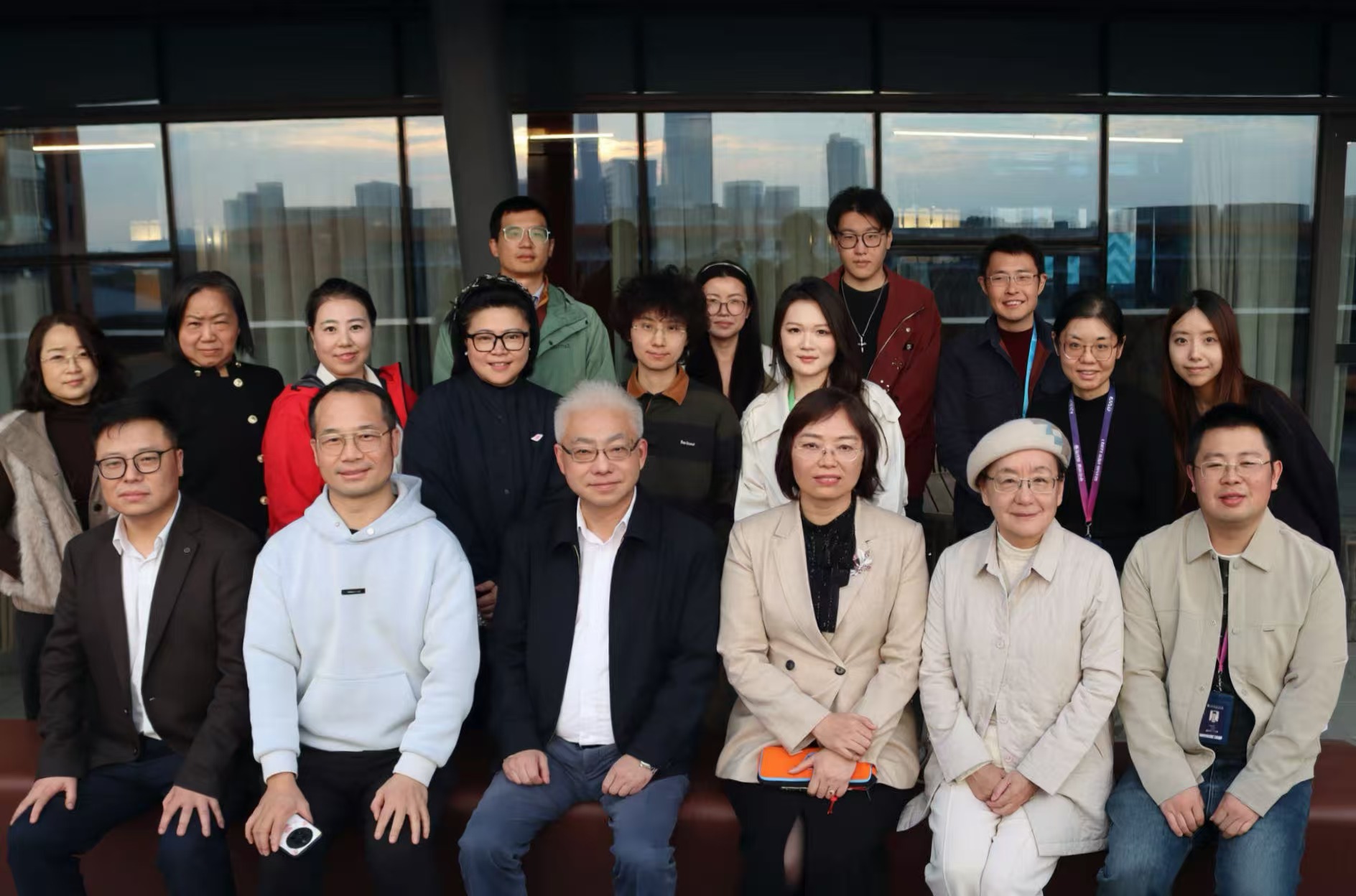
Cross-Sector Perspectives: Expanding New Scenarios for Health and Wellness Services
In the opening session, Professor Lei Liang of CIE and HeXie Academy stated that, in the face of new demands in the development of the health and wellness industry, academic research and industry practice should be further integrated, cross-sector collaboration across healthcare, elderly care, tourism, and finance should be promoted, and innovative and sustainable models of health and wellness development should be jointly explored.
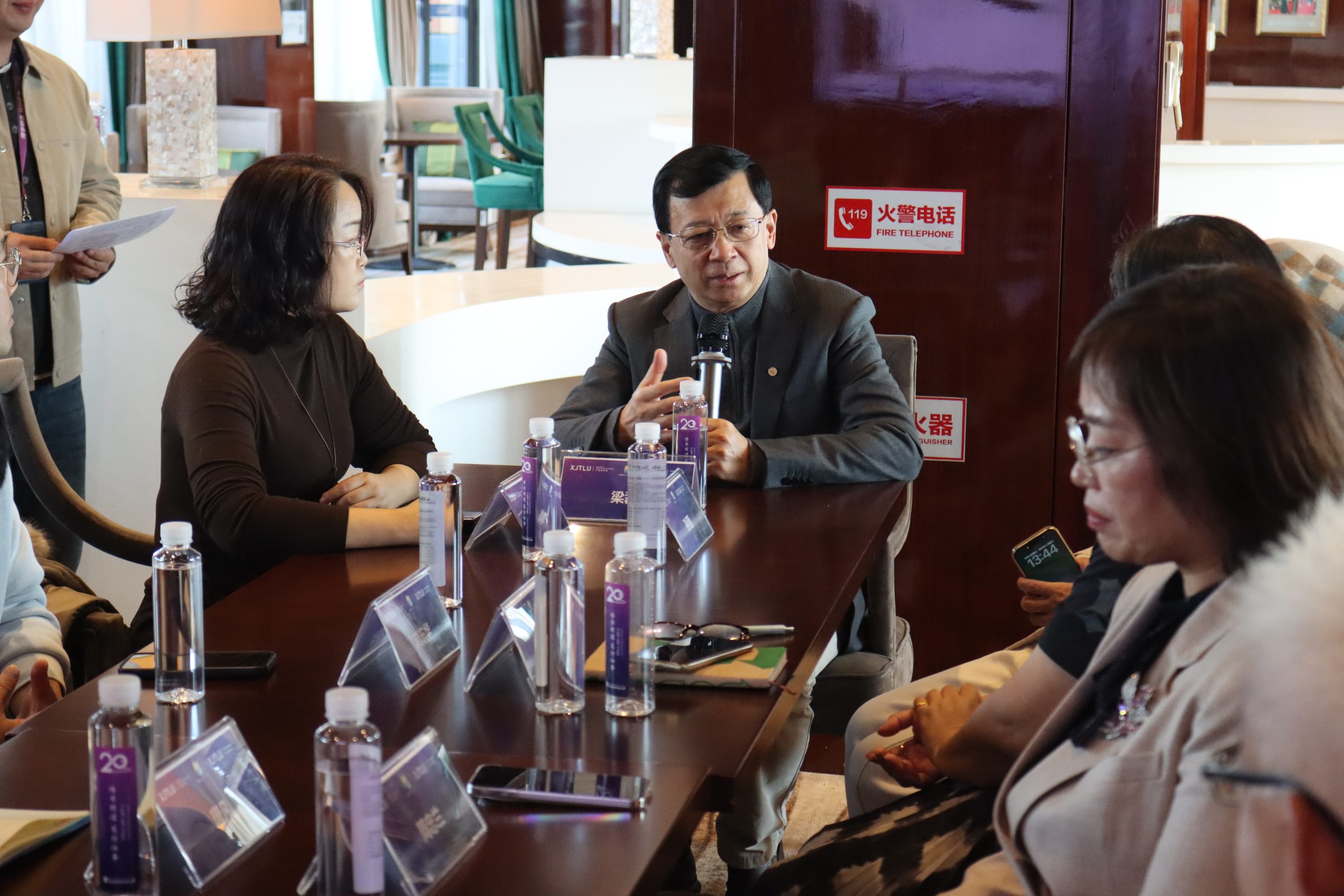
Focusing on the practical needs of industrial integration, two guest speakers shared their industry observations and practical insights from the perspectives of hotel industry transformation and elderly care finance innovation respectively.
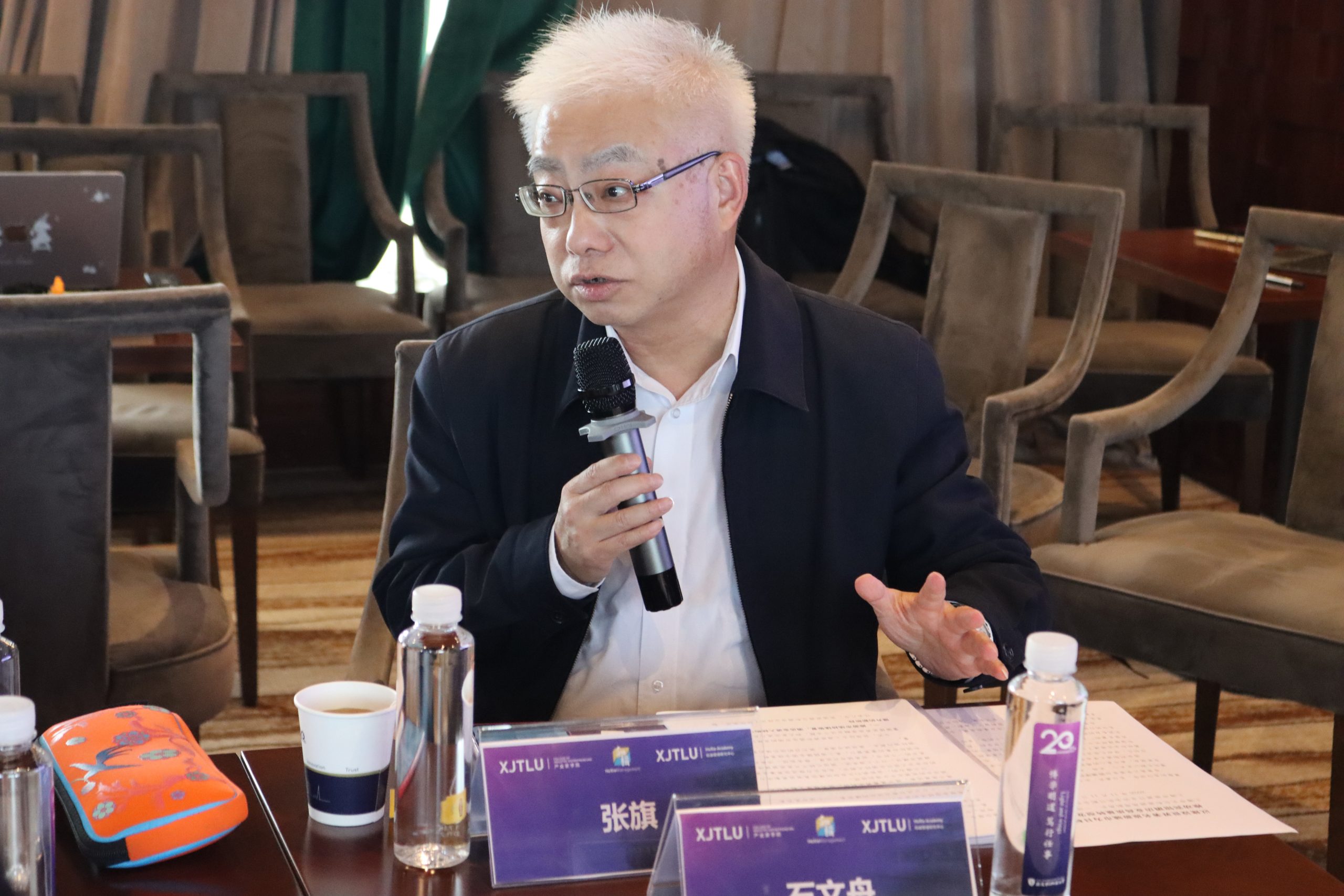
Qi Zhang, Former Deputy Director-General of the Shanghai Municipal Administration of Culture and Tourism; Executive Vice President of the Shanghai Tourism Industry Association, delivered a presentation titled "Driving the high-quality transformation and development of the hotel industry with the goal of building a world-renowned tourist city." Drawing on the development of Shanghai's tourism industry and the recovery trends of the inbound tourism market, he explored the direction of transformation for the hotel industry. He pointed out that the hotel industry should respond to the increasingly diverse needs of international visitors by extending from traditional accommodation services to internationalised and comprehensive experiential services. By enhancing capabilities such as multilingual services, cross-cultural communication, and payment convenience, hotels can strengthen the connection between hotel services and urban tourism experiences, thereby expanding the comprehensive service value of accommodation spaces.
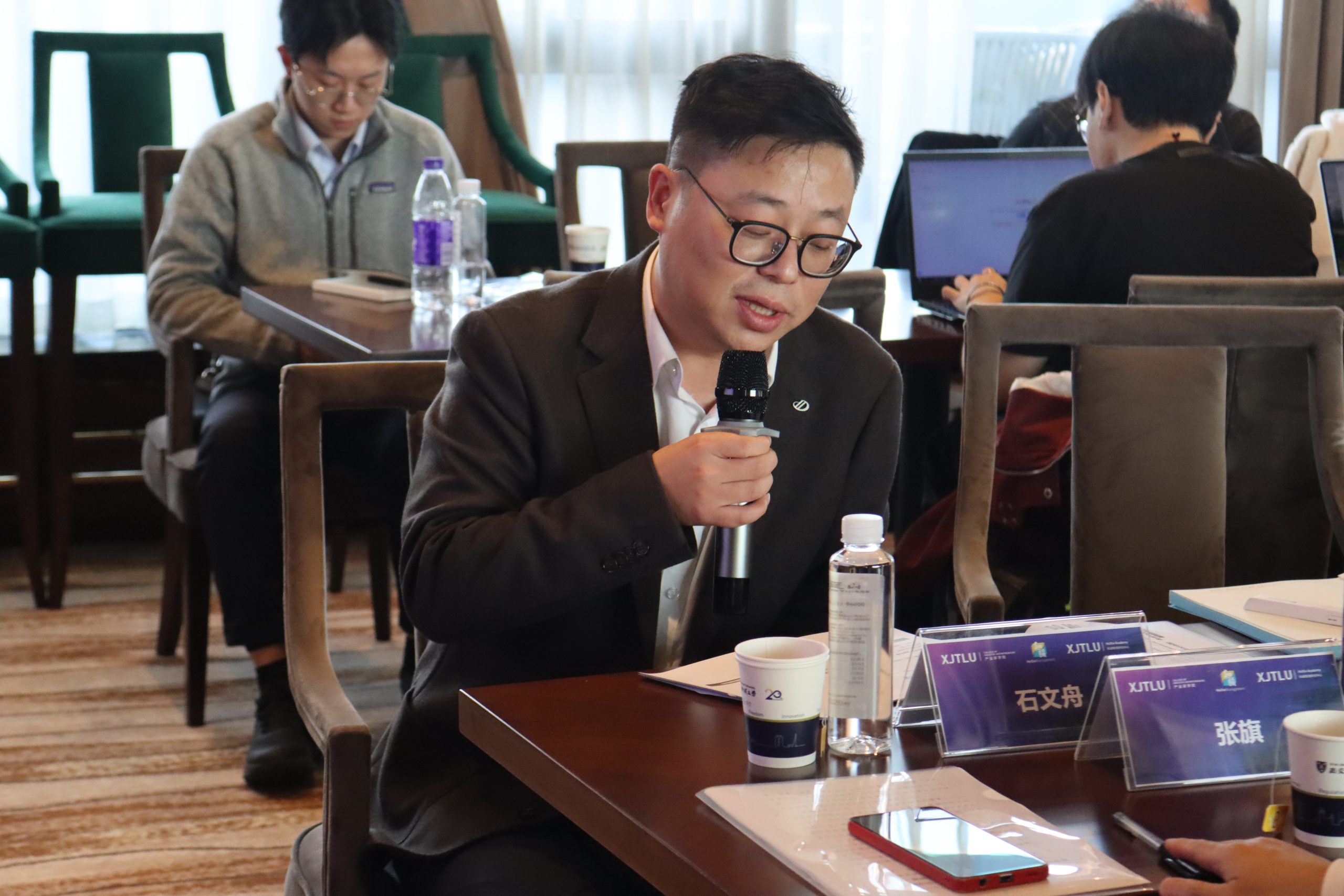
Wenxhou Shi, Deputy General Manager of the Business Department, Bank of Beijing Suzhou Branch, delivered a presentation titled "Healthy China: The Silver Economy, Smart Elderly Care, and Elderly Care Finance." Focusing on three dimensions—pension finance, elderly care service finance, and elderly care industry finance—he shared practical insights and reflections on financial support for the development of the silver economy. Drawing on the Bank of Beijing's "Jingxing Youyang" service practice, he introduced the supporting role of financial institutions in personal retirement planning, elderly care services, and industry development, and explored further possibilities for the deep integration of financial resources and smart elderly care.
The two presentations, starting respectively from hotel service transformation and elderly care finance innovation, demonstrated different pathways for expanding service boundaries and integrating diverse resources in the health and wellness industry.
Industry Dialogue: Exploring Pathways for Medical–Elderly–Tourism Integration
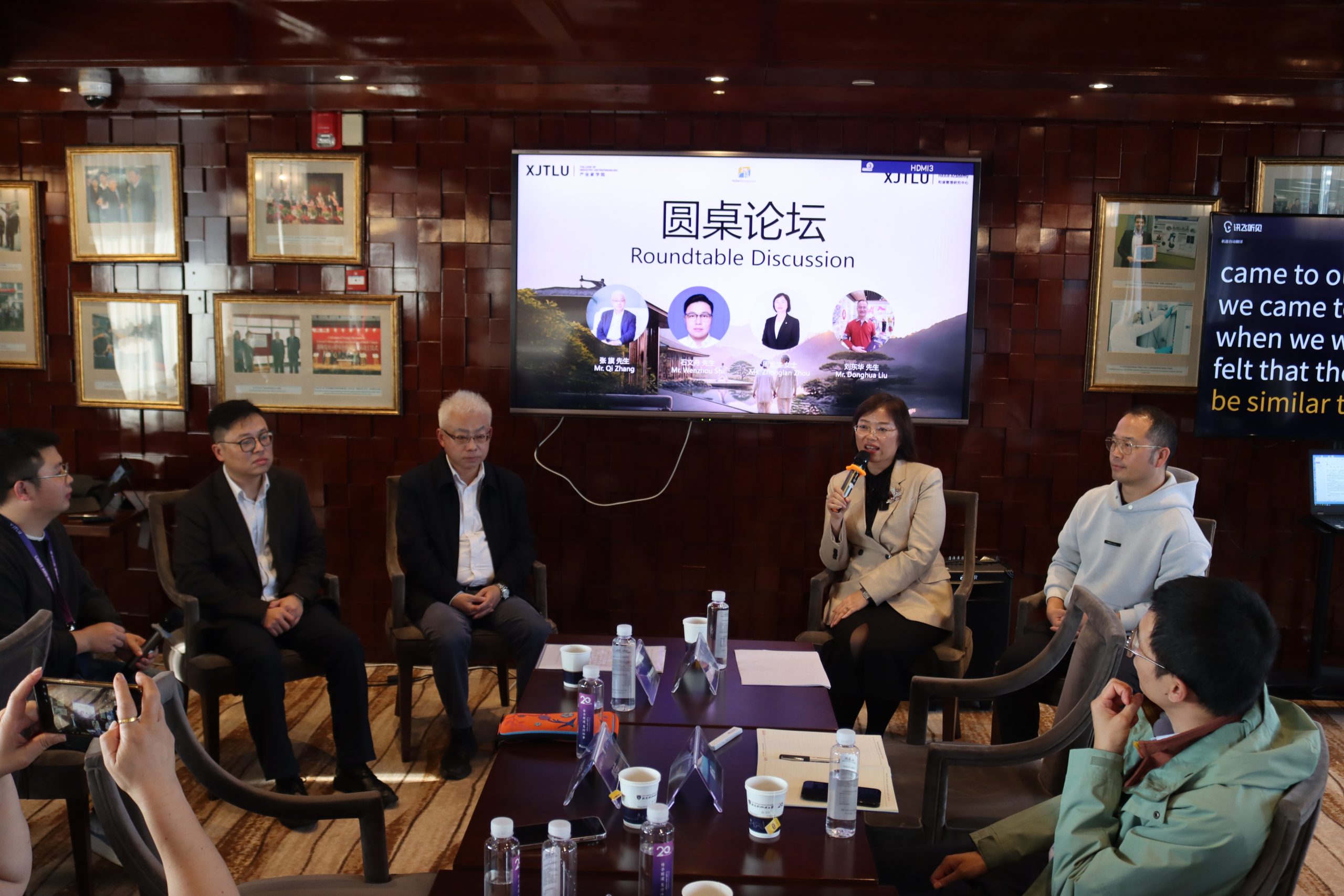
In the roundtable discussion session, Qi Zhang, Wenxhou Shi, Donghua Liu, Founder of Kanggaofang (Suzhou) Health Management Co., Ltd., and Zhonglan Zhou, General Manager of the Community, Taikang Community Wuyuan (Suzhou) Elderly Care Services Co., Ltd., engaged in discussion around "Spatial Adaptation, Service Integration, and Operational Closed Loop in Pan-Hospitality Medical–Elderly–Tourism Integration."
From the different perspectives of tourism, finance, health management, and elderly care services, the participating guests exchanged views on topics such as the expansion of health and wellness functions in hotel spaces, the integration of medical and elderly care resources, service payment mechanisms, and operational models. They explored how professional services and resources from different fields can be integrated into specific application scenarios, promoting the transition of medical–elderly–tourism integration from conceptual exploration to practical operation.
Innovation in the health and wellness industry lies not only in the expansion of service content, but also in whether resources from different industries can form effective connections around real needs. From hotel spaces to health management, from elderly care finance to professional care, there remains vast room for exploration in medical–elderly–tourism integration. How to truly integrate diverse resources into service scenarios and form sustainable operational models will be an important topic for the continued development of the health and wellness industry.
13 Nov 2026