






17 Nov 2026


On 10 November, IBSS faculty and students visited IKEA Suzhou for an industry visit focusing on retail operations and supply chain management. The visit was initiated by Dr Jie Chu, Programme Director of MSc Operations and Supply Chain Management, and Dr Bingqing Zhao, Programme Director of Management. The event was coordinated by Yixin Zhang from the IBSS SDS Team, with Luoqing Li, Logistics Manager at IKEA Suzhou, serving as the guest speaker.
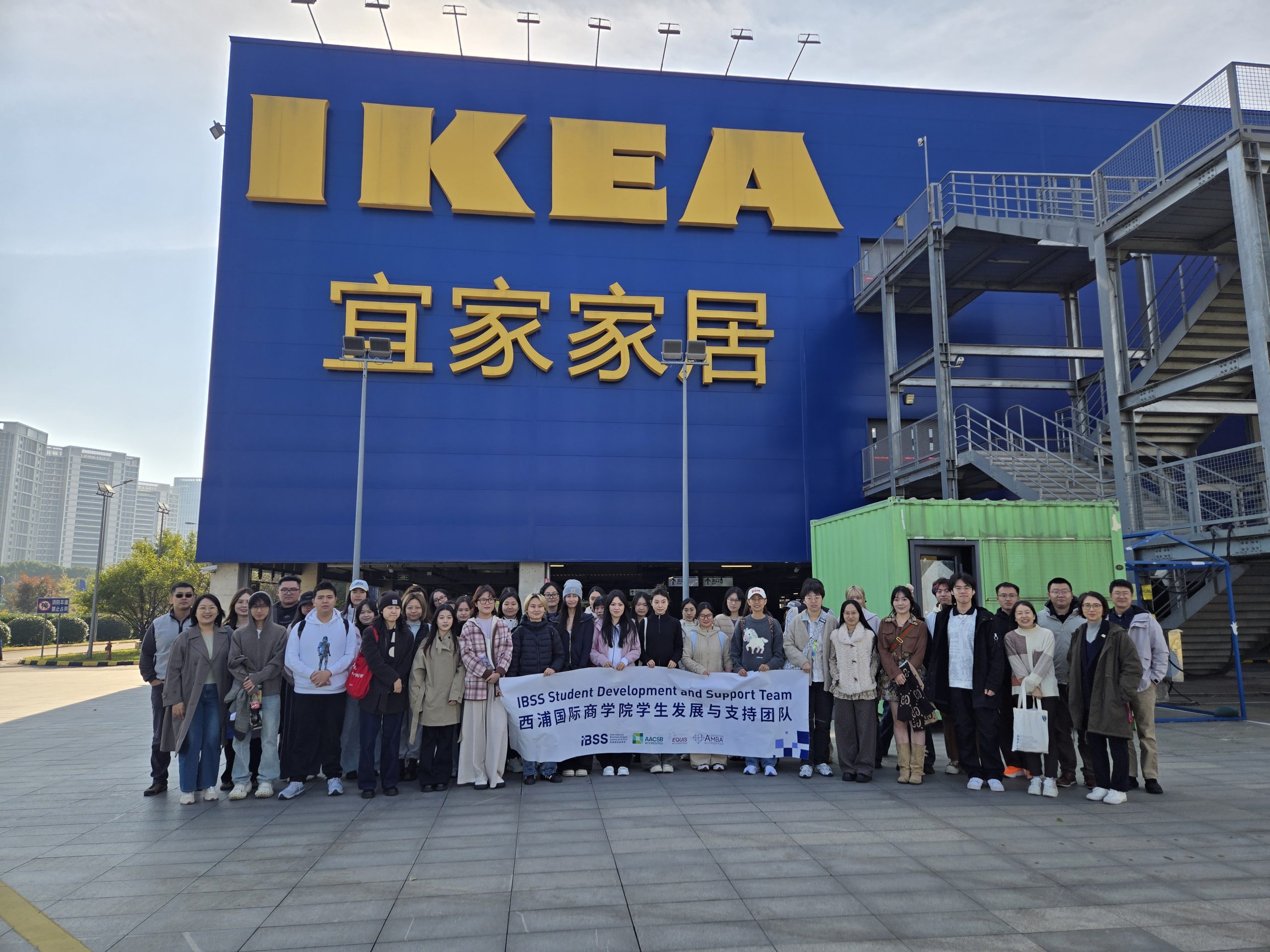
Through an introduction to IKEA's brand culture, business insights and interactive discussions, students gained a deeper understanding of IKEA's brand philosophy, retail operations, and how its supply chain works to meet customer needs through effective coordination.
From Brand Vision to Democratic Design: Creating a Better Everyday Life
The visit began with an introduction to IKEA's history, its founder's story and its corporate vision: "To create a better everyday life for the many people."
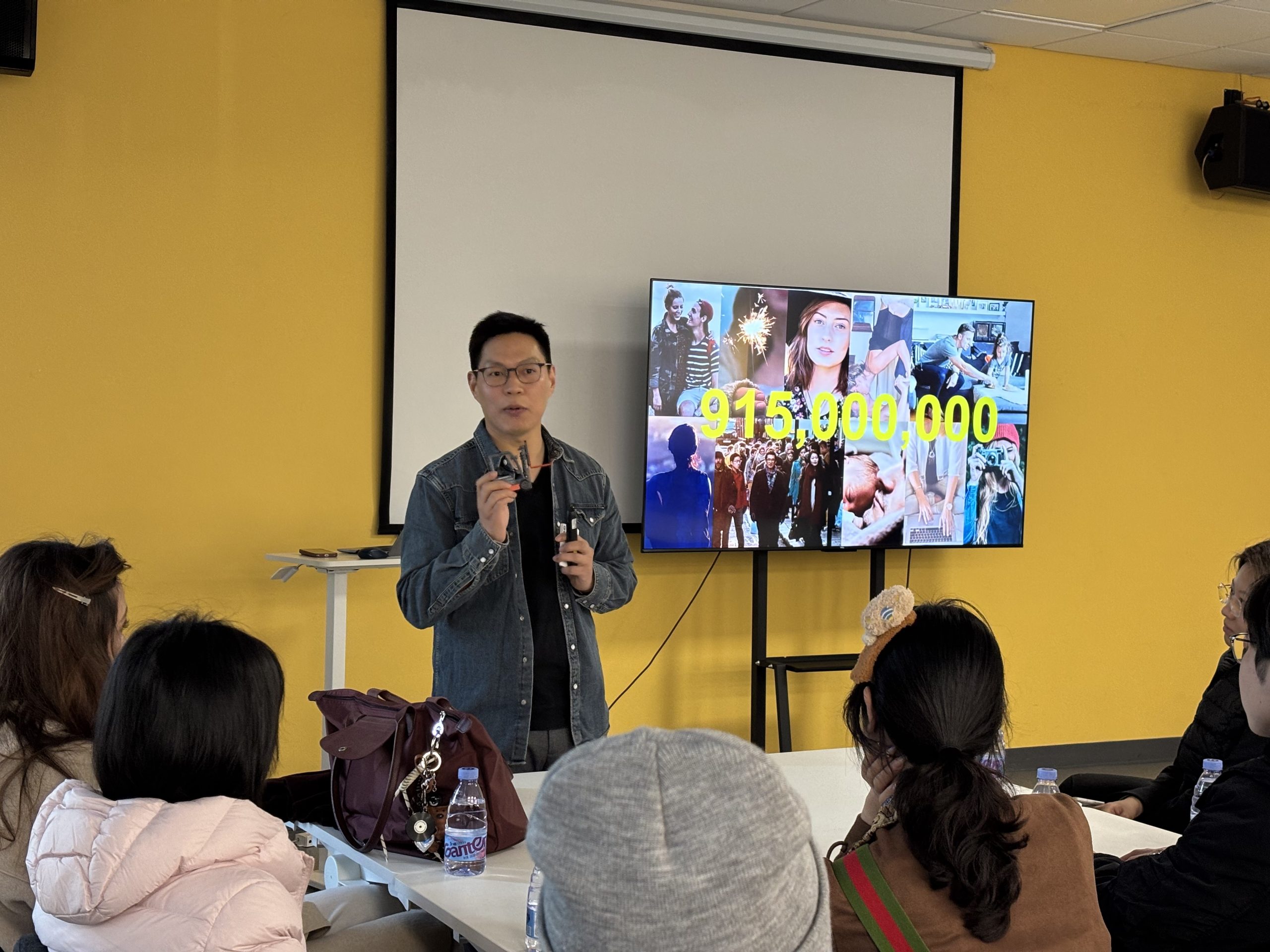
Luoqing Li
This vision is reflected throughout IKEA's product development and daily operations. One of its key principles is Democratic Design, which brings together five essential dimensions: Form, Sustainability, Function, Low Price and Quality.
Delivering on this philosophy requires an efficient supply chain and logistics system. By optimising procurement, production, warehousing and transportation, businesses can manage costs effectively while making products more affordable, accessible and relevant to a wider range of customers.
Customer-Centric Thinking: Designing Supply Chains Around Real-Life Needs
During the business sharing session, Luoqing Li explained how customer needs influence product design, store layout and supply chain planning, drawing on practical examples from IKEA's operations.
Local living conditions can also have a significant impact on supply chain decisions. In Suzhou, for example, some residential buildings are relatively old, lack elevators and have limited living space. These factors can make furniture delivery and last-mile handling more challenging.
As a result, product packaging, furniture dimensions, transportation methods and delivery solutions all need to take local living conditions into consideration.
The discussion highlighted that supply chain management is not simply about minimising transportation or warehousing costs. It requires businesses to understand customers' real-life needs and incorporate these considerations into every stage of their operations.
From Demand Forecasting to Inventory Management: A Key Supply Chain Challenge
During the interactive session, students gained further insights into retail supply chain operations, including store visitor traffic, inventory management, warehousing and transportation arrangements.
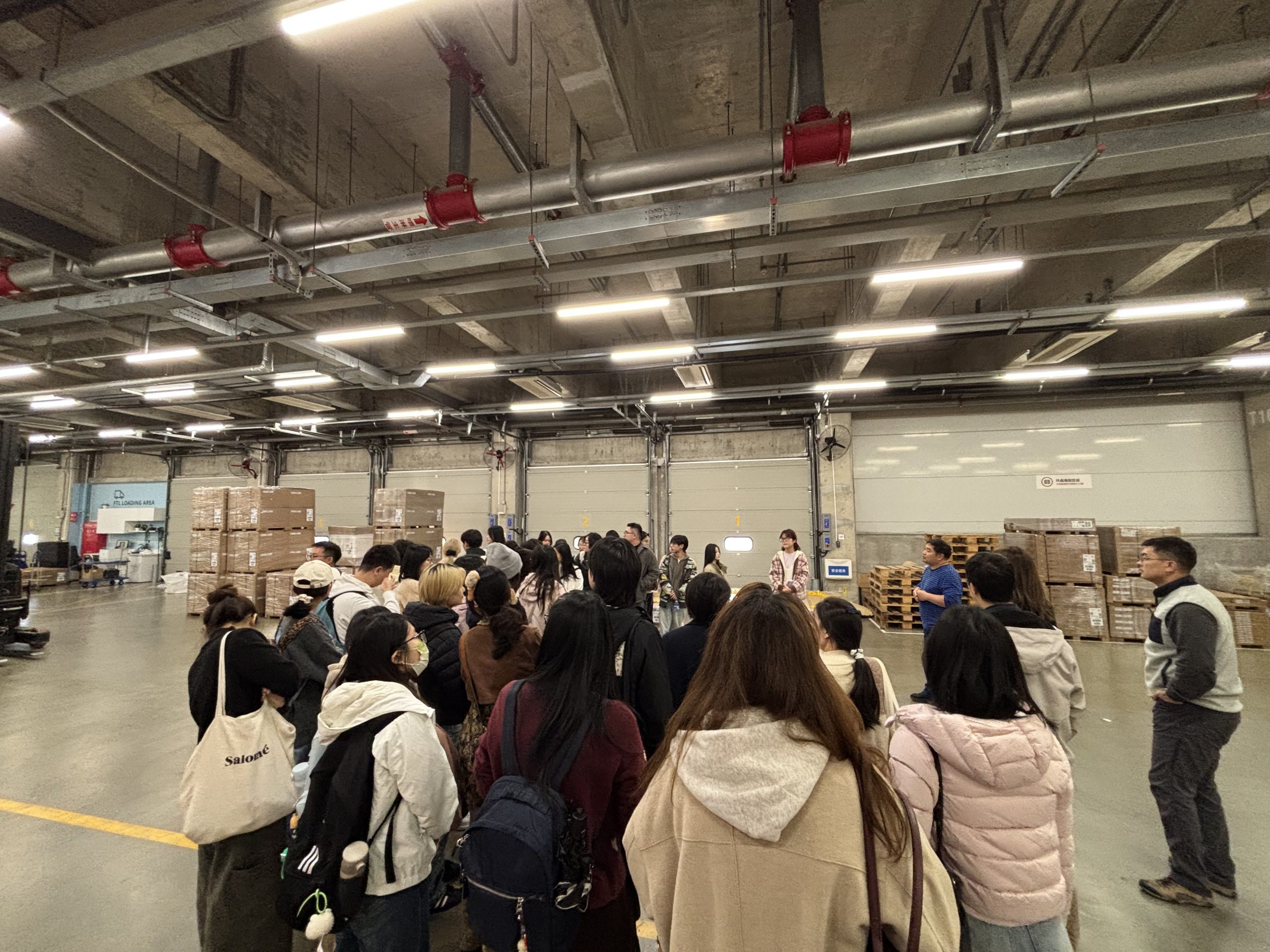
Li particularly highlighted that demand forecasting remains one of the most challenging aspects of supply chain management. As consumer preferences and market trends continue to evolve, it can be difficult to accurately predict demand for newly launched products, potentially resulting in stock shortages or excess inventory.
Demand forecasting is closely connected to other operational decisions. Changes in forecast demand can affect production schedules, transportation arrangements, inventory levels and even product displays in stores.
Businesses therefore need to continuously monitor market trends and adjust their operational strategies accordingly. Understanding customer needs and meeting their expectations in a timely manner are also essential to maintaining customer trust in the brand.
Bridging Online and Offline Channels: The Shift Towards Omnichannel Retail
As shopping habits continue to evolve, integrating online and offline channels has become an important priority for retailers.
Li shared how the two channels offer different customer experiences. Online shopping focuses more on convenience, while physical stores provide opportunities for customers to explore products through displays, store layouts and hands-on experiences.
Omnichannel transformation goes beyond simply expanding sales channels. It requires businesses to integrate their online and offline operations, enabling more effective coordination of products, inventory and logistics resources while improving operational efficiency and the overall customer experience.
Connecting Classroom Learning with Industry Practice
Through this visit, students gained a deeper appreciation of how supply chain management connects the entire business process, from product design and demand forecasting to production planning, inventory management, transportation and final delivery.
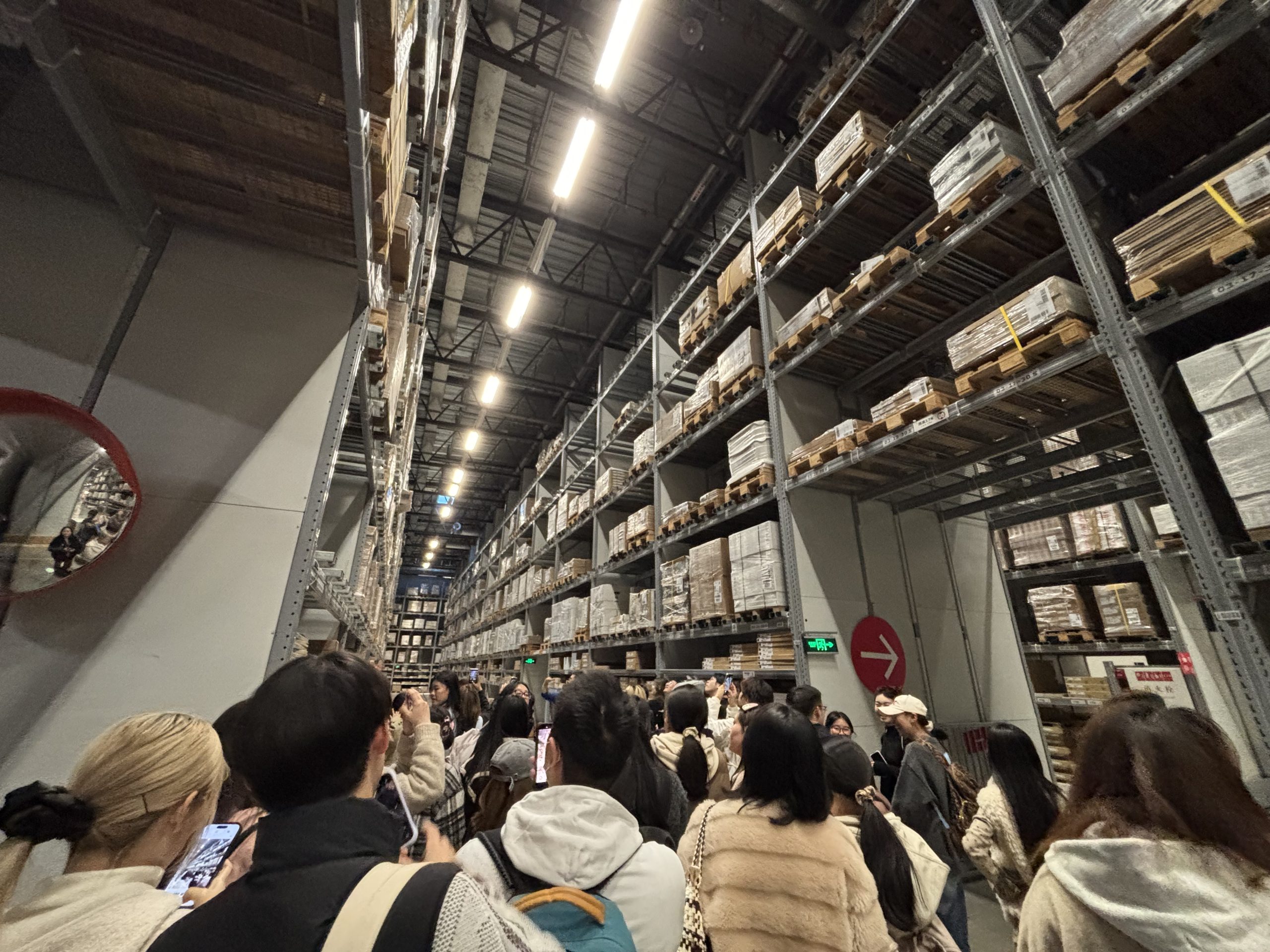
Behind what may appear to be a simple shopping experience lies a complex network of business and operational decisions. IKEA's practices provided students with a valuable real-world case through which to explore how businesses balance cost, efficiency, product quality and customer needs.
IBSS will continue to strengthen the connection between academic learning and industry practice through company visits and professional engagement opportunities, helping students broaden their business perspectives, apply their knowledge to real-world contexts and gain a deeper understanding of industry trends and operational challenges.
Student Reflection
“What impressed me most was IKEA’s approach to cutting costs while reducing waste and protecting the environment. This visit helped me realise that running a successful business is not just about making profits, but also about making responsible choices and having a positive impact on society.”
—— Wenxin Qiu, Year 1, MSc Management
17 Nov 2026