








05 Nov 2026


What tax considerations do Chinese companies face when expanding overseas? How does tax consulting create value for businesses?
On 13 and 15 October 2026, David Ni, Tax Partner at Deloitte China, and Quan Hu, Senior Tax Manager at Deloitte, were invited to deliver guest lectures to students taking two IBSS programmes: ACC307 Advanced Taxation (undergraduate) and ACC418 Tax Compliance and Planning (postgraduate).
The sessions explored the tax challenges faced by Chinese companies expanding overseas, the practical work of tax consultants, and career opportunities in the field. The lecture series was coordinated by the Student Development and Support (SDS) team at IBSS, with support from Lisa Cheng, HR Manager at Deloitte Suzhou and Director of the XJTLU External Mentor Commerce Committee.

Going global: more than taking business overseas
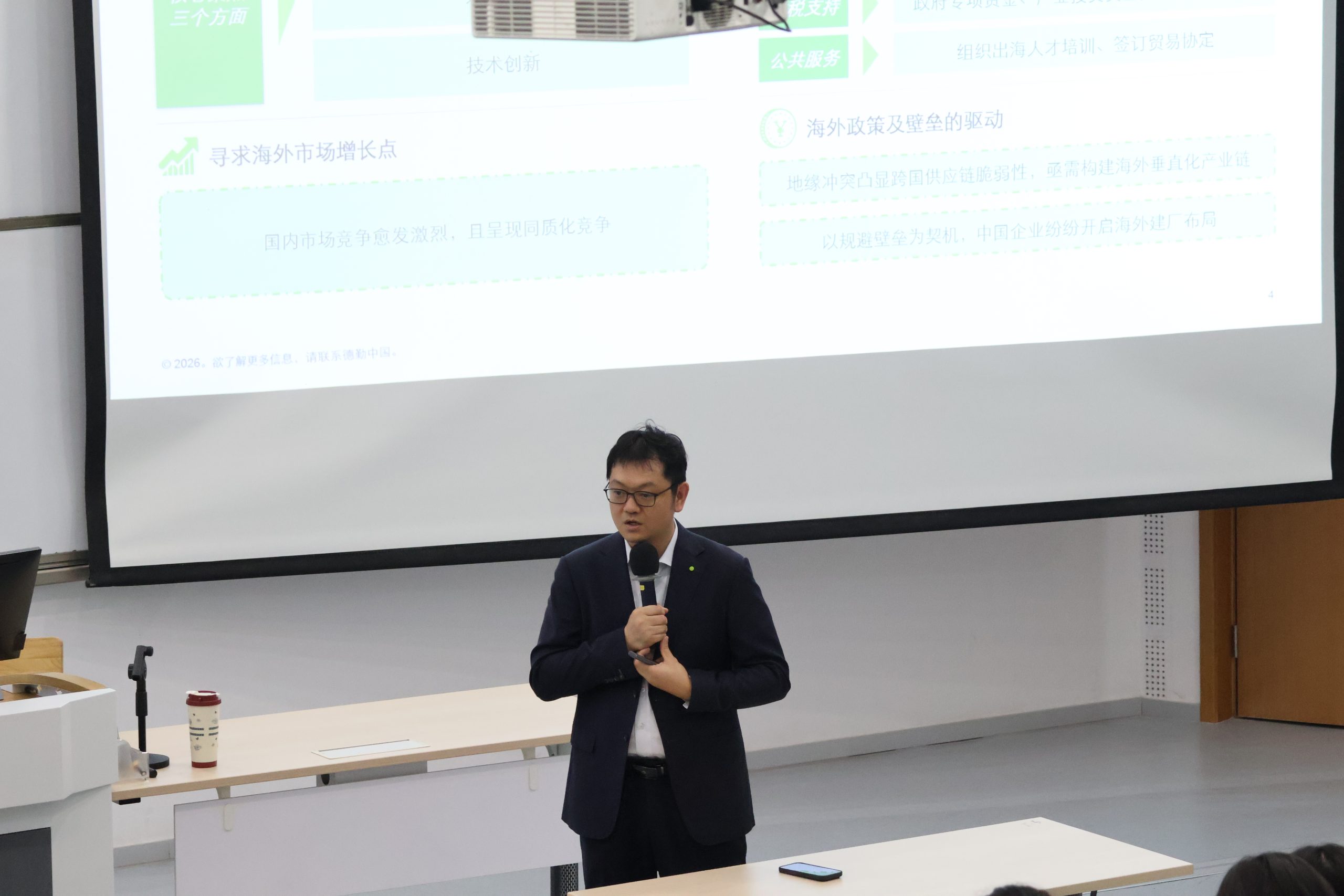
Returning to the ACC307 classroom for the second consecutive year, David built on last year's discussion on tax treaties by exploring the topic of Chinese companies expanding overseas. Drawing on case studies from the new energy sector, he explored the tax challenges involved in cross-border business operations.
Taking the power battery industry as an example, he explained how policy developments, including the US Inflation Reduction Act (IRA), and overseas car manufacturer’s growing demand for localised supply chains are influencing the global expansion strategies of Chinese companies.
Yan Ni
David outlined four stages of international expansion: export trade, overseas marketing, overseas operations, and global operations. As businesses move through these stages, they face increasing risks, management complexity and differences across markets. Companies must therefore take an integrated approach to local regulations, investment structures, financing arrangements, supply chain strategies and tax risks.
This helped students understand that taxation is not simply a compliance matter after a transaction has been completed. It can also shape how companies enter overseas markets, structure their financing and organise their supply chains.
How cross-border taxation shapes business decisions
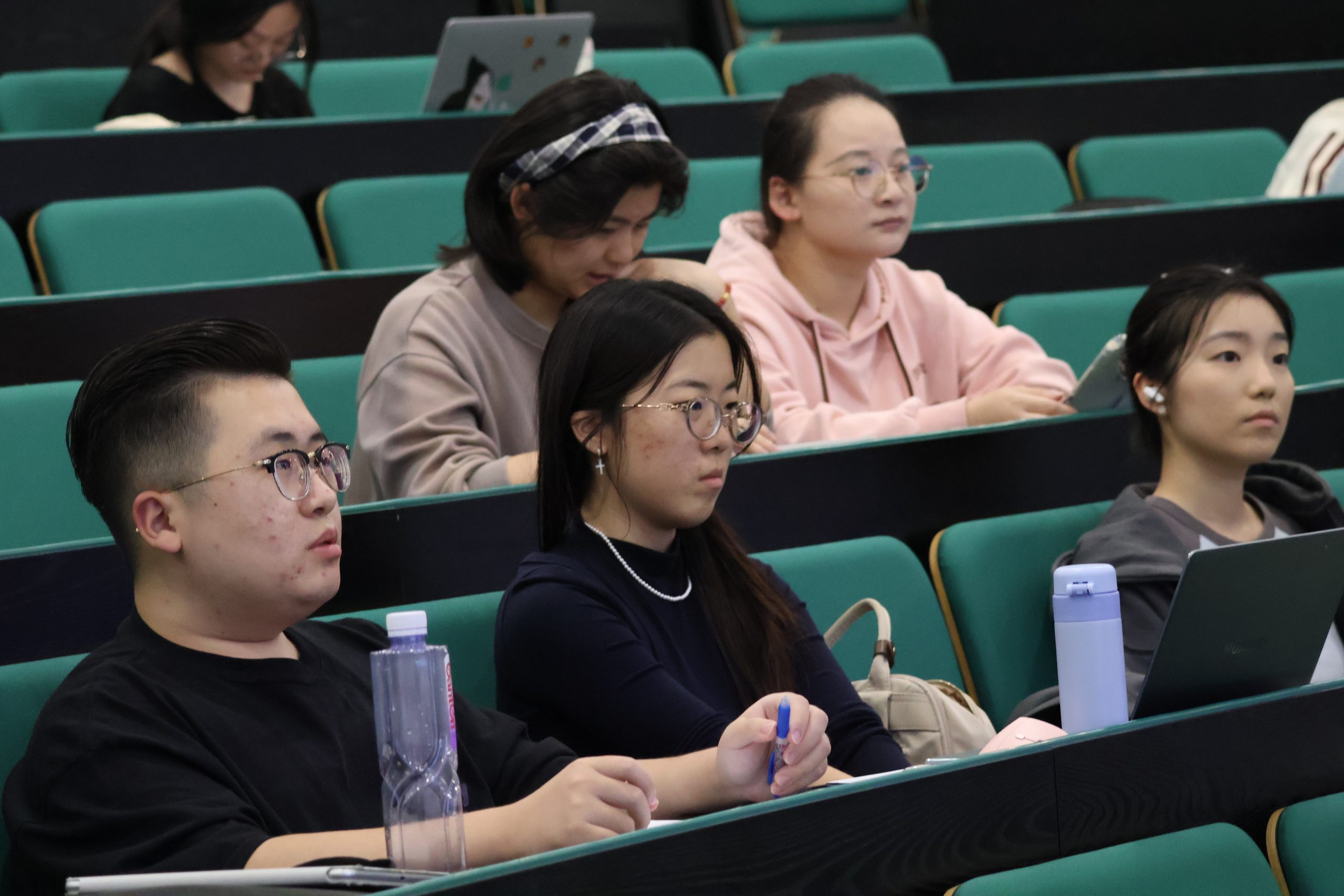
Using a case study involving Kazakhstan, David guided students through the tax calculations and structural considerations involved in cross-border investment.
Starting with investment and holding structures, the discussion compared two financing approaches: registered capital and shareholder loans. Students also explored how different supply chain transaction routes could lead to different outcomes. For example, direct purchasing and resale by a Chinese company, compared with transactions conducted through an intermediate holding company, may result in different cash flows, business relationships and profit allocation arrangements.
The session highlighted that tax consultants do more than calculate tax liabilities. They need to understand clients' commercial objectives, compare different options whilst ensuring tax compliance, identify potential risks and provide professional support for business decision-making.
Tax consulting: an alternative career path
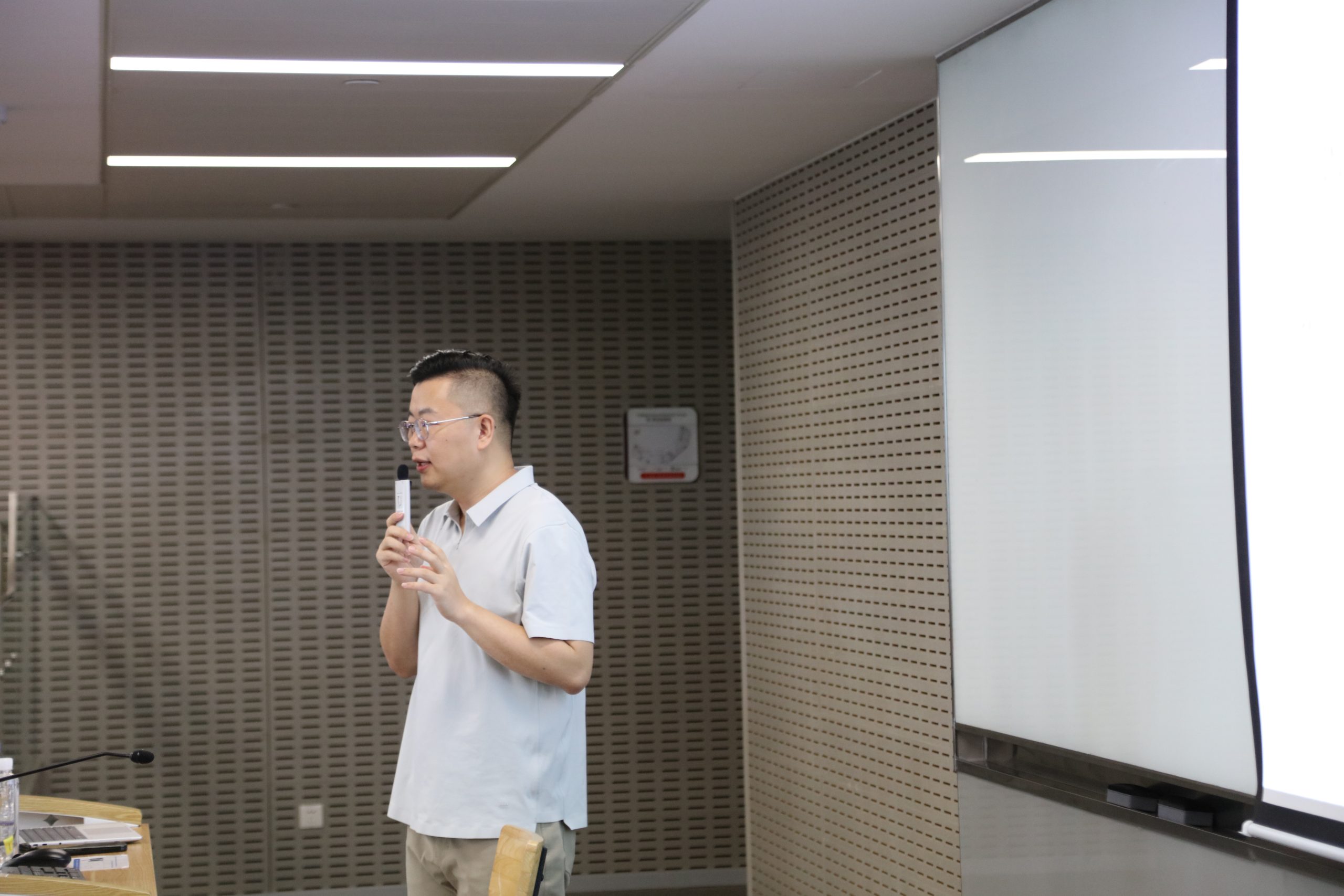
In the ACC418 session, Quan Hu drew on his professional experience to introduce first-year Master of Professional Accounting students to the tax consulting industry and its career development opportunities. As an XJTLU alumnus of the Financial Mathematics programme and a key member of the XJTLU External Mentor programme, he also shared his personal insights into this career path.
From international accounting firms and law firms to domestic tax advisory firms and in-house tax teams at large corporations, professionals in the tax field have a diverse range of career options, with different organisations offering distinct services and serving different client groups.
Unlike accounting, which primarily focuses on recording and reporting business transactions, and auditing, which provides independent assurance on financial information, tax consulting focuses on helping clients manage risks, resolve disputes and optimise business structures while remaining compliant with relevant regulations.
Drawing on a case involving the commercialisation of a pharmaceutical company's research and development (R&D) pipeline, Quan demonstrated how tax consultants approach real-world business challenges. The process involves understanding the client's business model, identifying key challenges and needs, combining regulatory research with industry practice, developing potential solutions, analysing the tax implications of different options, and ultimately making recommendations.
Such work requires not only a solid foundation in accounting and tax law, but also strong research, logical analysis, problem-solving and communication skills. When addressing clients' business needs, tax consultants must analyse issues in the context of the client's operations, rather than focusing solely on regulatory provisions or numerical calculations.
Quan Hu
Building professional skills from day one
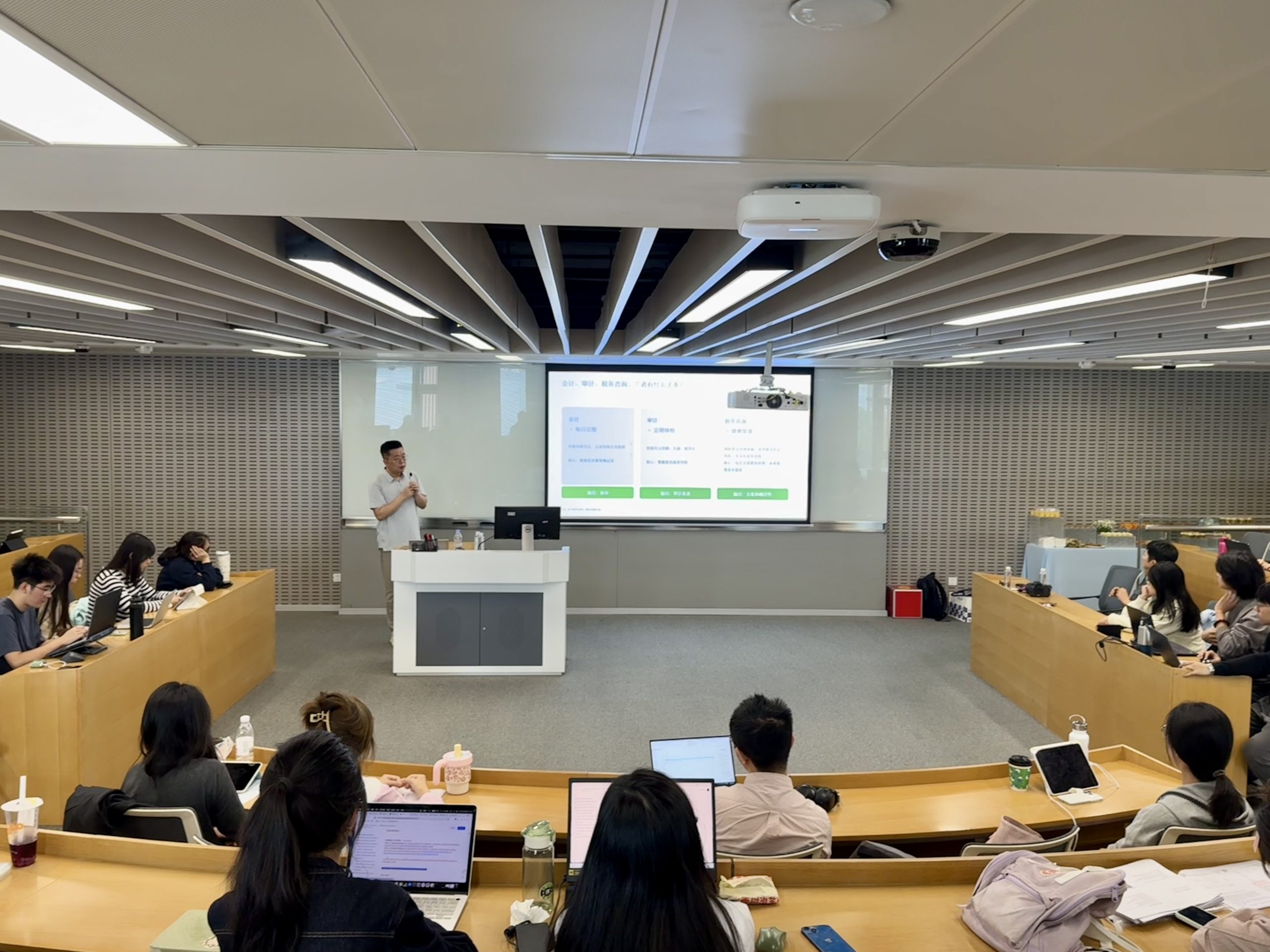
Quan also introduced students to the day-to-day responsibilities and career development pathways in tax consulting.
Newly recruited associates typically begin with foundational tasks such as regulatory research, working paper preparation and data updates. As they gain experience, they gradually take on greater responsibilities, including report writing, project management and client communication, before progressing towards business development and client relationship management.
For students preparing for internships or graduate employment, Quan emphasised the importance of developing practical experience alongside academic knowledge. Course projects, internships and team activities can all provide opportunities to demonstrate analytical thinking, problem-solving and teamwork.
These transferable skills are valuable not only in tax consulting but also across a wide range of accounting and business-related careers.
Connecting classroom learning with the business world
From the complexities of cross-border taxation in Chinese companies' global expansion to the practical responsibilities and career pathways of tax consultants, the two guest lectures offered students valuable opportunities to hear directly from industry professionals and gain a deeper understanding of how academic knowledge applies to real-world business challenges.
05 Nov 2026