








Wildlife import linked to higher risk of animal-human disease outbreaks

09 Nov 2026


The 21st-century epidemics of animal-human diseases, or zoonotic pathogens, such as MERS, SARS, and Covid-19, have demonstrated how pathogen spillover from animal to human can pose a global health threat. There is one factor linked with at least 70% of such emerging diseases: wildlife.
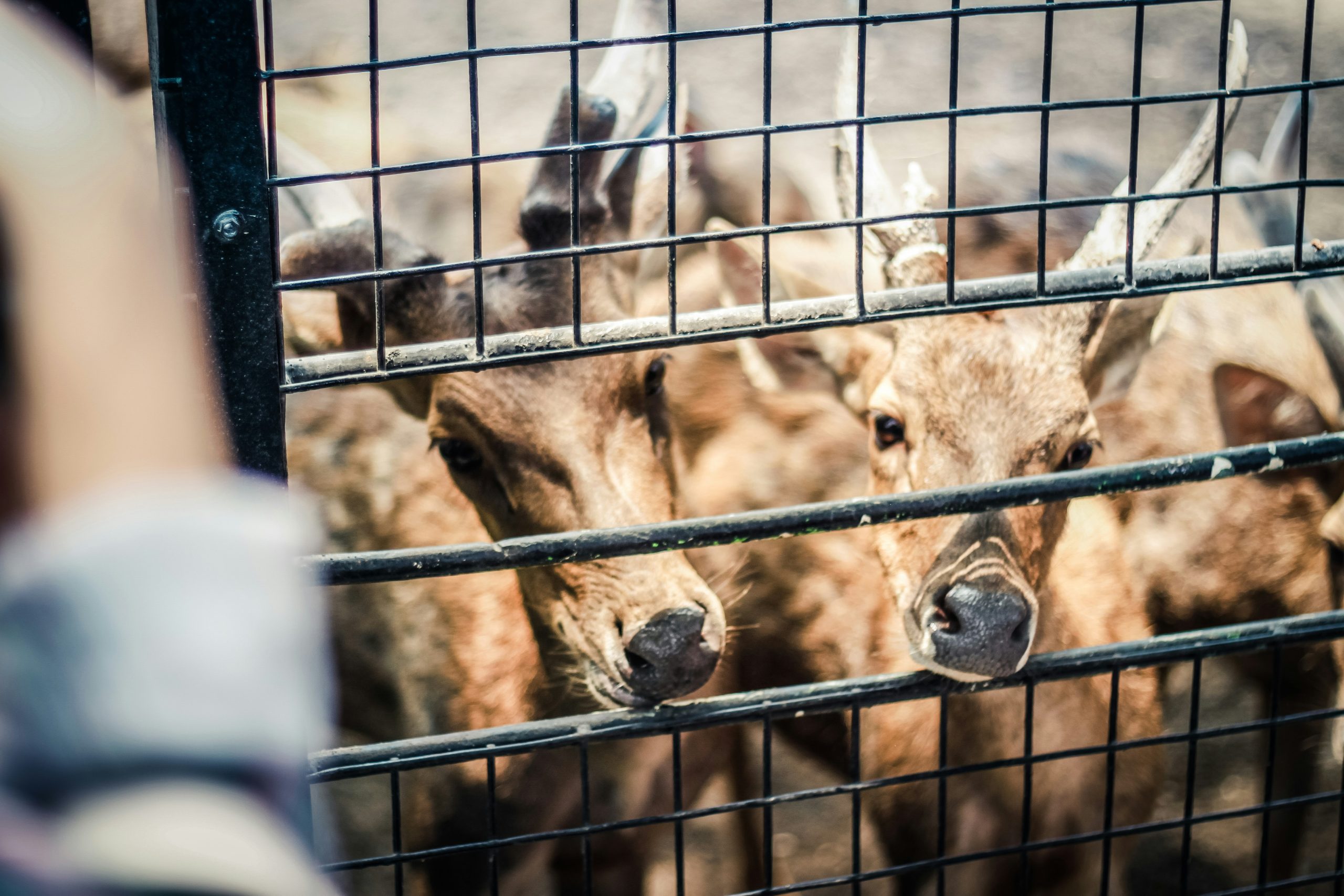
Wildlife import linked to higher risk of animal-human disease outbreaks
In recent research published in the journal One Health, “Exploring the Impacts of Wildlife Trade on Zoonotic Spillover and Disease Outbreaks: A Multiple-perspective Study”, researchers from Xi’an Jiaotong-Liverpool University (XJTLU) have discovered that wildlife imports highly influence the possibility of zoonotic emerging infectious disease (EID). This marks the first global measurement of how wildlife trade is linked to outbreaks of animal-borne diseases, across countries and over time.
“While previous papers have identified the spatial link between EID occurrences with other factors such as population growth rate, GDP, and climatic conditions, wildlife trade volumes remain untested,” says Dr Lingyun Xiao, one of the corresponding authors of the paper from Academy of Life and Natural Sciences at XJTLU.
A global multi-year study
The researchers analysed data from 214 countries over 39 years using two statistical approaches: The first tested whether countries that traded more wildlife in a given year were also more likely to report a zoonotic EID occurrence, and whether they reported more of them. The second focused on extremes, testing whether years of unusually high wildlife trade coincide with unusually severe disease outbreaks. In both cases, the researchers looked at imports and exports separately.
While in theory wildlife trade is expected to be linked mainly to zoonotic pathogens, the study also included non-zoonotic EIDs as a comparison check, testing whether reporting bias or overall trade volume could explain the link. For instance, countries with strong surveillance might detect more occurrences of both zoonotic and non-zoonotic EIDs.
“If wildlife trade were simply a proxy for general trade or reporting bias, we would expect it to be associated with non-zoonotic EIDs too,” Dr Xiao says. "The fact that the strongest and most specific signal was for zoonotic EIDs strengthens the case that this is not just reporting noise.”
The asymmetry between wildlife import vs export
Their findings showed that higher wildlife import volume was associated with higher odds of zoonotic EID occurrence. The odds ratio was 1.23, meaning that a one-unit increase in wildlife import volume was associated with about 23% higher odds of zoonotic EID occurrence. In contrast, wildlife exports showed no significant association.
Kai Wang, a PhD student from the Academy of Life and Natural Sciences at XJTLU, explains that wildlife imports may increase the chance of a novel pathogen entering a country and affecting humans, which may tip a country to record an outbreak in a year it otherwise would not have.
It is important to note, however, that while wildlife import volume significantly increases the chance of zoonotic EID emergence, it does not affect the frequency. Once an EID has occurred, additional factors beyond wildlife imports contribute to the number of cases in the country, such as the effectiveness of containment, surveillance intensity, and public health response.
Extreme cases
The researchers discovered a striking finding in their analysis of extreme cases: countries with very high wildlife imports also tend to record a very high number of zoonotic outbreaks.
Dr Chengxiu Ling, a corresponding author from the Academy of Life and Natural Sciences at XJTLU, says this means that extreme zoonotic EID is 40% more likely to co-occur with high wildlife import volumes. Conversely, the link was far weaker for exports.
Additionally, the analysis identified other factors, such as mammalian richness, population density, and population growth, which elevate the risk of EID.
“This reveals a critical import-driven risk profile: wildlife importation is associated with both the probability of zoonotic EID occurrence and extreme outbreak events,” says Dr Ling. This is especially significant for pandemic prevention since events that pose the highest public health impact are often rare, extreme outbreaks instead of average conditions.
Future pandemic prevention recommendations
These findings and examples emphasise the need for stronger risk management at import checkpoints. Strengthening quarantine, pathogen screening, and public health surveillance for imported live wildlife are among the recommended practices to prevent future outbreaks.
Dr Ling explains that imported wildlife can carry new pathogens that local populations have never encountered and to which they have no immunity. “Exportation may reflect broader wildlife exploitation and increased human–wildlife encounters. But our findings suggest that zoonotic risk is more likely associated with the intensity of wildlife importation than with overall trade activity. That is why the policy focus should be on importation points.”
Read the study “Exploring the impacts of wildlife trade on zoonotic spillover and disease outbreaks: A multiple-perspective study” here.
Written by Vionna Fiducia Theja
Edited by Patricia Pieterse
09 Nov 2026
RELATED NEWS

Can AI read conflicting emotional signals?
When people communicate, words may not tell the whole story. A person may say “I’m fine” while speaking in a low, unhappy voice and looking tired. Humans...
Learn more

Is mindfulness linked to better mental health and lower self-stigma among university students?
Researchers at Xi'an Jiaotong-Liverpool University (XJTLU) investigate self-stigma, among university students. They found that, over time, students with higher levels of mindfulness had lower self-stigma and fewer depressive symptoms.
Learn more