




EdD Doctor of Education



September 2027

Part time

Taught stage 3 years + Thesis stage 1.5 years or more

Suzhou and other locations

Academy of Future Education
Knowledge and skills
The EdD programme aims to cultivate leaders and experts who can drive educational transformations for the future. Graduates of this programme will:
- obtain a comprehensive theoretical understanding of various aspects of education, including educational leadership and management, future education, educational reform, learning theories, and more;
- develop a research methodology that integrates theory into their own educational practices. It can enhance their lifelong learning through reflective practice;
- utilise research-oriented approaches to explore educational practices and tackle existing and potential issues in the field of education;
- engage critically, reflectively, and collaboratively with education communities through research and professional practices;
- become future educational leaders who think globally and act locally, and make an impact on education both domestically and internationally.

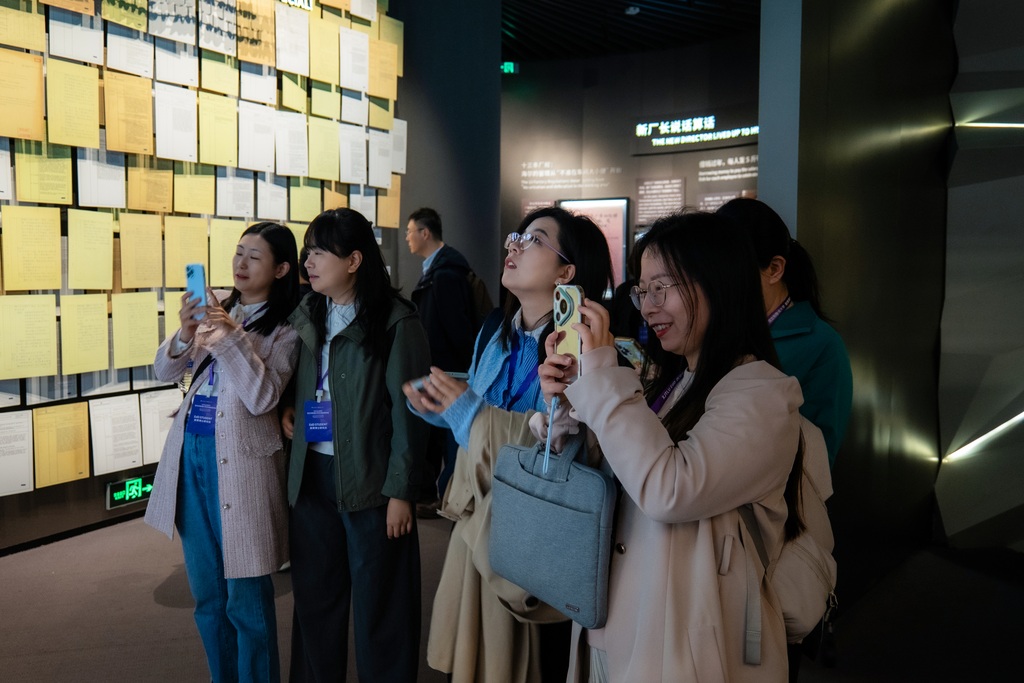

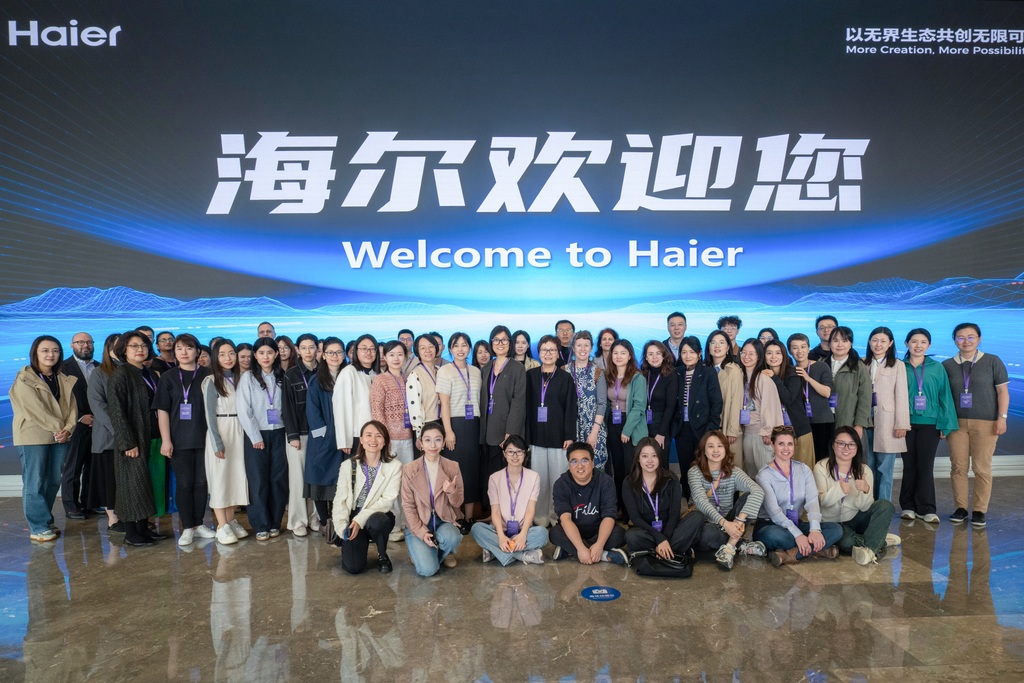
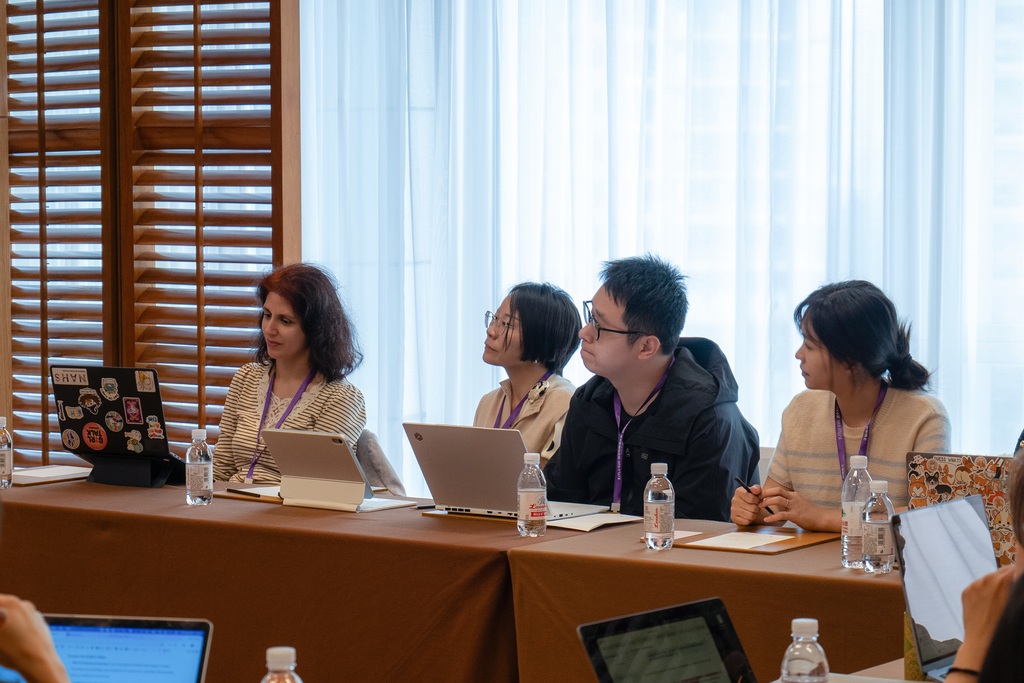



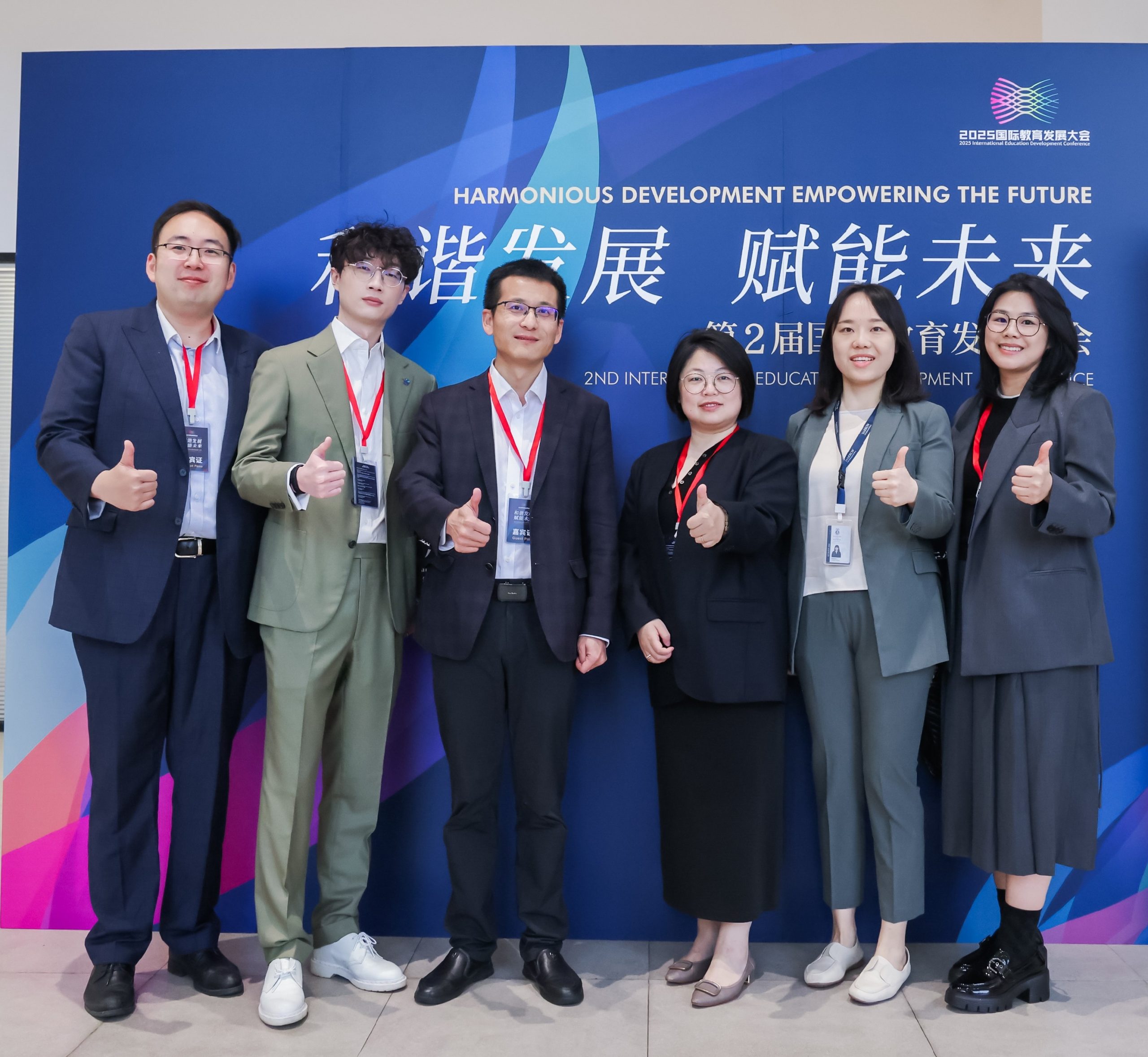
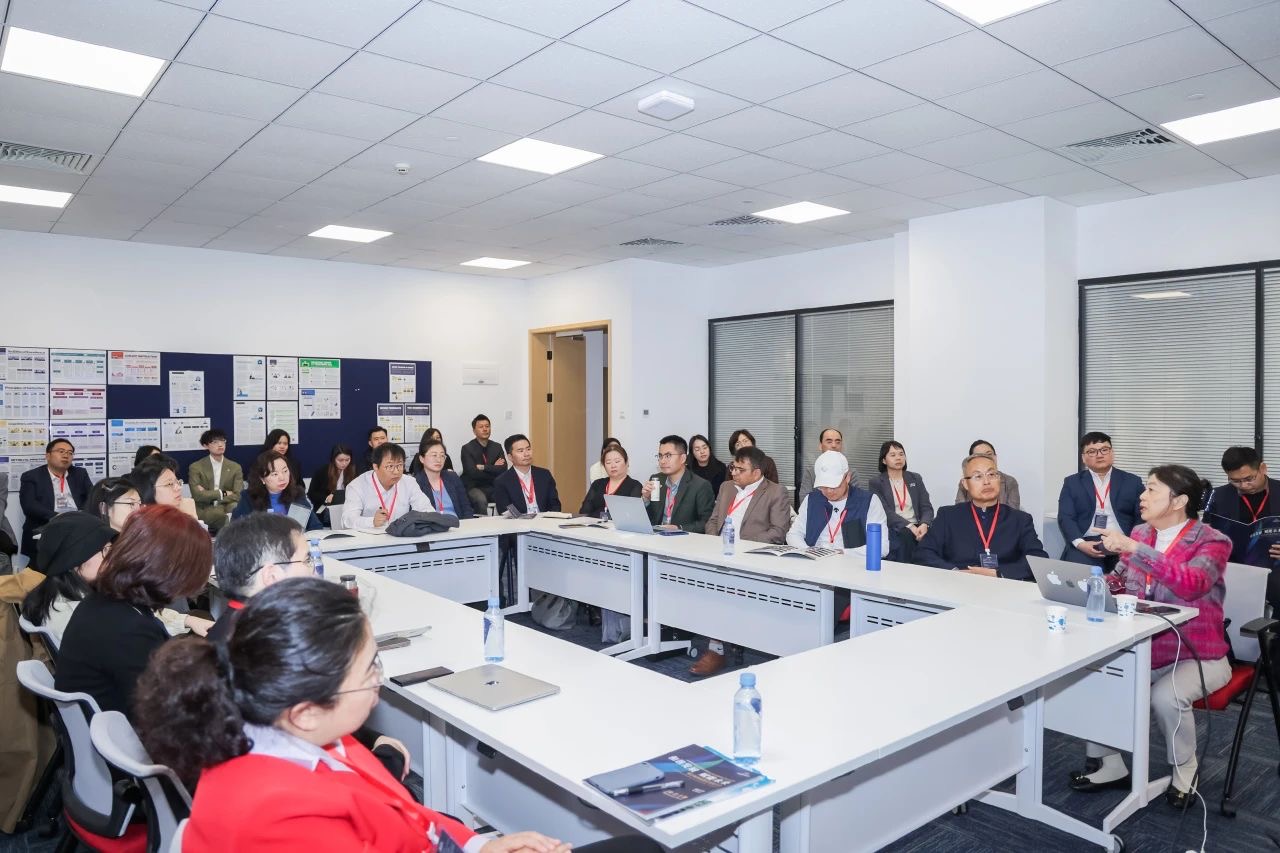
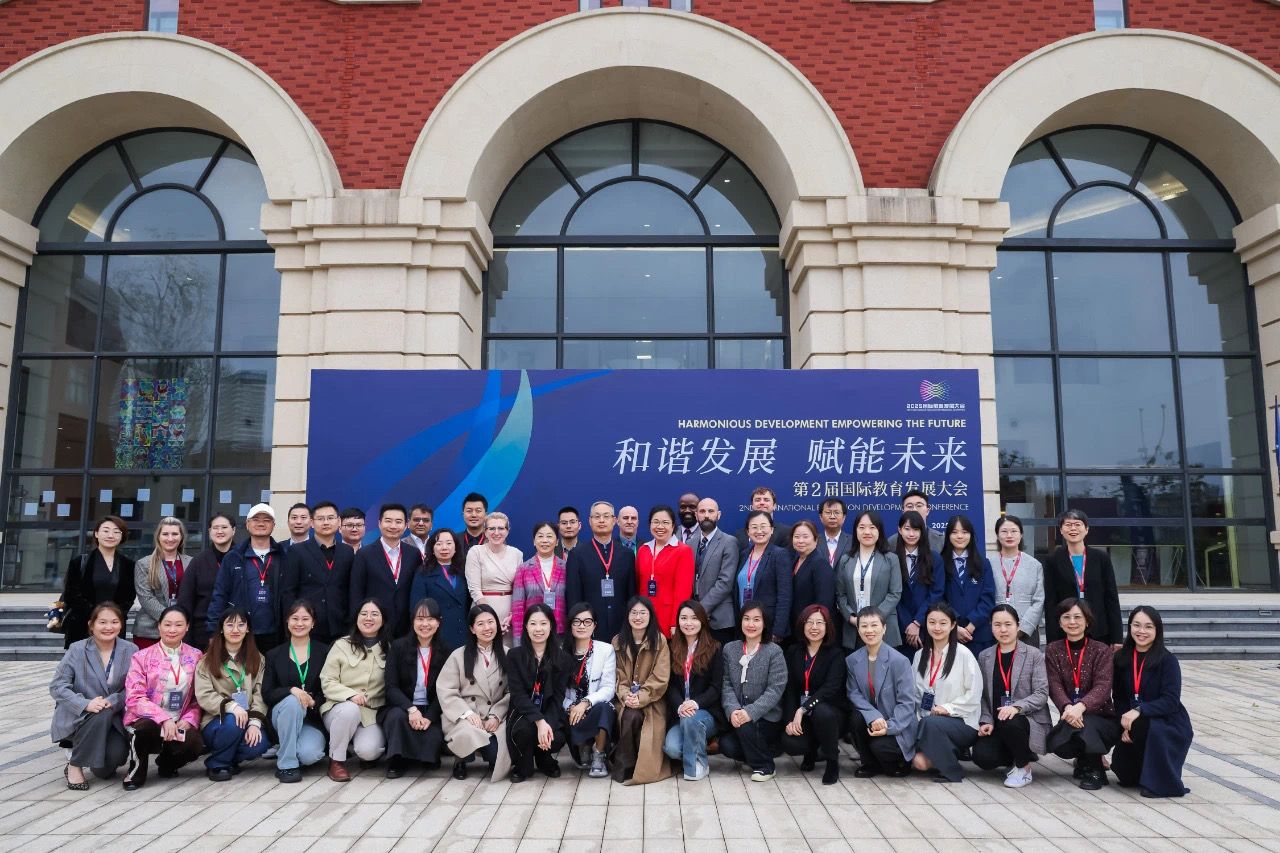
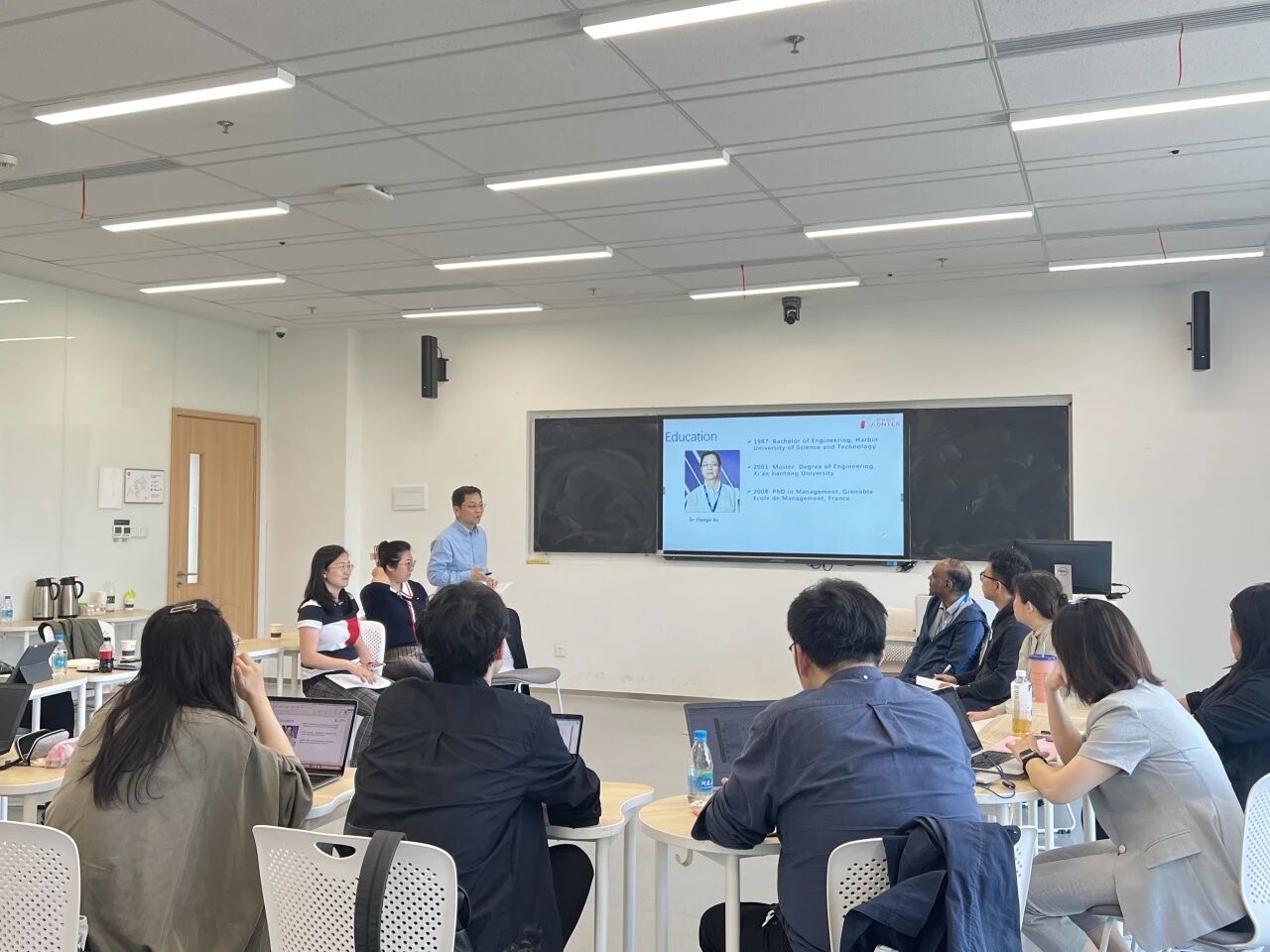
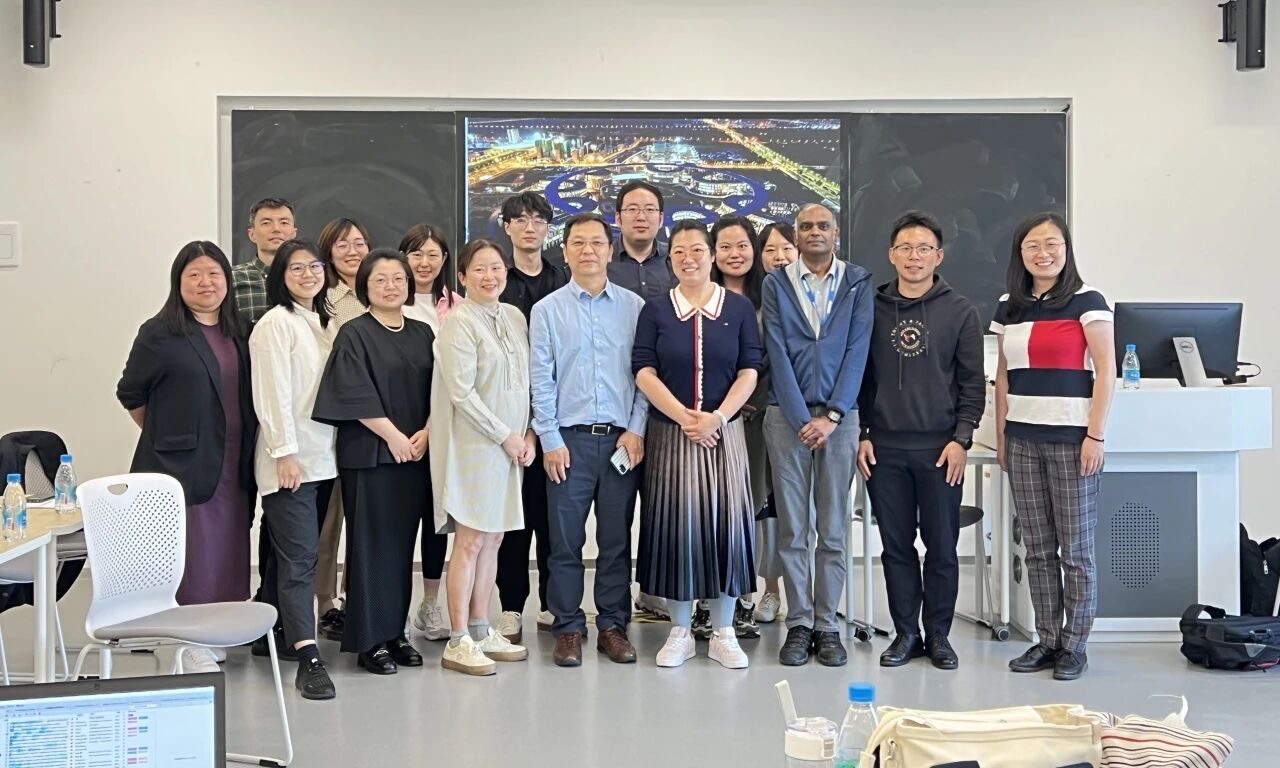
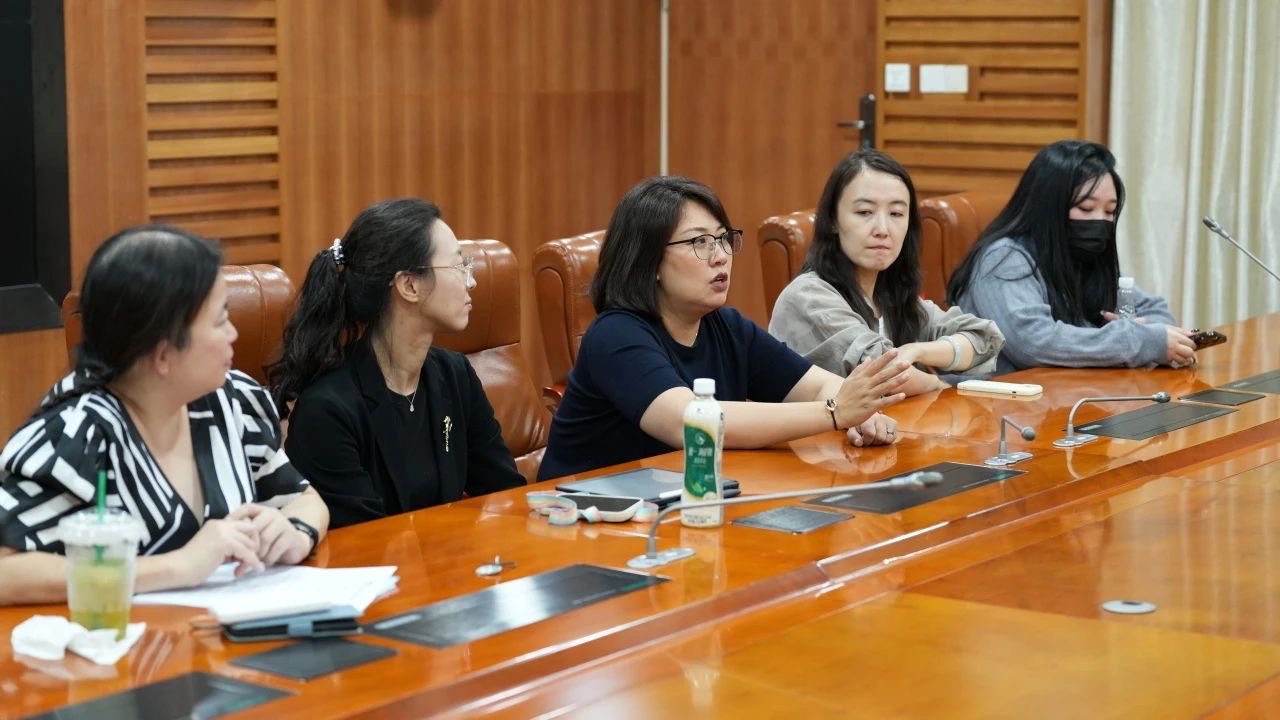


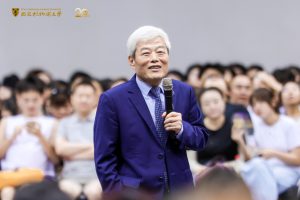
Education is being redefined – who will lead the change? The XJTLU Doctor of Education (EdD) is not merely a degree programme, it is a platform for systemic empowerment that unlocks the potential and creativity of education professionals to drive meaningful change. Built on XJTLU’s distinct strengths and resources, the programme brings together global educational insight and local innovation to address real-world challenges, supporting educators in moving from following to leading, and in shaping the future of teaching and learning.


Dr Na Li
Programme Director
Modules
*Programme modules listed are illustrative only and subject to change. XJTLU students are advised to log in to the e-Bridge Portal to view the effectuated module structure.
Year 1
- Engaging with Educational Literature (10 credits)
- Educational Research: Theory and Practice (10 credits)
Year 2
- Conducting Quantitative Research (10 credits)
- Conducting Qualitative Research (10 credits)
Year 3
- Advanced Educational Research Studies (20 credits)
Years 4-5.5
- Research Thesis (120 credits)
Total credits for graduation: 180
Timetable
Years 1-3 | Module-Based Learning & Practice-based Research
- Four three-day residential sessions each year (Friday-Sunday), complemented by online learning, providing an engaging learning experience while accommodating the schedules of working professionals;
- Build doctoral capability through a carefully scaffolded sequence of taught modules and progressively challenging research projects;
- Apply theory immediately to authentic challenges from your own professional context, turning your workplace into a living research laboratory;
- Benefit from expert teaching, personalised supervision, peer learning, and continuous feedback, supporting your development from practitioner to scholar-practitioner; and
- Produce tangible evidence of impact from the very beginning, ensuring your learning creates value for both your organisation and your career.
Years 4–5.5 | Portfolio Thesis & Doctoral Research
- Integrate your research projects conducted in Years 1-3 into a coherent portfolio thesis that demonstrates sustained educational impact and scholarly contribution;
- Showcase not only what you have researched but also what you have transformed through evidence-informed leadership and innovation;
- Progress with confidence through a staged doctoral journey that makes research more manageable while maintaining the highest academic standards; and
- Graduate with an internationally recognised EdD degree and a compelling portfolio demonstrating your capacity to lead meaningful educational change.
Fees
The tuition fee payable for the EdD programme is 80,000 RMB per year. It normally takes 4.5 to 5.5 years to complete the programme.
Alumni discount
If you are a graduate of XJTLU, the University of Liverpool, or Xi’an Jiaotong University, you will automatically receive a discount of 20% of the tuition fee.
Entry requirement
Academic requirement
Applicants must hold both a bachelor’s degree and a master’s degree, with no restriction on the discipline or field of study.
Work experience/other requirements
Applicants are required to have at least four years of full-time professional experience in the education sector. Those with middle or senior management experience are preferred.
English language requirement
All applicants applying for the EdD programme must demonstrate that they are competent in the use of English language and satisfy the University’s requirements. You will need to provide evidence of your level of English proficiency.
IELTS (Academic), TOEFL iBT, and PTE (Academic) scores are accepted as proof of English proficiency. The test must be taken at an official test center, and the report date should be within two years of the intended enrollment date.
- IELTS Academic: overall 6.5, no band below 6.0
- TOEFL iBT: minimum 4.5 overall, with 4.0 or above in all components
- PTE Academic: 61 overall, with minimum scores of 59 in each component
* We accept IELTS One Skill Retakes if taken within 60 days of the original test. We do not accept MyBest Scores of TOEFL iBT. If you have any questions, please contact the Admissions Team at doctoralstudies@xjtlu.edu.cn for clarification.
If you are unsure about the requirements or which test scores are accepted, please contact the Admissions Team at doctoralstudies@xjtlu.edu.cn for clarification.
English language exemption requirements
You will qualify for an exemption from the English language requirement if one of the following applies to you:
- You are a national of a majority English-speaking country as defined by UK Visas and Immigration;
- You have completed, or are completing, a degree at XJTLU or in the following countries or territories (excluding Chinese joint-venture programmes): Antigua and Barbuda, Australia, the Bahamas, Barbados, Belize, the British Overseas Territories, Dominica, Grenada, Guyana, Ireland, Jamaica, Malta, New Zealand, St Kitts and Nevis, St Lucia, St Vincent and the Grenadines, Trinidad and Tobago, the UK, or the USA.
Please note this exemption is only valid for two years from the date of the degree award to the start date of the doctoral programme.
Pre-Sessional English (PSE) Course
If you miss the English language requirements by 0.5 of an overall IELTS band but meet the language requirements for the Pre-sessional English (PSE) Course(including minimum component scores or equivalents), you may be accepted onto the PSE course subject to Programme Director’s approval. Upon successful completion of the PSE course, you will be able to change your XJTLU EdD’s offer letter to ‘Unconditional’ for the English level.
Note: The English language requirement for Pre-sessional English (PSE) Course for EdD programme is the minimum requirement. Meeting the minimum requirement does not guarantee successful application for the Pre-sessional English (PSE) Course.
Apply online
Application deadline
For September 2027 intake, the application deadline is 30 June 2027.
Please note that if you plan to apply for the Pre-Sessional English (PSE) Course, please ensure to submit your application before 15 April 2027.
Submit your application
We encourage you to prepare the application by yourself and submit the application via our online application system.
After submitting your EdD application successfully, you will receive an acknowledgement email from DoctoralStudies@xjtlu.edu.cn. If you do not receive the confirmation email or experience any difficulties during the online application process, please email us with specific details of the problem.
If you need to provide additional supporting documents after submitting the application, please send the documents to DoctoralStudies@xjtlu.edu.cn (with your application ID, name, and applied programme name).
Supporting document
Make sure you have prepared the following supporting documents to upload onto the application system. All documents should be in English or accompanied by a certified English translation. Please note that the size limit for each document is 2MB.
Required documents:
– University degree certificates (both Master’s and bachelor’s);
Verification report of degree certificates (for Chinese students only, both Master’s and bachelor’s):
- An online verification report of higher education qualification certificates from China Higher Education Student Information if the degree was obtained from a Chinese university;
- A certification from the Chinese Service Centre for Scholarly Exchange if the degree was obtained abroad or in China’s Hong Kong, Macao, & Taiwan.
– Full academic transcripts of university studies and grading system (both Master’s and Bachelor’s);
– Certificates of English language qualifications (IELTS or equivalent);
– Personal statement: Applicants should provide a 1,200-1,500-word statement detailing their proposed research concentration within the EdD programme, explaining its alignment with their professional goals and how the programme’s resources will advance their development as an educational leader. The statement should demonstrate leadership experiences or capabilities (e.g., in professional, academic, or community contexts) and articulate their passion for innovation in education, including specific ideas for addressing systemic challenges or fostering transformative change. Applicants are encouraged to connect their research interests to practical applications, emphasizing how their vision integrates scholarly rigor with ethical leadership and creative solutions tailored to evolving educational landscapes;
– Curriculum vitae (CV) including information about education, leadership roles and experiences, work experiences, projects, research outputs, awards, etc.;
– Two formal reference letters: Your letter of recommendation should highlight your leadership roles and capabilities, experiences, and professional achievement. Please ensure each letter is recent, written specifically for your EdD application, and includes an official letterhead from the recommender’s institution and a handwritten signature;
– A copy of your national ID card (for Chinese students only), or copies of your passport information page and Mainland travel permit (for China’s Hong Kong, Macao, & Taiwan students only), or a copy of your passport information page (for international students only).
Please note that XJTLU reserves the right to request additional documents to assess your academic qualifications for the programme.
After you apply
You can always log into the application system to track your application status and accept/decline an offer.
Deposit & securing your place
Places are limited on our EdD Programme, so we ask offer holders to pay a non-refundable deposit of RMB10,000 to secure a place (subject to meeting any offer conditions). Your deposit payment also demonstrates your commitment to XJTLU and helps us plan our resources to ensure you have the best possible experience when you arrive at XJTLU.
The deposit is payable when you confirm the acceptance of your unconditional offer. Please refer to your offer for specific information regarding the payment of your deposit, which will be deducted from your first year’s tuition fee.
We recommend you pay your deposit as soon as possible. Failure to make the deposit payment by the specified deadline on your offer will result in the withdrawal of the offer, and it will not be reinstated under any circumstances.
Deposit refund
The deposit can only be refunded in the following circumstances:
- If the University is unable to provide the original academic programme applied for, offered, and accepted.
- If you fail to meet one or more academic conditions, subject to the provision of evidence of relevant examination results and/or final transcript.
- If you fail to attain the required English language qualification, subject to the provision of evidence that you have attempted and failed the English language test after the date that your conditional offer was issued.
- If your visa application is refused or rejected, subject to the provision of evidence that you have applied for and been refused a visa (international applicant only).
If you are eligible for the deposit refund, you shall submit the deposit refund request via email at DoctoralStudies@xjtlu.edu.cn. For September intake, the deadline for submitting the refund request is 15 September 2027. Late submissions will not be accepted.
Deferring your offer
If you have already paid your deposit and then decided to defer your offer, please email us at DoctoralStudies@xjtlu.edu.cn (with your application ID, programme and reason for deferral).
For September intake, the deadline for submitting a deferral request is 1 August 2027. Late submissions will not be accepted. If your deferral request is approved, normally, you will be contacted before the application deadline of the subsequent entry to confirm your enrolment decision.
Your deposit will be carried over to count towards your deferred offer. You can only defer your offer once.

Overview
In an era where digitalisation, artificial intelligence (AI), and globalisation are fundamentally reshaping society, education is facing unprecedented challenges and opportunities. Emerging technologies are redefining not only what students need to learn but also how education is designed, delivered, and experienced. As the value of traditional knowledge transmission continues to decline, the central mission of education is shifting to cultivating lifelong learners and problem-solvers who can thrive in a UACCS world – one characterised by uncertainty, ambiguity, complexity, change, and scarcity – while developing a HeXie Mindset and embracing Syntegrative Education.
Since its establishment, Xi’an Jiaotong-Liverpool University (XJTLU) has remained committed to its mission of “exploring the future of education and influencing educational development in China and around the world”. Rather than following conventional models, XJTLU has positioned itself as a pioneer in educational innovation. Guided by its distinctive HeXie and Five-Star education models, the University has created a dynamic educational ecosystem that integrates Eastern and Western wisdom, connects theory with practice, and bridges academia and industry. This ecosystem supports educators in achieving five dimensions of professional awakening: self-awareness, cognitive awakening, belief awakening, identity awakening, and purpose awakening.
The Doctor of Education (EdD) programme is designed to develop future educational leaders who can drive innovation, lead systemic transformation, and create new value for education. More than educational leaders, graduates become education re-designers, professionals equipped with strategic vision, advanced research capability, and the courage to innovate. The programme empowers educators to reimagine their professional identity, evolving from knowledge transmitters to designers of learning ecosystems, and from policy implementers to proactive problem-solvers and initiators of educational innovation.
Programme Highlights
Every participant undertakes research grounded in authentic challenges within their own professional context, such as leadership, curriculum innovation, teacher development, educational policy implementation, and institutional transformation.
The programme adopts a practice-based learning model that guides participants through an iterative cycle of identifying real-world challenges, conducting action research, applying and critically reflecting on theory, and refining solutions through continuous practice. Students collect evidence, evaluate interventions, and improve their approaches within their everyday professional responsibilities. Rather than competing with work commitments, professional practice becomes an integral part of the learning experience: the richer the workplace experience, the greater the opportunities for meaningful inquiry and impact.
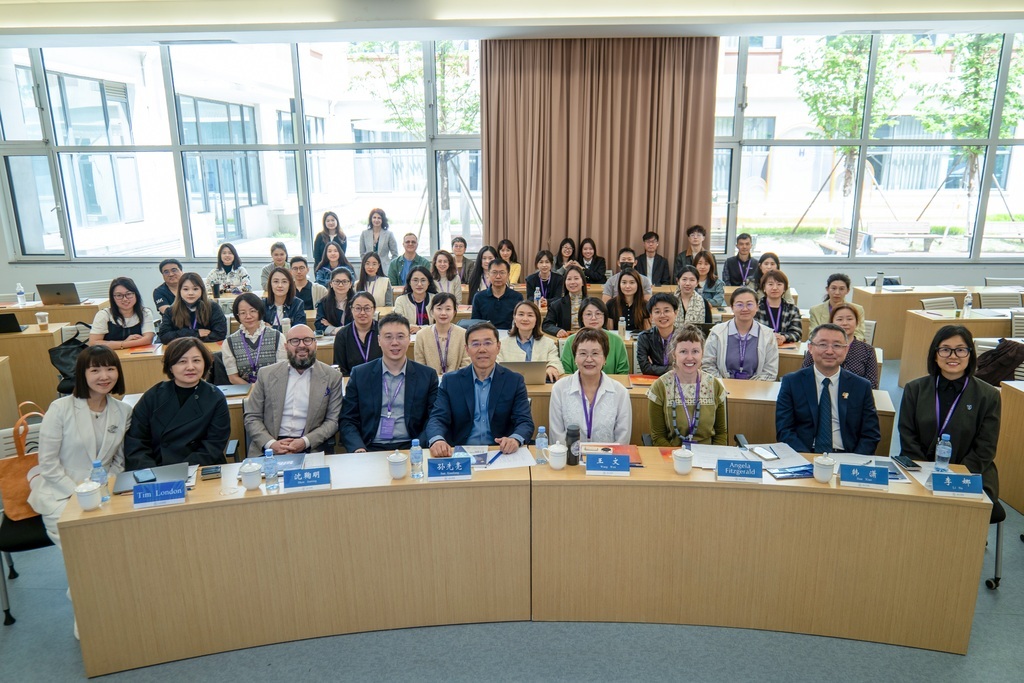
Through four intensive residential sessions each year, participants engage directly with leading educational innovation sites including the XJTLU campuses in Suzhou and Taicang, international learning locations such as Thailand, learning centres, and partner schools and educational organisations across the XJTLU ecosystem.
These immersive experiences combine structured observation, professional dialogue, interviews, and data-driven inquiry, enabling participants to develop, test, and refine solutions grounded in authentic educational settings. Research begins in practice and returns to practice, creating sustainable impact where it matters most.
Rooted in XJTLU’s two decades of educational innovation, the Academy of Future Education provides an interdisciplinary, internationally connected platform dedicated to advancing the future of learning. The EdD programme leverages this ecosystem to provide participants with continuous professional growth throughout their careers.
Participants join a diverse learning community comprising leaders and practitioners from K-12 education, vocational education, higher education, educational enterprises, and government agencies, fostering rich cross-sector collaboration and multiple perspectives.
Through dedicated professional networks and an active alumni community, participants gain long-term access to research collaborations, innovation projects, professional development opportunities, and career pathways within the XJTLU educational ecosystem. They also have opportunities to engage in nationally and internationally influential initiatives including the XJTLU National University Teaching Innovation Competition, the Search for Outstanding Chinese Educators of the New Era, and the International Conference on Artificial Intelligence and Education.
After graduation, alumni remain connected through a lifelong professional network, continuing to participate in research collaborations, thematic forums, innovation projects, and the development of educational practice bases, ensuring sustained professional growth and long-term impact.
The programme adopts a blended learning approach that combines online and face-to-face learning, authentic case studies, interactive workshops, domestic and international study visits, field research across multiple cities, and academic forums to bridge educational theory with professional practice.
Beyond developing proficiency with emerging AI technologies, the programme cultivates strategic leadership in the age of artificial intelligence. Participants critically examine issues such as AI ethics, algorithmic bias, data governance, and intelligent educational decision-making, developing the capacity to lead responsible AI implementation within educational organisations.
Throughout their doctoral research, students learn how to design, lead, and support AI-enabled initiatives, strengthening their ability to drive digital transformation, empower teams, and build more intelligent, equitable, and sustainable educational ecosystems.
Doctoral candidates are jointly supervised by academic staff from the XJTLU Academy of Future Education and doctoral supervisors at the University of Liverpool. More than 95% of the programme’s academic staff have academic backgrounds from world-leading institutions.
Graduates are awarded the Doctor of Education (EdD) degree by the University of Liverpool. The qualification is officially recognised by the Chinese Ministry of Education and enjoys a strong international academic reputation, providing graduates with globally recognised credentials and enhanced professional standing.