




MA Global Education



September 2027

Full time

18 months

Suzhou

Academy of Future Education

This programme leads to a University of Liverpool degree which is recognised by Ministry of Education, China.
Knowledge and skills
Students enrolled in the MA Global Education programme must complete both compulsory and optional modules. The compulsory modules give students a combination of knowledge and skills that progress from critical understanding to professional action. Students can gain an understanding of the principles, policies and practices of global education and strengthen their ability to lead through management and leadership perspectives.
Practice-based research modules enable students to frame complex educational problems and develop rigorous, evidence-based solutions. Entrepreneurship and innovation modules offer approaches to turning ideas into sustainable initiatives, while syntegrative learning refines transferable skills such as communication, collaboration and adaptability.
Students also have the flexibility to choose optional modules to develop expertise in their areas of interest. Modules focusing on curriculum and instruction prepare students to develop curricula and teach in various educational organisations, including schools and businesses. Modules in administration and management prepare students to support or manage educational systems and organisations, with opportunities to engage with practical management issues. Innovation modules introduce theories and practices related to education and develop students’ understanding of innovation in educational systems and organisations.
Students will also have access to modules from other programmes, including digital technology development, education and health, and AI in education.
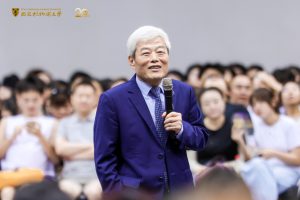
If you believe education can contribute to changing people’s lives and societies and want to apply that belief in practice, this programme provides opportunities to develop your skills in designing, leading, researching, and innovating in education. I look forward to welcoming you to our global community.


Dr Juming Shen
Programme Director
Modules
*Programme modules listed are illustrative only and subject to change. XJTLU students are advised to log in to the e-Bridge Portal to view the effectuated module structure.
Semester 1
Core Modules
Optional Modules
Semester 2
Core Modules
Optional Modules
-
Entrepreneurship, Educational Innovation and International Education
-
Monitoring and Evaluation in Educational Systems and Organizations
-
Effective Practices in Student Affairs From A Global Perspective
-
Scholarship of Teaching and Learning: Research and Practices
Semester 3
Core Modules
Semester 1
Core Modules
Optional Modules
Semester 2
Core Modules
Optional Modules
-
Entrepreneurship, Educational Innovation and International Education
-
Monitoring and Evaluation in Educational Systems and Organizations
-
Scholarship of Teaching and Learning: Research and Practices
Semester 3
Core Modules
Semester 1
Core Modules
Optional Modules
Semester 2
Core Modules
Optional Modules
-
Monitoring and Evaluation in Educational Systems and Organizations
-
Effective Practices in Student Affairs From A Global Perspective
-
Scholarship of Teaching and Learning: Research and Practices
Semester 3
Core Modules
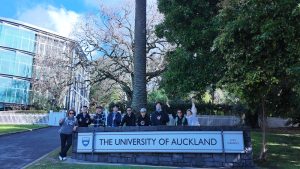
The University offers a broad range of activities aiming to enrich master students’ theoretical and experiential learning and professional development. Training, workshops and seminars, covering varieties of themes and topics, both generic and subject-specific, are often offered at both University and Academy/department levels. The Academy of Future Education and the Department of Educational Studies often invite scholars and professionals for featured lectures and workshops. You may be provided with opportunities to work as a teaching assistant, research assistant, or intern at XJTLU. Field trips or enterprise/organization visits may also be organized. Such courses or activities will not only support your academic studies in the master’s programme, but also provide you with important skills and capabilities for future employment and professional development.
Timetable
Modules may be scheduled at any time between 9am and 8pm, Monday to Saturday, and are delivered onsite. Some sessions may include flexible online components to enhance learning.
Part-time students may be able to complete the programme by attending modules exclusively on Saturdays, provided the necessary conditions are met.


Careers
Graduates of this programme can pursue or advance careers in a variety of sectors, including:
- teaching and curriculum development in schools and educational institutions;
- administration in schools, universities and vocational, adult or community education providers;
- civil service roles in government education departments;
- intergovernmental organisations, NPOs and charities involved in education;
- business sectors, including educational media, educational publishing, educational technology, consulting companies with education-related business, and corporate universities; and
- entrepreneurship and independent ventures.
Previous graduates have found employment with organisations including China’s Zhejiang University, XJTLU, Xiangshan County Bureau of Education, United World College Changshu China, North Minzu University, Guangzhou College of Commerce, Suzhou Industrial Park Jinji Lake School, the High School Affiliated to Beijing International Studies University, Global Times Online (Beijing) Culture Communication Co., Ltd., and the Aviation Industry Corporation of China, Ltd.
Overview
The MA Global Education programme uses a practice-oriented teaching approach to prepare versatile, future-oriented education professionals. It equips them to contribute to the modernisation and globalisation of China’s education system through research, leadership, innovation, and artificial intelligence-enabled practice.
The programme empowers students to navigate global shifts in education, developing both the theoretical insights and practical skills required to thrive in diverse educational environments. It covers classroom-focused topics, such as curriculum and instruction, as well as broader issues affecting education systems, including leadership, policy-making and management in schools, businesses, non-profit organisations (NPOs), and government. The programme also prioritises lifelong learning and equips graduates to work effectively across K-12, higher education, and diverse global education contexts.
The MA Global Education programme draws on XJTLU’s experience in educational advancement, its academic reputation, and the expertise of its academic staff in international and transnational education.
Why choose the MA Global Education programme at XJTLU?
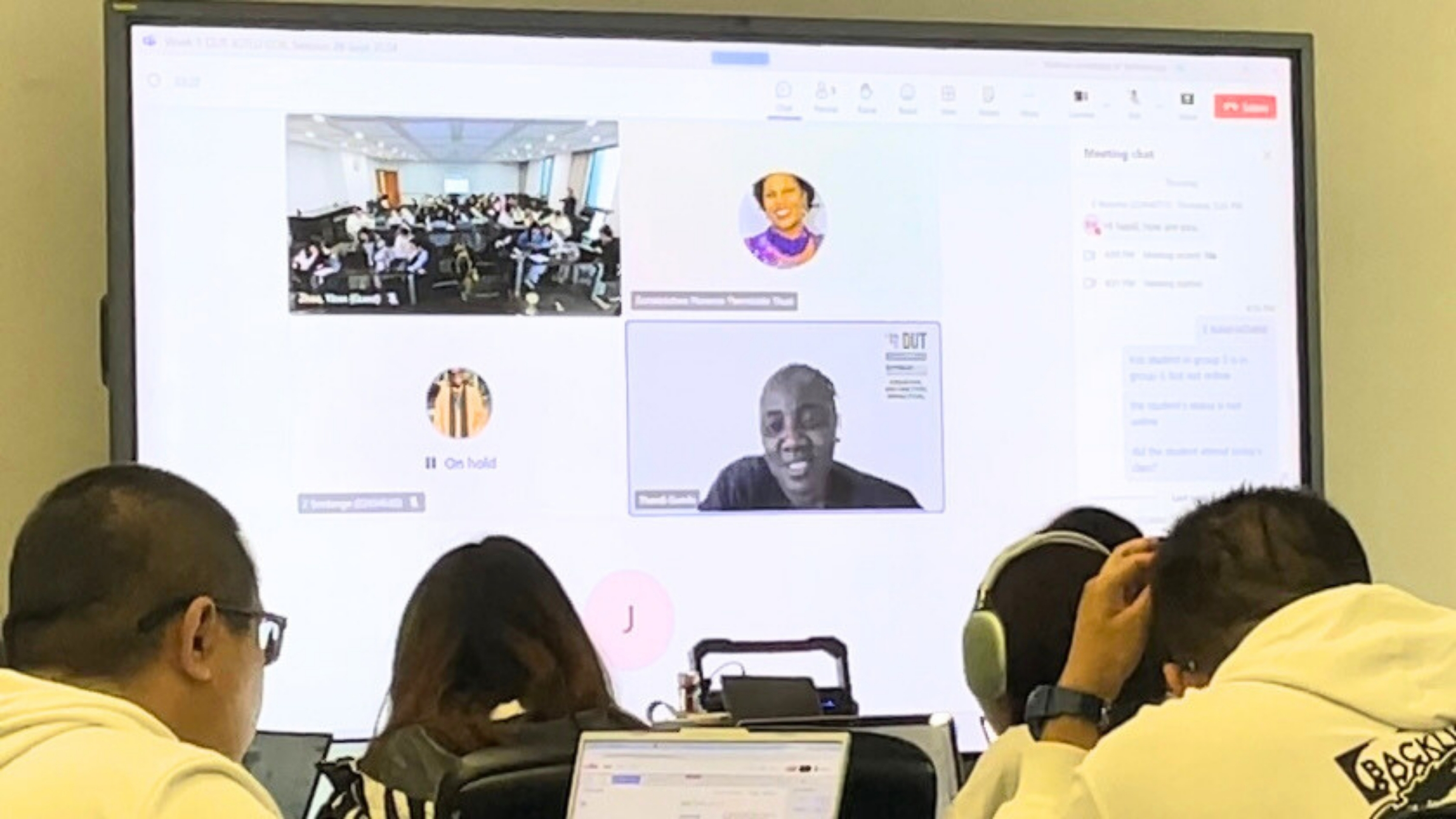
XJTLU’s Sino-British educational environment brings together international academic staff and students from different cultural backgrounds. This gives students opportunities to explore how education varies across countries and how different traditions can challenge and enrich each other.
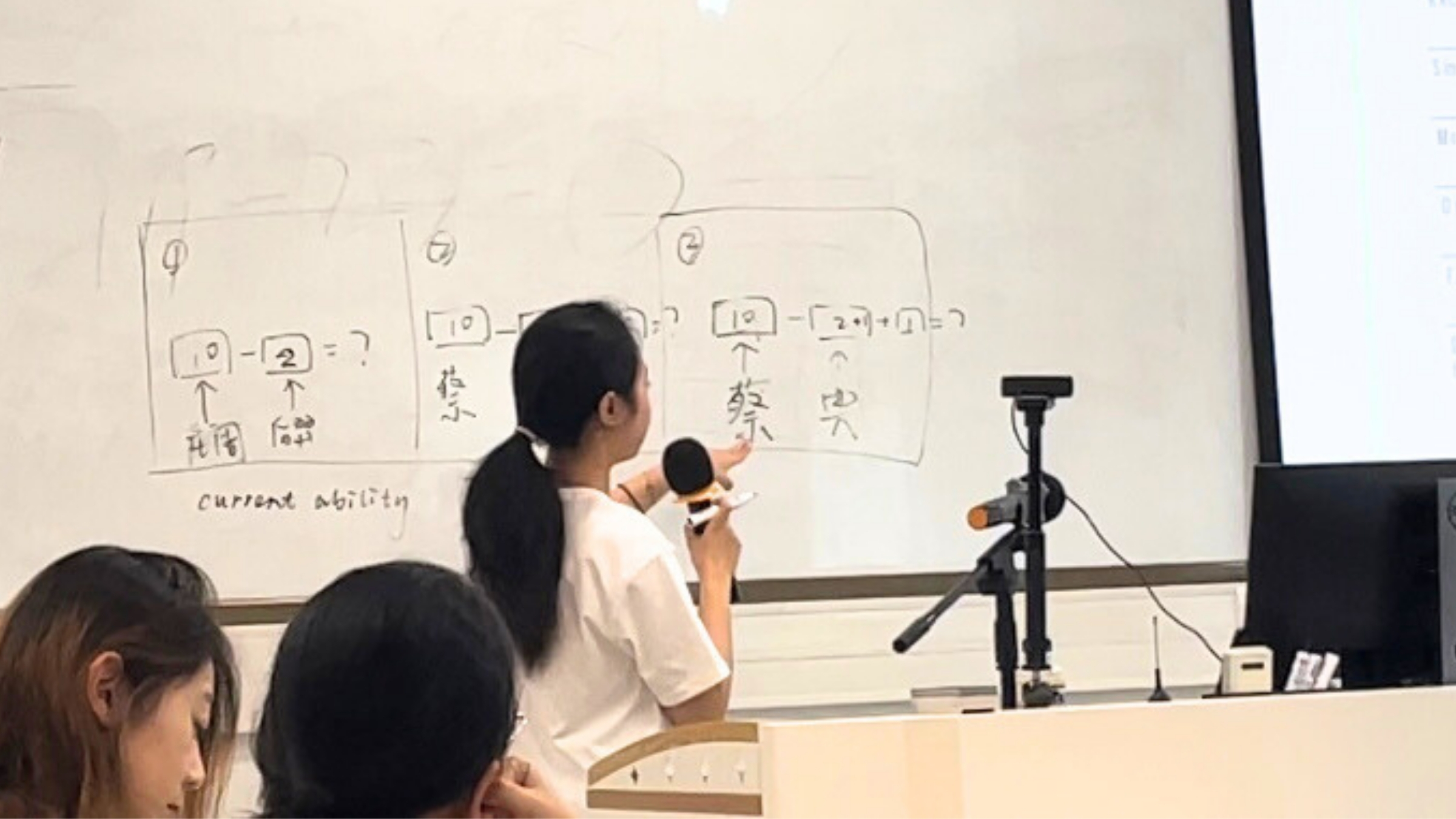
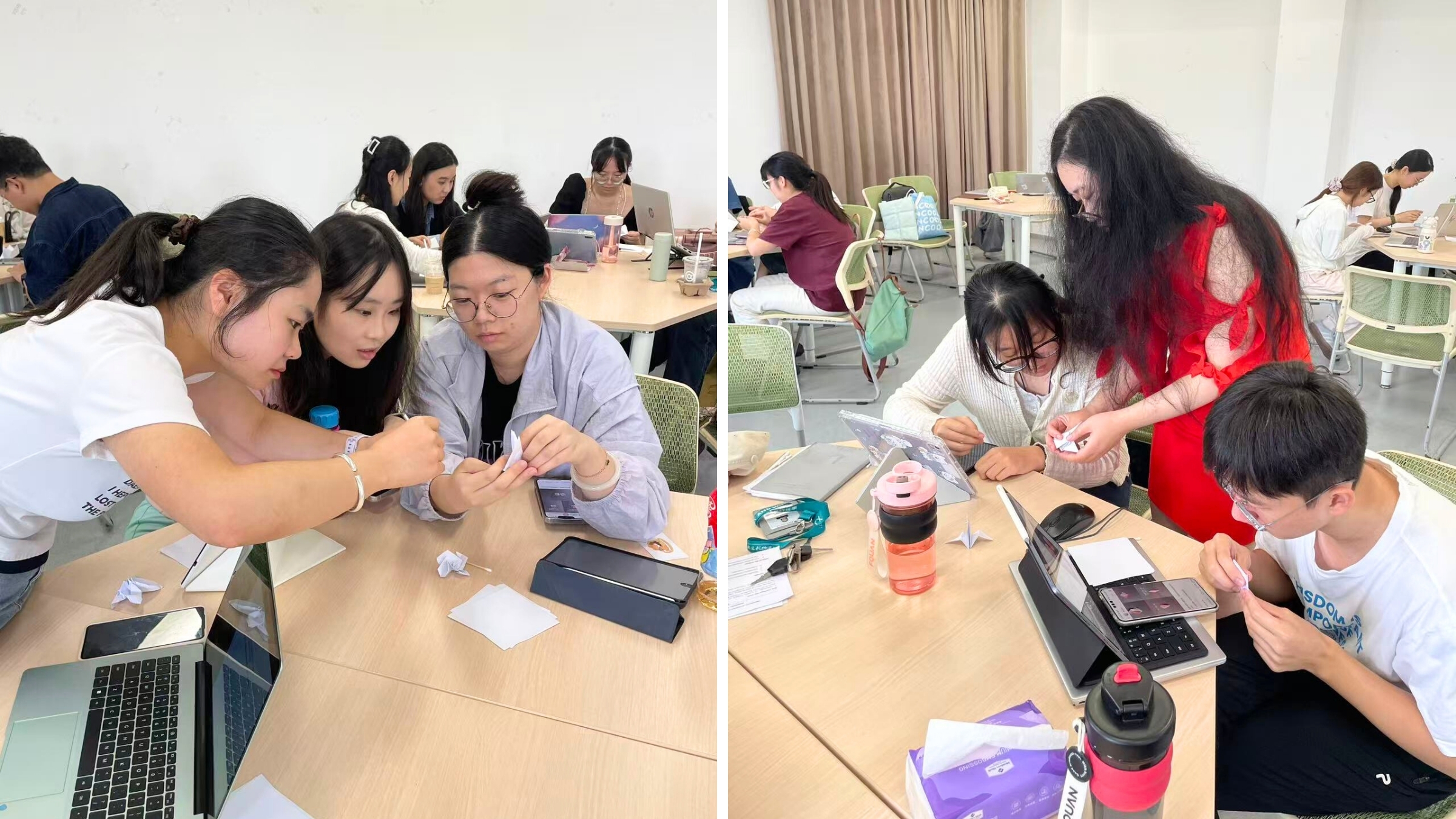
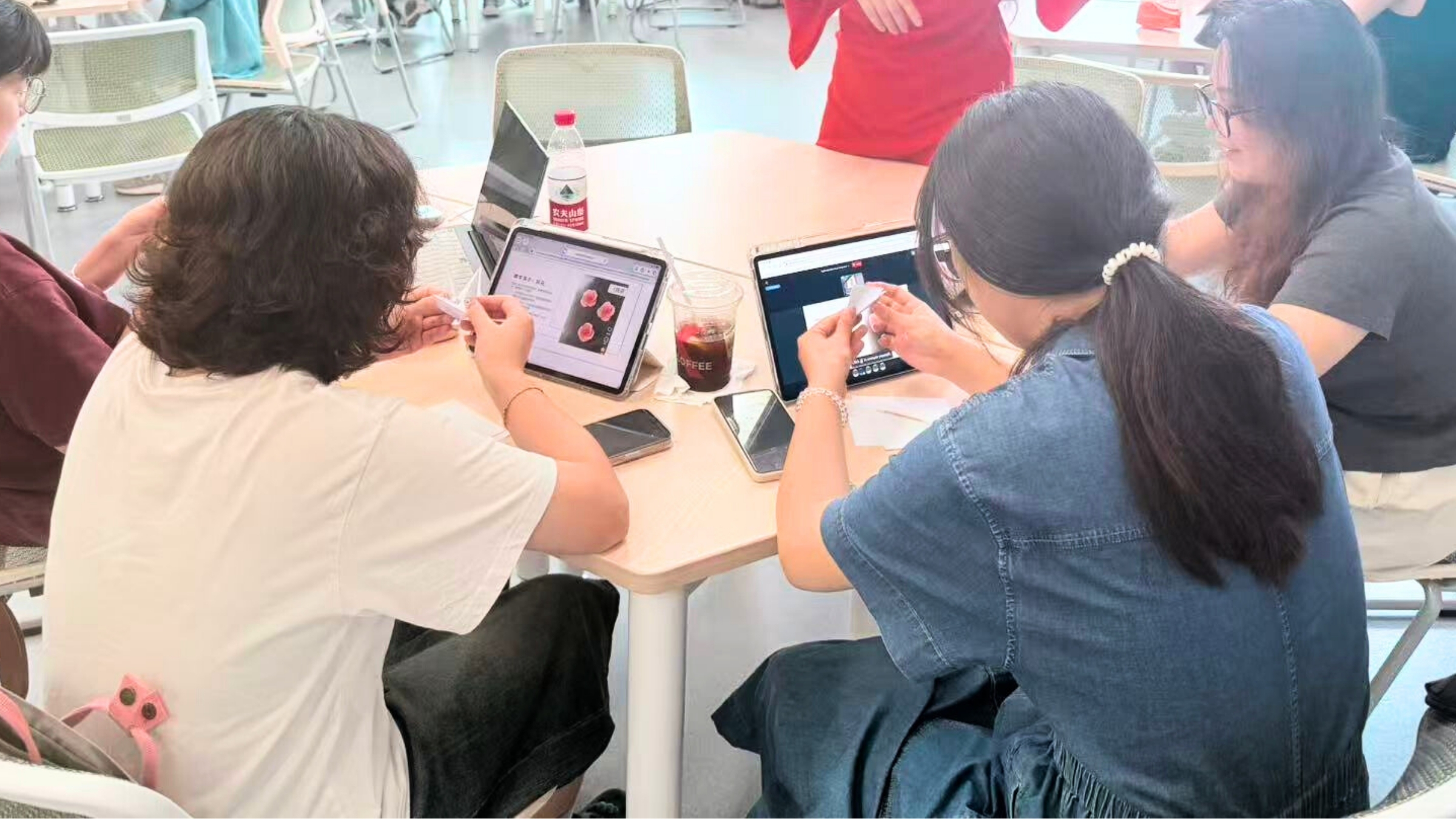
The MA Global Education is a project- and practice-based degree. Students work on real-world tasks, such as curriculum design, programme evaluation and learning solution development, in collaboration with partners from schools, educational institutions and industry. They build a portfolio of completed work alongside their studies.
Students can develop expertise in areas such as curriculum and instructional design, educational administration and management, and educational innovation. They can also explore emerging areas of education, including education in emergencies, digital learning and inclusive education.
Students learn from academic staff with experience in areas such as education reform, refugee education and advising government ministries. Their expertise provides students with insight into how issues of equity, sustainability, and social change can be addressed in education, and is supported by academic mentorship and access to professional networks.
Based in Suzhou, students gain an understanding of China’s education system and how it is shaped by policy, technology and culture. XJTLU’s international partnerships and English-medium instruction provide an international learning environment and expose students to different perspectives on education.