

-300x200.jpg)


2026年05月06日


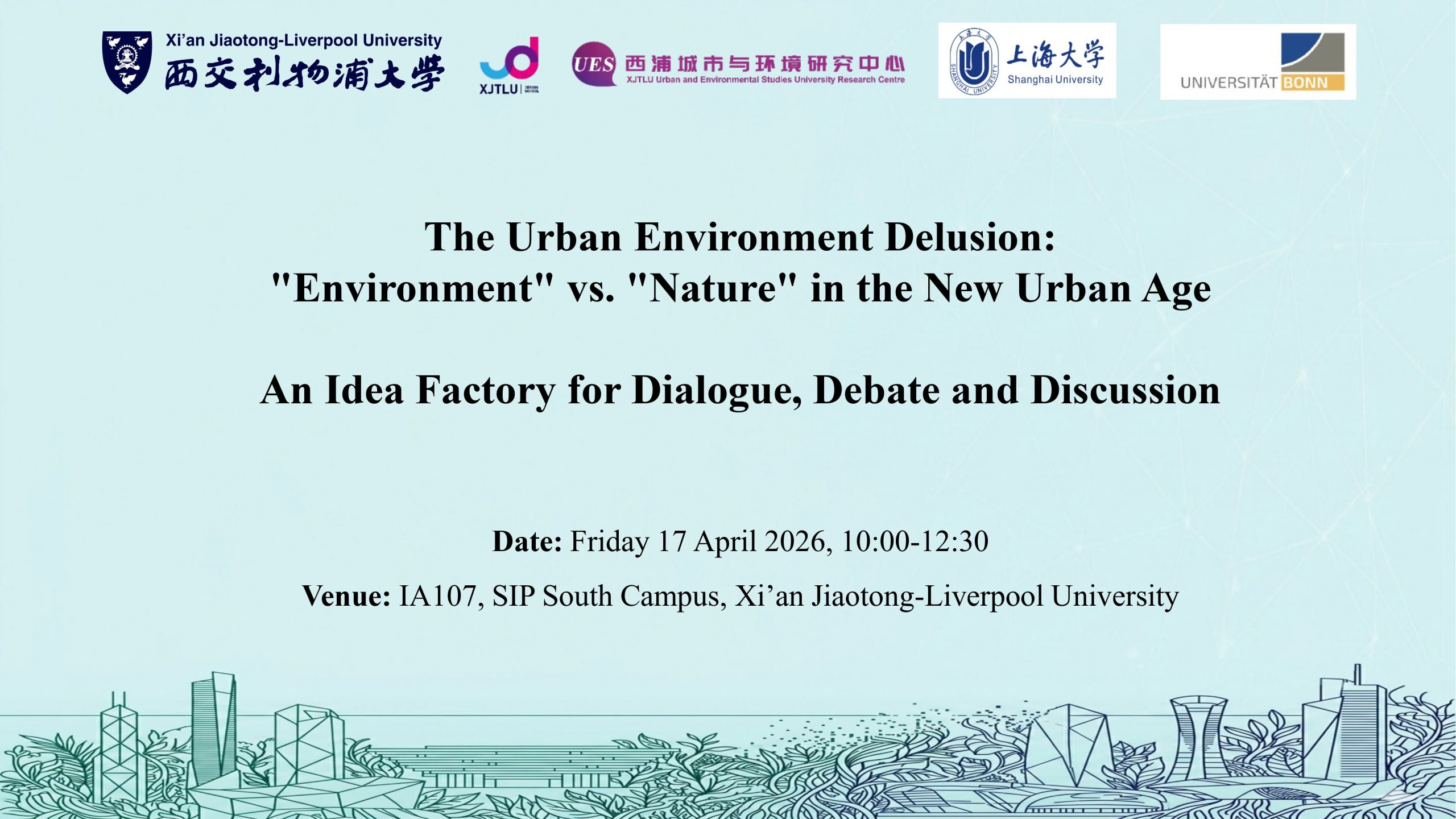
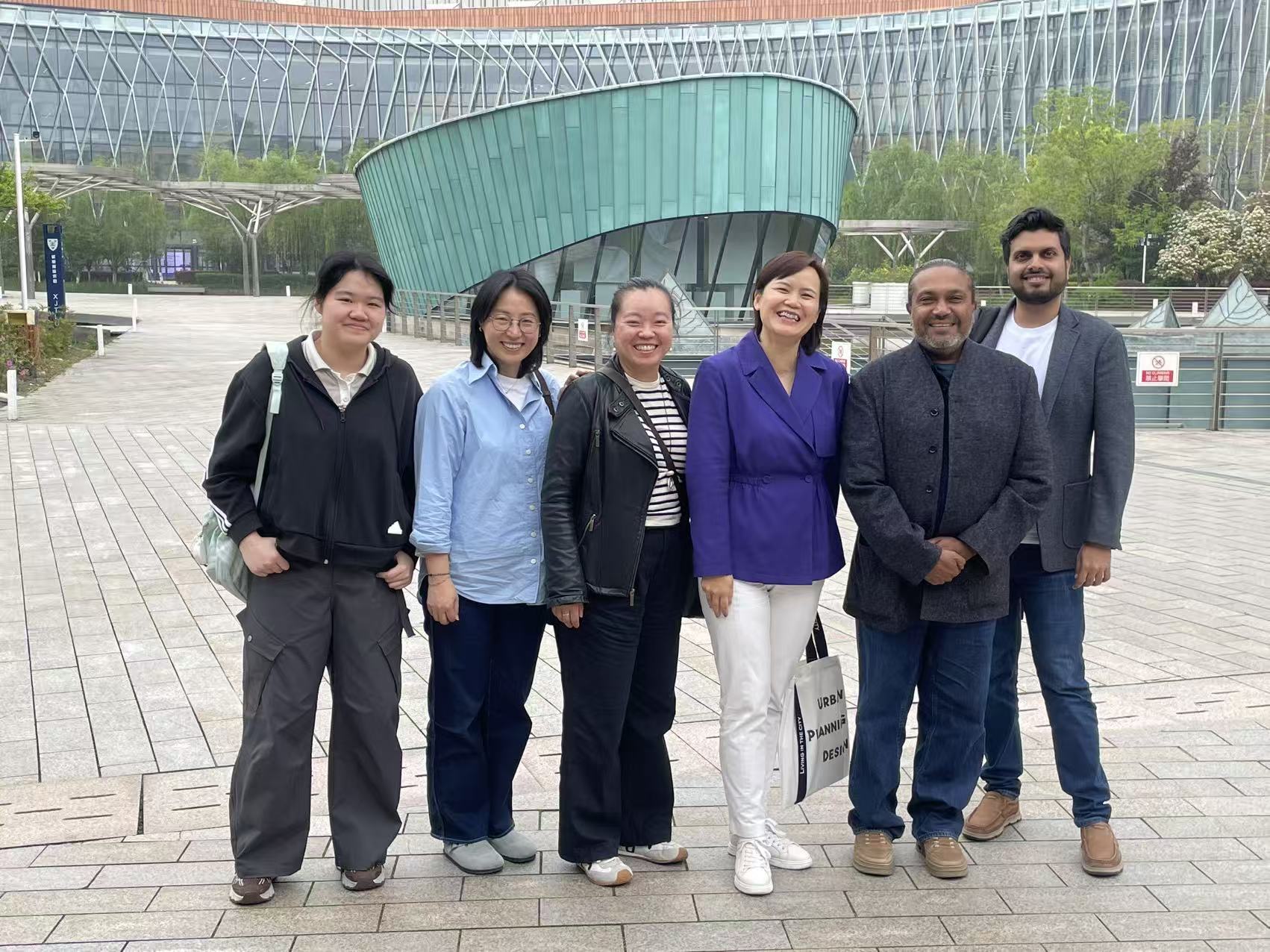
On 17 April 2026, the seminar jointly organised by the XJTLU Urban and Environmental Research Centre (UES) and the Shanghai University Research Centre for Health and Wellbeing, titled 'Dialogue between "Environment" and "Nature" in the New Era of Cities', was successfully held at the Industrial Park campus of XJTLU. The seminar took the form of a 'think tank', bringing together domestic and international scholars from interdisciplinary fields such as urban planning, public health, ecology, history, and medical humanities. Conducted both online and offline, it focused on topics including the relationship between humans and nature, systematic understanding of urban health, biodiversity conservation, the built environment and health behaviours, and philosophical reflections on systems thinking in urban governance, engaging in nearly three hours of in-depth interdisciplinary discussion.
The seminar mainly comprised keynote speeches and roundtable discussions, chaired by Dr Xu Yunqing, Director of the UES at XJTLU.
Thematic Sharing: Rethinking “Environment” and “Nature” from Multidimensional Perspectives
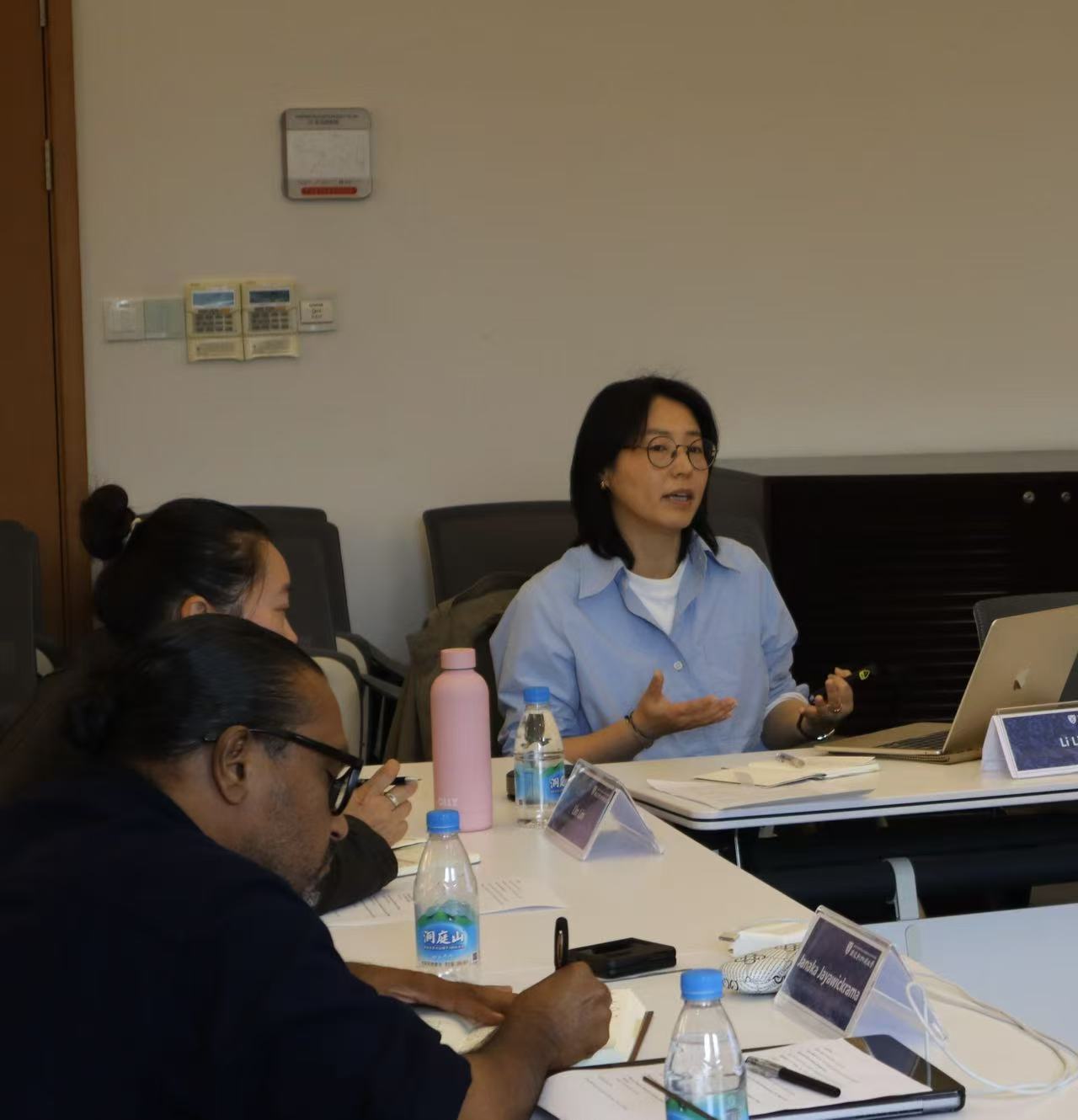
The seminar started with a perspective on the relationship between humans and nature, aiming to challenge the mechanistic paradigm that regards nature as a controllable 'environment', and instead to understand nature and urban health and wellbeing as emergent properties of complex adaptive systems. Dr Yunqing Xu from XJTLU pointed out that modern urban and environmental issues require interdisciplinary integration and system thinking. She illustrated this with several research and publication projects from the research center, including the 40-year overseas development evolution of Suzhou gardens, the successful application for the United Nations Sustainable Development exemplary case in the ecological restoration project of Zhangjiagang Bay, multi-stakeholder coordinated symbiosis in the Suzhou central city super complex, incentive-based urban renewal models, and the integrated development of overseas parks under the Belt and Road Initiative. These examples elucidate the Chinese wisdom of 'embedding in nature rather than conquering nature', the importance of environmental ethical consensus and education, the combination of symbiotic theory with urban complex systems, and the broad prospects for flexible planning and flexibility mechanisms.
Dr Li Li from XJTLU of Health and Environmental Sciences shared the latest research on the value of urban biodiversity. She used empirical data to show that bird species diversity is positively correlated with human physical and mental health outcomes, aligning with the 'One Health' framework. However, current conservation priorities are mainly determined by ecologists based on the IUCN endangered species criteria, ignoring the public's cultural preferences and relational values. Dr Li presented an urban bird hotspot map based on citizen science data from China's 'Bird Report' and found that major cities along the eastern coast have become biodiversity hotspots due to a combination of wealth and migratory bird routes. She suggested that future conservation frameworks should also incorporate public perspectives, reflect the cultural significance of species, and develop relational values between humans and wildlife.
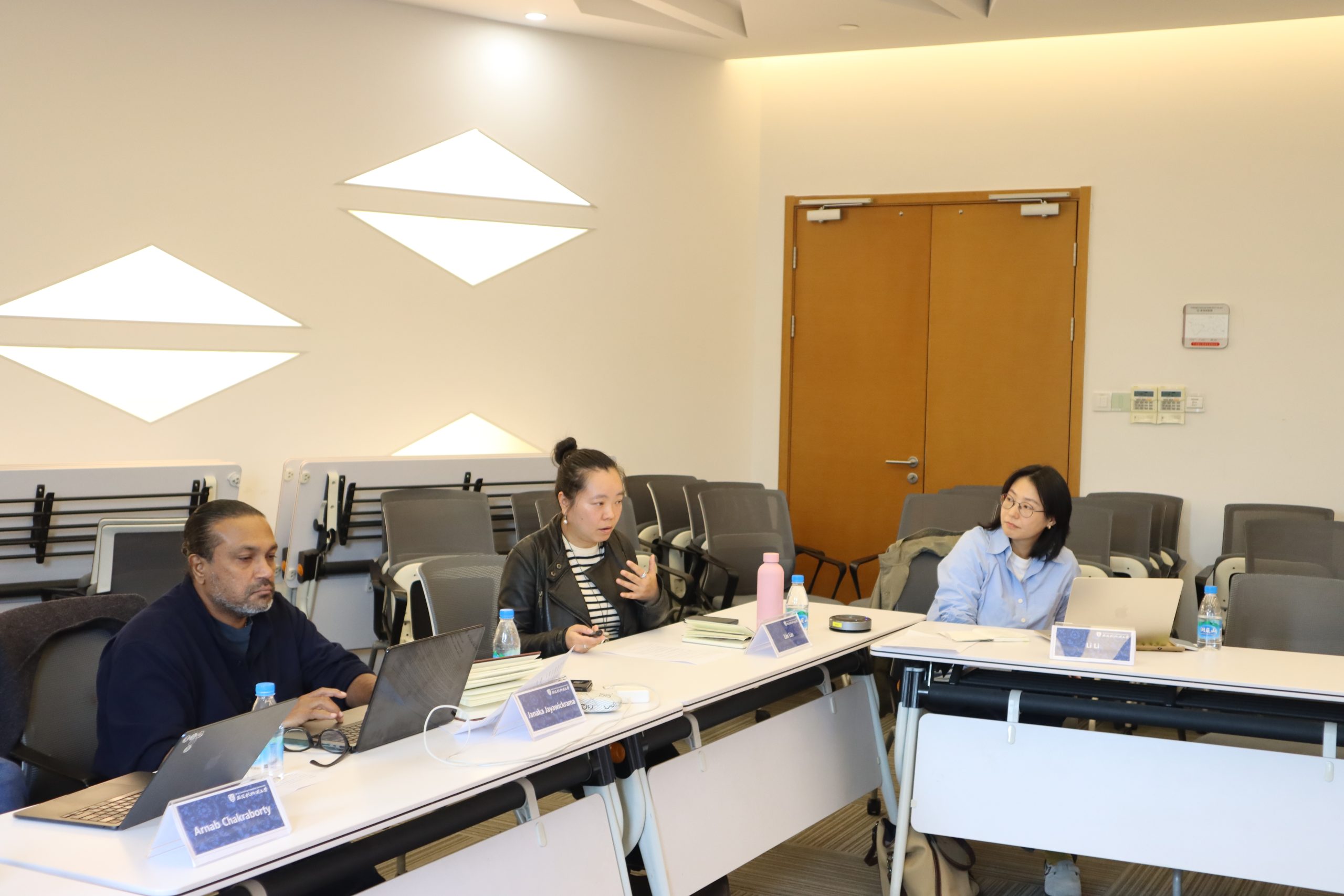
Dr Lin Lin from the School of Design at XJTLU focuses on the built environment and everyday health behaviours. She cited the latest research showing that environmental and lifestyle factors account for 70% of mortality risk, while genetics accounts for only 2%, providing strong evidence for environmental interventions. She shared the declining trend in cycling in Chinese cities, supported by data, as well as the direct association between takeaway consumption frequency and overweight and obesity. In the 15-minute community study, she emphasised the need to consider different minute-based catchment areas for different populations, such as residents of different ages, fitness levels and travel needs, like the elderly, children, and people with disabilities, who may require differentiated accessibility zones of 5, 10, or 20 minutes. She also found that not all facilities reduce activity space: public service facilities can promote walking, whereas commercial retail and green spaces do not. At the same time, ongoing urban pet research has revealed a contradiction between policy restrictions and actual commercial tolerance of pets, undermining the continuity of daily outdoor activities of residents, affecting positive interactions between people and the environment, and posing a hidden barrier to urban health promotion that cannot be ignored.
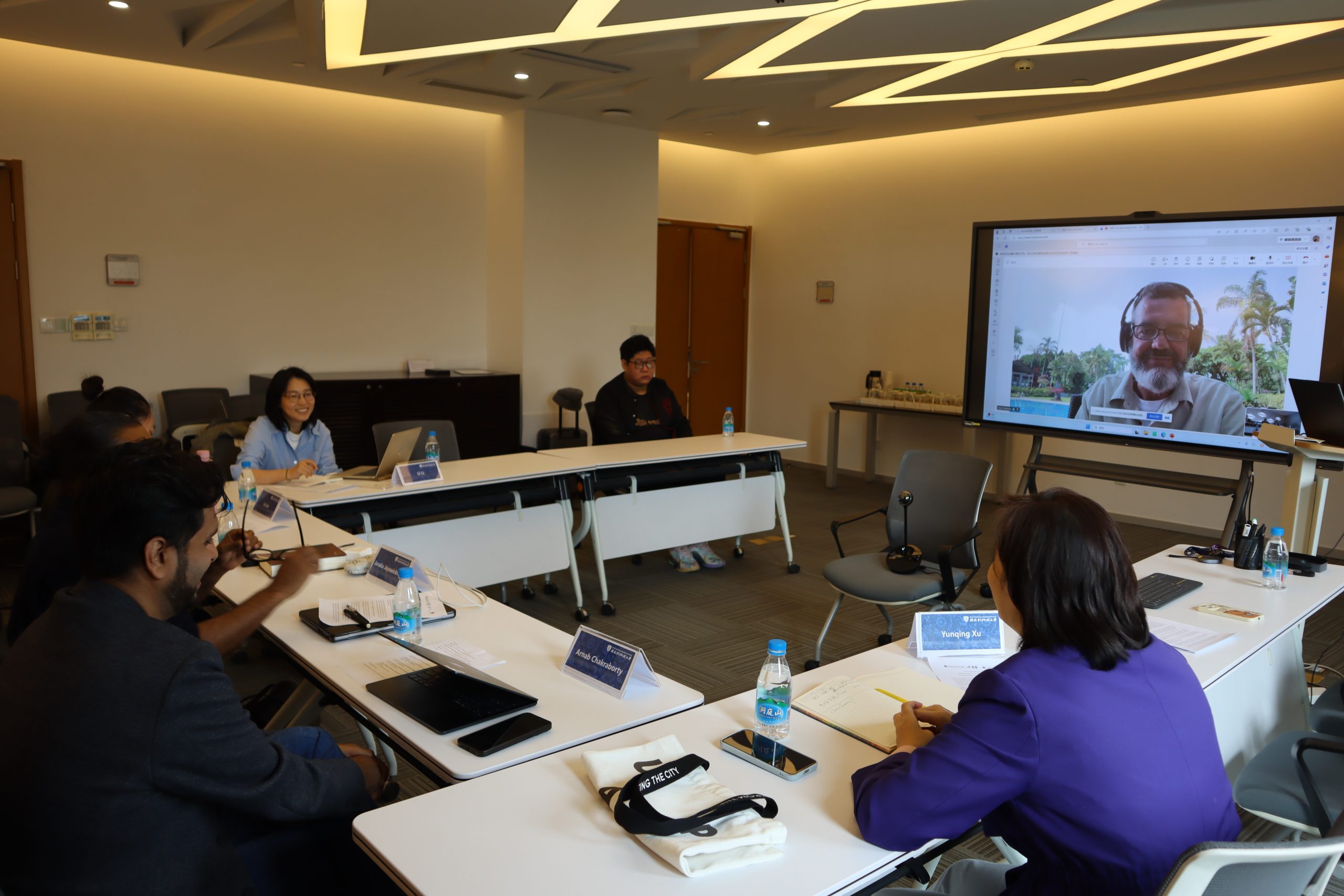
Dr Franz Gatzweiler, a senior researcher at the University of Bonn, Germany, delivered a lecture on 'A Systems Approach to Urban Health' online. He emphasised that cities are complex self-organising systems. Traditional positivism assumes that more data reduces uncertainty, whereas a complex systems perspective recognises fundamental uncertainty, requiring post-positivist methods, with knowledge always being provisional and the knowledge production process itself needing adaptability. He proposed that the health of urban systems should be understood as the capacity of cities to adapt, transform and build new capabilities, rather than a simple aggregation of resident health. Assessment indicators need to be adjusted according to the condition of city: growth-oriented cities focus on efficiency, pressure-type cities on vulnerability and resilience, and transformational cities on innovation and adaptability.
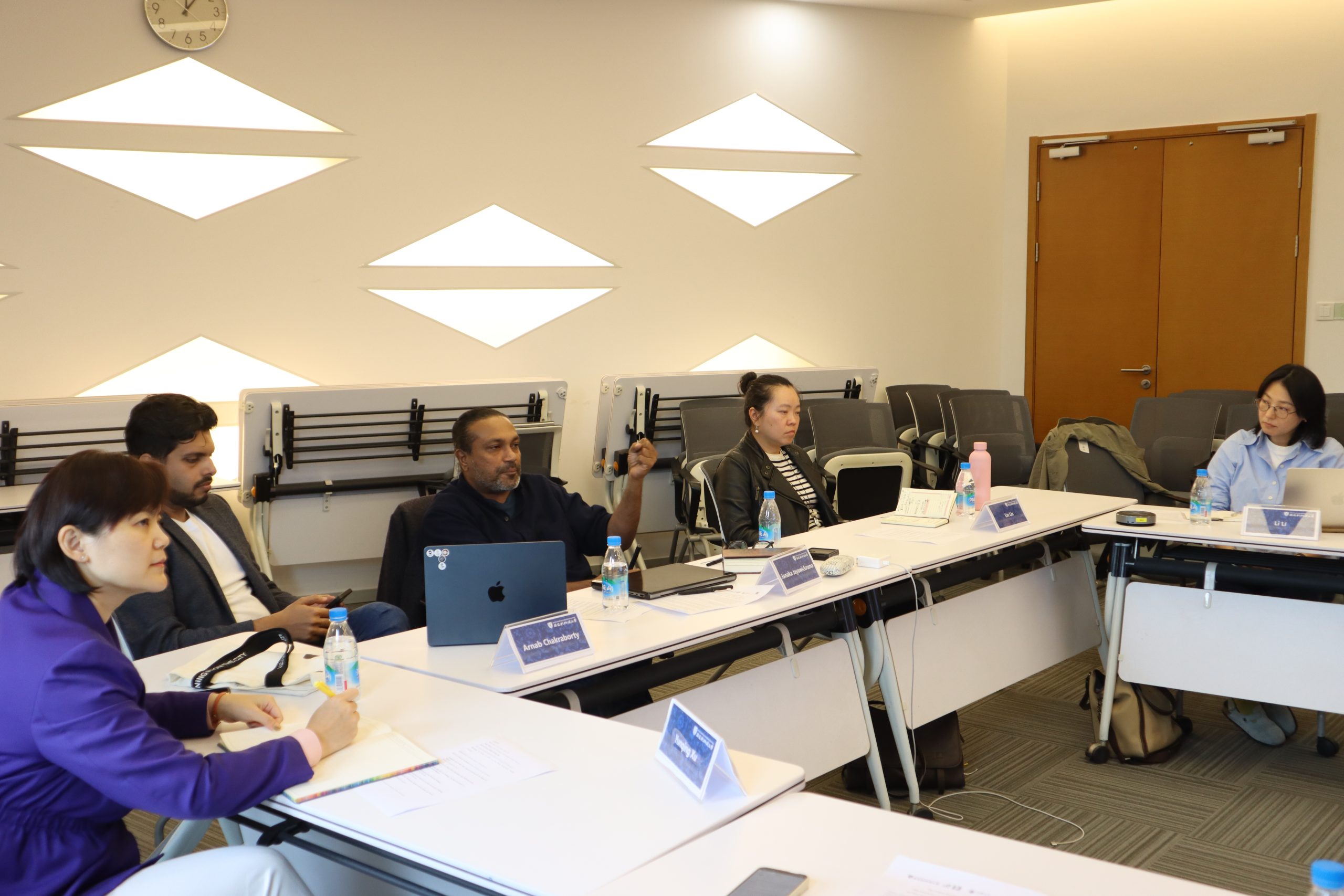
Dr Arnab Chakraborty from Shanghai University provides profound reflections from a historical perspective. He points out that current global policies regard urban nature as a health solution, but this understanding generally lacks historical depth. Taking 19th-century London as an example, parks were promoted as the "lungs of the city," yet access was limited by class, and benefits were unequally distributed. Similarly, contemporary urban forests and green corridors in Delhi exhibit spatial inequality, often displacing informal settlements. He calls for moving beyond purely technical approaches to consider issues of power, experience and justice: who benefits from urban nature? Who is included in the vision of a healthy city? Whose knowledge counts in defining well-being? A historical perspective reminds us that local residents' contextual knowledge is crucial for planning.
Professor Janaka Jayawickrama, Director of the Health and Wellbeing Research Centre at Shanghai University, delivered a lecture titled 'Nature as a Higher Authority: Harmonious Relationships between Humans and Natural Processes.' He pointed out from philosophical and historical perspectives that over the past 500 years, the development of capitalism has separated humans from nature, with cities enjoying natural benefits without following natural laws. Many cities are built in floodplains and suffer floods every year. He proposed a key distinction: nature is a higher-order governing process of the Earth, and all living and non-living things obey natural laws. The environment encompasses both the natural and the built environments, so "environmentally friendly" activities are not necessarily "nature-friendly," as exemplified by electric vehicles. He emphasised that Asian traditional philosophy has long understood the interconnectedness of all living and non-living things, considering humans as part of nature. Urban planning needs to place nature at its core, promoting cities that follow natural processes and ultimately achieve harmonious coexistence among humans, animals, and the environment.
Cross-Sectoral Dialogue: Building Consensus, Imagining Future Cities
In the thematic discussion session, the attending experts engaged in a lively discussion on topics such as urban resilience construction, the transferability of planning principles, public participation mechanisms, and urban-rural mobility. There was consensus that resilience cannot be artificially built from the top down but should grow naturally through local populations and relationships. There are no planning practices that can be directly transplanted, but common principles should be extracted and adjusted according to local contexts. The experts shared China's innovations in grassroots governance: 300 cities conduct a large-scale annual survey on residents' life satisfaction, mobile public feedback channels are open, and ordinary sanitation workers can become members of environmental committees, mechanisms that many Western countries do not yet have. The discussion also touched on contradictions between tourism development and local sustainability, differences in farmland protection practices, and common challenges in developing countries, such as political interference in planning. Participants suggested that cities need to be reclassified according to their systemic state, envisioning entirely new forms of future cities that can meet the needs of people of different ages, incorporate non-human life into the concept of community, and expand the unique charm of each city.
The seminar successfully established an interdisciplinary and cross-cultural dialogue platform in the form of a 'think tank'. Its in-depth reflection and open discussion not only stimulated the collision of diverse viewpoints but also provided practical insights for translating theoretical research into policy practice. The conference infused the study of urban health and human-nature relationships with historical depth, systems thinking, and philosophical reflection. Participating experts unanimously agreed that future urban development must go beyond a 'technical fix' mindset, re-establish the primacy of nature, and incorporate local knowledge, diverse values, and justice concerns into the core of governance. The seminar will continue to hold a series of dialogues and promote collaboration with international organisations such as the World Health Organisation and UN-Habitat, contributing to the transformation of global policy and practice.
2026年05月06日