




16 Jan 2026


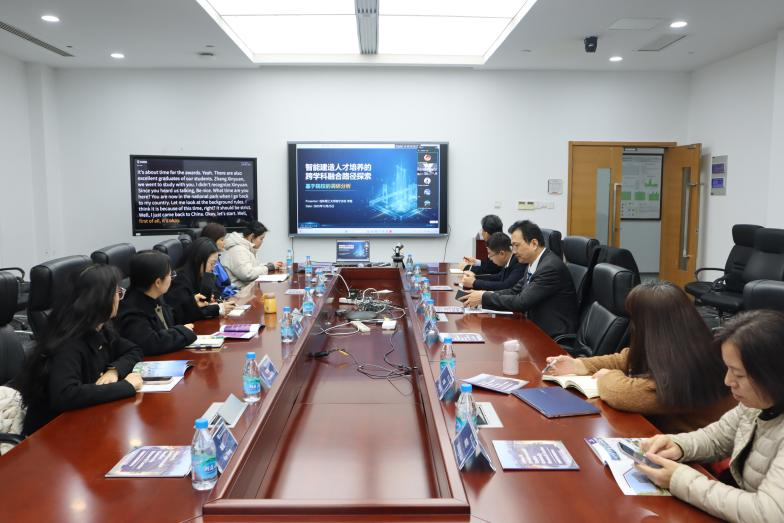
On December 24, 2025, the "Symposium on Sustainable Development of Overseas Industrial Parks and International-Localized Talent Cultivation," hosted by the Urban and Environmental Studies Research Center (UES) was successfully held at the SIP campus of XJTLU.
As one of the seven sub-venues of the China Construction Labor Society's 2025 Academic Symposium on Science-Education Integration Promoting High-Quality Development of Housing, Urban and Rural Construction, this event gathered over twenty experts, scholars, and industry leaders from diverse fields including the Chinese Academy of Sciences, renowned universities, large central state-owned enterprises, specialized law firms, and industry associations.
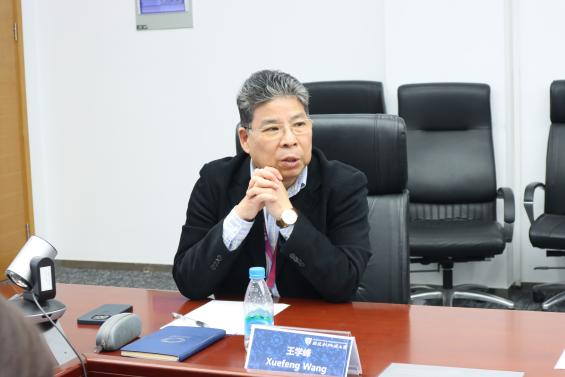
Focusing on the sustainable development pathways of overseas parks—a key vehicle for Chinese enterprises expanding globally under the deepening Belt and Road Initiative—along with the closely related critical issue of cultivating internationally competent talents, the participants engaged in in-depth and constructive discussions. The symposium featured three main segments: project presentations, keynote speeches, and a roundtable discussion, chaired by Dr. Xuefeng Wang from the Department of Urban Planning and Design.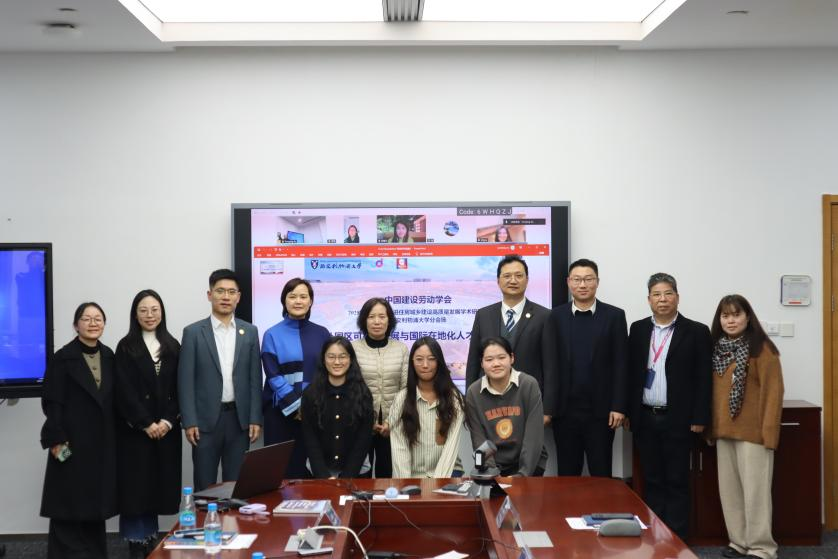
Project Reporting: Revealing Systemic Transformation in Talent Cultivation
At the outset of the symposium, two project presentations commissioned by the 2025 Construction Labor Institute laid the groundwork for the discussions.
Senior Engineer Yan Li from Guilin University of Technology shared progress from the project "Exploring Interdisciplinary Integration Pathways for Smart Construction Talent Cultivation."
She pointed out that smart construction represents a systemic transformation for the construction industry, with current talent cultivation facing three major challenges: disciplinary barriers, disconnection between industry and education, and rapid technological iteration. She innovatively proposed systematic solutions including constructing a "foundation-integration-application" three-tiered curriculum framework, promoting a "double helix" industry-education integration model, fostering interdisciplinary restructuring of teaching staff, and building scenario-based experimental platforms. She emphasized that the core of talent cultivation lies in "capability restructuring" rather than the simple addition of knowledge.
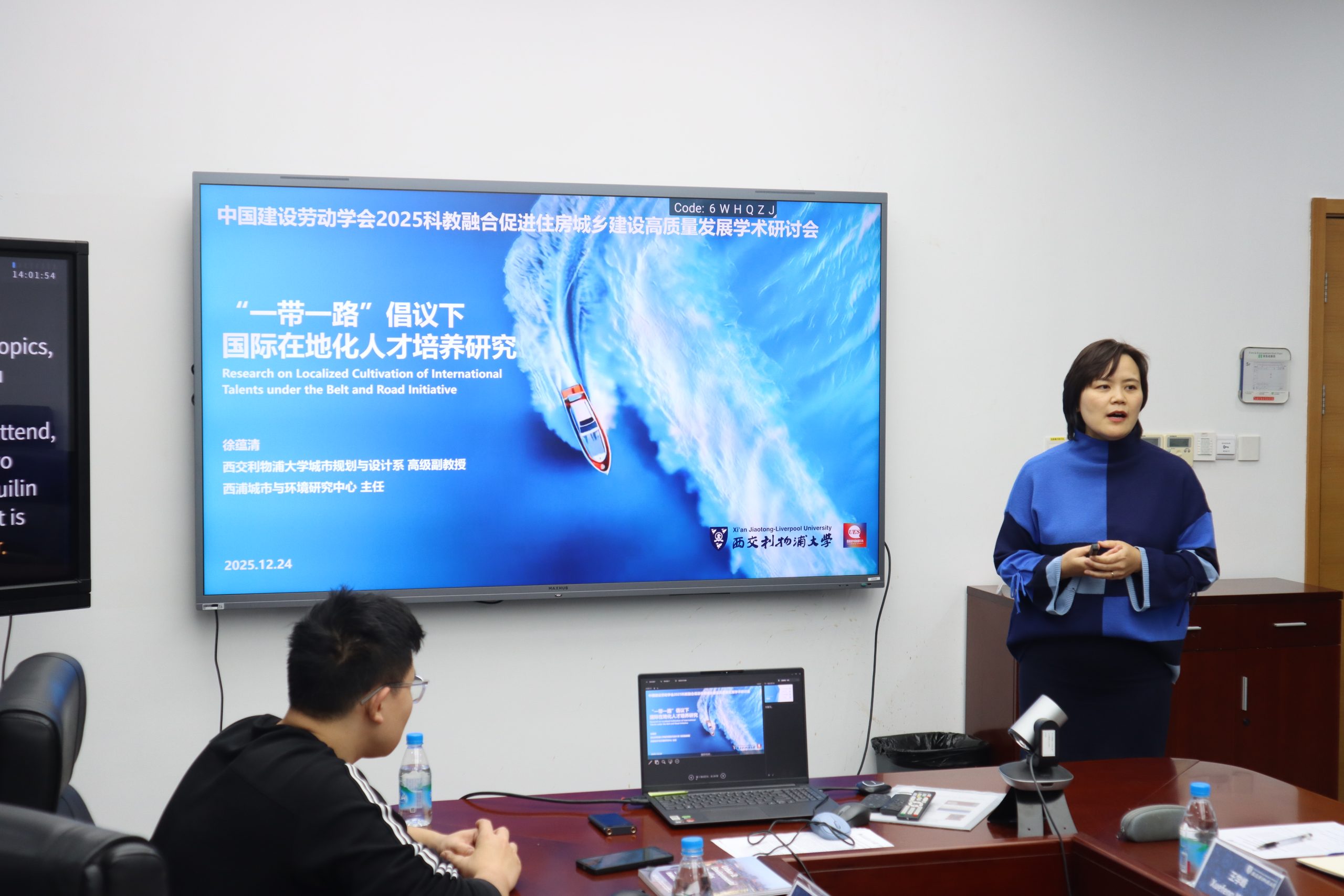
Dr. Yunqing Xu, Director of the XJLU Centre for Urban and Environmental Studies, presented the research design and progress of the project titled "Research on International-Localised Talent Cultivation under the Belt and Road Initiative."
She emphasized that as the Belt and Road Initiative advances into a phase characterized by high quality, sustainability, and public benefit, overseas industrial parks—integrating infrastructure and industrial cooperation—are increasingly important as comprehensive platforms. However, she noted a significant shortage of interdisciplinary and compound talents in relevant fields.
Dr. Yunqing Xu proposed a "dual helix" talent cultivation model integrated with five key dimensions, which values both international perspectives with on-the-ground experience. She advocated leveraging the three decades of development and international cooperation experience of the Suzhou Industrial Park as a living scene and knowledge base, aiming to explore a replicable, adaptable, and practical new paradigm for international-localized talent cultivation through collaboration with diverse stakeholders, for both the domestic and international.
Keynote Speeches: Multidimensional Perspectives on Core Challenges and Responses in Overseas Practice
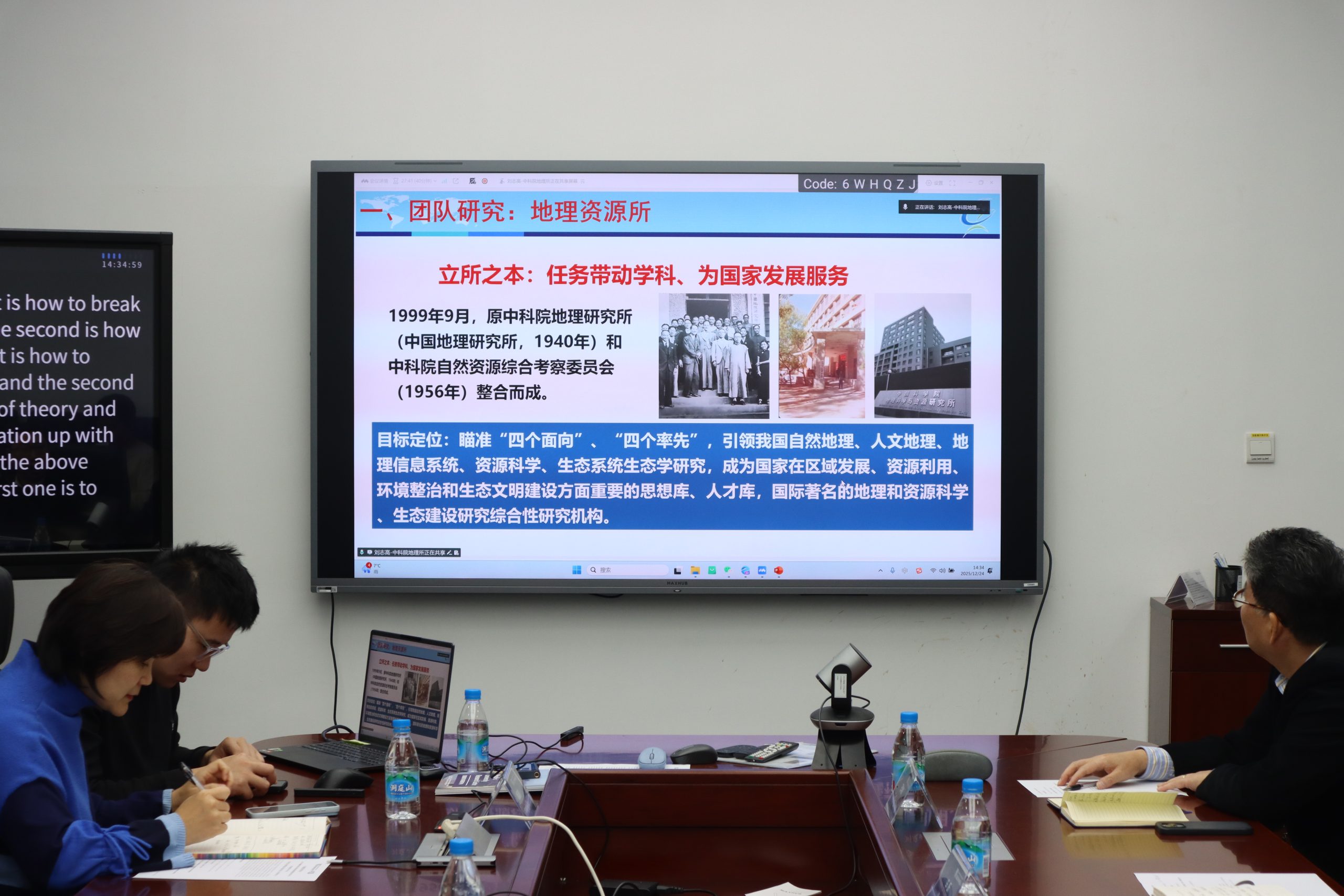
During the keynote speech segment, three guests from research, enterprise, and international academia provided highly insightful perspectives.
Zhigao Liu from the Institute of Geographic Sciences and Natural Resources Research, Chinese Academy of Sciences, outlined the macro landscape of China's overseas industrial parks based on his team's long-term field research in over twenty Belt and Road countries.
He stressed that the success of these parks depends not only on their own construction but also on their ability to effectively integrate into global and regional connectivity networks. Through positive and negative case studies, such as the Indonesia Tsingshan Park and Georgia Hualing Park, he vividly illustrated the profound impact of factors like geopolitics, host country governance structures, and local interest coordination on the sustainable development of the parks. He indicated that deepening country-specific research and understanding the local real-world ecology are prerequisites for risk mitigation and achieving long-term development.
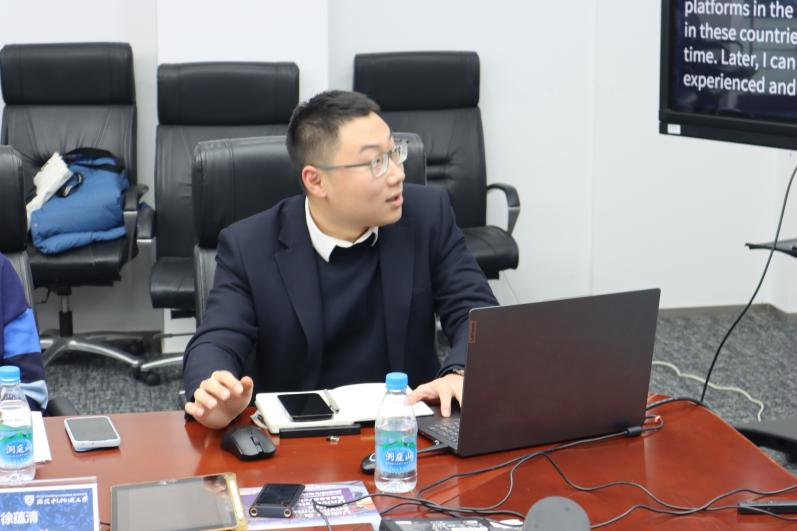
Senior Manager Yue Che from the Market Department of China State Construction International (Urban Construction) Co., Ltd., shared extensive experience from the frontline practice of the world's largest investment and construction group regarding promoting overseas localization and cultural integration.
He systematically introduced a series of innovative measures, including compiling country-specific cultural integration manuals, establishing "Luban Workshops" in countries like Egypt to train local industrial workers, publishing multilingual social responsibility reports, and exploring the establishment of localized companies managed entirely by foreign employees. Manager Che frankly stated that, facing the reality of high costs associated with dispatching Chinese staff, vigorously cultivating and effectively utilizing localized talent has become an inevitable strategy. However, how to enhance the per capita efficiency of localized teams remains a management challenge requiring continuous exploration.
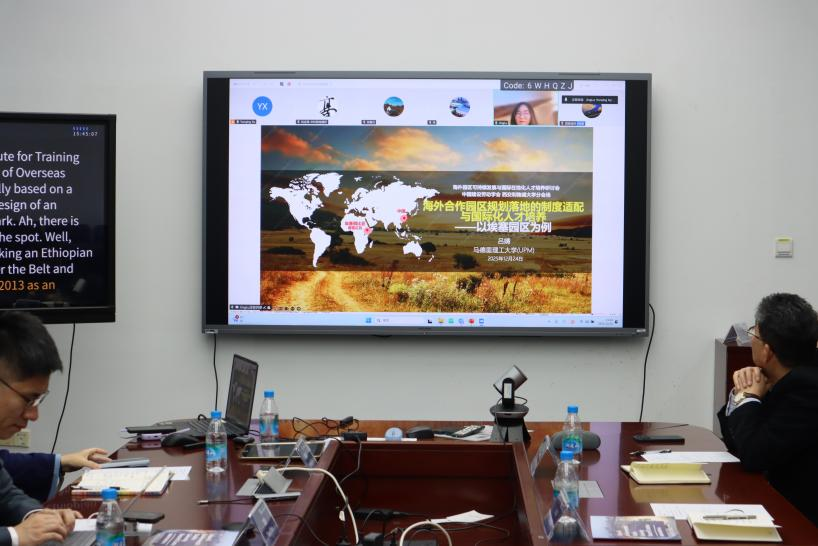
Dr. Jing Lv from the Polytechnic University of Madrid, Spain, delivered a profound "academic reflection" using the deeply involved international project of planning the Dire Dawa Economic Zone in Ethiopia as a case study.
She clearly revealed the "institutional friction" between China's centralized, goal-oriented planning system and Ethiopia's decentralized, procedurally rational planning system, noting that this difference in underlying logic led to severe initial project hindrances. Dr. Lv emphasized that the planning and construction of overseas industrial parks is by no means a mere technical export; it is essentially a complex process of "institutional interface" alignment. Accordingly, she proposed that talent for the new era must possess five core competencies: institutional and procedural literacy, multi-stakeholder negotiation, adaptive planning, cross-cultural collaborative learning, and political risk resilience.
Cross-Sector Dialogue: Building Consensus, Co-nurturing the Ecosystem
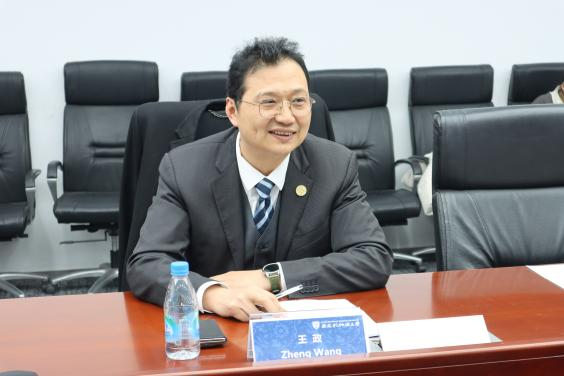
During the thematic discussion session, Lawyer Zheng Wang from Beijing Huicheng Law Firm, from a legal compliance perspective, incisively pointed out that enterprises going global must strictly adhere to the twelve-character principle: "able to go out, stay, earn, and return." He emphasized that cross-border data flow, ESG standards, and anti-foreign corruption are "compliance red lines" that must be highly prioritized. He strongly advocated for university-enterprise collaboration in developing practical legal training courses.
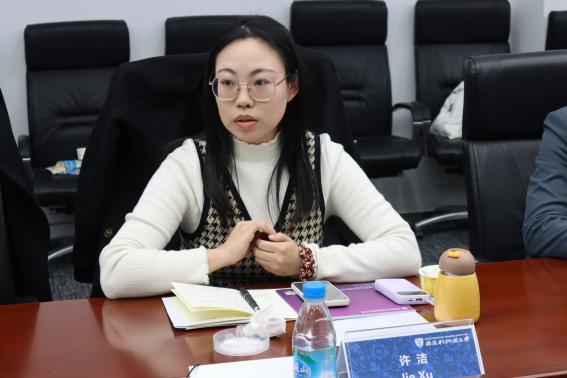
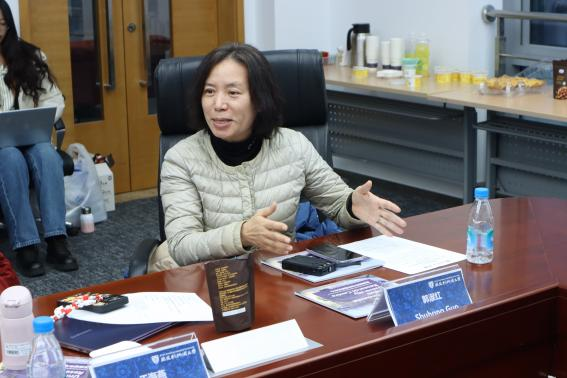
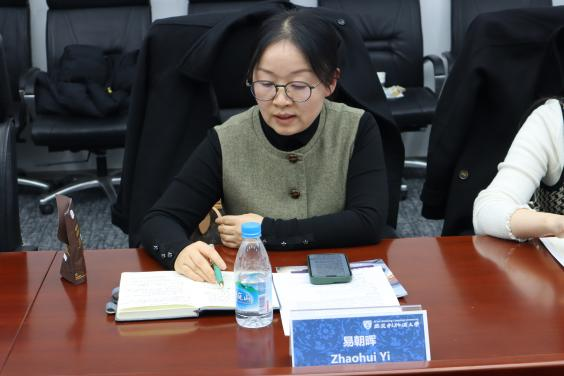
Jie Xu from the Suzhou Industrial Park Party School shared innovations in the park's cadre international competency training and international talent introduction policies, such as the "International Professional Qualification Comparative Recognition" and the flexible talent introduction "Seagull Program." Professor Shuhong Guo from Dalian University of Technology introduced the university's successful model of "industry-university-research-application" collaboration with Belarusian State University through jointly established colleges, shared laboratories, and internship bases at the China-Belarus Industrial Park. A representative from SC Planning proposed a "reverse cultivation" approach, where enterprises going global commission domestic universities to train students from host countries, thereby building a reserve of localized core personnel.
Yuan Shen, Secretary-General of the Suzhou Industrial Park Development Promotion Association, pointed out that going global has shifted from an "option" to a "necessity" for enterprises, with industrial parks serving as the optimal platform for "going global in groups."
He revealed that Suzhou Municipality is actively building the first city-level "Enterprise Global Expansion Service Center" nationwide, aiming to integrate resources from government, associations, enterprises, universities, and professional service institutions to create a comprehensive ecosystem empowering enterprises' global expansion. The next steps will involve collaborative efforts to advance initiatives such as intensive training camps for global expansion talent, segmented country-specific industrial park research, and compiling a practical "Q&A Guide for Enterprise Global Expansion" to promote the orderly and effective dissemination of advanced experiences from places like Suzhou Industrial Park.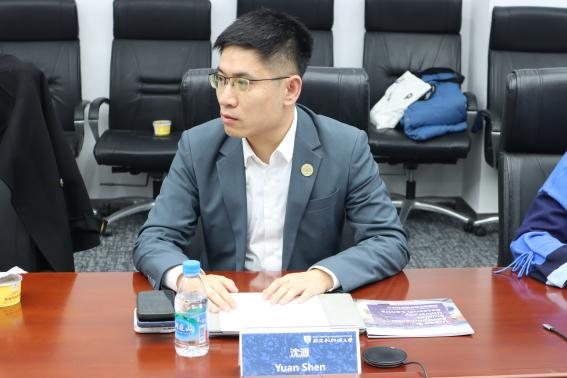
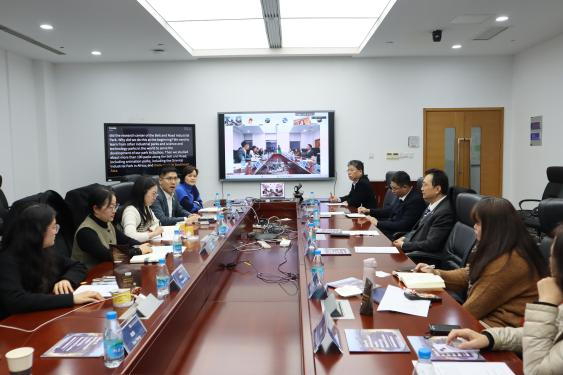
This symposium successfully established a high-level dialogue platform spanning disciplines, industries, and regions.
Participants unanimously agreed that the key to promoting high-quality, sustainable development of overseas industrial parks lies in resolving the bottleneck of shortage in interdisciplinary talent with both international and local expertise. Moving forward, only by deepening industry-education integration, promoting interdisciplinary collaboration, innovating cultivation models, and building collaborative ecosystems can we cultivate the next generation of talents truly capable of navigating complex international environments and fostering win-win cooperation. Thereby, it lays a solid talent foundation for the steady and sustainable development of the Belt and Road cooperation.
16 Jan 2026