




AI-Robotic Scientist Lab opens: Exploring a new paradigm of AI-driven scientific discovery

06 Feb 2026


On 28 January, Xi’an Jiaotong-Liverpool University opened its AI-Robotic Scientist Lab at the Science Building on the University’s Central Campus.
Focusing on the integration of artificial intelligence, robotics and scientific discovery, the lab is centred on a closed-loop “self-driving lab” that couples an autonomous AI scientist system (for hypothesis generation, experiment design and data analysis) with a high-throughput robotic experimental platform (for automated, large-scale experimental execution and measurement).In collaboration with the University of Science and Technology of China (USTC), it aims to build intelligent, automated research infrastructure for the future.
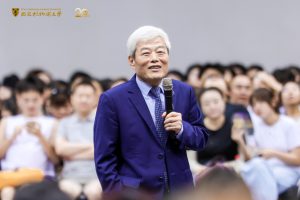
In his opening speech, Professor Youmin Xi, Executive President of XJTLU, said he hoped the new lab would serve as a platform to bring together global wisdom and address the challenges of our time. He encouraged the researchers to innovate boldly while staying grounded, uphold human values, and guide the development of AI and robotics towards a more human-centred and meaningful direction that contributes to social progress.
He noted that AI and robotics technologies are evolving at unprecedented speed, bringing both opportunities and challenges. He posed the question: how can humans and AI collaborate effectively?
The aim is to combine human wisdom shaped by life experience, culture and imagination with machines’ advantages in accurate calculation, massive storage and rapid iteration, to form a higher level of wisdom where one plus one becomes more than two.
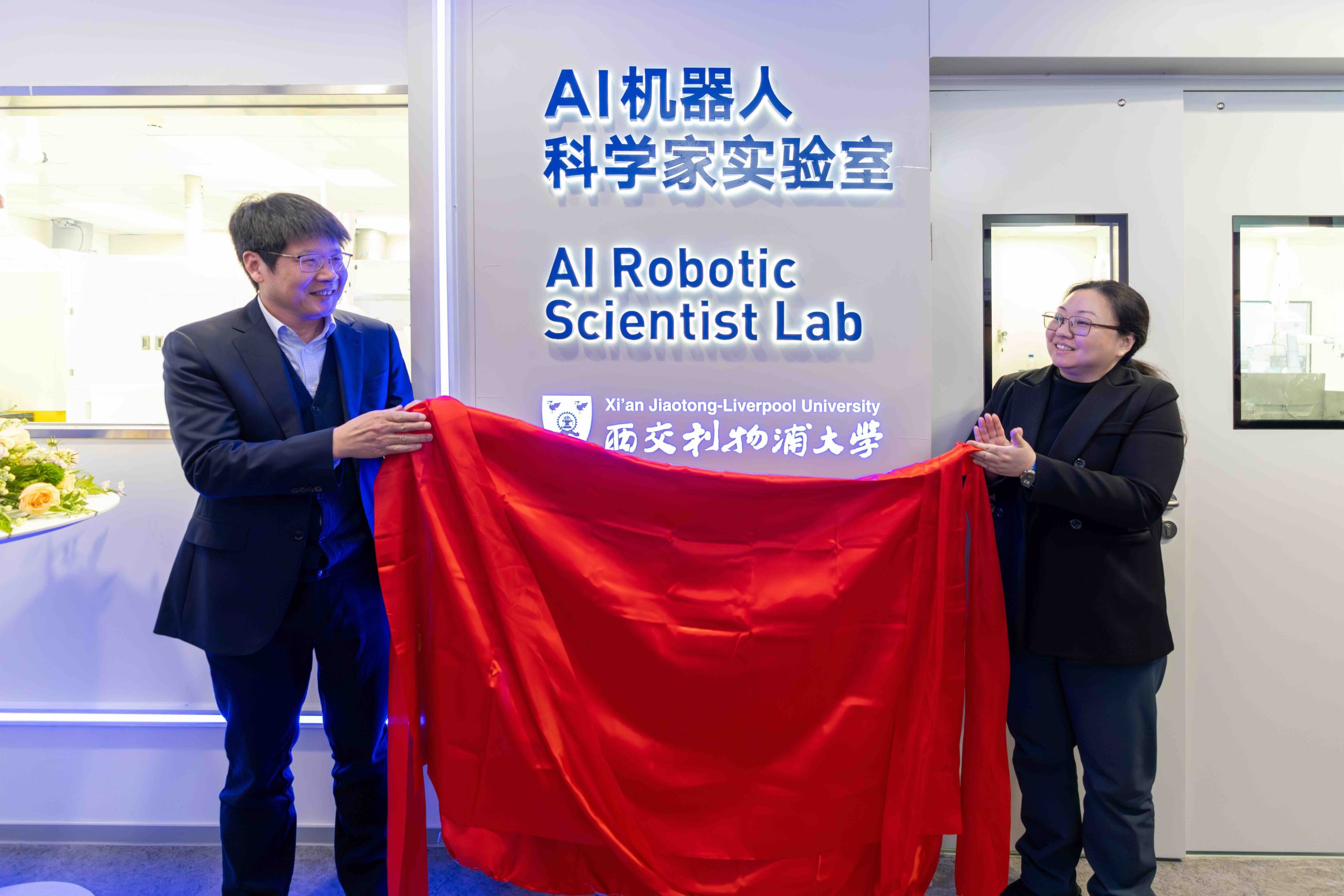
Professor Zhoulin Ruan (left), Vice President of XJTLU, and Jiwen Li (right), Deputy Director of the Science and Technology Innovation Commission of Suzhou Industrial Park, jointly unveiled the laboratory.
Professor John Moraros, Dean of the School of Science, said: “This innovative and world-leading initiative started as a consequence of the broader framework of operations of the Advanced Materials Research Centre (AMRC) at XJTLU. It was shaped and developed through many brainstorming sessions, extensive discussions and collaborative opportunities with our friends and colleagues from the USTC.”
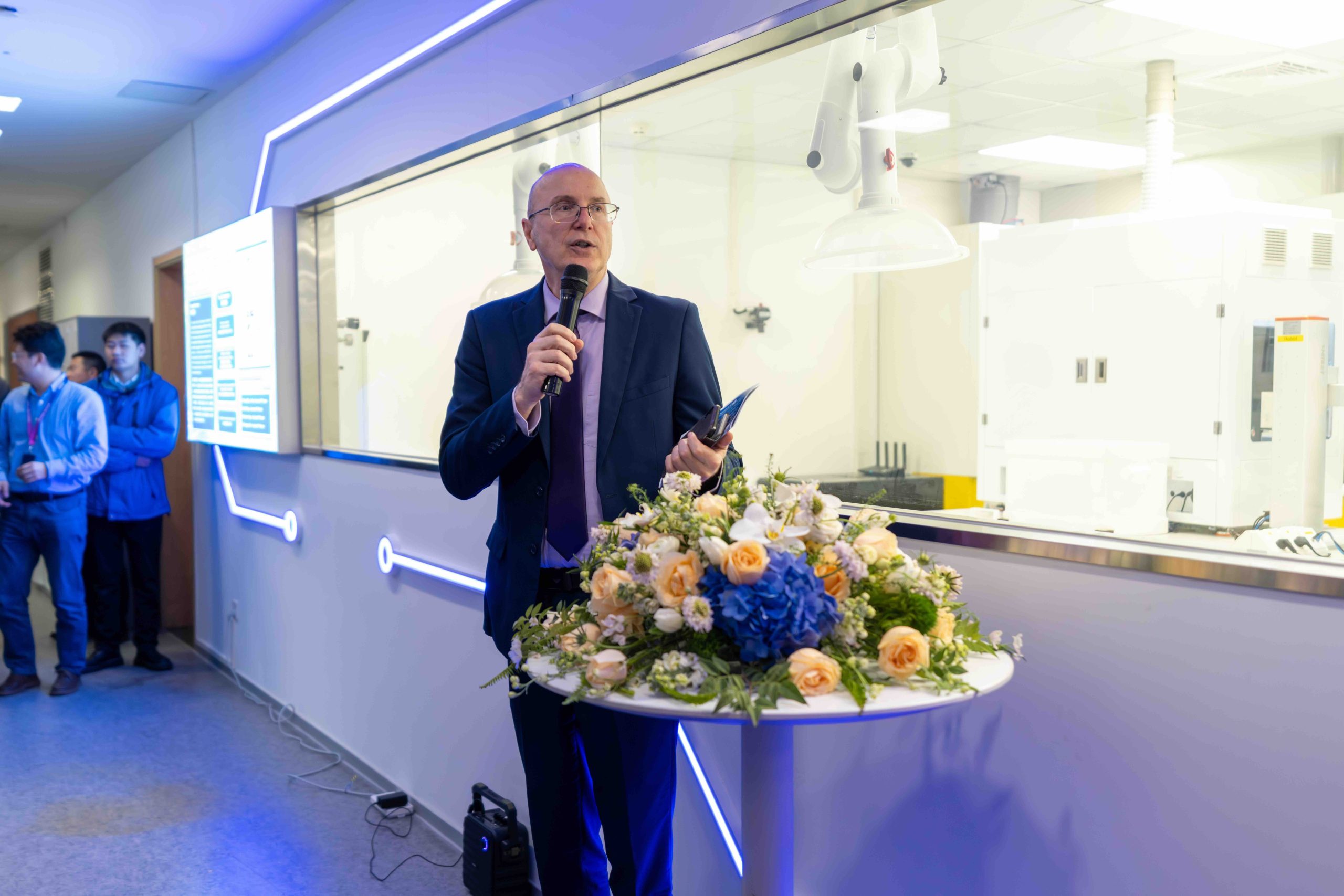
Professor John Moraros, Dean of the School of Science
The AI-Robotic Scientist Lab is built on the integrated capabilities of an autonomous AI scientist system (for experiment planning and data analysis) and a high-throughput robotic experimental platform (for automated, large-scale experimentation).
It features three key platform capabilities:
Full-process automation, forming a closed loop that connects hypothesis generation, experiment design, robotic execution, and data analysis;
Digital twin simulation, allowing for pre-screening of experimental plans in a virtual environment to improve success rates; and
Repeatability and scalability, using standardised operations to reduce human error and support 24/7 parallel experiments, significantly increasing efficiency.
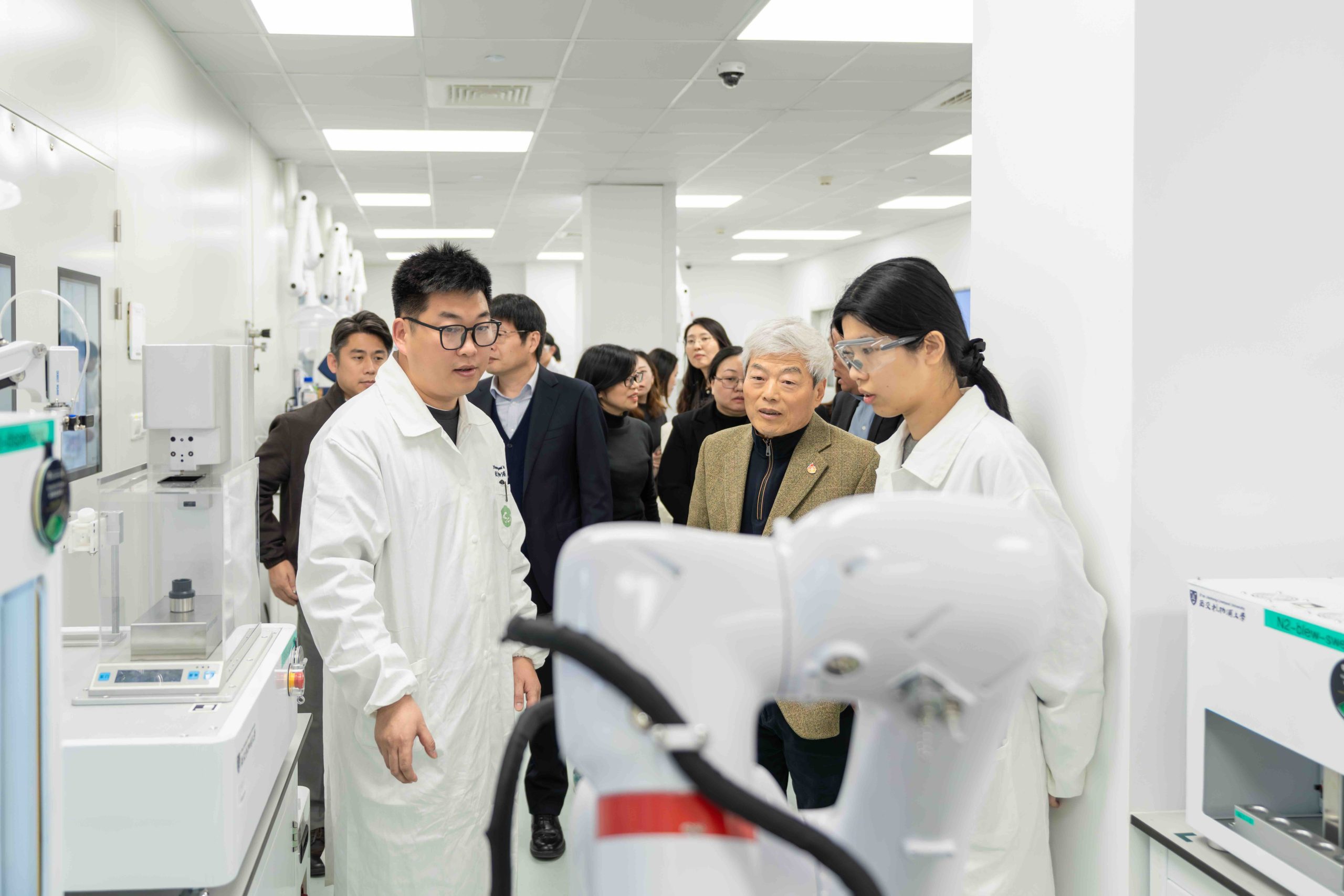
In addition, the platform connects each experimental workstation via a central software system, ensuring full-lifecycle data recording and traceability to support the accumulation of high-quality data and model iteration.
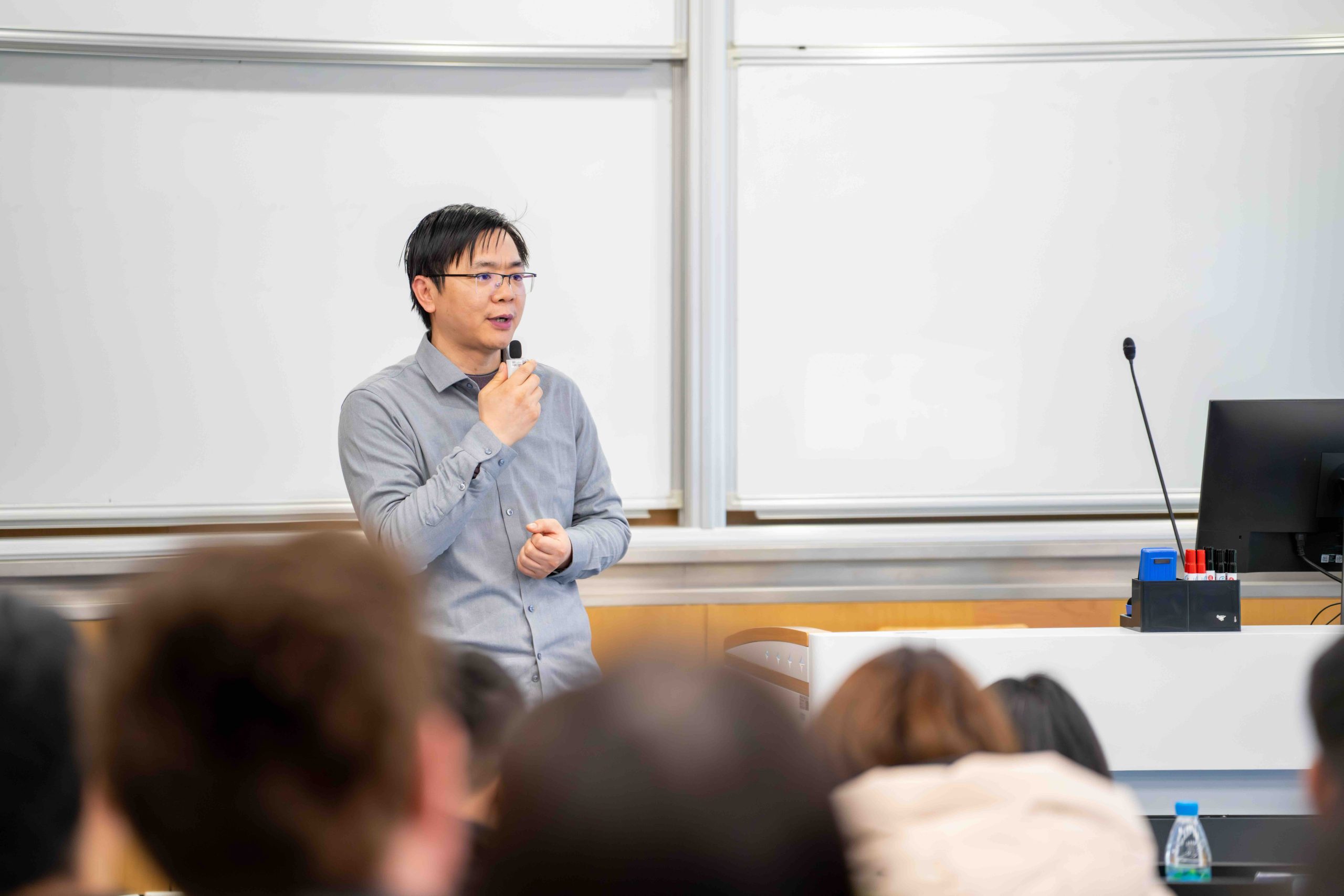
Dr Lifeng Ding, Acting Head of the Department of Chemistry and Materials Science and Director of the AI-Robotic Scientist Lab, explained that high-quality data is a key to AI-driven scientific research. However, conventional experiments often rely on small-scale trial and error by humans, making it difficult to scale and prone to information silos.
“The core strength of the lab is that machines are not just ‘doing experiments’, they participate in the entire research cycle. This represents a shift from human-driven experimentation to a new paradigm of AI-driven scientific discovery,” he said.
The lab will also be used for talent development and research training. Dr Ding shared that the platform is already being integrated into undergraduate final year projects and into Master’s and PhD research, with a focus on cultivating AI-driven research mindsets, automated experiment design capabilities, and interdisciplinary collaboration skills.
In the future, the AI-Robotic Scientist Lab will expand cooperation with enterprises, universities and research institutions, as well as local governments and industry parks. Focus areas will include rapid prototype validation and customised material development, AI science infrastructure and methodology, and technology transfer platforms and regional innovation ecosystem development.
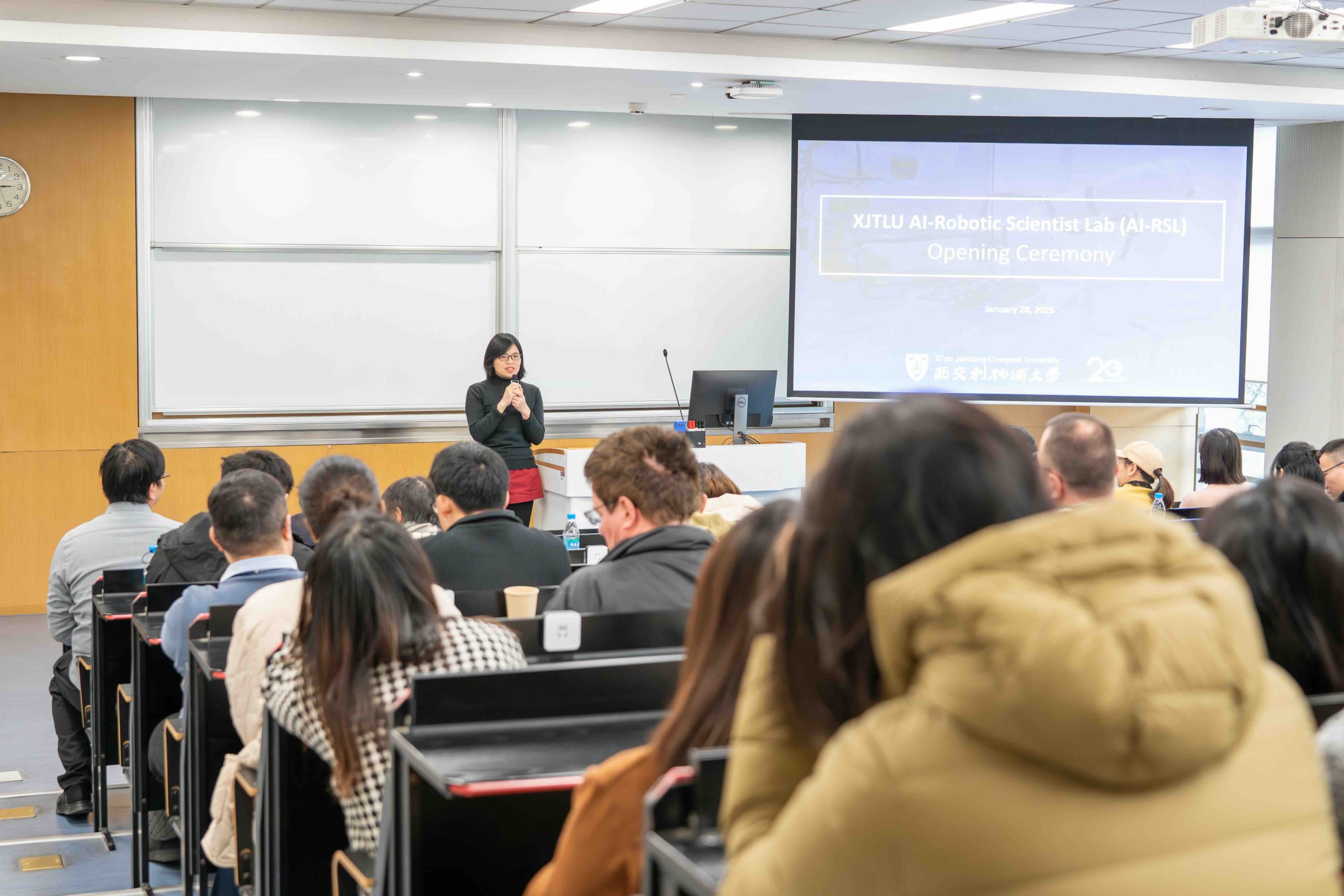
Professor Li Yang, Associate Dean of Research and Impact at the School of Science and Director of the AMRC, said: “By inviting more colleagues and students to join the lab’s development and research, and leveraging our existing advanced facilities to explore cutting-edge algorithms, we hope to further enhance and expand the lab’s capabilities. We also aim to deepen collaboration with the USTC team and strive for more breakthrough achievements.”
Other attendees at the ceremony included Professor Zhoulin Ruan and Dr Yimin Ding, Vice Presidents of XJTLU; Jiwen Li, Deputy Director of the Science and Technology Innovation Commission of Suzhou Industrial Park; Kaizhou Zhang, Production Director at the Baosheng (Suzhou) Energy Technology Co., Ltd.; Pengfei Wang, Head of the Development Planning Division and Future Industry Think Tank at the Gusu Laboratory; Chaoqun Dong, Director of the Materials Division of the Yangtze River Delta National Technology Innovation Centre; and Dr Xuan Zhang from the Suzhou Institute of Nano-Tech and Nano-Bionics, Chinese Academy of Sciences.
By Luyao Wang
Edited by Patricia Pieterse
06 Feb 2026