




06 Feb 2026


Recently, the project “The Reconstruction and Renewal of Cultural Spaces: Sustainable Approaches to the Ecological, Social and Cultural Challenges of Tongariro National Park”, co-developed by Hangyu Li, a Year-4 student from the Department of Urban Planning and Design (UPD) at XJTLU Design School, has achieved awards in both international and national design competitions.
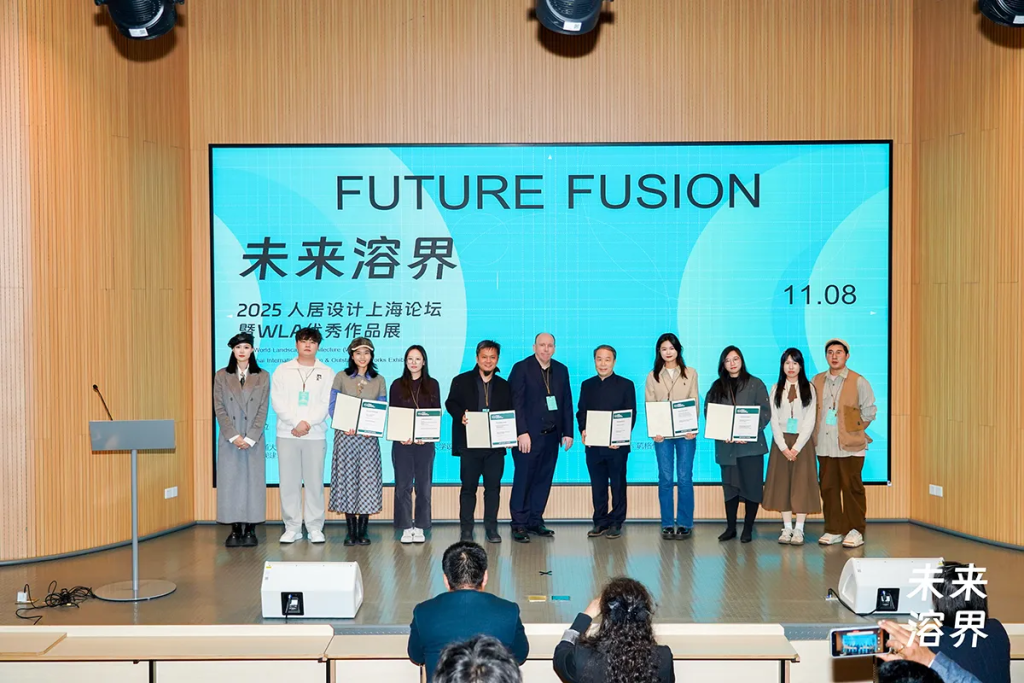
With its profound insights into ecological and social balance, the project secured the Outstanding Award of the WLA Student Award and the Silver Award of the 2025 China Human Settlements Design Award. In a highly competitive field featuring top-tier institutions such as Harvard, UPenn, and Cornell, alongside Tsinghua, Tongji, and Southeast, this proposal emerged from thousands of global entries and received high acclaim from the international jury.
The WLA World Landscape Architecture Awards is a highly recognized annual global honor in the field of landscape architecture. It aims to celebrate outstanding projects that demonstrate excellence in creativity, sustainability, and environmental impact, attracting competition from top-tier universities worldwide each year. The China Human Settlements Design Academic Year Award, organized by Tsinghua University and the National Steering Committee on Design Education under the Ministry of Education, is one of the most authoritative and long-standing competitions for habitat design in China.
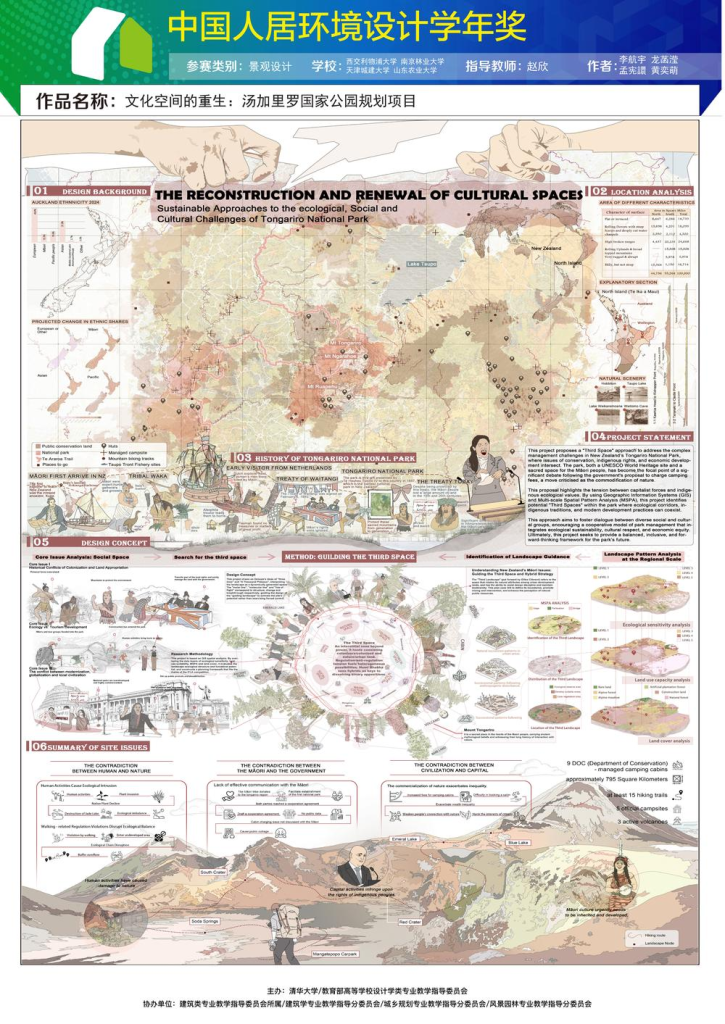
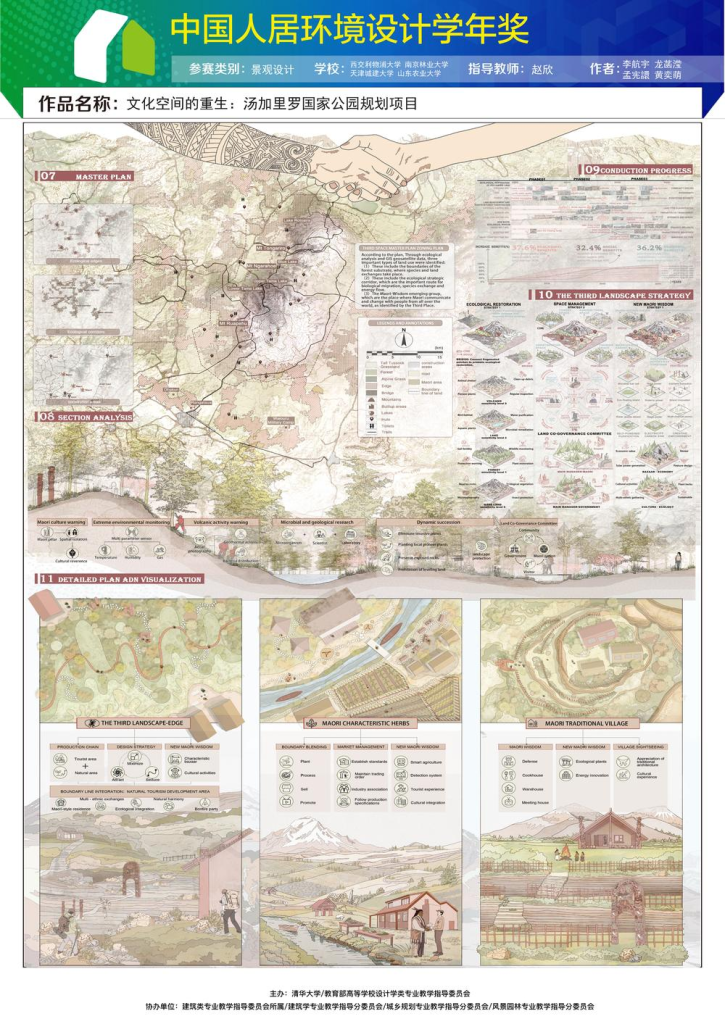
The project, The Reconstruction and Renewal of Cultural Spaces: Tongariro National Park Planning, addresses the ecological and cultural conflicts within New Zealand's Tongariro National Park. The team proposed a "Third Space" strategy, aiming to establish a dynamic balance between stringent nature conservation, Māori indigenous cultural sovereignty, and public tourism development.
Utilizing GIS analysis and spatial pattern recognition, the students constructed a framework that integrates ecological corridors, indigenous traditional wisdom, and modern monitoring technologies. The project delves into the concept of "Third Space Wisdom," seeking a balance between ecological sustainability and cultural authenticity that moves beyond the traditional dichotomy of "conservation versus development." By integrating macro-scale planning with micro-scale humanistic narratives, the proposal achieves a powerful synergy between rigorous logical support and profound humanistic care for the living environment.
The jury recognized the proposal for its critical perspective on heritage cultural sovereignty, as well as its strong innovation and feasibility in ecological restoration pathways.
For Hangyu, by breaking away from conventional perspectives, the project precisely captures complex contradictions within an international context, elevating spatial planning to a profound response toward social equity and cultural sovereignty.
He says: “Great planning is more than just design; it is a profound micro-level response to social equity.”
As the project supervisor, Xin Zhao, Teaching Lecturer at the Department of Urban Planning and Design, XJTLU Design School, provided core academic guidance and comprehensive strategic mentorship. According to her, securing these two prestigious honors not only demonstrates Hangyu Li’s professional proficiency in complex site planning and design but also reflects the significant achievements of the Department of Urban Planning and Design (UPD) at XJTLU Design School in cultivating globally competitive talent.
She emphasises the importance of the interdisciplinary capabilities demonstrated by the students throughout the project. “This pioneering spirit of breaking down disciplinary silos and crossing geographical boundaries is precisely what defines the core competitiveness of XJTLU students as they step onto the global stage,” she adds.
Story and images provided by Xin Zhao
Edited by Yi Qian
06 Feb 2026