




At THE Asia Universities Summit, XJTLU joins the conversation

24 Apr 2026


Asia's universities are ready to do more than educate; they are stepping up to lead. That was the premise of the Times Higher Education Asia Universities Summit 2026, held from 22 to 24 April in Hong Kong.
As one of the invited institutions, XJTLU joined more than 550 delegates from all regions across Asia at the three-day event, themed "Igniting Global Transformation: Asia's Leadership." During the conference, delegates examined how Asia is redefining progress in science, entrepreneurship, climate resilience and urban development; as well as the growing role its universities play in setting global standards for AI and innovation.
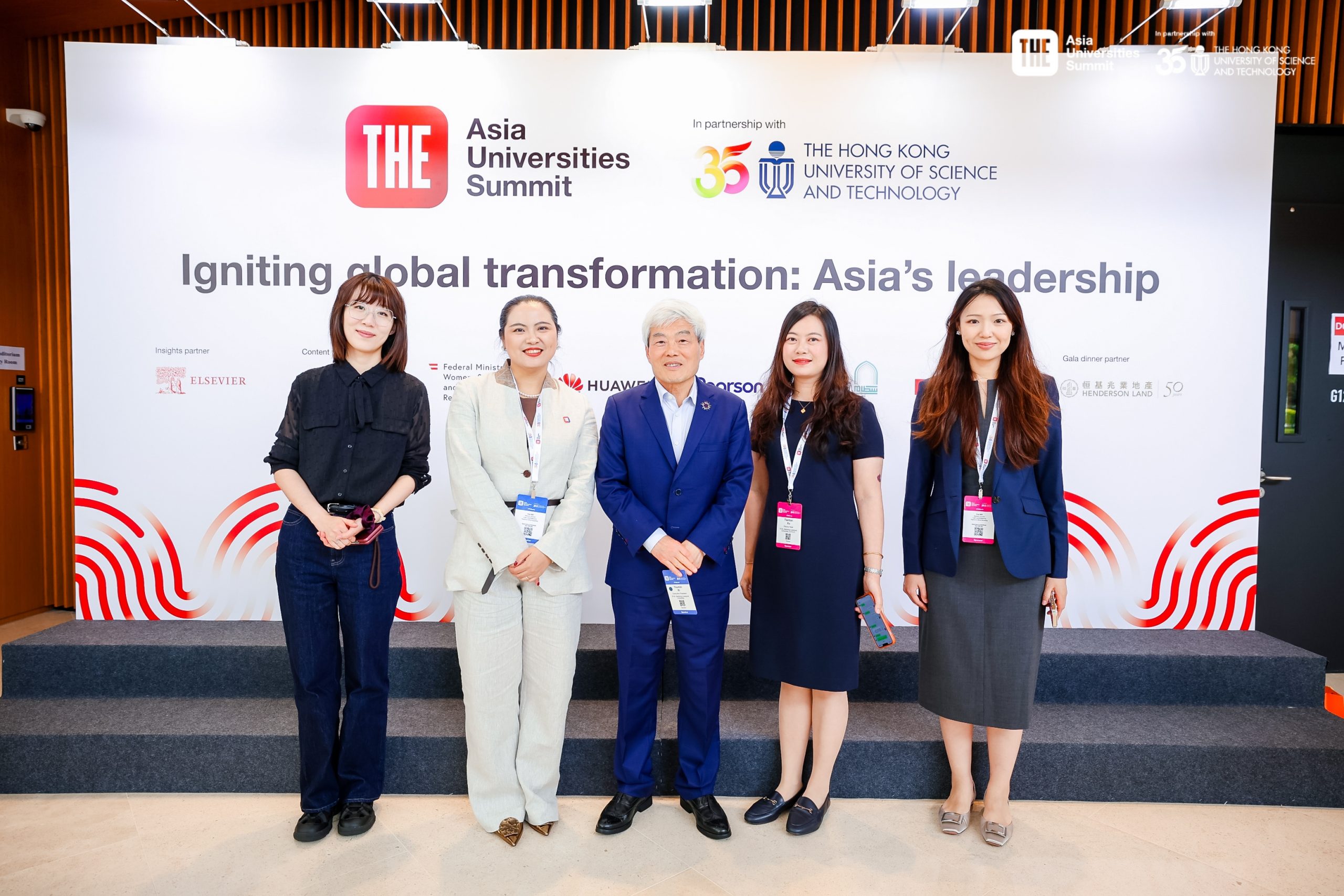
XJTLU at the Times Higher Education Asia Universities Summit 2026
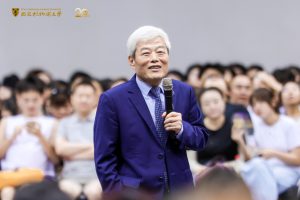
XJTLU's Executive President, Professor Youmin Xi, was among the summit's featured speakers across two sessions.
A leading example of transnational education
On 22 April, Professor Xi joined an exclusive, high-impact workshop marking the launch of THE's Transnational Education (TNE) Whitepaper. The publication focused on how international universities can advance mobility models, such as study abroad semesters and international internships, into partnerships that drive innovation, economic development, and sustainability.
The publication features a four-page case study on XJTLU to illustrate what TNE 3.0, THE's new framework for transnational education, looks like when put into practice at scale.
Over 20 years, XJTLU has moved through three institutional models, from professional elite education to industry-integrated talent development to an ecosystem-based approach in which the university functions as a connector, catalyst and enabler across education, industry and society.
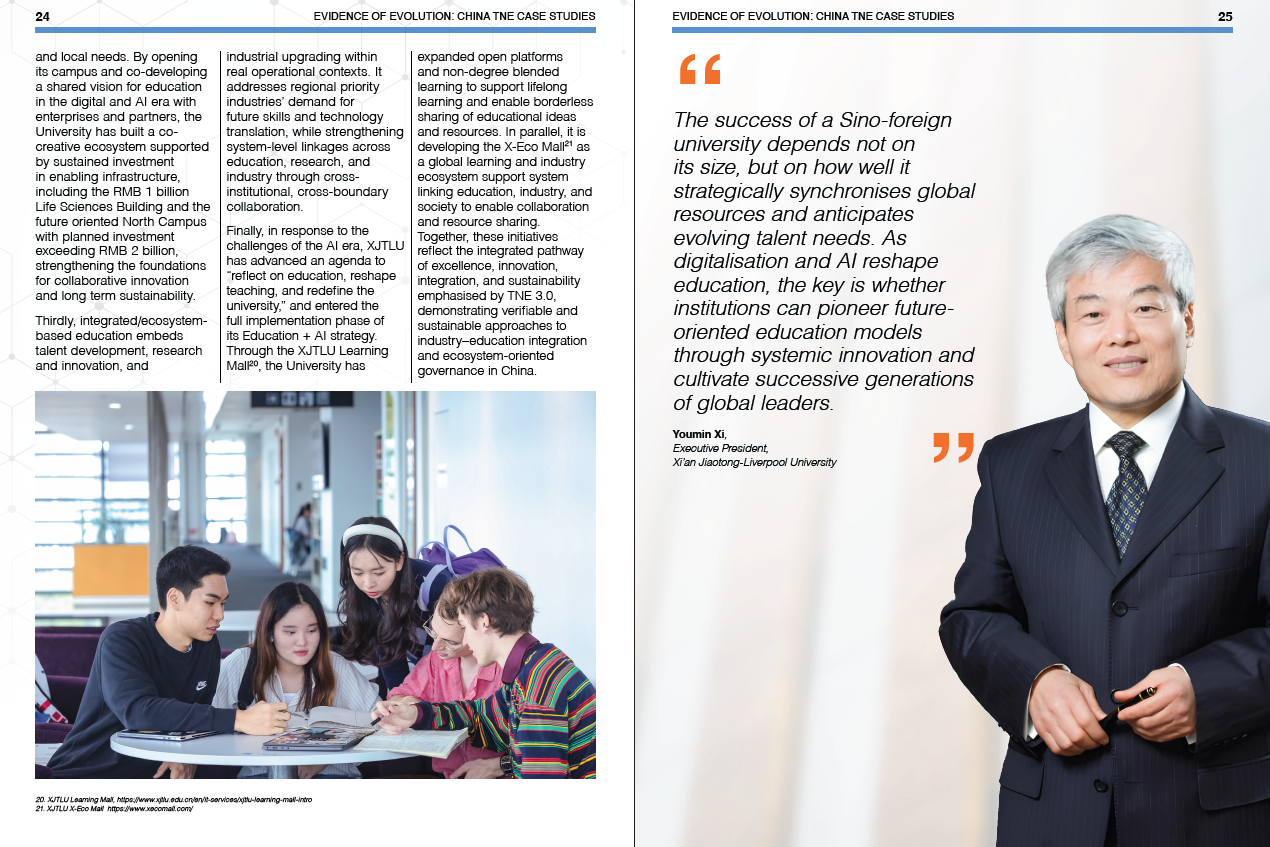
TNE Whitepaper featuring XJTLU
Professor Xi's comments in the publication further support this notion. He mentions how "the success of a Sino-foreign university depends not on its size, but on how well it strategically synchronises global resources and anticipates evolving talent needs."
XJTLU’s 3.0 model is underpinned by partnerships with more than 300 companies, linkages to over 90 research institutes, and capital commitments that include a 1 billion RMB Life Sciences Building and a North Campus with planned investment exceeding 2 billion RMB.
During the workshop session itself, Professor Xi commented on how XJTLU chose a different approach from other Sino-foreign universities by choosing to be an independent institution rather than an extension of their western counterpart. This approach ensure a unique long-term sustainability as XJTLU also developed its 4.0 model in education, which connects the university with not only the industry, but also the wider community in both national and global scale.
The session also included Michele Acuto of the University of Bristol, Ju Young Byun of Incheon Global Campus Foundation, and Ehsan Mesbahi of the University of Southampton Malaysia.
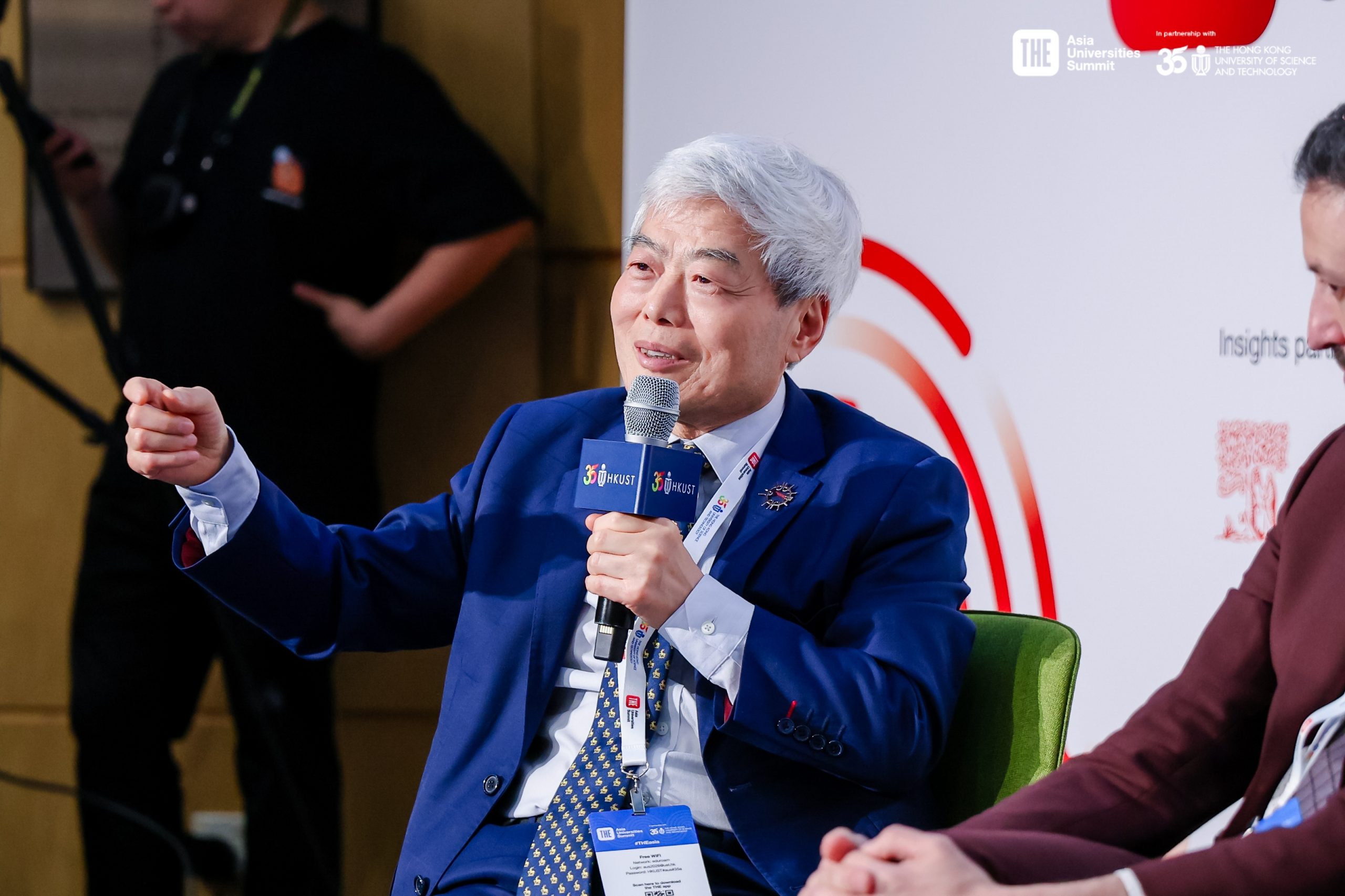
Professor Xi at the TNE Whitepaper launch, 22 April
Breakfast chat: How to handle a VUCA world
On 23 April, Professor Xi took part in a fireside chat that framed the central dilemma of contemporary university leadership, titled “Leading Universities in a VUCA World: Strategy, Reinvention and Institutional Courage."
The term “VUCA” refers to an environment that contains volatility, uncertainty, complexity, and ambiguity. The breakfast chat addressed problems shared by all universities across Asia: from AI-driven disruption and simultaneous geopolitical fragmentation, to demographic contraction.
Moderated by Michael Fung from Tecnológico de Monterrey, the session examines three main questions: how universities should redesign governance for a VUCA era, what balance leaders should strike between global engagement and institutional resilience, and how institutions can drive deep, systemic transformation rather than isolated pockets of innovation.
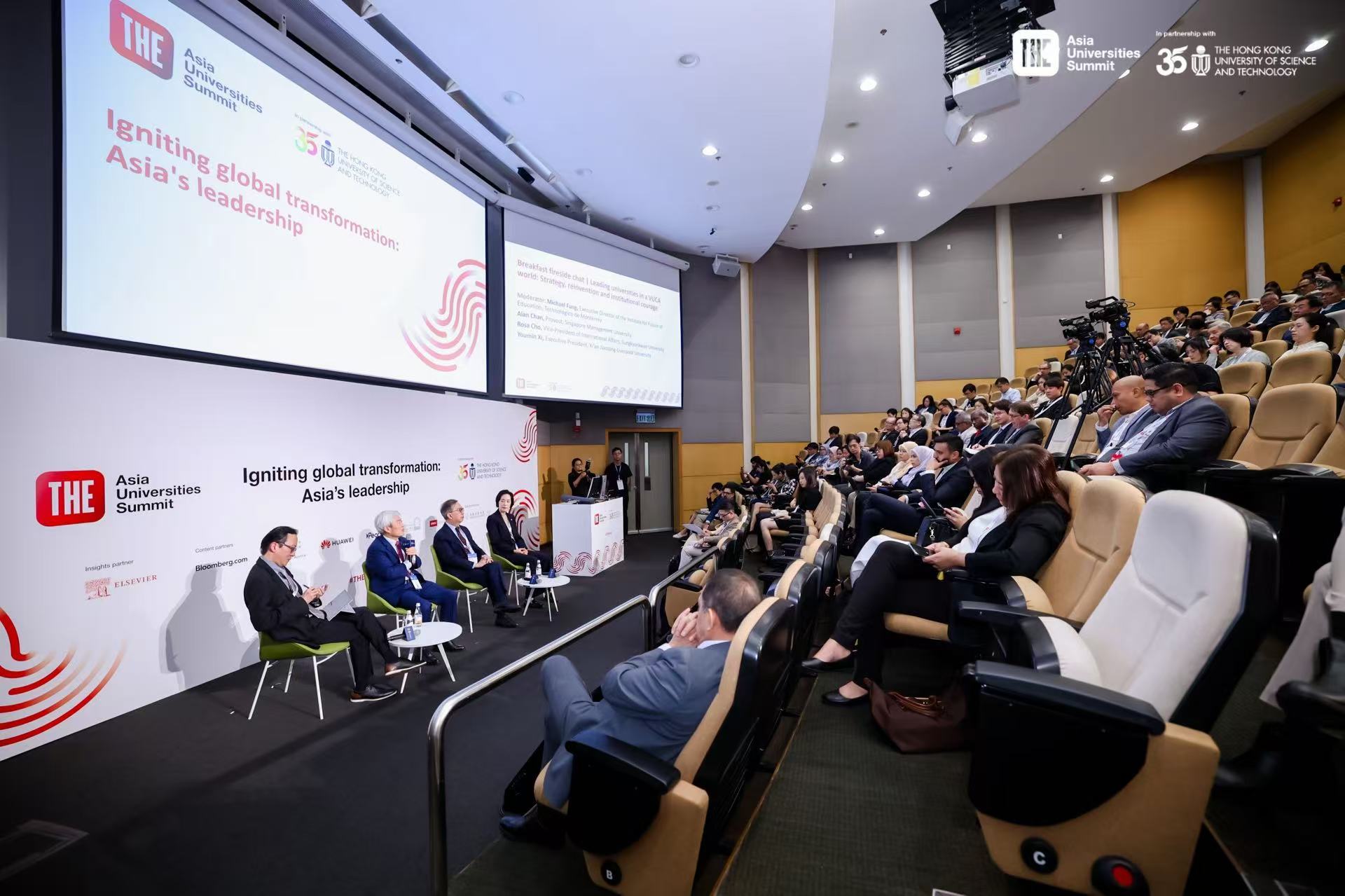
Professor Xi at the breakfast fireside chat
Professor Xi emphasised that universities need to be future-oriented, not only looking at the present times but also for the next decade. The future of society will dictate future demands and eventually it serves as a guide into what kind of future talents XJTLU will equip their students with.
“In last 10 years, we have developed a syntegrative education model which stands for synergy and integration.” Heremarked how universities do not exist in isolation but rather as a part of an ecosystem. Professor Xi said that as a university, XJTLU aims to be a part of not only the ecosystem in China but also the global ecosystem.
Joining Professor Xi in the discussion were Alan Chan, Provost of Singapore Management University, and Rosa Cho, Vice-President for International Affairs at Sungkyunkwan University.
Showcasing XJTLU to the world
In addition, XJTLU’s University Marketing and Communications team also hosted an exhibition booth throughout the summit. Visitors could view the University's brand, its 20th-anniversary milestones, and institutional innovations through multimedia presentations and informational materials.
Taken together, through a featured whitepaper case study, two high-profile speaking engagements, and a dedicated exhibition space, XJTLU’s presence reflects a university that has spent 20 years building an institution that leads by example.
Written by Vionna Fiducia Theja
Edited by Patricia Pieterse
24 Apr 2026
RELATED NEWS
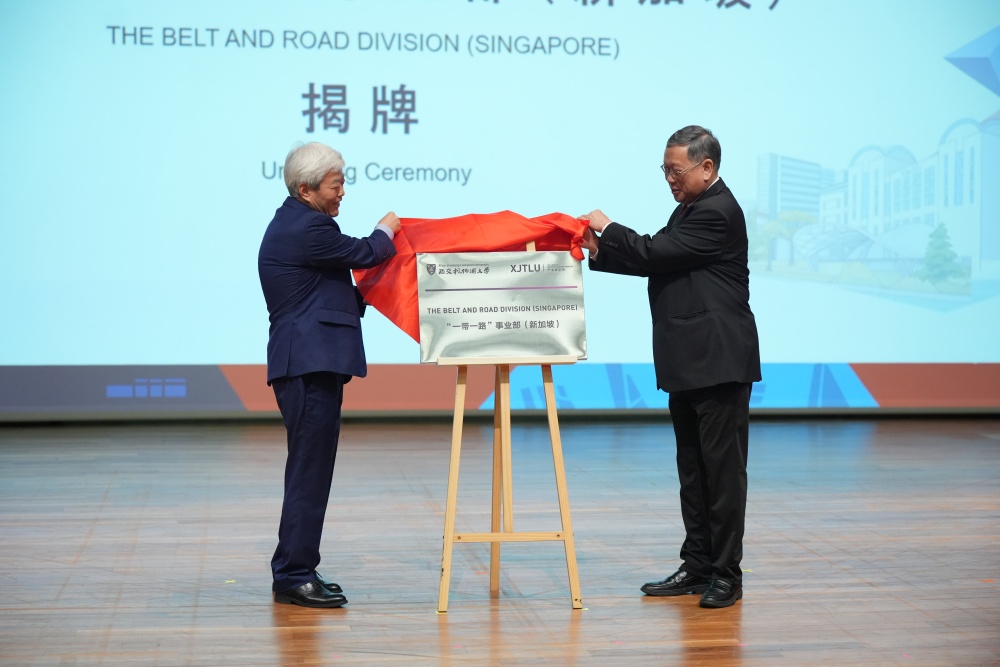
XJTLU establishes a CIE Belt and Road Division in Singapore
Xi'an Jiaotong-Liverpool University (XJTLU) officially opened a new overseas division in Singapore as part of its growing initiatives to connect academic exp...
Learn more
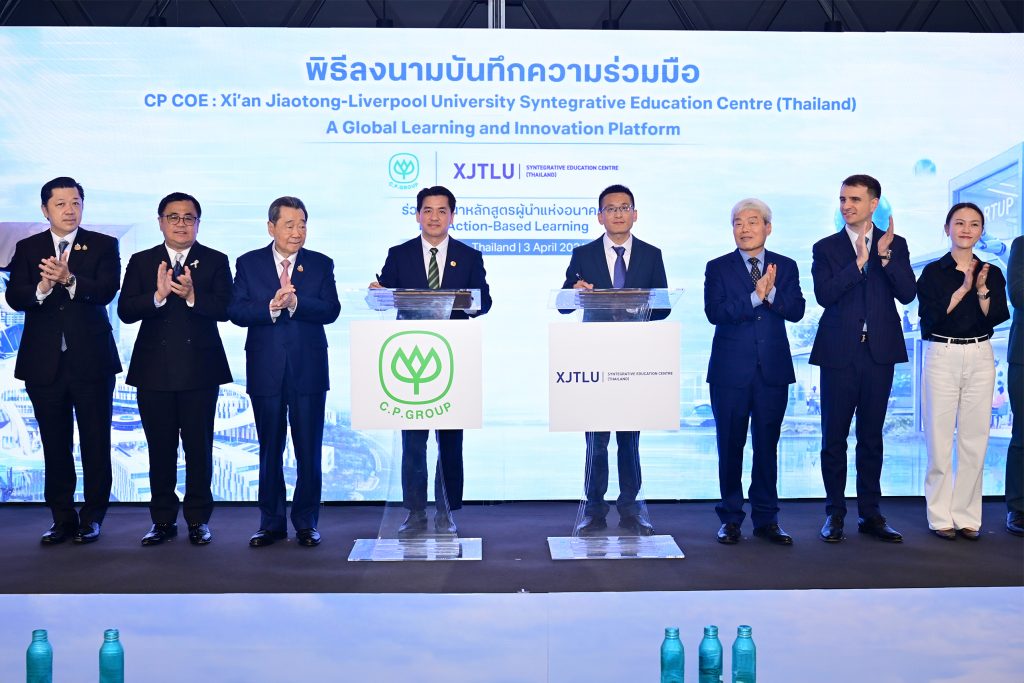
XJTLU and CP Group unveil joint education centre in Thailand
Xi’an Jiaotong-Liverpool University (XJTLU) in China and Charoen Pokphand Group (CP Group) in Thailand today unveiled the XJTLU Syntegrative Education Centre...
Learn more