




TEDxXJTLU 2026: How ‘Focus’ drives us in the AI era

02 May 2026


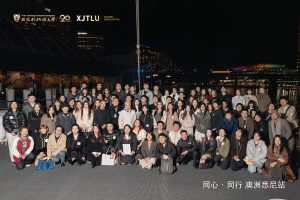
On 18 April, Xi’an Jiaotong-Liverpool University (XJTLU) held the TEDxXJTLU Annual Conference 2026. Marking the University’s 20th anniversary, this year’s conference explored the theme of “Focus,” bringing together more than ten speakers from the fields of culture, art, technology, and education. Together with XJTLU academic staff and students, they discussed how people can stay focused and pursue what they truly love in today’s fast-changing world.
During the morning session, five speakers explored different expressions of “Focus” through documentary filmmaking, music collecting, artistic stand-up comedy, traditional Chinese painting, and philosophical reflections on the AI era. In the afternoon, ten featured speakers delivered talks on topics including cultural heritage preservation, innovation in intangible cultural heritage, soil ecology, AI governance, medical-engineering integration, visual storytelling, data visualization, nature education, future design, and the attention crisis in the digital age.
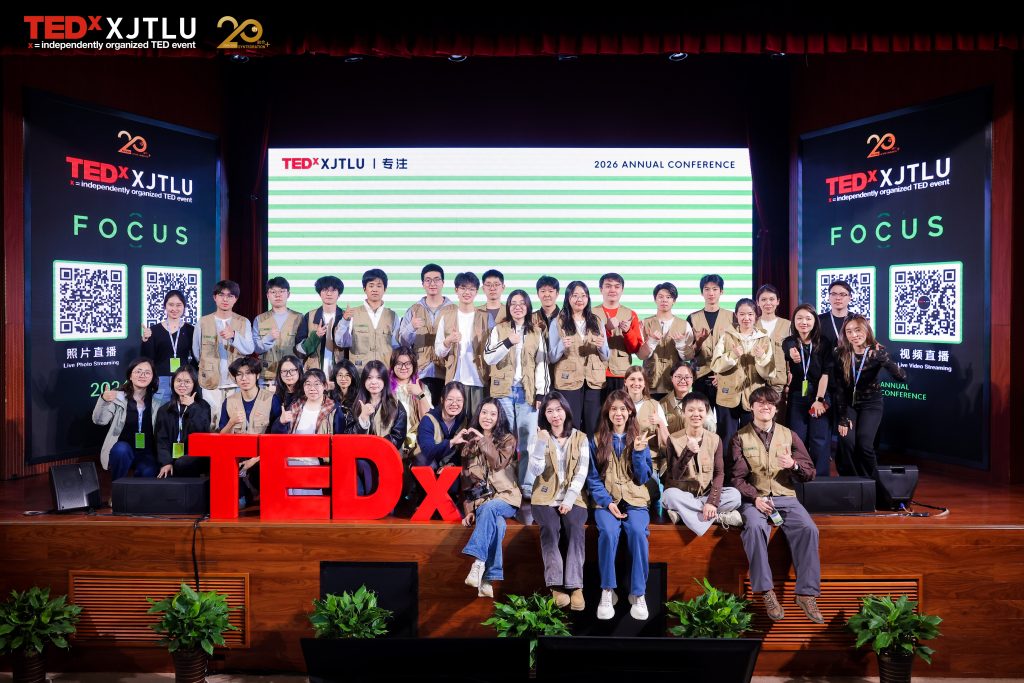
Exploring ‘Focus’ from different perspectives
Yunfei Ji, Party Secretary and Director of Zhejiang Museum and Vice President of the Chinese Museums Association, described focus as “the force that allows silent artefacts to speak, bridging the past and the future”. He explained that this focus lies both in the careful protection of cultural relics and in years of patient academic research carried out away from the public spotlight.
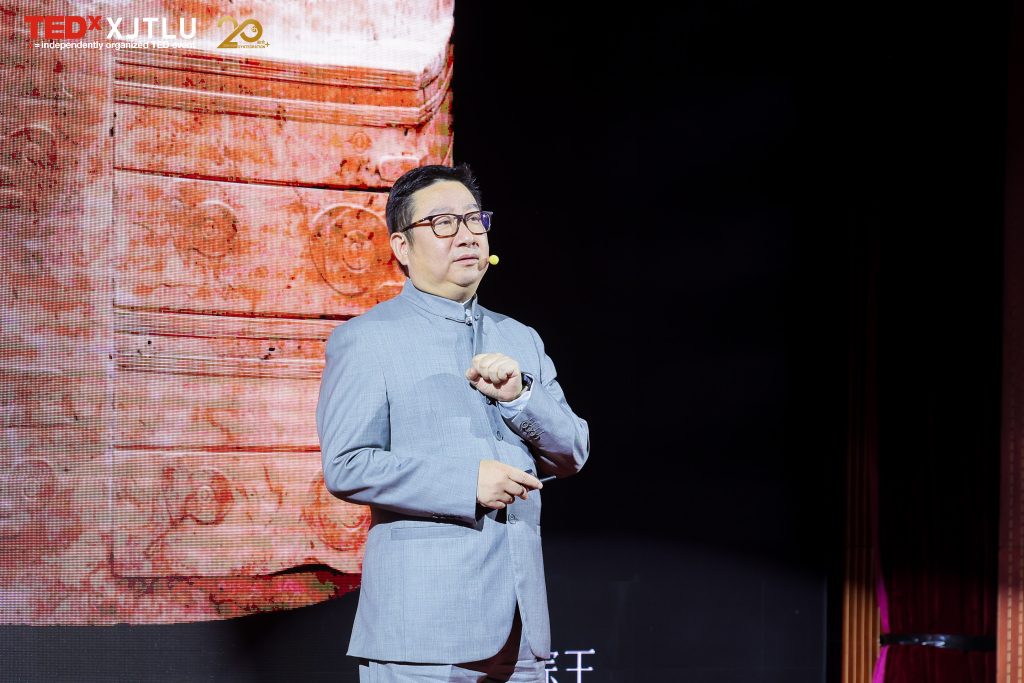
Yunfei Ji
Lanrong Qiao, a provincial representative inheritor of the national intangible cultural heritage item Suzhou Taohuawu Woodblock New Year Prints, reflected on more than 20 years of preserving the craft. She said focus allows people to “pour their hearts into their hands” and bring new life to traditional art forms.
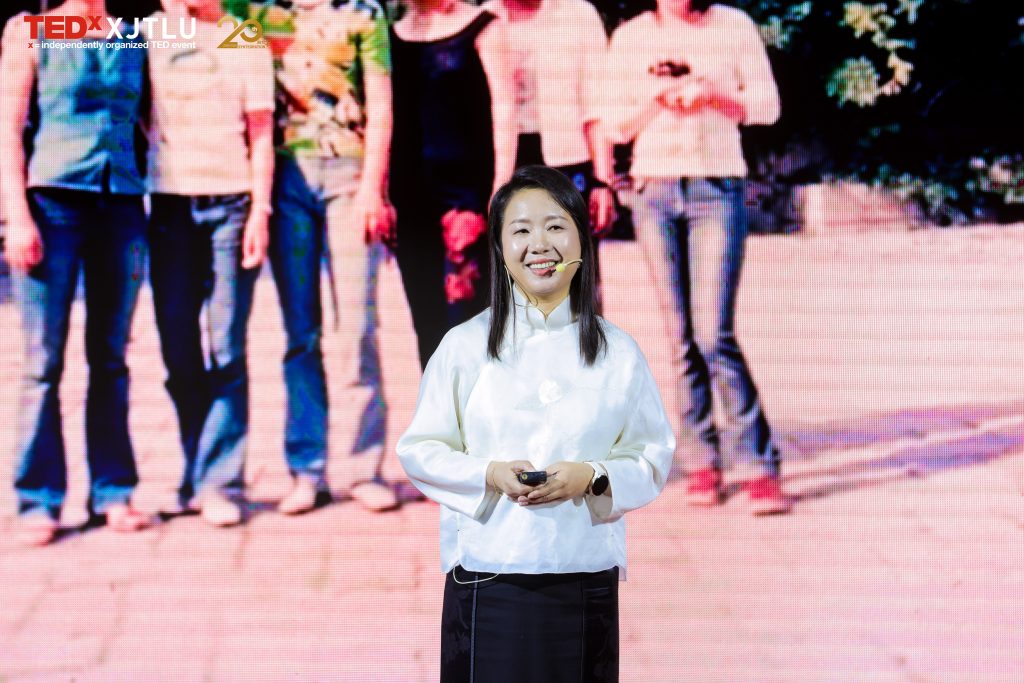
Lanrong Qiao
Xiaosong Bi, a programme host with Suzhou Broadcasting System, addressed the challenge of distraction in the digital age. He argued that true concentration naturally flows towards what people genuinely love, describing focus as “life’s steering wheel” that helps individuals stay true to themselves amid an overwhelming sea of information.
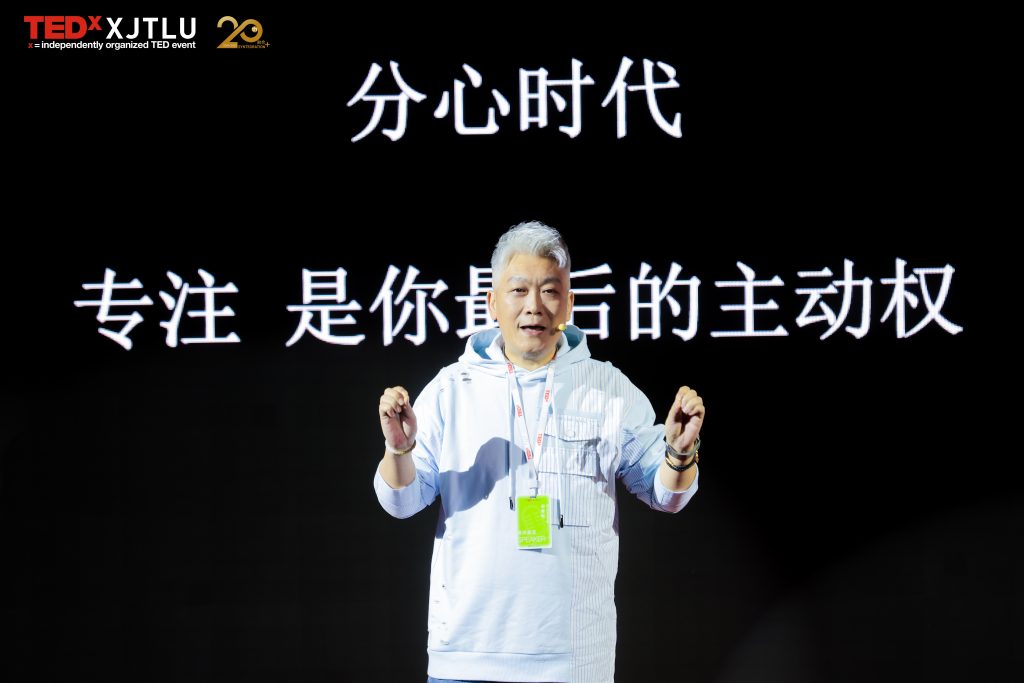
Xiaosong Bi
Jinjiang Cui, Director of the Key Laboratory of Rehabilitation Engineering at the Suzhou Institute of Biomedical Engineering and Technology under the Chinese Academy of Sciences, introduced the idea of “dynamic focusing” in scientific research. He explained that while research targets constantly shift, the central goal must remain fixed on protecting human life.
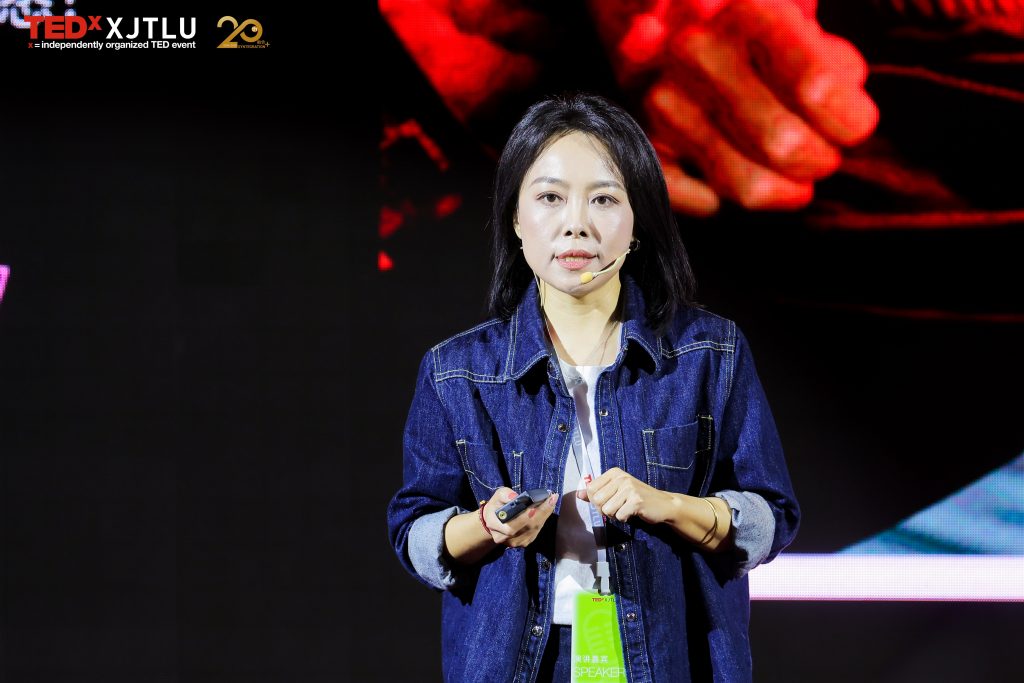
Jinjiang Cui
Xuetun Zhao, Secretary-General of the Suzhou Industrial Park Photographers Association, compared focus to “the ability to touch down”. Drawing on his aerial photography experience, he said true focus means always being able to return to where one first began.
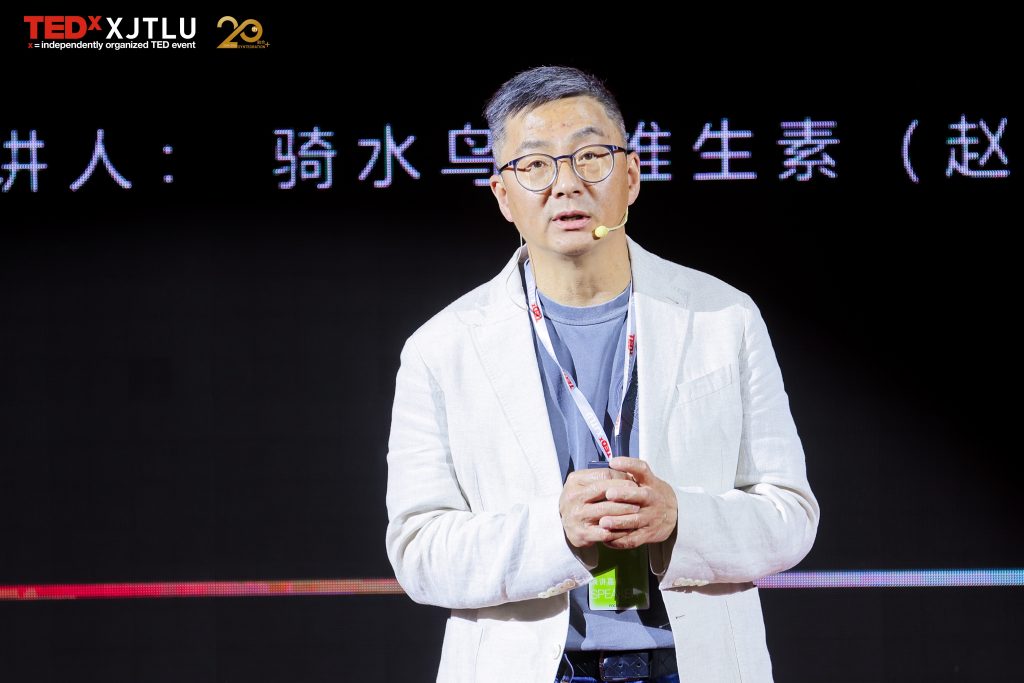
Xuetun Zhao
Yezhou Jin, Nature Centre Director and Curriculum Developer at the Xi’an Jiaotong-Liverpool University Affiliated School, suggested that focus is not simply resisting distraction, but deeply engaging with the world. “Maybe what we can do for a child is not teach them to focus, but protect those quiet moments of curiosity,” he said.
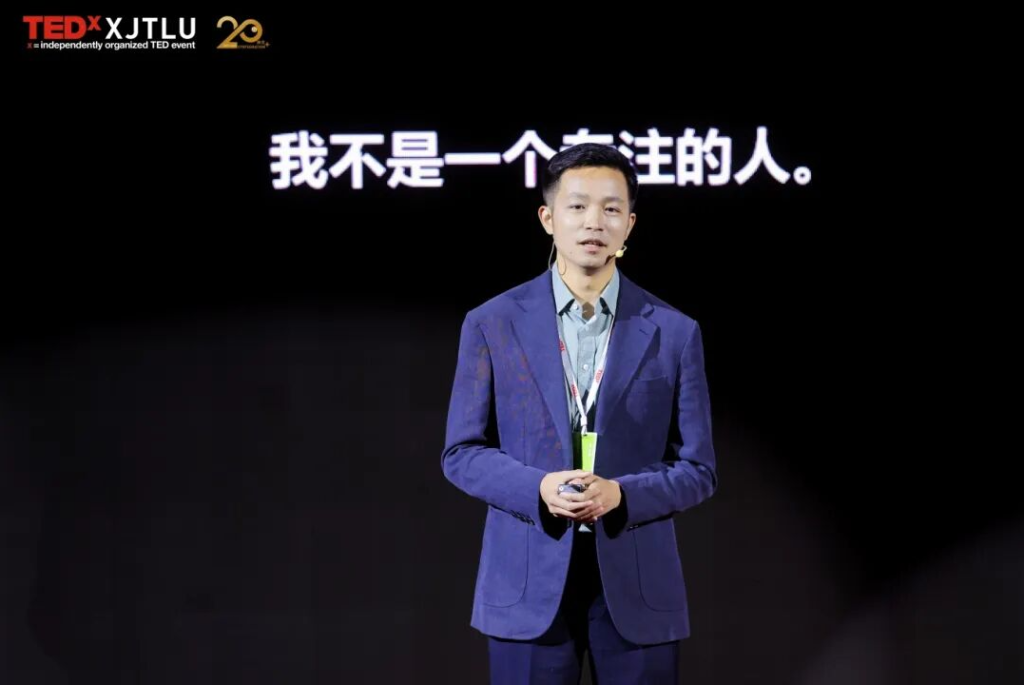
Yezhou Jin
Professor Zheng Chen at XJTLU’s School of Science has created a small outdoor research and teaching base on campus to encourage closer connections between people and nature. He emphasised that ecology is not about pursuing unrealistic conservation goals, but about improving the resilience and overall value of ecosystems.
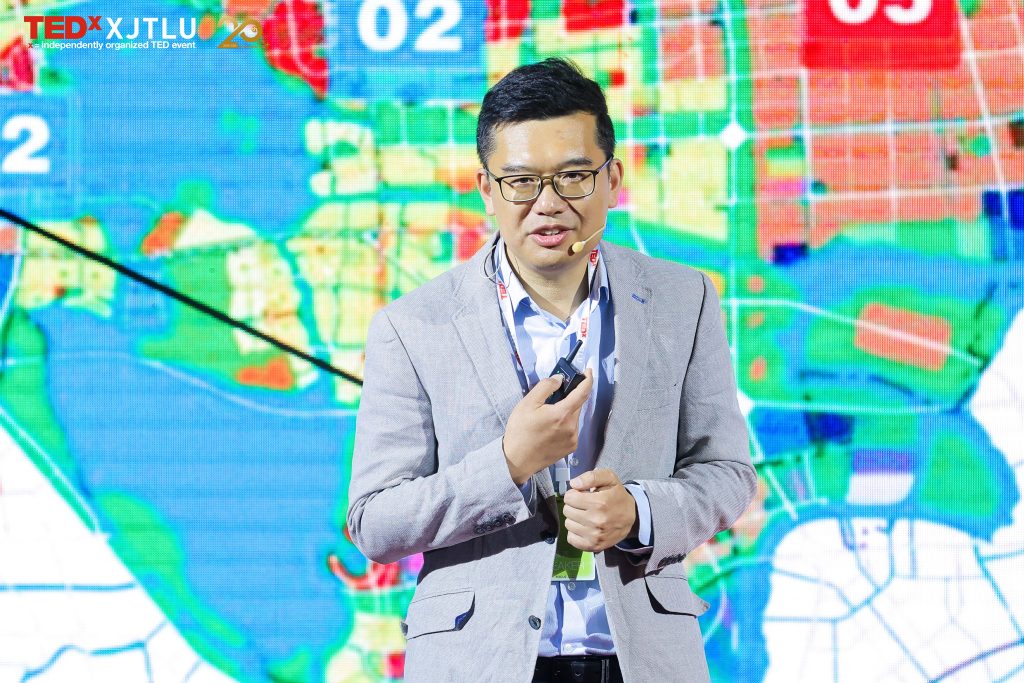
Professor Zheng Chen
Dr Lingyun Yu, Senior Associate Professor at XJTLU’s School of Advanced Technology and Head of the Interactive Visual Technologies Research Group, reflected on more than a decade of visualisation research. She said the real challenge is not choosing between clear options, but finding meaningful directions within vast and chaotic data.
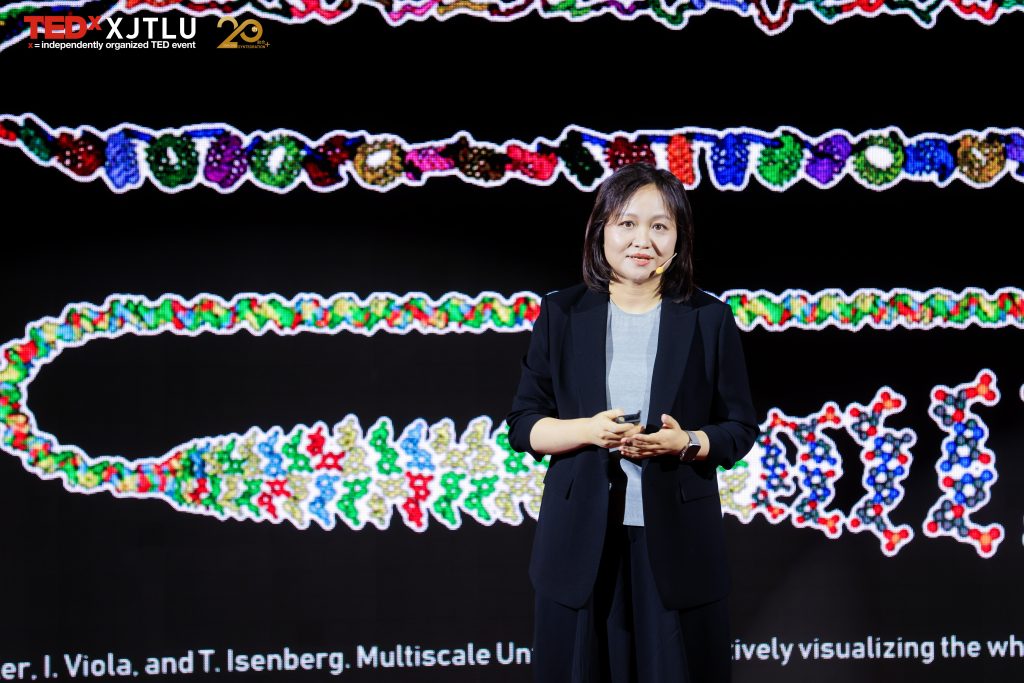
Dr Lingyun Yu
Dialogue between education and technology
Professor Marc Aurel Schnabel, Dean of XJTLU’s Design School, argued that “the real AI is our human creativity that never bows out.” He emphasised that technologies such as AI and VR are tools rather than answers in themselves, and that the future depends on humanity’s ability to guide technology with creativity and human-centred thinking.
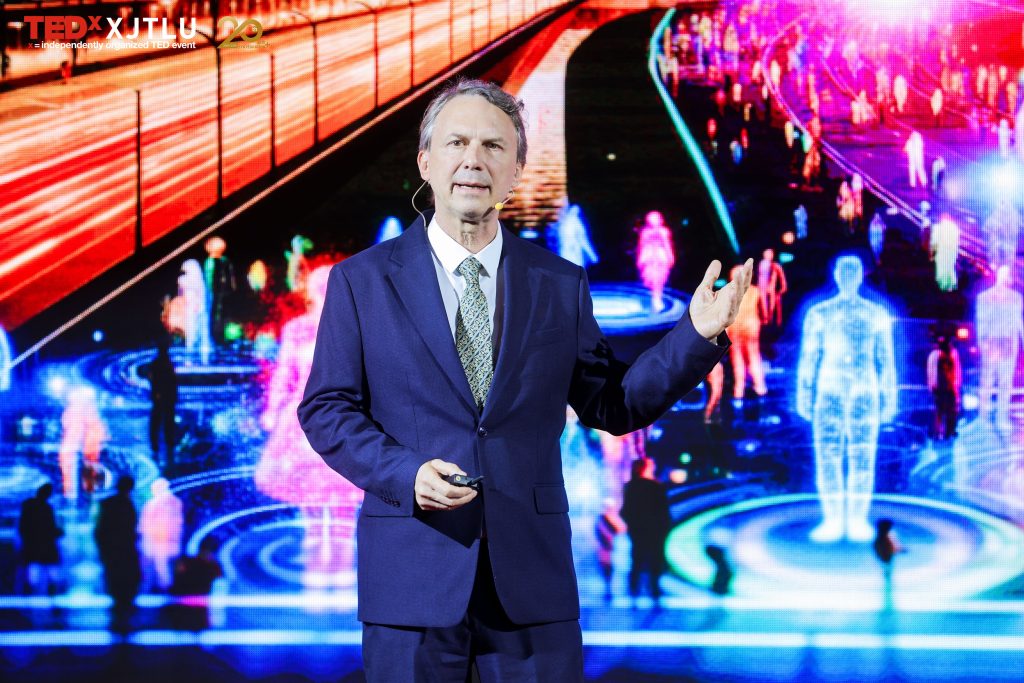
Professor Marc Aurel Schnabel
Wencan Wang, Founder and CEO of Shanghai Hecbert Information Technology, discussed how humans are shifting from executors to managers of AI systems. He stressed the importance of governance frameworks that allow people to use AI safely, creatively, and effectively.
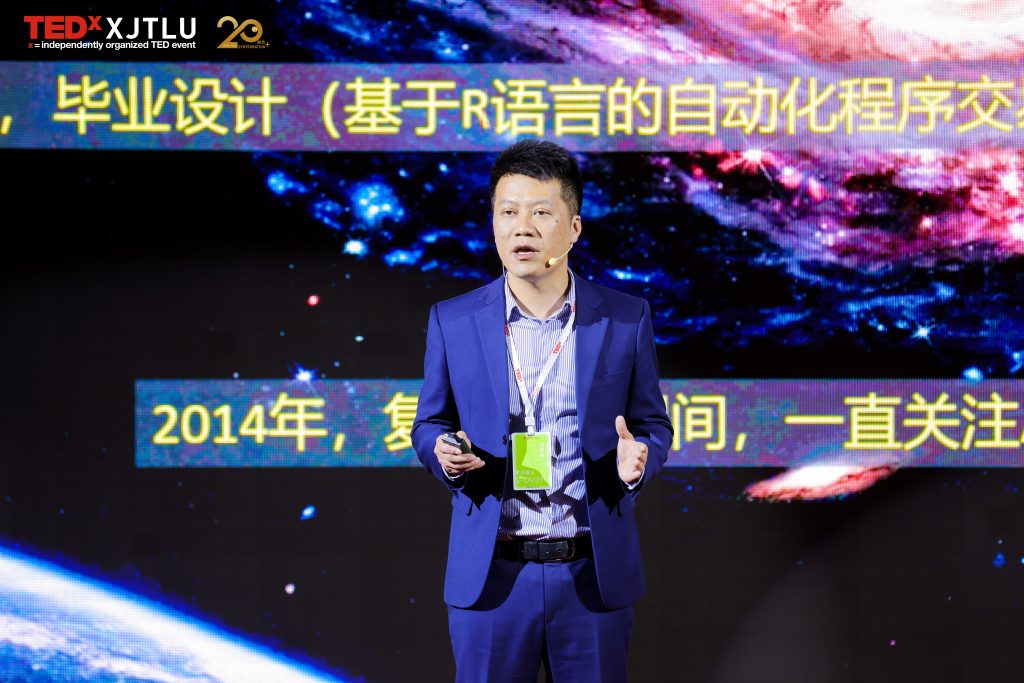
Wencan Wang
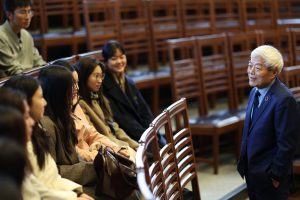
The conference concluded with remarks from Dr Xin Bi, XJTLU’s Chief Officer of Data and Director of the Centre for Knowledge and Information, who presented certificates to the speakers. He described focus not only as the ability to work efficiently in the short term, but also as the long-term commitment to deeply engage with meaningful work. As AI becomes increasingly integrated into everyday life, he added, practices such as deep reading, attentive listening, and mindful communication are becoming more valuable than ever.
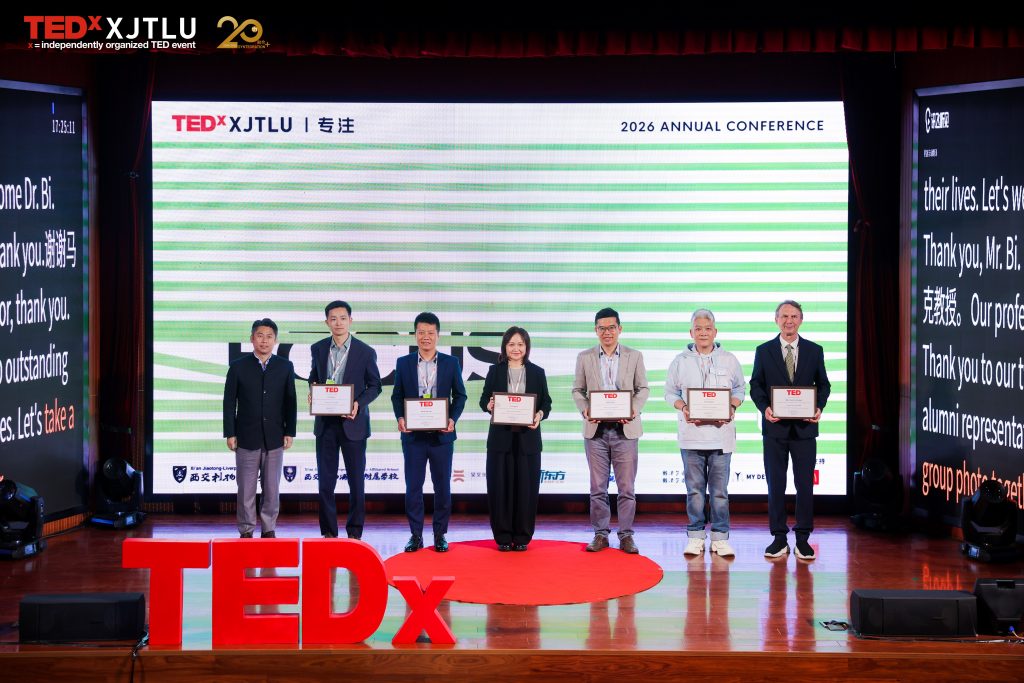
By XJTLU Museum
Translated by Xueqi Wang
Edited by Xinmin Han
02 May 2026