




Envisioning Translation in the AI Era: XJTLU Hosts “Translating Tomorrow” Conference

28 Jun 2026


Envisioning Translation in the AI Era: XJTLU Hosts “Translating Tomorrow” Conference
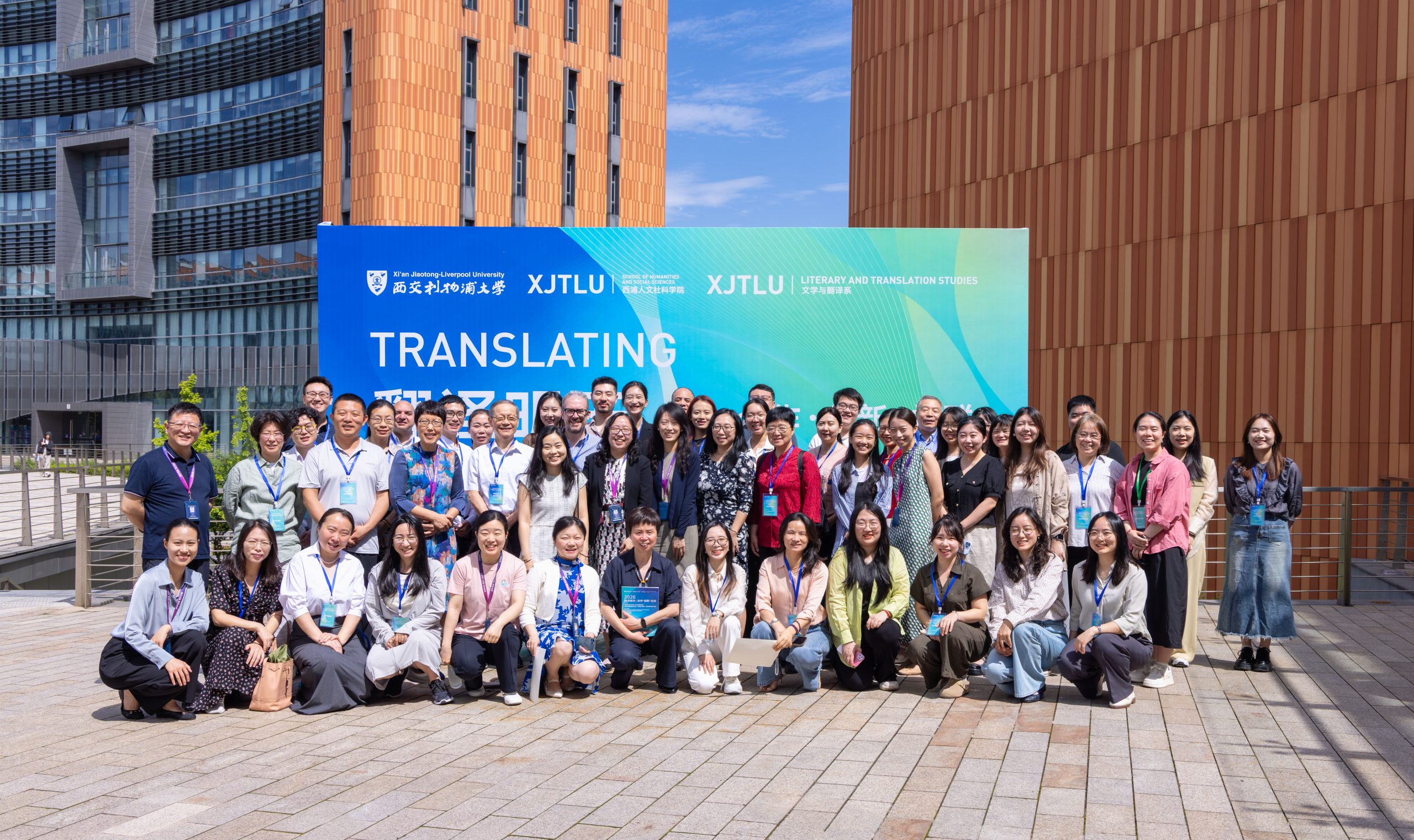
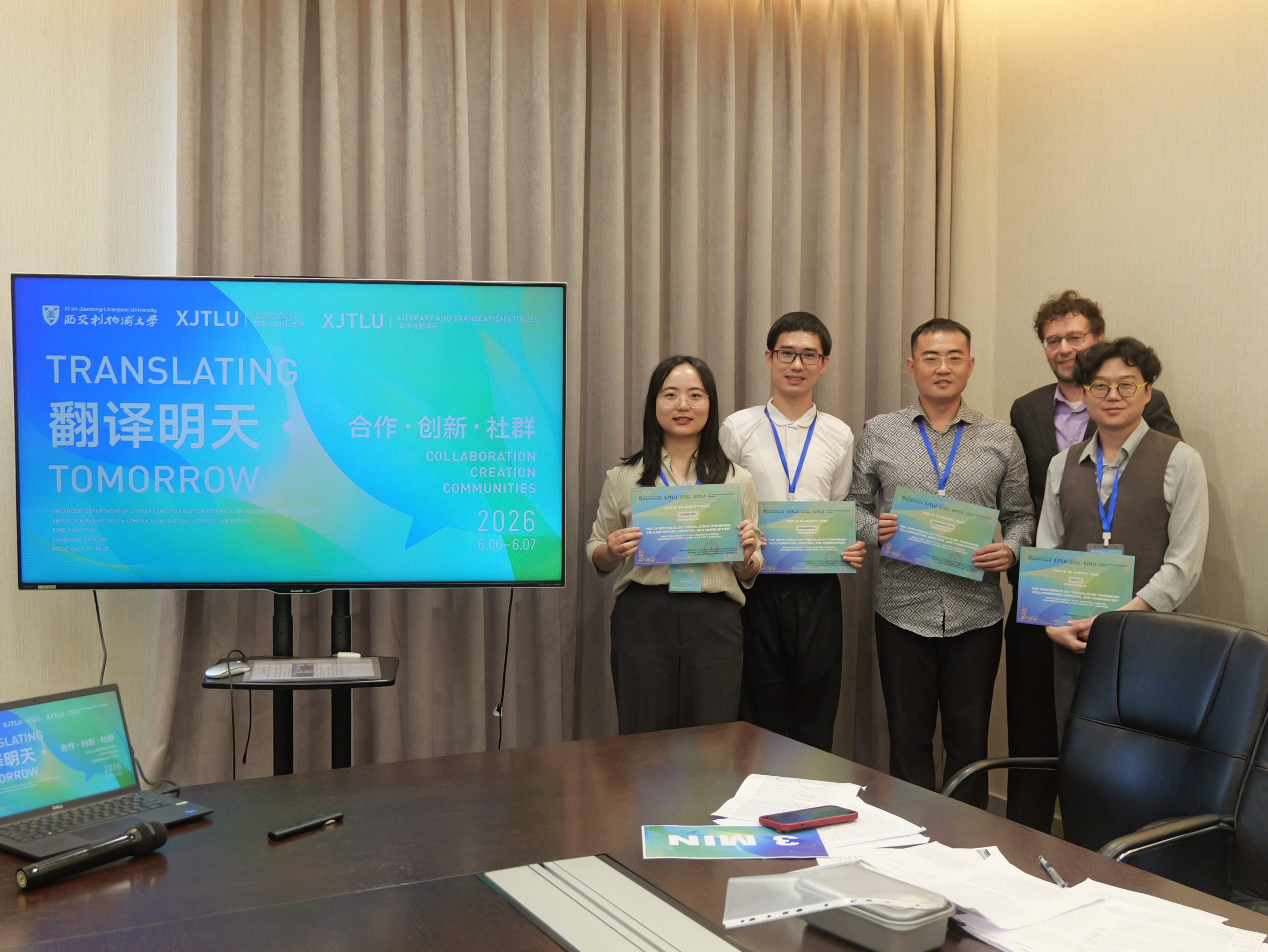
The Translating Tomorrow: Collaboration, Creation, and Communities academic conference took place at Xi'an Jiaotong-Liverpool University (XJTLU) from 6 to 7 June, 2026. Hosted by the Department of Literary and Translation Studies in XJTLU's School of Humanities and Social Sciences, the conference brought together translation scholars, educators and industry experts from across China and the world to examine human–AI collaboration, creative practice and translator communities, and to consider the opportunities and challenges emerging as digital technologies reshape the profession.
Opening Remarks: Exploring the Nature and Future of Translation in the AI Era
In her opening remarks, Professor Xiaoling Zhang, Dean of the School of Humanities and Social Sciences, said that Translating Tomorrow did more than consider the development of the translation profession: it invited participants to revisit the nature of translation itself. Translation, she observed, is not only a form of cultural exchange across time and space but also a social bond connecting individuals and communities. In response to the profound changes brought about by AI, Professor Zhang called on academia and industry to explore new possibilities and shape the profession's future together.
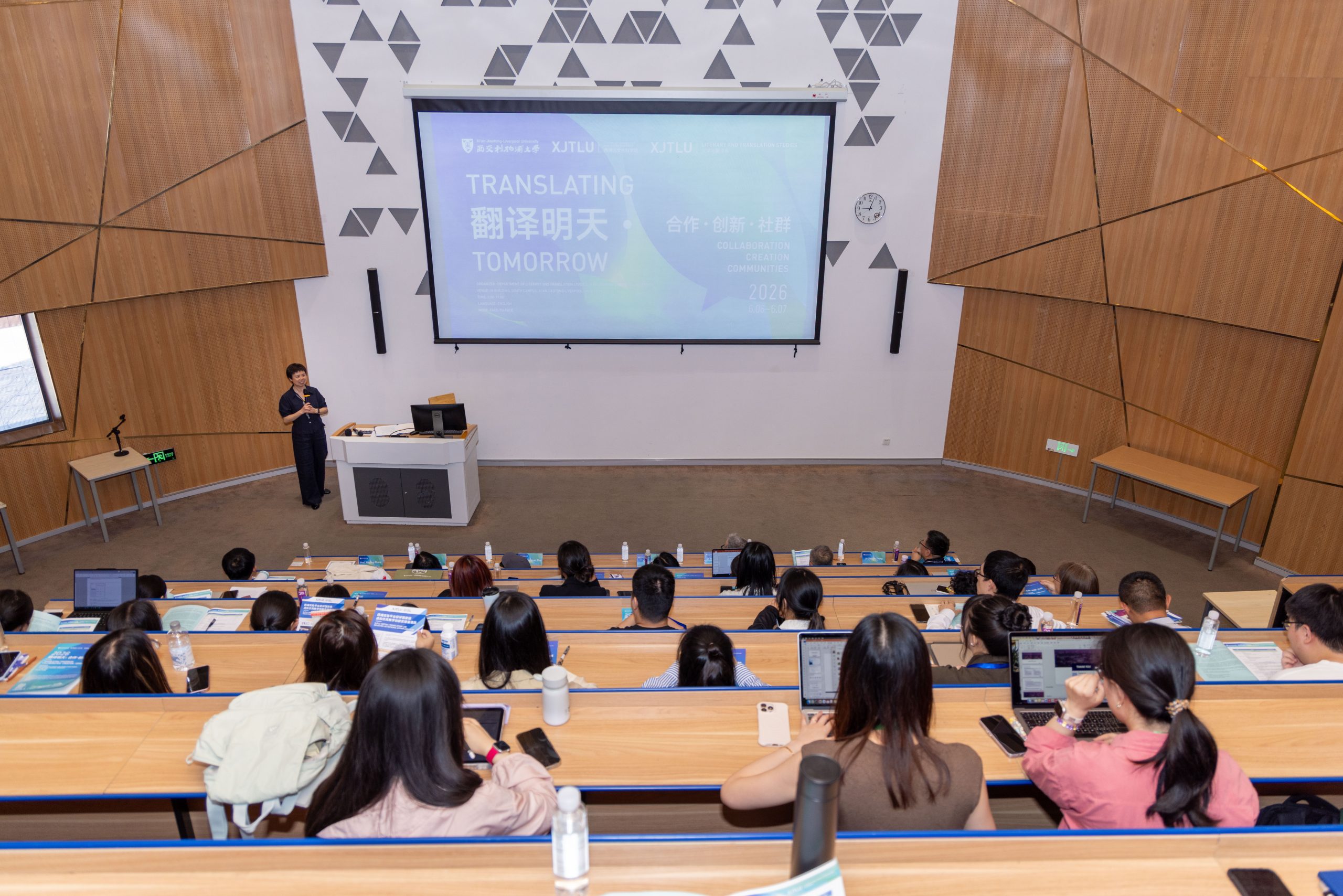
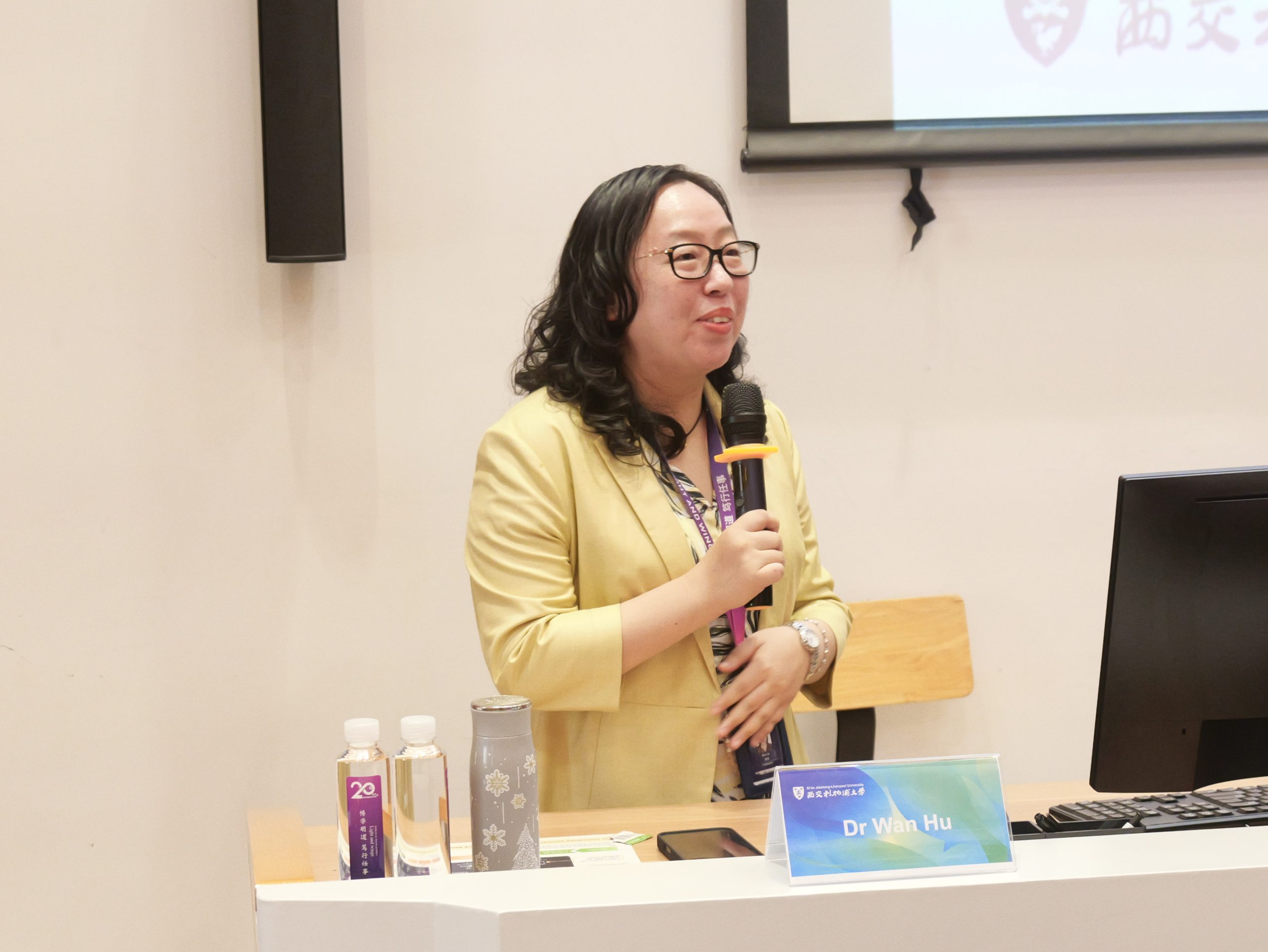
Dr Wan Hu, Head of the Department of Literary and Translation Studies at XJTLU, described translation not as an isolated act of language transfer but as an evolving practice shaped and enriched by intellectual exchange and interdisciplinary collaboration. She identified three questions at the heart of the conference: how translators' roles are changing in an era of human–AI collaboration; how translation education can respond to the profession's evolving needs; and how translation can preserve its humanistic core amid rapid technological change.

Keynote Speeches: Translation in Transition from Multiple Perspectives
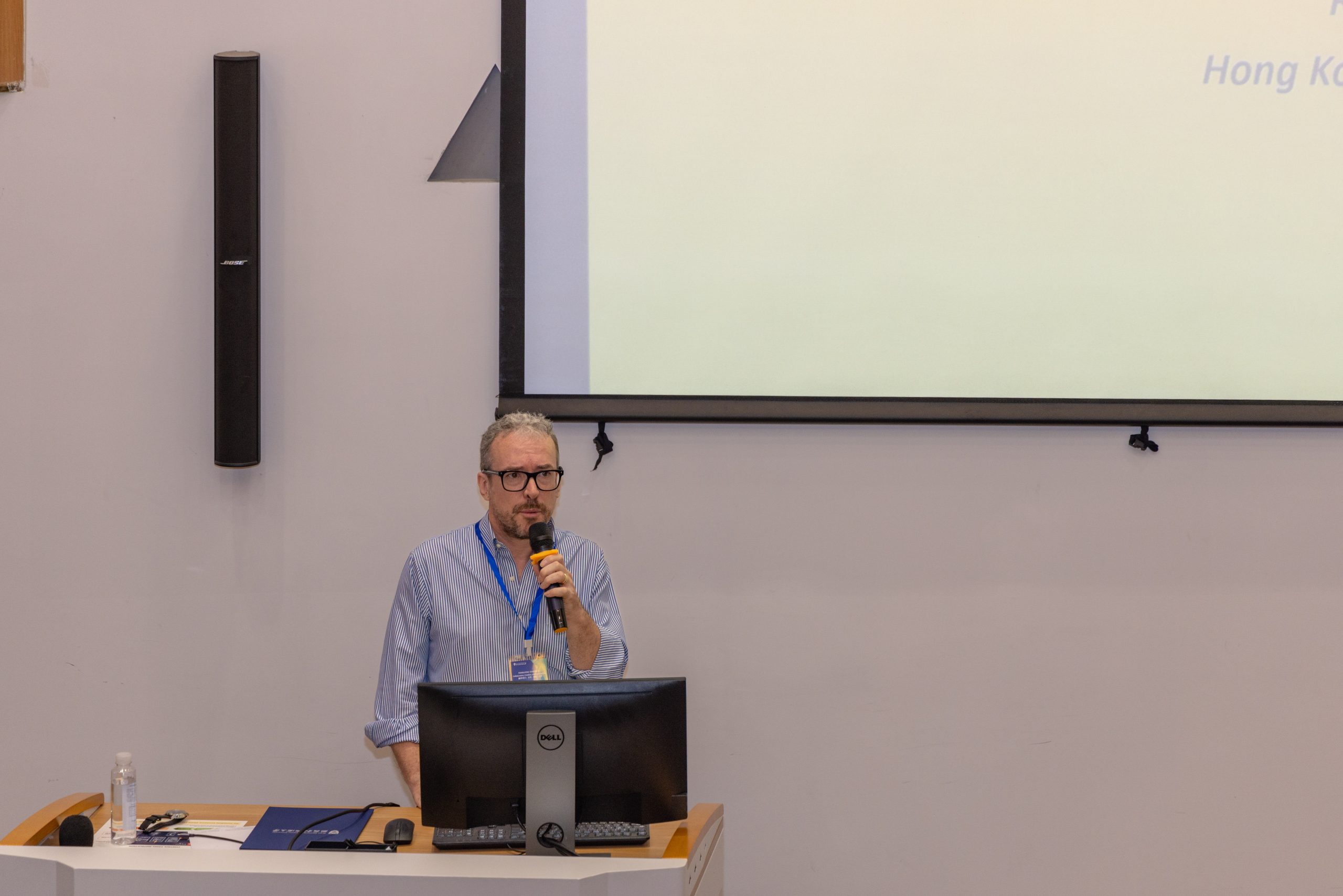
Dr Robert Neather, Associate Professor and Head of the Department of Translation, Interpreting and Intercultural Studies at Hong Kong Baptist University, approached the subject through museum translation. He argued that translation is not merely a matter of linguistic transfer, but a vital medium for cultural communication and knowledge mediation. Focusing on collaboration among translators, curators, designers and other stakeholders, he called on translation and museum professionals to break down disciplinary silos and deepen cooperation in practice, research, education and training. He further emphasised that, in responding to the challenges of AI, museum translation must remain in sustained dialogue with the translation studies community and integrate technology judiciously and effectively in specific contexts.
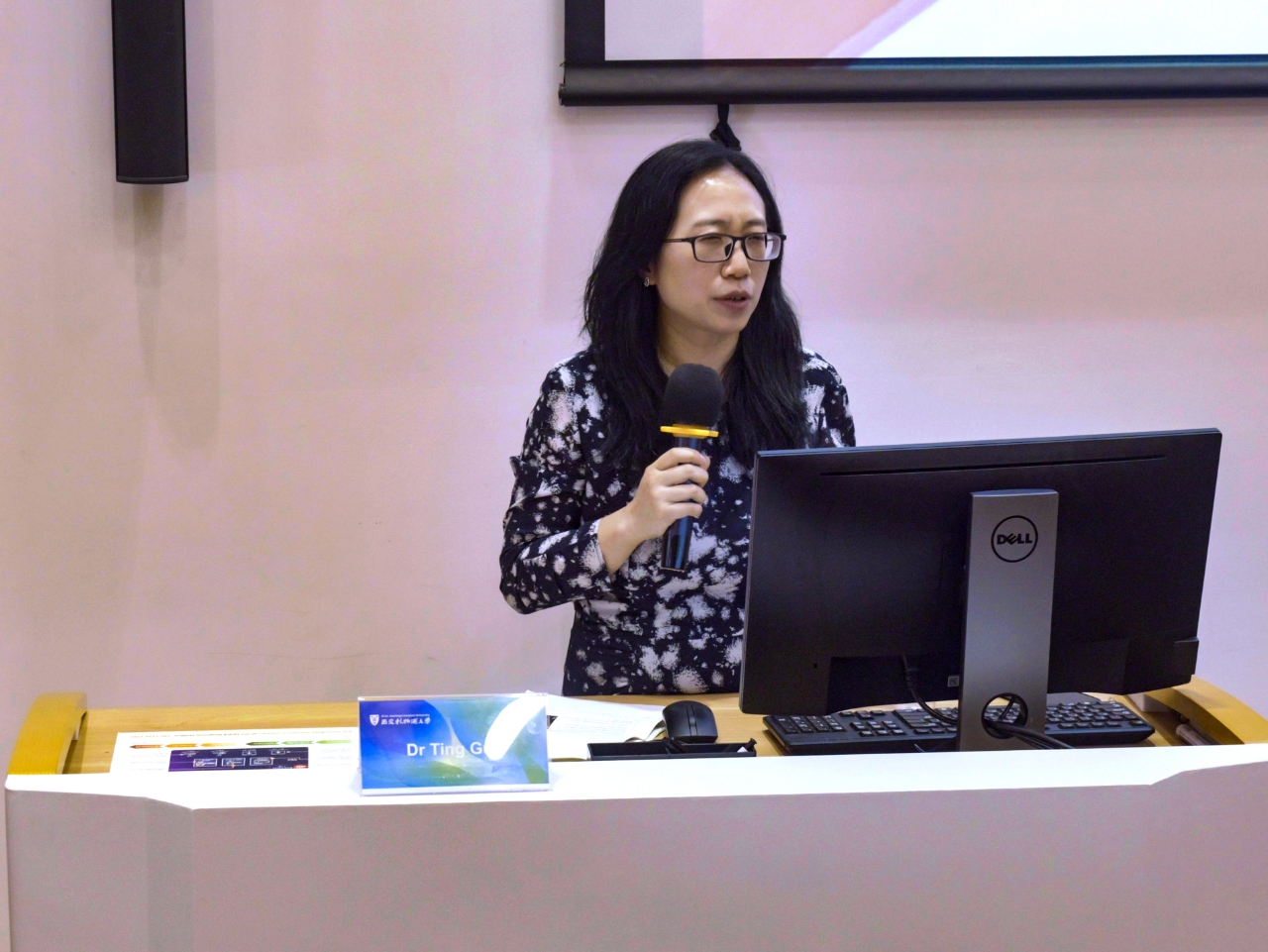
Dr Ting Guo, Senior Lecturer in Translation and Chinese Studies at the University of Liverpool and Associate Editor of the SSCI Q1-indexed journal Target: International Journal of Translation Studies, examined how generative AI is reshaping the ecology of fan translation. Drawing on case studies, she traced changes in its forms, modes of operation and channels of dissemination. She noted that fans, often early adopters of new technologies, are responding proactively through prompt design, enhanced AI literacy and anti-scraping strategies. These practices are not only reconfiguring interaction within fan communities but also offering a fresh perspective on fan culture in the algorithmic age.
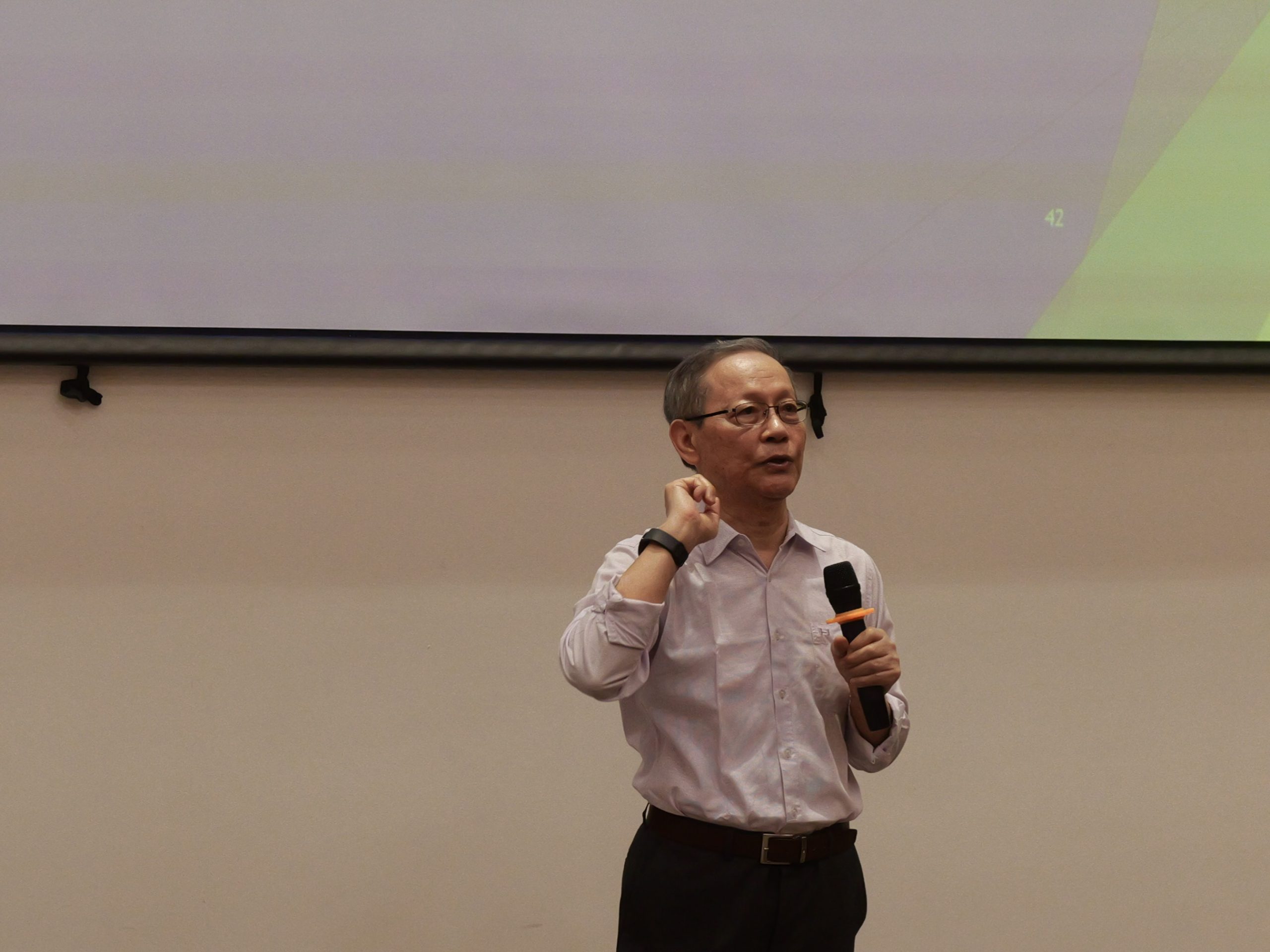
Professor Chunshen Zhu of the Chinese University of Hong Kong, Shenzhen, and Honorary Research Fellow at the Centre for Translation Studies at Hong Kong Baptist University, used the translation of the Chinese saying “桂林山水甲天下” (“Guilin’s scenery is second to none under heaven”) as a central case study to illuminate the nature of cultural translation and the logic of cross-cultural communication. He argued that translation is fundamentally the movement of cultural signs across contexts: language is the vehicle, while culture and ethics constitute its core. AI can enhance efficiency, he said, but it cannot replace human cultural understanding, evaluative judgement or humanistic reflection. Translation research and translator education must therefore remain grounded in the humanities while cultivating linguistic competence, cultural literacy, ethical awareness and context-sensitive thinking.
Dr Wan Hu, Head of the Department of Literary and Translation Studies at XJTLU, delivered a keynote on translator education amid market changes. Drawing on her latest monograph, Translator Education for Changing Markets, published by Cambridge University Press, she examined the digitalisation, interdisciplinarity and diversification of the translation market. She argued that the growing use of AI and the increasingly hybrid skills demanded of practitioners are accelerating educational reform. Future translators will need not only strong language skills but also subject-matter expertise, AI literacy, communication and collaboration skills, cultural intelligence and leadership skills. Her book proposes a new translation competence framework. She also called for stronger theoretical foundations and faculty development, and for closer university–industry collaboration and interdisciplinary training to prepare versatile translation professionals.
Roundtable: As the Profession Gets “Faster” and “Busier”, Human Judgement Remains Central
The roundtable was chaired by Dr Boyi Huang, Assistant Professor from the Department of Literary and Translation Studies. Panellists included Xuquan Wang, Chief Editor of the News Department in China Daily Online; Dr Hui Wang, Associate Professor in XJTLU's Department of Literary and Translation Studies; Yingbo Yang, Chief Executive Officer of Linguitronics Shanghai; Yunhui Guo, Senior Director at GienTech; and Quanquan, a freelance translator and localisation community manager.

Roundtable panellists (from left): Boyi Huang, Xuquan Wang, Hui Wang, Yingbo Yang, Yunhui Guo and Quanquan
The panellists characterised the pace of change brought about by AI as “faster” and “busier”. They stressed that in fields such as journalism and cultural communication, where creativity and cultural understanding are indispensable, human judgement and value-based decision-making remain irreplaceable. They encouraged practitioners to become proficient in AI tools and strengthen their capacity for interdisciplinary collaboration, while urging language students to pursue a broader range of career paths.
Translation Teaching Innovation Workshop: XJTLU's Approach to AI Integration
The Teaching Innovation Workshop, entitled Bridges to the Future: Connecting Translation Teaching with AI Innovation, brought together Dr Yangyang Long, Siyu Chen and Dr Zhiwei Han to share XJTLU’s ongoing explorations in AI-integrated translator education. The session moved beyond a tool-based understanding of AI and focused instead on how emerging technologies can reshape translation teaching, assessment and professional preparation.
Dr Long discussed the use of AI in translation assessment, highlighting how new technologies can support more reflective and evidence-informed approaches to evaluation. Siyu Chen shared examples from interpreting education, including scenario-based training, eye-tracking, AI agents, and other technology-enhanced methods that make the interpreting process more visible to learners. Dr Han, speaking as Translation Programme Director, presented XJTLU’s broader programme-level response: the development of an AI-empowered translation education ecosystem. Her presentation outlined how the BA Translation and Interpreting programme is rethinking translator education in response to changing professional markets and the university’s Education + AI strategy. Students are guided from digital awareness in the early stages of study, to AI-assisted application and risk-aware decision-making, and then to technology-enhanced practice in specialised translation, interpreting, digital journalism, audiovisual translation and industry-linked projects.
The workshop also highlighted the importance of interdisciplinary integration. Through national-level virtual simulation platforms, AI-supported learning environments, university–industry projects, professional translation platforms and digital media translation initiatives, the programme is building an educational ecosystem that prepares students to work critically, creatively and responsibly in an AI-mediated language services sector.

Workshop speakers (from left): Yangyang Long, Siyu Chen and Zhiwei Han
Parallel Sessions: Extending Interdisciplinary Dialogue
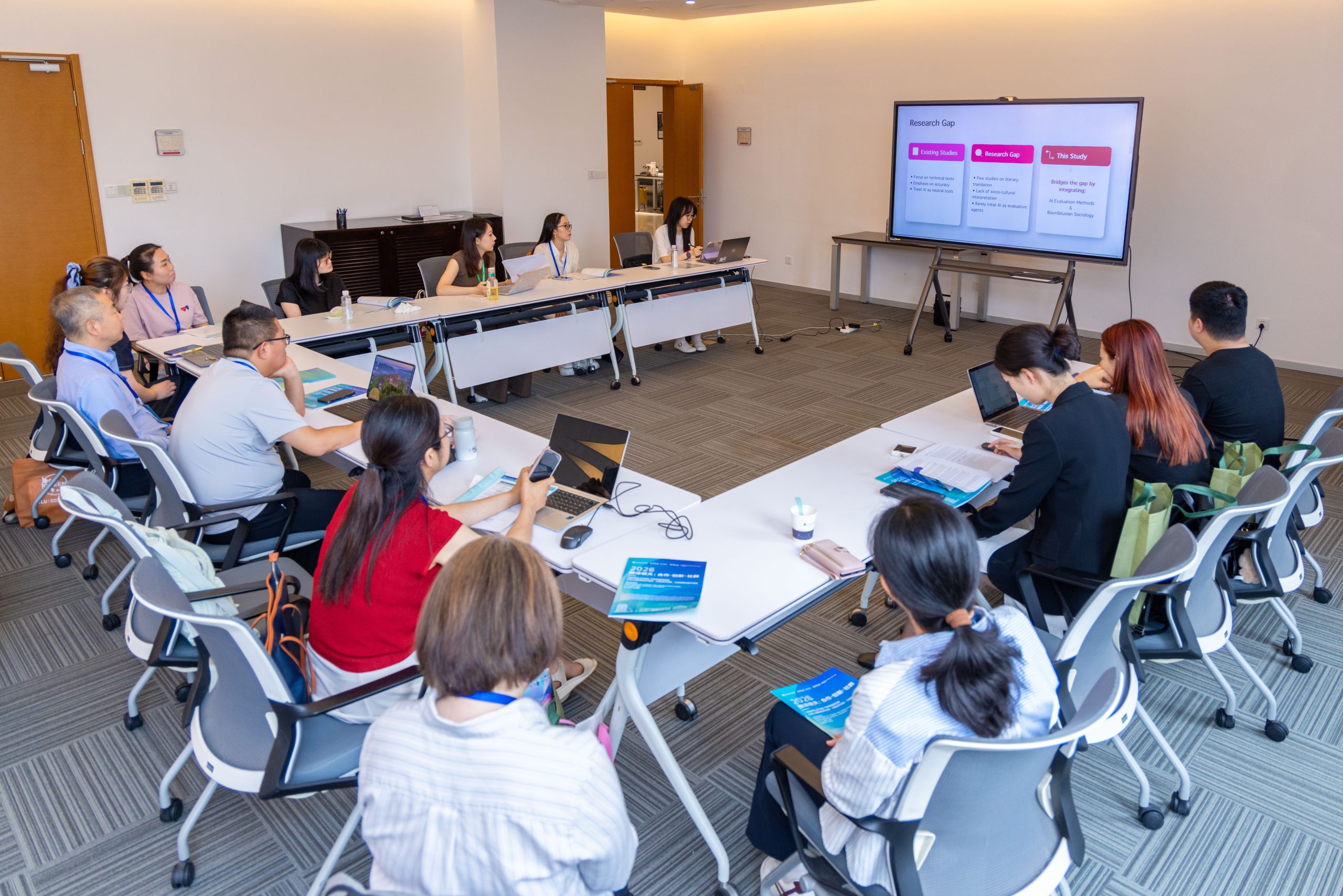
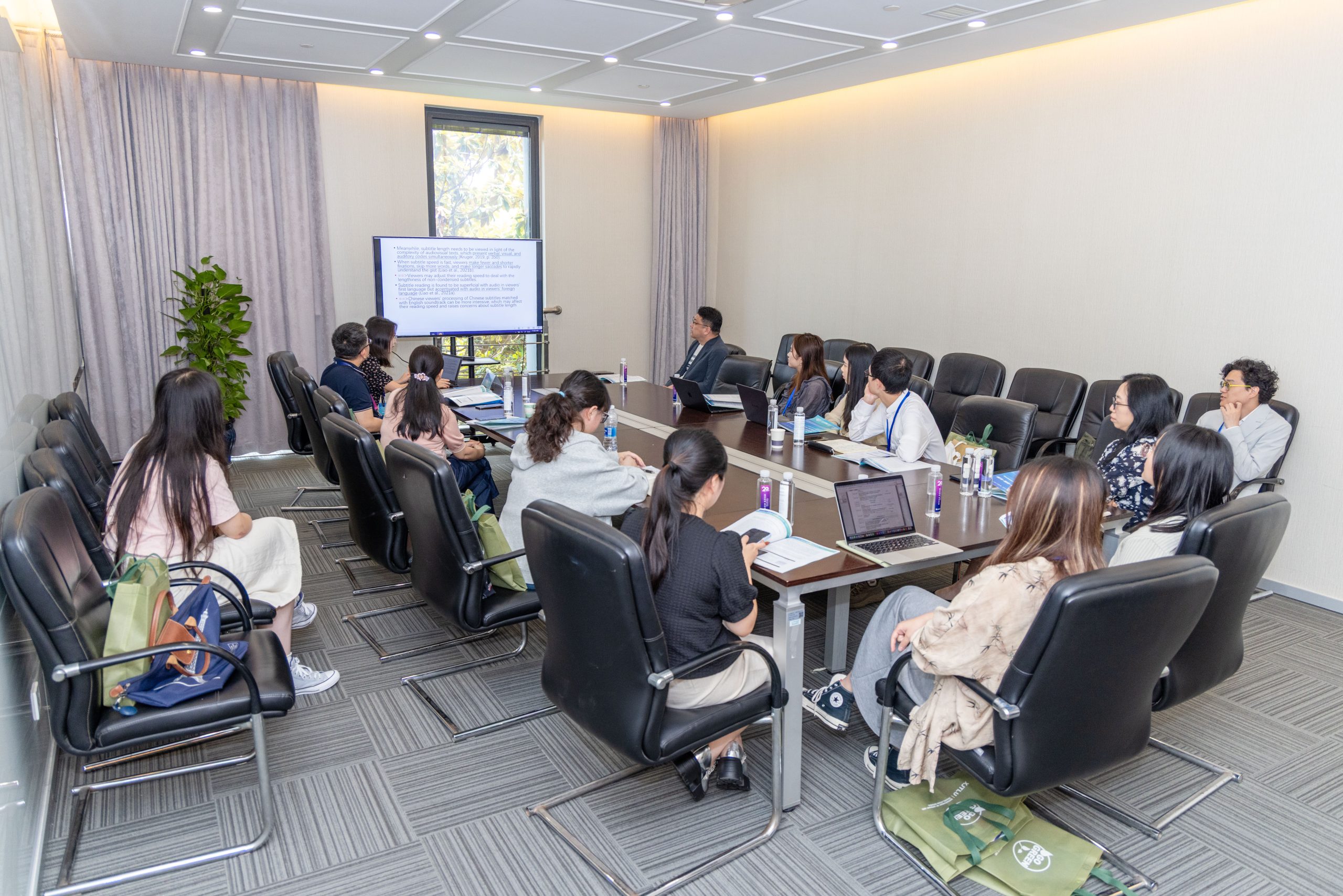
The conference featured eight parallel sessions on agency in AI-enabled international communication, transnational platformisation, cultural heritage in a globalised context, translation education, careers and industry transformation in language services, the psychology of international communicators, transcultural communities, and multimedia translation. Participants shared research findings and professional insights, deepening dialogue between translation studies and adjacent fields.
Closing Reflections
In the closing session, Dr Hui Wang, Chair of the Organising Committee and Associate Professor in XJTLU's Department of Literary and Translation Studies, argued that AI should be understood as both a catalyst and a collaborative partner for innovation in translation practice, translation education and language services. In the face of technological change, she said, the central task of translation education is not to prepare for the replacement of human translators by machines, but to reconsider what human agency uniquely contributes to translation: translators' empathy, professional judgement and authority to make the final decision remain indispensable and cannot be replicated by machines. The conference further underscored that the future of translation depends on striking a new balance between technological innovation and humanistic concern, and on collectively shaping the discipline and profession through collaboration, innovation and community-building.
By Yiyang Qi
Proofread by Zhiwei Han
28 Jun 2026