





‘Next Together’ Alumni Stories: Hui Zhang, Logic Design Engineer in Singapore

12 Jun 2026


As Xi’an Jiaotong-Liverpool University (XJTLU) celebrates its 20th anniversary, the University has launched a special alumni story series under the “Next Together” global initiative. The series highlights the diverse career journeys and personal growth of XJTLU’s outstanding graduates.
This edition features Hui Zhang, who joined XJTLU in 2011. He earned a master’s degree in Integrated Photonic and Electronic Systems from University of Cambridge and a PhD in Electrical and Computer Engineering (specialising in Hardware Security) from National University of Singapore. Recently, he joined a semiconductor company in Singapore as a Logic Design Engineer.
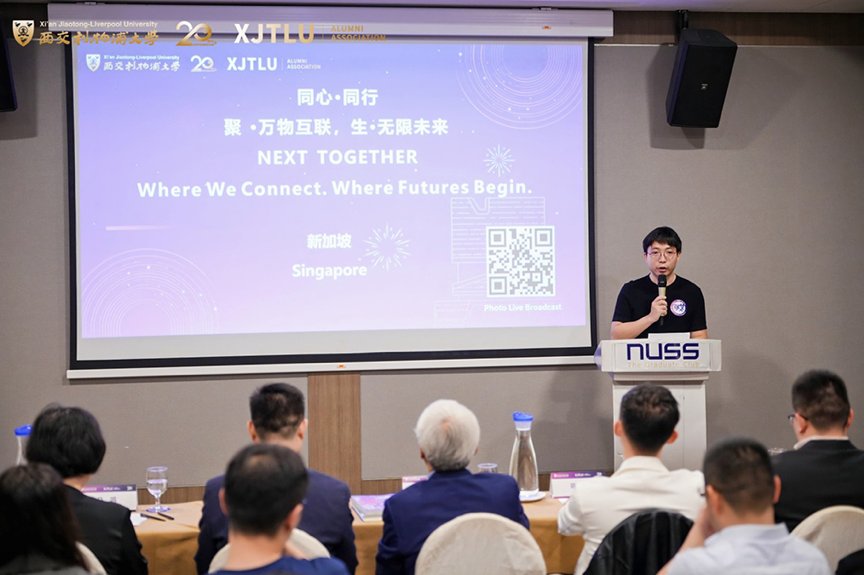
Hui Zhang at the “Next Together” event in Singapore
Q: Why did you choose XJTLU and Electronic Science and Technology?
A: After Gaokao, I came across the concept of Sino-foreign cooperative education. After comparing several universities, I found that XJTLU had stronger advantages in science and engineering, which aligned well with my interests. My family also visited the campus and highly valued the University’s educational approach, encouraging both my brother and me to apply.
Growing up, I was exposed to various computer systems through my father’s work, which sparked my early interest in semiconductors and integrated circuits. Choosing an electronics-related programme felt like a natural decision.
Q: How did XJTLU’s educational model influence you?
A: Unlike many traditional universities in China that require students to commit to a specialised field immediately, XJTLU’s exploratory approach allowed me to experience a wide range of subjects before deciding what I genuinely enjoyed and excelled at.
The fully English-speaking environment and international classroom culture also prepared me well for my later 2+2 programme. Compared with many peers who went directly overseas for postgraduate studies, I found both academic learning and cultural adaptation much smoother.
Another important experience was the Summer Undergraduate Research Fellowships (SURF). It was my introduction to research. During my first and second years, I had opportunities to work in laboratories, participate in cutting-edge research, and gain hands-on experience with processes such as photolithography and PN junction fabrication. At that time, very few universities in China offered such opportunities to undergraduate students so early in their studies.
Q: You were offered the opportunity to continue directly into a PhD at Cambridge. Why did you stop after your master’s degree and enter industry instead?
A: There were two main reasons. First, the research direction was not a perfect match. Cambridge’s programme focused more on photonics and quantum physics, whereas my long-term interest was integrated circuit design. I wasn’t sure whether I wanted to spend several years specialising in a field that wasn’t fully aligned with my goals. Second, practical considerations also played a role. Pursuing a PhD requires the right combination of research direction, supervisor, and funding support, and at that time those conditions were not ideal.
After completing my master’s degree, I went through a period of uncertainty as my PhD applications were not progressing as expected. At that time, I was approached by Finisar Corporation, and joined the communication equipment company as a Hardware Engineer. During the following two years, I independently handled technical support, field debugging, and client communication. The experience significantly strengthened my problem-solving skills and ultimately helped prepare me for a future PhD application.
Q: What motivated you to return to academia after two years of work?
A: Pursuing a PhD in integrated circuit design had always been part of my long-term plan. Even after entering industry, I continued looking for suitable opportunities.
My brother had already begun his PhD studies in Singapore, which helped me better understand the academic environment there. I also visited Singapore myself before applying. Eventually, I contacted a professor at the National University of Singapore, discussed research interests in depth, secured admission, and successfully obtained a full scholarship. That gave me the confidence to resign from my job and pursue a PhD in Electrical and Computer Engineering.
Q: What did the PhD experience bring you, and how did it feel to return to industry afterwards?
A: It gave me three things: an opportunity to switch tracks, a way to overcome academic qualification barriers in career development, and deeper expertise in chip design. During my doctoral studies, my research was published at leading conferences and journals, including the International Solid-State-Circuits Conference (ISSCC), the Very Large Scale Integration (VLSI) Symposium, and the Journal of Solid-State Circuits (JSSC). Last year, my paper at ISSCC – often referred to as the “Olympics of the semiconductor industry” – received full marks from the review committee and was selected as a highlighted contribution in hardware security.
Experiencing both academia and industry helped me clarify my long-term direction. Academia focuses on advancing knowledge and publishing research, while industry focuses on creating products and delivering value. Returning to industry allows me to better understand how semiconductor companies operate and turn academic ideas into practical technologies while continuing to develop my engineering skills.
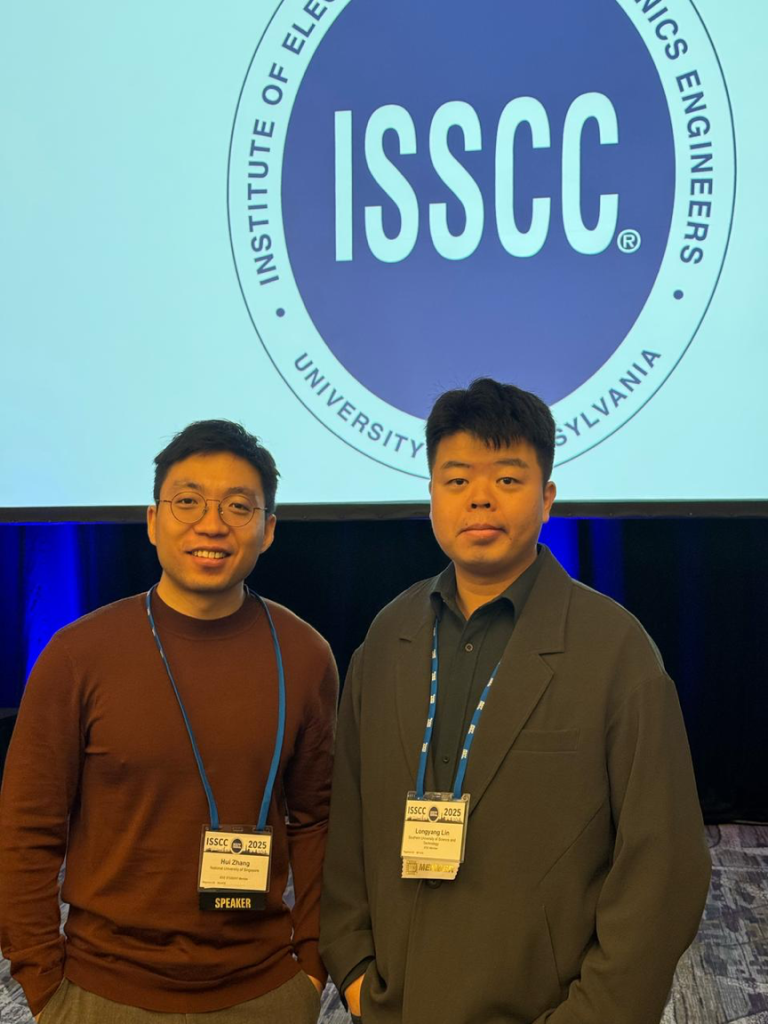
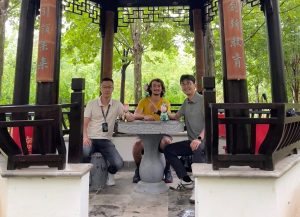
Hui Zhang (left) attending ISSCC 2025
Q: What advice would you give students who are considering a PhD?
A: First, experience research before making a decision. Take advantage of XJTLU’s diverse courses and practical opportunities to understand what research life is really like and whether you are prepared for long-term commitment.
Second, identify your core motivation. Are you pursuing a PhD to change careers, overcome qualification barriers, or because you genuinely love research? Interest is often what sustains people through the challenges.
Finally, allow yourself to take detours. When you feel uncertain, make the best decision you can with the information you have. But never stop asking yourself what you truly want. Over time, your path will gradually correct itself.
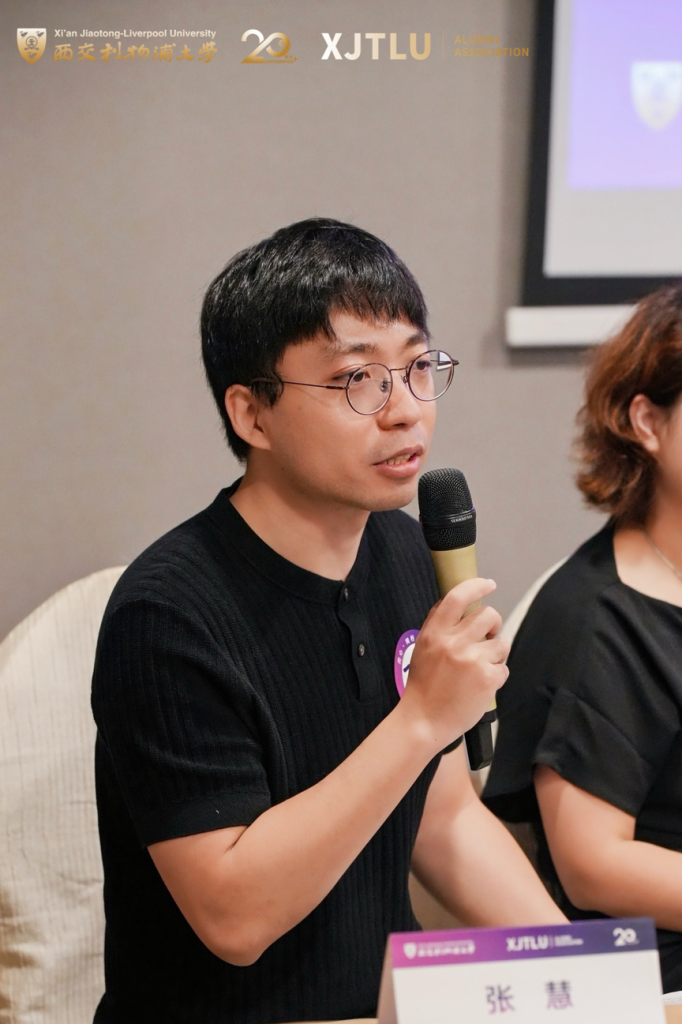
Hui Zhang sharing his experience at the “Next Together” event in Singapore
Q: What is the biggest change you have seen at XJTLU?
A: On the surface, the campus facilities, scale, and reputation have all improved significantly. More importantly, I have noticed a clear rise in the overall calibre of students. Today, many undergraduates are already publishing papers at top conferences, which was much rarer during my time. Students also seem to have a stronger sense of purpose and are more proactive in seeking answers about their future. I believe this is closely connected to XJTLU’s long-standing commitment to innovation and holistic student development.
Q: Finally, what message would you like to leave for XJTLU on its 20th anniversary?
A: I hope XJTLU continues to nurture more global citizens with innovative thinking and international perspectives, serving as a guiding light for young people and helping them pursue their ambitions and dreams.
By Zewei Huang
Edited by Xinmin Han
12 Jun 2026
RELATED NEWS
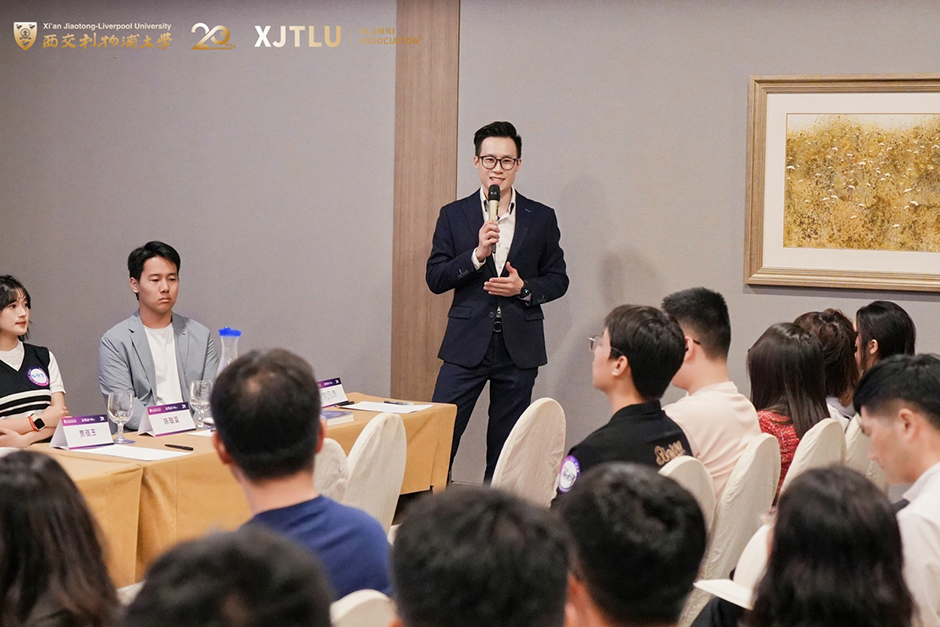
‘Next Together’ Alumni Stories: Jingkang Gui, General Manager of Solar PV and Battery Energy Storage Systems at Keppel
As Xi’an Jiaotong-Liverpool University celebrates its 20th anniversary, the University has launched a special alumni story series under the “Next Togethe...
Learn more
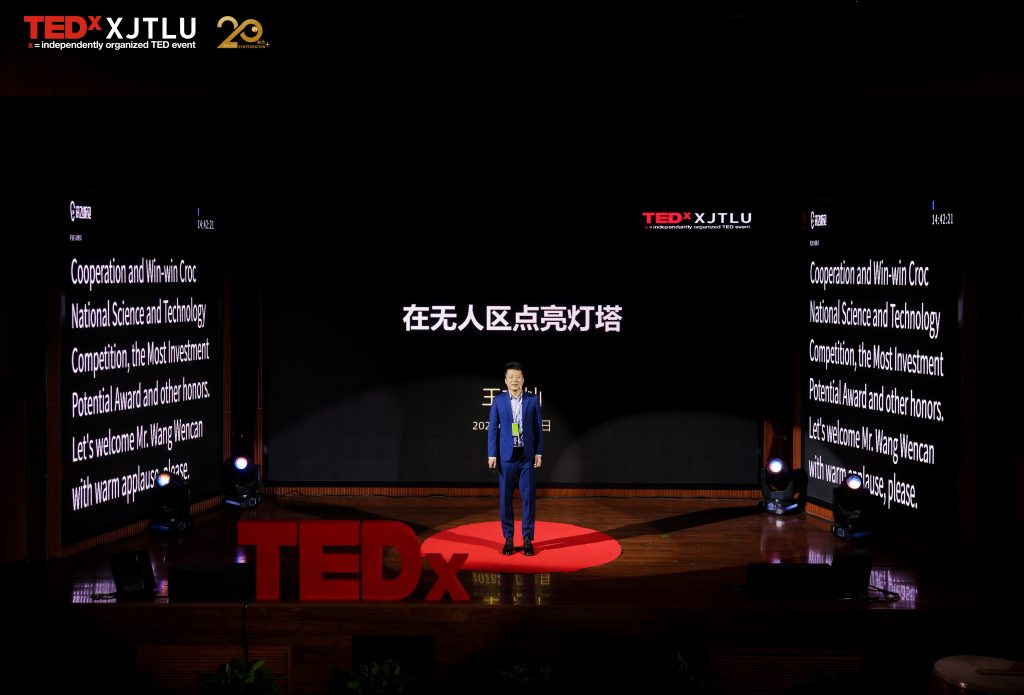
‘Next Together’ Alumni Stories: Wencan Wang, Founder and CEO of Hecbert Information Technology
As Xi’an Jiaotong-Liverpool University celebrates its 20th anniversary, the University has launched a special alumni story series under the “Next Together” g...
Learn more