



Professor Eng Gee Lim: From "One Building" to a future university experiment

02 Jun 2026


Many of life’s most important decisions do not look like the “right answer” at the time they are made.
In 2007, when Professor Eng Gee Lim left his role as an R&D engineer in the UK and moved to Suzhou, few could have predicted what Xi’an Jiaotong-Liverpool University would eventually grow into.
At that time, the Dushu Lake Science and Education Innovation District was only getting off the ground, and the University’s campus was little more than a rough blueprint. Even Sino-foreign cooperative education itself was an untested experiment. Judged purely by its physical infrastructure, XJTLU could hardly have been linked to the idea of an “international university”.
But for Professor Lim, this blank, uncharted territory held a special allure.
Before joining XJTLU, Professor Lim accompanied several foreign colleagues on a visit to Suzhou, helping bridge the language gap with his basic Chinese skills. And that was when, for the first time, he truly felt there was some magical connection between him and this place.
“Sometimes, you just get drawn to pure possibility,” he says. What struck him about XJTLU was its rare, almost audacious spirit that is rarely encountered in traditional universities. To him, this school was genuinely determined to pull off something no one had ever attempted before.
And that was why he chose to jump right in, joining this young university early in its startup phase.
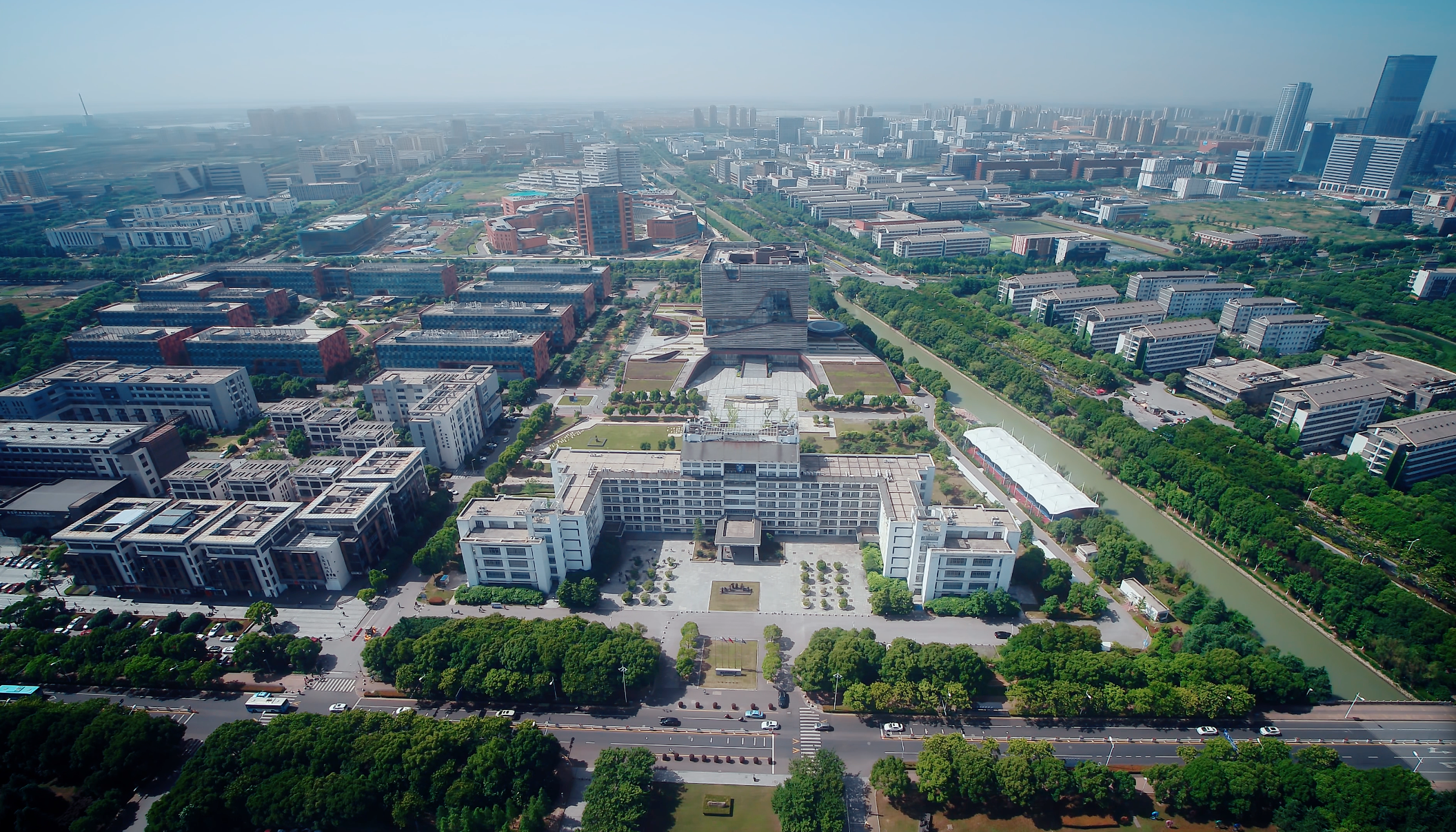
Two decades have passed, and those once-uncertain “possibilities” have gradually solidified into a concrete, viable outline.
“I am so grateful that I was not just a bystander back then – I got to actually play a part in building this history. Not many people get to spend two decades with a university, watching it grow from a dream into a reality – and it is still brimming with boundless vitality even today,” he says.
Igniting a fire: cultivating “global players” in engineering education
In the University’s earliest days, the biggest challenge facing Professor Lim was overcoming ingrained mindsets and redefining the teacher-student relationship.
“The first few cohorts of students would often ask me: ‘Professor, what are the key points for the exam?’” he recalls. In the traditional education model, teachers deliver standard answers, and students memorise them to pass their exams. But XJTLU’s entire approach to education was completely different.
“I have always loved that saying: ‘Education is not the filling of a pail, but the lighting of a fire’,” he says. “Especially in the ever-changing fields of engineering and AI education, the technologies we teach today could be obsolete in just five years. What truly never goes out of date are curiosity, independent thinking, and the courage to navigate the unknown.”
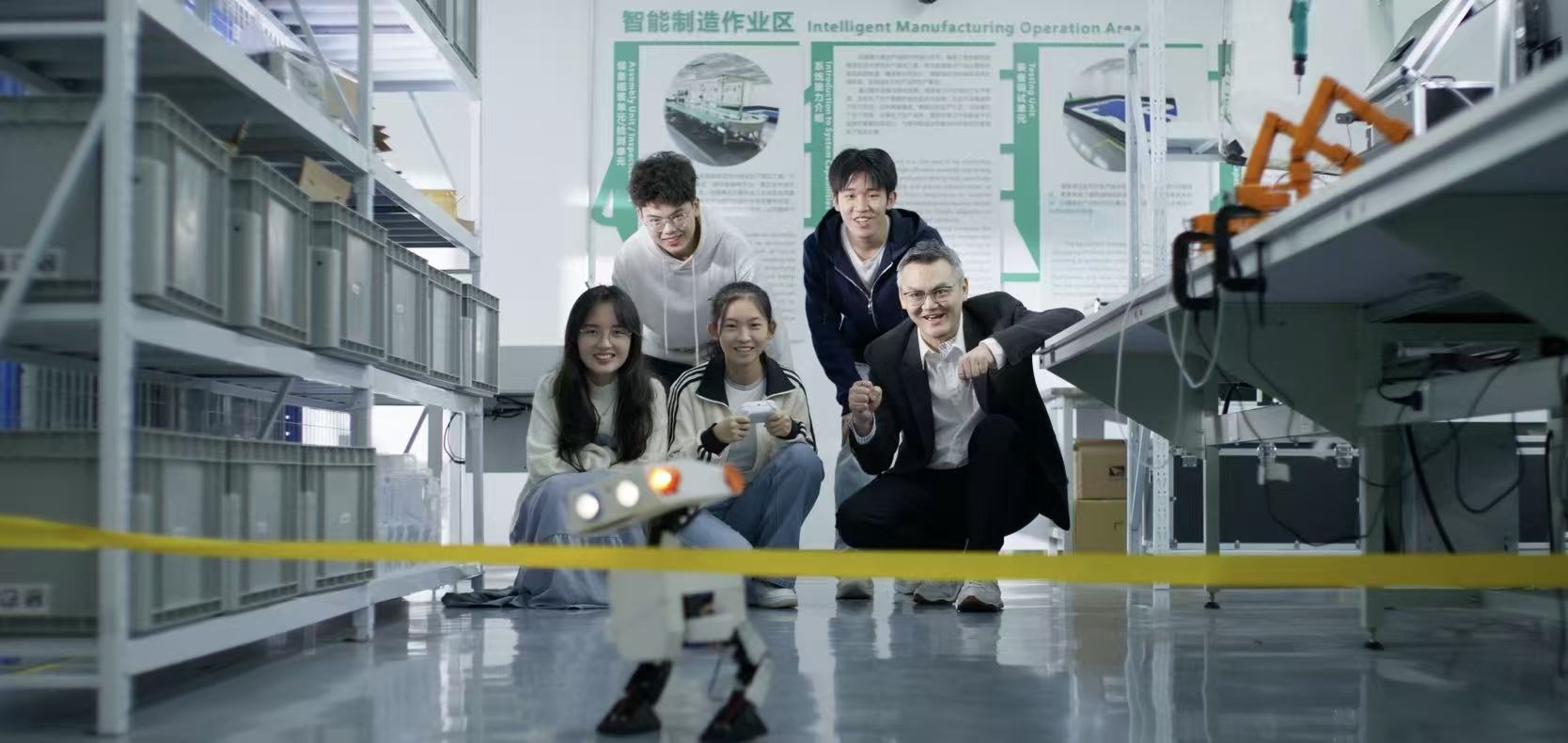
As a former engineer, Professor Lim emphasises the “real-world” relevance of his teaching. In one project course on AI and intelligent systems, he did not give his students any standard, step-by-step instructions for their project.
When students pressed him for the “correct answer”, he told them: “If I already knew the answer, this problem probably would not even be worth researching.”
Ultimately, the students poured tons of time into this open-ended project, actively reaching out to companies for field research, and repeatedly tearing up and revising their proposals.
“When they presented their work, I realised they were not just completing an assignment anymore, they had truly stepped into the role of researchers and innovators. The most wonderful moment in education is not when a teacher delivers an engrossing lecture, but when students come to truly believe that they themselves have the power to create the future.”
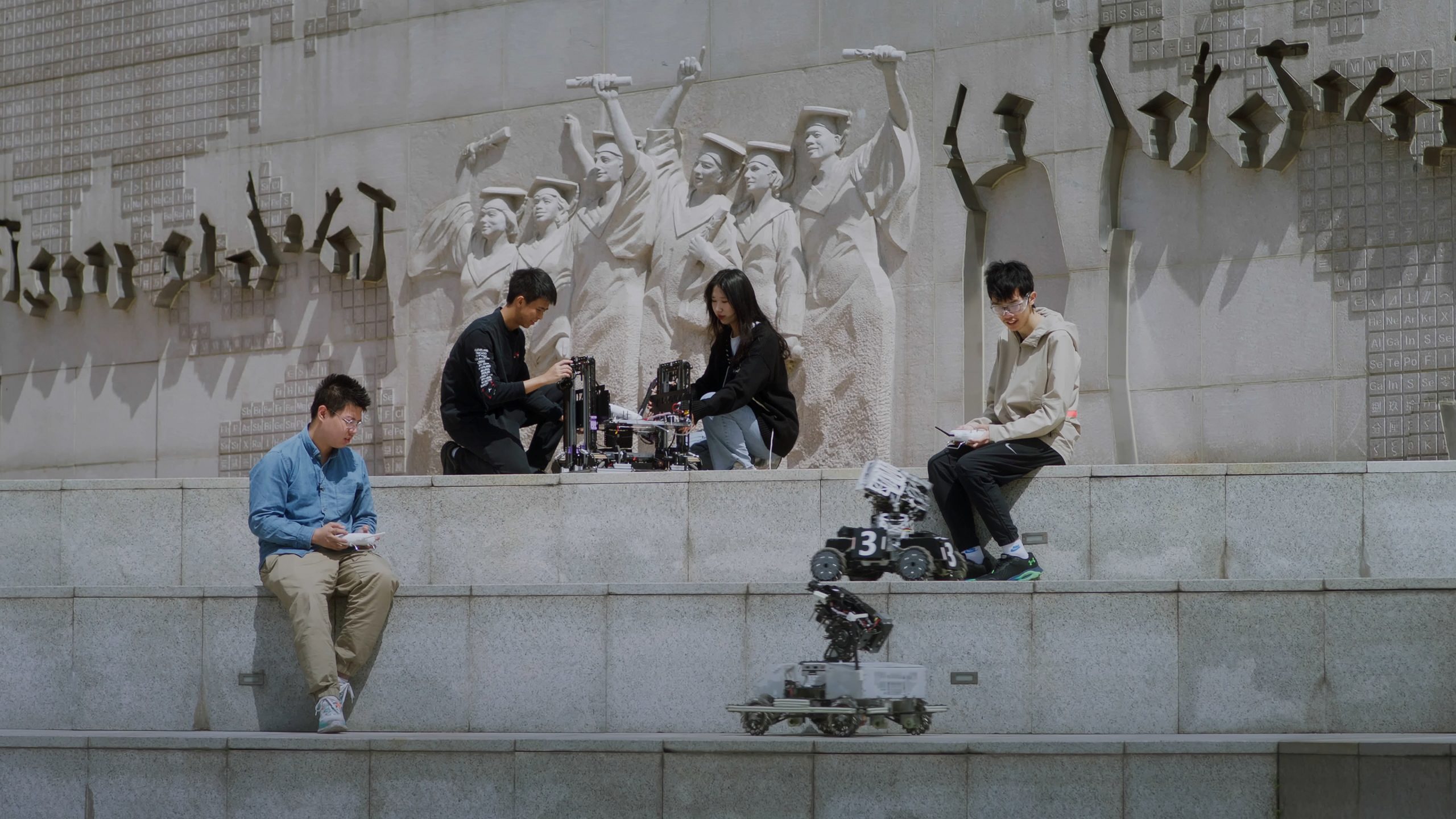
This is exactly the kind of education XJTLU champions: it hopes that when students graduate, they will still hold onto their curiosity about the world, have the courage to keep exploring, and become the “global players” that Professor Youmin Xi describes – only when they can play to their strengths in this global arena can they embrace the future.
Making decisions when there were no answers
As the University grew from its early startup phase into a period of rapid expansion, Professor Lim’s role evolved from a frontline teaching and research staff member into an administrator. He has held several leadership positions, including Associate Vice President of Research and Impact, Inaugural Dean of the School of Advanced Technology, and, most recently, Inaugural Executive Dean of the Academy of Artificial Intelligence.
And running this international, cutting-edge academic institution, with no pre-existing playbook to follow, meant he had to become that “player navigating the unknown” himself.
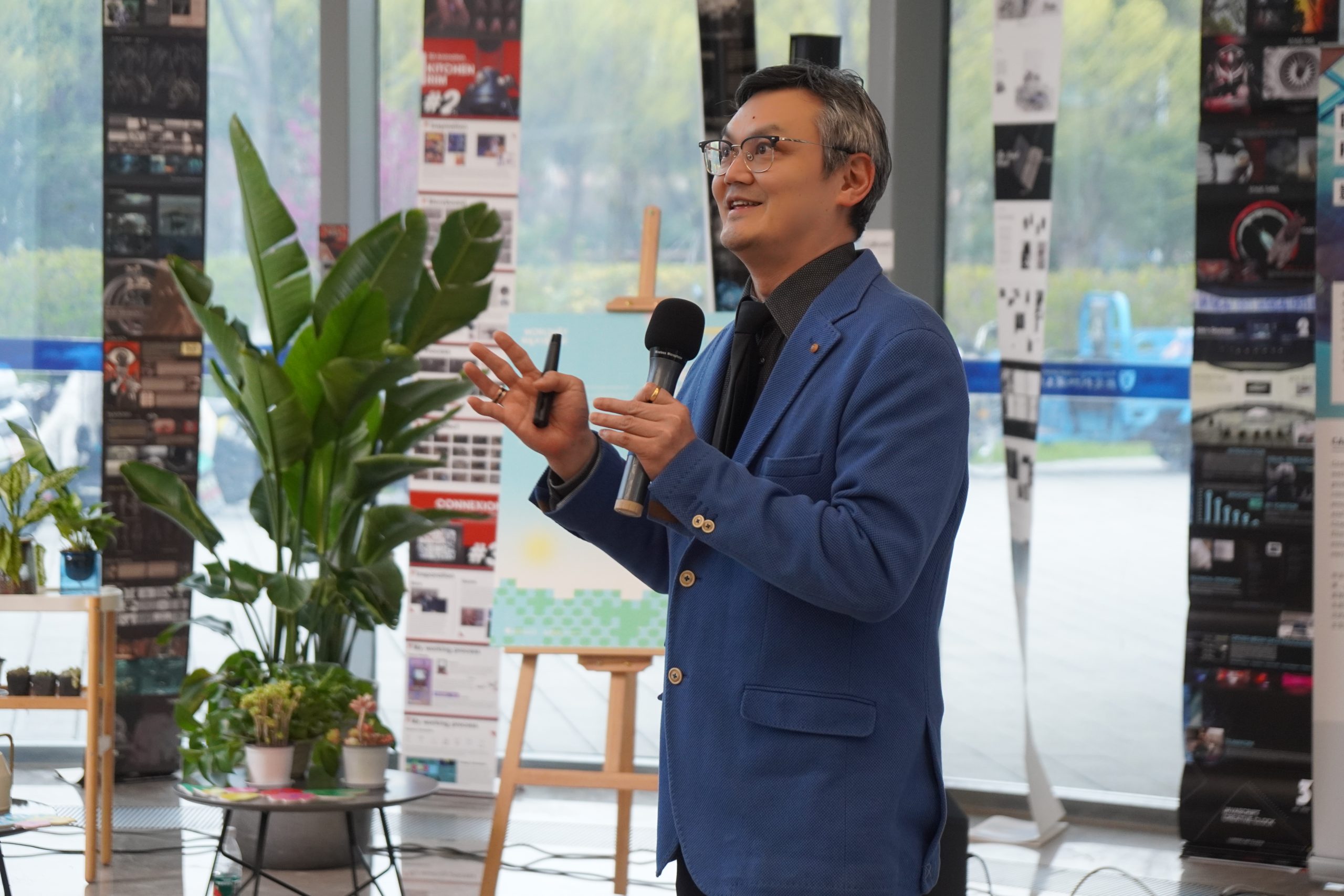
“Actually, the hardest part was never the resources; it was making decisions when there were no answers,” he admits.
English-medium instruction, aligning domestic and international research systems, recruiting talent from home and abroad, cross-cultural and interdisciplinary integration... Many of XJTLU’s explorations were uncharted territory. Every institutional reform the University launched would shake people out of their comfort zones, sparking plenty of resistance and scrutiny.
“The thing is, it is not usually a matter of capability; it is the inertia of old mindsets,” Professor Lim says. “People would instinctively ask: ‘Why can’t we just do things the way traditional universities do?’”
But XJTLU has always been asking a different question: “Shouldn’t the university of the future be different anyway?”
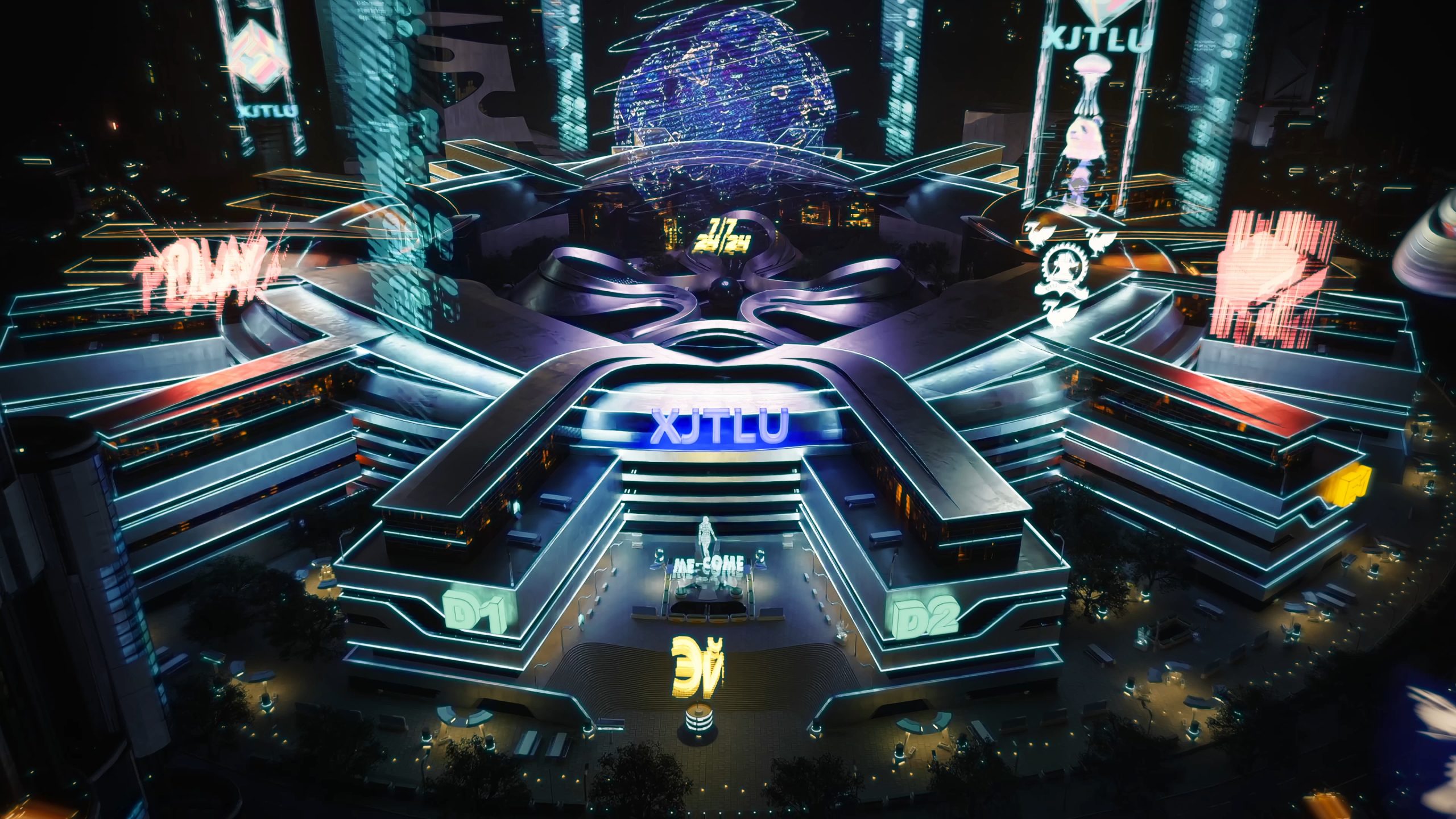
Even so, the pressure and anxiety were all too real. “Sometimes after a full day of meetings, I would wonder on my way home: Did I make the right decision?”
And what kept him going through it all was a long-term perspective.
“True university reform is never about making everyone comfortable right away; it is about preparing for challenges over the next 10, even 20 years. The greatest responsibility of a management team is not to avoid controversy forever, but even under pressure, to still be willing to follow through on long-term commitments.”
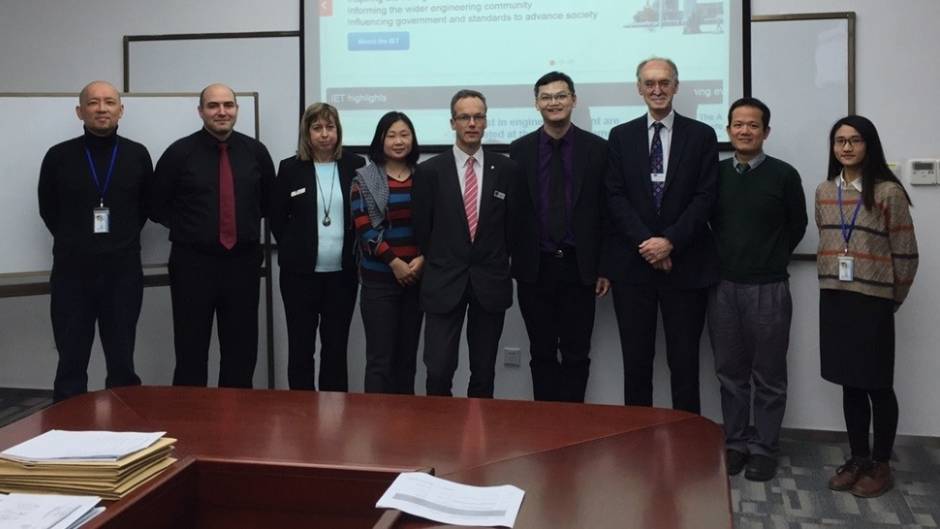
In 2016, the undergraduate and postgraduate programmes of the Department of Electrical and Electronic Engineering received full accreditation from the Institution of Engineering and Technology (IET)
Back in the early days, pushing for the integration of AI research and industry required real grit. It came with heavy investment, rapid iteration, and steep interdisciplinary barriers – all of which endeavoured an incredibly high-risk bet. But Professor Lim believes that truly vital research should never remain confined to academic papers; it must solve real-world problems.
“If a university only dares to stick to safe, certain projects, then it can only ever keep up with the times, never get ahead of them, let alone stand on the shoulders of AI to harness it,” he says.
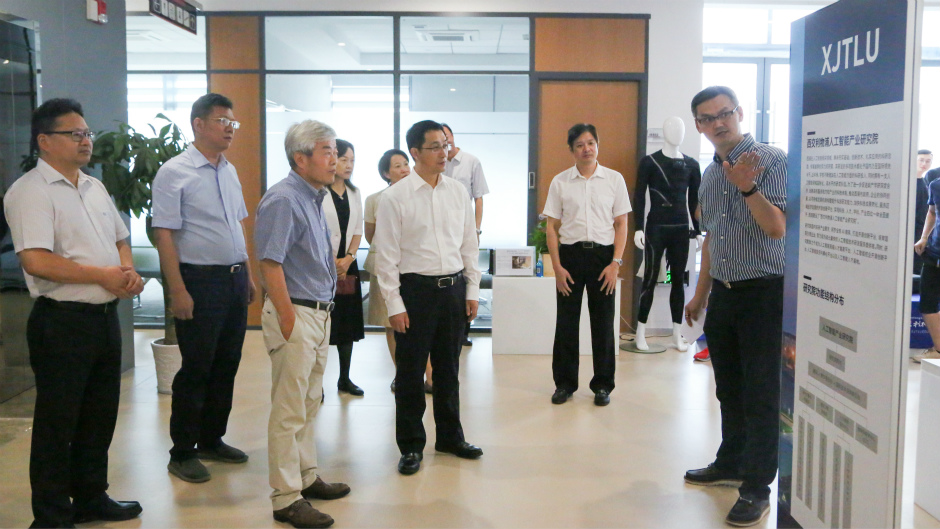
In 2018, then Dean of Research and Graduate Studies at XJTLU, Professor Eng Gee Lim (right), introduced the AI University Research Centre
Breaking boundaries: addressing generational anxieties through an open ecosystem
Now, as XJTLU marks its 20-year milestone, the world itself is at an inflection point, with AI driving a wholesale restructuring across nearly every sector. Professor Lim has picked up on the quiet, unspoken worries weighing on today’s students: while they are more confident, bolder, and more globally minded than any cohort before them, in the face of the industrial shifts and drastic upheaval to the job market that AI has unleashed, this younger generation is carrying an unprecedented weight of generational anxiety.
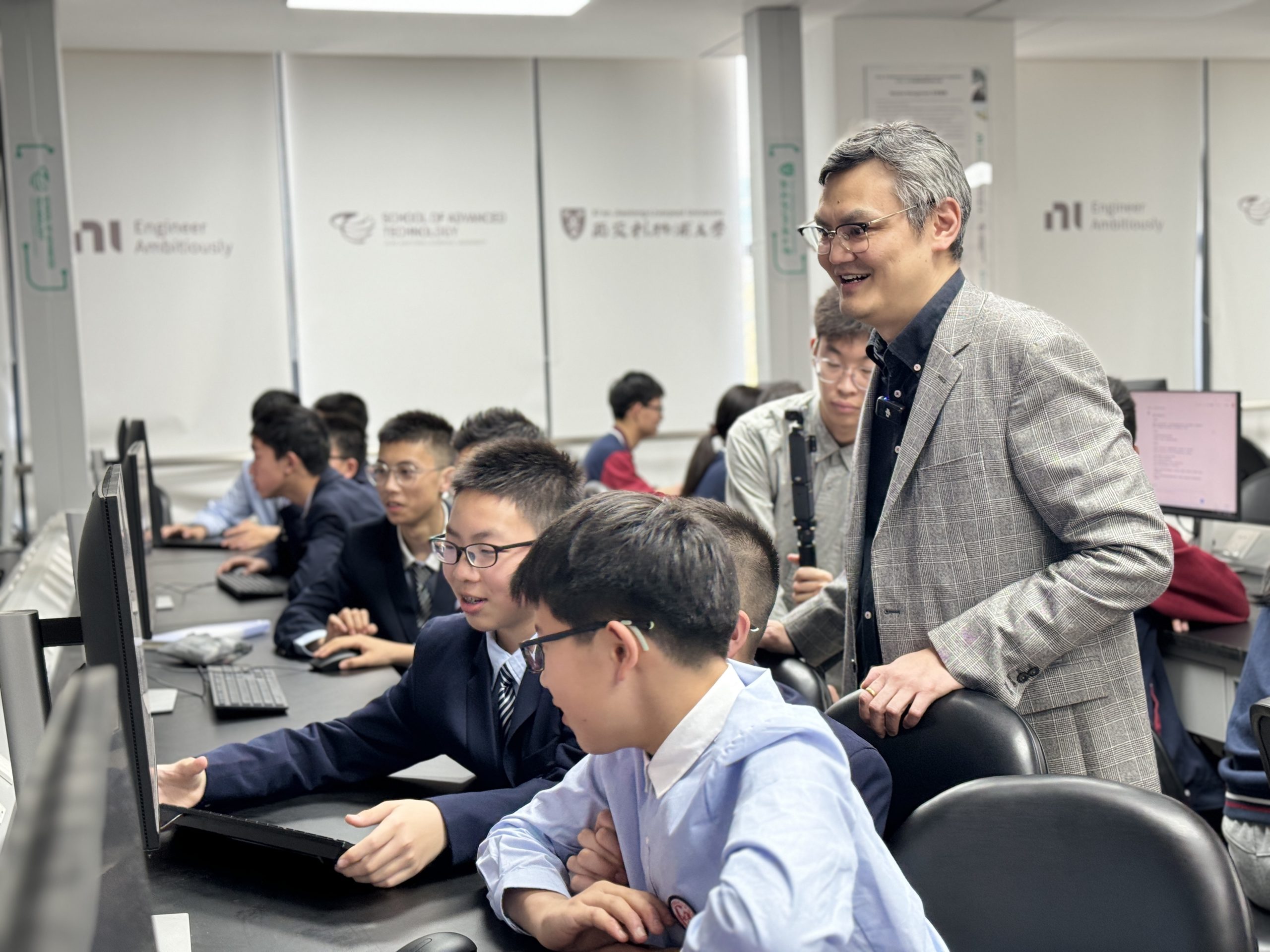
“That’s why Professor Xi has been leading us into XJTLU’s 4.0 Model – it’s not just about building capabilities, but about equipping young people with the courage and resilience to navigate the uncertainties of the UACCS (Uncertainty, Ambiguity, Complexity, Changeability, and Scarcity) era.”
In Professor Lim’s view, the future needs “cross-boundary players” who can bridge different fields, not confined to a single discipline.
“If I had to do it all over again, I would have pushed for AI-driven interdisciplinary integration even sooner,” he says. “Because the biggest innovations always emerge where boundaries are broken down.”
To turn this vision into reality, Professor Lim dedicated himself to institutional and systemic innovation, founding the University’s Graduate School, the School of Advanced Technology, and the Academy of Artificial Intelligence. He also spearheaded the establishment of the Jiangsu Province Engineering Research Centre of Data Science and Cognitive Computation, the Suzhou Proof of Concept Centre, XJTLU AI Café and Experience Centre, and AI Workshop, weaving together a six-party collaborative innovation network covering industry, academia, research, government, community, and business.
“A university should not just be a knowledge producer that only cranks out papers from inside an ivory tower. Instead, it should be the very first place where innovation and entrepreneurship take root. In this place, teachers, students, and industry partners can truly ‘play’ together, open and unguarded,” Professor Lim says. “We’re not just doing research here, we’re hoping to build a truly borderless innovation ecosystem.”
The most precious thing is that XJTLU remains young
“The biggest change this professional journey has brought me is that I have truly come to understand: running a university is not just a job, it’s a process where a group of people grow together with the times.”
Professor Lim says he was not a late arrival to this university; in a way, he grew up right alongside it. He was there for its “one building” days, lived through its hardest times, sent off the very first cohort of graduates, and has kept welcoming fresh, young faces ever since.
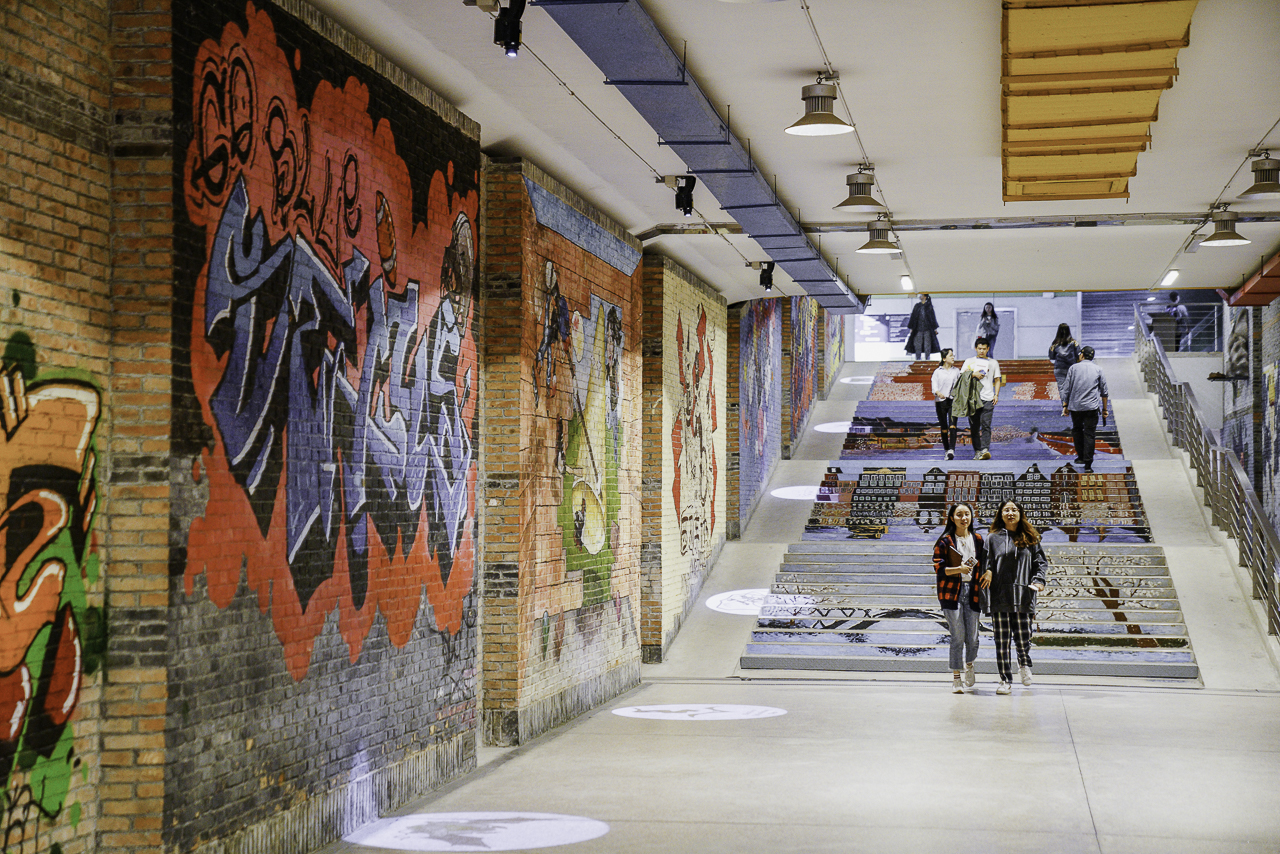
“As many organisations grow, they get more mature, but they also tend to grow more conservative. By contrast, over all these years, XJTLU has retained this rare spirit: a willingness to experiment. What makes it most like a young person is not its age, but that it has never lost its curiosity.”
That once-idealistic dream of building a university, from two decades ago, has now taken root here. What has truly lasted is not just the campus, or the buildings, or even the rankings – “it is generation after generation of people: people who still choose to believe in education, in the future, and in changing the world.”
By Huatian Jin
Translated by Xueqi Wang
Edited by Patricia Pieterse
02 Jun 2026