



BSc Economics


September 2025

Full time

Three or four years

Available

Suzhou


XJTLU undergraduate students earn two degrees: an XJTLU degree recognised by the Chinese Ministry of Education and a globally respected University of Liverpool degree.

Knowledge and skills
By the time you graduate from the BSc Economics programme, you will have:
- the ability to demonstrate a comprehensive and systematic understanding of economic concepts, principles, theory and modelling approaches, including theoretical foundations of modern economic thinking, and practical and theoretical knowledge of microeconomic and macroeconomic systems;
- the knowledge and understanding required to apply economic theories to analyse the mechanisms of real-world markets;
- the skills needed to analyse and identify creative solutions to problems relating to business, industry and economic policy; and
- the ability to collect, organise, manipulate, present, critically evaluate and analyse economic and business data and information in an informative and accessible way for different audiences and users.
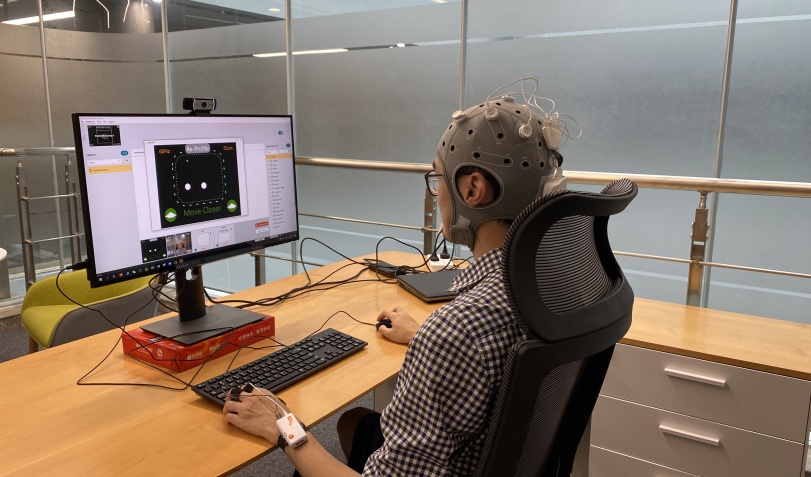
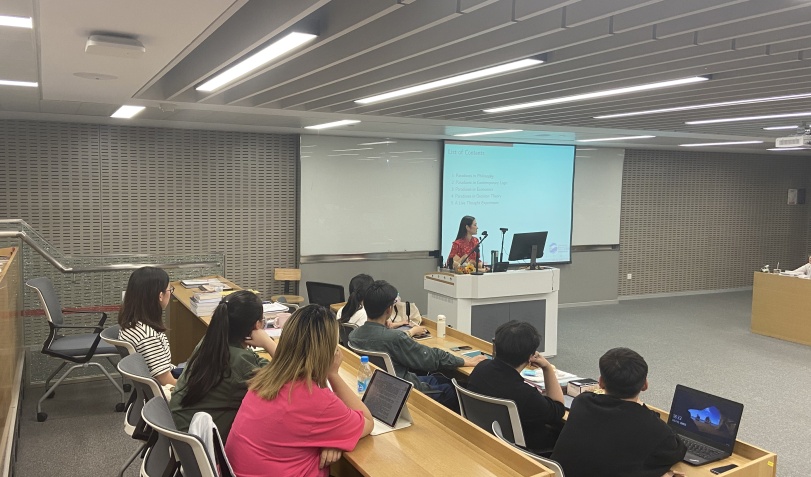
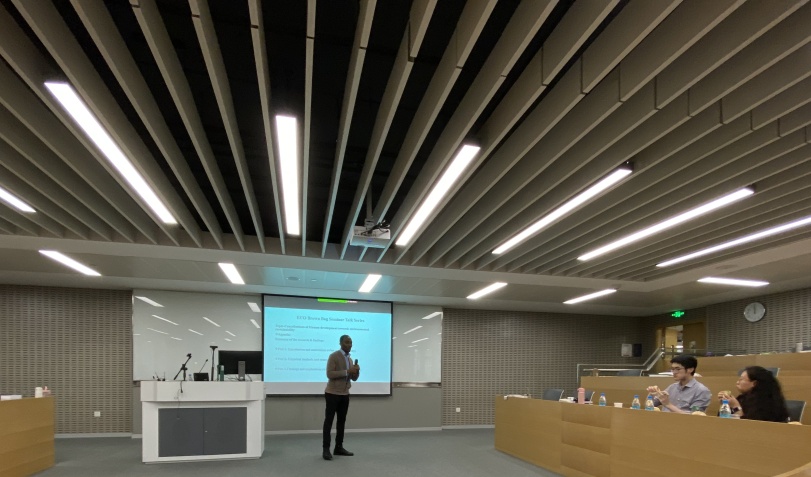
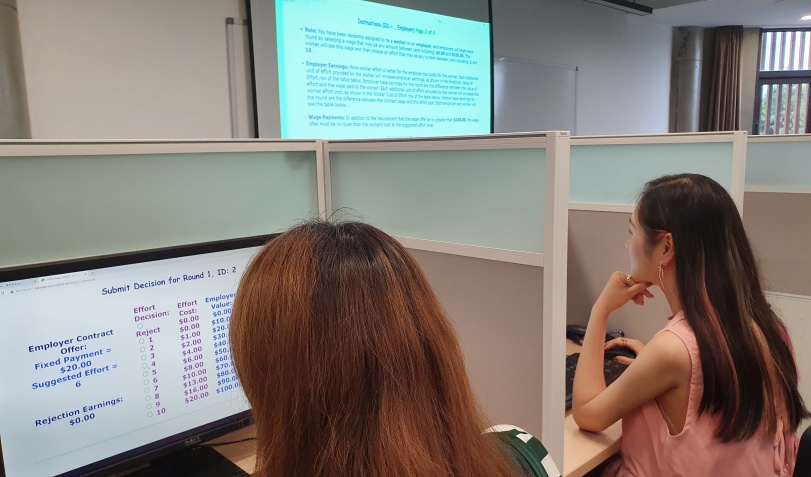
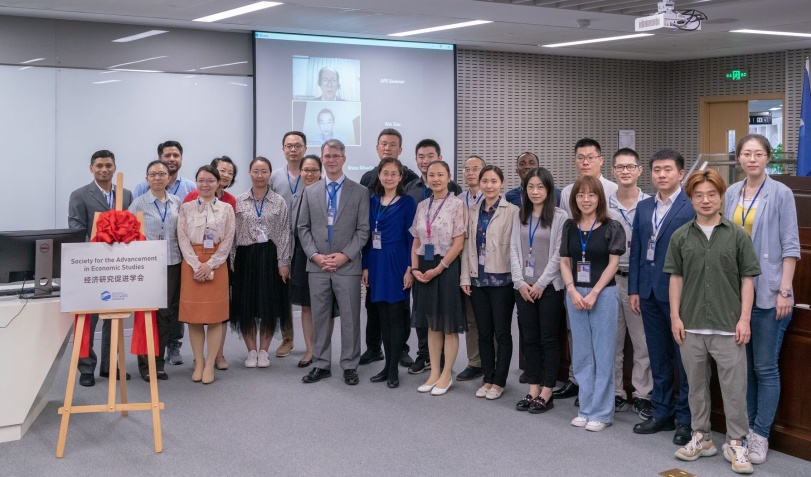

One of the basic definitions of Economics is as follows: how to satisfy the unbounded needs of humanity with bounded resources at hand in an optimal way. In the BSc Economics programme you will find answers to this fundamental question and many other problems in modern society. BSc Economics is the most universal and fundamental programme at IBSS, offering students multiple open perspectives for further postgraduate studies.


Dr Anton Bondarev
Programme Director
Modules
*Programme modules listed are illustrative only and subject to change. XJTLU students are advised to log in to the e-Bridge Portal to view the effectuated module structure.
Xi’an Jiaotong-Liverpool University offers a wide range of courses in the first year, including English for academic purposes (EAP), mathematics and physics, and humanities and social sciences. Click to learn more.
Core Modules
Core Modules
Optional Modules
The Austrian theory of business cycles helped me understand Chinese financial markets, and I was inspired by the principal-agent model in advanced microeconomics.

Ruoyan Ji
Alumna, BSc Economics, China
Careers
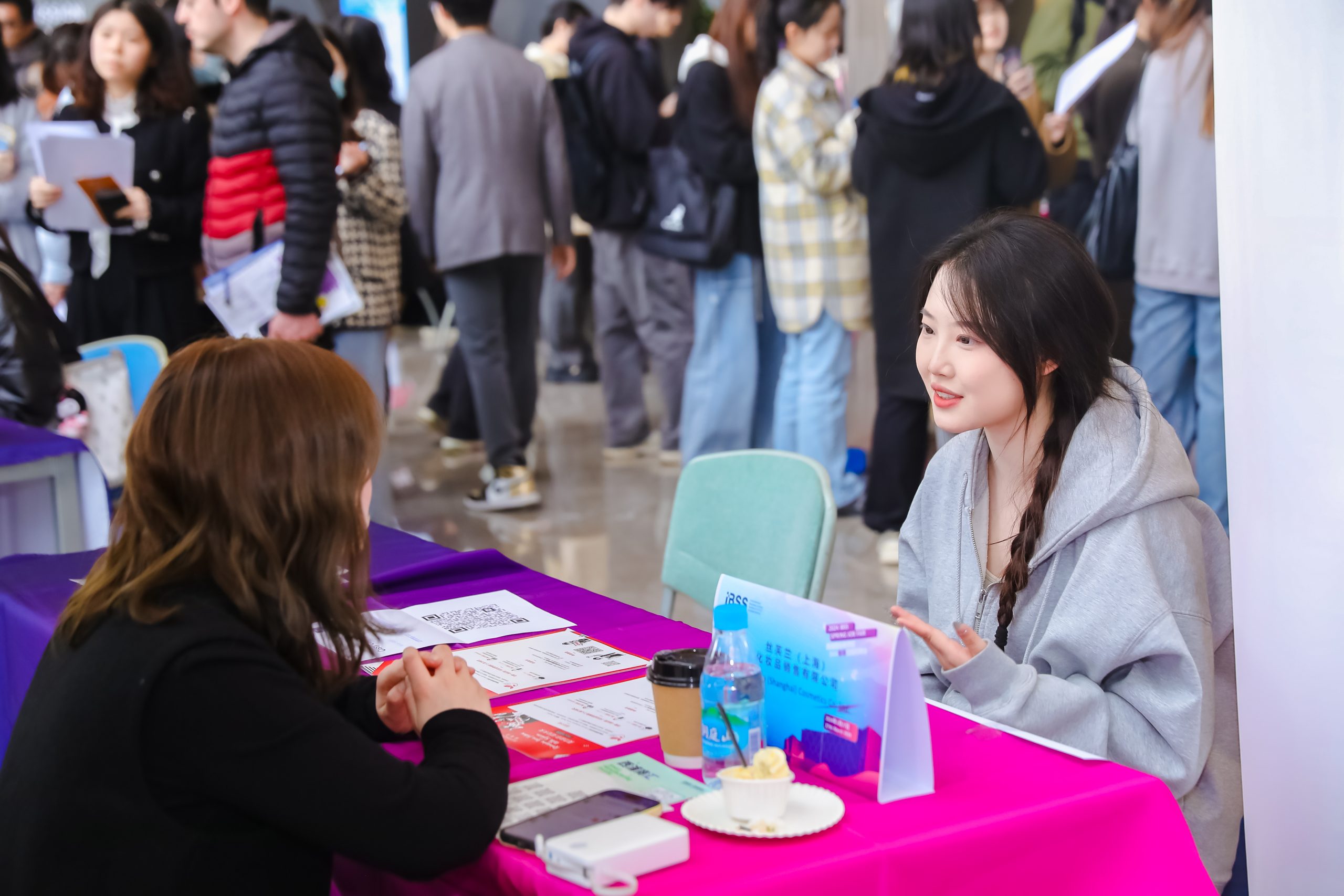
Graduates from this programme will be well-prepared for management and specialist positions in business sectors such as management consultancy, the financial sector, international organisations, government and the civil service, as well as positions in marketing, law and entrepreneurship. Graduates will also gain a solid foundation for postgraduate study in economics, finance, management or public administration.

Overview
The BSc Economics programme will provide you with comprehensive training in theoretical and quantitative tools used in economics. You will learn how to apply this training to understand, analyse and interpret the mechanisms of real-world markets. All students receive rigorous training in microeconomics, macroeconomics, econometrics and basic mathematical methods for economics. They can further choose between different optional modules to personalize their curriculum towards more theoretical or applied knowledge.
Why should I study Economics at XJTLU?
By studying this course, you can expect to: