




PG Transition Showcase Highlights Mindset Transformation

16 Jan 2026


The Academy of Future Education at Xi’an Jiaotong-Liverpool University recently held a showcase for the Postgraduate Transition Programme (PG Transition), presenting students’ learning outcomes from project-based and integrated learning. Moving beyond conventional coursework, students engaged with real-world challenges through project design, collaborative practice and continuous reflection, demonstrating their transition from “students” to “researchers and practitioners”.
The event brought together practice mentors, partner school representatives, academic advisors and postgraduate students. Through project presentations, discussions and feedback, participants reviewed the programme’s learning pathways and outcomes.
Transformation Through Real-World Challenges
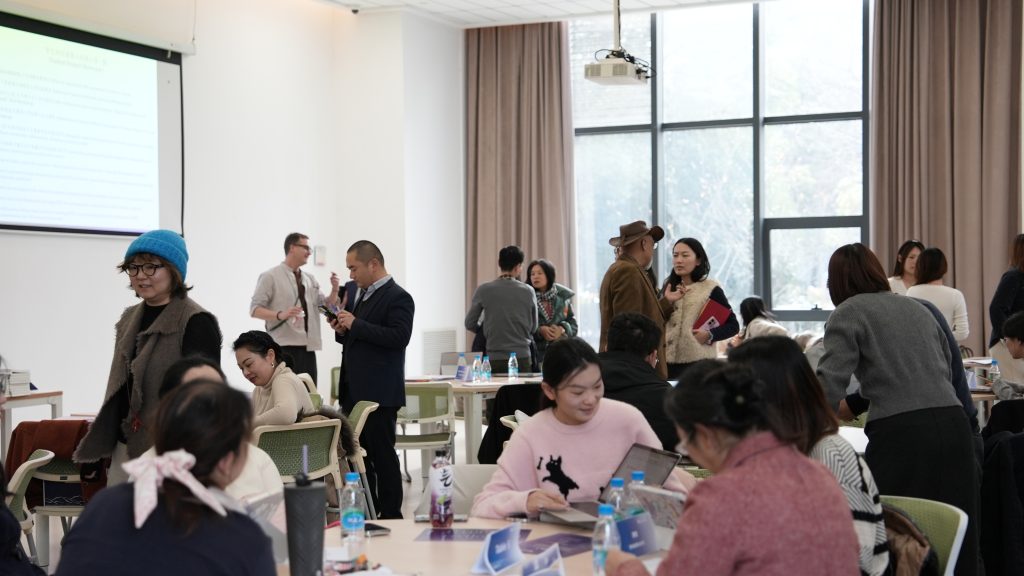
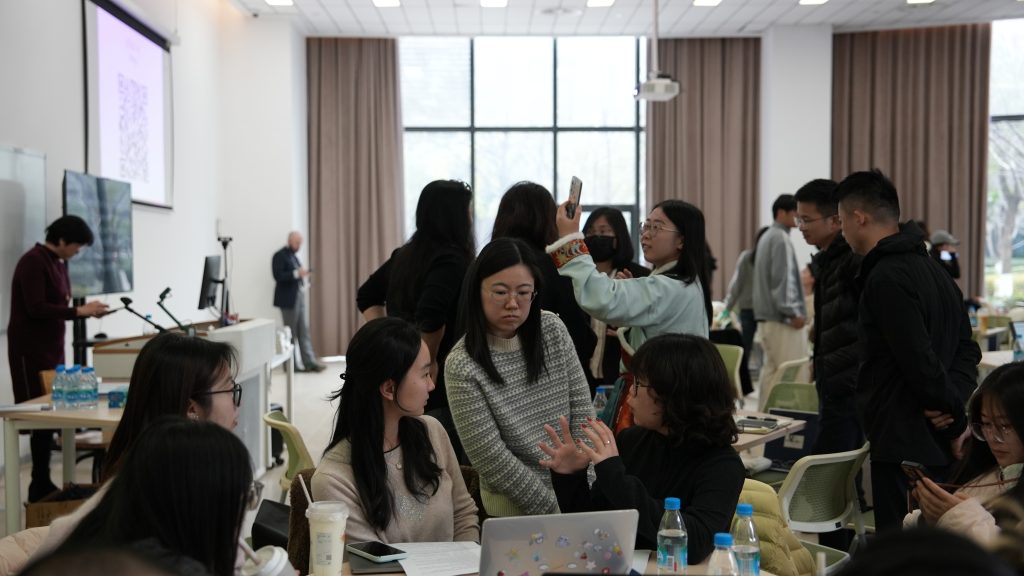
The showcase featured two rounds of student project presentations. Each group introduced their project background, implementation process and interim outcomes, followed by discussions with mentors and invited guests. Participants also contributed feedback through voting, evaluating projects in terms of practical value and future development potential.
Rather than simulated exercises, these projects were grounded in authentic contexts and real needs. Students were required to conduct research, design solutions, coordinate resources and iterate their work in response to uncertainty. The showcase thus provided a clear view of how students approach problem-solving, thinking and collaboration in practice.
From Content Creators to Project Managers
During the session on integrated project cases, Li Wang, Head of the Innovation Factory Lab and a current doctoral student at XJTLU, shared the design and implementation of a VR-based integrated project. Based on the real-world task of “3D visualisation and metaverse reconstruction of the Chuanghui Lab”, the project guided students—many without prior experience in programming or 3D modelling—through structured learning design and collaborative processes.
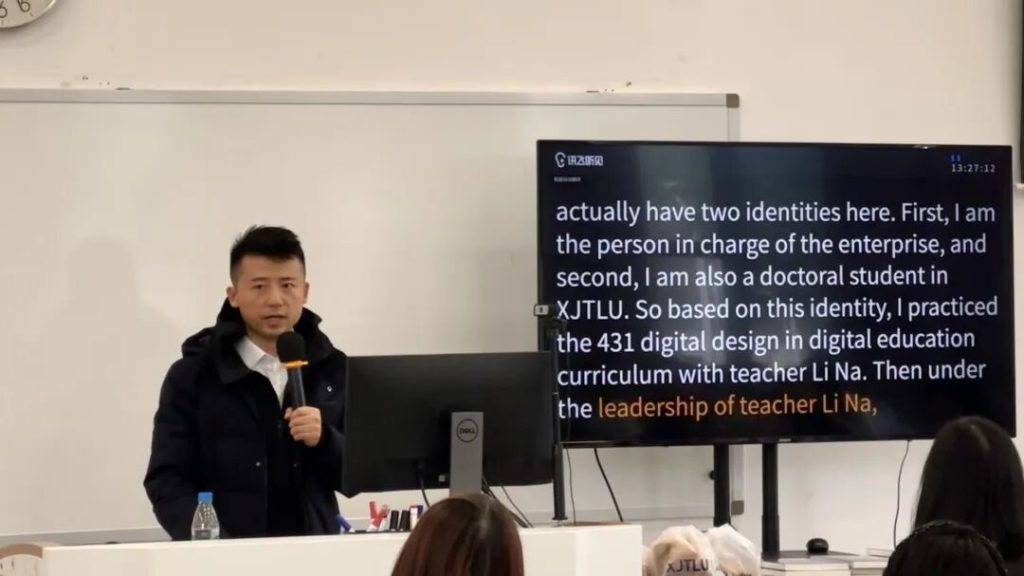
He explained that the course adopted iterative development and agile project management approaches, continuously refining solutions through stages such as needs analysis, script design and product optimisation. Supported by a multi-dimensional evaluation system, students gradually shifted from content creators to project managers capable of coordinating tasks, managing timelines and delivering outcomes.
A Sustainable Learning Pathway for Transformation
PG Transition represents a new initiative designed to support postgraduate students in achieving a mindset shift through project-based learning and engagement with real-world contexts.
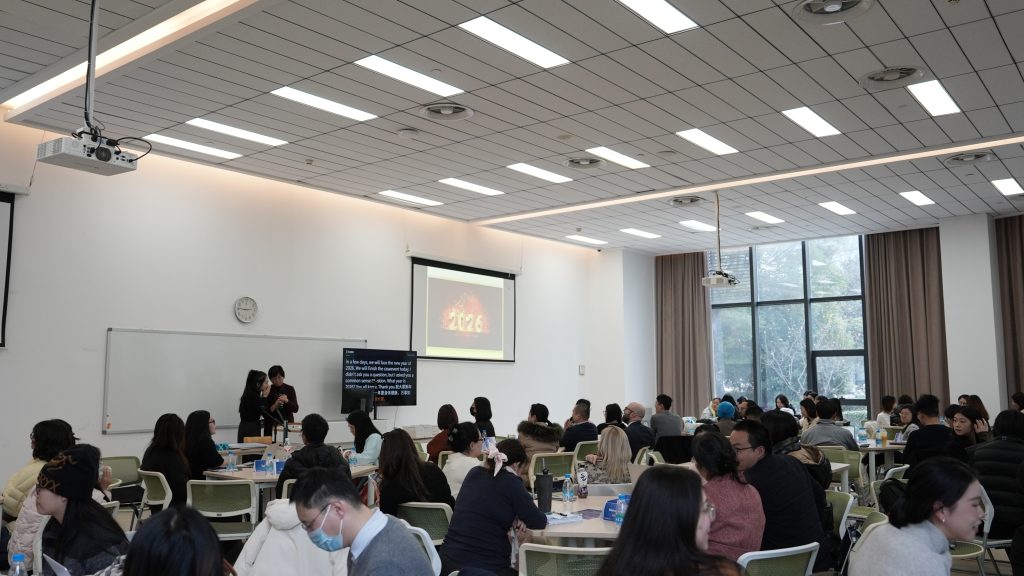
Dr Na Li, Head of the Department of Educational Studies, introduced the programme structure: the first semester focuses on exploration and transition, the second deepens practice through specialised courses, and the third leads into the dissertation phase. The programme also incorporates differentiated design based on students’ disciplinary backgrounds and is continuously refined to support individual development pathways.
From a learning support perspective, Dr Yingchun Li, Programme Lead, highlighted that PG Transition integrates online self-directed learning, field-based research, academic consultation, mindfulness-based stress management and ongoing reflective practices. These elements aim to help students develop self-awareness and collaboration skills, enabling them to navigate complex tasks and uncertain contexts with stability and confidence.
The event also included a ceremony to recognise practice mentors and partner institutions for their contributions to student development and project collaboration. Awards were presented to several partner schools in recognition of their engagement in integrated projects and educational innovation.
By Xiaoyan Jin and Sichen Fan
Photo courtesy of Sichen Fan
16 Jan 2026