






04 Mar 2026


Recently, the 2025 Soochow University × Xfun Games Game Jam concluded at the H+ Art Museum in Gusu District, Suzhou. A collaborative team formed by Guangyi Wu, a PhD student from the Department of Industrial Design at Xi’an Jiaotong-Liverpool University, together with students from Soochow University’s School of Art, delivered an outstanding performance. Their single-player pixel-art RPG Nightmare Teddy-Bear received the Gold Award for its cohesive gameplay design and distinctive artistic style.
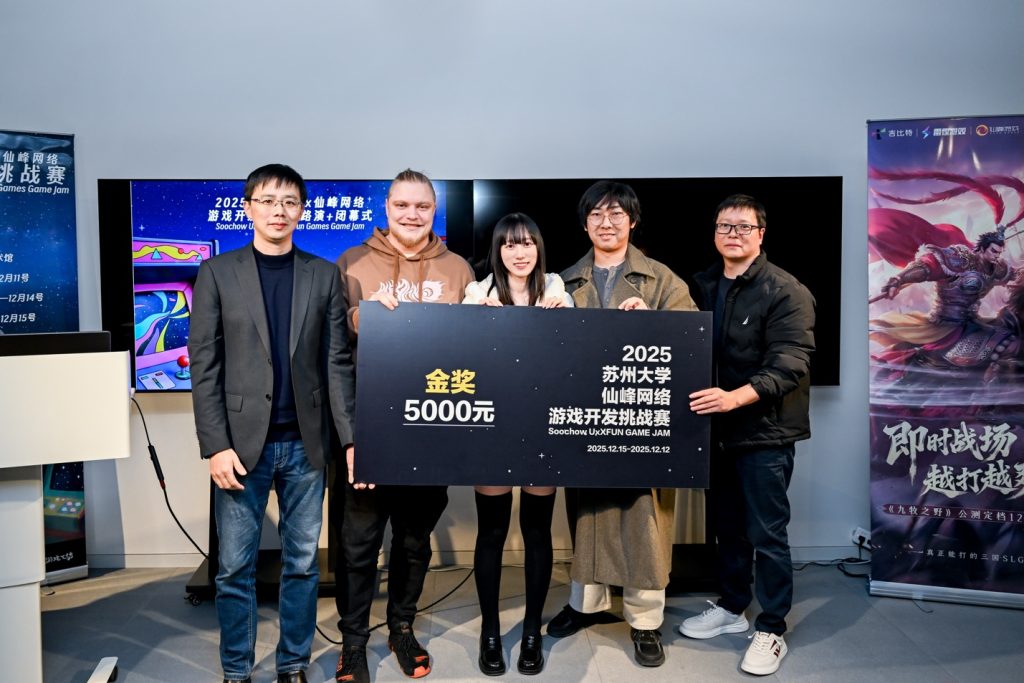
The competition was themed around “Dream” and adopted a dual-track format combining mentor-led workshops with a 48-hour intensive development sprint, focusing on game creativity, narrative expression, and technical implementation. The event attracted young creators from multiple universities across Suzhou.
As a high-intensity practice-oriented competition grounded in real creative contexts, the Game Jam was held within the public cultural space of the H+ Art Museum. Participating teams were required to complete the full development process, from concept ideation and prototyping to a playable build, within 48 hours. Projects were evaluated by a judging panel across multiple dimensions, including creative concept, narrative completeness, visual presentation, and technical execution.
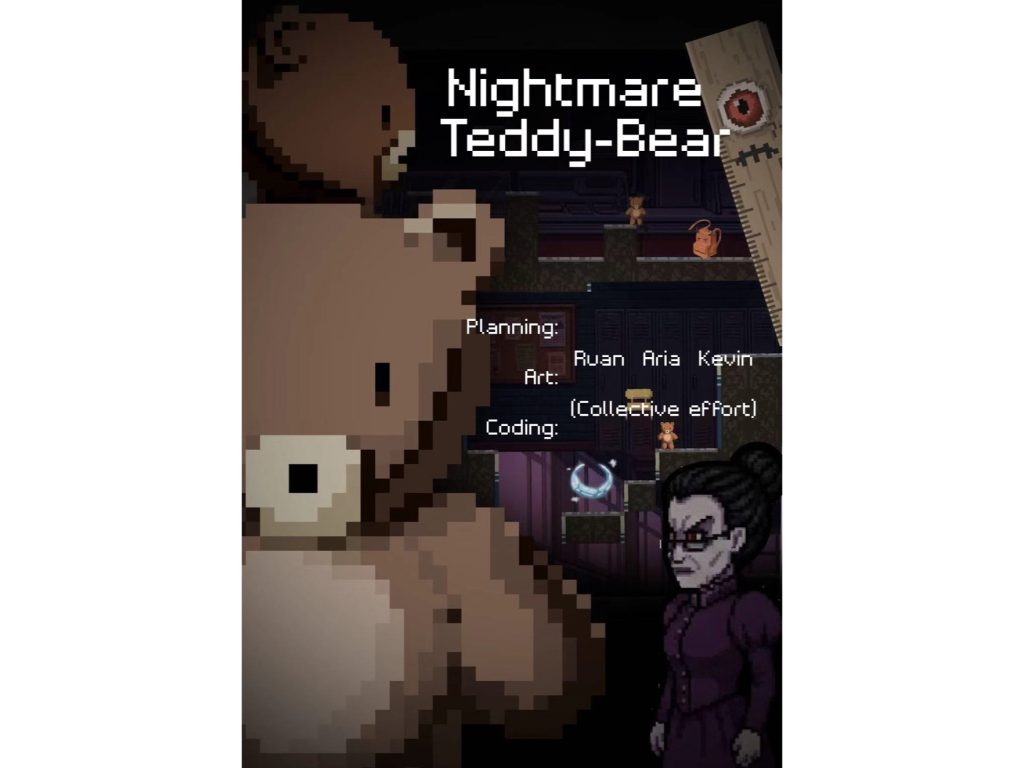
Nightmare Teddy-Bear is a single-player pixel-art RPG developed within 48 hours using the Godot engine. Players take on the role of a Teddy Bear who ventures into its young owner’s nightmare caused by school phobia. Through level exploration, defeating “homework monsters,” and confronting the final boss—the Strict Teacher—players help the child overcome the nightmare and sleep peacefully through the night.
Drawing on childhood memories and real-world emotional experiences, the game translates abstract psychological pressure into interactive gameplay mechanics and narrative progression. Within the limited development timeframe, the team successfully implemented core gameplay systems, established a consistent pixel-art visual style, designed engaging level pacing, and integrated sound effects and feedback systems, demonstrating strong capabilities in interdisciplinary collaboration and rapid prototyping.
This award highlights the comprehensive strengths of XJTLU Industrial Design students in game design, interaction design, and digital storytelling, and reflects the university’s active exploration of cross-institutional collaboration and practice-oriented education. Looking ahead, the department will continue to encourage students to engage in interdisciplinary practice within real creative contexts, fostering deeper integration between design, technology, and cultural expression.
Images and story provided by Department of Industrial Design
Edited by Yi Qian
04 Mar 2026